Carmen de los Mártires, Historic garden in Granada, Spain.
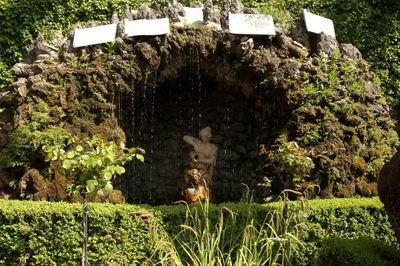
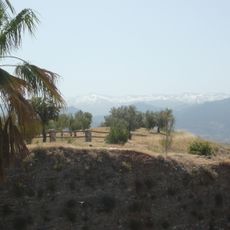
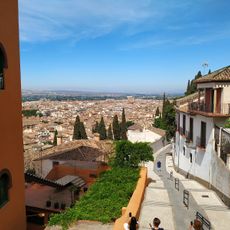
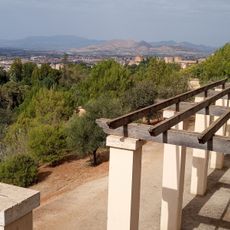
Carmen de los Mártires spans over seven hectares on a hillside, featuring terraced gardens with Mediterranean flora, ornamental ponds, winding pathways, and panoramic views of Granada, Sierra Nevada, and the surrounding countryside from its elevated position at 769 meters above sea level.
Originally known as Corral de los Cautivos during the Nasrid period, this site served as a prison with underground silos before becoming a Carmelite convent in 1573, where Saint John of the Cross served as prior and wrote parts of his mystical poetry between 1581 and 1588.
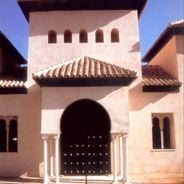
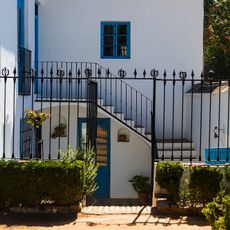
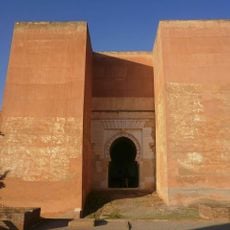
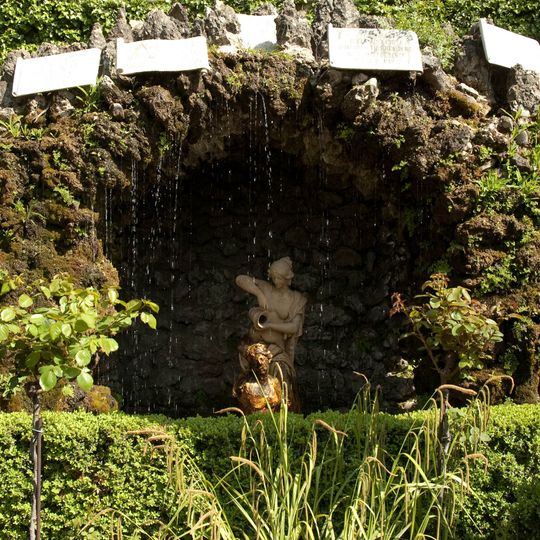
The garden represents a fusion of Moorish and European design influences, featuring distinct sections including a Nasrid-style patio inspired by the Alhambra, French geometric gardens, English romantic landscaping, and Spanish traditional elements that reflect centuries of horticultural traditions and artistic movements.
The garden is accessible via microbus from Isabel la Católica street and offers free admission to visitors, with well-maintained pathways suitable for walking, photography, and guided tours that provide educational insights about its botanical diversity and historical significance.
The site contains remnants of fourteen funnel-shaped underground silos carved into rock that once held up to 100 prisoners each, making it one of the few places where visitors can observe preserved medieval prison architecture alongside ornamental gardens.
Location: Granada
Elevation above the sea: 769 m
GPS coordinates: 37.17197,-3.58628
Latest update: July 23, 2025 15:15
Andalusia holds a notable collection of historic gardens that reflect different periods of Spanish history. These sites combine Moorish, Christian, and modern design traditions and demonstrate the evolution of garden art on the Iberian Peninsula. From the terraced layouts of the Nasrid era to the parks of the 19th and 20th centuries, these places provide insight into the cultural influences of various ages. Granada contains several significant examples of this garden tradition. The Generalife served as the summer residence of the Nasrid sultans and features water features, patios, and planted terraces overlooking the Alhambra. The Carmen de los Mártires combines Moorish, French, and English garden elements, while the Fundación Rodríguez-Acosta represents an example of early 20th-century garden design. Additional sites such as the Carmen de la Victoria, the Jardin de los Adarves, and the Palacio de los Córdova complete the picture of Granada's garden tradition. Seville houses one of Spain's most important historic gardens at the Real Alcázar. The complex includes Moorish courtyards, Renaissance parterres, and modern plantings. The city also offers the Jardines de Murillo at the edge of the Alcázar grounds, the expansive María Luisa Park with its pavilions and plazas, the Jardín Americano with exotic vegetation, as well as Los Jardines de la Buhaira and La Cartuja de Sevilla. The Casa de Pilatos displays an ornate palace courtyard with plants and fountains. In Córdoba, the Alcázar de los Reyes Cristianos presents geometric gardens with water basins and cypresses, while the Palacio de Viana offers twelve different interior courtyards with varied plantings. Málaga contributes to the diversity with the Botanical Garden La Concepción and the Pedro Luis Alonso Gardens, and in Vélez de Benaudalla lies the Nasrid Garden of Vélez as another testimony to Moorish garden design.
Grenada is a city experienced like a poem. At the foot of the Sierra Nevada, it combines Muslim heritage, Catholic fervor, and Andalusian rhythm. Behind ochre facades lie shaded patios, fountains, mosaics, and carved arches that tell eight centuries of history. The Alhambra watches over the city like a stone dream, the Albaicín district unfolds its white alleys, and the gardens of Generalife recall the delicacy of Nasrid rulers. At every turn, a bell tower follows a minaret, an Arab market opens onto a baroque cathedral. Granada is as much an open-air museum as a living place, where flamenco still escapes from the Sacromonte caves. Between spirituality, art, and jasmine fragrance, the Andalusian city retains an elusive, almost mystical beauty.
Auditorio Manuel de Falla
236 m
Torre de la Cautiva
471 m
Fountain of Charles V
549 m
Torre de las Infantas
417 m
Klooster van Sint-Franciscus
524 m
Universo Manuel de Falla
274 m
Carmen Ave María
280 m
Iglesia de Santa María de la Alhambra
558 m
Puente Verde
597 m
Restauración de los Jardines del Partal
589 m
Puerta de Bibarrambla
516 m
Monumento al Duque de San Pedro de Galatino
544 m
Fuente de la Bomba
548 m
Laguna Taller de Taracea
510 m
Puerta de la Justicia
578 m
Instituto Gómez Moreno
574 m
Conjunto del Farolas del Paseo de la Bomba
538 m
Conjunto de Bancos de forja de los Jardines de la Bomba
530 m
Máquina de vapor Fives-Lilles, monumento del Paseo de la Bomba
509 m
Conjunto de Farolas exentas de los Jardines del Genil
592 m
Conjunto de Alcorques-banco de los Jardines del Genil
554 m
Calle Puente Verde
553 m
Granada esquemática de piedra 1
546 m
Fuente de la Ninfa
550 m
Paseo de la Bomba
544 m
Casa Molino de Ángel Ganivet
440 m
Monumento a Francisco de Paula Valladar y Serrano
555 m
Puerta de los Siete Suelos
315 mReviews
Visited this place? Tap the stars to rate it and share your experience / photos with the community! Try now! You can cancel it anytime.
Discover hidden gems everywhere you go!
From secret cafés to breathtaking viewpoints, skip the crowded tourist spots and find places that match your style. Our app makes it easy with voice search, smart filtering, route optimization, and insider tips from travelers worldwide. Download now for the complete mobile experience.

A unique approach to discovering new places❞
— Le Figaro
All the places worth exploring❞
— France Info
A tailor-made excursion in just a few clicks❞
— 20 Minutes