See the monuments around you in AROpen chests in the app
Around Us is built for your phone — point your camera at the streets and discover the monuments and places around you in augmented reality.Around Us is built for your phone — chests unlock when you walk, explore and capture nearby places.
Visit Granada : Moorish palaces, Andalusian art, and hidden courtyards
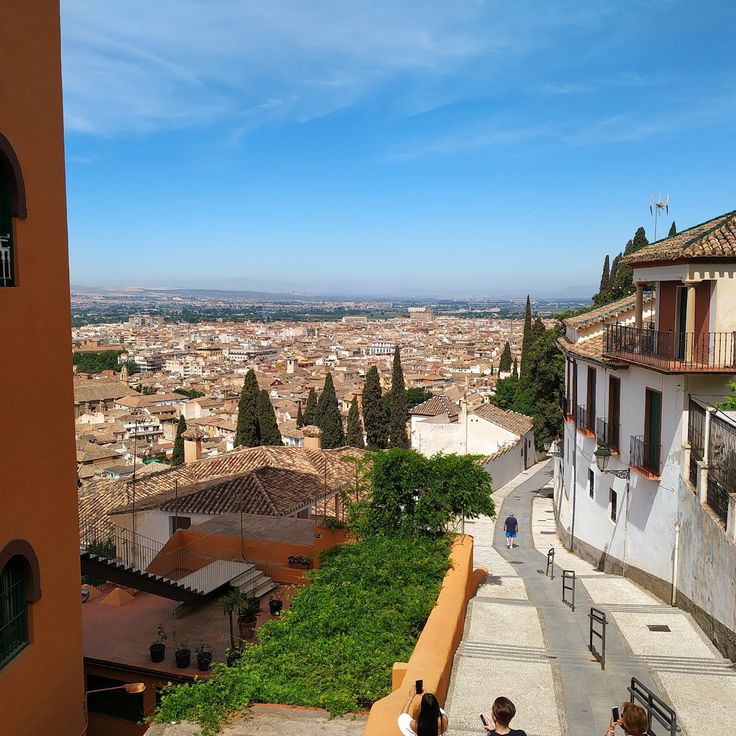
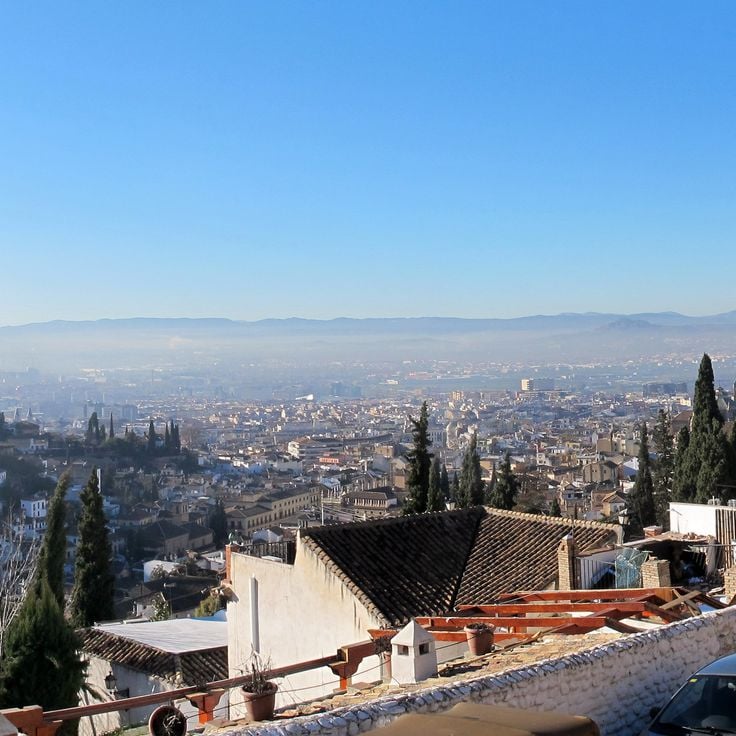
Granada unfolds like layers of history written on stone and stucco. Nestled at the foot of the Sierra Nevada, the city carries eight centuries of Muslim, Jewish, and Christian presence in its streets, buildings, and gardens. Walk through ochre-colored neighborhoods and you'll find cool courtyards hidden behind simple doors, fountains that catch the light, and carved arches that have survived empires. The Alhambra rises above everything, a fortified palace complex that shows what Nasrid rulers achieved at the height of their power. The Albaicín district spreads across hills in white-washed houses connected by narrow passages. The Generalife gardens nearby demonstrate how medieval builders thought about water, shade, and beauty together.
At ground level, Granada feels like a place where different worlds have learned to live side by side. You hear a church bell, then an imam's call to prayer from another direction. Arab markets sit blocks away from Baroque cathedrals. Flamenco music rises from the Sacromonte caves carved into the hillside, where guitarists and singers still perform as they have for generations. The city moves to its own rhythm—people take time for coffee, for conversation, for walking slowly through shadowed streets. The smell of jasmine drifts through neighborhoods, and the sound of water flowing through fountains never stops.
Granada works as both a museum and a living city. Its monuments tell stories of conquest, faith, and artistic skill. The Arab Baths, the Cathedral, the Royal Chapel, and the Palace of the Madraza each show a different chapter. But Granada's real appeal comes from how you experience it: moving through white alleys at sunset, sitting in a hidden patio, listening to music echo off stone walls. The city invites you to slow down and notice how light falls on a tile, how a fountain's water sounds in silence, how people have built their lives here across centuries.
Visit Granada : Moorish palaces, Andalusian art, and hidden courtyards
Granada unfolds like layers of history written on stone and stucco. Nestled at the foot of the Sierra Nevada, the city carries eight centuries of Muslim, Jewish, and Christian presence in its streets, buildings, and gardens. Walk through ochre-colored neighborhoods and you'll find cool courtyards hidden behind simple doors, fountains that catch the light, and carved arches that have survived empires. The Alhambra rises above everything, a fortified palace complex that shows what Nasrid rulers achieved at the height of their power. The Albaicín district spreads across hills in white-washed houses connected by narrow passages. The Generalife gardens nearby demonstrate how medieval builders thought about water, shade, and beauty together.
At ground level, Granada feels like a place where different worlds have learned to live side by side. You hear a church bell, then an imam's call to prayer from another direction. Arab markets sit blocks away from Baroque cathedrals. Flamenco music rises from the Sacromonte caves carved into the hillside, where guitarists and singers still perform as they have for generations. The city moves to its own rhythm—people take time for coffee, for conversation, for walking slowly through shadowed streets. The smell of jasmine drifts through neighborhoods, and the sound of water flowing through fountains never stops.
Granada works as both a museum and a living city. Its monuments tell stories of conquest, faith, and artistic skill. The Arab Baths, the Cathedral, the Royal Chapel, and the Palace of the Madraza each show a different chapter. But Granada's real appeal comes from how you experience it: moving through white alleys at sunset, sitting in a hidden patio, listening to music echo off stone walls. The city invites you to slow down and notice how light falls on a tile, how a fountain's water sounds in silence, how people have built their lives here across centuries.
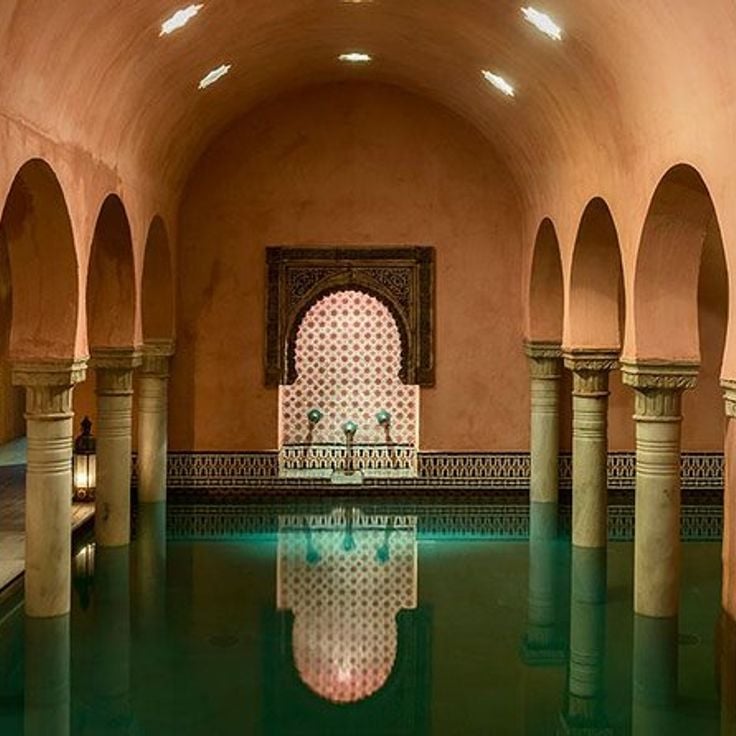
The Arab baths of Granada reveal how Muslims in medieval Spain understood the body and relaxation. Beneath arched ceilings covered in steam, pools catch filtered light while silence fills the space. Walking through them, you experience a timeless world where water, warmth, and stillness speak to everyday rituals from centuries past.
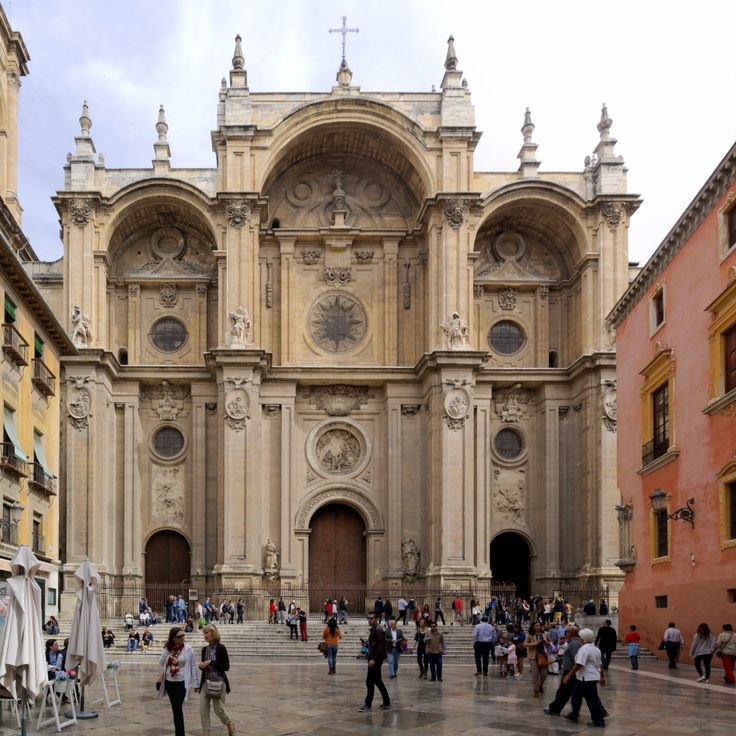
The Granada Cathedral is a monumental building from the 16th century that blends Gothic, Renaissance, and Baroque styles. Within this collection exploring Granada's history between Moorish palaces and Andalusian art, this cathedral represents the shift from Muslim to Christian rule. Its two towers rise above the old city, and its gilded interior reflects the power of the Catholic Monarchs. The cathedral stands as a counterpoint to the nearby Moorish structures that define so much of Granada's character.
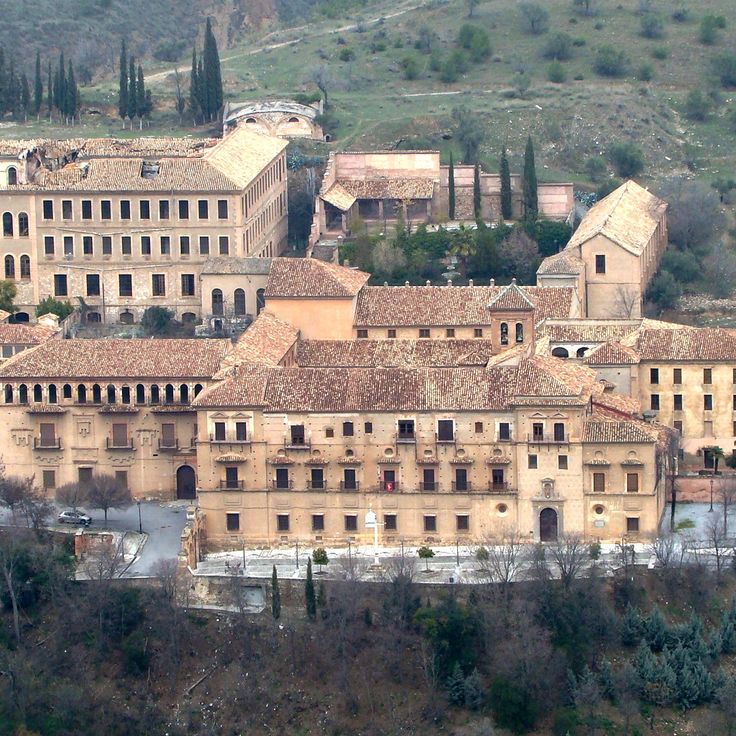
This abbey of Sacromonte is part of Granada's collection of Moorish palaces, hidden courtyards, and Andalusian art. The religious complex was founded around 1600 and stands on the hillside overlooking the city. It contains a church, underground chambers that feel like a maze, and a museum holding ancient manuscripts and religious objects. The site weaves together Granada's spiritual history with artworks spanning centuries. Visitors encounter a place of quiet reflection perched above the living city, telling the story of its dual heritage as both Christian and Muslim space.
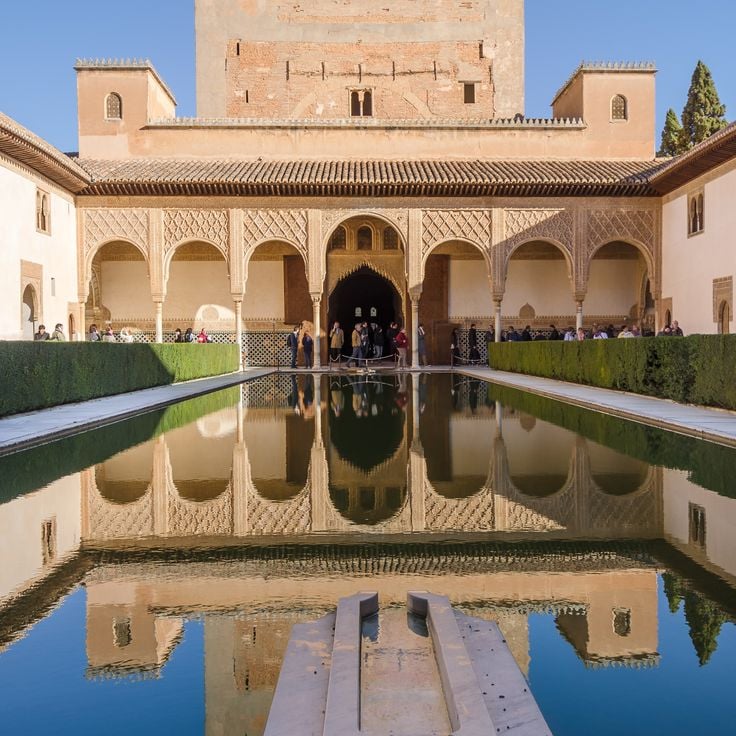
The Alhambra is the heart of Granada's collection of Moorish palaces, secret courtyards, and Andalusian art. This fortified city from the 13th century displays the height of Muslim Andalusia through its palaces adorned with stucco and mosaics, its gardens, towers, and courtyards. Every room tells a story of eight centuries of history and forms the core of the city's past.
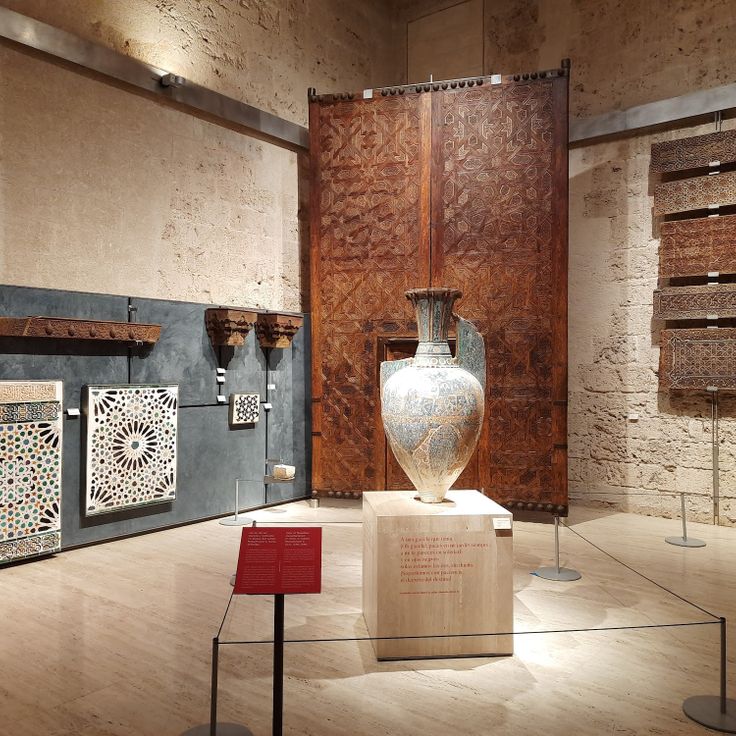
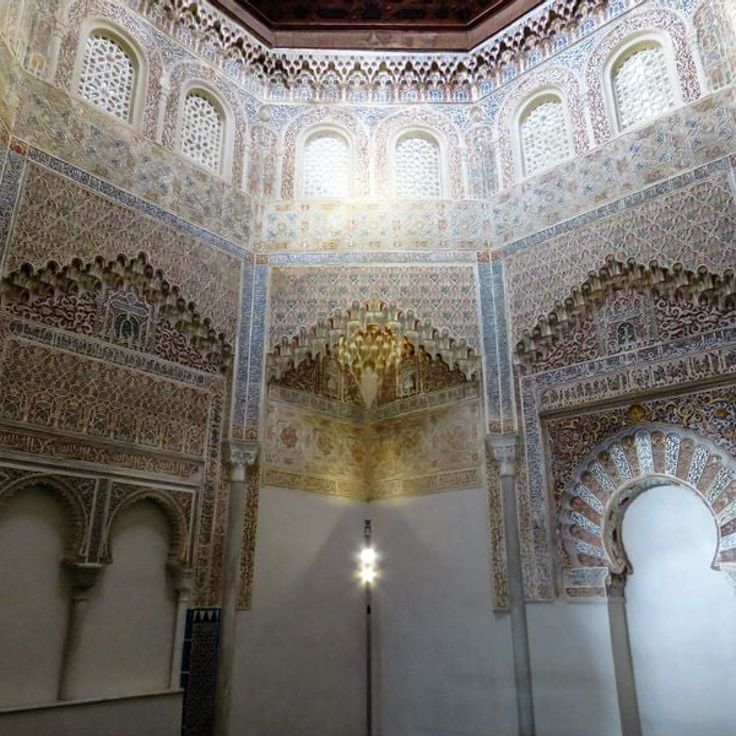
The Palace of the Madraza is a significant building in Granada that served as the city's first Muslim university when built in 1349. Its exterior displays Baroque features added later, while the interior contains an oratory decorated with Arabic inscriptions and geometric patterns. This structure reveals how Granada's architecture layered different cultures and periods, combining Islamic learning traditions with European design elements.
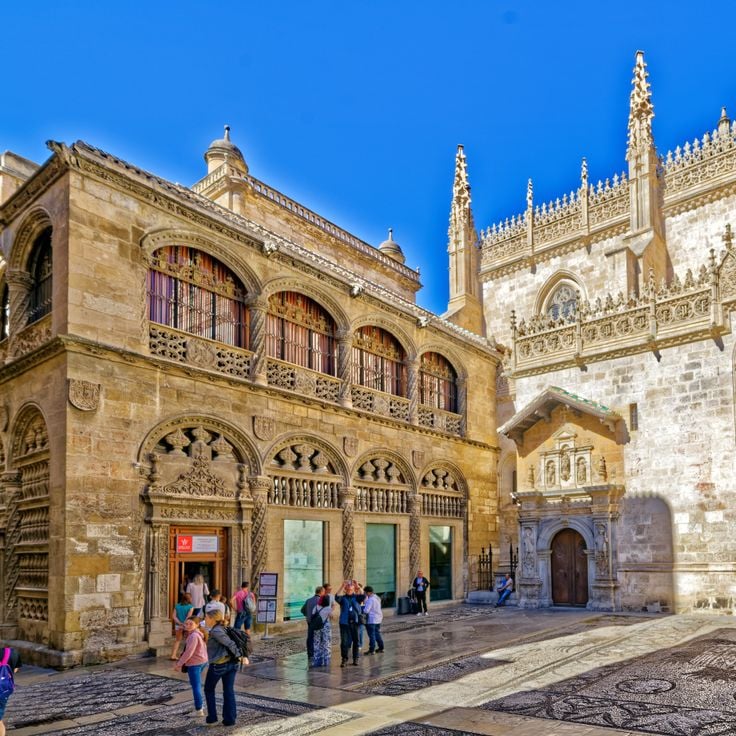
The Royal Chapel of Granada enriches this collection as a Gothic masterpiece from the 16th century. With its marble walls, stained glass windows, and gilded ornaments, it tells the story of the reconquest of Granada and the end of an empire. Here rest the Catholic Monarchs, and every detail recalls this defining moment in Spanish history.
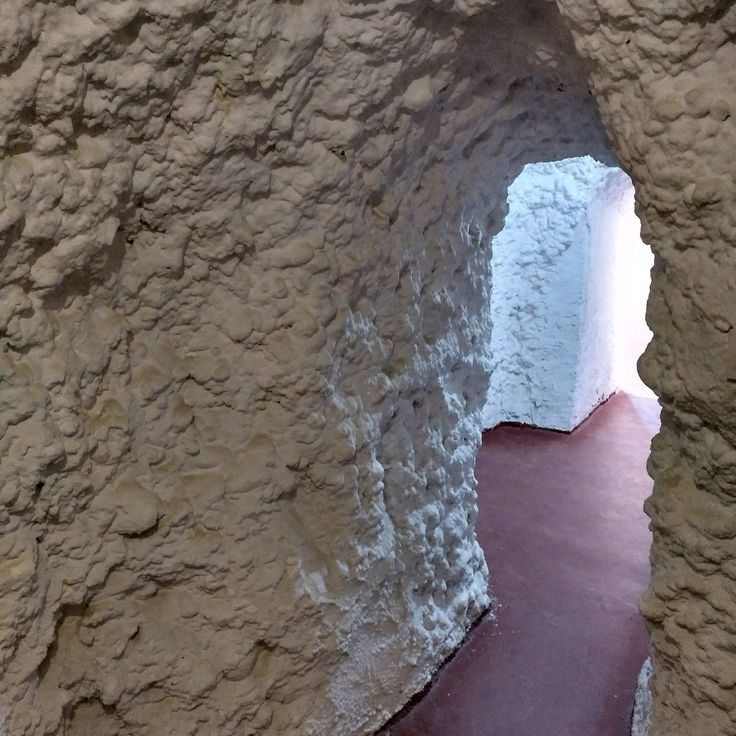
The Sacromonte Caves are carved into the rock and now serve as flamenco stages. They are part of Granada's rich heritage between Moorish palaces, secret courtyards, and Andalusian art. The sound of guitars, footsteps on the earth, and singers' voices carry up to the hills.
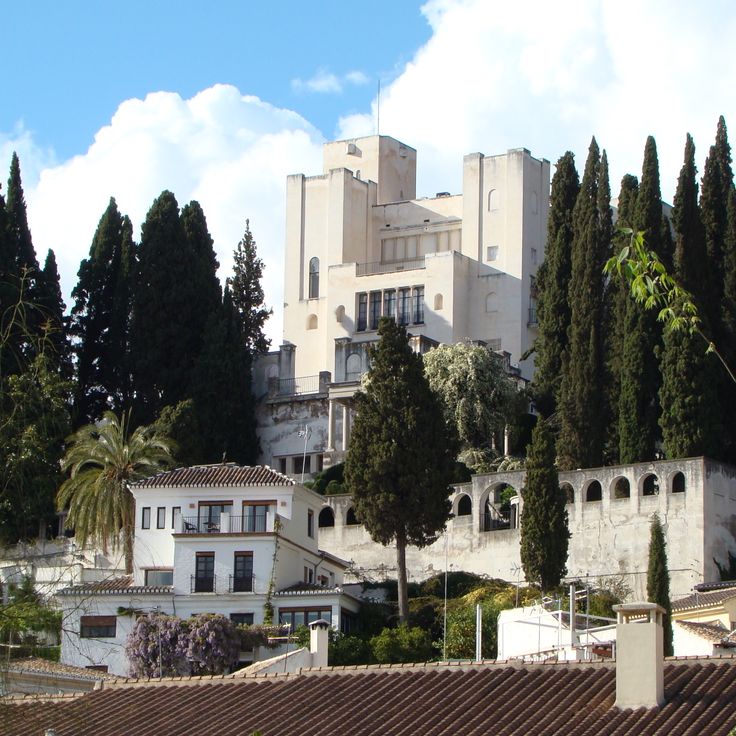
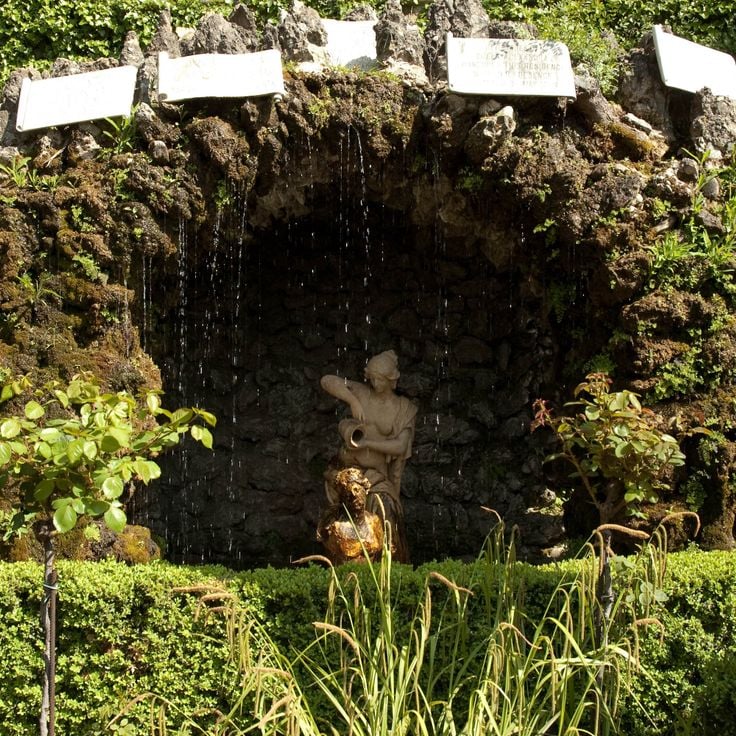
The Rodríguez Acosta Foundation holds an art collection within a 1930s villa set among terraced gardens filled with sculptures. The rooms display works from different periods, while the grounds showcase greenery and stone pieces. This cultural space brings together Andalusian artistic traditions and early 20th-century vision in one place.
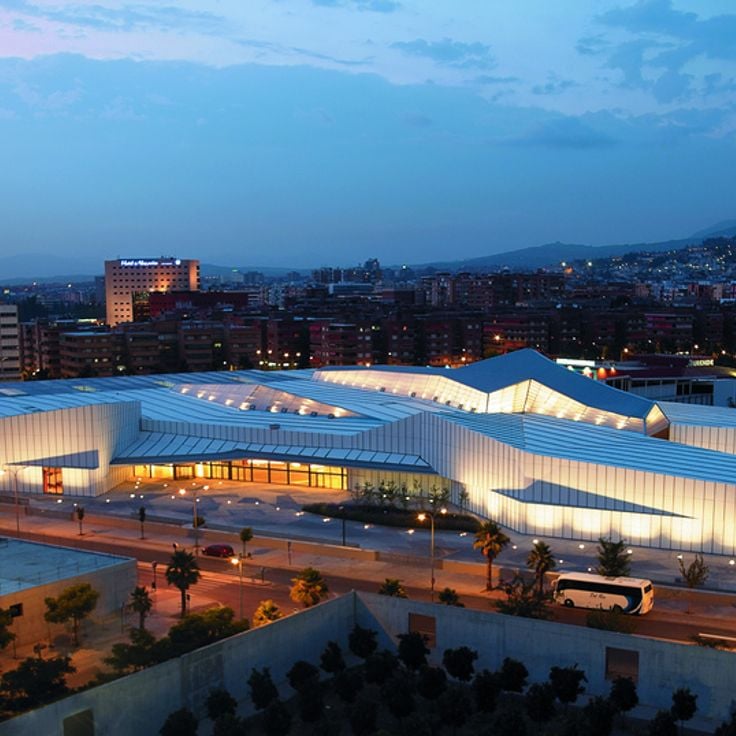
The Science Museum in Granada presents natural and physical phenomena through hands-on experiments. Visitors explore science across several thematic rooms where they can engage directly with displays. It sits alongside Granada's blend of eight centuries of Moorish and Spanish heritage, offering a modern perspective on discovery within this historic city at the foot of the Sierra Nevada.
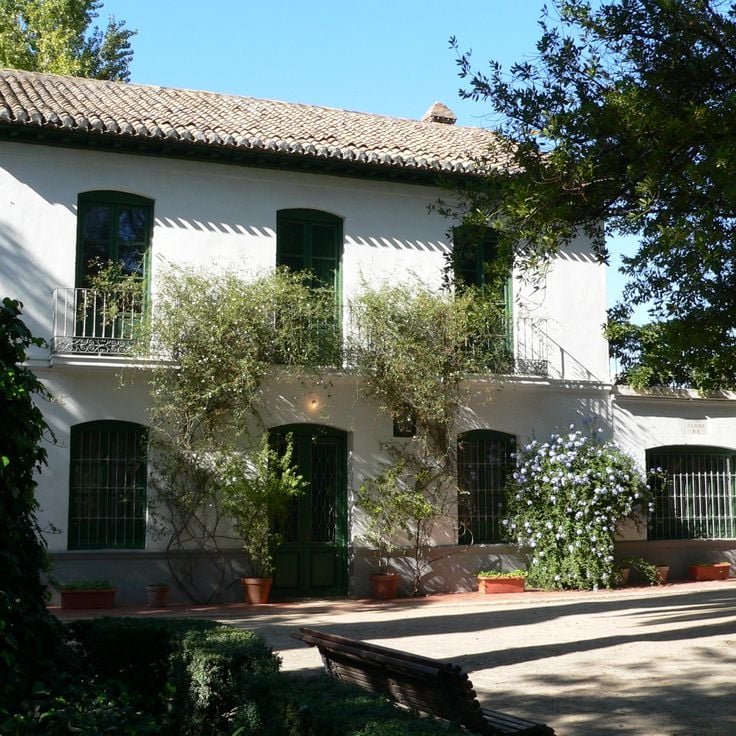
Huerta de San Vicente is the house-museum of Andalusian poet Federico García Lorca, set among the gardens and white walls of Granada. Here you can discover his study, handwritten manuscripts, and the personal world of the writer, preserved as if frozen in time. The house keeps alive the memory of one of Spain's most significant poets of the 20th century and connects to Granada's rich literary heritage.
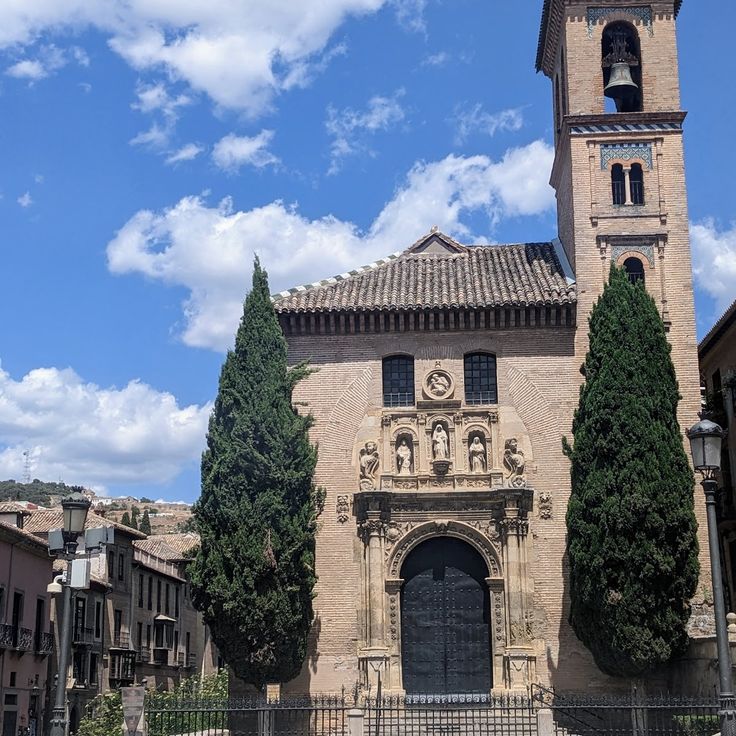
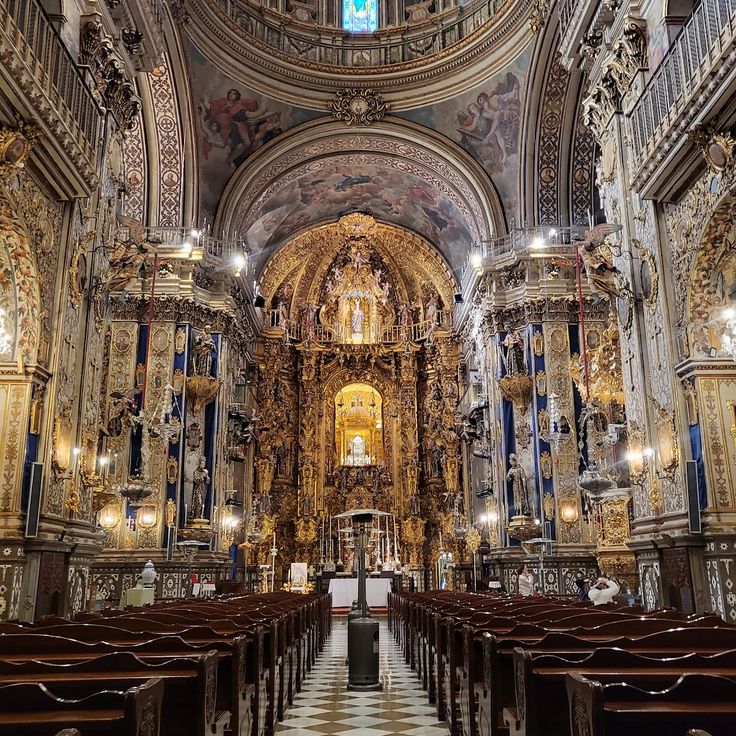
The Church of San Gil y Santa Ana is a 16th-century religious building in Granada's old quarter that reflects the city's layering of Muslim heritage, Catholic faith, and Andalusian culture. Built with a blend of Mudéjar and Renaissance styles, the church features carved wooden ceilings that showcase the craftsmanship of the period. This church represents Granada's religious complexity, where bell towers stand alongside minarets and Christian structures coexist with Moorish traditions.
The Palace of the Forgotten stands in a historic building in Granada and displays documents and objects from the Spanish Inquisition spanning the 15th to 19th centuries. This museum offers insight into a dark chapter of the city's past, situated among the Moorish palaces and Andalusian art that define Granada. The collections tell the story of a period shaped by the religious fervor that gripped this city.
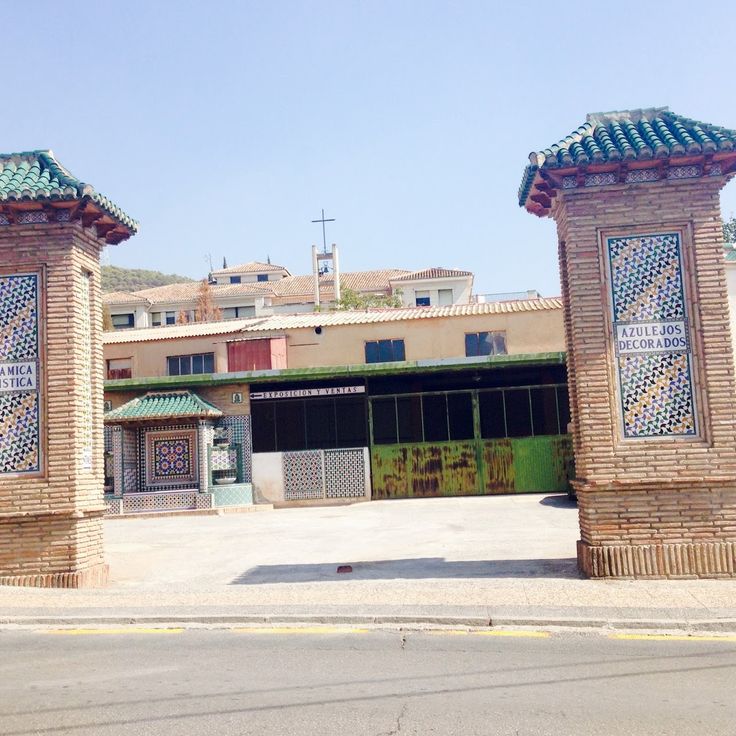
Fajalauza is a ceramics workshop in Granada that has operated since the 16th century. Here, tiles are painted by hand, a craft that continues the Mudéjar tradition of the city. The workshop shows how Granada has maintained its artisanal skills across the centuries.
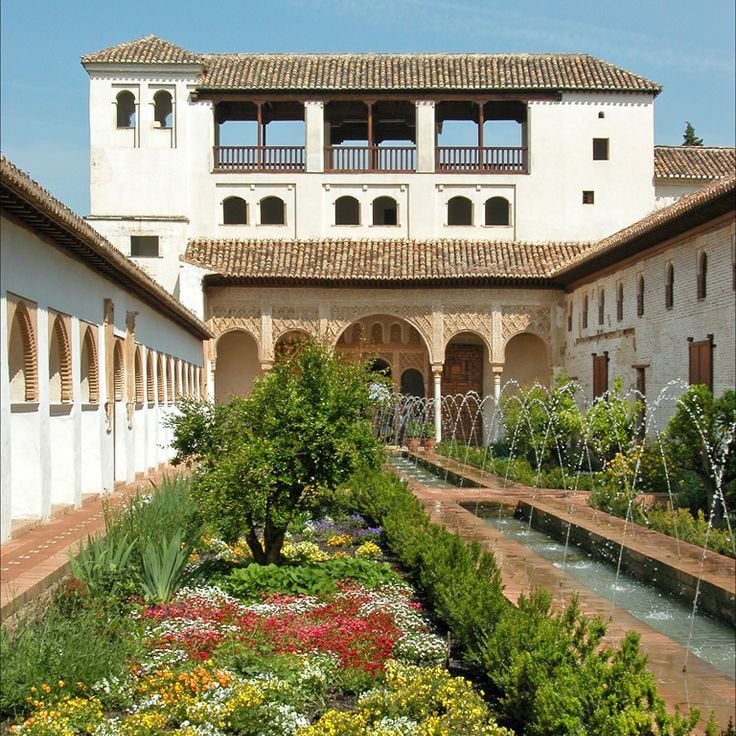
The Generalife is the former summer residence of the Nasrid rulers and exemplifies Granada's story of Moorish palaces and Andalusian gardens. Its tiered gardens, pools, and courtyards exist in a space between silence and light, just a short walk from the Alhambra.
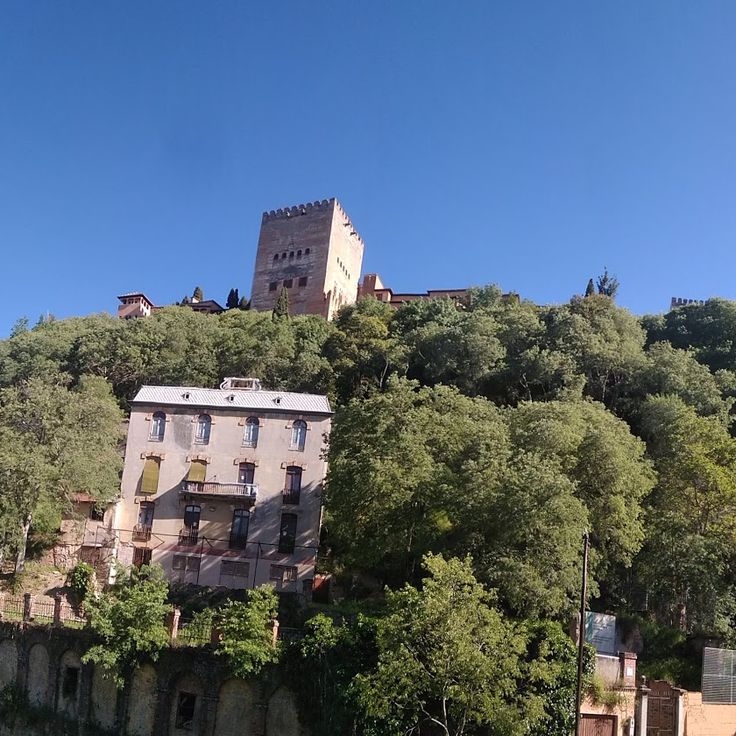
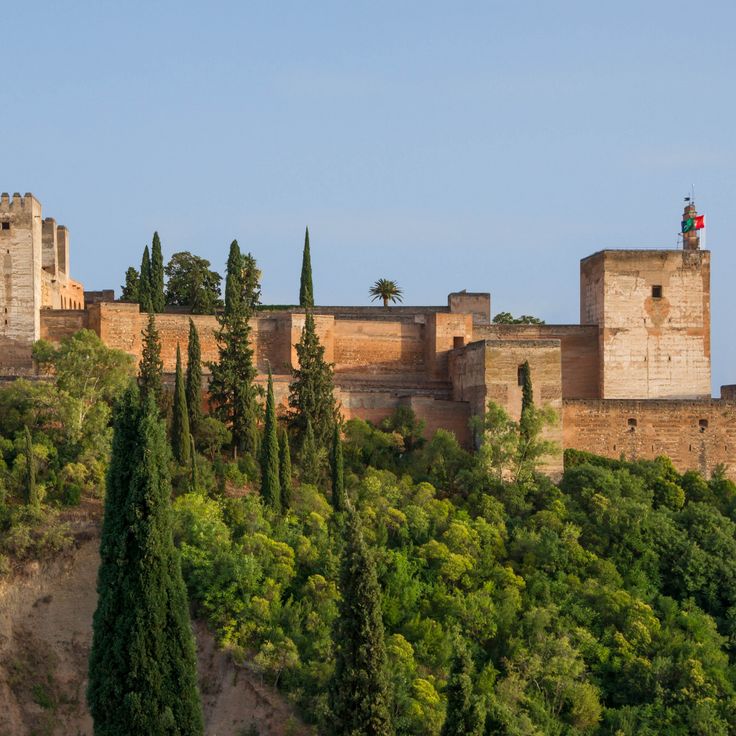
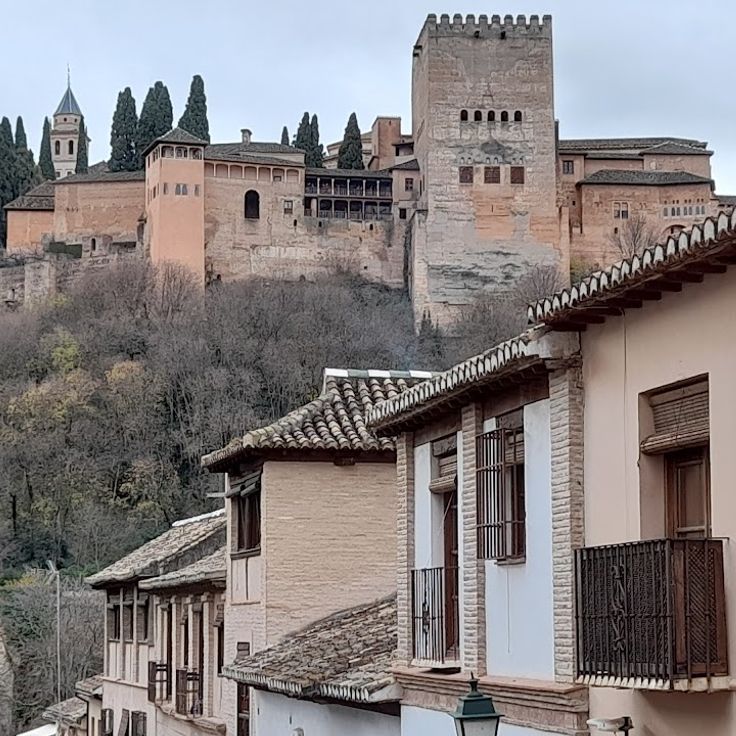
The Alcazaba is the military heart of the Alhambra in Granada, built in the 13th century. This fortress with its watchtowers commands views over the city below. It stands as a testament to the defensive strategies of the Nasrid rulers and represents the power that shaped Granada for centuries. Walking these walls connects you to the fortress's role within the larger palace complex.
The Casa Natal Museum in Granada is housed in the birthplace of poet Federico García Lorca, born here in 1898. The house displays his personal documents and belongings, offering visitors insight into the poet's early years and family life. This museum connects the literary world to the living city of Granada, revealing how the poet's creativity emerged from a place shaped by eight centuries of Moorish and Andalusian heritage. Walking through these rooms, you encounter the spaces where one of Spain's most important writers first experienced the city's rhythms, traditions, and artistic spirit.
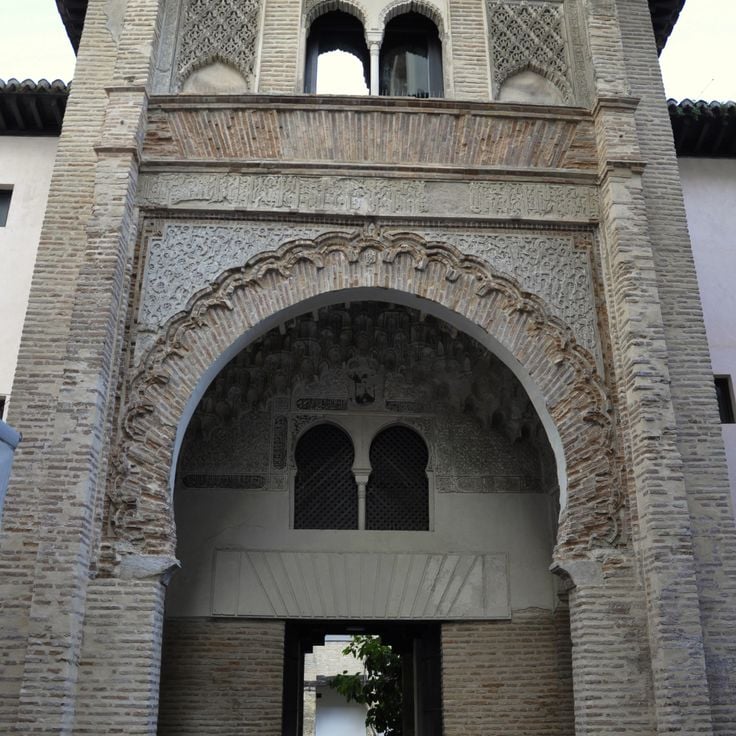
The Corral del Carbón, a 13th-century caravansary, represents Granada's cosmopolitan past between Moorish palaces and secret courtyards. Its inner courtyard and arches tell the story of merchants and travelers who sheltered here, shaping the city's character.
The Albaicín Quarter of this collection showcases Granada's medieval character through narrow streets, whitewashed walls, hidden fountains, and flower-covered balconies. This UNESCO-listed neighborhood preserves centuries of history and offers views of the Alhambra from its elevated position.
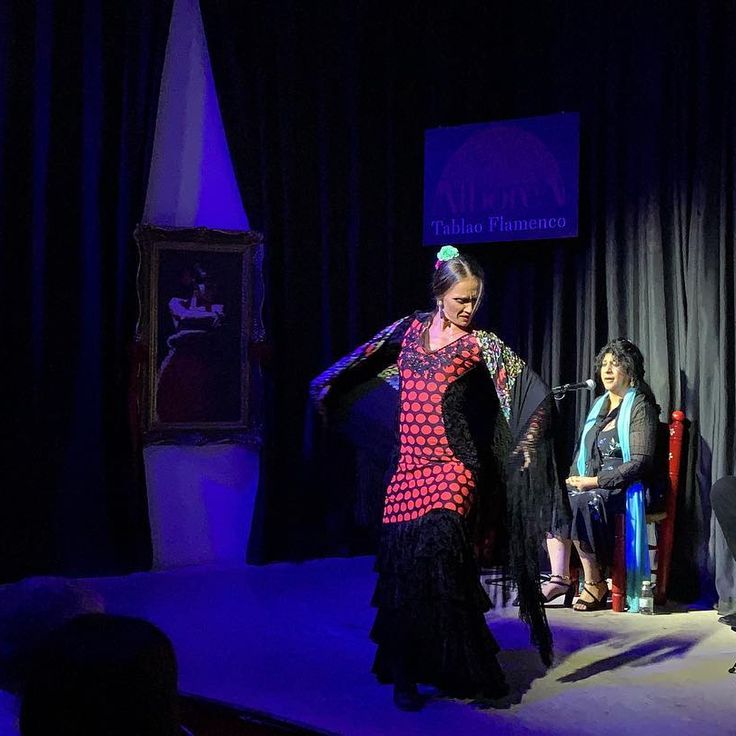
La Alborea is a performance hall set within a natural cave in Granada's Sacromonte neighborhood. Flamenco dancers and musicians perform in this space, where the cave walls create an intimate setting for the art form. The venue connects visitors directly to the living tradition of flamenco that has emerged from these caves for generations.
This viewpoint is essential to understanding Granada, a city woven between Moorish palaces and Andalusian art. From this famous terrace, you watch the Alhambra light up against the Sierra Nevada as the sun sets. The view captures the layers of the city's past, with eight centuries of Muslim and Catholic heritage visible in one frame. People gather here as evening approaches, waiting for the light to transform the stone walls into shades of gold. It is where Granada reveals its fullest self.
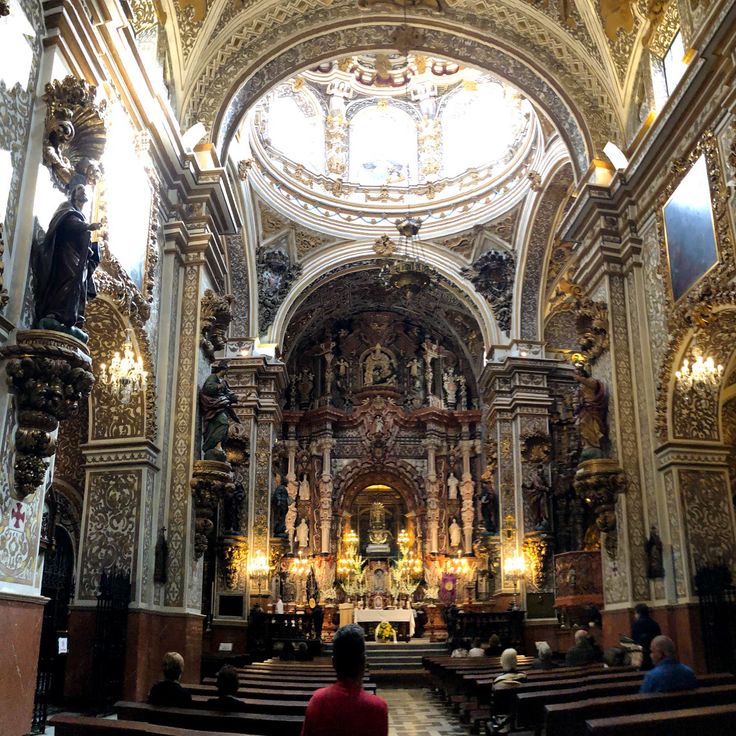
This basilica in Granada is a religious monument from the 18th century that reflects the spiritual fervor of the city. Golden ornaments, paintings, and carved woodwork in Spanish Baroque style fill its interior. The Basilica San Juan de Dios represents the sacred traditions that have shaped Granada's character and shows how religious art blends with centuries of Moorish heritage.
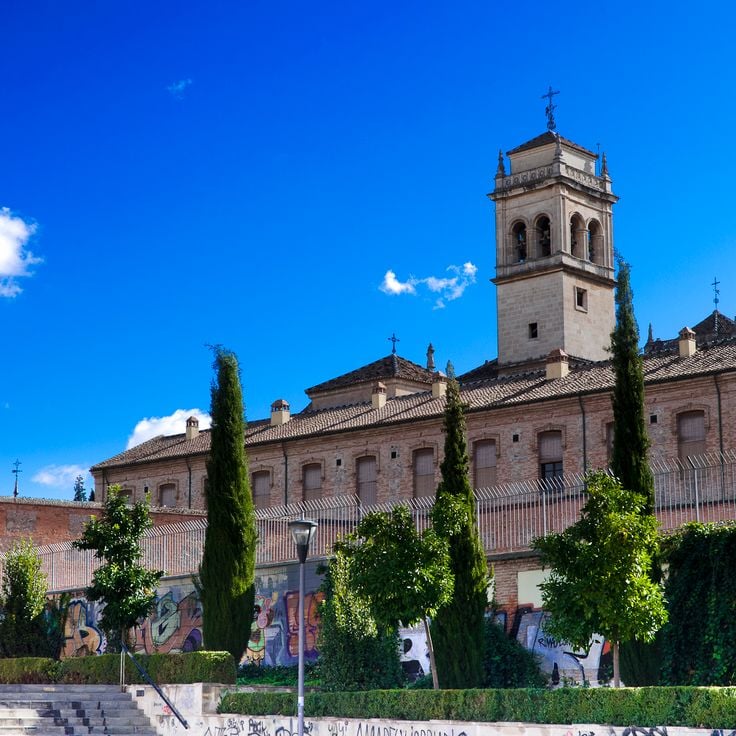
The Monastery of San Jerónimo in Granada is a 16th-century building that shows the Catholic strength in this city. With its two-level cloister, church, and carved wooden altar, it tells the story of when Granada came under Christian rule. The monastery sits in the heart of the city, standing alongside the Moorish palaces and gardens that still speak of the Islamic past. Here visitors see how two worlds meet in one place.
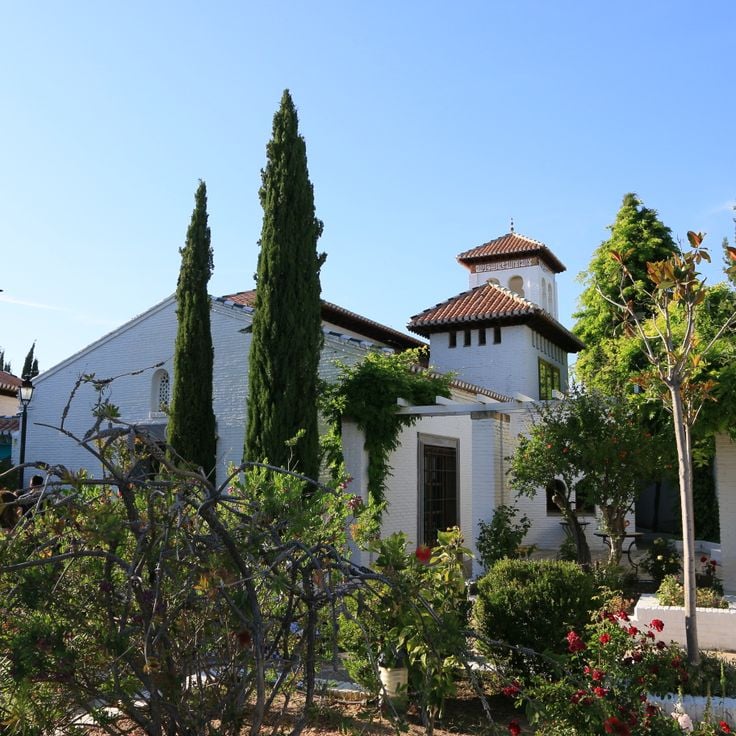
This mosque in Granada reconnects the city with its ancient spiritual traditions through contemporary architecture. Built in 2003 with Andalusian design, it features a prayer hall and a Mediterranean garden. The building offers direct views of the Alhambra, the palace that has watched over Granada for centuries.
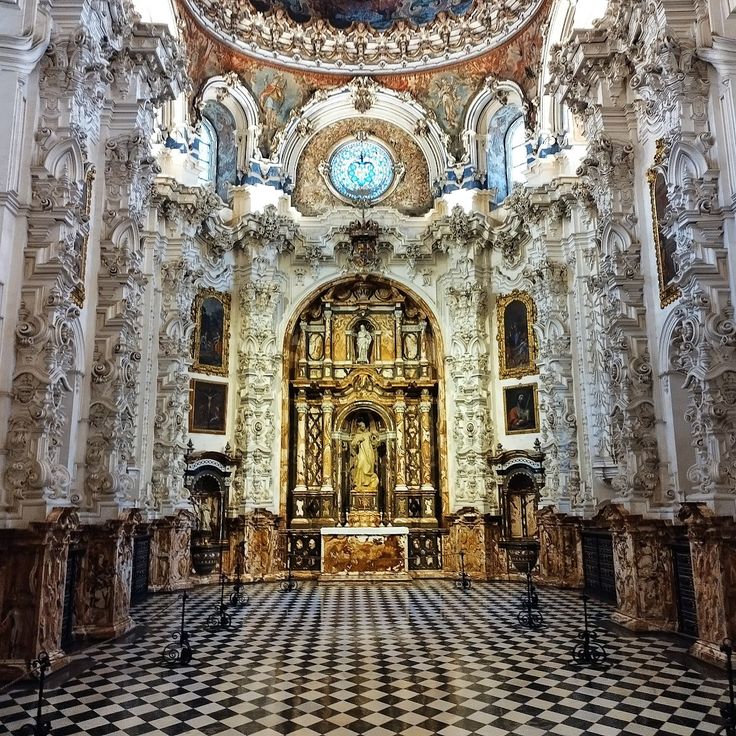
The Monastery of La Cartuja in Granada is a 16th-century monastic complex that embodies the Christian art and architecture of the city. Its church, cloister, and sacristy display elaborate decoration with marble, stucco, and frescoes. The monastery reflects the Catholic fervor that shaped Granada after the Reconquista, offering a contrast to the Moorish palaces and secret courtyards found elsewhere in the city. Visitors experience here a chapter of the eight centuries of layered history that define Granada.
The Carmen de los Mártires in Granada sits among Moorish palaces, hidden courtyards, and Andalusian art. This expansive romantic garden features fountains, cypress trees, peacocks, and ponds. It stands as one of the most serene places to take in the city while breathing in the fragrance of orange trees.
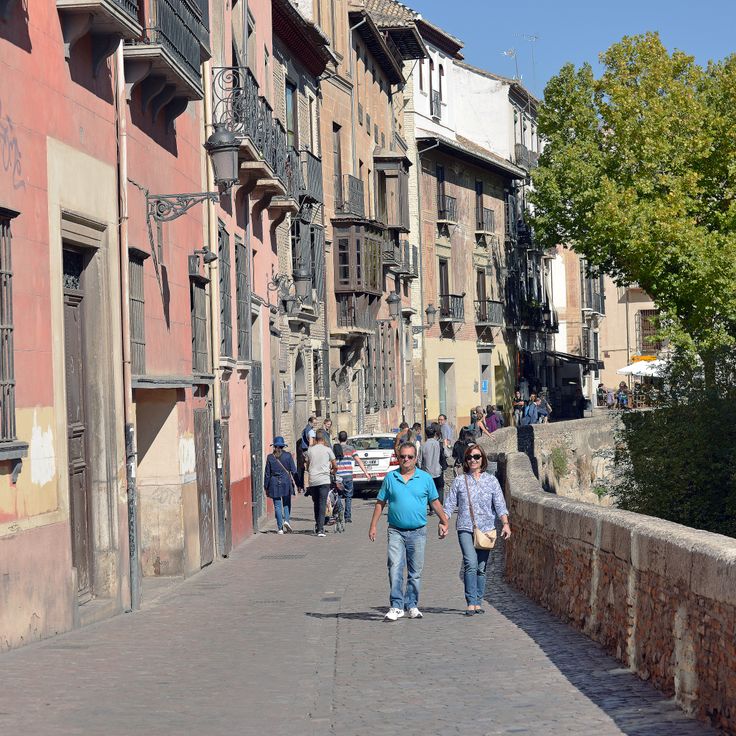
The Carrera del Darro is a 16th-century cobblestone street that runs alongside the Darro River in Granada. It connects several Renaissance palaces and historic monuments at the foot of the Alhambra, displaying the architectural variety that defines this city between Moorish heritage and Christian history.
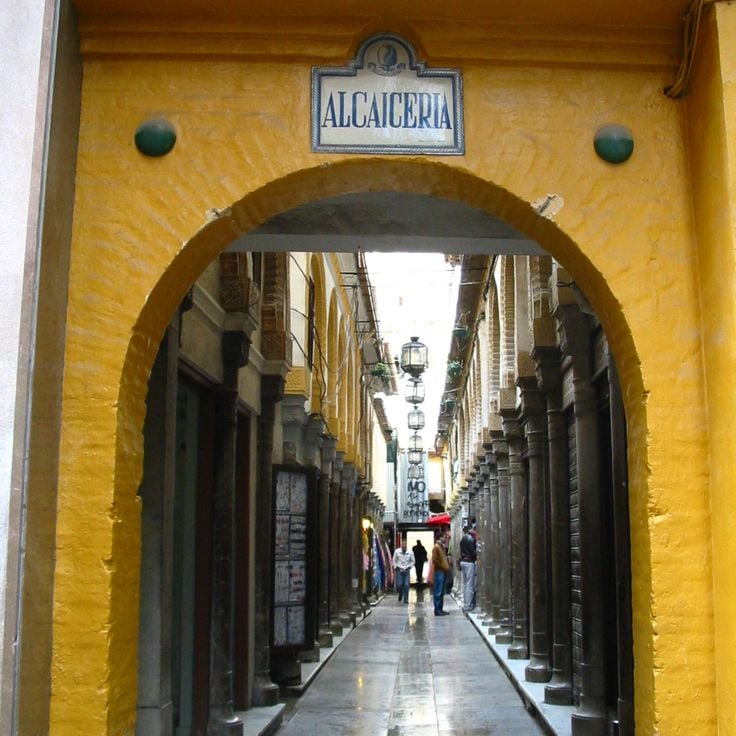
The Alcaicería is a former Arab market dating from the 14th century in Granada, set within narrow lanes near the cathedral. Part of Granada's collection between Moorish palaces, hidden courtyards, and Andalusian art, this place preserves the spirit of medieval trade. The shops here sell fabrics, spices, and handicrafts. Walking through its winding streets, you sense the rhythm of centuries-old commerce and the layers of history that shape this district.
The Nasrid Palaces are a medieval royal complex in Hispanic-Moorish style within Granada's Alhambra. Their rooms showcase the artistry of eight centuries: mosaics cover the floors, stucco adorns the walls, and Arabic calligraphy tells of the power of the Nasrid rulers. These palaces embody the beauty and refinement that shaped Granada.
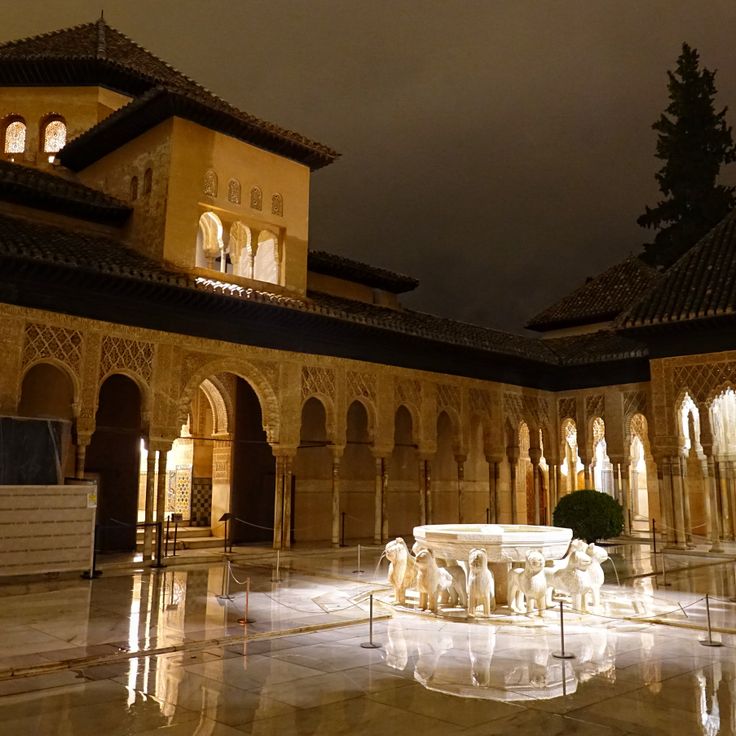
The Court of the Lions is the main courtyard of the Nasrid palace in Granada and features a monumental fountain at its center, supported by twelve white marble lion sculptures. Columned galleries surround the fountain, creating a space that reflects the refined architecture of the Nasrid rulers. This courtyard connects Granada's Muslim past with the artistic splendor that defines the city.
The Basilica of Our Lady of Sorrows is a 16th-century church in Baroque style that stands as a testament to Catholic presence in Granada, a city shaped by eight centuries of Muslim and Christian coexistence. Situated on Carrera de la Virgen with its gray marble facade, this basilica represents the spiritual counterpoint to the Alhambra and the Albaicín district. Here, faith and architecture tell the story of how Granada reconciled two religious traditions through stone and devotion.
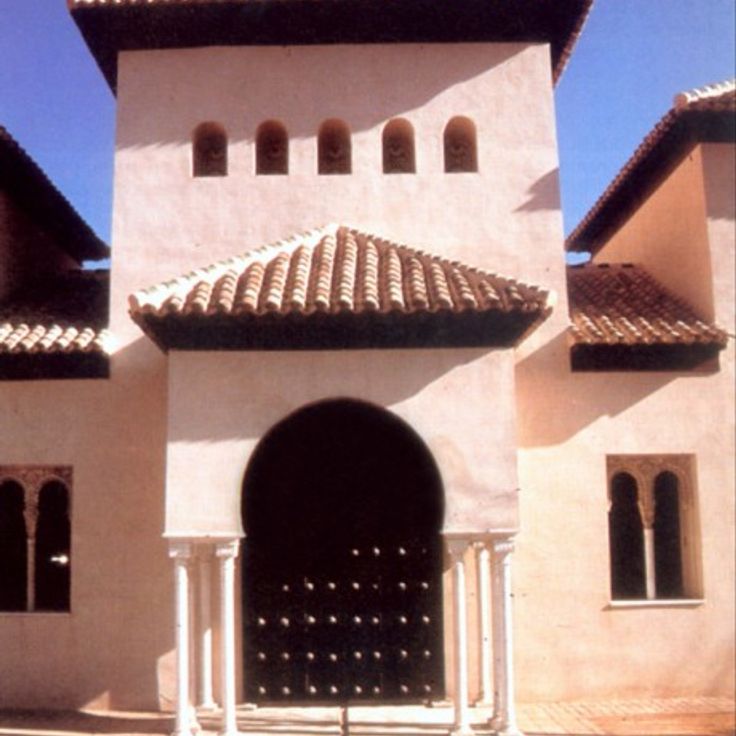
The Alcázar del Genil is a 13th-century palace that stands as part of Granada's Moorish heritage. Built by the Almohads, it served as a royal residence for rulers who shaped the city. The palace features a large rectangular water basin and gardens that reflect the refinement of medieval Islamic design. Like the Alhambra and other monuments in this city, the Alcázar del Genil speaks of centuries of history layered into its walls and courtyards.
The Arab baths of Granada reveal how Muslims in medieval Spain understood the body and relaxation. Beneath arched ceilings covered in steam, pools catch filtered light while silence fills the space. Walking through them, you experience a timeless world where water, warmth, and stillness speak to everyday rituals from centuries past.
The Granada Cathedral is a monumental building from the 16th century that blends Gothic, Renaissance, and Baroque styles. Within this collection exploring Granada's history between Moorish palaces and Andalusian art, this cathedral represents the shift from Muslim to Christian rule. Its two towers rise above the old city, and its gilded interior reflects the power of the Catholic Monarchs. The cathedral stands as a counterpoint to the nearby Moorish structures that define so much of Granada's character.
This abbey of Sacromonte is part of Granada's collection of Moorish palaces, hidden courtyards, and Andalusian art. The religious complex was founded around 1600 and stands on the hillside overlooking the city. It contains a church, underground chambers that feel like a maze, and a museum holding ancient manuscripts and religious objects. The site weaves together Granada's spiritual history with artworks spanning centuries. Visitors encounter a place of quiet reflection perched above the living city, telling the story of its dual heritage as both Christian and Muslim space.
The Alhambra is the heart of Granada's collection of Moorish palaces, secret courtyards, and Andalusian art. This fortified city from the 13th century displays the height of Muslim Andalusia through its palaces adorned with stucco and mosaics, its gardens, towers, and courtyards. Every room tells a story of eight centuries of history and forms the core of the city's past.
The Palace of the Madraza is a significant building in Granada that served as the city's first Muslim university when built in 1349. Its exterior displays Baroque features added later, while the interior contains an oratory decorated with Arabic inscriptions and geometric patterns. This structure reveals how Granada's architecture layered different cultures and periods, combining Islamic learning traditions with European design elements.
The Royal Chapel of Granada enriches this collection as a Gothic masterpiece from the 16th century. With its marble walls, stained glass windows, and gilded ornaments, it tells the story of the reconquest of Granada and the end of an empire. Here rest the Catholic Monarchs, and every detail recalls this defining moment in Spanish history.
The Sacromonte Caves are carved into the rock and now serve as flamenco stages. They are part of Granada's rich heritage between Moorish palaces, secret courtyards, and Andalusian art. The sound of guitars, footsteps on the earth, and singers' voices carry up to the hills.
The Rodríguez Acosta Foundation holds an art collection within a 1930s villa set among terraced gardens filled with sculptures. The rooms display works from different periods, while the grounds showcase greenery and stone pieces. This cultural space brings together Andalusian artistic traditions and early 20th-century vision in one place.
The Science Museum in Granada presents natural and physical phenomena through hands-on experiments. Visitors explore science across several thematic rooms where they can engage directly with displays. It sits alongside Granada's blend of eight centuries of Moorish and Spanish heritage, offering a modern perspective on discovery within this historic city at the foot of the Sierra Nevada.
Huerta de San Vicente is the house-museum of Andalusian poet Federico García Lorca, set among the gardens and white walls of Granada. Here you can discover his study, handwritten manuscripts, and the personal world of the writer, preserved as if frozen in time. The house keeps alive the memory of one of Spain's most significant poets of the 20th century and connects to Granada's rich literary heritage.
The Church of San Gil y Santa Ana is a 16th-century religious building in Granada's old quarter that reflects the city's layering of Muslim heritage, Catholic faith, and Andalusian culture. Built with a blend of Mudéjar and Renaissance styles, the church features carved wooden ceilings that showcase the craftsmanship of the period. This church represents Granada's religious complexity, where bell towers stand alongside minarets and Christian structures coexist with Moorish traditions.
The Palace of the Forgotten stands in a historic building in Granada and displays documents and objects from the Spanish Inquisition spanning the 15th to 19th centuries. This museum offers insight into a dark chapter of the city's past, situated among the Moorish palaces and Andalusian art that define Granada. The collections tell the story of a period shaped by the religious fervor that gripped this city.
Fajalauza is a ceramics workshop in Granada that has operated since the 16th century. Here, tiles are painted by hand, a craft that continues the Mudéjar tradition of the city. The workshop shows how Granada has maintained its artisanal skills across the centuries.
The Generalife is the former summer residence of the Nasrid rulers and exemplifies Granada's story of Moorish palaces and Andalusian gardens. Its tiered gardens, pools, and courtyards exist in a space between silence and light, just a short walk from the Alhambra.
The Alcazaba is the military heart of the Alhambra in Granada, built in the 13th century. This fortress with its watchtowers commands views over the city below. It stands as a testament to the defensive strategies of the Nasrid rulers and represents the power that shaped Granada for centuries. Walking these walls connects you to the fortress's role within the larger palace complex.
The Casa Natal Museum in Granada is housed in the birthplace of poet Federico García Lorca, born here in 1898. The house displays his personal documents and belongings, offering visitors insight into the poet's early years and family life. This museum connects the literary world to the living city of Granada, revealing how the poet's creativity emerged from a place shaped by eight centuries of Moorish and Andalusian heritage. Walking through these rooms, you encounter the spaces where one of Spain's most important writers first experienced the city's rhythms, traditions, and artistic spirit.
The Corral del Carbón, a 13th-century caravansary, represents Granada's cosmopolitan past between Moorish palaces and secret courtyards. Its inner courtyard and arches tell the story of merchants and travelers who sheltered here, shaping the city's character.
The Albaicín Quarter of this collection showcases Granada's medieval character through narrow streets, whitewashed walls, hidden fountains, and flower-covered balconies. This UNESCO-listed neighborhood preserves centuries of history and offers views of the Alhambra from its elevated position.
La Alborea is a performance hall set within a natural cave in Granada's Sacromonte neighborhood. Flamenco dancers and musicians perform in this space, where the cave walls create an intimate setting for the art form. The venue connects visitors directly to the living tradition of flamenco that has emerged from these caves for generations.
This viewpoint is essential to understanding Granada, a city woven between Moorish palaces and Andalusian art. From this famous terrace, you watch the Alhambra light up against the Sierra Nevada as the sun sets. The view captures the layers of the city's past, with eight centuries of Muslim and Catholic heritage visible in one frame. People gather here as evening approaches, waiting for the light to transform the stone walls into shades of gold. It is where Granada reveals its fullest self.
This basilica in Granada is a religious monument from the 18th century that reflects the spiritual fervor of the city. Golden ornaments, paintings, and carved woodwork in Spanish Baroque style fill its interior. The Basilica San Juan de Dios represents the sacred traditions that have shaped Granada's character and shows how religious art blends with centuries of Moorish heritage.
The Monastery of San Jerónimo in Granada is a 16th-century building that shows the Catholic strength in this city. With its two-level cloister, church, and carved wooden altar, it tells the story of when Granada came under Christian rule. The monastery sits in the heart of the city, standing alongside the Moorish palaces and gardens that still speak of the Islamic past. Here visitors see how two worlds meet in one place.
This mosque in Granada reconnects the city with its ancient spiritual traditions through contemporary architecture. Built in 2003 with Andalusian design, it features a prayer hall and a Mediterranean garden. The building offers direct views of the Alhambra, the palace that has watched over Granada for centuries.
The Monastery of La Cartuja in Granada is a 16th-century monastic complex that embodies the Christian art and architecture of the city. Its church, cloister, and sacristy display elaborate decoration with marble, stucco, and frescoes. The monastery reflects the Catholic fervor that shaped Granada after the Reconquista, offering a contrast to the Moorish palaces and secret courtyards found elsewhere in the city. Visitors experience here a chapter of the eight centuries of layered history that define Granada.
The Carmen de los Mártires in Granada sits among Moorish palaces, hidden courtyards, and Andalusian art. This expansive romantic garden features fountains, cypress trees, peacocks, and ponds. It stands as one of the most serene places to take in the city while breathing in the fragrance of orange trees.
The Carrera del Darro is a 16th-century cobblestone street that runs alongside the Darro River in Granada. It connects several Renaissance palaces and historic monuments at the foot of the Alhambra, displaying the architectural variety that defines this city between Moorish heritage and Christian history.
The Alcaicería is a former Arab market dating from the 14th century in Granada, set within narrow lanes near the cathedral. Part of Granada's collection between Moorish palaces, hidden courtyards, and Andalusian art, this place preserves the spirit of medieval trade. The shops here sell fabrics, spices, and handicrafts. Walking through its winding streets, you sense the rhythm of centuries-old commerce and the layers of history that shape this district.
The Nasrid Palaces are a medieval royal complex in Hispanic-Moorish style within Granada's Alhambra. Their rooms showcase the artistry of eight centuries: mosaics cover the floors, stucco adorns the walls, and Arabic calligraphy tells of the power of the Nasrid rulers. These palaces embody the beauty and refinement that shaped Granada.
The Court of the Lions is the main courtyard of the Nasrid palace in Granada and features a monumental fountain at its center, supported by twelve white marble lion sculptures. Columned galleries surround the fountain, creating a space that reflects the refined architecture of the Nasrid rulers. This courtyard connects Granada's Muslim past with the artistic splendor that defines the city.
The Basilica of Our Lady of Sorrows is a 16th-century church in Baroque style that stands as a testament to Catholic presence in Granada, a city shaped by eight centuries of Muslim and Christian coexistence. Situated on Carrera de la Virgen with its gray marble facade, this basilica represents the spiritual counterpoint to the Alhambra and the Albaicín district. Here, faith and architecture tell the story of how Granada reconciled two religious traditions through stone and devotion.
The Alcázar del Genil is a 13th-century palace that stands as part of Granada's Moorish heritage. Built by the Almohads, it served as a royal residence for rulers who shaped the city. The palace features a large rectangular water basin and gardens that reflect the refinement of medieval Islamic design. Like the Alhambra and other monuments in this city, the Alcázar del Genil speaks of centuries of history layered into its walls and courtyards.
The Arab baths of Granada reveal how Muslims in medieval Spain understood the body and relaxation. Beneath arched ceilings covered in steam, pools catch filtered light while silence fills the space. Walking through them, you experience a timeless world where water, warmth, and stillness speak to everyday rituals from centuries past.
The Granada Cathedral is a monumental building from the 16th century that blends Gothic, Renaissance, and Baroque styles. Within this collection exploring Granada's history between Moorish palaces and Andalusian art, this cathedral represents the shift from Muslim to Christian rule. Its two towers rise above the old city, and its gilded interior reflects the power of the Catholic Monarchs. The cathedral stands as a counterpoint to the nearby Moorish structures that define so much of Granada's character.
This abbey of Sacromonte is part of Granada's collection of Moorish palaces, hidden courtyards, and Andalusian art. The religious complex was founded around 1600 and stands on the hillside overlooking the city. It contains a church, underground chambers that feel like a maze, and a museum holding ancient manuscripts and religious objects. The site weaves together Granada's spiritual history with artworks spanning centuries. Visitors encounter a place of quiet reflection perched above the living city, telling the story of its dual heritage as both Christian and Muslim space.
The Alhambra is the heart of Granada's collection of Moorish palaces, secret courtyards, and Andalusian art. This fortified city from the 13th century displays the height of Muslim Andalusia through its palaces adorned with stucco and mosaics, its gardens, towers, and courtyards. Every room tells a story of eight centuries of history and forms the core of the city's past.
The Palace of the Madraza is a significant building in Granada that served as the city's first Muslim university when built in 1349. Its exterior displays Baroque features added later, while the interior contains an oratory decorated with Arabic inscriptions and geometric patterns. This structure reveals how Granada's architecture layered different cultures and periods, combining Islamic learning traditions with European design elements.
The Royal Chapel of Granada enriches this collection as a Gothic masterpiece from the 16th century. With its marble walls, stained glass windows, and gilded ornaments, it tells the story of the reconquest of Granada and the end of an empire. Here rest the Catholic Monarchs, and every detail recalls this defining moment in Spanish history.
The Sacromonte Caves are carved into the rock and now serve as flamenco stages. They are part of Granada's rich heritage between Moorish palaces, secret courtyards, and Andalusian art. The sound of guitars, footsteps on the earth, and singers' voices carry up to the hills.
The Rodríguez Acosta Foundation holds an art collection within a 1930s villa set among terraced gardens filled with sculptures. The rooms display works from different periods, while the grounds showcase greenery and stone pieces. This cultural space brings together Andalusian artistic traditions and early 20th-century vision in one place.
The Science Museum in Granada presents natural and physical phenomena through hands-on experiments. Visitors explore science across several thematic rooms where they can engage directly with displays. It sits alongside Granada's blend of eight centuries of Moorish and Spanish heritage, offering a modern perspective on discovery within this historic city at the foot of the Sierra Nevada.
Huerta de San Vicente is the house-museum of Andalusian poet Federico García Lorca, set among the gardens and white walls of Granada. Here you can discover his study, handwritten manuscripts, and the personal world of the writer, preserved as if frozen in time. The house keeps alive the memory of one of Spain's most significant poets of the 20th century and connects to Granada's rich literary heritage.
The Church of San Gil y Santa Ana is a 16th-century religious building in Granada's old quarter that reflects the city's layering of Muslim heritage, Catholic faith, and Andalusian culture. Built with a blend of Mudéjar and Renaissance styles, the church features carved wooden ceilings that showcase the craftsmanship of the period. This church represents Granada's religious complexity, where bell towers stand alongside minarets and Christian structures coexist with Moorish traditions.
The Palace of the Forgotten stands in a historic building in Granada and displays documents and objects from the Spanish Inquisition spanning the 15th to 19th centuries. This museum offers insight into a dark chapter of the city's past, situated among the Moorish palaces and Andalusian art that define Granada. The collections tell the story of a period shaped by the religious fervor that gripped this city.
Fajalauza is a ceramics workshop in Granada that has operated since the 16th century. Here, tiles are painted by hand, a craft that continues the Mudéjar tradition of the city. The workshop shows how Granada has maintained its artisanal skills across the centuries.
The Generalife is the former summer residence of the Nasrid rulers and exemplifies Granada's story of Moorish palaces and Andalusian gardens. Its tiered gardens, pools, and courtyards exist in a space between silence and light, just a short walk from the Alhambra.
The Alcazaba is the military heart of the Alhambra in Granada, built in the 13th century. This fortress with its watchtowers commands views over the city below. It stands as a testament to the defensive strategies of the Nasrid rulers and represents the power that shaped Granada for centuries. Walking these walls connects you to the fortress's role within the larger palace complex.
The Casa Natal Museum in Granada is housed in the birthplace of poet Federico García Lorca, born here in 1898. The house displays his personal documents and belongings, offering visitors insight into the poet's early years and family life. This museum connects the literary world to the living city of Granada, revealing how the poet's creativity emerged from a place shaped by eight centuries of Moorish and Andalusian heritage. Walking through these rooms, you encounter the spaces where one of Spain's most important writers first experienced the city's rhythms, traditions, and artistic spirit.
The Corral del Carbón, a 13th-century caravansary, represents Granada's cosmopolitan past between Moorish palaces and secret courtyards. Its inner courtyard and arches tell the story of merchants and travelers who sheltered here, shaping the city's character.
The Albaicín Quarter of this collection showcases Granada's medieval character through narrow streets, whitewashed walls, hidden fountains, and flower-covered balconies. This UNESCO-listed neighborhood preserves centuries of history and offers views of the Alhambra from its elevated position.
La Alborea is a performance hall set within a natural cave in Granada's Sacromonte neighborhood. Flamenco dancers and musicians perform in this space, where the cave walls create an intimate setting for the art form. The venue connects visitors directly to the living tradition of flamenco that has emerged from these caves for generations.
This viewpoint is essential to understanding Granada, a city woven between Moorish palaces and Andalusian art. From this famous terrace, you watch the Alhambra light up against the Sierra Nevada as the sun sets. The view captures the layers of the city's past, with eight centuries of Muslim and Catholic heritage visible in one frame. People gather here as evening approaches, waiting for the light to transform the stone walls into shades of gold. It is where Granada reveals its fullest self.
This basilica in Granada is a religious monument from the 18th century that reflects the spiritual fervor of the city. Golden ornaments, paintings, and carved woodwork in Spanish Baroque style fill its interior. The Basilica San Juan de Dios represents the sacred traditions that have shaped Granada's character and shows how religious art blends with centuries of Moorish heritage.
The Monastery of San Jerónimo in Granada is a 16th-century building that shows the Catholic strength in this city. With its two-level cloister, church, and carved wooden altar, it tells the story of when Granada came under Christian rule. The monastery sits in the heart of the city, standing alongside the Moorish palaces and gardens that still speak of the Islamic past. Here visitors see how two worlds meet in one place.
This mosque in Granada reconnects the city with its ancient spiritual traditions through contemporary architecture. Built in 2003 with Andalusian design, it features a prayer hall and a Mediterranean garden. The building offers direct views of the Alhambra, the palace that has watched over Granada for centuries.
The Monastery of La Cartuja in Granada is a 16th-century monastic complex that embodies the Christian art and architecture of the city. Its church, cloister, and sacristy display elaborate decoration with marble, stucco, and frescoes. The monastery reflects the Catholic fervor that shaped Granada after the Reconquista, offering a contrast to the Moorish palaces and secret courtyards found elsewhere in the city. Visitors experience here a chapter of the eight centuries of layered history that define Granada.
The Carmen de los Mártires in Granada sits among Moorish palaces, hidden courtyards, and Andalusian art. This expansive romantic garden features fountains, cypress trees, peacocks, and ponds. It stands as one of the most serene places to take in the city while breathing in the fragrance of orange trees.
The Carrera del Darro is a 16th-century cobblestone street that runs alongside the Darro River in Granada. It connects several Renaissance palaces and historic monuments at the foot of the Alhambra, displaying the architectural variety that defines this city between Moorish heritage and Christian history.
The Alcaicería is a former Arab market dating from the 14th century in Granada, set within narrow lanes near the cathedral. Part of Granada's collection between Moorish palaces, hidden courtyards, and Andalusian art, this place preserves the spirit of medieval trade. The shops here sell fabrics, spices, and handicrafts. Walking through its winding streets, you sense the rhythm of centuries-old commerce and the layers of history that shape this district.
The Nasrid Palaces are a medieval royal complex in Hispanic-Moorish style within Granada's Alhambra. Their rooms showcase the artistry of eight centuries: mosaics cover the floors, stucco adorns the walls, and Arabic calligraphy tells of the power of the Nasrid rulers. These palaces embody the beauty and refinement that shaped Granada.
The Court of the Lions is the main courtyard of the Nasrid palace in Granada and features a monumental fountain at its center, supported by twelve white marble lion sculptures. Columned galleries surround the fountain, creating a space that reflects the refined architecture of the Nasrid rulers. This courtyard connects Granada's Muslim past with the artistic splendor that defines the city.
The Basilica of Our Lady of Sorrows is a 16th-century church in Baroque style that stands as a testament to Catholic presence in Granada, a city shaped by eight centuries of Muslim and Christian coexistence. Situated on Carrera de la Virgen with its gray marble facade, this basilica represents the spiritual counterpoint to the Alhambra and the Albaicín district. Here, faith and architecture tell the story of how Granada reconciled two religious traditions through stone and devotion.
The Alcázar del Genil is a 13th-century palace that stands as part of Granada's Moorish heritage. Built by the Almohads, it served as a royal residence for rulers who shaped the city. The palace features a large rectangular water basin and gardens that reflect the refinement of medieval Islamic design. Like the Alhambra and other monuments in this city, the Alcázar del Genil speaks of centuries of history layered into its walls and courtyards.