Museo de la Alhambra, Archaeological museum in Palace of Charles V, Granada, Spain
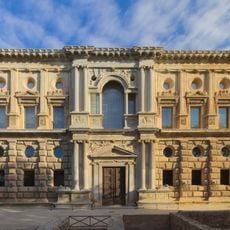
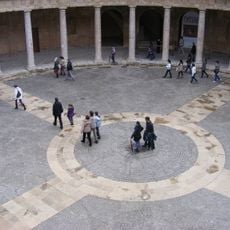
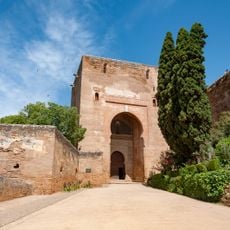
The Museo de la Alhambra occupies the south wing of the ground floor of Charles V Palace, a Renaissance building begun by Pedro Machuca in 1527. Its seven rooms are arranged thematically and chronologically, displaying objects from the 8th century to the end of the Nasrid period, including the Jarrón de las Gacelas and the lamp of Muhammad III.
The archaeological museum of the Alhambra was created in 1940. In 1962 it joined Spain's national museums as the Museo Nacional de Arte Hispanomusulmán, and in 1994 it passed to the Patronato de la Alhambra y el Generalife under its current name. Its collection had been gathered since the mid-19th century, when the Comisión Provincial de Monumentos, founded in 1870 under Rafael Contreras, catalogued pieces scattered across the Alhambra.
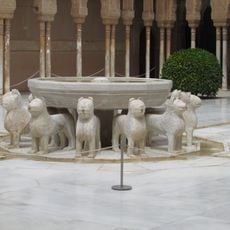
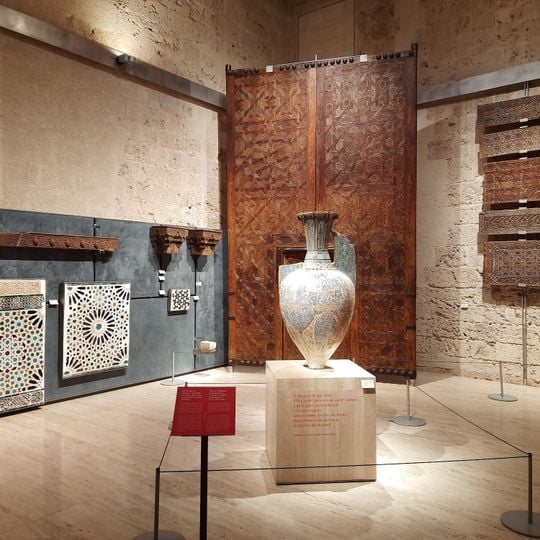
The rooms are ordered by theme and period, from the 8th century to the last years of the Nasrid kingdom. In Room V stands the Jar of the Gazelles, a Nasrid ceramic whose body shows animals, probably gazelles, framed by vegetal and geometric motifs and a band of verses from a poem. Room IV keeps the white marble foundation slab, shaped like a horseshoe arch, of a hospital built at the foot of the Albaicín under Muhammad V (1365-1367), with two lions from its courtyard.
The museum is located on the ground floor of the palace and is open from Tuesday to Sunday with free admission for everyone. The rooms are easy to move through, and the chronological layout helps you follow the story of the objects as you walk.
The museum's best-known piece is the Jarrón de las Gacelas, a large Nasrid vase whose body carries painted animals taken for gazelles, framed by vegetal and geometric bands and a strip of verses in Arabic script. It comes from the Alhambra itself and is shown in Room V.
The community of curious travelers
AroundUs brings together thousands of curated places, local tips, and hidden gems, enriched daily by 94,911 contributors worldwide.