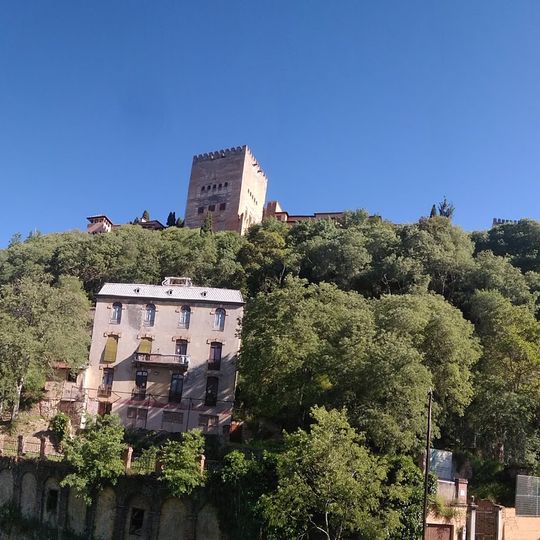
Palacio de los Olvidados, History museum in Albaicín, Granada, Spain
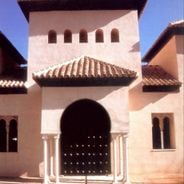
The Palacio de los Olvidados occupies the Casa-Palacio de Santa Inés, a restored 16th-century building in the Albaicín, a UNESCO World Heritage Site since 1994. Its façade bears an unidentified coat of arms, possibly that of a converted Jew asserting his blood purity. Inside, over 700 m² of halls and terraces hold two permanent exhibitions: Inquisition torture instruments and Interactive Flamenco.
The museum opened in 2014 in the Casa-Palacio de Santa Inés, a restored 16th-century building declared a Bien de Interés Cultural. Its name refers to the Sephardic community of Granada, forgotten after the Inquisition and the expulsion ordered by the Catholic Monarchs. The Spanish Inquisition, established in 1478, lasted until its abolition in 1834.
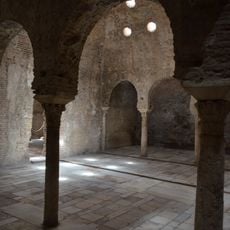
The museum's name refers to the Sephardic people "forgotten" after the Inquisition and their expulsion from Granada by the Catholic Monarchs. Displays stress the role of women in Sephardic culture and figures such as Samuel ibn Naghrillah, Moses ibn Ezra and Judah ibn Tibbon. The visit ends in a room reproducing the mikveh of the Water Synagogue in Úbeda.
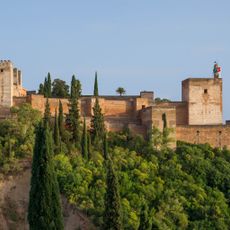
The museum occupies the 16th-century Casa-Palacio de Santa Inés in the Albaicín, with two floors of exhibits and a mirador terrace overlooking the Alhambra. Guided visits require prior booking. The surrounding streets are narrow and steep, so allow extra time to reach the entrance on foot.
The museum's name refers to the Sephardic community "forgotten" after the Inquisition and the expulsion from Granada under the Catholic Monarchs. Its collection comes largely from the Crespo López family and is split across two floors, ending in a room with a recreation of the mikveh of the Water Synagogue in Úbeda.
The community of curious travelers
AroundUs brings together thousands of curated places, local tips, and hidden gems, enriched daily by 93,582 contributors worldwide.