Bodiam Castle, Medieval castle in East Sussex, England
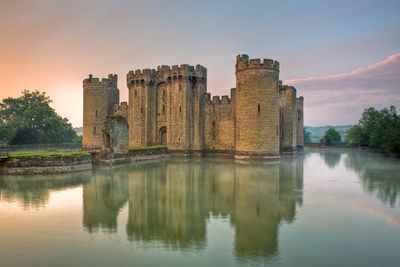
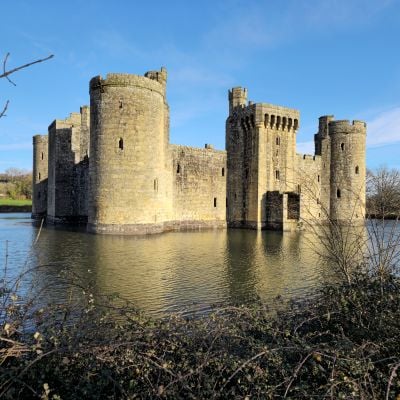
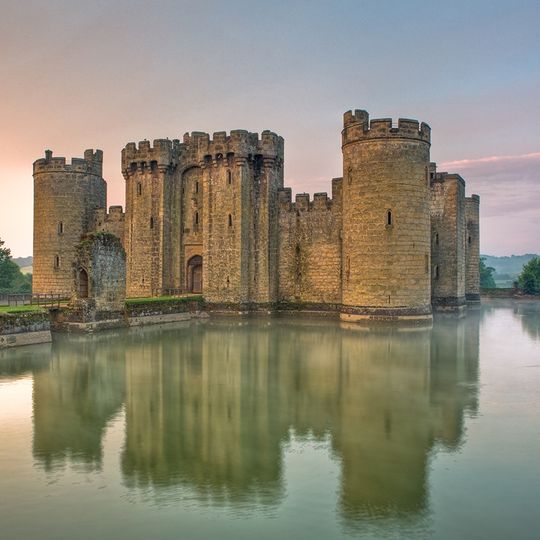
Bodiam Castle is a ruined fortress in East Sussex that rises on raised ground above a broad water-filled moat. Four round corner towers frame the rectangular layout, while entry passes through a twin-towered gatehouse.
Sir Edward Dalyngrigge built the fortress from 1385 after Richard II granted him permission to fortify his residence during the Hundred Years' War. The site remained occupied until the 17th century before falling into decay and later being restored by private owners.
The name recalls the nearby village whose residents long regarded the fortress as part of their landscape. Today visitors walk through the stone curtain walls and explore the tall towers that rise above the water's edge.
The National Trust operates the grounds daily between 10 and 17 hours, offering tours and educational activities for visitors. Paths through the site are mostly level, though access to some tower sections involves narrow stone stairs.
The wooden portcullis mechanism in the gatehouse is one of the few surviving examples of medieval engineering in England and shows the original defense system. The moat is still fed by natural springs that keep the site surrounded by water year-round.
Location: Bodiam
Inception: 1385
Architectural style: medieval architecture, Perpendicular Gothic
Made from material: sandstone
Part of: A quadrangular castle and its landscaped setting, an associated millpond, medieval crofts and cultivation earthworks, and a World War II pillbox at Bodiam
Website: https://nationaltrust.org.uk/bodiam-castle
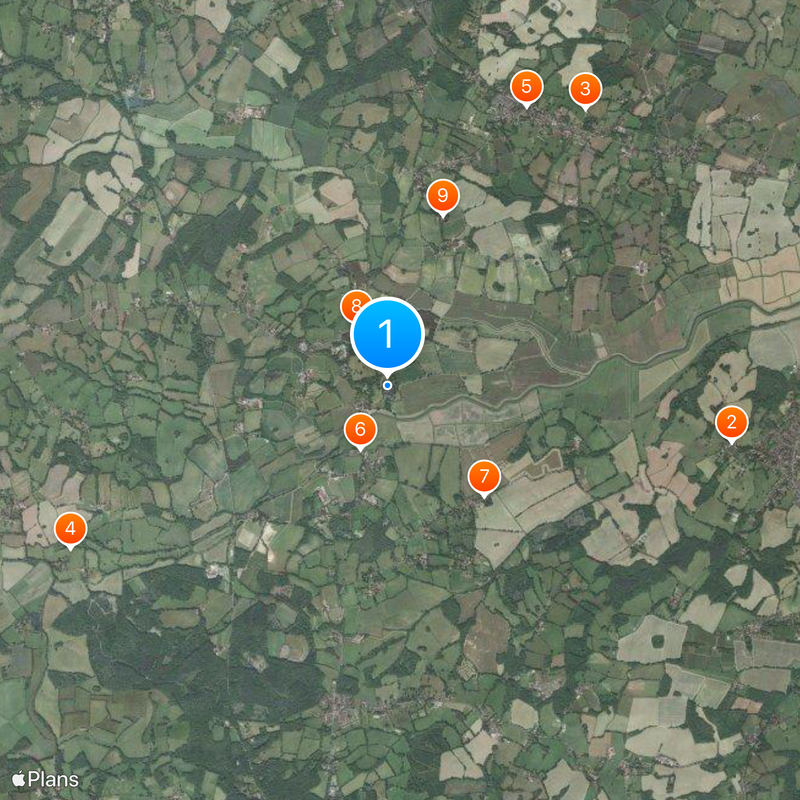
GPS coordinates: 51.00226,0.54353
Latest update: December 4, 2025 19:05
These castles are located away from the main tourist destinations and represent different periods of European and American architecture. From medieval fortresses to royal residences, each castle tells its own story. The buildings occupy distinctive locations: on islands, in mountain caves, or surrounded by vineyards. The collection includes structures from various centuries that have remained relatively unknown due to their remote locations or historical circumstances. Some of these castles served as defensive strongholds, while others functioned as aristocratic homes or administrative centers. These sites offer visitors the opportunity to experience historical architecture in quiet settings and learn about the regional characteristics of different countries and periods.
Medieval castles and fortresses span Europe, documenting defense systems and princely seats from the 9th through 16th centuries. These sites include mountaintop strongholds such as Montségur in the Pyrenees, island fortifications like Trakai in Lithuania, and coastal defenses such as Kronborg in Denmark. Construction methods range from Romanesque towers to late medieval artillery positions, from Moorish palaces like the Alhambra to Gothic defensive structures like Burg Eltz. Many of these sites feature multiple rings of fortifications, underground passages, and residential quarters that provide insights into both military and civil aspects of medieval life. The collection includes locations in varied geographical contexts. Predjama Castle in Slovenia is built into a cliff face, while Eilean Donan in Scotland occupies a tidal island. Fortresses such as Sant Ferran near Figueres demonstrate 18th century military architecture with star shaped bastions. Some sites like Neuschwanstein were constructed in the 19th century in historicist style, combining romantic ideals with engineering advances of their era. Further examples include Château de Chambord in the Loire Valley, Peles Castle in the Carpathian Mountains, and Bojnice in Slovakia. These sites document functions ranging from border fortresses to royal residences and show the evolution of European military architecture across several centuries.
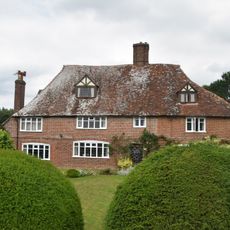
Great Dixter
3.4 km
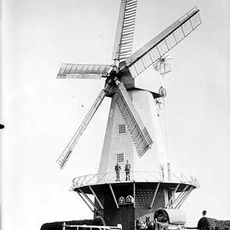
Ringle Crouch Green Mill
3.3 km
Robertsbridge Abbey
3.5 km
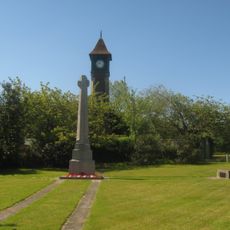
Sandhurst War Memorial
3.1 km
Bodiam Station
674 m
The Parish Church of St James
1.4 km
The Parish Church of St Giles
657 m
Church of St Nicholas
1.8 km
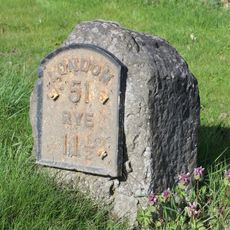
Milestone Opposite Baptist Church
3.4 km
The Curlew Inn
2.1 km
Staplecross War Memorial
3.2 km
A quadrangular castle and its landscaped setting, an associated millpond, medieval crofts and cultivation earthworks, and a World War II pillbox at Bodiam
59 m
Great Wigsell
3 km
Abbey Ruins
3.6 km
Old School House
445 m
Oasthouses and barn at Great Dixter to the north west of the house
3.4 km
Brayburn Farm Barn
3.1 km
Large Barn at Great Wigsell to the Southeast of the House
3 km
Milestone Opposite Sandhurst Farm Shop
3.2 km
Bell Farmhouse Bell House
3.1 km
Barn, Now Garages, At Great Dixter To The North Of The House
3.5 km
Ewhurst Green War Memorial
1.5 km
Bodiam Bridge
361 m
Ringle Crouch Farmhouse
3.3 km
Solomon's Garden
3.3 km
The Oasthouses and Granary at Great Wigsell to the Northwest of the House
3.1 km
Baptist Chapel And Former School
3.3 km
The Mill House
1.1 kmReviews
Visited this place? Tap the stars to rate it and share your experience / photos with the community! Try now! You can cancel it anytime.
Discover hidden gems everywhere you go!
From secret cafés to breathtaking viewpoints, skip the crowded tourist spots and find places that match your style. Our app makes it easy with voice search, smart filtering, route optimization, and insider tips from travelers worldwide. Download now for the complete mobile experience.
A unique approach to discovering new places❞
— Le Figaro
All the places worth exploring❞
— France Info
A tailor-made excursion in just a few clicks❞
— 20 Minutes