See the monuments around you in AROpen chests in the app
Around Us is built for your phone — point your camera at the streets and discover the monuments and places around you in augmented reality.Around Us is built for your phone — chests unlock when you walk, explore and capture nearby places.
Sussex: coasts, castles and villages in the south of England
Sussex extends along the south coast of England, between London and the Channel. This area has different types of scenery: white chalk cliffs that rise above the sea, gentle hills of the South Downs, old forests, and valleys with quiet rivers. There are seaside towns such as Brighton and Eastbourne, villages with old houses and churches from the Middle Ages, and several castles that remind visitors of the region's Norman past.
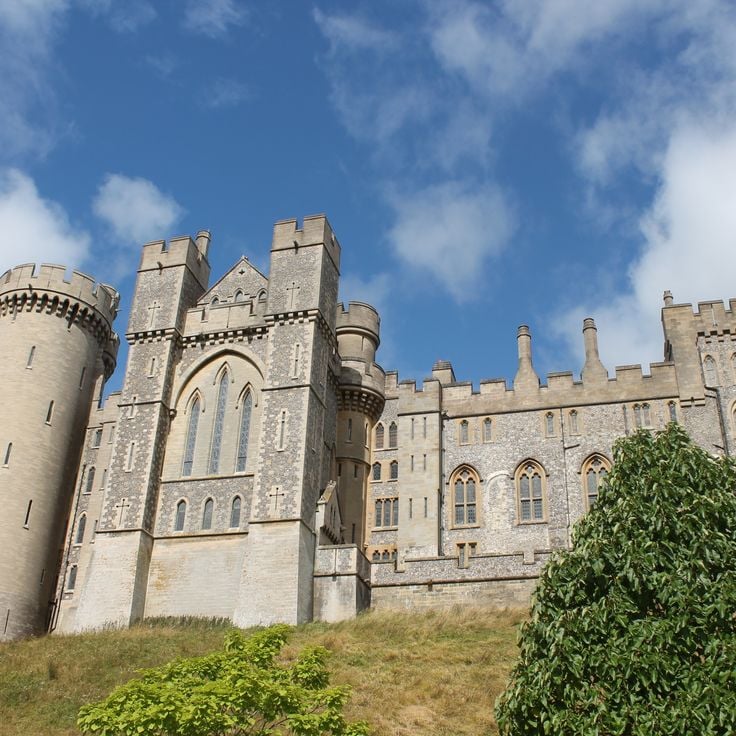
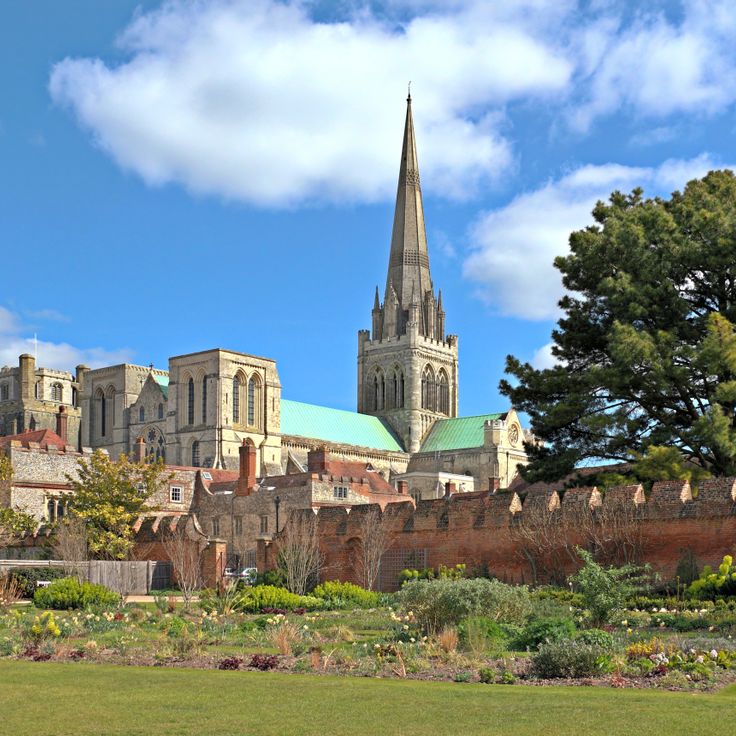
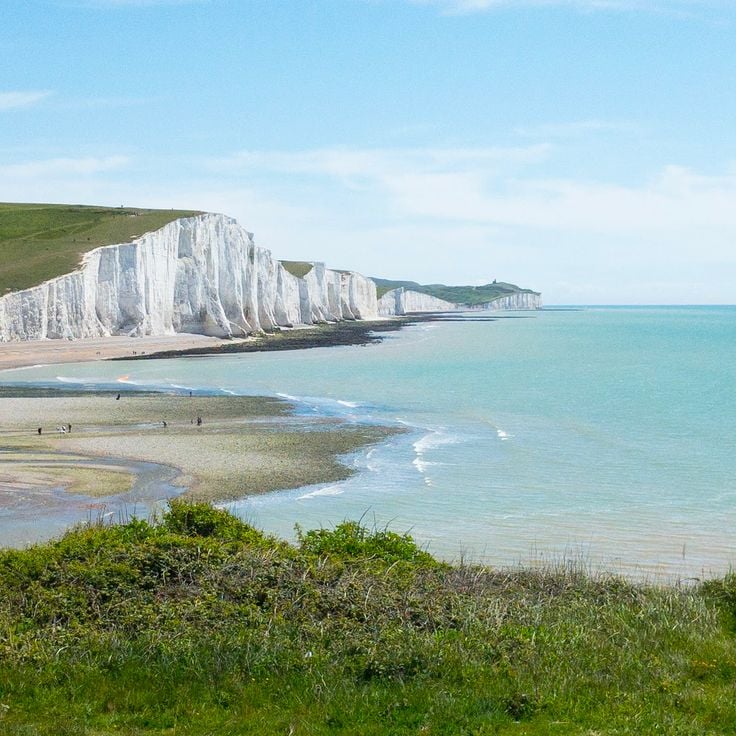
The Seven Sisters are a stretch of white cliffs that fall into the sea near Seaford, and Beachy Head marks the highest point on the southern coast. The South Downs National Park runs across the county from east to west, with walking paths through hills where sheep graze. Visitors can see the castle at Arundel, which looks over the Arun River, explore the Nymans gardens from the 1800s, or walk through Rye, a medieval village with narrow streets leading to the harbor. The cathedral in Chichester was built in the 11th century and is in the middle of a Roman town. Nature reserves like Pagham Harbour host migratory birds all year.
Sussex: coasts, castles and villages in the south of England
Sussex extends along the south coast of England, between London and the Channel. This area has different types of scenery: white chalk cliffs that rise above the sea, gentle hills of the South Downs, old forests, and valleys with quiet rivers. There are seaside towns such as Brighton and Eastbourne, villages with old houses and churches from the Middle Ages, and several castles that remind visitors of the region's Norman past.
The Seven Sisters are a stretch of white cliffs that fall into the sea near Seaford, and Beachy Head marks the highest point on the southern coast. The South Downs National Park runs across the county from east to west, with walking paths through hills where sheep graze. Visitors can see the castle at Arundel, which looks over the Arun River, explore the Nymans gardens from the 1800s, or walk through Rye, a medieval village with narrow streets leading to the harbor. The cathedral in Chichester was built in the 11th century and is in the middle of a Roman town. Nature reserves like Pagham Harbour host migratory birds all year.
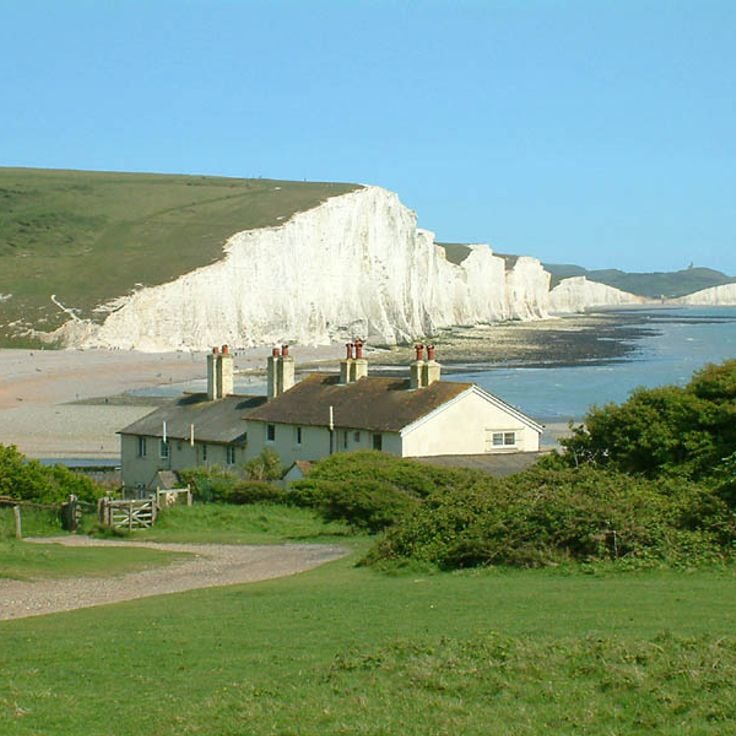
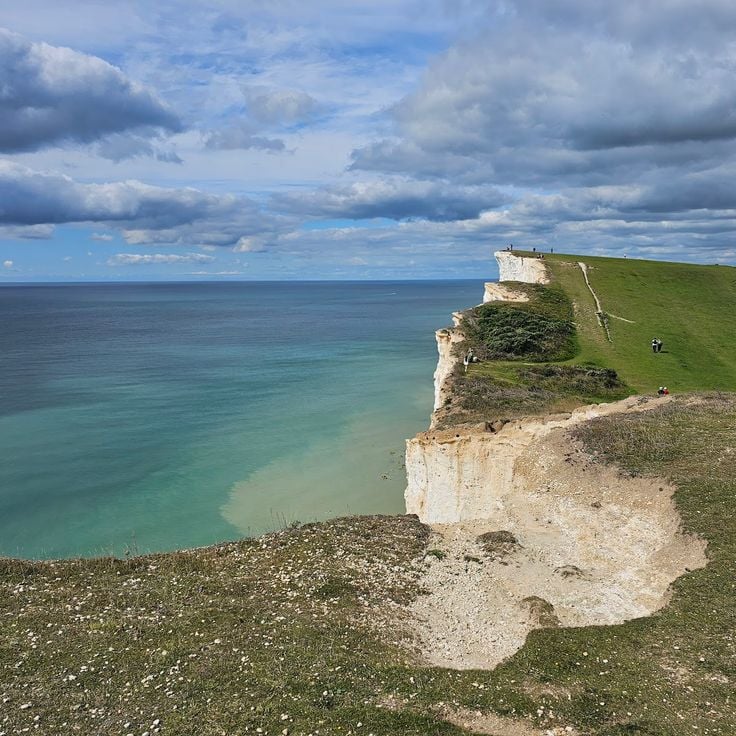
Seven Sisters Country Park sits on the south coast of England near Seaford. The park spans several kilometers and features white chalk cliffs that drop steeply into the sea. From above, you can look far across the ocean, and on clear days, the view stretches to the horizon. The park connects with other cliffs in the region, forming a continuous landscape of chalk and grassland. Visitors find open meadows, small valleys, and paths that lead down to the beach. This place is part of Sussex's varied coastal landscape, where nature and history meet.
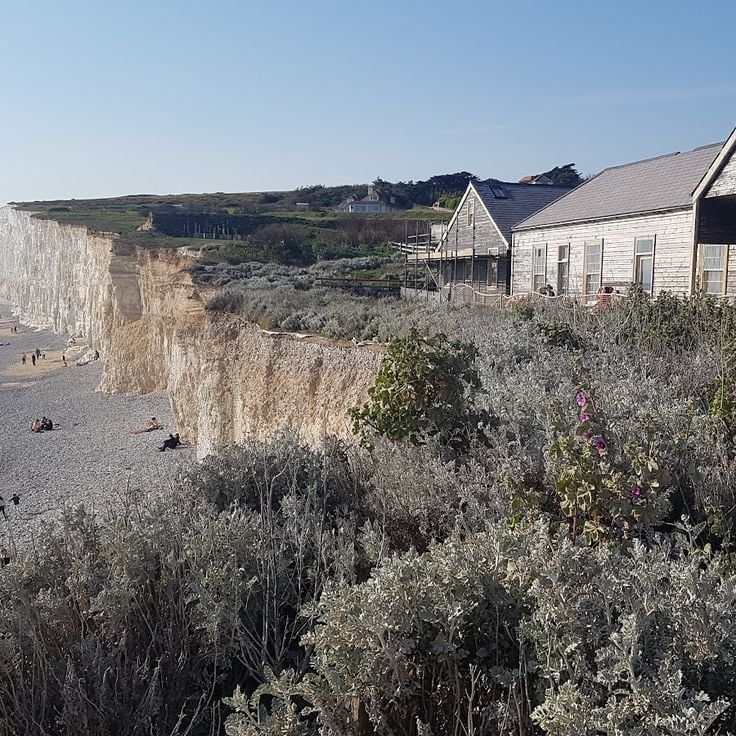
Birling Gap is located on the coast of East Sussex and provides access to the white cliffs of the Seven Sisters. From this point, visitors can observe chalk cliff formations that drop vertically into the sea. A beach extends at the base of the cliffs, and paths run along the edges offering views of the coastline. This site is part of the South Downs National Park and offers walking routes through the landscape.
The seafront of Eastbourne runs along England's south coast with the character of a classic English seaside town. The Victorian pier extends into the sea and forms a distinctive feature of the promenade. The beach is made of pebbles and attracts visitors seeking the sea and fresh air. The promenade itself is where locals and tourists stroll, with cafes and shops inviting them to linger. From here, you can see the white chalk cliffs that mark this coastline. Eastbourne shows English seaside culture with its own rhythm between beach, pier, and the buildings behind.
Cissbury Ring sits on the hills near Worthing and is an Iron Age fort that shaped this region's landscape. The ancient ramparts are still visible today, showing how people lived here many centuries ago. From this hilltop you can look far across the surrounding land - over green hills, fields, and down to the coast. You reach the fort on foot by following paths through the South Downs. It is a place where you can feel the region's history directly while enjoying the natural beauty of the Sussex countryside.
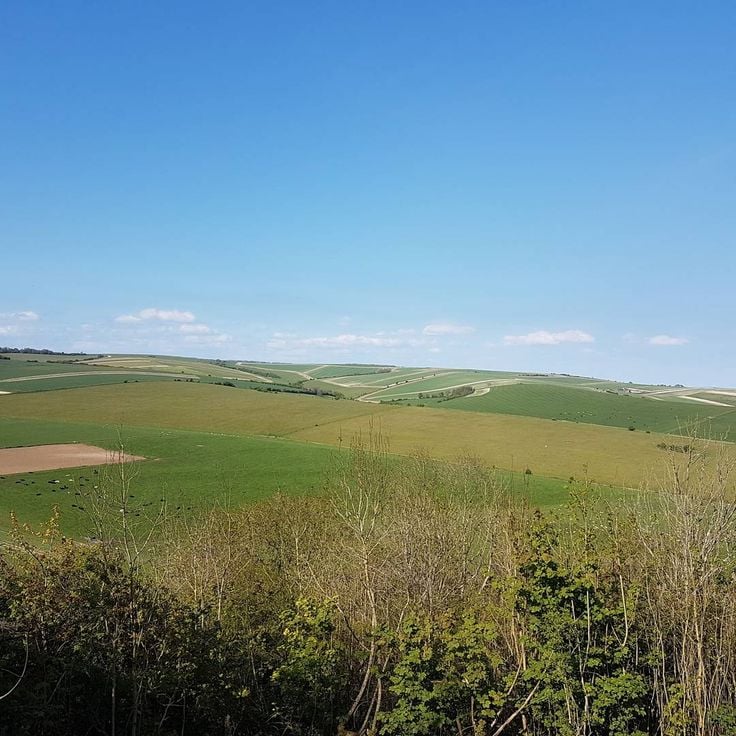
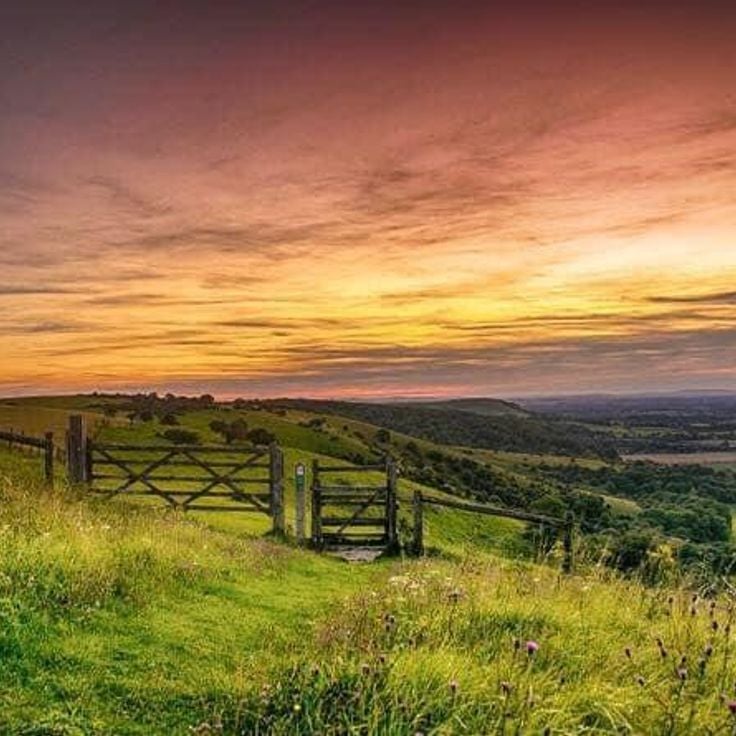
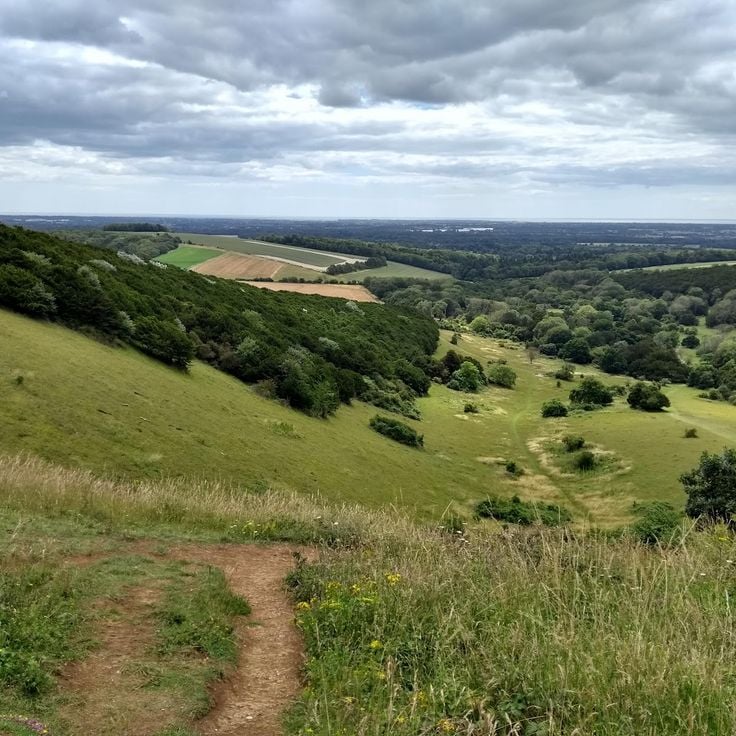
The South Downs National Park stretches across East Sussex and West Sussex, shaping the rolling landscape of this English region. The park forms the heart of Sussex with walking paths that lead through green hills where sheep graze. Old villages with timber-framed houses and medieval churches dot the landscape. The park connects the coast to the inland areas and offers views across the surrounding countryside.
The South Downs Way is a long-distance path that runs through the South Downs in Sussex. The path takes you through rolling hills, past grazing fields, and through small villages. Along the way, walkers can see old forests and look out over the landscape from high points. The route connects different places and shows what the region looks like when explored slowly on foot. Many people use this path to experience nature and learn about the region's history.
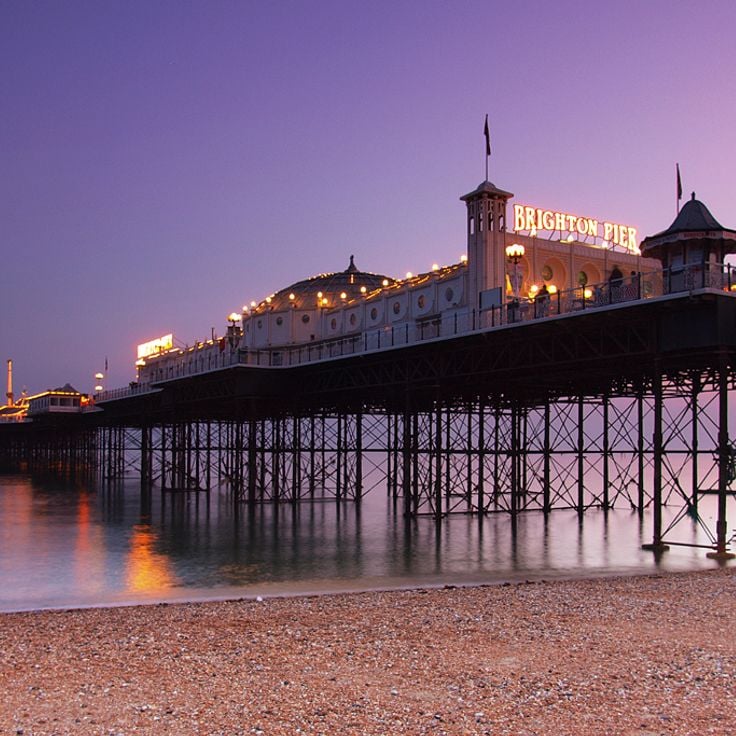
The Brighton Palace Pier is a Victorian pier that has stretched over the sea in the heart of Brighton since the 19th century. The structure holds amusement arcades, rides, and cafes where visitors experience the atmosphere of a traditional English seaside resort. From the pier, you can look out over the shingle beach and back toward the town. It is a place where locals and tourists walk, enjoy entertainments, or simply gaze at the water and horizon.
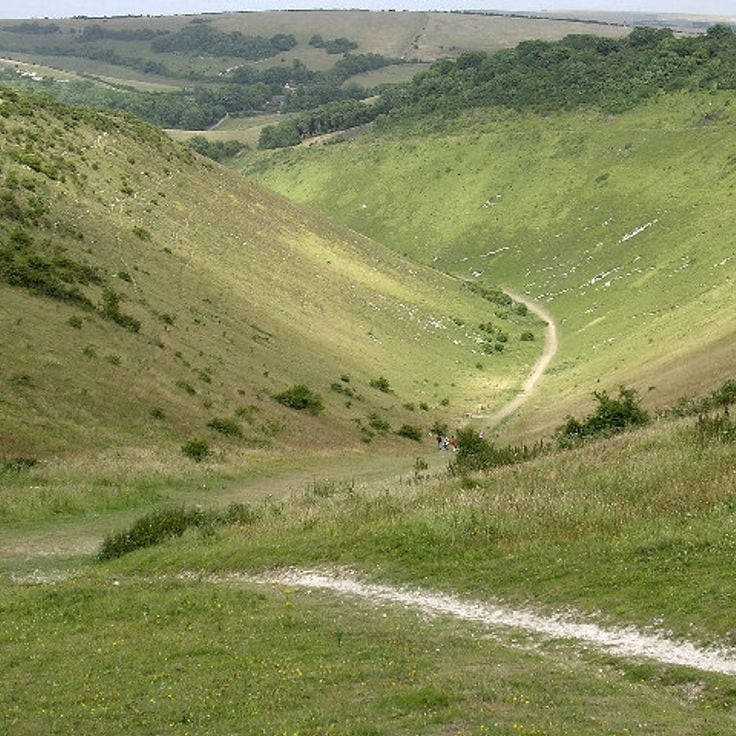
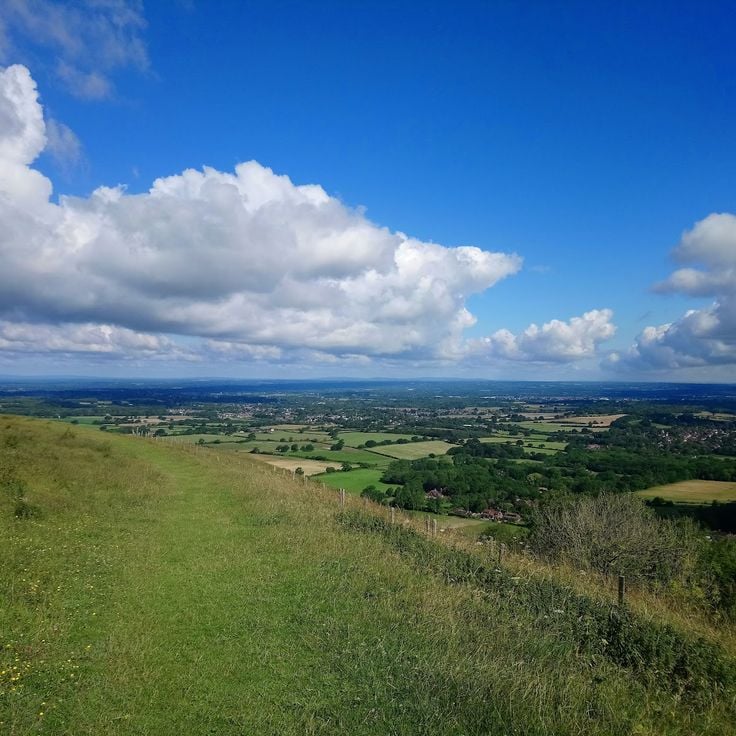
Devil's Dyke is a deep valley in the South Downs near Brighton. From the top, you can see across rolling hills and far into the landscape. The valley was carved by water flowing through chalk. Today, it is a place where people walk and enjoy the surroundings. On clear days, you can see across the Weald region from the upper edge of the valley.
Beachy Head is a chalk cliff on the south coast of England near Eastbourne. It rises steeply from the sea and offers wide views across the English Channel. A red and white striped lighthouse stands at the base of the cliff. The cliff face glows white in the sunlight. On clear days, visitors can look far out over the water from the cliff edge. The location draws people who come to explore the Sussex coastline.
Arundel Cathedral is a Catholic place of worship built in the 19th century in this West Sussex town. The building is made of sandstone and shows the features of Gothic style. You can step inside to see the high vaults and stained glass windows that filter the light. The cathedral sits near the edge of the town, not far from Arundel Castle, which overlooks the Arun Valley above.
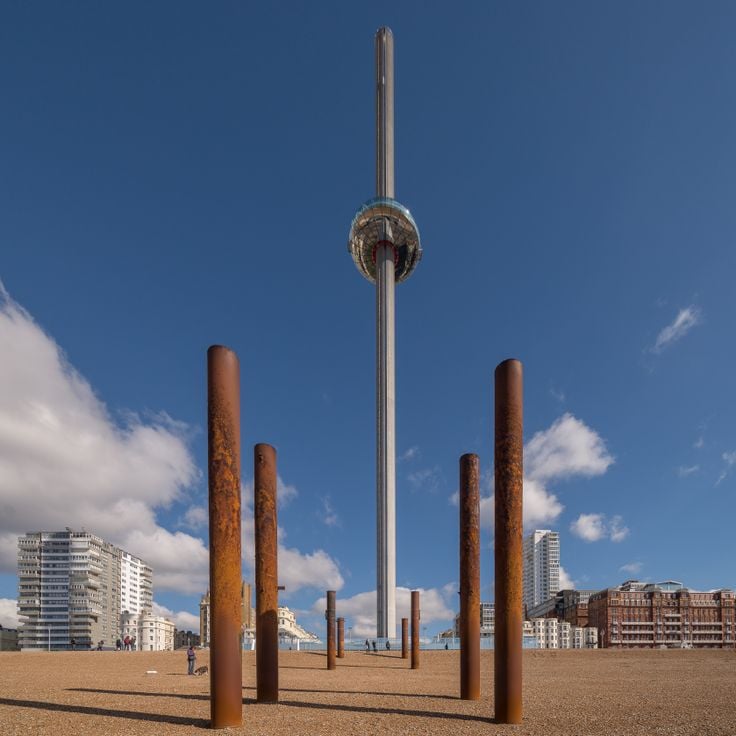
The Brighton i360 is an observation tower in Brighton on the East Sussex coast. From the top, you get views all around the city, the sea, and the surrounding landscape. On clear days, you can see far along the coastline. The tower stands near the famous Palace Pier and lets visitors see the Sussex landscape from above. It fits into the story of the south coast, from the seaside towns to the hills inland.
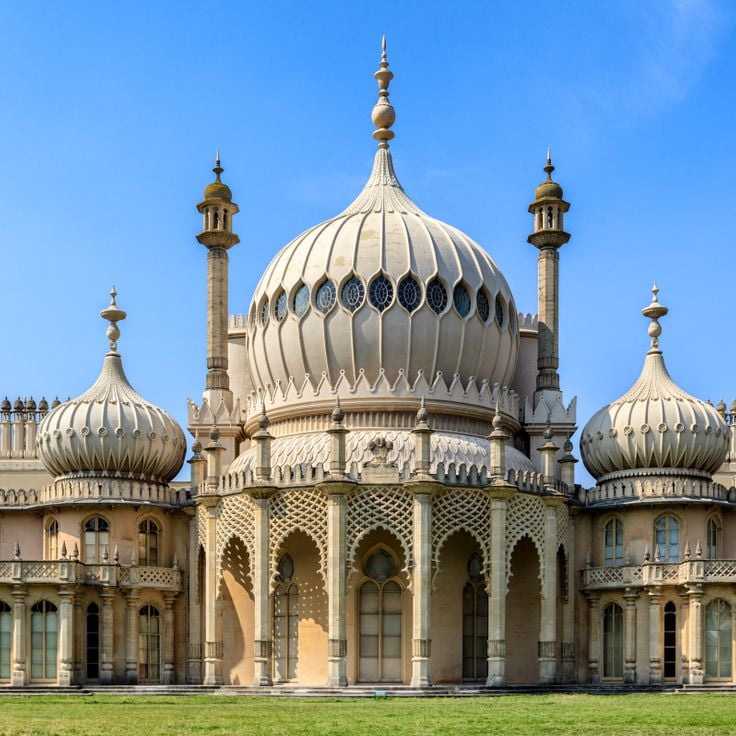
The Royal Pavilion is a 19th-century royal palace in Brighton with distinctive Oriental architecture. Built as a summer residence for King George IV when he was Prince Regent, the building stands out for its domes, minarets, and a facade that blends Indian and Chinese influences. Inside, rooms are decorated with period furnishings and ornamental details that reflect the tastes of that era. The surrounding gardens provide space for walking and relaxation. Today the palace operates as a museum, allowing visitors to explore the rooms and learn about the royal life of the Georgian period.
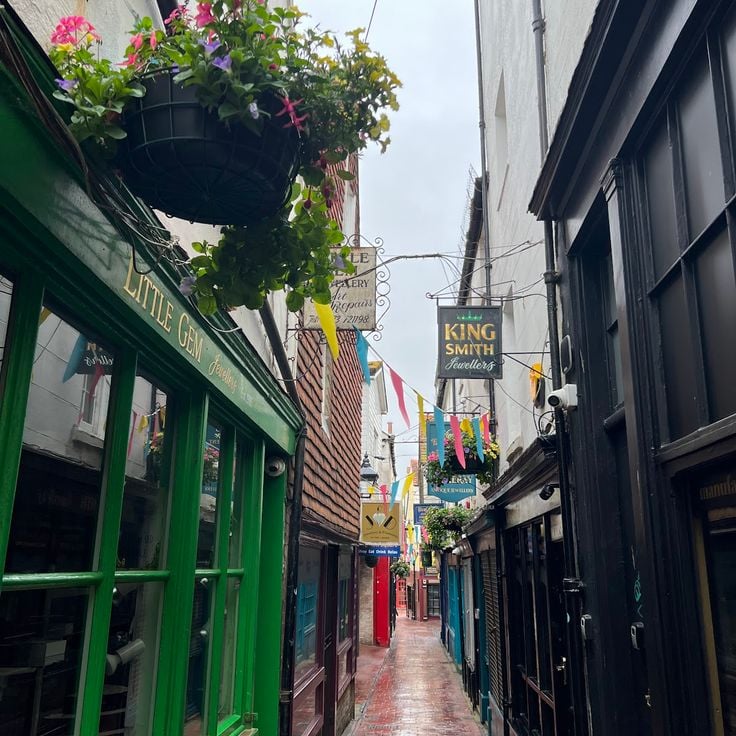
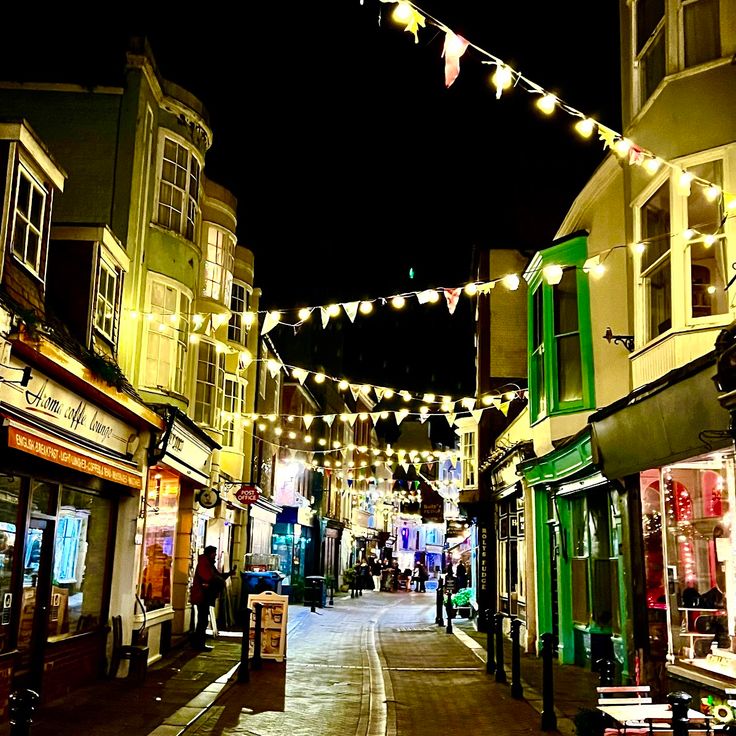
The Lanes is a historic neighborhood in Brighton where narrow passageways wind through the city like a maze. Independent shops, restaurants and cafes occupy old buildings along these streets. The pathways are paved and lined with facades from different periods. Art galleries, antique shops and boutiques fill the space. On weekends, these streets fill with people browsing and shopping. The area has retained its character over the centuries and remains a lively place for visitors and residents.
Rye is a village set on a hill in Sussex with a medieval past. The streets are paved and slope down toward the harbor. The buildings come from different periods and show how construction methods changed through the centuries. Walking through the narrow lanes reveals old churches and traditional architecture. The village is small enough to explore on foot, offering a view of daily life in southern England across different eras.
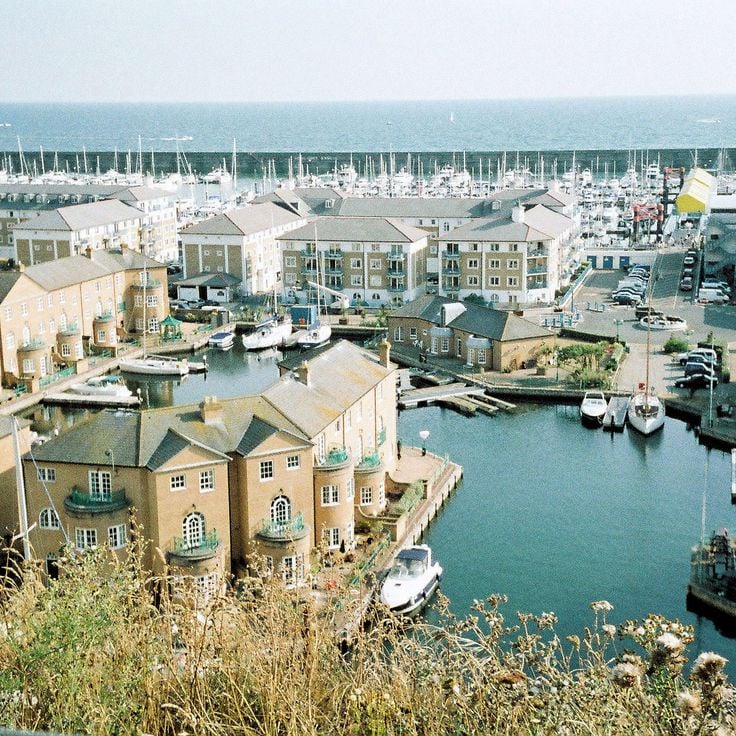
Brighton Marina is a modern port in the south of England that fits well into Sussex's landscape. You will find restaurants and shops here that invite you to linger, plus a waterfront promenade. The harbor itself is active and home to many boats. You can walk here, eat, or simply watch the sea. The place brings together maritime life with the charm of an English coastal town.
Lewes is a medieval town in East Sussex that sits in a valley of the South Downs. The town has narrow cobbled streets, old stone buildings and timber-framed houses from different periods. Lewes Castle overlooks the town from a hilltop. The High Street and surrounding roads still follow their medieval layout today. Lewes was once an important port and trading center. Today you can find antique shops, small businesses and restaurants throughout the streets. The town also serves as a starting point for walks through the South Downs.
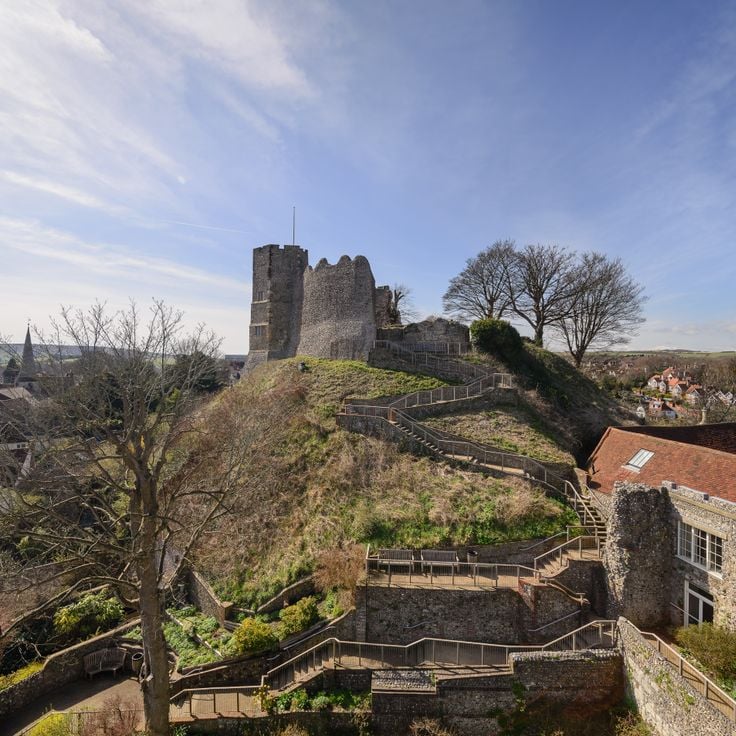
Lewes Castle is a Norman fortress from the 11th century that overlooks the town of Lewes. Built after the Norman conquest of England, it shows the architecture of that time with massive stone walls and towers. The attached Barbican House Museum tells the story of the town and the Sussex region. Visitors can explore the ruins, look at the South Downs from the castle walls, and learn about the Middle Ages and how this county developed.
Ditchling Beacon is a hilltop in the South Downs near Brighton that offers a wide view across the rolling landscape of the region. From this spot you can see the gentle slopes that spread across East Sussex, and on clear days the view extends to the coast. The location sits along the walking paths that cross the South Downs, where sheep graze on the green hillsides. Visitors find here a place to take in the varied landscapes of Sussex.
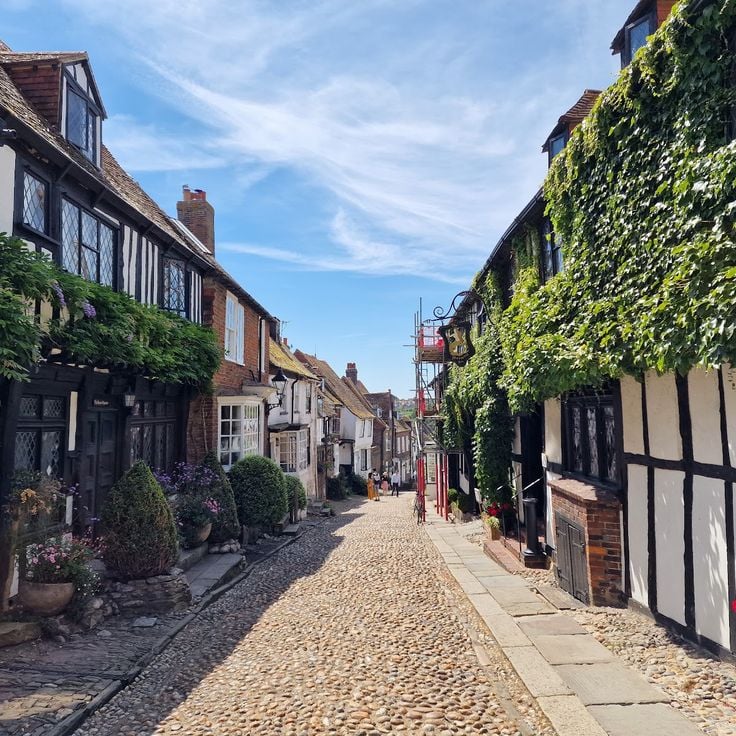
Mermaid Street in Rye is a sloped cobblestone street that descends toward the harbor. It is lined with old buildings featuring timber framing and red tile roofs, many dating back to the 16th century. The street shows how Rye looked as a medieval port town and was once an important trade route. Today, visitors walk through this street to experience the town's history and visit shops and cafes.
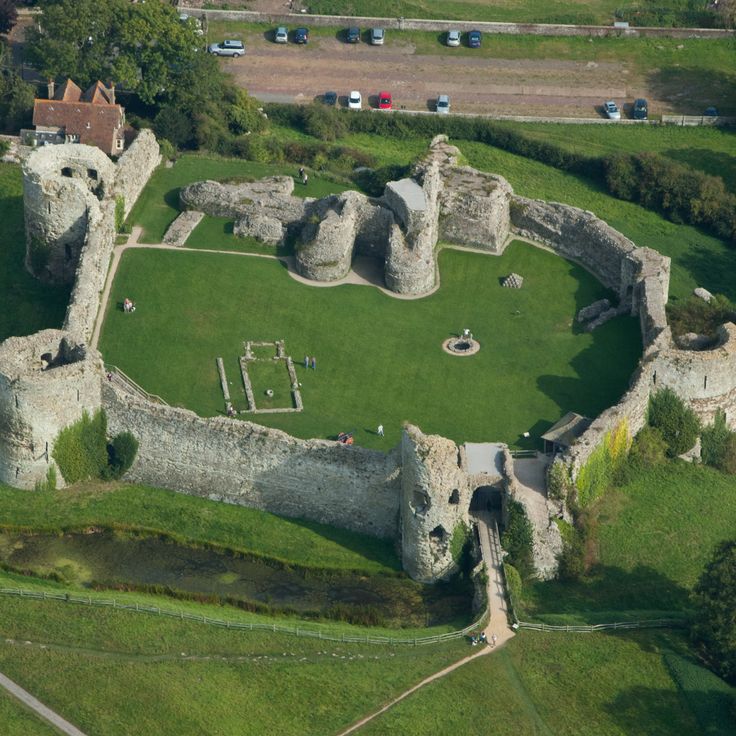
Pevensey Castle stands in Pevensey as a fortification that brings together Roman and Norman ruins. The castle overlooks the marshland along the coast and tells the story of different historical periods. Its walls bear traces of Roman times, when a fort once stood here, and later of the Norman conquest. The site offers visitors the chance to walk among the ruins and take in views of the Sussex coastline.
Hastings Old Town is the historic centre of the seaside town, featuring narrow medieval streets and buildings that span several centuries. Stone and timber-framed structures line the lanes, telling the story of a former port that once thrived on trade. Today, visitors walk through winding alleys filled with shops, galleries, and cafes. The town sits at the edge of the coast in East Sussex, and the proximity to the sea shapes daily life here. Fishermen still work in the area, keeping old traditions alive.
Arundel Castle rises on a hilltop above the Arun Valley in southern England. This Norman fortress from the 11th century has shaped the landscape for centuries. Inside, museums display collections spanning different periods, while gardens offer space for walking and rest. From its heights, you can look out across Sussex, a region filled with history between the white chalk cliffs of the coast and the gentle hills of the South Downs.
Chichester Cathedral is a medieval church from the 11th century that stands at the center of a former Roman city. The bell tower and stained glass windows define the building's appearance. This cathedral is an important testimony to the religious and architectural history of Sussex and invites visitors to explore its spaces.
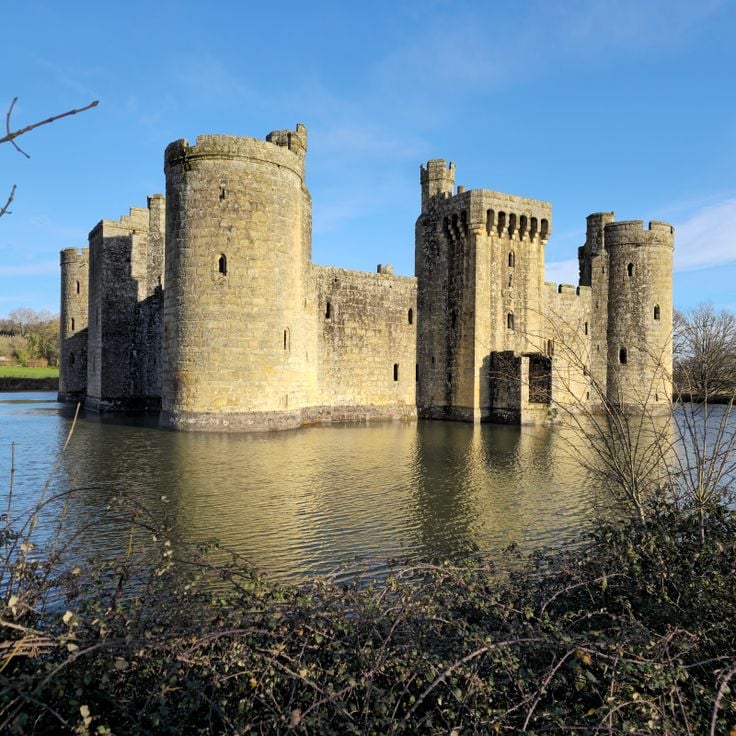
Bodiam Castle is a medieval fortress built in the 14th century in East Sussex on England's south coast. The castle sits in a flat landscape and is surrounded by a wide moat that defines its appearance. It was designed as a defensive structure and shows the typical features of English military architecture from that period. Today visitors can explore the castle and learn about the history of this region, which was shaped by the Middle Ages.
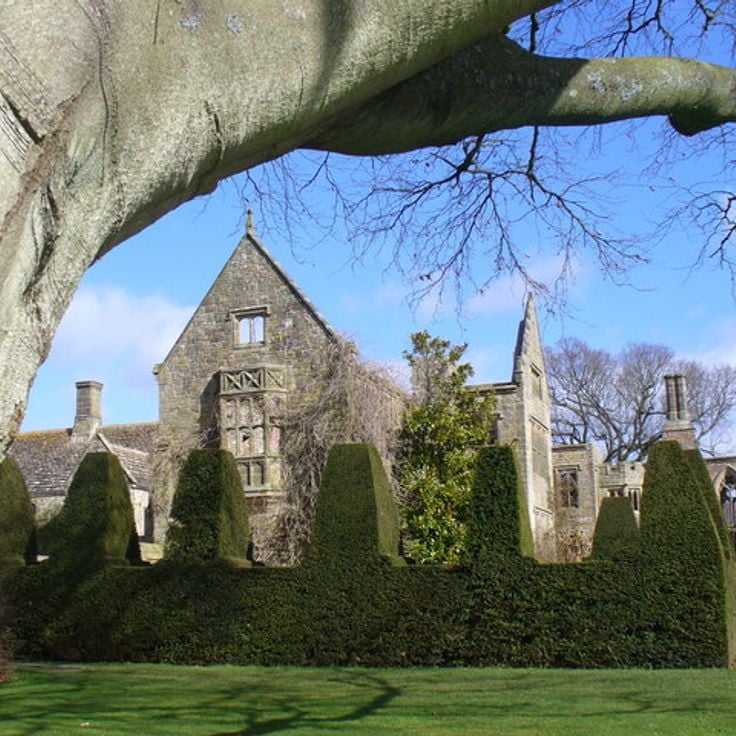
Nymans is a collection of gardens and plant collections run by the National Trust near Handcross. The estate shows how English gardens were designed in the 19th century, with carefully laid out areas where plants from around the world grow. The manor house stands partly as a ruin and tells the story of the place. Visitors can walk through the gardens and explore the ruins while enjoying the rural landscape of Sussex.
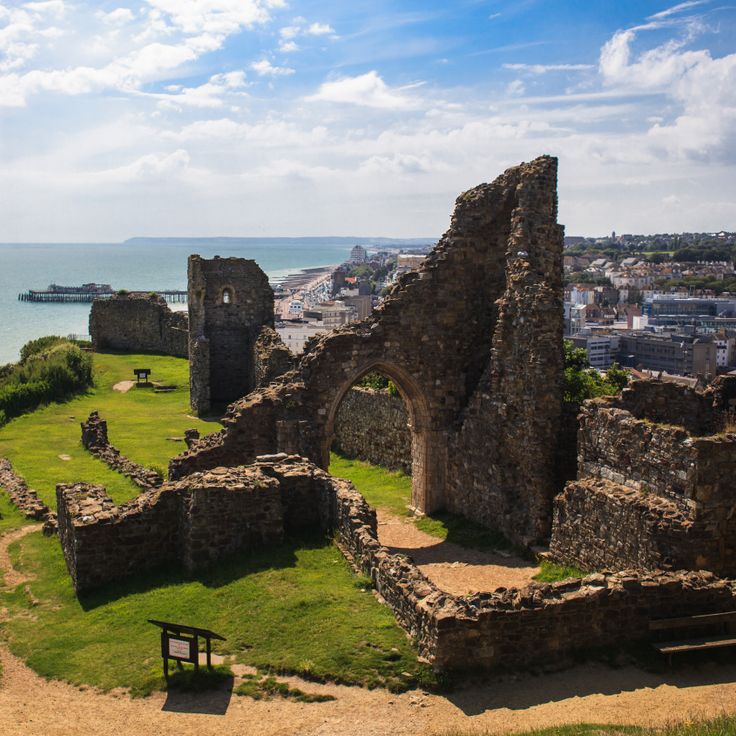
This castle stands as a ruin on a cliff overlooking Hastings, a legacy of Norman times. Though now in ruins, the structure reveals the layout of the original fortification. From this location, you can see across the sea and understand how this site played a role in the region's past.
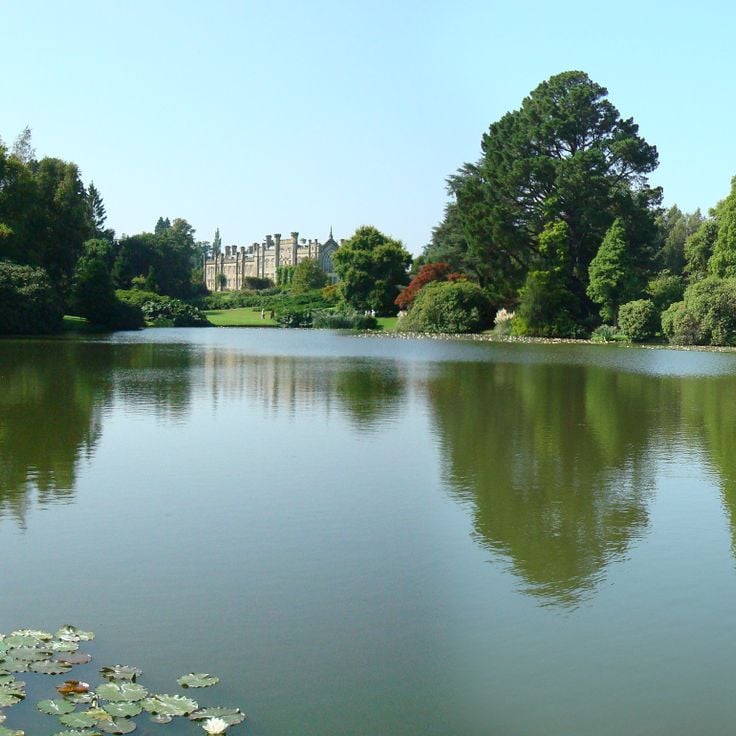
Sheffield Park and Garden is a historic estate near Uckfield in East Sussex, managed by the National Trust. The property features a series of connected lakes that cascade down the hillside, creating a natural waterway through the grounds. Trees and shrubs from around the world grow throughout the gardens. In spring, rhododendrons and azaleas bloom in shades of pink, purple, and white. Paths wind through woodlands and cross the water on bridges. The gardens were designed in the 18th century and still follow the original layout.
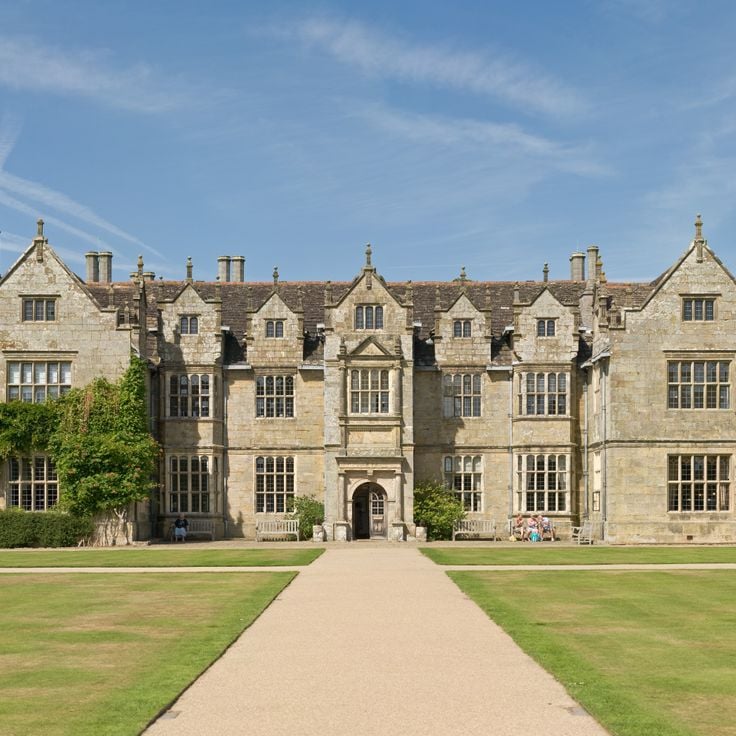
Wakehurst is a botanical garden in Ardingly that belongs to the Royal Botanic Gardens Kew. The site extends across woodlands and lakes, housing collections of rare plants from around the world. Visitors can walk through different areas that represent various climates and natural habitats. The garden shows how plants grow in their native environments and their role in ecosystems. The lakes reflect the surrounding landscape and provide quiet spaces to rest and observe.
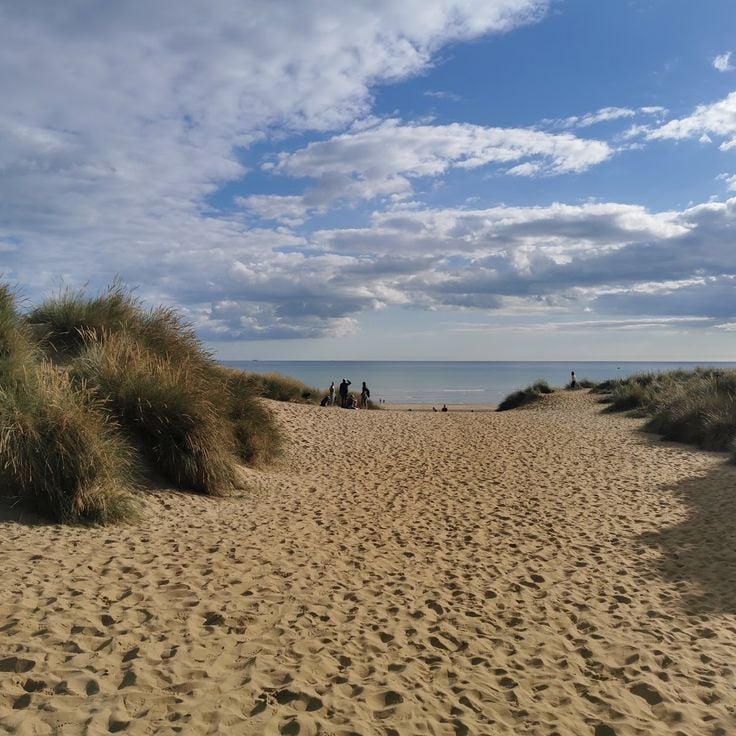
Camber Sands is a large sandy beach near Rye with extensive dunes and a wild coastal landscape. The beach sits on England's southern coast in Sussex, where the land shifts between rolling hills and steep cliffs. This part of the coast is known for its wide sandy beaches and proximity to medieval villages like Rye, which perches on a hill above the sea. Camber Sands attracts visitors who want to experience the raw character of England's south coast.
Cuckmere Haven in East Sussex is a coastal valley where a river winds gently toward the sea. The chalk cliffs of the Seven Sisters rise dramatically along the shoreline, creating a striking backdrop. The beach extends wide and flat at the foot of these steep cliffs. The Cuckmere River winds through the valley and forms a calm lagoon as it approaches the sea. Walkers come here to trek along the cliff tops, while birdwatchers explore the wetlands. The valley shows the typical landscape of southern England with fields that stretch to the coast.
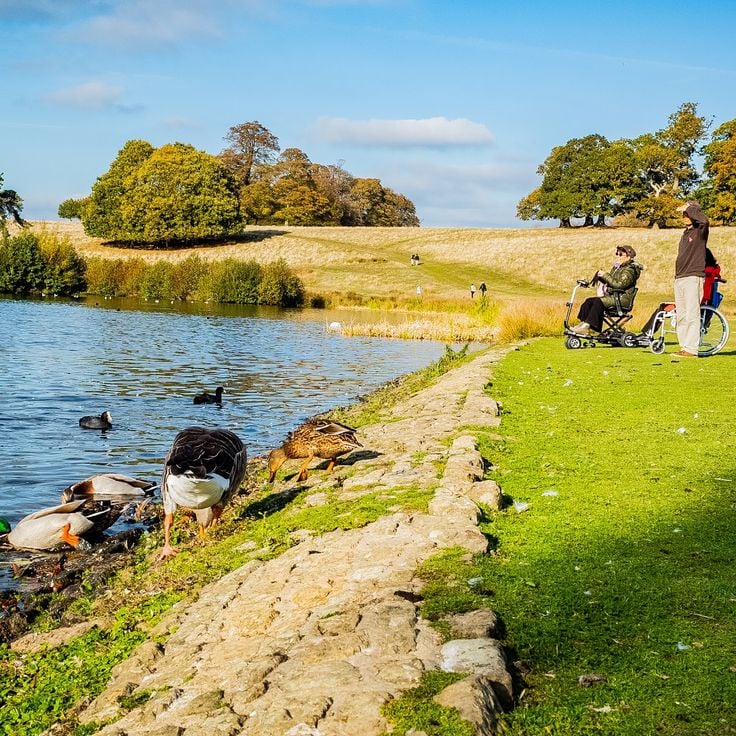
Petworth House and Park is a grand country house in West Sussex run by the National Trust. The house holds an important collection of paintings, sculptures, and decorative arts gathered over centuries. The surrounding park was designed by the famous landscape gardener Lancelot Brown and covers hundreds of acres with open grassland, ancient trees, a lake, and walking paths. Inside the house, you can see elegant rooms filled with furniture, paintings, and objects that show how wealthy families lived over time. The park offers open views across the Sussex landscape and provides a place to walk and sit in nature. Both the house and grounds reveal different aspects of English country life and taste from past centuries.
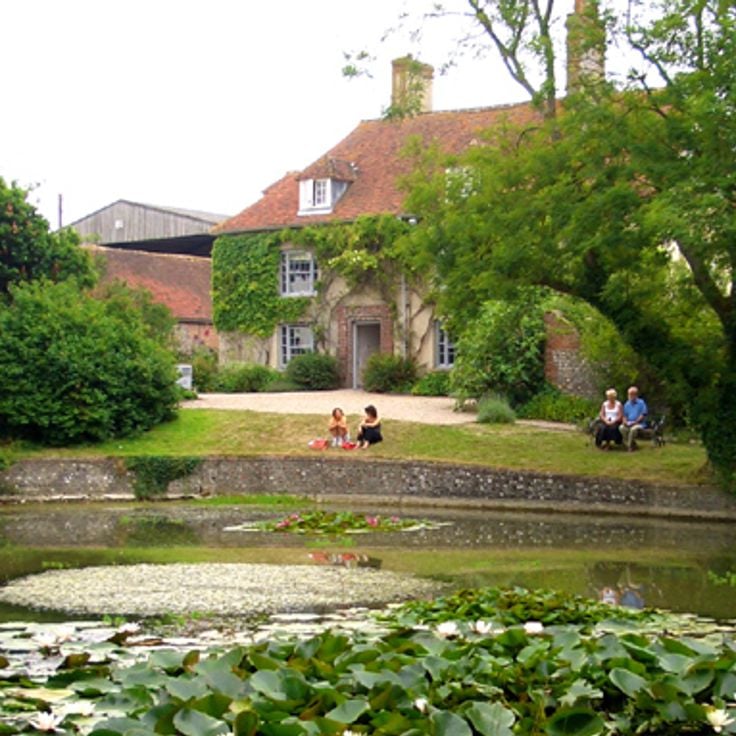
Charleston House in Lewes, East Sussex, is a home and garden connected to the Bloomsbury Group, a circle of 20th-century artists and writers. The rooms contain paintings, furniture, and decorations made by the people who lived here. Walking through the house, you see how they arranged their lives around art and creative work. The garden reflects their interest in growing plants and flowers that pleased them. The collections of objects and artworks show how these artists filled their daily spaces with beauty and made their surroundings part of their creative practice.
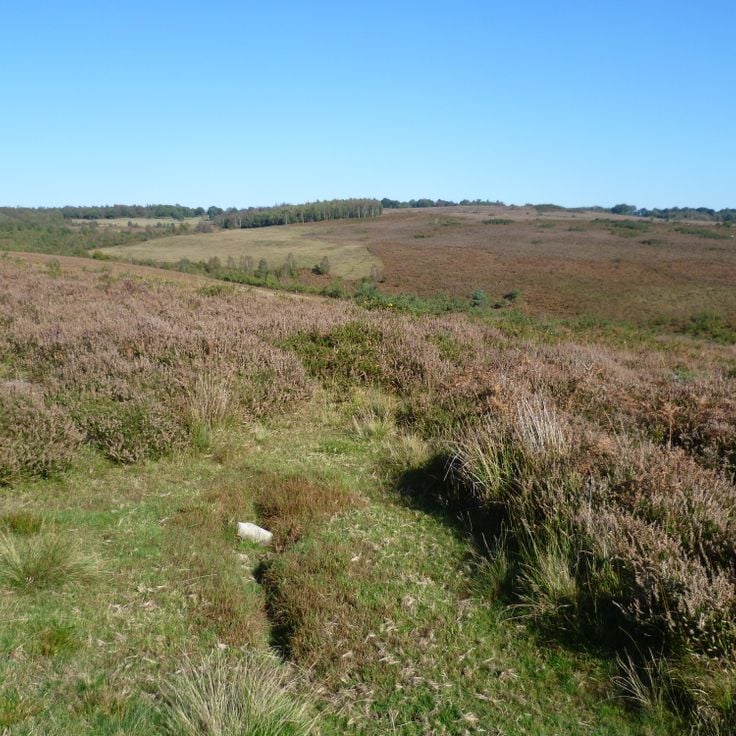
Ashdown Forest in East Sussex is a woodland and heathland landscape spread across gentle hills. This setting inspired the stories of Winnie the Pooh and features walking trails through natural surroundings. The forest is part of the South Downs and home to a variety of plants and animals. Visitors can walk between trees, cross open heathland, and experience the rural landscape of Sussex.
Kingley Vale is a nature reserve in West Sussex with ancient yew trees scattered across its grounds. Visitors can walk through forested areas and open spaces that show what the South Downs landscape looks like. The reserve attracts birds throughout the year and offers a sense of how the countryside appears in southern England away from the coast.
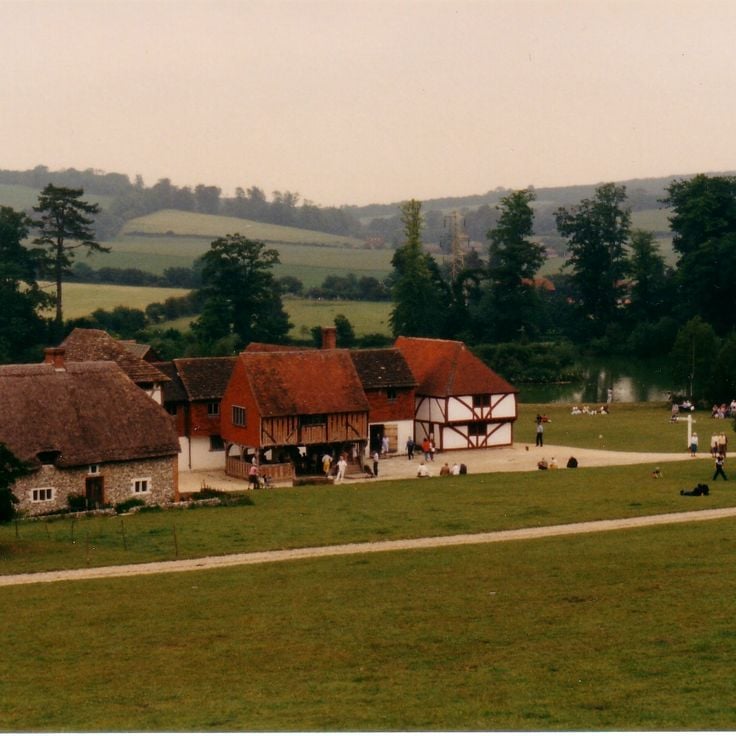
The Weald and Downland Living Museum in Chichester shows how people lived in the English countryside over many centuries. The museum brings together historic buildings that have been moved from their original locations to this open-air site. Visitors can walk through old farmhouses, workshops, and homes to see how families lived and worked. Craftspeople demonstrate traditional skills and explain daily life on the land. The buildings come from different time periods and show how rural architecture changed over the years. The museum sits surrounded by green fields and offers a peaceful place to learn about the region's past.
The Bluebell Railway is a historic railway line in Sussex that connects Sheffield Park to Kingscote, running through the countryside. Trains operate with period carriages that let visitors experience the history of railways firsthand. Volunteers run the line and offer regular journeys that recall the age of steam locomotives. Passengers travel through time while taking in the landscapes of the South Downs.
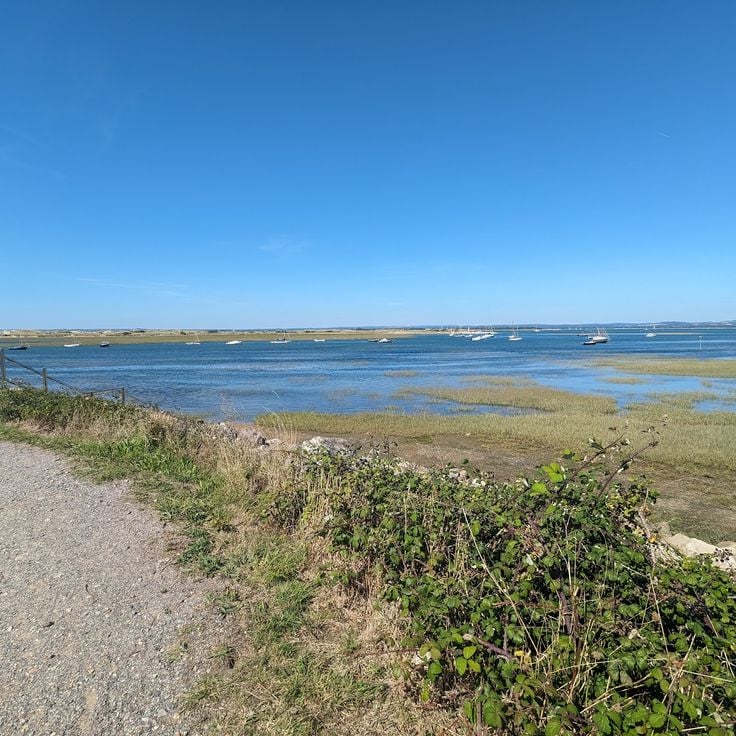
Chichester Harbour Area of Outstanding Natural Beauty is a protected coastal area on England's south coast. Here saltmarshes and reed beds meet shallow waters crossed by sailing boats. The harbour shelters mussel beds and sandbanks where oystercatchers and other water birds forage. At low tide, vast areas are exposed, revealing a rich world of marine life. Small fishing villages and harbours line the shores with moored sailing boats. The place draws people who come to sail, fish, or simply walk in nature.
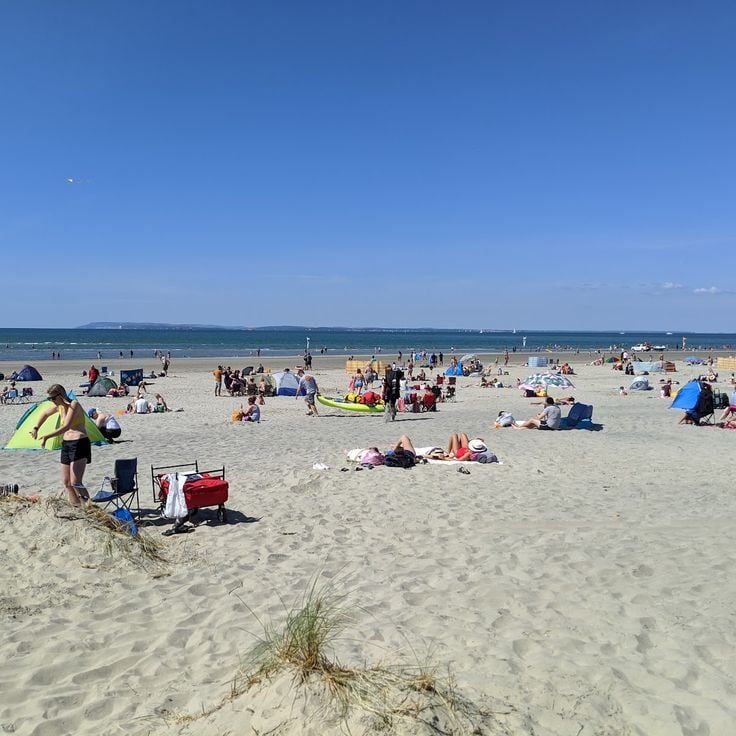
West Wittering Beach is a large sandy beach on the south coast of West Sussex. This stretch of shore features fine sand and a wild, undeveloped coastline. The water is clean and the waves are good for swimming and surfing. The beach is popular with families, especially on weekends. There are changing rooms, lifeguards, and a beach restaurant. The natural coastal landscape with dunes and salt marshes behind the shore offers space for walks in nature. At low tide, wide areas of sand appear, inviting exploration.
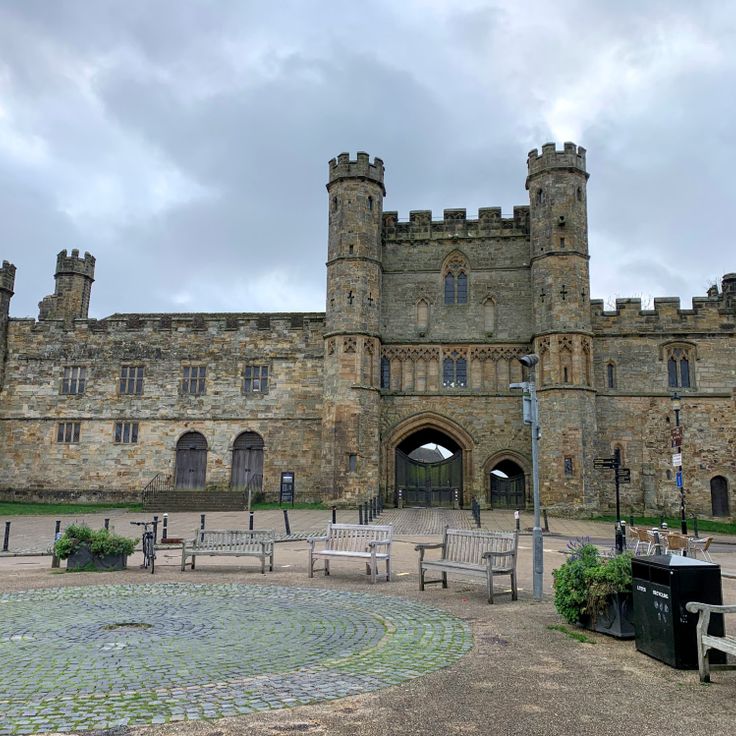
Battle Abbey and the Battlefield in Battle marks the location of the 1066 Norman invasion. The abbey was built after the battle and its ruins remain visible today on the site where the fighting took place. A museum shows objects and tells the story of this significant clash between Norman and Anglo-Saxon forces. The remains of the abbey church and monastic buildings reveal how large the monastery was when it was founded in the 11th century. Visitors can walk across the grounds and see the landscape where this pivotal moment in English history occurred.
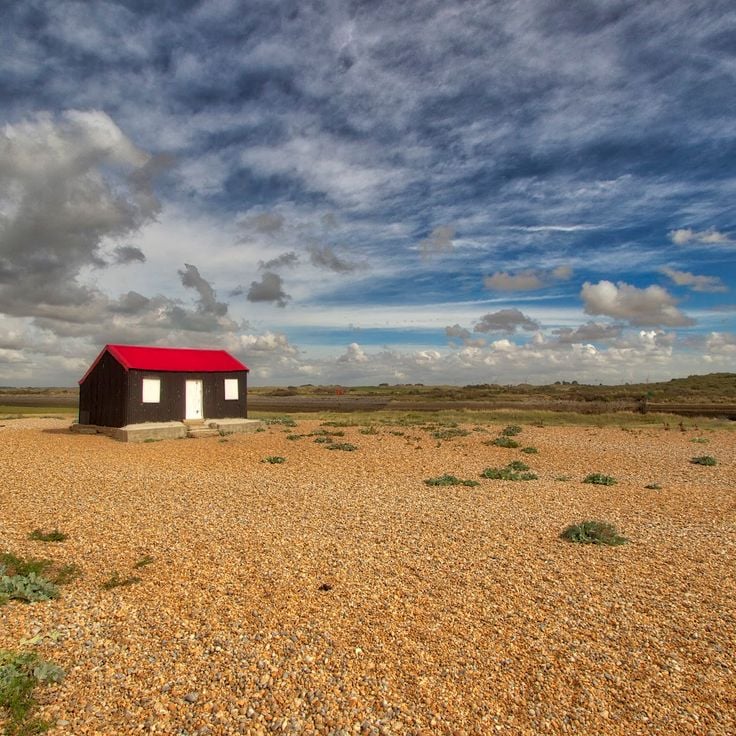
The Rye Harbour Nature Reserve in this coastal region of Sussex contains marshlands where visitors observe migratory birds throughout the year. The reserve shows the natural habitats found along the southern English coast, with wetland areas that provide shelter and feeding grounds for many species.
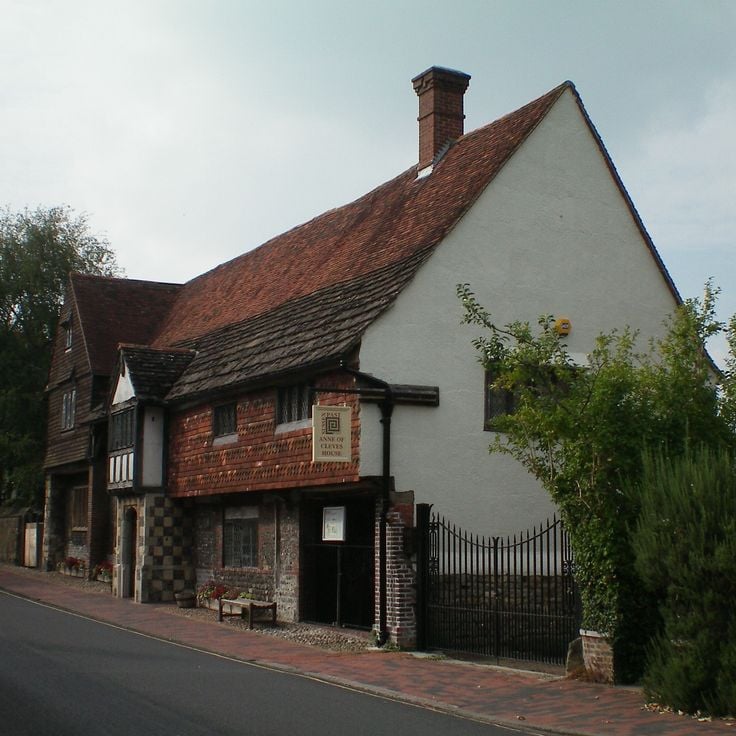
The Anne of Cleves House Museum in Lewes is a 15th-century building that once belonged to Anne of Cleves, the fourth wife of King Henry VIII. The house shows how prosperous people lived during Tudor times. Inside, you will find furniture, everyday objects, and artwork from that period. The museum tells the story of Lewes and its residents across several centuries. Visitors can walk through the old rooms and see how the building changed over time.
Seven Sisters Country Park sits on the south coast of England near Seaford. The park spans several kilometers and features white chalk cliffs that drop steeply into the sea. From above, you can look far across the ocean, and on clear days, the view stretches to the horizon. The park connects with other cliffs in the region, forming a continuous landscape of chalk and grassland. Visitors find open meadows, small valleys, and paths that lead down to the beach. This place is part of Sussex's varied coastal landscape, where nature and history meet.
Birling Gap is located on the coast of East Sussex and provides access to the white cliffs of the Seven Sisters. From this point, visitors can observe chalk cliff formations that drop vertically into the sea. A beach extends at the base of the cliffs, and paths run along the edges offering views of the coastline. This site is part of the South Downs National Park and offers walking routes through the landscape.
The seafront of Eastbourne runs along England's south coast with the character of a classic English seaside town. The Victorian pier extends into the sea and forms a distinctive feature of the promenade. The beach is made of pebbles and attracts visitors seeking the sea and fresh air. The promenade itself is where locals and tourists stroll, with cafes and shops inviting them to linger. From here, you can see the white chalk cliffs that mark this coastline. Eastbourne shows English seaside culture with its own rhythm between beach, pier, and the buildings behind.
Cissbury Ring sits on the hills near Worthing and is an Iron Age fort that shaped this region's landscape. The ancient ramparts are still visible today, showing how people lived here many centuries ago. From this hilltop you can look far across the surrounding land - over green hills, fields, and down to the coast. You reach the fort on foot by following paths through the South Downs. It is a place where you can feel the region's history directly while enjoying the natural beauty of the Sussex countryside.
The South Downs National Park stretches across East Sussex and West Sussex, shaping the rolling landscape of this English region. The park forms the heart of Sussex with walking paths that lead through green hills where sheep graze. Old villages with timber-framed houses and medieval churches dot the landscape. The park connects the coast to the inland areas and offers views across the surrounding countryside.
The South Downs Way is a long-distance path that runs through the South Downs in Sussex. The path takes you through rolling hills, past grazing fields, and through small villages. Along the way, walkers can see old forests and look out over the landscape from high points. The route connects different places and shows what the region looks like when explored slowly on foot. Many people use this path to experience nature and learn about the region's history.
The Brighton Palace Pier is a Victorian pier that has stretched over the sea in the heart of Brighton since the 19th century. The structure holds amusement arcades, rides, and cafes where visitors experience the atmosphere of a traditional English seaside resort. From the pier, you can look out over the shingle beach and back toward the town. It is a place where locals and tourists walk, enjoy entertainments, or simply gaze at the water and horizon.
Devil's Dyke is a deep valley in the South Downs near Brighton. From the top, you can see across rolling hills and far into the landscape. The valley was carved by water flowing through chalk. Today, it is a place where people walk and enjoy the surroundings. On clear days, you can see across the Weald region from the upper edge of the valley.
Beachy Head is a chalk cliff on the south coast of England near Eastbourne. It rises steeply from the sea and offers wide views across the English Channel. A red and white striped lighthouse stands at the base of the cliff. The cliff face glows white in the sunlight. On clear days, visitors can look far out over the water from the cliff edge. The location draws people who come to explore the Sussex coastline.
Arundel Cathedral is a Catholic place of worship built in the 19th century in this West Sussex town. The building is made of sandstone and shows the features of Gothic style. You can step inside to see the high vaults and stained glass windows that filter the light. The cathedral sits near the edge of the town, not far from Arundel Castle, which overlooks the Arun Valley above.
The Brighton i360 is an observation tower in Brighton on the East Sussex coast. From the top, you get views all around the city, the sea, and the surrounding landscape. On clear days, you can see far along the coastline. The tower stands near the famous Palace Pier and lets visitors see the Sussex landscape from above. It fits into the story of the south coast, from the seaside towns to the hills inland.
The Royal Pavilion is a 19th-century royal palace in Brighton with distinctive Oriental architecture. Built as a summer residence for King George IV when he was Prince Regent, the building stands out for its domes, minarets, and a facade that blends Indian and Chinese influences. Inside, rooms are decorated with period furnishings and ornamental details that reflect the tastes of that era. The surrounding gardens provide space for walking and relaxation. Today the palace operates as a museum, allowing visitors to explore the rooms and learn about the royal life of the Georgian period.
The Lanes is a historic neighborhood in Brighton where narrow passageways wind through the city like a maze. Independent shops, restaurants and cafes occupy old buildings along these streets. The pathways are paved and lined with facades from different periods. Art galleries, antique shops and boutiques fill the space. On weekends, these streets fill with people browsing and shopping. The area has retained its character over the centuries and remains a lively place for visitors and residents.
Rye is a village set on a hill in Sussex with a medieval past. The streets are paved and slope down toward the harbor. The buildings come from different periods and show how construction methods changed through the centuries. Walking through the narrow lanes reveals old churches and traditional architecture. The village is small enough to explore on foot, offering a view of daily life in southern England across different eras.
Brighton Marina is a modern port in the south of England that fits well into Sussex's landscape. You will find restaurants and shops here that invite you to linger, plus a waterfront promenade. The harbor itself is active and home to many boats. You can walk here, eat, or simply watch the sea. The place brings together maritime life with the charm of an English coastal town.
Lewes is a medieval town in East Sussex that sits in a valley of the South Downs. The town has narrow cobbled streets, old stone buildings and timber-framed houses from different periods. Lewes Castle overlooks the town from a hilltop. The High Street and surrounding roads still follow their medieval layout today. Lewes was once an important port and trading center. Today you can find antique shops, small businesses and restaurants throughout the streets. The town also serves as a starting point for walks through the South Downs.
Lewes Castle is a Norman fortress from the 11th century that overlooks the town of Lewes. Built after the Norman conquest of England, it shows the architecture of that time with massive stone walls and towers. The attached Barbican House Museum tells the story of the town and the Sussex region. Visitors can explore the ruins, look at the South Downs from the castle walls, and learn about the Middle Ages and how this county developed.
Ditchling Beacon is a hilltop in the South Downs near Brighton that offers a wide view across the rolling landscape of the region. From this spot you can see the gentle slopes that spread across East Sussex, and on clear days the view extends to the coast. The location sits along the walking paths that cross the South Downs, where sheep graze on the green hillsides. Visitors find here a place to take in the varied landscapes of Sussex.
Mermaid Street in Rye is a sloped cobblestone street that descends toward the harbor. It is lined with old buildings featuring timber framing and red tile roofs, many dating back to the 16th century. The street shows how Rye looked as a medieval port town and was once an important trade route. Today, visitors walk through this street to experience the town's history and visit shops and cafes.
Pevensey Castle stands in Pevensey as a fortification that brings together Roman and Norman ruins. The castle overlooks the marshland along the coast and tells the story of different historical periods. Its walls bear traces of Roman times, when a fort once stood here, and later of the Norman conquest. The site offers visitors the chance to walk among the ruins and take in views of the Sussex coastline.
Hastings Old Town is the historic centre of the seaside town, featuring narrow medieval streets and buildings that span several centuries. Stone and timber-framed structures line the lanes, telling the story of a former port that once thrived on trade. Today, visitors walk through winding alleys filled with shops, galleries, and cafes. The town sits at the edge of the coast in East Sussex, and the proximity to the sea shapes daily life here. Fishermen still work in the area, keeping old traditions alive.
Arundel Castle rises on a hilltop above the Arun Valley in southern England. This Norman fortress from the 11th century has shaped the landscape for centuries. Inside, museums display collections spanning different periods, while gardens offer space for walking and rest. From its heights, you can look out across Sussex, a region filled with history between the white chalk cliffs of the coast and the gentle hills of the South Downs.
Chichester Cathedral is a medieval church from the 11th century that stands at the center of a former Roman city. The bell tower and stained glass windows define the building's appearance. This cathedral is an important testimony to the religious and architectural history of Sussex and invites visitors to explore its spaces.
Bodiam Castle is a medieval fortress built in the 14th century in East Sussex on England's south coast. The castle sits in a flat landscape and is surrounded by a wide moat that defines its appearance. It was designed as a defensive structure and shows the typical features of English military architecture from that period. Today visitors can explore the castle and learn about the history of this region, which was shaped by the Middle Ages.
Nymans is a collection of gardens and plant collections run by the National Trust near Handcross. The estate shows how English gardens were designed in the 19th century, with carefully laid out areas where plants from around the world grow. The manor house stands partly as a ruin and tells the story of the place. Visitors can walk through the gardens and explore the ruins while enjoying the rural landscape of Sussex.
This castle stands as a ruin on a cliff overlooking Hastings, a legacy of Norman times. Though now in ruins, the structure reveals the layout of the original fortification. From this location, you can see across the sea and understand how this site played a role in the region's past.
Sheffield Park and Garden is a historic estate near Uckfield in East Sussex, managed by the National Trust. The property features a series of connected lakes that cascade down the hillside, creating a natural waterway through the grounds. Trees and shrubs from around the world grow throughout the gardens. In spring, rhododendrons and azaleas bloom in shades of pink, purple, and white. Paths wind through woodlands and cross the water on bridges. The gardens were designed in the 18th century and still follow the original layout.
Wakehurst is a botanical garden in Ardingly that belongs to the Royal Botanic Gardens Kew. The site extends across woodlands and lakes, housing collections of rare plants from around the world. Visitors can walk through different areas that represent various climates and natural habitats. The garden shows how plants grow in their native environments and their role in ecosystems. The lakes reflect the surrounding landscape and provide quiet spaces to rest and observe.
Camber Sands is a large sandy beach near Rye with extensive dunes and a wild coastal landscape. The beach sits on England's southern coast in Sussex, where the land shifts between rolling hills and steep cliffs. This part of the coast is known for its wide sandy beaches and proximity to medieval villages like Rye, which perches on a hill above the sea. Camber Sands attracts visitors who want to experience the raw character of England's south coast.
Cuckmere Haven in East Sussex is a coastal valley where a river winds gently toward the sea. The chalk cliffs of the Seven Sisters rise dramatically along the shoreline, creating a striking backdrop. The beach extends wide and flat at the foot of these steep cliffs. The Cuckmere River winds through the valley and forms a calm lagoon as it approaches the sea. Walkers come here to trek along the cliff tops, while birdwatchers explore the wetlands. The valley shows the typical landscape of southern England with fields that stretch to the coast.
Petworth House and Park is a grand country house in West Sussex run by the National Trust. The house holds an important collection of paintings, sculptures, and decorative arts gathered over centuries. The surrounding park was designed by the famous landscape gardener Lancelot Brown and covers hundreds of acres with open grassland, ancient trees, a lake, and walking paths. Inside the house, you can see elegant rooms filled with furniture, paintings, and objects that show how wealthy families lived over time. The park offers open views across the Sussex landscape and provides a place to walk and sit in nature. Both the house and grounds reveal different aspects of English country life and taste from past centuries.
Charleston House in Lewes, East Sussex, is a home and garden connected to the Bloomsbury Group, a circle of 20th-century artists and writers. The rooms contain paintings, furniture, and decorations made by the people who lived here. Walking through the house, you see how they arranged their lives around art and creative work. The garden reflects their interest in growing plants and flowers that pleased them. The collections of objects and artworks show how these artists filled their daily spaces with beauty and made their surroundings part of their creative practice.
Ashdown Forest in East Sussex is a woodland and heathland landscape spread across gentle hills. This setting inspired the stories of Winnie the Pooh and features walking trails through natural surroundings. The forest is part of the South Downs and home to a variety of plants and animals. Visitors can walk between trees, cross open heathland, and experience the rural landscape of Sussex.
Kingley Vale is a nature reserve in West Sussex with ancient yew trees scattered across its grounds. Visitors can walk through forested areas and open spaces that show what the South Downs landscape looks like. The reserve attracts birds throughout the year and offers a sense of how the countryside appears in southern England away from the coast.
The Weald and Downland Living Museum in Chichester shows how people lived in the English countryside over many centuries. The museum brings together historic buildings that have been moved from their original locations to this open-air site. Visitors can walk through old farmhouses, workshops, and homes to see how families lived and worked. Craftspeople demonstrate traditional skills and explain daily life on the land. The buildings come from different time periods and show how rural architecture changed over the years. The museum sits surrounded by green fields and offers a peaceful place to learn about the region's past.
The Bluebell Railway is a historic railway line in Sussex that connects Sheffield Park to Kingscote, running through the countryside. Trains operate with period carriages that let visitors experience the history of railways firsthand. Volunteers run the line and offer regular journeys that recall the age of steam locomotives. Passengers travel through time while taking in the landscapes of the South Downs.
Chichester Harbour Area of Outstanding Natural Beauty is a protected coastal area on England's south coast. Here saltmarshes and reed beds meet shallow waters crossed by sailing boats. The harbour shelters mussel beds and sandbanks where oystercatchers and other water birds forage. At low tide, vast areas are exposed, revealing a rich world of marine life. Small fishing villages and harbours line the shores with moored sailing boats. The place draws people who come to sail, fish, or simply walk in nature.
West Wittering Beach is a large sandy beach on the south coast of West Sussex. This stretch of shore features fine sand and a wild, undeveloped coastline. The water is clean and the waves are good for swimming and surfing. The beach is popular with families, especially on weekends. There are changing rooms, lifeguards, and a beach restaurant. The natural coastal landscape with dunes and salt marshes behind the shore offers space for walks in nature. At low tide, wide areas of sand appear, inviting exploration.
Battle Abbey and the Battlefield in Battle marks the location of the 1066 Norman invasion. The abbey was built after the battle and its ruins remain visible today on the site where the fighting took place. A museum shows objects and tells the story of this significant clash between Norman and Anglo-Saxon forces. The remains of the abbey church and monastic buildings reveal how large the monastery was when it was founded in the 11th century. Visitors can walk across the grounds and see the landscape where this pivotal moment in English history occurred.
The Rye Harbour Nature Reserve in this coastal region of Sussex contains marshlands where visitors observe migratory birds throughout the year. The reserve shows the natural habitats found along the southern English coast, with wetland areas that provide shelter and feeding grounds for many species.
The Anne of Cleves House Museum in Lewes is a 15th-century building that once belonged to Anne of Cleves, the fourth wife of King Henry VIII. The house shows how prosperous people lived during Tudor times. Inside, you will find furniture, everyday objects, and artwork from that period. The museum tells the story of Lewes and its residents across several centuries. Visitors can walk through the old rooms and see how the building changed over time.
Seven Sisters Country Park sits on the south coast of England near Seaford. The park spans several kilometers and features white chalk cliffs that drop steeply into the sea. From above, you can look far across the ocean, and on clear days, the view stretches to the horizon. The park connects with other cliffs in the region, forming a continuous landscape of chalk and grassland. Visitors find open meadows, small valleys, and paths that lead down to the beach. This place is part of Sussex's varied coastal landscape, where nature and history meet.
Birling Gap is located on the coast of East Sussex and provides access to the white cliffs of the Seven Sisters. From this point, visitors can observe chalk cliff formations that drop vertically into the sea. A beach extends at the base of the cliffs, and paths run along the edges offering views of the coastline. This site is part of the South Downs National Park and offers walking routes through the landscape.
The seafront of Eastbourne runs along England's south coast with the character of a classic English seaside town. The Victorian pier extends into the sea and forms a distinctive feature of the promenade. The beach is made of pebbles and attracts visitors seeking the sea and fresh air. The promenade itself is where locals and tourists stroll, with cafes and shops inviting them to linger. From here, you can see the white chalk cliffs that mark this coastline. Eastbourne shows English seaside culture with its own rhythm between beach, pier, and the buildings behind.
Cissbury Ring sits on the hills near Worthing and is an Iron Age fort that shaped this region's landscape. The ancient ramparts are still visible today, showing how people lived here many centuries ago. From this hilltop you can look far across the surrounding land - over green hills, fields, and down to the coast. You reach the fort on foot by following paths through the South Downs. It is a place where you can feel the region's history directly while enjoying the natural beauty of the Sussex countryside.
The South Downs National Park stretches across East Sussex and West Sussex, shaping the rolling landscape of this English region. The park forms the heart of Sussex with walking paths that lead through green hills where sheep graze. Old villages with timber-framed houses and medieval churches dot the landscape. The park connects the coast to the inland areas and offers views across the surrounding countryside.
The South Downs Way is a long-distance path that runs through the South Downs in Sussex. The path takes you through rolling hills, past grazing fields, and through small villages. Along the way, walkers can see old forests and look out over the landscape from high points. The route connects different places and shows what the region looks like when explored slowly on foot. Many people use this path to experience nature and learn about the region's history.
The Brighton Palace Pier is a Victorian pier that has stretched over the sea in the heart of Brighton since the 19th century. The structure holds amusement arcades, rides, and cafes where visitors experience the atmosphere of a traditional English seaside resort. From the pier, you can look out over the shingle beach and back toward the town. It is a place where locals and tourists walk, enjoy entertainments, or simply gaze at the water and horizon.
Devil's Dyke is a deep valley in the South Downs near Brighton. From the top, you can see across rolling hills and far into the landscape. The valley was carved by water flowing through chalk. Today, it is a place where people walk and enjoy the surroundings. On clear days, you can see across the Weald region from the upper edge of the valley.
Beachy Head is a chalk cliff on the south coast of England near Eastbourne. It rises steeply from the sea and offers wide views across the English Channel. A red and white striped lighthouse stands at the base of the cliff. The cliff face glows white in the sunlight. On clear days, visitors can look far out over the water from the cliff edge. The location draws people who come to explore the Sussex coastline.
Arundel Cathedral is a Catholic place of worship built in the 19th century in this West Sussex town. The building is made of sandstone and shows the features of Gothic style. You can step inside to see the high vaults and stained glass windows that filter the light. The cathedral sits near the edge of the town, not far from Arundel Castle, which overlooks the Arun Valley above.
The Brighton i360 is an observation tower in Brighton on the East Sussex coast. From the top, you get views all around the city, the sea, and the surrounding landscape. On clear days, you can see far along the coastline. The tower stands near the famous Palace Pier and lets visitors see the Sussex landscape from above. It fits into the story of the south coast, from the seaside towns to the hills inland.
The Royal Pavilion is a 19th-century royal palace in Brighton with distinctive Oriental architecture. Built as a summer residence for King George IV when he was Prince Regent, the building stands out for its domes, minarets, and a facade that blends Indian and Chinese influences. Inside, rooms are decorated with period furnishings and ornamental details that reflect the tastes of that era. The surrounding gardens provide space for walking and relaxation. Today the palace operates as a museum, allowing visitors to explore the rooms and learn about the royal life of the Georgian period.
The Lanes is a historic neighborhood in Brighton where narrow passageways wind through the city like a maze. Independent shops, restaurants and cafes occupy old buildings along these streets. The pathways are paved and lined with facades from different periods. Art galleries, antique shops and boutiques fill the space. On weekends, these streets fill with people browsing and shopping. The area has retained its character over the centuries and remains a lively place for visitors and residents.
Rye is a village set on a hill in Sussex with a medieval past. The streets are paved and slope down toward the harbor. The buildings come from different periods and show how construction methods changed through the centuries. Walking through the narrow lanes reveals old churches and traditional architecture. The village is small enough to explore on foot, offering a view of daily life in southern England across different eras.
Brighton Marina is a modern port in the south of England that fits well into Sussex's landscape. You will find restaurants and shops here that invite you to linger, plus a waterfront promenade. The harbor itself is active and home to many boats. You can walk here, eat, or simply watch the sea. The place brings together maritime life with the charm of an English coastal town.
Lewes is a medieval town in East Sussex that sits in a valley of the South Downs. The town has narrow cobbled streets, old stone buildings and timber-framed houses from different periods. Lewes Castle overlooks the town from a hilltop. The High Street and surrounding roads still follow their medieval layout today. Lewes was once an important port and trading center. Today you can find antique shops, small businesses and restaurants throughout the streets. The town also serves as a starting point for walks through the South Downs.
Lewes Castle is a Norman fortress from the 11th century that overlooks the town of Lewes. Built after the Norman conquest of England, it shows the architecture of that time with massive stone walls and towers. The attached Barbican House Museum tells the story of the town and the Sussex region. Visitors can explore the ruins, look at the South Downs from the castle walls, and learn about the Middle Ages and how this county developed.
Ditchling Beacon is a hilltop in the South Downs near Brighton that offers a wide view across the rolling landscape of the region. From this spot you can see the gentle slopes that spread across East Sussex, and on clear days the view extends to the coast. The location sits along the walking paths that cross the South Downs, where sheep graze on the green hillsides. Visitors find here a place to take in the varied landscapes of Sussex.
Mermaid Street in Rye is a sloped cobblestone street that descends toward the harbor. It is lined with old buildings featuring timber framing and red tile roofs, many dating back to the 16th century. The street shows how Rye looked as a medieval port town and was once an important trade route. Today, visitors walk through this street to experience the town's history and visit shops and cafes.
Pevensey Castle stands in Pevensey as a fortification that brings together Roman and Norman ruins. The castle overlooks the marshland along the coast and tells the story of different historical periods. Its walls bear traces of Roman times, when a fort once stood here, and later of the Norman conquest. The site offers visitors the chance to walk among the ruins and take in views of the Sussex coastline.
Hastings Old Town is the historic centre of the seaside town, featuring narrow medieval streets and buildings that span several centuries. Stone and timber-framed structures line the lanes, telling the story of a former port that once thrived on trade. Today, visitors walk through winding alleys filled with shops, galleries, and cafes. The town sits at the edge of the coast in East Sussex, and the proximity to the sea shapes daily life here. Fishermen still work in the area, keeping old traditions alive.
Arundel Castle rises on a hilltop above the Arun Valley in southern England. This Norman fortress from the 11th century has shaped the landscape for centuries. Inside, museums display collections spanning different periods, while gardens offer space for walking and rest. From its heights, you can look out across Sussex, a region filled with history between the white chalk cliffs of the coast and the gentle hills of the South Downs.
Chichester Cathedral is a medieval church from the 11th century that stands at the center of a former Roman city. The bell tower and stained glass windows define the building's appearance. This cathedral is an important testimony to the religious and architectural history of Sussex and invites visitors to explore its spaces.
Bodiam Castle is a medieval fortress built in the 14th century in East Sussex on England's south coast. The castle sits in a flat landscape and is surrounded by a wide moat that defines its appearance. It was designed as a defensive structure and shows the typical features of English military architecture from that period. Today visitors can explore the castle and learn about the history of this region, which was shaped by the Middle Ages.
Nymans is a collection of gardens and plant collections run by the National Trust near Handcross. The estate shows how English gardens were designed in the 19th century, with carefully laid out areas where plants from around the world grow. The manor house stands partly as a ruin and tells the story of the place. Visitors can walk through the gardens and explore the ruins while enjoying the rural landscape of Sussex.
This castle stands as a ruin on a cliff overlooking Hastings, a legacy of Norman times. Though now in ruins, the structure reveals the layout of the original fortification. From this location, you can see across the sea and understand how this site played a role in the region's past.
Sheffield Park and Garden is a historic estate near Uckfield in East Sussex, managed by the National Trust. The property features a series of connected lakes that cascade down the hillside, creating a natural waterway through the grounds. Trees and shrubs from around the world grow throughout the gardens. In spring, rhododendrons and azaleas bloom in shades of pink, purple, and white. Paths wind through woodlands and cross the water on bridges. The gardens were designed in the 18th century and still follow the original layout.
Wakehurst is a botanical garden in Ardingly that belongs to the Royal Botanic Gardens Kew. The site extends across woodlands and lakes, housing collections of rare plants from around the world. Visitors can walk through different areas that represent various climates and natural habitats. The garden shows how plants grow in their native environments and their role in ecosystems. The lakes reflect the surrounding landscape and provide quiet spaces to rest and observe.
Camber Sands is a large sandy beach near Rye with extensive dunes and a wild coastal landscape. The beach sits on England's southern coast in Sussex, where the land shifts between rolling hills and steep cliffs. This part of the coast is known for its wide sandy beaches and proximity to medieval villages like Rye, which perches on a hill above the sea. Camber Sands attracts visitors who want to experience the raw character of England's south coast.
Cuckmere Haven in East Sussex is a coastal valley where a river winds gently toward the sea. The chalk cliffs of the Seven Sisters rise dramatically along the shoreline, creating a striking backdrop. The beach extends wide and flat at the foot of these steep cliffs. The Cuckmere River winds through the valley and forms a calm lagoon as it approaches the sea. Walkers come here to trek along the cliff tops, while birdwatchers explore the wetlands. The valley shows the typical landscape of southern England with fields that stretch to the coast.
Petworth House and Park is a grand country house in West Sussex run by the National Trust. The house holds an important collection of paintings, sculptures, and decorative arts gathered over centuries. The surrounding park was designed by the famous landscape gardener Lancelot Brown and covers hundreds of acres with open grassland, ancient trees, a lake, and walking paths. Inside the house, you can see elegant rooms filled with furniture, paintings, and objects that show how wealthy families lived over time. The park offers open views across the Sussex landscape and provides a place to walk and sit in nature. Both the house and grounds reveal different aspects of English country life and taste from past centuries.
Charleston House in Lewes, East Sussex, is a home and garden connected to the Bloomsbury Group, a circle of 20th-century artists and writers. The rooms contain paintings, furniture, and decorations made by the people who lived here. Walking through the house, you see how they arranged their lives around art and creative work. The garden reflects their interest in growing plants and flowers that pleased them. The collections of objects and artworks show how these artists filled their daily spaces with beauty and made their surroundings part of their creative practice.
Ashdown Forest in East Sussex is a woodland and heathland landscape spread across gentle hills. This setting inspired the stories of Winnie the Pooh and features walking trails through natural surroundings. The forest is part of the South Downs and home to a variety of plants and animals. Visitors can walk between trees, cross open heathland, and experience the rural landscape of Sussex.
Kingley Vale is a nature reserve in West Sussex with ancient yew trees scattered across its grounds. Visitors can walk through forested areas and open spaces that show what the South Downs landscape looks like. The reserve attracts birds throughout the year and offers a sense of how the countryside appears in southern England away from the coast.
The Weald and Downland Living Museum in Chichester shows how people lived in the English countryside over many centuries. The museum brings together historic buildings that have been moved from their original locations to this open-air site. Visitors can walk through old farmhouses, workshops, and homes to see how families lived and worked. Craftspeople demonstrate traditional skills and explain daily life on the land. The buildings come from different time periods and show how rural architecture changed over the years. The museum sits surrounded by green fields and offers a peaceful place to learn about the region's past.
The Bluebell Railway is a historic railway line in Sussex that connects Sheffield Park to Kingscote, running through the countryside. Trains operate with period carriages that let visitors experience the history of railways firsthand. Volunteers run the line and offer regular journeys that recall the age of steam locomotives. Passengers travel through time while taking in the landscapes of the South Downs.
Chichester Harbour Area of Outstanding Natural Beauty is a protected coastal area on England's south coast. Here saltmarshes and reed beds meet shallow waters crossed by sailing boats. The harbour shelters mussel beds and sandbanks where oystercatchers and other water birds forage. At low tide, vast areas are exposed, revealing a rich world of marine life. Small fishing villages and harbours line the shores with moored sailing boats. The place draws people who come to sail, fish, or simply walk in nature.
West Wittering Beach is a large sandy beach on the south coast of West Sussex. This stretch of shore features fine sand and a wild, undeveloped coastline. The water is clean and the waves are good for swimming and surfing. The beach is popular with families, especially on weekends. There are changing rooms, lifeguards, and a beach restaurant. The natural coastal landscape with dunes and salt marshes behind the shore offers space for walks in nature. At low tide, wide areas of sand appear, inviting exploration.
Battle Abbey and the Battlefield in Battle marks the location of the 1066 Norman invasion. The abbey was built after the battle and its ruins remain visible today on the site where the fighting took place. A museum shows objects and tells the story of this significant clash between Norman and Anglo-Saxon forces. The remains of the abbey church and monastic buildings reveal how large the monastery was when it was founded in the 11th century. Visitors can walk across the grounds and see the landscape where this pivotal moment in English history occurred.
The Rye Harbour Nature Reserve in this coastal region of Sussex contains marshlands where visitors observe migratory birds throughout the year. The reserve shows the natural habitats found along the southern English coast, with wetland areas that provide shelter and feeding grounds for many species.
The Anne of Cleves House Museum in Lewes is a 15th-century building that once belonged to Anne of Cleves, the fourth wife of King Henry VIII. The house shows how prosperous people lived during Tudor times. Inside, you will find furniture, everyday objects, and artwork from that period. The museum tells the story of Lewes and its residents across several centuries. Visitors can walk through the old rooms and see how the building changed over time.