Lewes, County town and civil parish in East Sussex, England
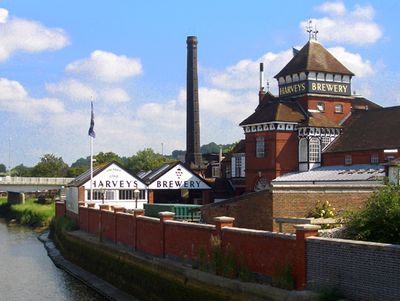
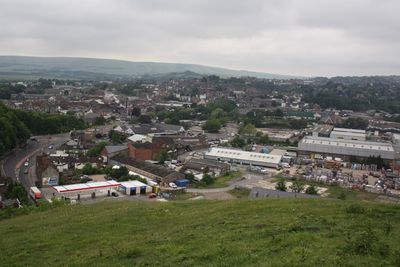
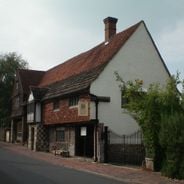
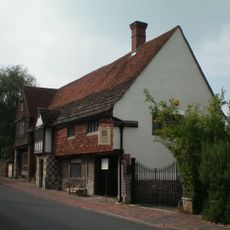
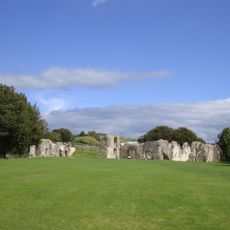
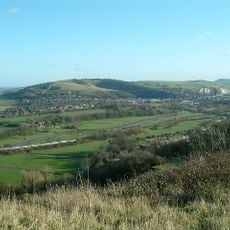
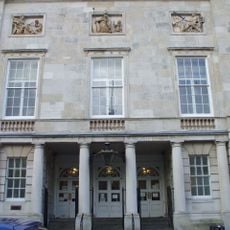
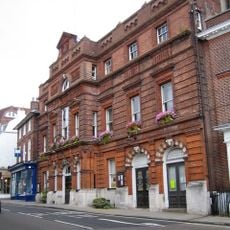
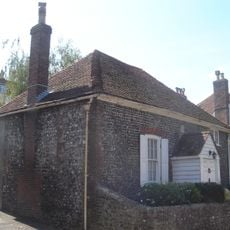
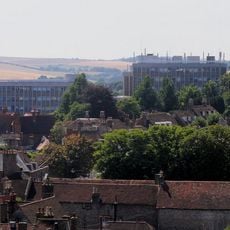
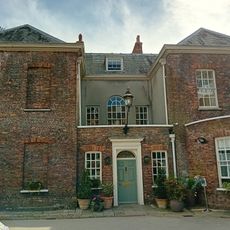
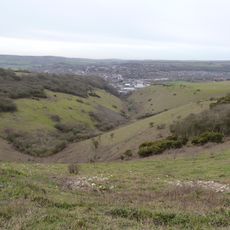
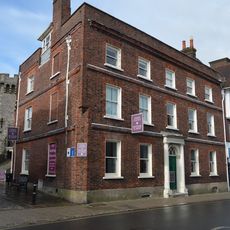
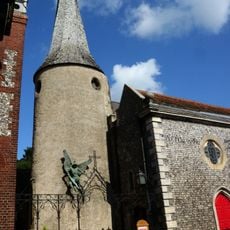
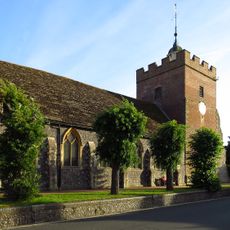
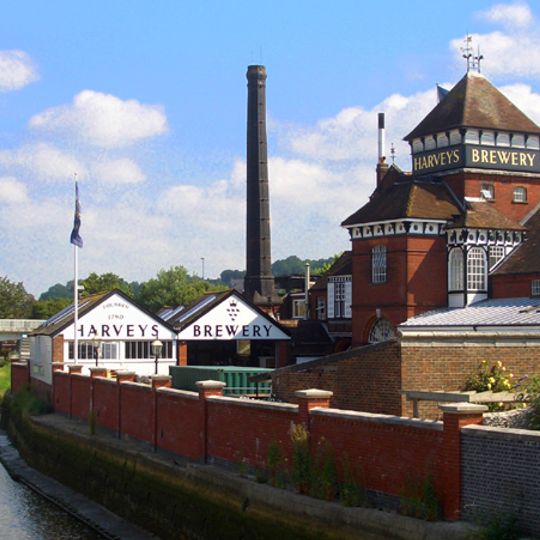
Lewes sits where the River Ouse cuts through the South Downs, with medieval lanes lined by timber-framed buildings and Georgian architecture. The town has a compact old center that spreads around a main street and is overlooked by hills crowned with castle ruins.
The Battle of Lewes in 1264 brought a turning point when Simon de Montfort's forces defeated King Henry III, helping to establish ideas of parliamentary representation. The town developed in later centuries as the administrative center for the surrounding county.
The town celebrates Bonfire Night each 5 November with multiple torch-lit processions organized by local societies marching through the streets. The tradition includes elaborate costumes and fireworks that draw thousands of visitors from across the region.
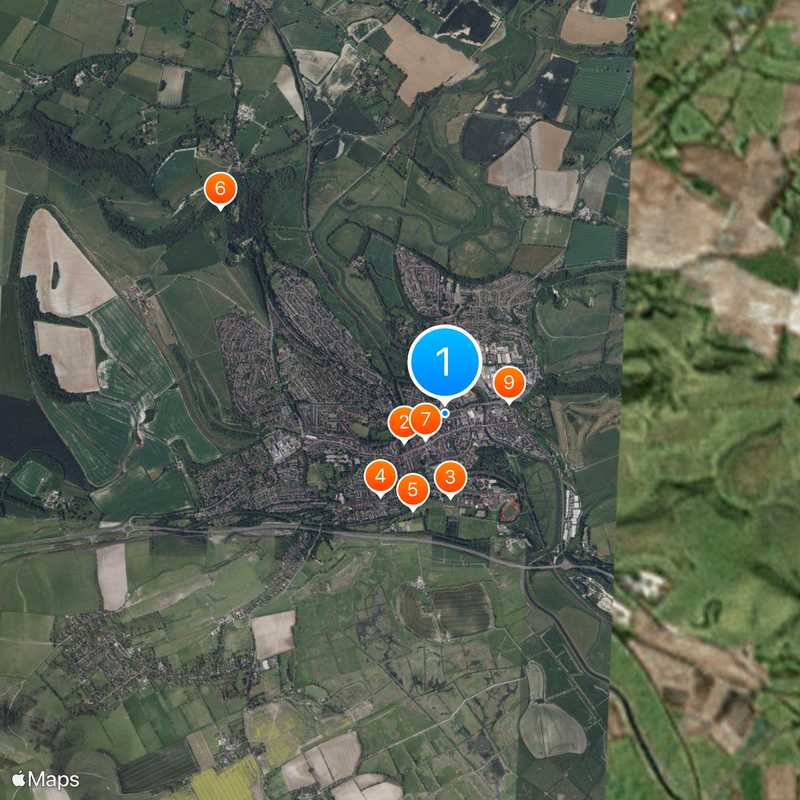
The streets mainly follow the river valley and climb steeply up the slopes, which is worth considering when planning an exploration on foot. The railway station sits somewhat outside the center, and from there the main street is a short uphill walk away.
The town maintains its own local currency, the Lewes Pound, which circulates among local businesses to strengthen the community economy. The currency is issued as paper notes that hold the same weight as the British pound.
The community of curious travelers
AroundUs brings together thousands of curated places, local tips, and hidden gems, enriched daily by 92,132 contributors worldwide.