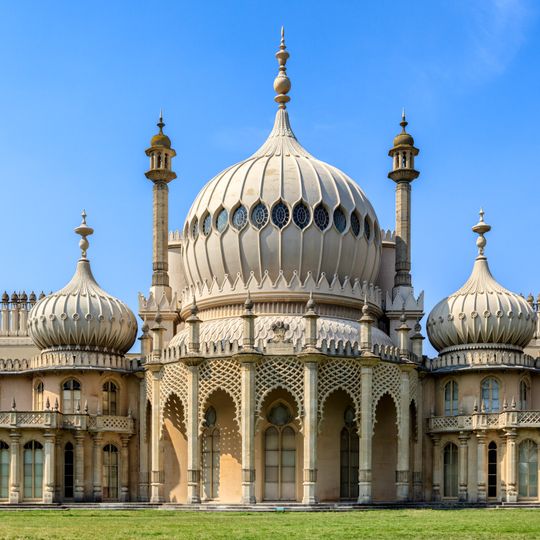
Royal Pavilion & Garden, Indo-Saracenic palace in Brighton, England
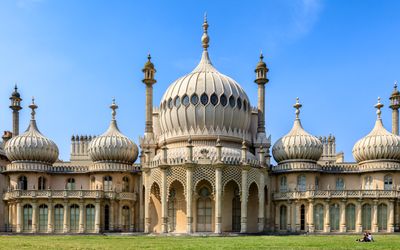
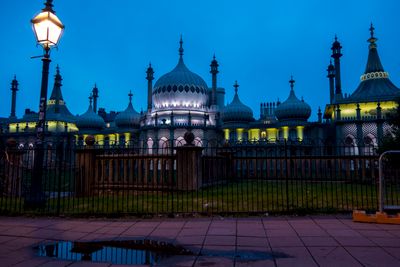
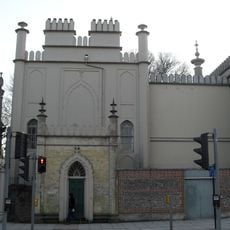
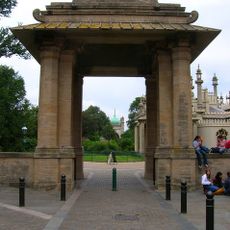
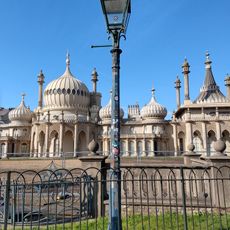
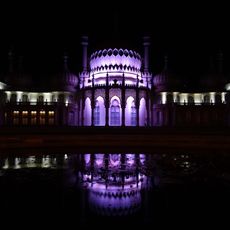
The Royal Pavilion is an Indo-Saracenic palace in Brighton and Hove, England, with white domes and slender towers rising above red brickwork. The facade shows detailed ornamental patterns, while the surrounding garden offers lawns and paths that frame the structure.
George, Prince of Wales, commissioned John Nash from 1815 to transform an existing building into the current oriental form. The work continued into the 1820s, by which time George was already ruling as king.
The name combines Indian and Moorish building elements into a style seen nowhere else in Britain. Visitors today notice the mix of Chinese wallpaper inside the rooms and the oriental-looking outer walls, which set the building apart from other grand estates of the period.
The site opens daily, and guided tours are available that give access to the state rooms and other halls. Advance bookings help avoid waiting times, especially during summer months and weekends.
During the First World War, the building served as a hospital for Indian soldiers fighting in Europe. Separate kitchens were set up to respect different religious dietary rules, which was unusual for British hospitals at the time.
Location: Brighton and Hove
Inception: 1787
Architects: John Nash
Architectural style: Indo-Saracenic architecture
Accessibility: Wheelchair limited access
Part of: Royal Pavilion & Museums Trust
Address: 4-5 Pavilion Buildings, Brighton BN1 1EE
Website: https://brightonmuseums.org.uk/royalpavilion
GPS coordinates: 50.82236,-0.13772
Latest update: December 4, 2025 19:02
The neo-Moorish architecture developed in the 19th and early 20th centuries, driven by European interest in oriental forms. This architectural movement combines Western building elements with Moorish decorative motifs: horseshoe arches, carved arabesques, geometric mosaics, and ornate stuccoes. This stylistic synthesis appears in a variety of structures, from places of worship to private residences, theaters, and city fortifications. The collection gathers representative examples from across Europe and beyond. In Marseille, the Alcazar Grand Theatre has displayed a façade decorated with oriental patterns since 1857. The Great Synagogue of Brussels, inaugurated in 1878, demonstrates the adoption of this style in Belgian religious architecture. In Germany, Drachenburg Castle near Bonn incorporates Moorish elements into a late 19th-century villa. The movement also reaches unexpected locations: Brighton’s Royal Pavilion blends Indian and Islamic influences for a British royal seaside residence, while rural farms in Hälsingland, Sweden, include ornaments inspired by this orientalist trend. From Pena Palace overlooking Sintra to the Justo Sierra Synagogue in Mexico city, these buildings exemplify the international spread of an architectural style that profoundly marked its period.
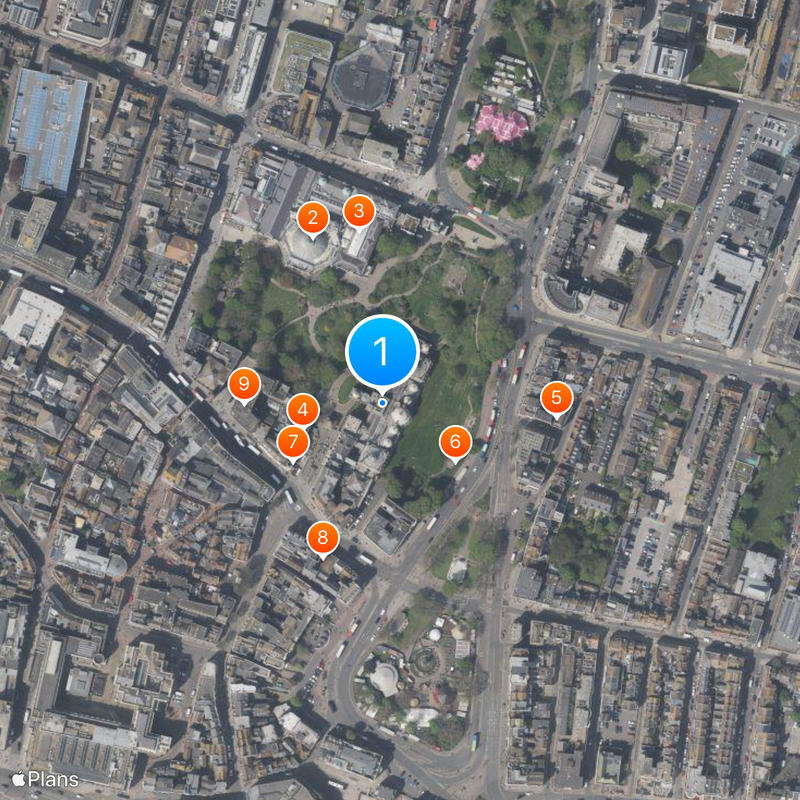
Brighton Dome
125 m
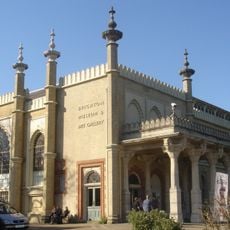
Brighton Museum & Art Gallery
121 m
Steine House
138 m
2–3 Pavilion Buildings, Brighton
58 m
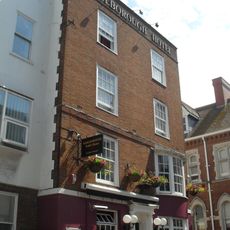
Marlborough Pub and Theatre
121 m
Brighton and Hove city centre
65 m
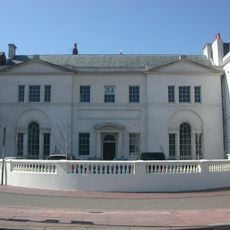
Marlborough House, Brighton
74 m
Chapel Royal, Brighton
123 m
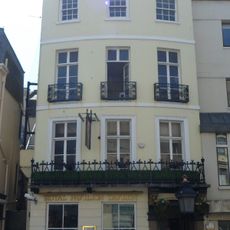
Royal Pavilion Tavern
115 m
163 North Street, Brighton
131 m
Brighton Dome Studio Theatre
133 m
Princes House
96 m
The North Gatehouse And Attached Walls Piers And Railings
128 m
Statue of George IV
129 m
The Market Inn
144 m
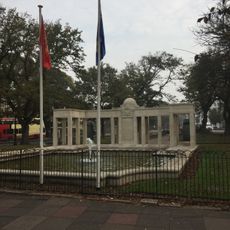
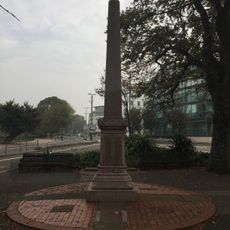
Brighton Indian Soldiers War Memorial
40 m
Brighton War Memorial
125 m
Egyptian Campaign Memorial
98 m
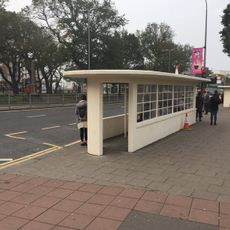
Tram Shelter And Public Toilets
151 m
19 Lamp Posts
81 m
12, 13 And 14, Pavilion Buildings
87 m
Number 12 And Attached Railings
146 m
Former Parochial Offices
135 m
35, East Street
162 m
Number 56 And Attached Walls And Piers And Railings
130 m
Number 11 And Attached Railings
142 m
National Westminster Bank
70 m
North Gate Of The Royal Pavilion And Attached Railings
131 mReviews
Real people, real opinions — but not verified.
Visited this place? Tap the stars to rate it and share your experience / photos with the community! Try now! You can cancel it anytime.
A very surprising site at these latitudes! Definitely worth a visit!
Discover hidden gems everywhere you go!
From secret cafés to breathtaking viewpoints, skip the crowded tourist spots and find places that match your style. Our app makes it easy with voice search, smart filtering, route optimization, and insider tips from travelers worldwide. Download now for the complete mobile experience.
A unique approach to discovering new places❞
— Le Figaro
All the places worth exploring❞
— France Info
A tailor-made excursion in just a few clicks❞
— 20 Minutes