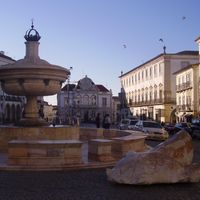
Évora, Administrative district in Alentejo, Portugal.
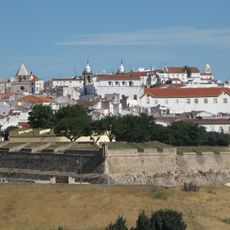
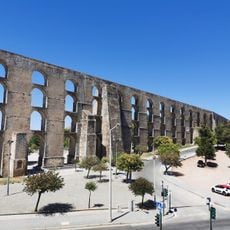
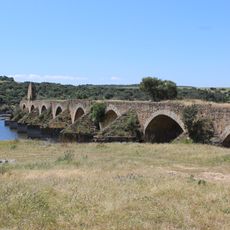
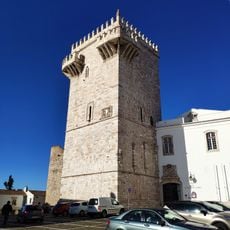
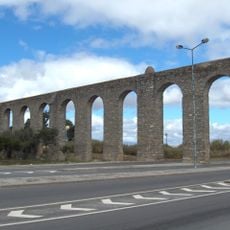
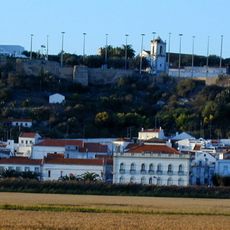
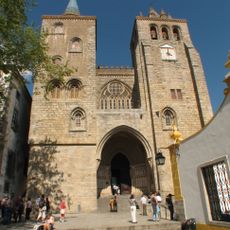
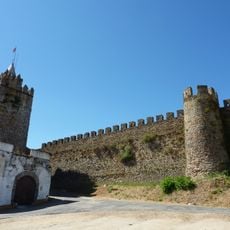
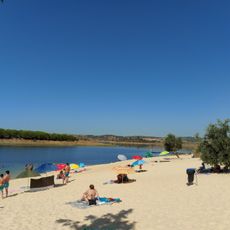
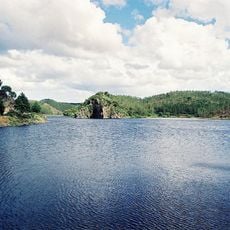
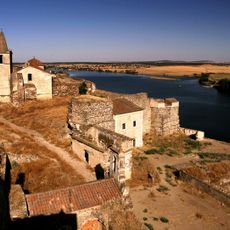
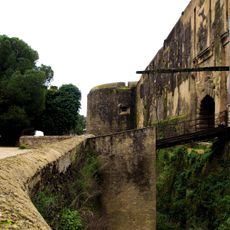
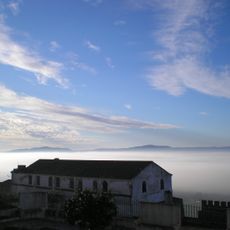
Évora is an administrative district in southern Alentejo containing 14 municipalities spread across gently rolling terrain with agricultural land and rural villages. The territory combines a notable historic city with smaller settlements, archaeological remains, and open countryside.
The district was established in 1835 as an administrative unit within the broader Alentejo region. Its location near the Spanish border and along historical trade routes shaped its development and role as a central hub.
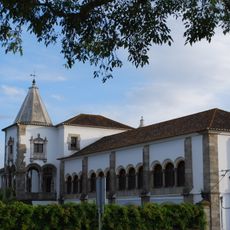
The region maintains strong traditions in pottery and textile craftsmanship that visitors can find in local workshops and markets. White-walled houses with blue or yellow accents on doors and window frames define the visual character of settlements throughout the territory.
The best time to visit is spring and early fall when temperatures are moderate and comfortable for exploring. A car is essential for navigating between the smaller towns and villages, as public transportation between rural settlements is limited.
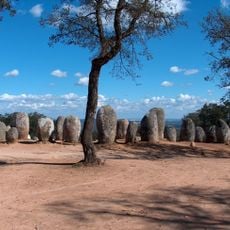
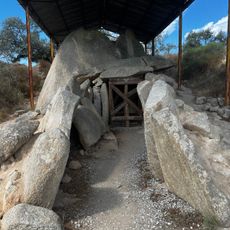
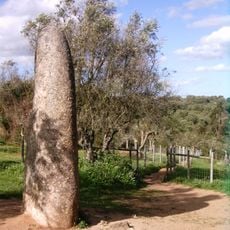
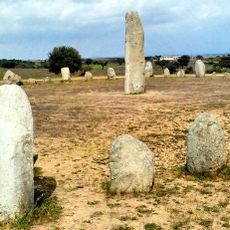
The territory contains megalithic monuments and stone circles older than Egyptian pyramids scattered across the landscape. These prehistoric sites are often quiet and easily overlooked by visitors, offering a rare window into ancient European history.
The community of curious travelers
AroundUs brings together thousands of curated places, local tips, and hidden gems, enriched daily by 91,981 contributors worldwide.