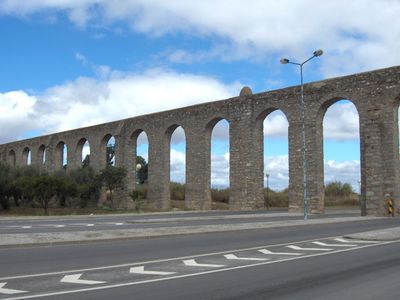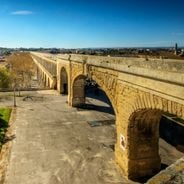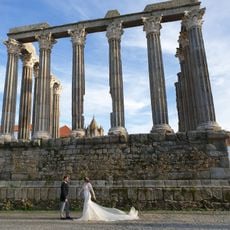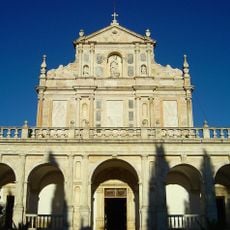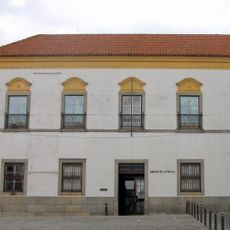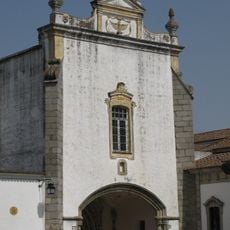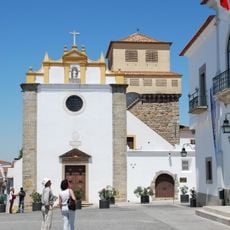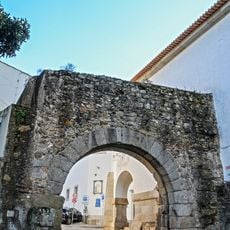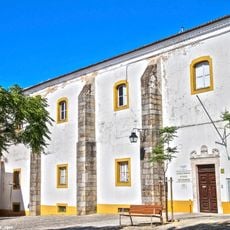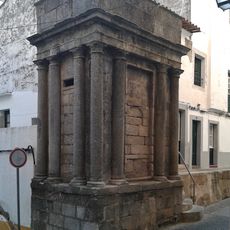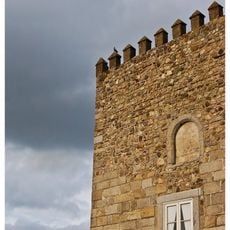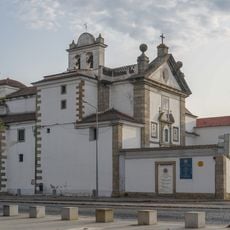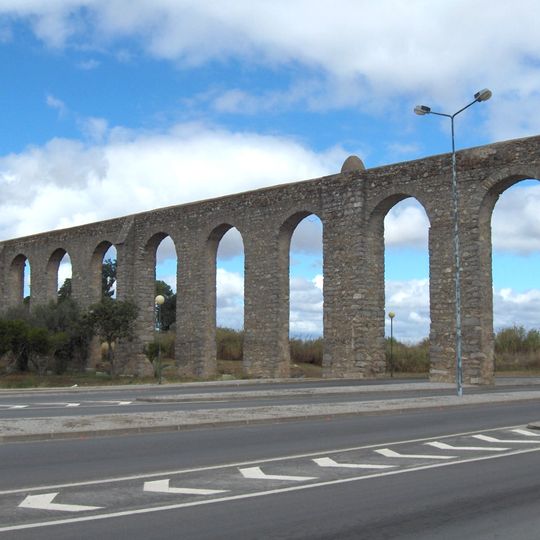
Aqueduto da Prata, Renaissance aqueduct in Évora, Portugal.
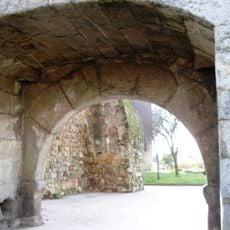
The Aqueduto da Prata is a Renaissance-era water supply system that carried water from a distant source into the city of Évora. The system combines underground tunnels with tall stone arches that march across the surrounding countryside.
The project was commissioned by King John III in the early 16th century and designed by architect Francisco de Arruda. Construction took several years before the system became operational and began serving the expanding city.
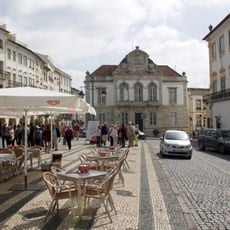
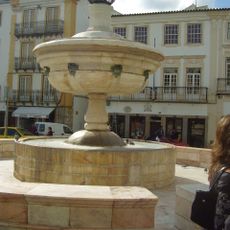
The structure supplied water to public fountains scattered throughout the city, which remain key gathering spots for residents and visitors today. These water points shaped how people moved through and used the urban space for centuries.
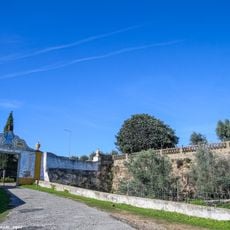
Visitors can explore the structure best by following footpaths alongside the aqueduct through open countryside outside the city walls. The easiest approach is to start from areas beyond the city and observe the arches from ground level.
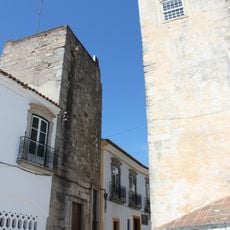
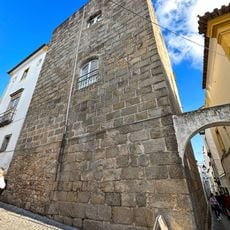
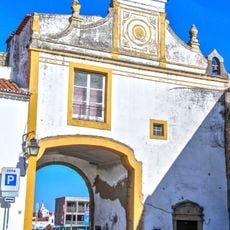
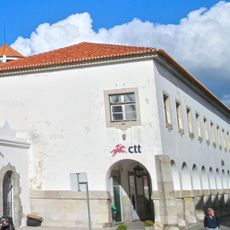
Over the centuries, city residents built houses and shops directly into the arches of the aqueduct within the city walls. This creative reuse wove the water system into the fabric of everyday urban life.
The community of curious travelers
AroundUs brings together thousands of curated places, local tips, and hidden gems, enriched daily by 90,799 contributors worldwide.