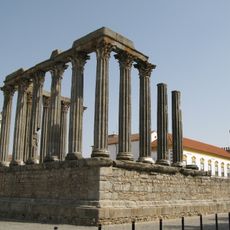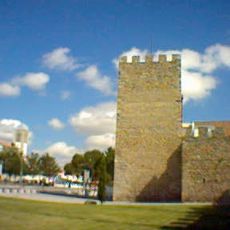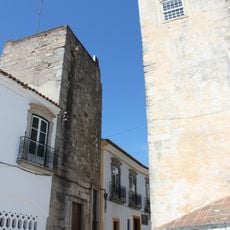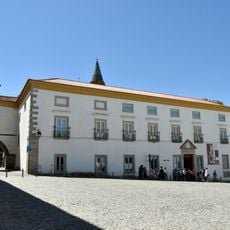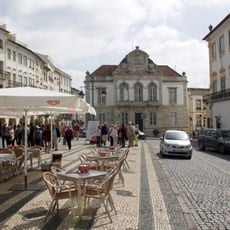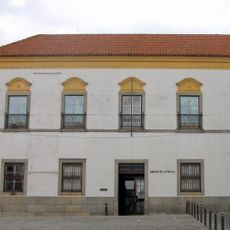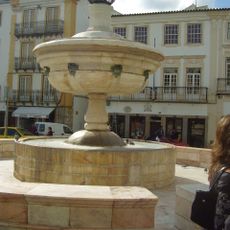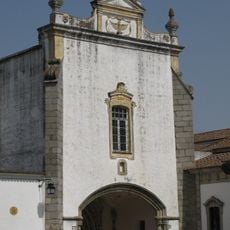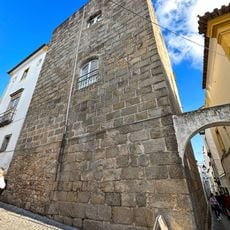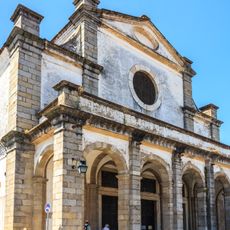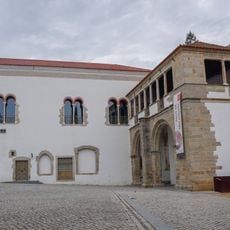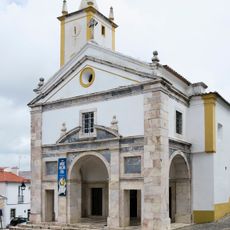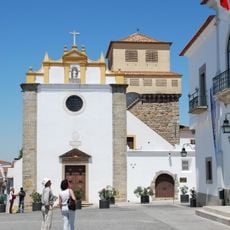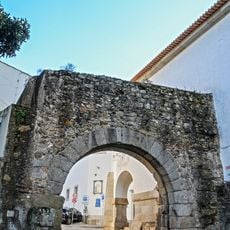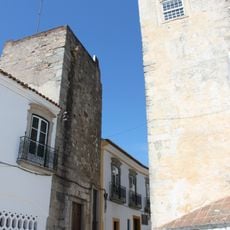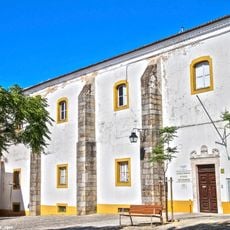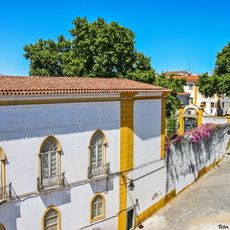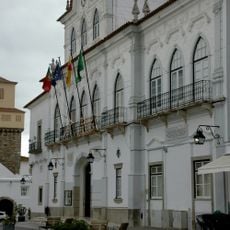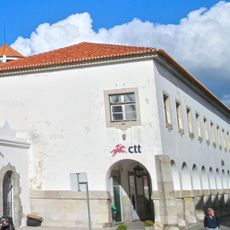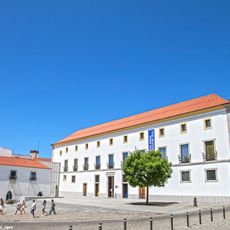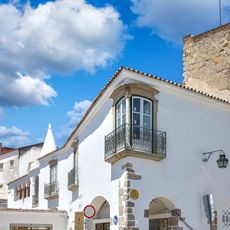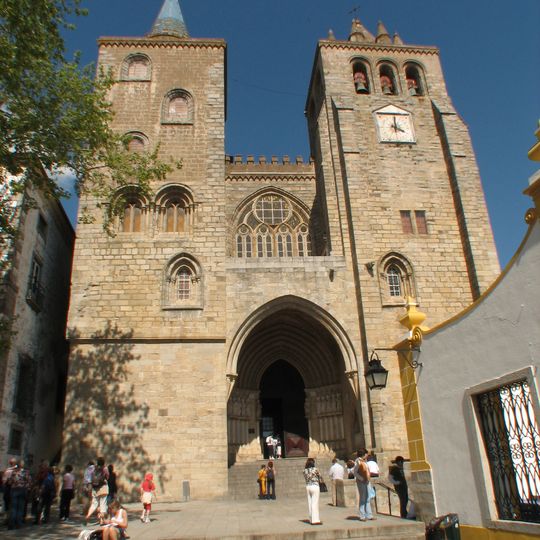
Centro Histórico de Évora, UNESCO World Heritage Site in Évora, Portugal.
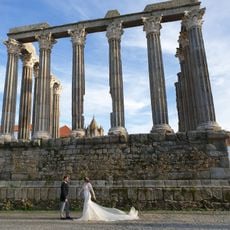
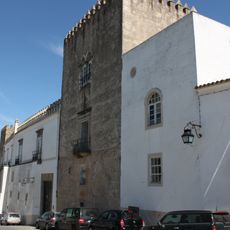
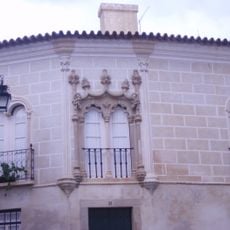
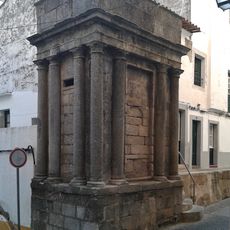
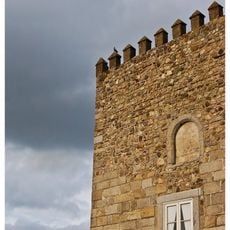
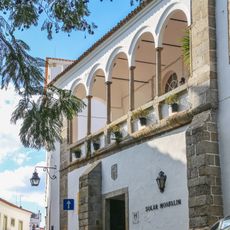
The historic center of Évora is a medieval and Renaissance quarter containing Roman structures distributed through narrow lanes and whitewashed houses arranged in a close-knit pattern. Churches, palaces, and civic buildings from different periods stand side by side, with street patterns and building heights revealing the urban development across centuries.
Évora served as a significant administrative center during the Roman Empire and remained important through the medieval and Renaissance periods. The physical layout of the current quarter developed mainly between the 13th and 18th centuries, with earlier Roman foundations preserved beneath later construction layers.
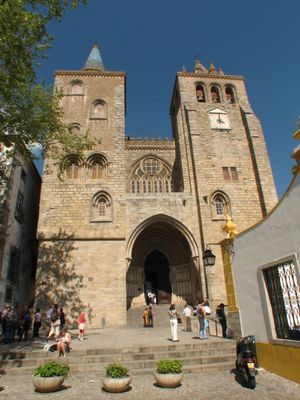
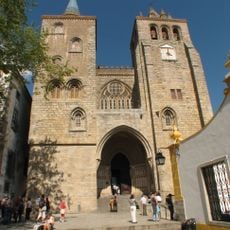
The Cathedral of Évora shapes the skyline with architectural elements spanning multiple centuries, and the narrow lanes surrounding it bustle with daily activity where locals and visitors interact naturally. The whitewashed houses and small squares reflect how residents have organized their neighborhoods over time, creating spaces for both commerce and community gatherings.
The quarter is best explored on foot, with most visitors starting from Praca do Giraldo, the main square with cafes and shops. The lanes are narrow and closely built, but well-paved, making them easy to navigate even if some surfaces are uneven.
The Chapel of Bones inside Igreja de Sao Francisco is an unusual religious space where walls and pillars are decorated with human skeletons from monastery cemeteries. This somber decoration originally served as a reminder of mortality and remains one of the most memorable sights visitors encounter in the quarter.
The community of curious travelers
AroundUs brings together thousands of curated places, local tips, and hidden gems, enriched daily by 91,723 contributors worldwide.