Cerca romana e árabe, Roman and Moorish defensive wall in Évora, Portugal
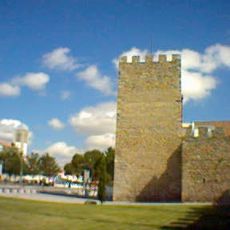
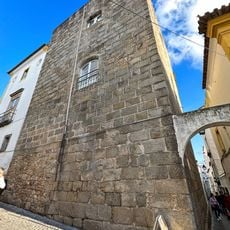
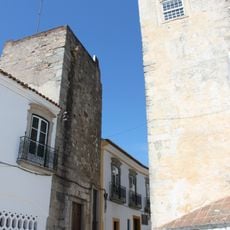
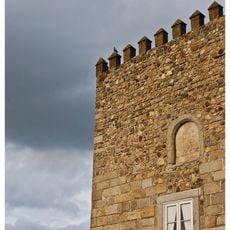
The Cerca romana e árabe is a defensive wall that extends approximately 2 kilometers around the center of the city, constructed and modified across different periods. Stone towers are positioned at regular intervals along the structure to protect the enclosed area.
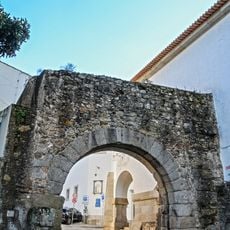
The oldest enclosure was built in the 3rd century under Roman rule, encircling about ten hectares over almost two thousand metres. The Porta de D. Isabel, also called the Roman Arch of Évora, survives from that period. The quadrangular Torre de Sisebuto is attributed to the Visigothic king Sisebut in the 7th century, though the sources also place its construction in late Roman times. Islamic remains, including a fortified gate and traces of the old kasbah, stand behind the cathedral and the Roman temple; the Islamic period ended in 1165.
The walls display features from Roman, Visigothic, and Islamic periods, reflecting different phases of settlement across the centuries. Walking along the structure, you can observe how each culture left its mark through construction techniques and design choices.
You can walk along the wall to enjoy different viewpoints since it runs through several parts of the city. It is possible to visit sections of the wall without advance arrangements or special requirements.
The Queen Isabel Gate preserves an original Roman arch, and beneath it you can see remains of the ancient Cardo Maximus street. These remains show how the ancient city lies hidden beneath the modern layers.
The community of curious travelers
AroundUs brings together thousands of curated places, local tips, and hidden gems, enriched daily by 93,461 contributors worldwide.