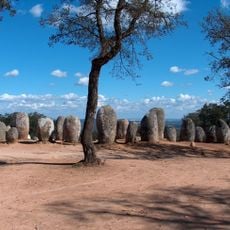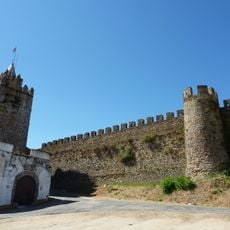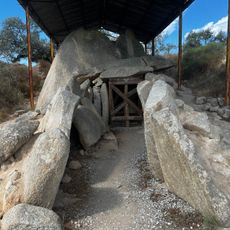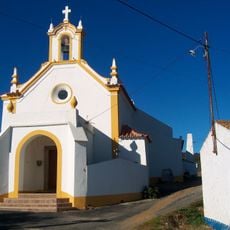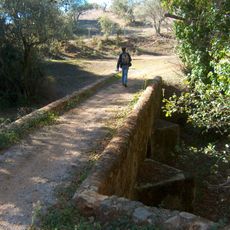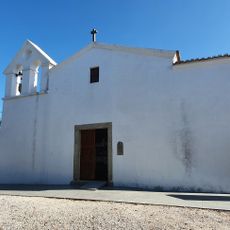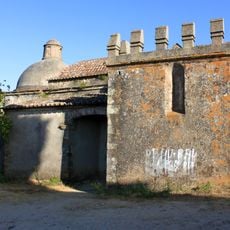
Escoural Cave, Prehistoric cave art site in Santiago do Escoural, Portugal
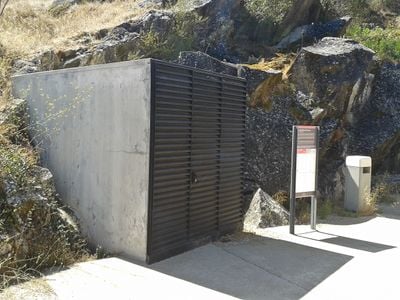
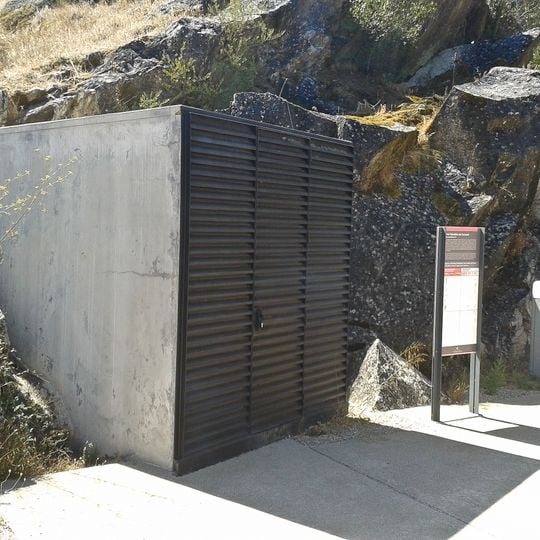
Escoural Cave is a karst network of horizontal halls and galleries at different levels, sealed within a thick flowstone mantle in a cliff of hard limestone. It lies along the E.N.370 between Santiago do Escoural and Alto da Abaneja, near the Herdade da Sala. Hundreds of engravings and paintings of animals, abstract forms and geometric shapes cover its walls.
Archaeological investigation of the cave began in 1963 under Manuel Farinha dos Santos, and further campaigns followed in 1980 and 1989. The cave itself had long been known locally; it was the first site in Portugal where prehistoric art was identified. In 1963 it was classified as a National Monument, and in 1999 it joined the Alentejo and Algarve archaeological itineraries. An interpretation centre reopened to visitors in 2011.
The cave's painted sanctuary holds animal figures from the Upper Paleolithic, while later Neolithic farming and herding communities buried their dead inside the same chambers. Excavations have also yielded grave goods and artifacts from the Neolithic to the Chalcolithic. The site was the first place in Portugal where prehistoric art was identified.
Visits require advance booking through the Interpretation Centre, with groups limited to a maximum of 10 people. Reserving your spot ahead of time ensures you can see the cave without disappointment.
Escoural was the first site in Portugal where prehistoric art was identified, and it remains the only Portuguese location with Palaeolithic artwork. Archaeologists began systematic study in 1963 under Manuel Farinha dos Santos, and international soundings in 1989 revealed new chambers. Hundreds of motifs, engravings and paintings of animals, abstract forms and geometric shapes have been recorded.
The community of curious travelers
AroundUs brings together thousands of curated places, local tips, and hidden gems, enriched daily by 93,935 contributors worldwide.