Ribeira, Medieval riverside district in Porto, Portugal
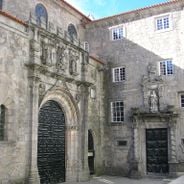
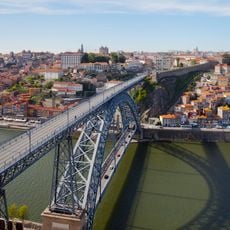
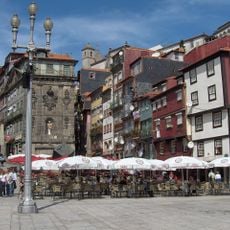
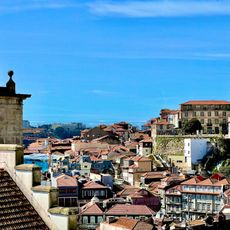
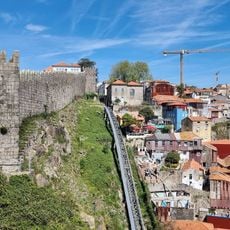
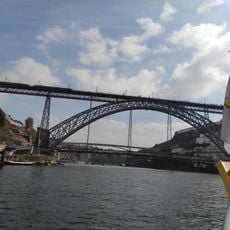
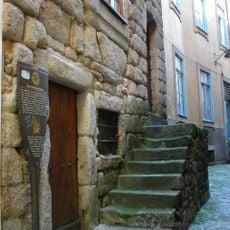
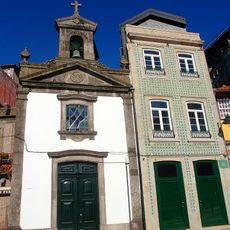
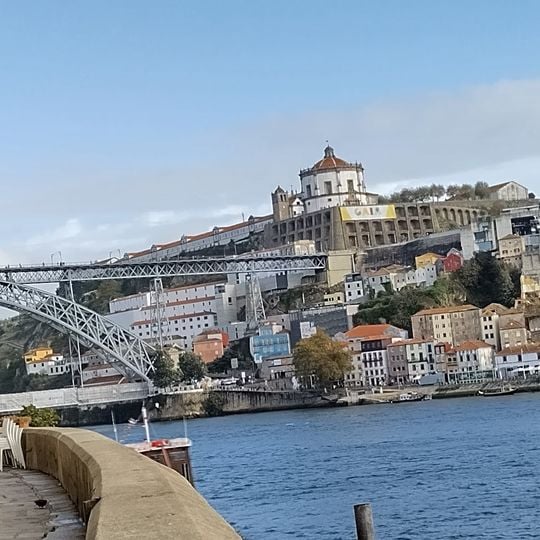
Ribeira is a district of steep, narrow streets and stairways that descend the hillside to the Douro in Porto. Its houses are painted in pastel colours, mostly white, and date from several centuries ago. From the opposite bank in Vila Nova de Gaia, the rows of facades appear stacked above the water. Rabelo boats with wine barrels on deck are moored along the riverfront.
The district started as a Roman settlement near Casa do Infante and grew into a trade center during the Middle Ages, especially after the building of Rua Nova street. Its growth was tied to river commerce and later wine exports, making it an economic hub.
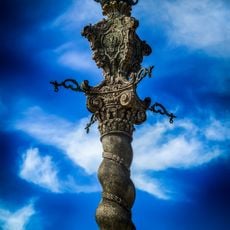
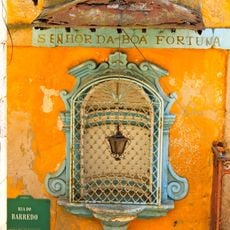
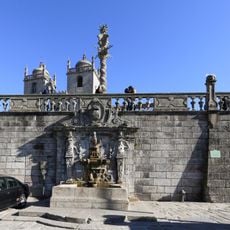
The Praça da Ribeira is nicknamed "praça do cubo" after the cube-shaped sculpture standing there. The Rua da Fonte Taurina is one of Porto's oldest streets, and the Muro dos Bacalhoeiros recalls the codfish sellers who worked the quay. Locals still tell of the "Duque da Ribeira", a riverside figure remembered for rescuing people from drowning in the Douro.
The best time to explore is early morning or late afternoon when the streets are less crowded and light hits the facades nicely. Solid footwear is important because the cobblestone streets and many stairs are tiring, especially on wet days.
The Roman mosaics found near the Casa do Infante date from the 4th century, when port installations stood by the Douro. They lie close to where the Infante D. Henrique is believed to have been born in 1394.
The community of curious travelers
AroundUs brings together thousands of curated places, local tips, and hidden gems, enriched daily by 94,163 contributors worldwide.