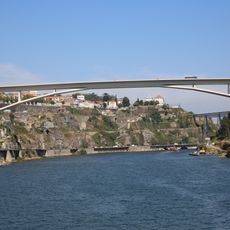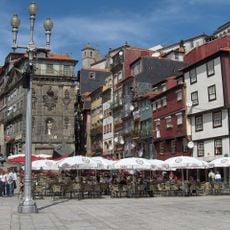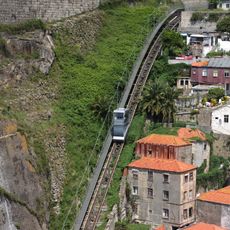
Ponte pênsil D. Maria II, 19th-century suspension bridge in Porto, Portugal.
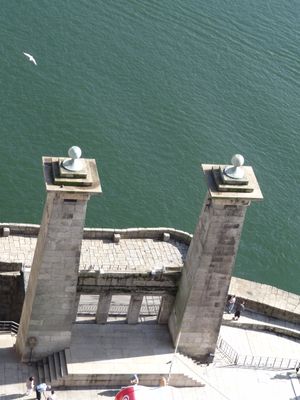
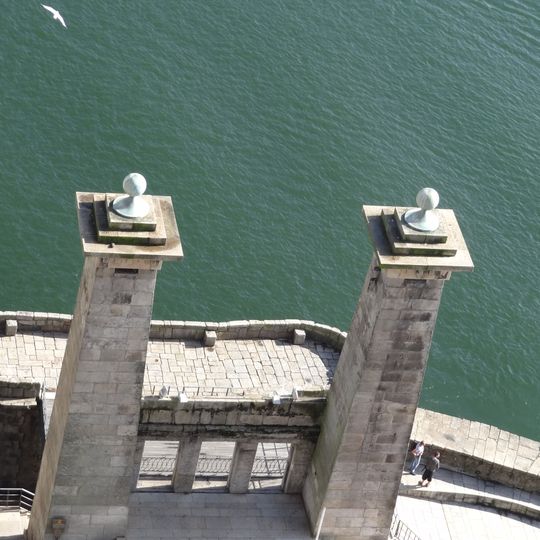
Ponte pênsil D. Maria II was a 19th-century suspension bridge that crossed the Douro River with eight iron cables supporting its structure. The bridge was 170 meters long and 6 meters wide, with stone pillars that anchored the design on both riverbanks.
French company Claranges Lucotte & Cie built the bridge between 1841 and 1842, with its official inauguration on February 17, 1843. This construction represented an important engineering achievement for Porto at that time.
The bridge connected Porto and Vila Nova de Gaia, serving as a vital link that shaped how people moved between the two communities and supported local trade. It became an important landmark that reflected the region's economic growth and progress during that period.
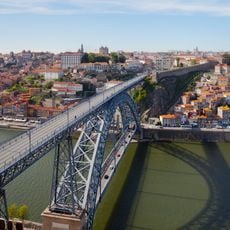
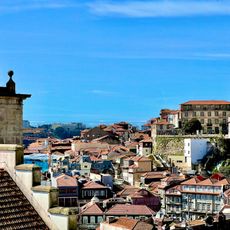
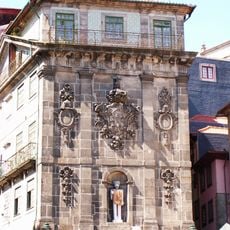
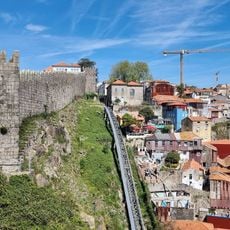
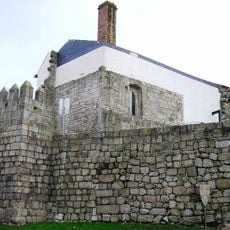
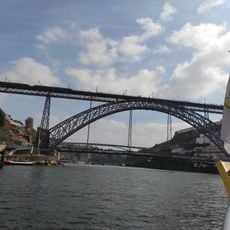
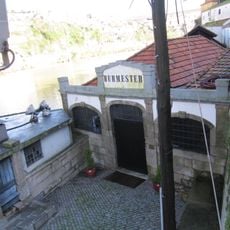
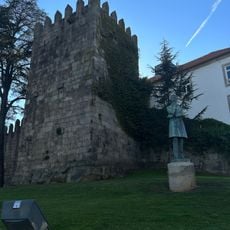
Visitors can view the remaining stone pillars and the ruins of a military guardhouse that still stand near the current Dom Luis I Bridge. The site is best accessed from the Douro riverbank, where the remnants offer a view of Porto's industrial heritage.
This was one of Europe's earliest suspension bridges and stood alongside later bridge structures that were built in the same location. Its design featured innovative engineering techniques that influenced later European bridge projects.
The community of curious travelers
AroundUs brings together thousands of curated places, local tips, and hidden gems, enriched daily by 92,330 contributors worldwide.