See the monuments around you in AROpen chests in the app
Around Us is built for your phone — point your camera at the streets and discover the monuments and places around you in augmented reality.Around Us is built for your phone — chests unlock when you walk, explore and capture nearby places.
Historical libraries in Europe: ancient libraries, temples of the book, and literary architecture
The historic libraries and bookstores of Europe keep collections of books gathered over many centuries. The Livraria Bertrand in Lisbon has been in the same place since 1732, while the Bodleian Library in Oxford, founded in 1602, now holds more than 13 million books. In Porto, the Livraria Lello draws your eyes with its wooden staircase and elegant curves, along with neogothic details from 1906. In Maastricht, the Boekhandel Dominicanen is housed in an old church from the 13th century that has been turned into a bookstore. These places show how the book has changed and spread over time.
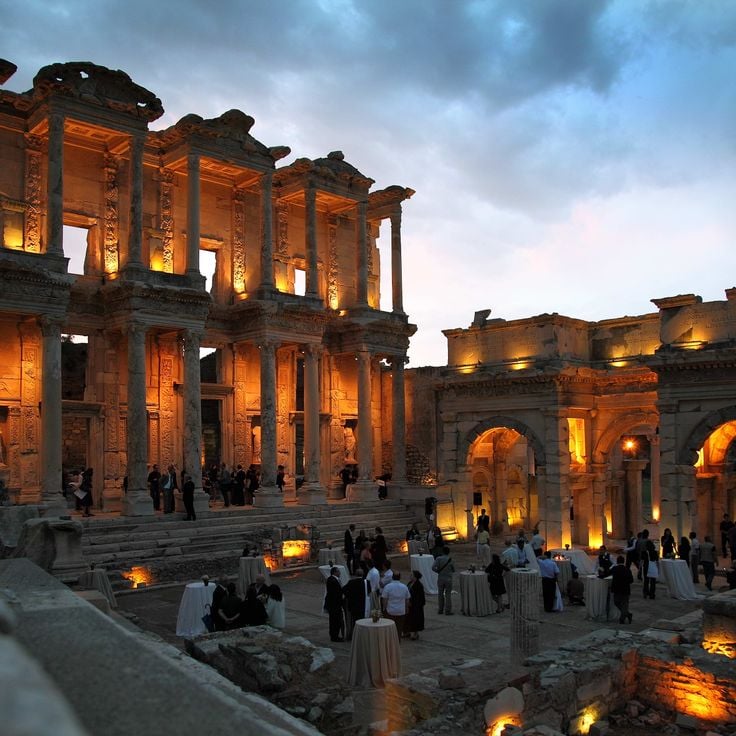
Each building tells its own story through its architecture, from baroque to neogothic, while keeping its original purpose. The Library of Celsus in Izmir, built in 135 AD, had clever double walls to protect its 12,000 manuscripts from moisture. In London, Hatchards has been selling books since 1797 in its five-story shop in Piccadilly, while in Paris, Shakespeare and Company has been serving as an English-language bookstore facing Notre-Dame since 1951. Walking into these places, you step into the story of the book, carved in stone and wood, on buildings that have stood for centuries.
Historical libraries in Europe: ancient libraries, temples of the book, and literary architecture
The historic libraries and bookstores of Europe keep collections of books gathered over many centuries. The Livraria Bertrand in Lisbon has been in the same place since 1732, while the Bodleian Library in Oxford, founded in 1602, now holds more than 13 million books. In Porto, the Livraria Lello draws your eyes with its wooden staircase and elegant curves, along with neogothic details from 1906. In Maastricht, the Boekhandel Dominicanen is housed in an old church from the 13th century that has been turned into a bookstore. These places show how the book has changed and spread over time.
Each building tells its own story through its architecture, from baroque to neogothic, while keeping its original purpose. The Library of Celsus in Izmir, built in 135 AD, had clever double walls to protect its 12,000 manuscripts from moisture. In London, Hatchards has been selling books since 1797 in its five-story shop in Piccadilly, while in Paris, Shakespeare and Company has been serving as an English-language bookstore facing Notre-Dame since 1951. Walking into these places, you step into the story of the book, carved in stone and wood, on buildings that have stood for centuries.
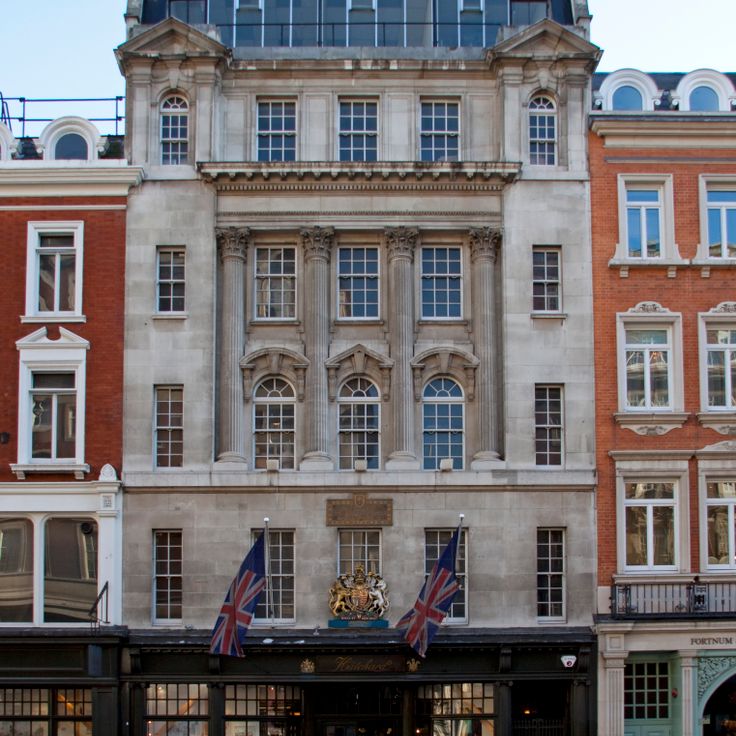
Hatchards has been operating since 1797 in the Piccadilly district, with old and new books spread across five floors. This bookshop is part of a wider European tradition of places that have preserved and shared written heritage over centuries. Hatchards shows how bookshops have evolved while keeping their role as spaces where readers find contemporary and classic works.
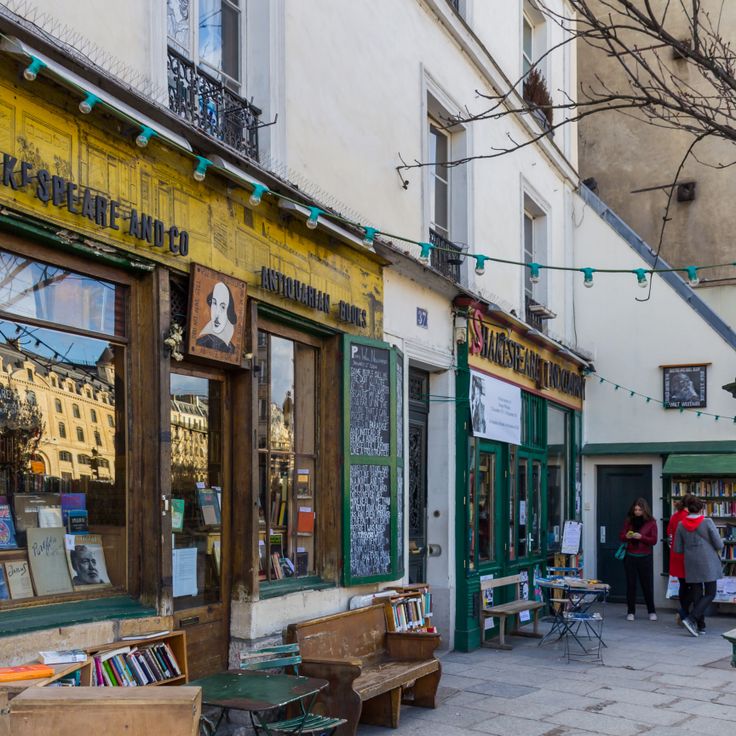
Shakespeare and Company is an English-language bookstore that has maintained a literary tradition since 1951 facing the Cathedral of Notre-Dame. As part of this collection of European historical libraries and bookstores, this place preserves written heritage accumulated over centuries. The bookstore shows how books have developed and spread across Europe and offers visitors the chance to experience a location where the history of the book is written into stone and wood.
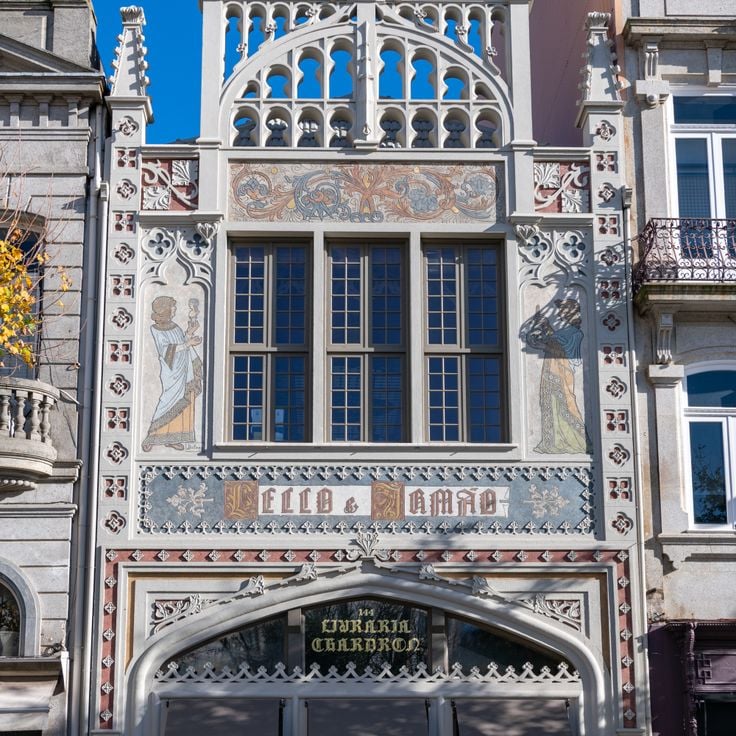
The Livraria Lello from 1906 holds an important place in this collection of European historical libraries and bookstores. The shop stands out for its curved wooden staircase and finely carved shelving in neogothic style. This spatial design shows how architecture and book culture come together. Visitors can discover how the history of the book has been preserved in wood and stone.
The Celsus Library is a Roman structure dating from 135 CE and holds an important place in this collection of European historical libraries. It housed about 12,000 scrolls and texts protected by a double-wall system designed to prevent damage from moisture. This technical solution shows how the Romans valued preserving their written knowledge. This library demonstrates the role that libraries have played over time: a place where knowledge is gathered and preserved for future generations.
Foyles in this collection of historic libraries and bookshops across Europe represents a place where the written heritage accumulated over centuries continues to be shared. Once the world's largest bookshop, Foyles still carries the character it developed over more than a century. The shop demonstrates how books have been sold and gathered in the same location across generations, much like other historic sites in this collection.
Librairie Jousseaume is one of the oldest active bookstores in Paris and represents the tradition of European historical libraries and bookstores that have preserved written heritage for centuries. This bookstore shows how books have shaped cultural life across the continent, from ancient manuscript collections to places of literary exchange. Visitors can experience a historic bookstore that holds a special place in the rhythm of everyday life in Paris.
The Ateneo Grand Splendid in Buenos Aires is a former theater from 1919 that was converted into a bookstore in 2000. This shop preserves the original features of the theater, including the stage, the boxes, and the wall paintings. Visitors walking through find bookshelves spread across multiple levels while the old theater architecture surrounds them. The murals on the walls recall the place's past. This bookstore shows how historic buildings can change purpose while keeping their architectural treasures intact.
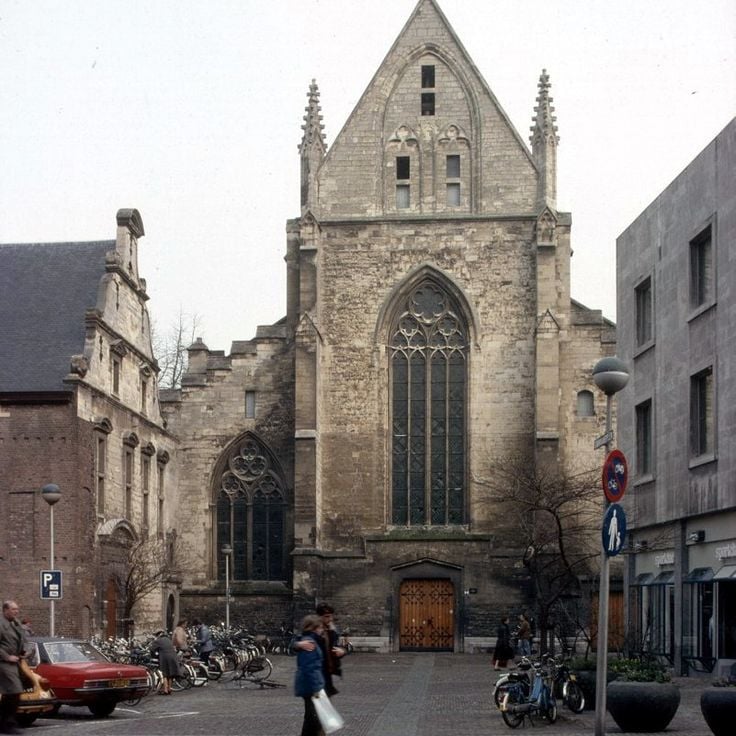
Boekhandel Dominicanen shows how a historic building can serve a new purpose. This 13th-century church in Maastricht has been converted into a modern bookshop while keeping its Gothic architecture, high ceilings, and stone details. Books sit on contemporary shelves spread across three levels. Visitors walk through the rooms surrounded by the building's history.
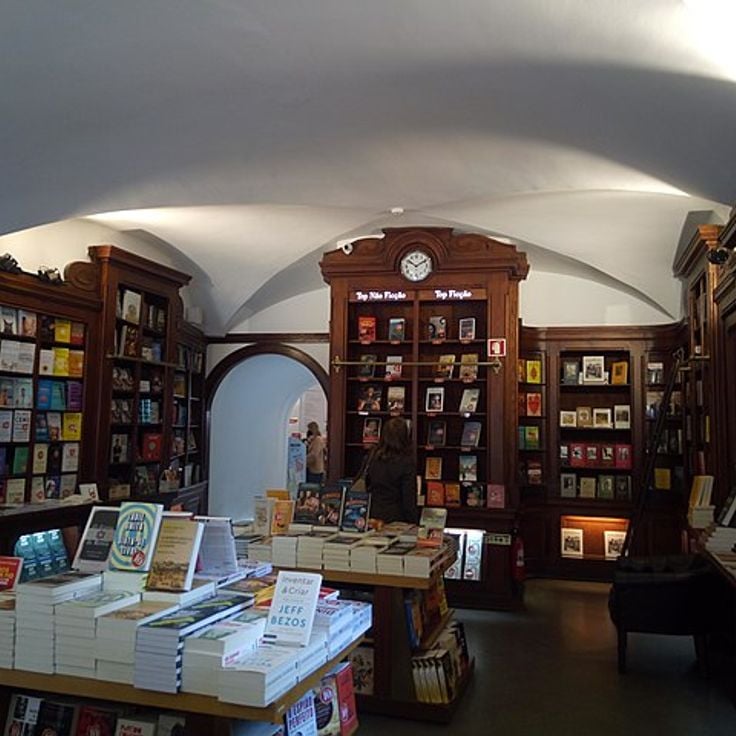
This historic bookshop opened its doors in 1732 and continues to sell books at the same address. Livraria Bertrand is part of a European collection of libraries and bookshops that have preserved written heritage across centuries. The shop shows how bookshops conserve and transmit history through their architecture and function. Visitors can explore a place where the history of the book is carved into wood and stone.
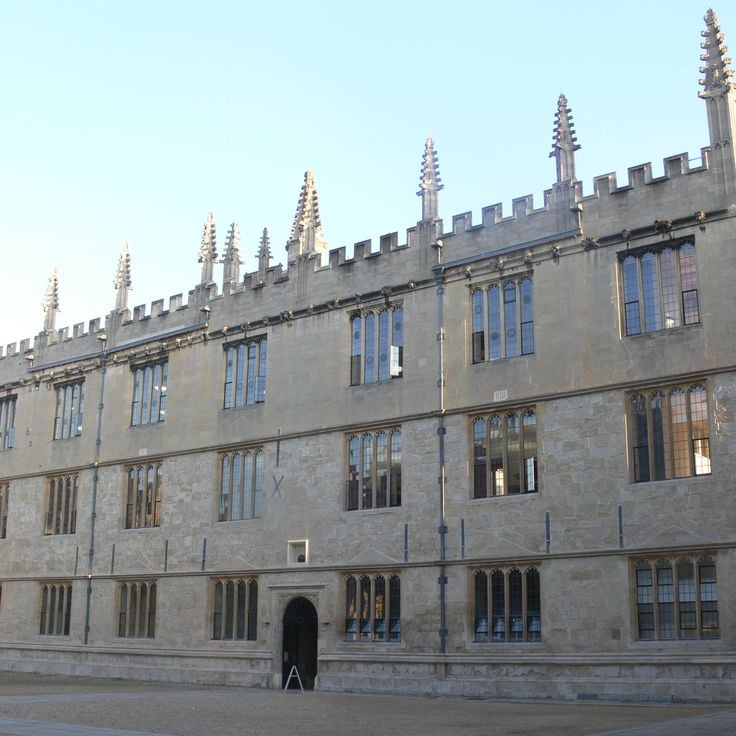
The Bodleian Library in Oxford is part of this collection of historical European libraries that preserve the written heritage accumulated over centuries. This library holds more than 13 million printed works and was founded by Sir Thomas Bodley in 1602. Like the other sites in this collection, it shows how books are embedded in architecture and space, and how institutions have enabled the spread of knowledge across time.
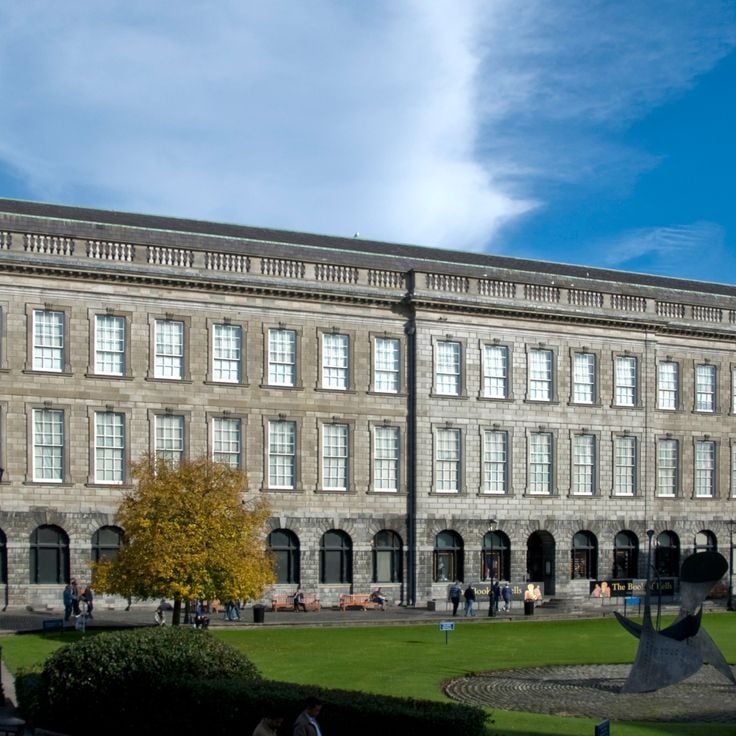
Trinity College Library in Dublin holds over 6 million volumes and preserves a remarkable collection of medieval manuscripts, including the Book of Kells. This library is a guardian of written heritage accumulated over centuries, showing how books have shaped knowledge and culture across Europe. The spaces of Trinity College Library reveal how the book has evolved from ancient times to today. Visitors who walk through Trinity College Library can explore a place where the history of the book lives in its collections and architecture.
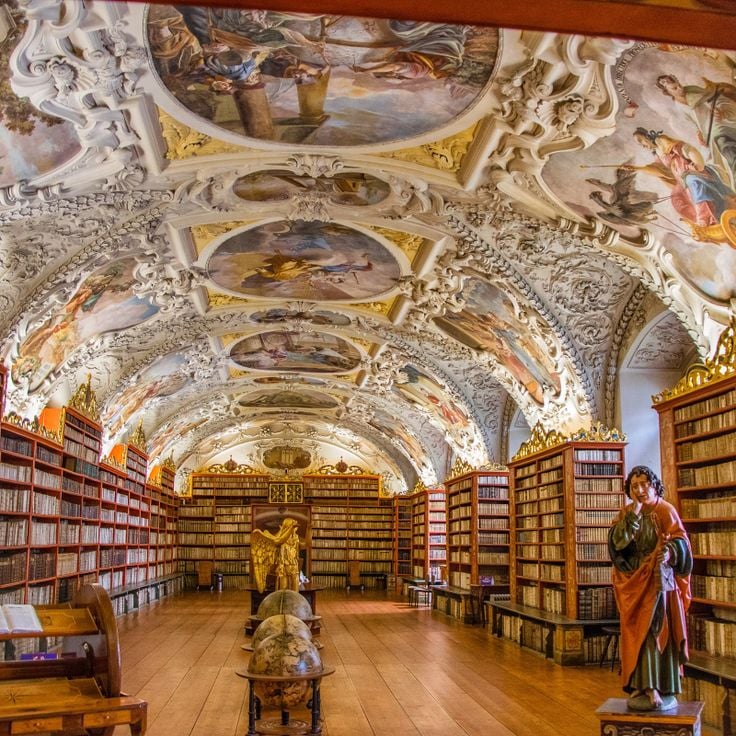
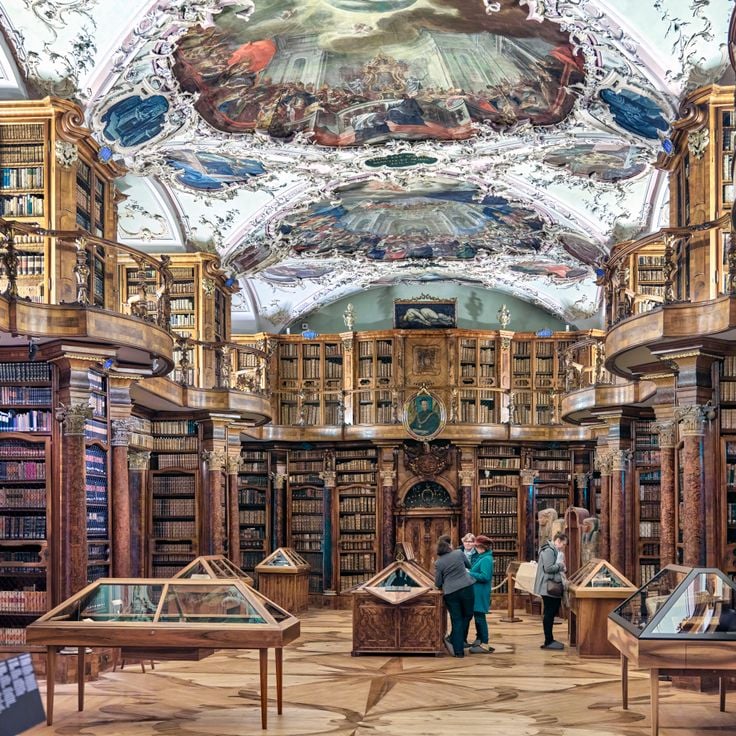
The Strahov Monastery Library in Prague holds knowledge gathered over centuries. The building displays elaborate Baroque architecture with detailed frescos and woodwork. Inside the rooms sit roughly 200000 volumes, manuscripts, and documents. Visitors walk through spaces where history is carved into stone and wood. This monastic library embodies an ancient tradition of gathering and protecting knowledge found in Europe's most important libraries.
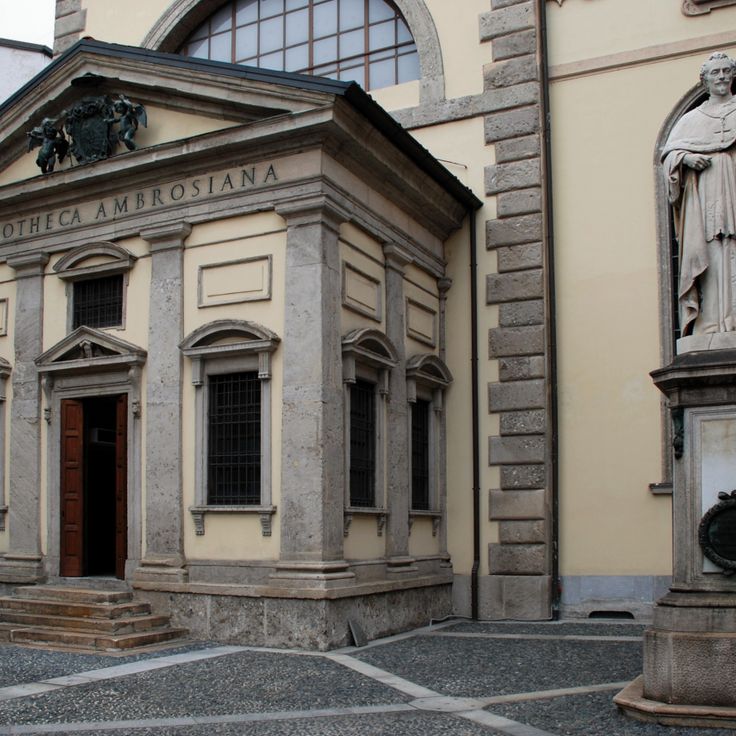
The Ambrosiana Library in Milan is a significant site in this collection of European historical libraries. Founded in 1609, it houses an extensive collection of historical texts, artworks, and scientific documents. Like other locations in this collection, the Ambrosiana Library reflects the history of the book preserved over centuries in its architecture and collections.
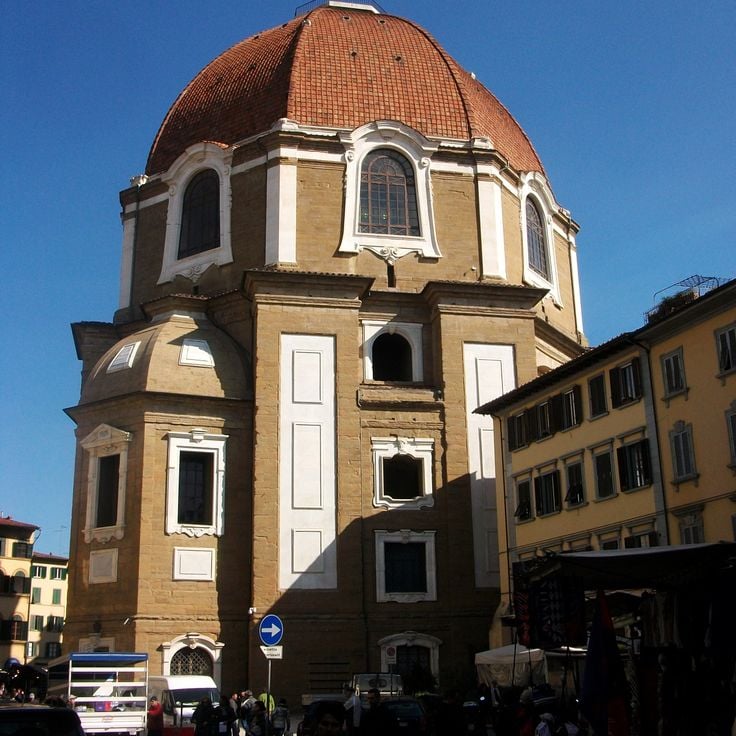
The Laurentian Library in Florence is a Renaissance library that houses thousands of manuscripts and rare printed books from its historical collection. It stands among European libraries that preserve the written heritage accumulated over centuries. This collection shows how books evolved and spread, offering visitors the chance to explore places where the history of books is carved into stone and wood.
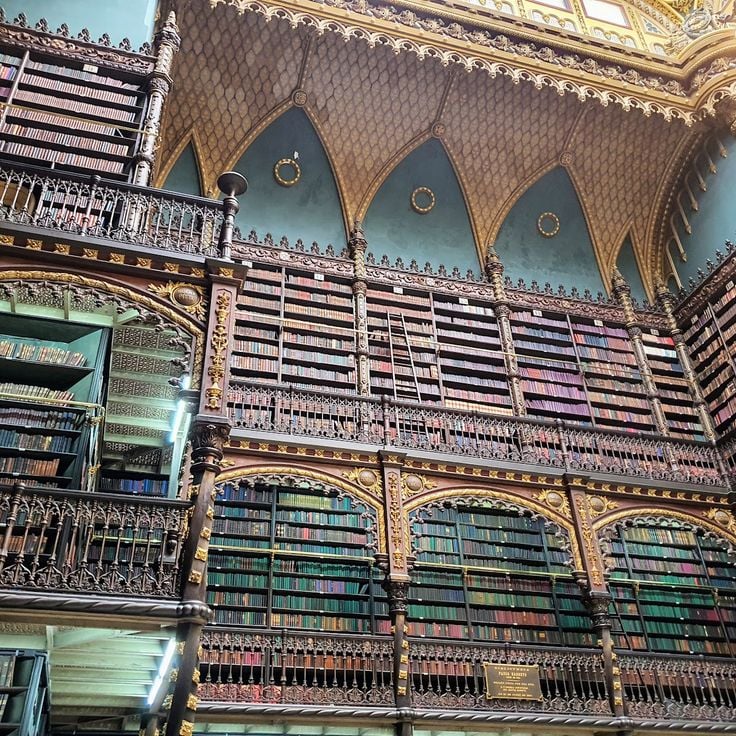
The Royal Portuguese Cabinet of Reading in Rio de Janeiro was founded in 1837 by Portuguese immigrants. It holds the largest collection of Portuguese literature outside of Portugal. This place preserves rare books and historical documents. The Cabinet shows how the book and Portuguese culture have developed over the centuries. Visitors can explore a space where history and literature come together.
This Abbey Library holds an important place in this collection of European libraries. It contains over 2,100 medieval manuscripts and 160,000 books in rooms designed in rococo style during the 18th century. The spaces show how religious communities accumulated and protected written works over centuries. Walking through, you experience the beauty of architecture and furnishings shaped entirely around reading and preserving knowledge.
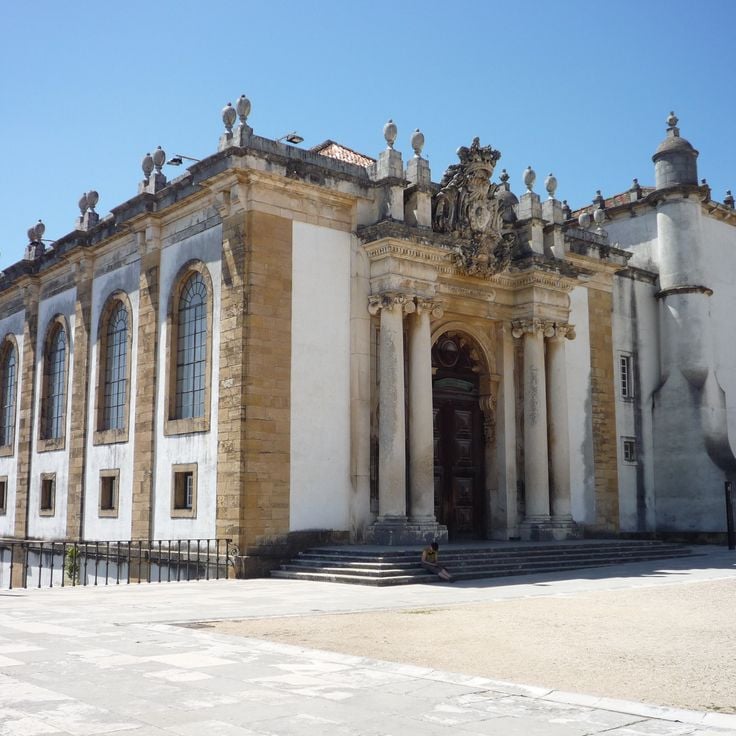
The Joanina Library in Coimbra is an 18th-century building that forms part of this collection of European historical libraries and bookshops preserving written heritage. It holds approximately 200,000 historical books arranged across three rooms with gilded wooden shelves. This library shows how the story of the book is recorded in stone and wood, much like other European institutions that safeguard literary traditions accumulated over centuries.
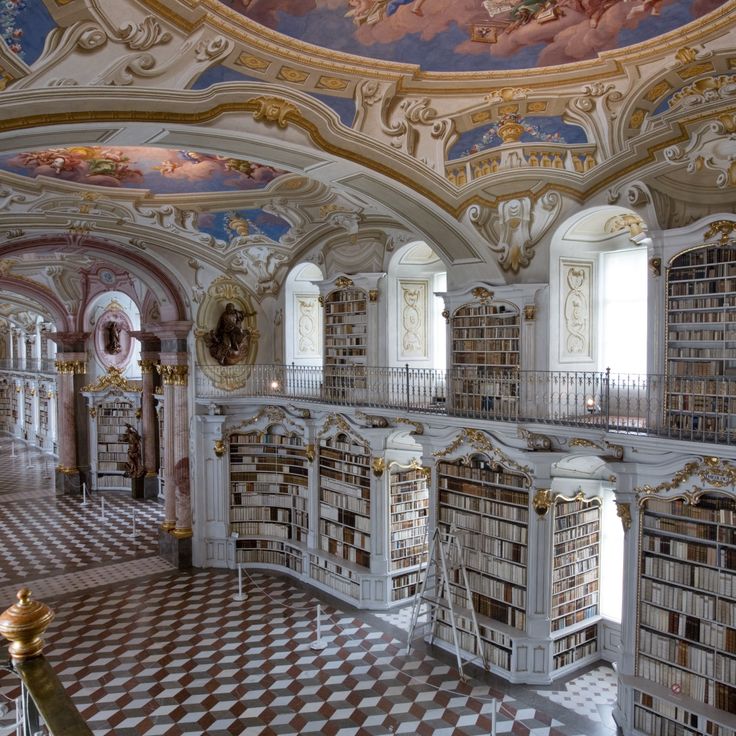
The Admont Abbey Library was built in 1776 for a Benedictine monastery and holds one of Europe's largest book collections. The 70-meter-long hall with painted ceilings contains about 70,000 volumes. This library shows how monasteries preserved and shared knowledge across centuries. The space itself is an architectural achievement: tall windows bring light to the books, curved shelves follow the shape of the hall, and the ceiling tells stories of learning and faith through images. Visitors walk through a place where manuscripts and printed works from different periods stand side by side.
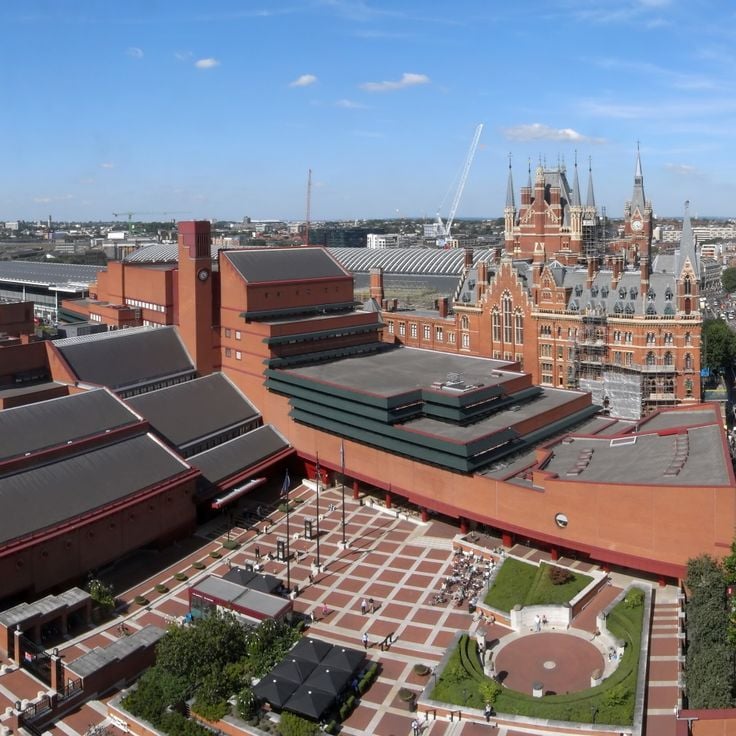
The British Library in London holds one of the world's largest collections of written works. It preserves 150 million objects from every country and period of history. This institution represents the role of a great repository of knowledge that has continuously developed since its founding in the 18th century. The library demonstrates how European institutions have accumulated and preserved written heritage across the centuries.
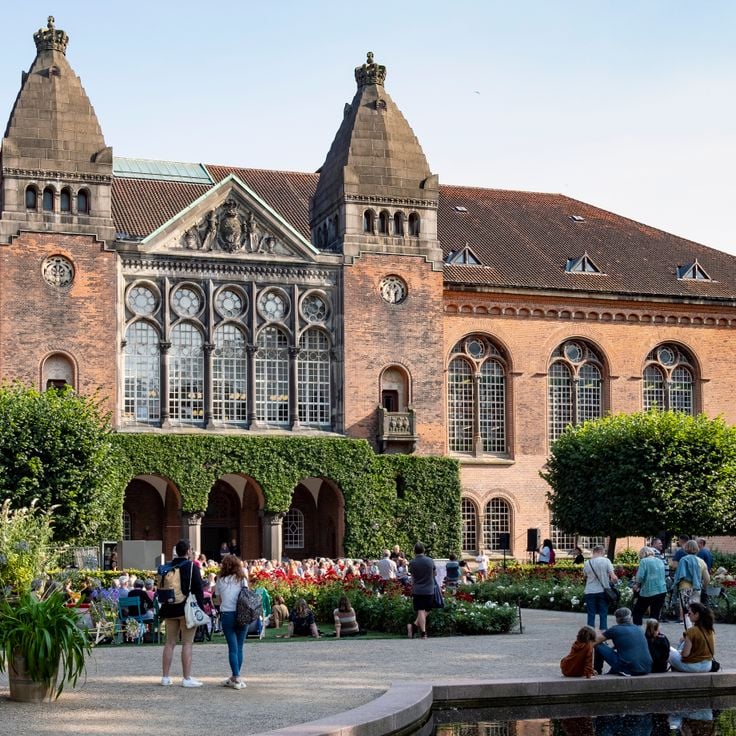
The Royal Library in Copenhagen preserves all Danish publications since 1482 and digitizes historical documents. This institution is part of a collection of historic European libraries that safeguard the written heritage accumulated over centuries. Like other places in this collection, the Royal Library combines architecture with its role as a keeper of national memory.
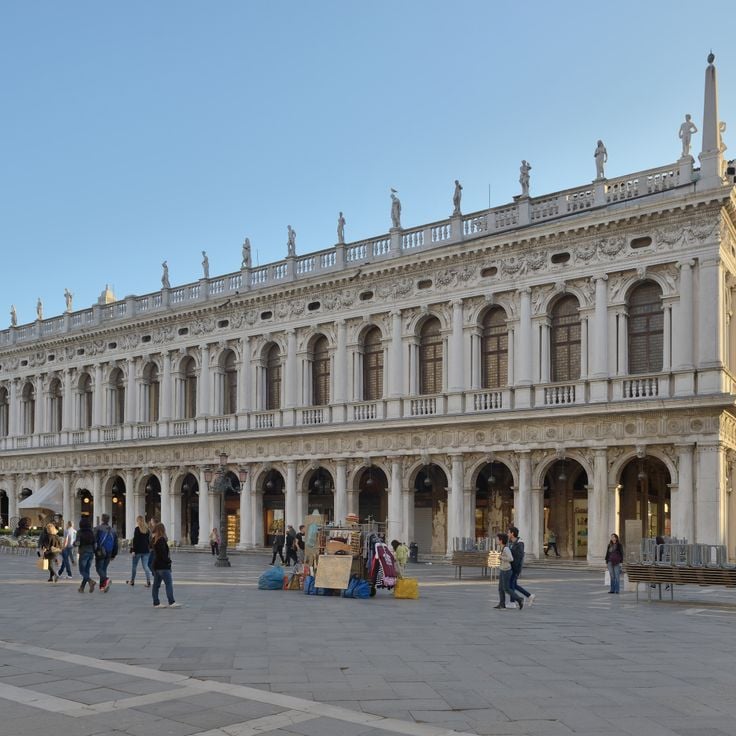
The Marciana Library in Venice has preserved rare manuscripts and printed books since the 16th century in a Renaissance building decorated with colonnades and vaulted ceilings. This library shows how European institutions have collected and protected written knowledge over the centuries. Visitors walk through spaces where the history of the book is written in stone and wood.
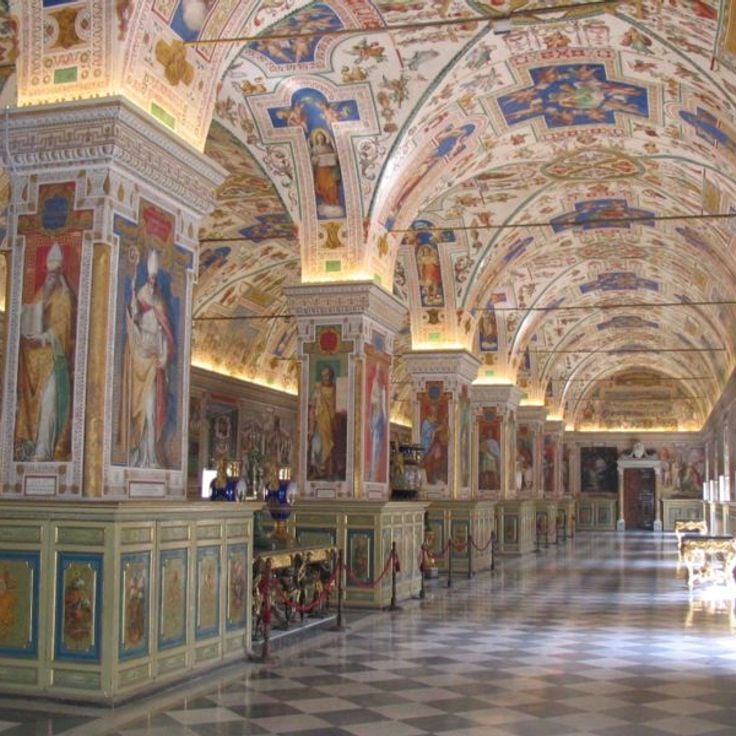
The Vatican Apostolic Library in this collection of European historical libraries has existed since 1475 as one of the oldest and most important institutions for preserving written knowledge. It houses over 1.6 million printed books, 150,000 manuscripts, and 8,600 incunabula, reflecting centuries of literary culture. Like the other sites in this collection, this library embodies the history of the book through its architecture and enduring function.
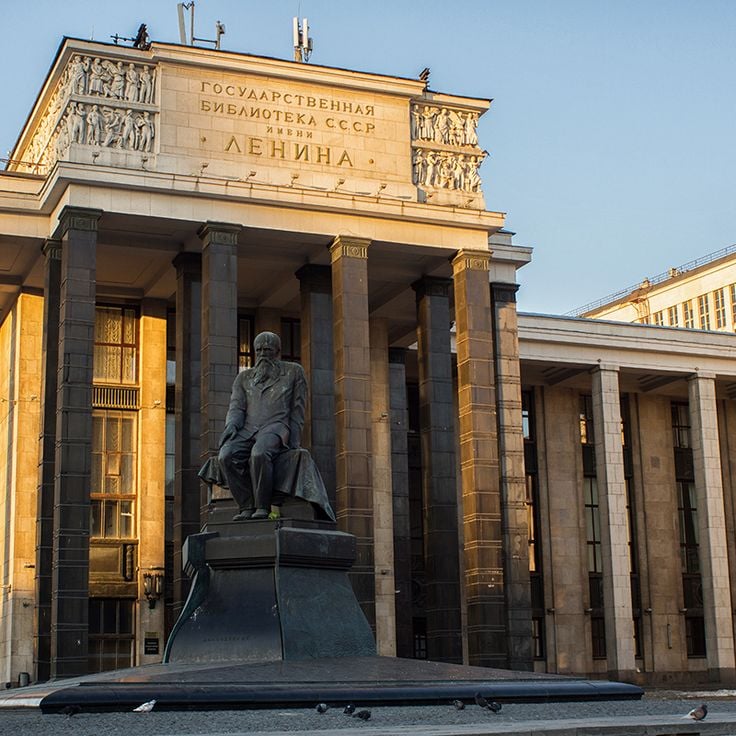
The Russian State Library in Moscow is a major knowledge center and stands among Europe's largest book collections. It holds over 47 million books and documents in 367 languages. Like other historic libraries across Europe, from the Bodleian Library in Oxford to Livraria Bertrand in Lisbon, this national library shapes literary heritage through its architecture and purpose. This place shows how libraries function as centers of knowledge, offering visitors spaces where history is written in stone and paper.
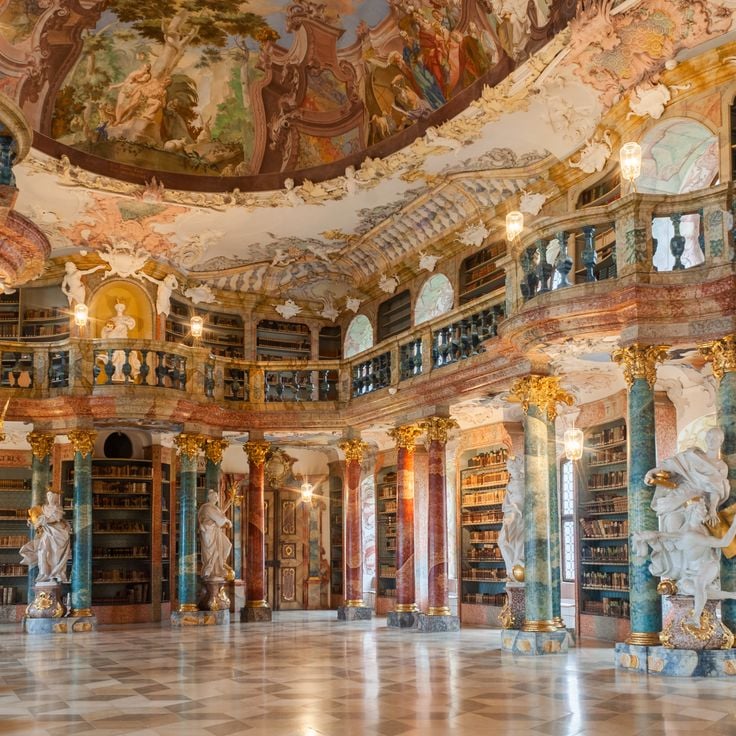
The Wiblingen Abbey Library is a remarkable example of monastic libraries in Europe. This place preserves an extensive collection of historical works accumulated over centuries. With its Baroque architecture and carefully crafted interior, this library embodies the appreciation for the book and scholarship throughout history. Visitors can trace the physical history of the book in wood and stone here, much like other European libraries that have safeguarded knowledge across generations.
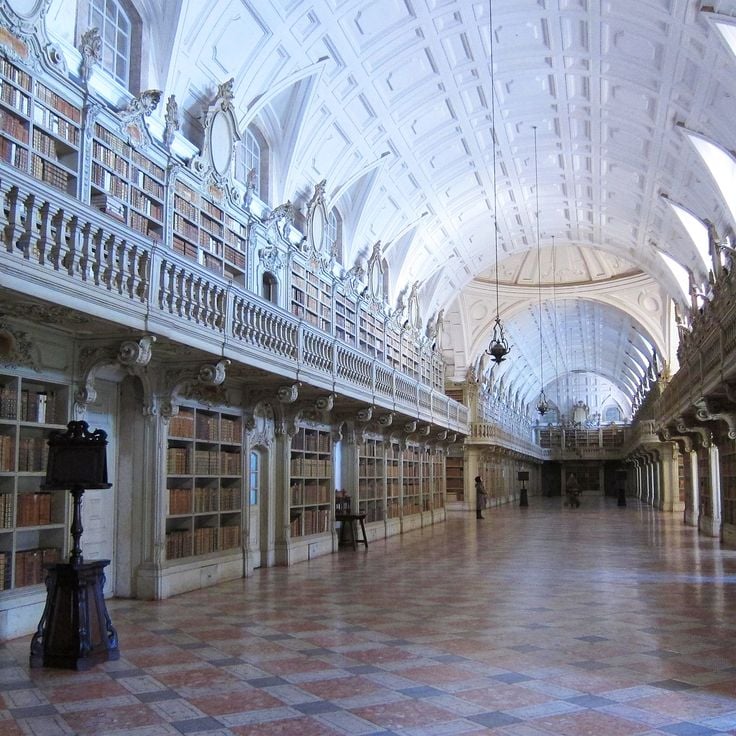
The Library of the Mafra National Palace is housed within an 18th century Baroque structure that was built as part of a monumental royal residence. This library holds historical books and manuscripts accumulated over centuries. The rooms feature ornate wooden shelving and vaulted ceilings that reflect the grandeur of the period. Visitors find themselves in a space where architectural beauty and the preservation of written knowledge come together.
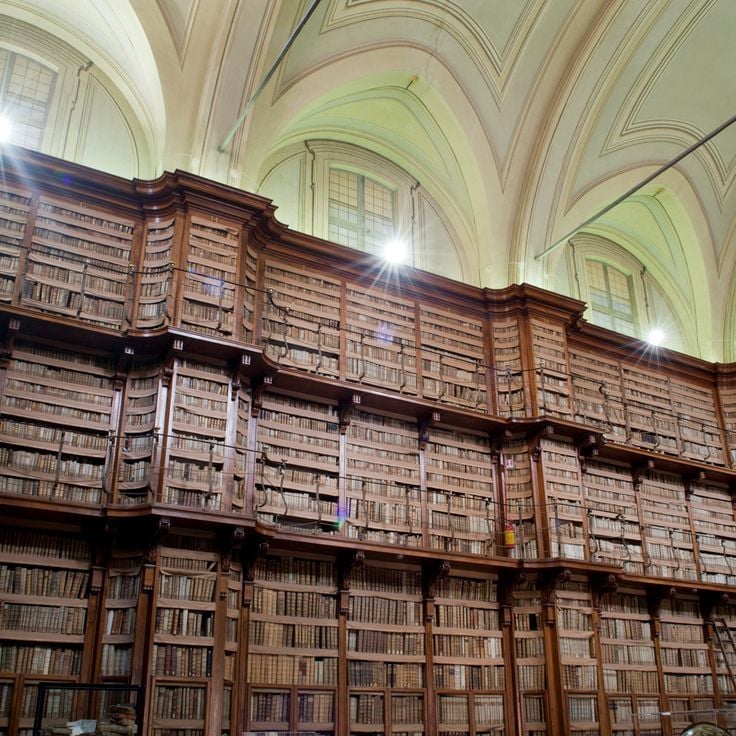
The Angelica Library sits on Piazza di Sant'Agostino in Rome and is one of Italy's oldest public libraries. It holds an extensive collection of books and manuscripts gathered over centuries. The rooms of this library tell the story of the book and how it spread across Europe. Here visitors can explore a place where knowledge is rooted in stone and wood.
The François-Mitterrand Library sits in the 13th arrondissement of Paris as the largest facility of the Bibliothèque nationale de France. This complex shows how modern design can serve an age-old purpose: collecting and preserving books. Its four distinctive towers stand as a reminder of how libraries have evolved over centuries, from ancient repositories to contemporary gathering spaces. Visitors find millions of works here that document France's literary heritage, similar to the historic collections in Oxford or Lisbon. Walking through this library demonstrates that books remain central to how we preserve and share knowledge across time.
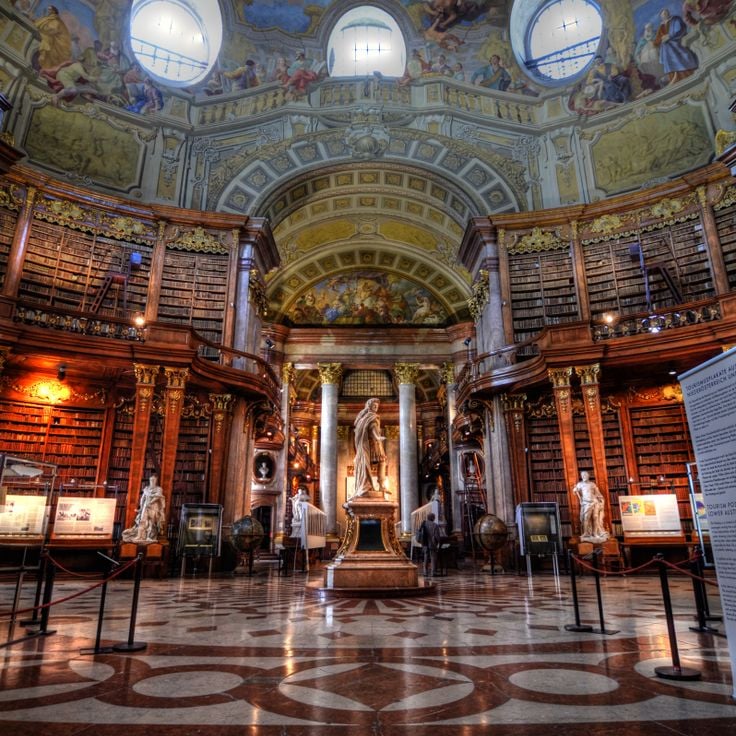
The Main Hall of the Austrian National Library is a baroque reading room located at Josefsplatz in Vienna. Built in the 18th century, it impresses with its soaring dome, ornate ceiling frescoes, and dark wooden bookshelves that line the walls. Walking into this room feels like stepping into centuries of accumulated knowledge. The light filters through tall windows and illuminates shelves holding countless volumes, creating a sense of scholarly purpose that has endured for generations.
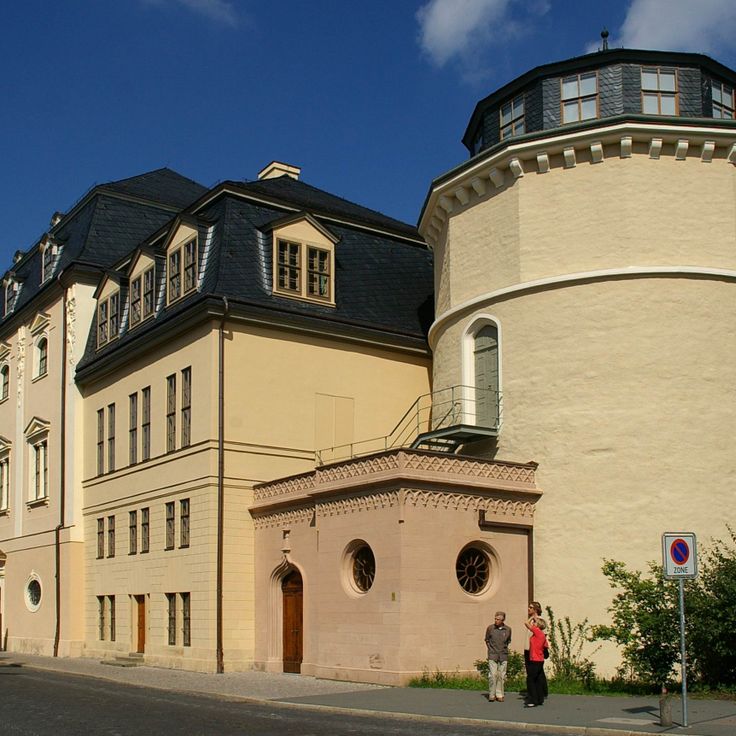
This library in Weimar holds one of Germany's most important book collections. The rooms tell the story of centuries of gathering and preserving knowledge. It houses rare prints, manuscripts, and historical works. Here you can see how the book and its spread evolved over time. The building itself is part of this history, showing through its architecture how valuable this collection is to European literature.
The John Rylands University Library in Manchester is a building of great importance for the history of the book in Great Britain. This university library was founded to preserve valuable collections gathered over centuries. When you step inside, you see striking architecture with details that recall Gothic churches. The collection includes rare books, old manuscripts, and printed works from different periods. Manchester played an important role in the development of book culture, and this library shows how knowledge and literature have been passed down through generations.
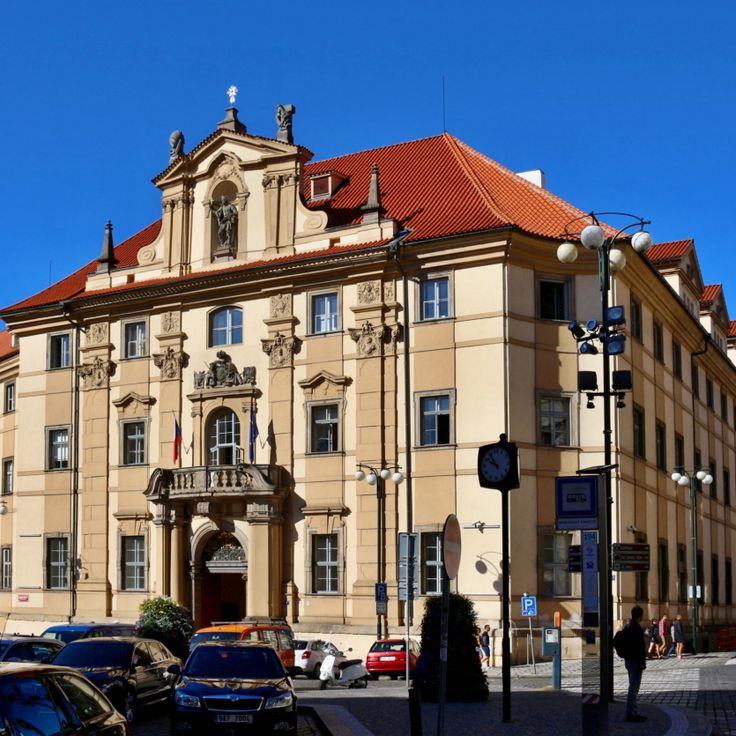
The Clementinum is a Baroque complex that rises in Prague's Old Town and stands as a record of centuries spent gathering and preserving knowledge. Founded originally by the Jesuits, this large building grew into a major center for books and learning. The collection expanded across generations and includes one of Europe's oldest libraries. The rooms themselves express Baroque beauty through their ornamental details and spacious halls that reflect the importance of books in European cultural history. As you cross the threshold of the Clementinum, you directly experience how knowledge is expressed through architecture and space.
Hatchards has been operating since 1797 in the Piccadilly district, with old and new books spread across five floors. This bookshop is part of a wider European tradition of places that have preserved and shared written heritage over centuries. Hatchards shows how bookshops have evolved while keeping their role as spaces where readers find contemporary and classic works.
Shakespeare and Company is an English-language bookstore that has maintained a literary tradition since 1951 facing the Cathedral of Notre-Dame. As part of this collection of European historical libraries and bookstores, this place preserves written heritage accumulated over centuries. The bookstore shows how books have developed and spread across Europe and offers visitors the chance to experience a location where the history of the book is written into stone and wood.
The Livraria Lello from 1906 holds an important place in this collection of European historical libraries and bookstores. The shop stands out for its curved wooden staircase and finely carved shelving in neogothic style. This spatial design shows how architecture and book culture come together. Visitors can discover how the history of the book has been preserved in wood and stone.
The Celsus Library is a Roman structure dating from 135 CE and holds an important place in this collection of European historical libraries. It housed about 12,000 scrolls and texts protected by a double-wall system designed to prevent damage from moisture. This technical solution shows how the Romans valued preserving their written knowledge. This library demonstrates the role that libraries have played over time: a place where knowledge is gathered and preserved for future generations.
Foyles in this collection of historic libraries and bookshops across Europe represents a place where the written heritage accumulated over centuries continues to be shared. Once the world's largest bookshop, Foyles still carries the character it developed over more than a century. The shop demonstrates how books have been sold and gathered in the same location across generations, much like other historic sites in this collection.
Librairie Jousseaume is one of the oldest active bookstores in Paris and represents the tradition of European historical libraries and bookstores that have preserved written heritage for centuries. This bookstore shows how books have shaped cultural life across the continent, from ancient manuscript collections to places of literary exchange. Visitors can experience a historic bookstore that holds a special place in the rhythm of everyday life in Paris.
The Ateneo Grand Splendid in Buenos Aires is a former theater from 1919 that was converted into a bookstore in 2000. This shop preserves the original features of the theater, including the stage, the boxes, and the wall paintings. Visitors walking through find bookshelves spread across multiple levels while the old theater architecture surrounds them. The murals on the walls recall the place's past. This bookstore shows how historic buildings can change purpose while keeping their architectural treasures intact.
Boekhandel Dominicanen shows how a historic building can serve a new purpose. This 13th-century church in Maastricht has been converted into a modern bookshop while keeping its Gothic architecture, high ceilings, and stone details. Books sit on contemporary shelves spread across three levels. Visitors walk through the rooms surrounded by the building's history.
This historic bookshop opened its doors in 1732 and continues to sell books at the same address. Livraria Bertrand is part of a European collection of libraries and bookshops that have preserved written heritage across centuries. The shop shows how bookshops conserve and transmit history through their architecture and function. Visitors can explore a place where the history of the book is carved into wood and stone.
The Bodleian Library in Oxford is part of this collection of historical European libraries that preserve the written heritage accumulated over centuries. This library holds more than 13 million printed works and was founded by Sir Thomas Bodley in 1602. Like the other sites in this collection, it shows how books are embedded in architecture and space, and how institutions have enabled the spread of knowledge across time.
Trinity College Library in Dublin holds over 6 million volumes and preserves a remarkable collection of medieval manuscripts, including the Book of Kells. This library is a guardian of written heritage accumulated over centuries, showing how books have shaped knowledge and culture across Europe. The spaces of Trinity College Library reveal how the book has evolved from ancient times to today. Visitors who walk through Trinity College Library can explore a place where the history of the book lives in its collections and architecture.
The Strahov Monastery Library in Prague holds knowledge gathered over centuries. The building displays elaborate Baroque architecture with detailed frescos and woodwork. Inside the rooms sit roughly 200000 volumes, manuscripts, and documents. Visitors walk through spaces where history is carved into stone and wood. This monastic library embodies an ancient tradition of gathering and protecting knowledge found in Europe's most important libraries.
The Ambrosiana Library in Milan is a significant site in this collection of European historical libraries. Founded in 1609, it houses an extensive collection of historical texts, artworks, and scientific documents. Like other locations in this collection, the Ambrosiana Library reflects the history of the book preserved over centuries in its architecture and collections.
The Laurentian Library in Florence is a Renaissance library that houses thousands of manuscripts and rare printed books from its historical collection. It stands among European libraries that preserve the written heritage accumulated over centuries. This collection shows how books evolved and spread, offering visitors the chance to explore places where the history of books is carved into stone and wood.
The Royal Portuguese Cabinet of Reading in Rio de Janeiro was founded in 1837 by Portuguese immigrants. It holds the largest collection of Portuguese literature outside of Portugal. This place preserves rare books and historical documents. The Cabinet shows how the book and Portuguese culture have developed over the centuries. Visitors can explore a space where history and literature come together.
This Abbey Library holds an important place in this collection of European libraries. It contains over 2,100 medieval manuscripts and 160,000 books in rooms designed in rococo style during the 18th century. The spaces show how religious communities accumulated and protected written works over centuries. Walking through, you experience the beauty of architecture and furnishings shaped entirely around reading and preserving knowledge.
The Joanina Library in Coimbra is an 18th-century building that forms part of this collection of European historical libraries and bookshops preserving written heritage. It holds approximately 200,000 historical books arranged across three rooms with gilded wooden shelves. This library shows how the story of the book is recorded in stone and wood, much like other European institutions that safeguard literary traditions accumulated over centuries.
The Admont Abbey Library was built in 1776 for a Benedictine monastery and holds one of Europe's largest book collections. The 70-meter-long hall with painted ceilings contains about 70,000 volumes. This library shows how monasteries preserved and shared knowledge across centuries. The space itself is an architectural achievement: tall windows bring light to the books, curved shelves follow the shape of the hall, and the ceiling tells stories of learning and faith through images. Visitors walk through a place where manuscripts and printed works from different periods stand side by side.
The British Library in London holds one of the world's largest collections of written works. It preserves 150 million objects from every country and period of history. This institution represents the role of a great repository of knowledge that has continuously developed since its founding in the 18th century. The library demonstrates how European institutions have accumulated and preserved written heritage across the centuries.
The Royal Library in Copenhagen preserves all Danish publications since 1482 and digitizes historical documents. This institution is part of a collection of historic European libraries that safeguard the written heritage accumulated over centuries. Like other places in this collection, the Royal Library combines architecture with its role as a keeper of national memory.
The Marciana Library in Venice has preserved rare manuscripts and printed books since the 16th century in a Renaissance building decorated with colonnades and vaulted ceilings. This library shows how European institutions have collected and protected written knowledge over the centuries. Visitors walk through spaces where the history of the book is written in stone and wood.
The Vatican Apostolic Library in this collection of European historical libraries has existed since 1475 as one of the oldest and most important institutions for preserving written knowledge. It houses over 1.6 million printed books, 150,000 manuscripts, and 8,600 incunabula, reflecting centuries of literary culture. Like the other sites in this collection, this library embodies the history of the book through its architecture and enduring function.
The Russian State Library in Moscow is a major knowledge center and stands among Europe's largest book collections. It holds over 47 million books and documents in 367 languages. Like other historic libraries across Europe, from the Bodleian Library in Oxford to Livraria Bertrand in Lisbon, this national library shapes literary heritage through its architecture and purpose. This place shows how libraries function as centers of knowledge, offering visitors spaces where history is written in stone and paper.
The Wiblingen Abbey Library is a remarkable example of monastic libraries in Europe. This place preserves an extensive collection of historical works accumulated over centuries. With its Baroque architecture and carefully crafted interior, this library embodies the appreciation for the book and scholarship throughout history. Visitors can trace the physical history of the book in wood and stone here, much like other European libraries that have safeguarded knowledge across generations.
The Library of the Mafra National Palace is housed within an 18th century Baroque structure that was built as part of a monumental royal residence. This library holds historical books and manuscripts accumulated over centuries. The rooms feature ornate wooden shelving and vaulted ceilings that reflect the grandeur of the period. Visitors find themselves in a space where architectural beauty and the preservation of written knowledge come together.
The Angelica Library sits on Piazza di Sant'Agostino in Rome and is one of Italy's oldest public libraries. It holds an extensive collection of books and manuscripts gathered over centuries. The rooms of this library tell the story of the book and how it spread across Europe. Here visitors can explore a place where knowledge is rooted in stone and wood.
The François-Mitterrand Library sits in the 13th arrondissement of Paris as the largest facility of the Bibliothèque nationale de France. This complex shows how modern design can serve an age-old purpose: collecting and preserving books. Its four distinctive towers stand as a reminder of how libraries have evolved over centuries, from ancient repositories to contemporary gathering spaces. Visitors find millions of works here that document France's literary heritage, similar to the historic collections in Oxford or Lisbon. Walking through this library demonstrates that books remain central to how we preserve and share knowledge across time.
The Main Hall of the Austrian National Library is a baroque reading room located at Josefsplatz in Vienna. Built in the 18th century, it impresses with its soaring dome, ornate ceiling frescoes, and dark wooden bookshelves that line the walls. Walking into this room feels like stepping into centuries of accumulated knowledge. The light filters through tall windows and illuminates shelves holding countless volumes, creating a sense of scholarly purpose that has endured for generations.
This library in Weimar holds one of Germany's most important book collections. The rooms tell the story of centuries of gathering and preserving knowledge. It houses rare prints, manuscripts, and historical works. Here you can see how the book and its spread evolved over time. The building itself is part of this history, showing through its architecture how valuable this collection is to European literature.
The John Rylands University Library in Manchester is a building of great importance for the history of the book in Great Britain. This university library was founded to preserve valuable collections gathered over centuries. When you step inside, you see striking architecture with details that recall Gothic churches. The collection includes rare books, old manuscripts, and printed works from different periods. Manchester played an important role in the development of book culture, and this library shows how knowledge and literature have been passed down through generations.
The Clementinum is a Baroque complex that rises in Prague's Old Town and stands as a record of centuries spent gathering and preserving knowledge. Founded originally by the Jesuits, this large building grew into a major center for books and learning. The collection expanded across generations and includes one of Europe's oldest libraries. The rooms themselves express Baroque beauty through their ornamental details and spacious halls that reflect the importance of books in European cultural history. As you cross the threshold of the Clementinum, you directly experience how knowledge is expressed through architecture and space.
Hatchards has been operating since 1797 in the Piccadilly district, with old and new books spread across five floors. This bookshop is part of a wider European tradition of places that have preserved and shared written heritage over centuries. Hatchards shows how bookshops have evolved while keeping their role as spaces where readers find contemporary and classic works.
Shakespeare and Company is an English-language bookstore that has maintained a literary tradition since 1951 facing the Cathedral of Notre-Dame. As part of this collection of European historical libraries and bookstores, this place preserves written heritage accumulated over centuries. The bookstore shows how books have developed and spread across Europe and offers visitors the chance to experience a location where the history of the book is written into stone and wood.
The Livraria Lello from 1906 holds an important place in this collection of European historical libraries and bookstores. The shop stands out for its curved wooden staircase and finely carved shelving in neogothic style. This spatial design shows how architecture and book culture come together. Visitors can discover how the history of the book has been preserved in wood and stone.
The Celsus Library is a Roman structure dating from 135 CE and holds an important place in this collection of European historical libraries. It housed about 12,000 scrolls and texts protected by a double-wall system designed to prevent damage from moisture. This technical solution shows how the Romans valued preserving their written knowledge. This library demonstrates the role that libraries have played over time: a place where knowledge is gathered and preserved for future generations.
Foyles in this collection of historic libraries and bookshops across Europe represents a place where the written heritage accumulated over centuries continues to be shared. Once the world's largest bookshop, Foyles still carries the character it developed over more than a century. The shop demonstrates how books have been sold and gathered in the same location across generations, much like other historic sites in this collection.
Librairie Jousseaume is one of the oldest active bookstores in Paris and represents the tradition of European historical libraries and bookstores that have preserved written heritage for centuries. This bookstore shows how books have shaped cultural life across the continent, from ancient manuscript collections to places of literary exchange. Visitors can experience a historic bookstore that holds a special place in the rhythm of everyday life in Paris.
The Ateneo Grand Splendid in Buenos Aires is a former theater from 1919 that was converted into a bookstore in 2000. This shop preserves the original features of the theater, including the stage, the boxes, and the wall paintings. Visitors walking through find bookshelves spread across multiple levels while the old theater architecture surrounds them. The murals on the walls recall the place's past. This bookstore shows how historic buildings can change purpose while keeping their architectural treasures intact.
Boekhandel Dominicanen shows how a historic building can serve a new purpose. This 13th-century church in Maastricht has been converted into a modern bookshop while keeping its Gothic architecture, high ceilings, and stone details. Books sit on contemporary shelves spread across three levels. Visitors walk through the rooms surrounded by the building's history.
This historic bookshop opened its doors in 1732 and continues to sell books at the same address. Livraria Bertrand is part of a European collection of libraries and bookshops that have preserved written heritage across centuries. The shop shows how bookshops conserve and transmit history through their architecture and function. Visitors can explore a place where the history of the book is carved into wood and stone.
The Bodleian Library in Oxford is part of this collection of historical European libraries that preserve the written heritage accumulated over centuries. This library holds more than 13 million printed works and was founded by Sir Thomas Bodley in 1602. Like the other sites in this collection, it shows how books are embedded in architecture and space, and how institutions have enabled the spread of knowledge across time.
Trinity College Library in Dublin holds over 6 million volumes and preserves a remarkable collection of medieval manuscripts, including the Book of Kells. This library is a guardian of written heritage accumulated over centuries, showing how books have shaped knowledge and culture across Europe. The spaces of Trinity College Library reveal how the book has evolved from ancient times to today. Visitors who walk through Trinity College Library can explore a place where the history of the book lives in its collections and architecture.
The Strahov Monastery Library in Prague holds knowledge gathered over centuries. The building displays elaborate Baroque architecture with detailed frescos and woodwork. Inside the rooms sit roughly 200000 volumes, manuscripts, and documents. Visitors walk through spaces where history is carved into stone and wood. This monastic library embodies an ancient tradition of gathering and protecting knowledge found in Europe's most important libraries.
The Ambrosiana Library in Milan is a significant site in this collection of European historical libraries. Founded in 1609, it houses an extensive collection of historical texts, artworks, and scientific documents. Like other locations in this collection, the Ambrosiana Library reflects the history of the book preserved over centuries in its architecture and collections.
The Laurentian Library in Florence is a Renaissance library that houses thousands of manuscripts and rare printed books from its historical collection. It stands among European libraries that preserve the written heritage accumulated over centuries. This collection shows how books evolved and spread, offering visitors the chance to explore places where the history of books is carved into stone and wood.
The Royal Portuguese Cabinet of Reading in Rio de Janeiro was founded in 1837 by Portuguese immigrants. It holds the largest collection of Portuguese literature outside of Portugal. This place preserves rare books and historical documents. The Cabinet shows how the book and Portuguese culture have developed over the centuries. Visitors can explore a space where history and literature come together.
This Abbey Library holds an important place in this collection of European libraries. It contains over 2,100 medieval manuscripts and 160,000 books in rooms designed in rococo style during the 18th century. The spaces show how religious communities accumulated and protected written works over centuries. Walking through, you experience the beauty of architecture and furnishings shaped entirely around reading and preserving knowledge.
The Joanina Library in Coimbra is an 18th-century building that forms part of this collection of European historical libraries and bookshops preserving written heritage. It holds approximately 200,000 historical books arranged across three rooms with gilded wooden shelves. This library shows how the story of the book is recorded in stone and wood, much like other European institutions that safeguard literary traditions accumulated over centuries.
The Admont Abbey Library was built in 1776 for a Benedictine monastery and holds one of Europe's largest book collections. The 70-meter-long hall with painted ceilings contains about 70,000 volumes. This library shows how monasteries preserved and shared knowledge across centuries. The space itself is an architectural achievement: tall windows bring light to the books, curved shelves follow the shape of the hall, and the ceiling tells stories of learning and faith through images. Visitors walk through a place where manuscripts and printed works from different periods stand side by side.
The British Library in London holds one of the world's largest collections of written works. It preserves 150 million objects from every country and period of history. This institution represents the role of a great repository of knowledge that has continuously developed since its founding in the 18th century. The library demonstrates how European institutions have accumulated and preserved written heritage across the centuries.
The Royal Library in Copenhagen preserves all Danish publications since 1482 and digitizes historical documents. This institution is part of a collection of historic European libraries that safeguard the written heritage accumulated over centuries. Like other places in this collection, the Royal Library combines architecture with its role as a keeper of national memory.
The Marciana Library in Venice has preserved rare manuscripts and printed books since the 16th century in a Renaissance building decorated with colonnades and vaulted ceilings. This library shows how European institutions have collected and protected written knowledge over the centuries. Visitors walk through spaces where the history of the book is written in stone and wood.
The Vatican Apostolic Library in this collection of European historical libraries has existed since 1475 as one of the oldest and most important institutions for preserving written knowledge. It houses over 1.6 million printed books, 150,000 manuscripts, and 8,600 incunabula, reflecting centuries of literary culture. Like the other sites in this collection, this library embodies the history of the book through its architecture and enduring function.
The Russian State Library in Moscow is a major knowledge center and stands among Europe's largest book collections. It holds over 47 million books and documents in 367 languages. Like other historic libraries across Europe, from the Bodleian Library in Oxford to Livraria Bertrand in Lisbon, this national library shapes literary heritage through its architecture and purpose. This place shows how libraries function as centers of knowledge, offering visitors spaces where history is written in stone and paper.
The Wiblingen Abbey Library is a remarkable example of monastic libraries in Europe. This place preserves an extensive collection of historical works accumulated over centuries. With its Baroque architecture and carefully crafted interior, this library embodies the appreciation for the book and scholarship throughout history. Visitors can trace the physical history of the book in wood and stone here, much like other European libraries that have safeguarded knowledge across generations.
The Library of the Mafra National Palace is housed within an 18th century Baroque structure that was built as part of a monumental royal residence. This library holds historical books and manuscripts accumulated over centuries. The rooms feature ornate wooden shelving and vaulted ceilings that reflect the grandeur of the period. Visitors find themselves in a space where architectural beauty and the preservation of written knowledge come together.
The Angelica Library sits on Piazza di Sant'Agostino in Rome and is one of Italy's oldest public libraries. It holds an extensive collection of books and manuscripts gathered over centuries. The rooms of this library tell the story of the book and how it spread across Europe. Here visitors can explore a place where knowledge is rooted in stone and wood.
The François-Mitterrand Library sits in the 13th arrondissement of Paris as the largest facility of the Bibliothèque nationale de France. This complex shows how modern design can serve an age-old purpose: collecting and preserving books. Its four distinctive towers stand as a reminder of how libraries have evolved over centuries, from ancient repositories to contemporary gathering spaces. Visitors find millions of works here that document France's literary heritage, similar to the historic collections in Oxford or Lisbon. Walking through this library demonstrates that books remain central to how we preserve and share knowledge across time.
The Main Hall of the Austrian National Library is a baroque reading room located at Josefsplatz in Vienna. Built in the 18th century, it impresses with its soaring dome, ornate ceiling frescoes, and dark wooden bookshelves that line the walls. Walking into this room feels like stepping into centuries of accumulated knowledge. The light filters through tall windows and illuminates shelves holding countless volumes, creating a sense of scholarly purpose that has endured for generations.
This library in Weimar holds one of Germany's most important book collections. The rooms tell the story of centuries of gathering and preserving knowledge. It houses rare prints, manuscripts, and historical works. Here you can see how the book and its spread evolved over time. The building itself is part of this history, showing through its architecture how valuable this collection is to European literature.
The John Rylands University Library in Manchester is a building of great importance for the history of the book in Great Britain. This university library was founded to preserve valuable collections gathered over centuries. When you step inside, you see striking architecture with details that recall Gothic churches. The collection includes rare books, old manuscripts, and printed works from different periods. Manchester played an important role in the development of book culture, and this library shows how knowledge and literature have been passed down through generations.
The Clementinum is a Baroque complex that rises in Prague's Old Town and stands as a record of centuries spent gathering and preserving knowledge. Founded originally by the Jesuits, this large building grew into a major center for books and learning. The collection expanded across generations and includes one of Europe's oldest libraries. The rooms themselves express Baroque beauty through their ornamental details and spacious halls that reflect the importance of books in European cultural history. As you cross the threshold of the Clementinum, you directly experience how knowledge is expressed through architecture and space.