See the monuments around you in AROpen chests in the app
Around Us is built for your phone — point your camera at the streets and discover the monuments and places around you in augmented reality.Around Us is built for your phone — chests unlock when you walk, explore and capture nearby places.
Center of Portugal: historic sites, villages and nature between mountain and ocean
The Center of Portugal brings together university towns, villages of stone built into the mountains, sandy beaches, and forests reaching up to the peaks of Serra da Estrela. Between the Atlantic coast and the inland, this area shows old cathedrals, monasteries listed by UNESCO, canals lined with colorful houses, and hiking trails in nature parks.
You can visit Coimbra and its university founded in the 13th century, walk through Aveiro streets observing traditional boats on the canals, stroll through Viseu alleys or discover villages of shale in the hills. The coast has seaside resorts like Figueira da Foz, while inland, there are green valleys, medieval castles, and villages where time seems to have stopped.
This list includes about forty places that show the variety of the area: historic centers, religious monuments, natural spaces, and characteristic villages. The journey helps understand how this part of Portugal mixes history, nature, and daily life, from the sea to the mountains.
Center of Portugal: historic sites, villages and nature between mountain and ocean
The Center of Portugal brings together university towns, villages of stone built into the mountains, sandy beaches, and forests reaching up to the peaks of Serra da Estrela. Between the Atlantic coast and the inland, this area shows old cathedrals, monasteries listed by UNESCO, canals lined with colorful houses, and hiking trails in nature parks.
You can visit Coimbra and its university founded in the 13th century, walk through Aveiro streets observing traditional boats on the canals, stroll through Viseu alleys or discover villages of shale in the hills. The coast has seaside resorts like Figueira da Foz, while inland, there are green valleys, medieval castles, and villages where time seems to have stopped.
This list includes about forty places that show the variety of the area: historic centers, religious monuments, natural spaces, and characteristic villages. The journey helps understand how this part of Portugal mixes history, nature, and daily life, from the sea to the mountains.
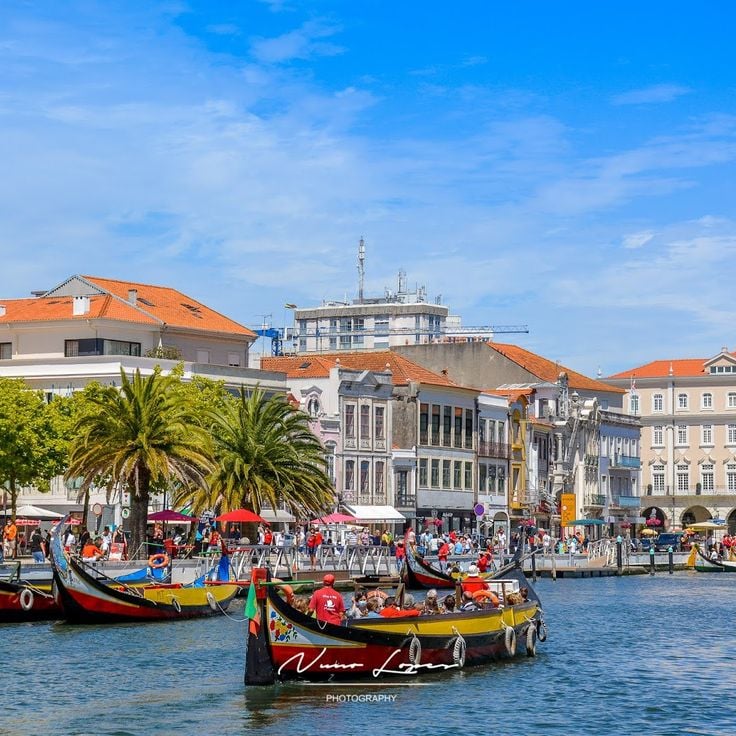
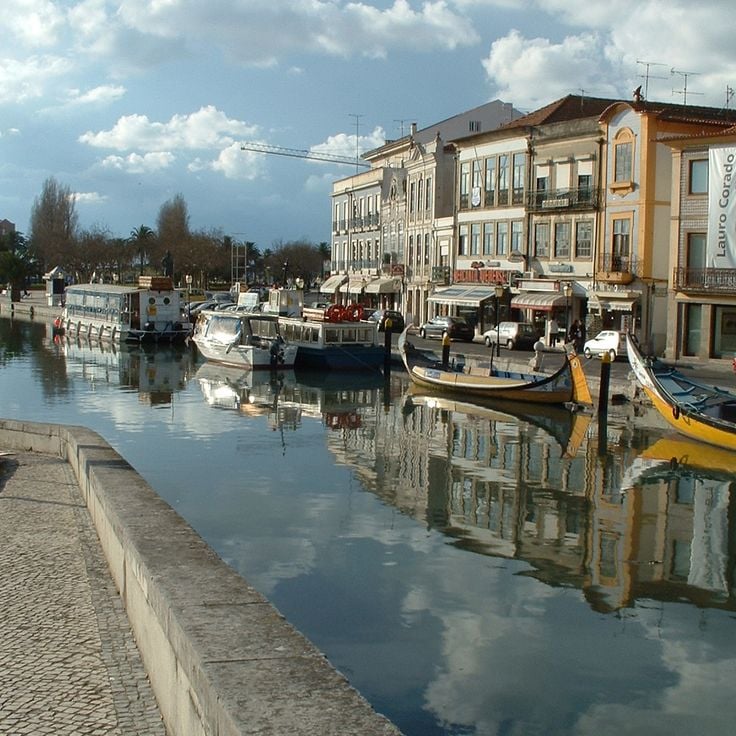
The moliceiros are traditional flat-bottomed boats that have navigated the waters of Ria de Aveiro for hundreds of years. This lagoon on the Atlantic coast is a network of channels and islands where freshwater mixes with saltwater. The colorful boats move slowly through the shallow waters, creating the character of this place. The lagoon formed when the ocean flooded a bay and created sandbanks. People here have long depended on fishing and salt production. Walking along the shore, you see the painted boats passing by, colorful houses reflected in the water, and salt and sea fill the air.
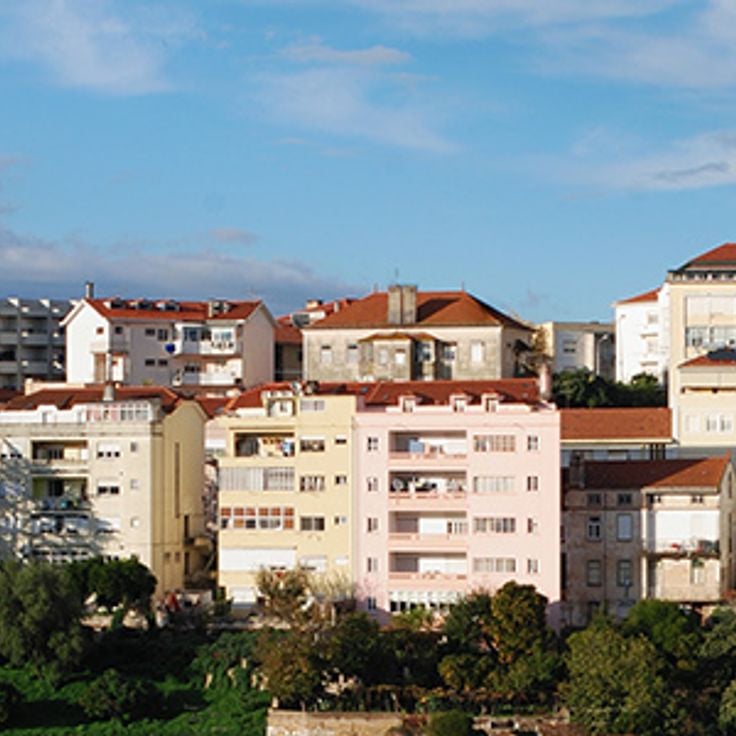
Coimbra is an old city on the banks of the Mondego River with narrow streets and historic buildings rising above the water. The university, founded in the 13th century, still shapes life here today. Students fill the streets while old churches and monasteries stand alongside stone houses. The old town sits on a hillside and offers views across the river and surrounding landscape. Coimbra blends academic tradition with historical architecture.
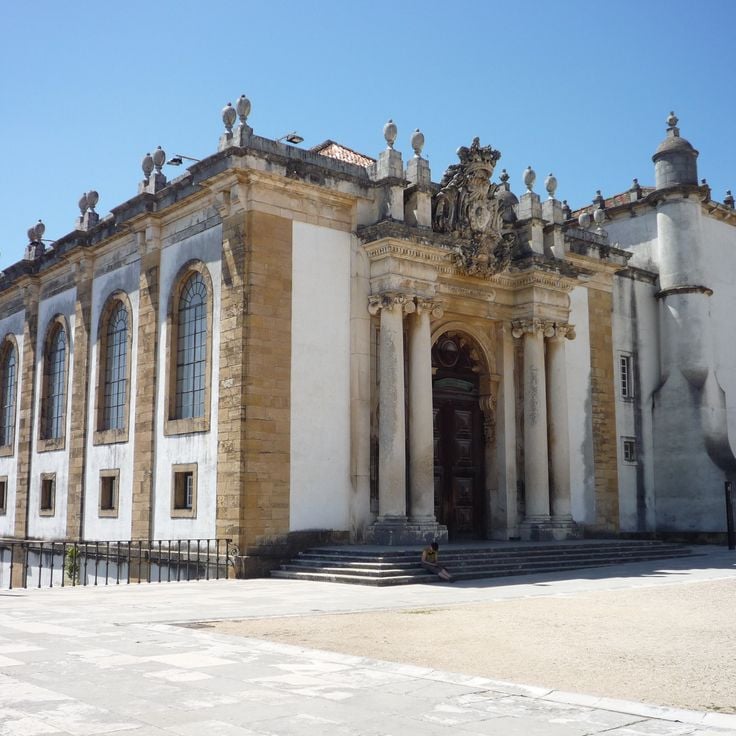
The Joanina Library is a baroque library from the 18th century in Coimbra. It features ornately decorated reading rooms and houses historical collections. The library belongs to the University of Coimbra, which was founded in the 13th century. It reflects the university's long academic tradition and shows how learning has shaped this region over centuries.
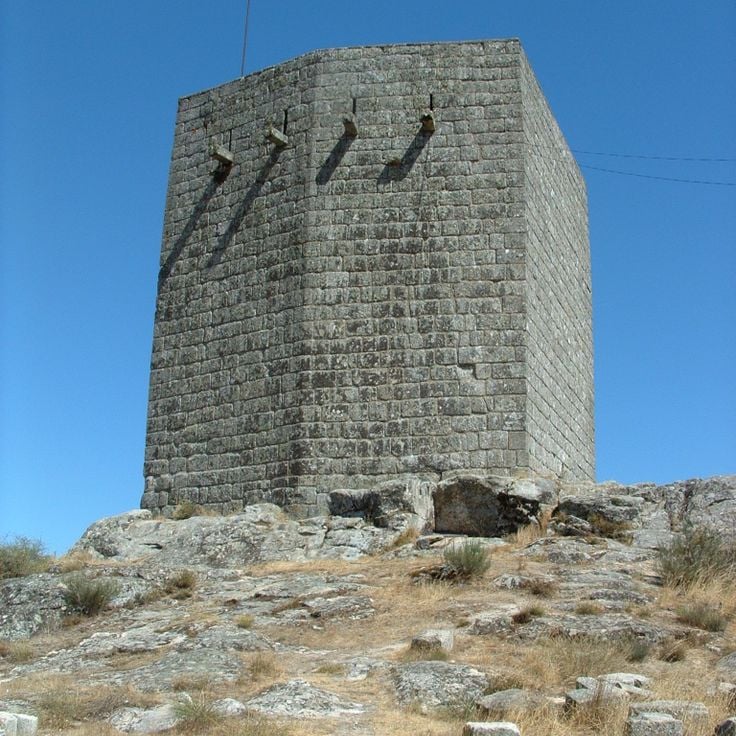
The Château de Guarda rises above this fortified city in the interior of Portugal. Medieval architecture defines the landscape here, with narrow streets, old walls, and stone houses stacked tightly together. Walking through the old town gives a sense of how this border region looked in the past and how people lived among the mountains. You can walk the fortification walls and look out over the surrounding countryside from above.
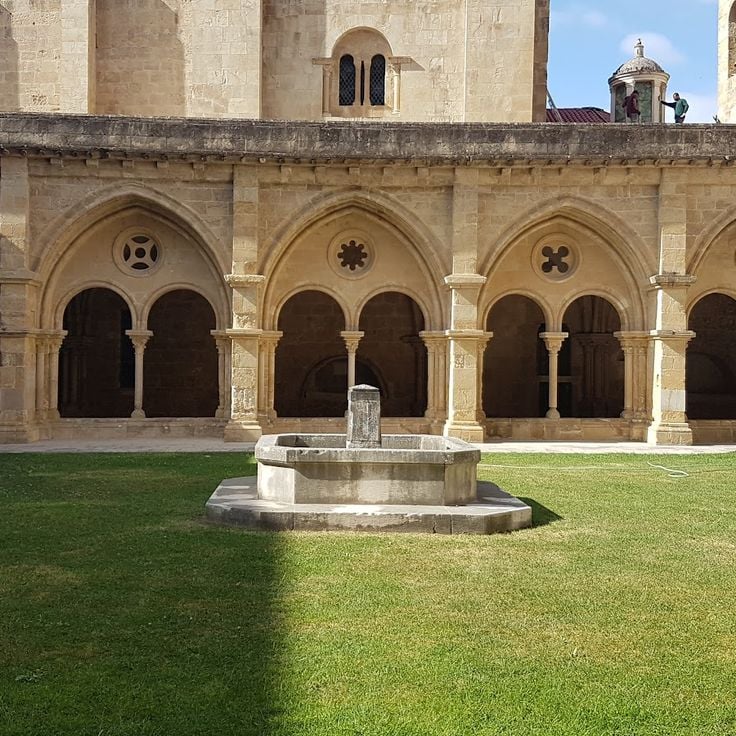
The Sé Velha of Coimbra is a Romanesque cathedral from the 12th century with fortified architecture and a Gothic interior. It stands in the heart of the university city of Coimbra and demonstrates how medieval builders combined religious spaces with defensive features. Its walls tell of a time when the church served as both a place of prayer and a refuge. The interior reveals the splendor of Gothic design with its vaulted ceilings and stone details.
Mondego Riverside and its gardens in Coimbra form a walking path along the river with green spaces and views across the city. You can stroll here and watch the water flow past historic buildings. The gardens offer places to rest and show how the river shapes daily life in this university town.
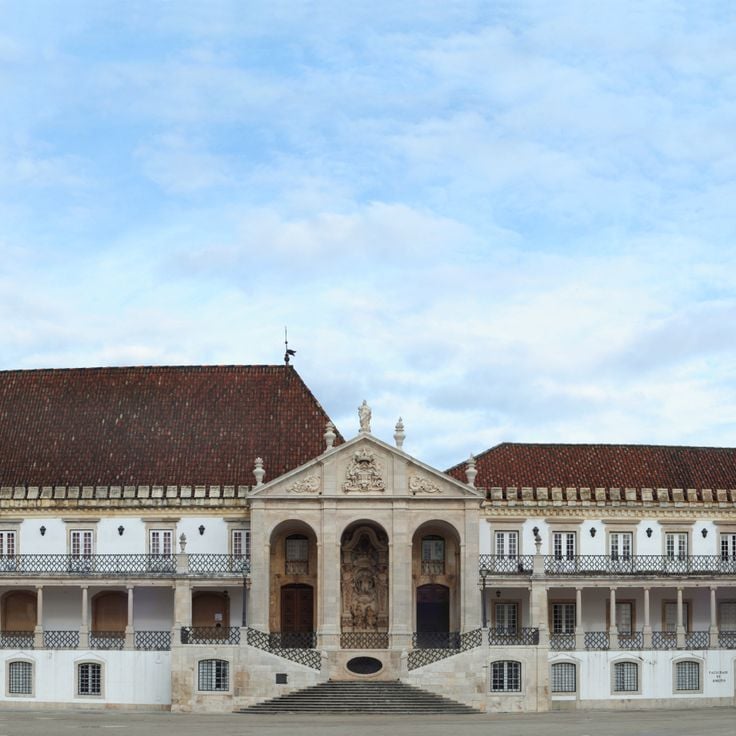
The University of Coimbra - Alta is the main campus of one of Europe's oldest universities, located on the hilltop of the old city. Founded in the 13th century, this institution has shaped Coimbra's appearance and daily life for centuries. The campus features historic buildings with arcaded courtyards, a chapel, and a library that reflect the university's long academic tradition. Visitors can walk through the courtyards and explore the spaces where students have studied for generations.
Aveiro is a coastal city known for its canals, colorful houses, and distinctive facade architecture. Located in central Portugal, this town blends fishing traditions with the history of its trade routes. Flat-bottomed boats glide through the waterways, while the houses with their painted tiles and colors reflect the daily life of the people who live here.
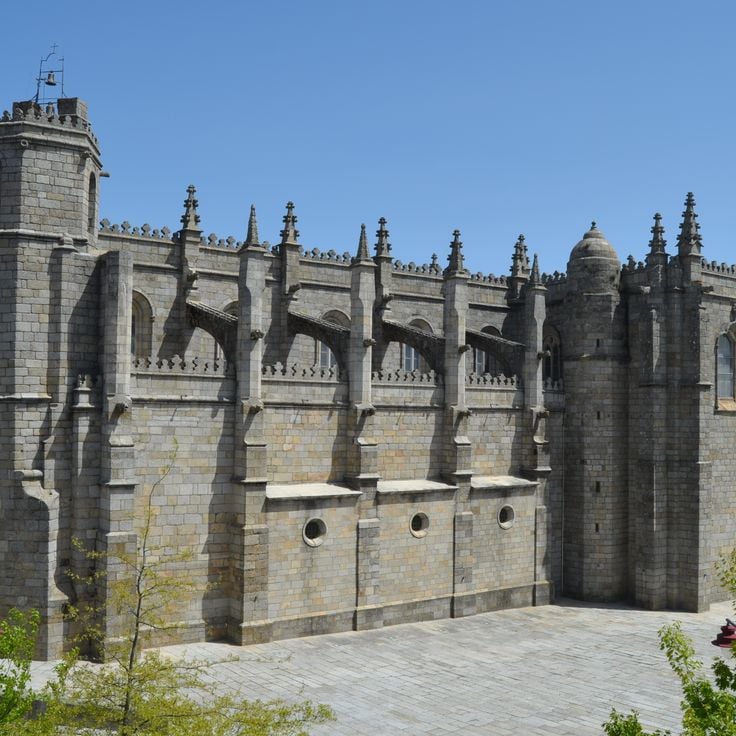
The Cathedral of Guarda is a Gothic building with a white facade and striking architecture. It stands in the city of Guarda in central Portugal and belongs to a collection of places that show the diversity of this region. With its commanding presence, the cathedral reflects the religious history that shaped these lands. You can explore the interior and observe the details of Gothic construction.
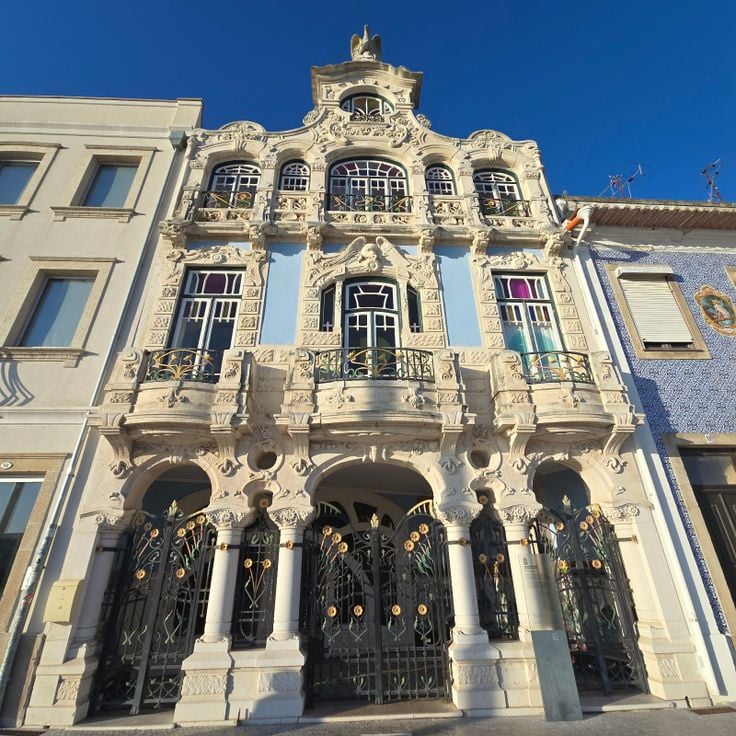
The Museu de Arte Nova displays the beauty of Art Nouveau in a historic building in Aveiro. The museum presents artworks and objects from this period, marked by flowing forms and natural motifs. The collection helps visitors understand how this artistic style shaped the city and how it appears in architecture, furniture and decoration. The museum shows why Aveiro became an important center of Art Nouveau in Portugal.
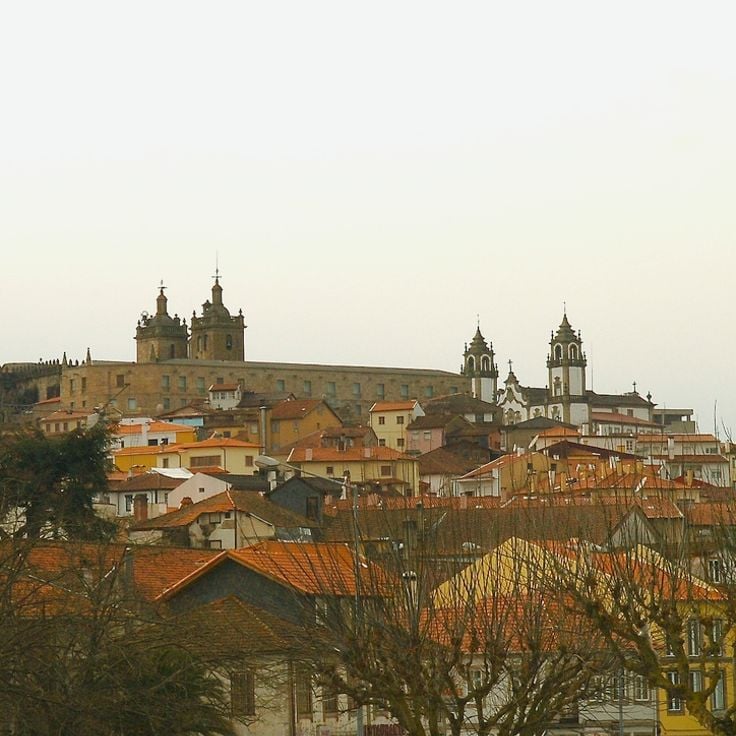
Viseu is an old city with historic architecture, a cathedral and paved streets that wind through the center. Located in the Beira Alta region, the city blends medieval heritage with everyday Portuguese life. Visitors can walk through narrow lanes, discover historic buildings and experience the rhythm of a traditional town where history remains visible in the streets and squares.
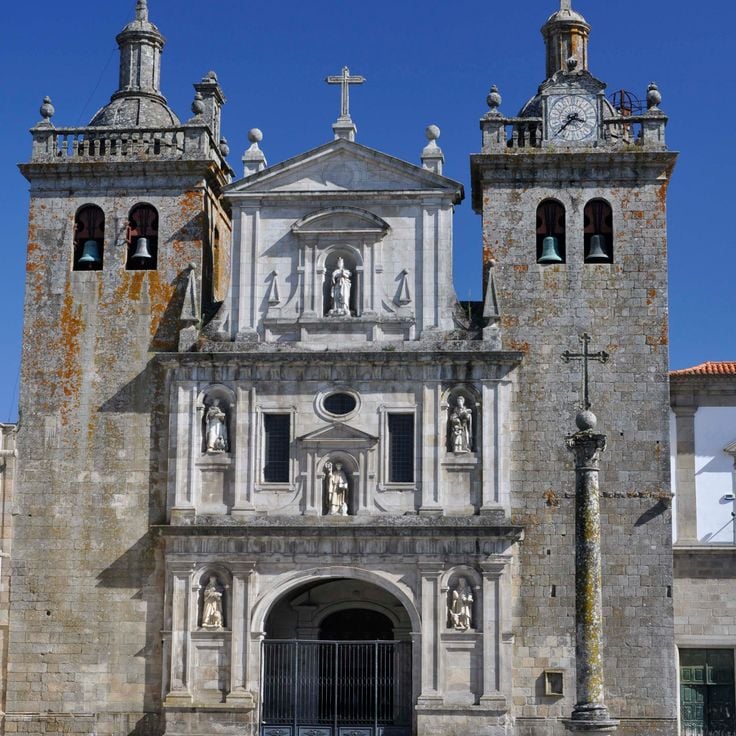
The Cathedral of Viseu stands in the historic center of the city with a Romanesque facade and Gothic interior. It is an important religious site where you can see the architectural layers of different periods. The cathedral shapes the city's appearance and invites visitors to explore its spaces and discover the craftsmanship in its details.
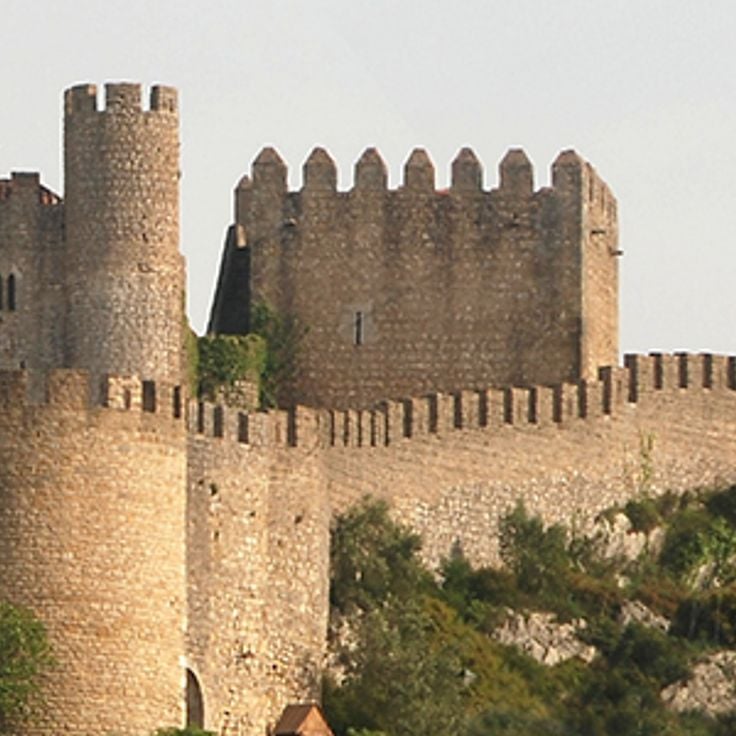
Óbidos is a medieval fortified village with intact walls, whitewashed houses and stone-paved streets. The village sits on a hilltop surrounded by thick stone walls that protect it on all sides. Narrow lanes wind between white-painted houses where flowers hang from windows and small shops sell local goods. You can walk along the top of the walls and look out over the surrounding countryside. Óbidos shows how people lived in fortified communities during the Middle Ages and remains part of central Portugal's historical landscape.
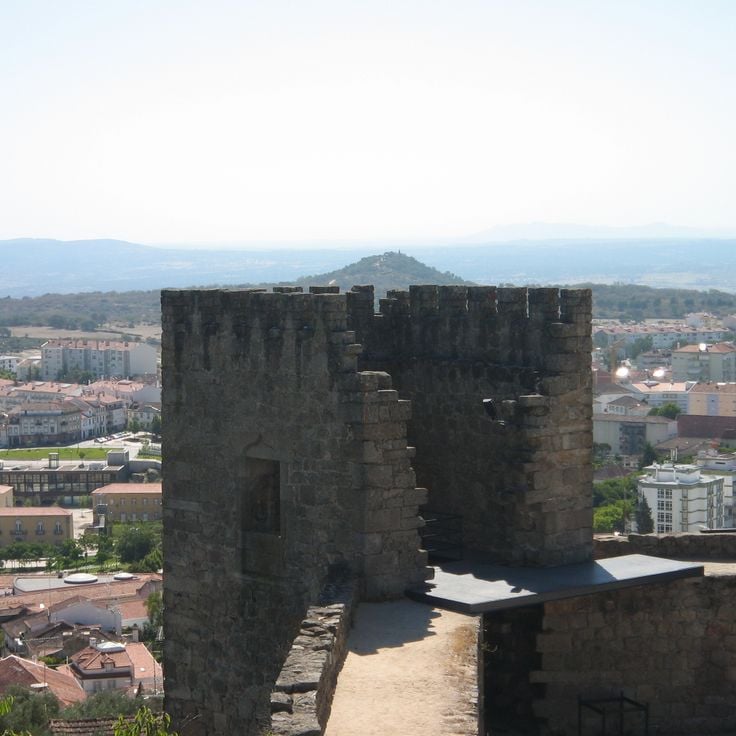
Castelo Branco castle overlooks an old city with traditional buildings and historic gardens. Walking through its streets, you encounter the layers of the past in narrow lanes and period architecture. The town shows how people lived in this part of Portugal, with stone houses and green spaces that have endured through time.
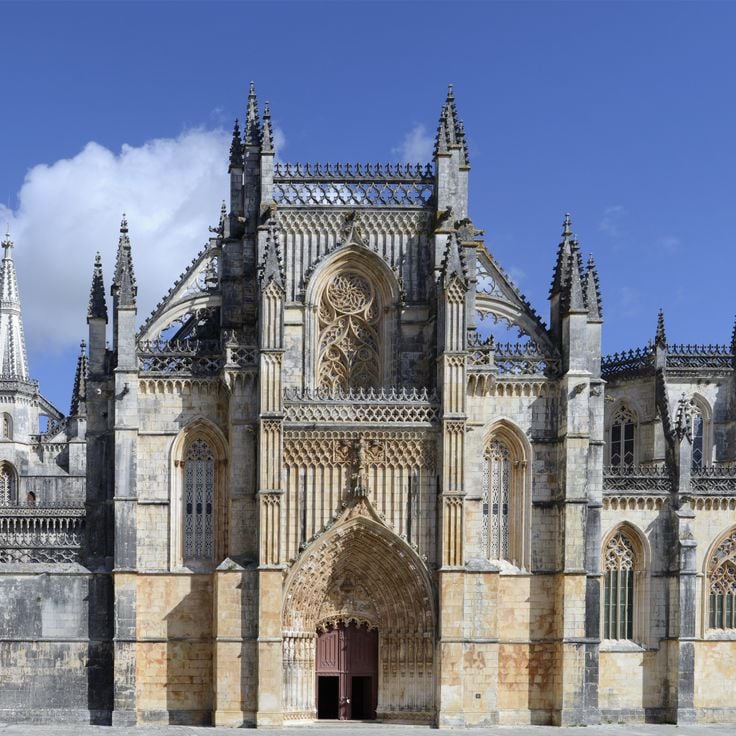
The Monastery of Santa Maria da Vitória in Batalha is a late Gothic masterpiece built starting in the 14th century. Its facade shows intricate stone carvings and elaborate architectural details developed over generations. Inside, visitors find beautifully designed cloisters, richly decorated chapels, and spaces that tell the story of Portuguese history. This monastery is a UNESCO World Heritage Site that represents the religious devotion and craftsmanship of its era. Walking through the stone halls, you can observe how the Gothic style evolved over decades and understand the importance of religious buildings in medieval society. The construction spans centuries, with different phases of work visible in the varying architectural styles throughout the complex.
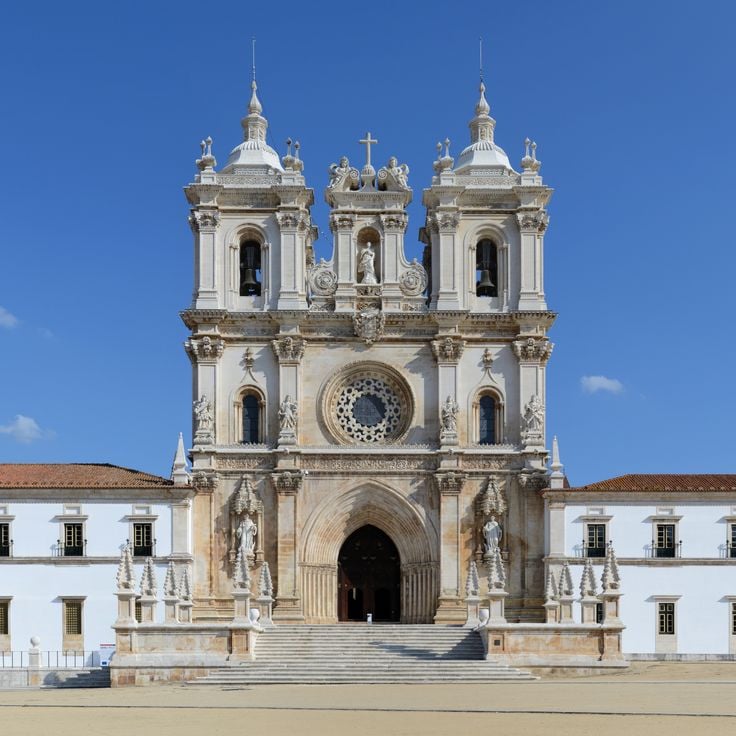
The Alcobaça Monastery is a Cistercian monastery from the 12th century and a UNESCO World Heritage site. It demonstrates the power and reach of this religious community through its large church, cloisters, and crafted details that have lasted through the centuries. Visitors walk through spaces once inhabited by monks and see the architectural forms that defined this order. The monastery tells the story of spiritual communities that shaped this region and remains part of the diverse historical sites that make up central Portugal.
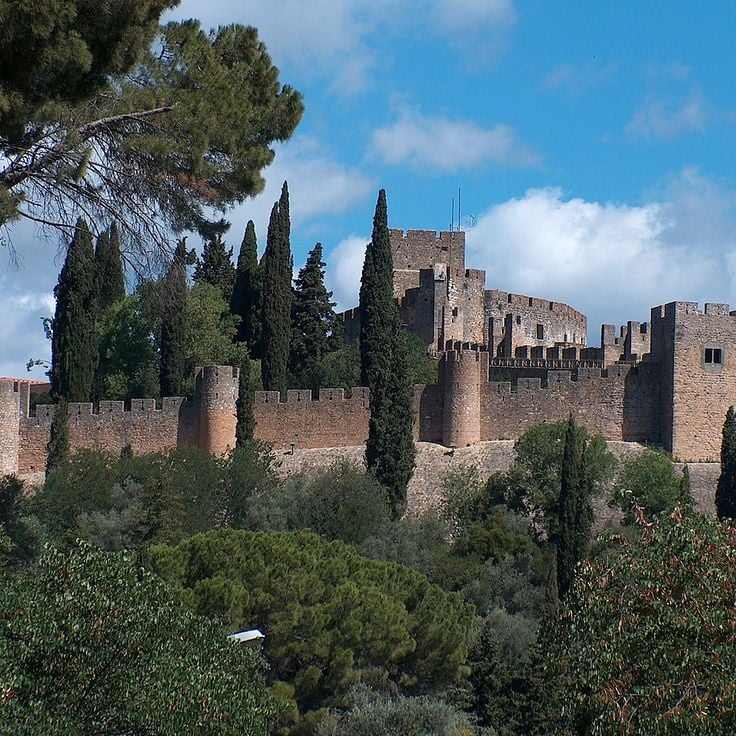
Tomar's castle overlooks the old town and reflects centuries of religious and political history. Around the castle spreads a historic settlement with narrow streets and traditional stone houses. Walking through these lanes, you pass buildings that have stood for generations, some showing the marks of time. The famous Convento de Cristo sits below, a massive religious structure that draws visitors from across the world. Small squares appear along the way where locals and travelers gather. The convent is recognized by UNESCO and stands as one of Portugal's most significant religious monuments. The town itself feels rooted in the Middle Ages, with its layout and character shaped by centuries of life around these two landmarks.
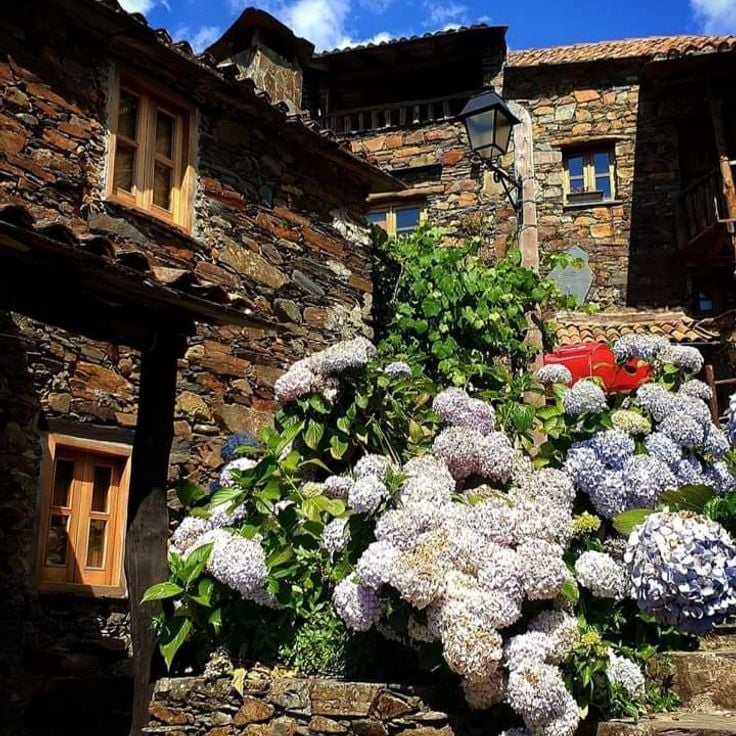
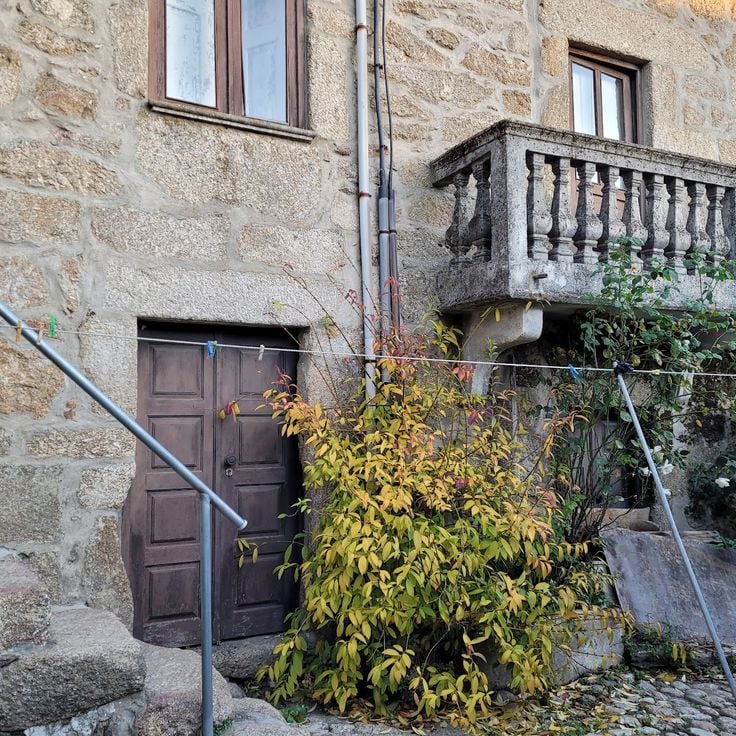
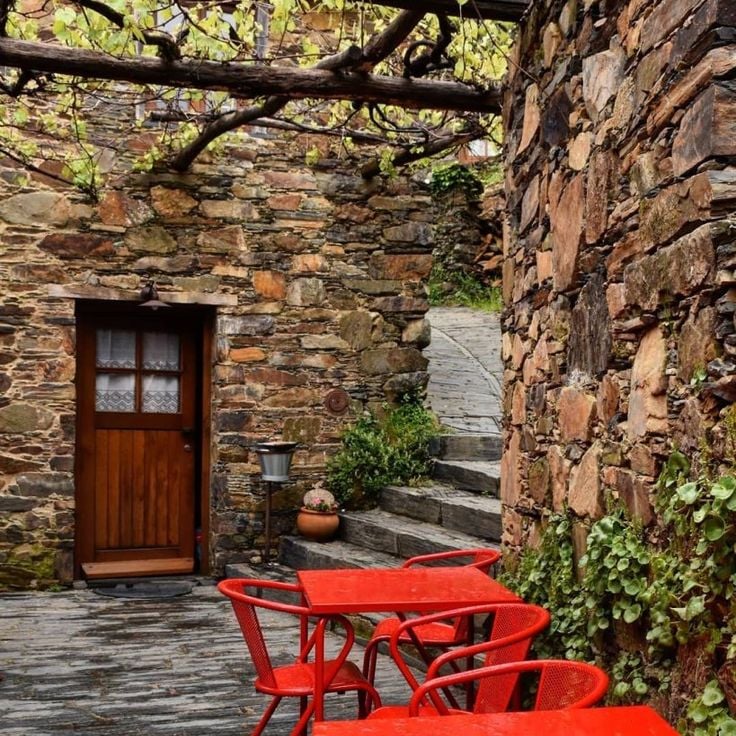
Talasnal is a village in the mountains built from slate, a dark stone found in this region. The houses were constructed using the material that lay beneath the ground nearby. The streets are narrow and wind between the buildings. The village has no modern shops or tourist facilities. The rhythm of life here follows the seasons and the needs of the land. The architecture reflects simple methods passed down through generations. This village shows how people adapted to living in remote mountain areas and how some communities maintain those traditions today.
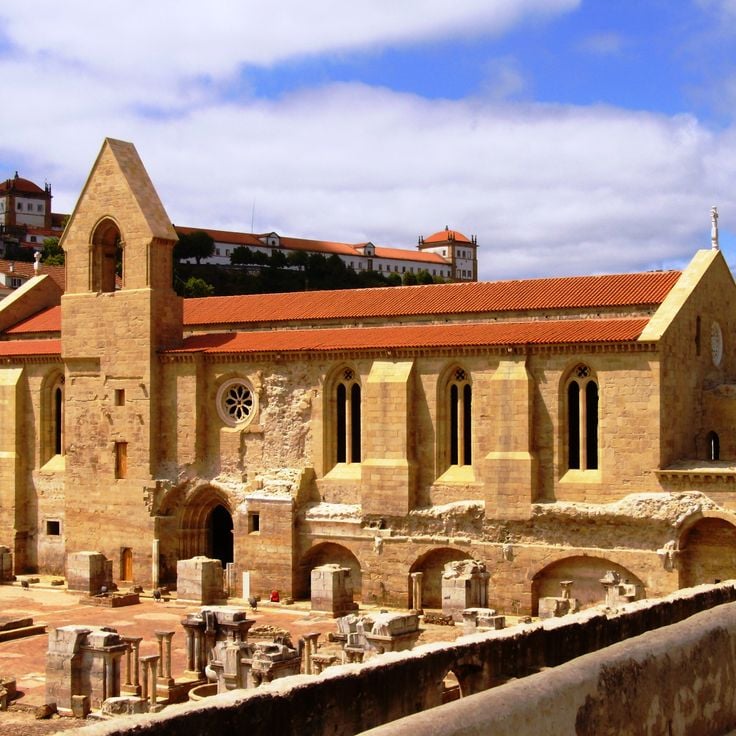
The Monastery of Santa Clara a Velha is a 14th-century ruin in Coimbra that sits partially flooded by the Mondego River. This Benedictine convent shows the history of religious communities in central Portugal. The remains of the Gothic structure rest along the river, telling the story of the challenges faced by residents during floods. The monastery served as a center of spiritual life where nuns devoted themselves to prayer and learning. Today, the site offers insight into medieval architecture and how people built their lives around natural forces.
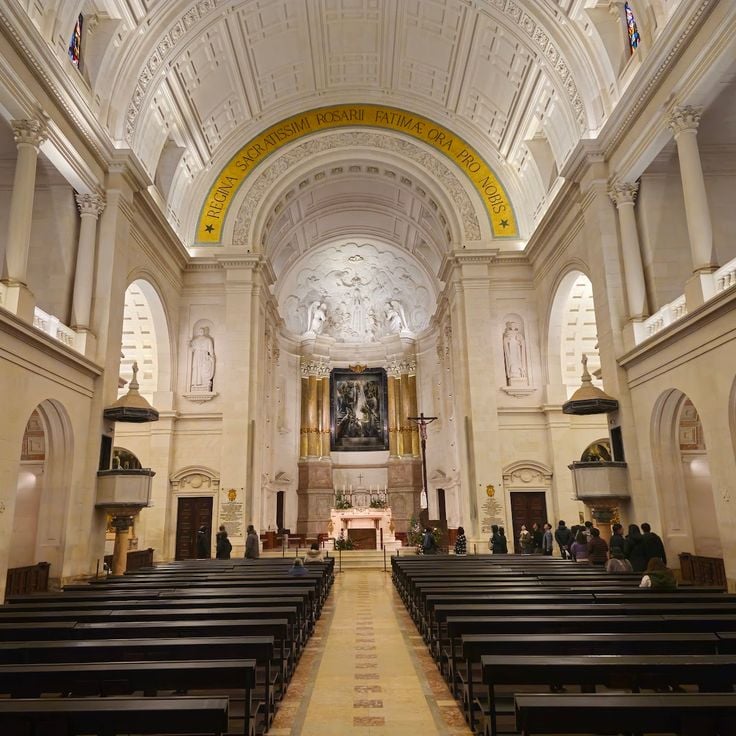
The Basilica of Our Lady of the Rosary stands within the Fátima sanctuary and represents the spiritual heart of this pilgrimage site. Its white structure and richly decorated interior create a place of worship and gathering. This basilica is part of the religious heritage that defines the center of Portugal, where faith and architecture come together.
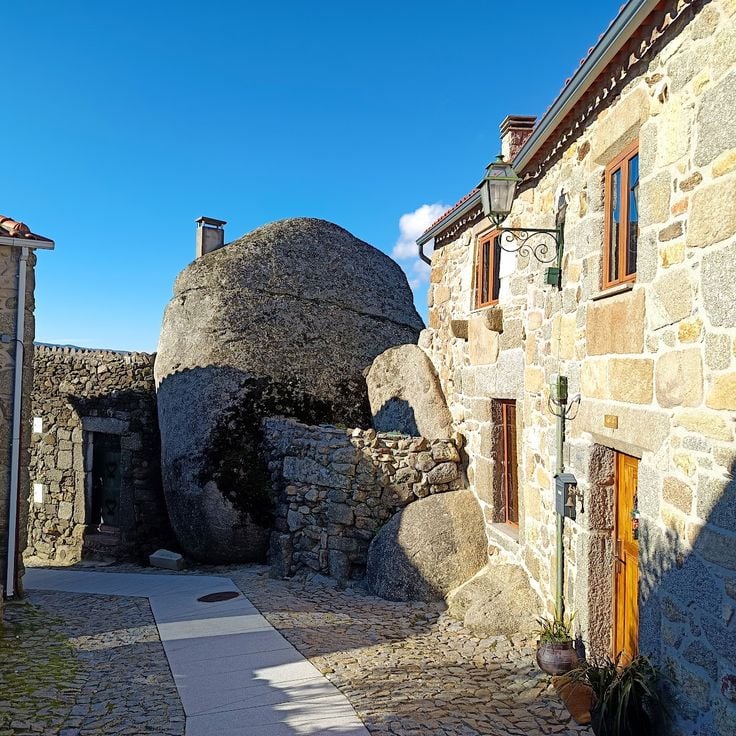
Monsanto is a village built among rocky outcrops, where traditional houses nestle between stone formations. The architecture adapts to the landscape, with buildings constructed around and even into the natural rocks. This settlement shows how people have lived here for centuries by working with the terrain rather than against it.
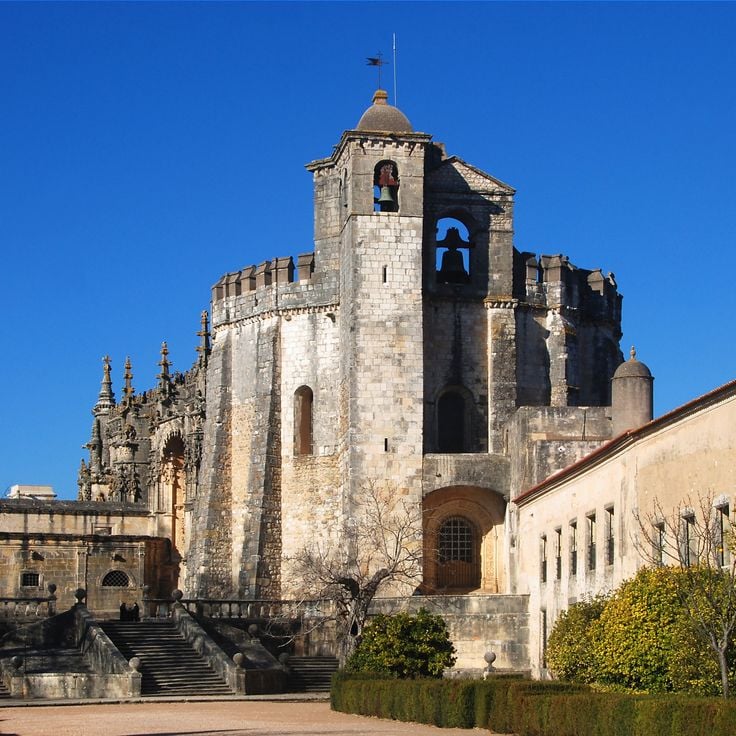
The Convent of Christ in Tomar is an impressive templar monastery from the 12th century and a UNESCO World Heritage site. Its distinctive Manueline architecture showcases the skill of Portuguese builders from that era. The complex combines Romanesque, Gothic, and Renaissance elements in a harmonious design. Visitors can walk through several cloisters and admire the detailed stonework of windows and doorways. The monastery sits on a hilltop above the town and offers views of the surrounding landscape. The rooms tell the story of centuries of monastic life and the history of the Knights Templar.
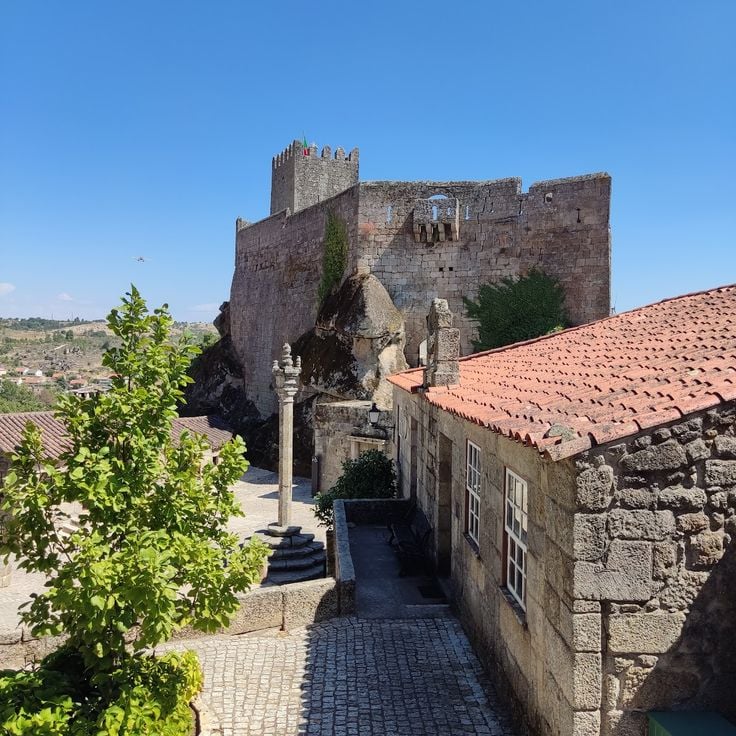
Sortelha is a medieval village in central Portugal's mountainous region that has maintained its historic character. Stone houses cluster together on a hilltop, enclosed within walls that remain largely intact. Narrow stone-paved lanes wind between traditional buildings constructed from gray stone, and the landscape around the village is defined by rocky outcrops and exposed rock formations. Walking through Sortelha gives a sense of how mountain communities organized themselves in medieval times and how they adapted to the terrain.
Belmonte is a village shaped by its castle and the layers of history that surround it, including a significant Jewish heritage. Stone houses line narrow streets that speak to centuries of life in the region. The castle and religious buildings form the backbone of the community and reveal how different cultures and powers shaped daily life here. Walking through Belmonte shows how central Portugal connects feudal past with diverse communities, and how this heritage remains visible in its streets and buildings.
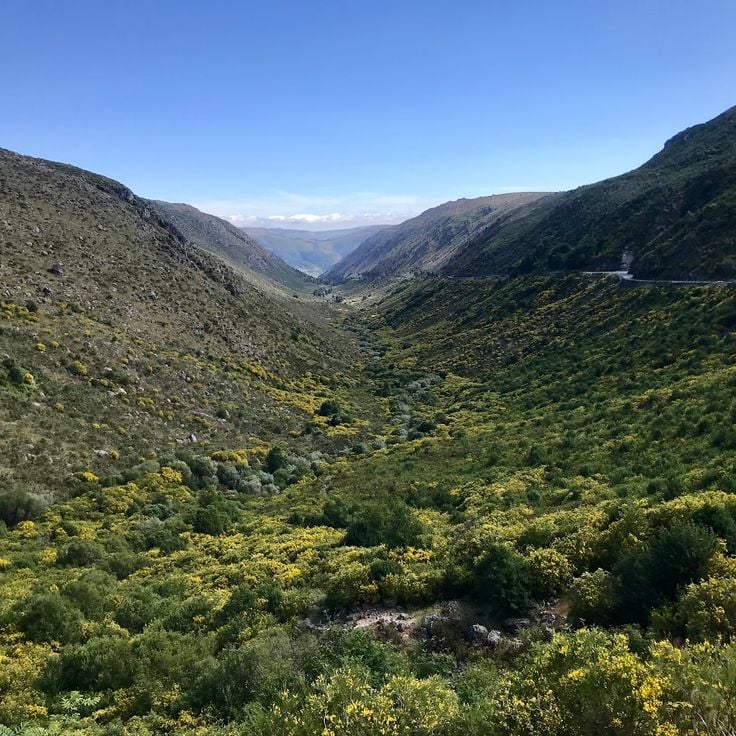
The Zêzere Glacial Valley in the Serra da Estrela displays a landscape shaped by ancient glaciers. The valley lies between high mountains and features steep rock walls, deep gorges, and mountain lakes. Hikers can traverse the high elevations of the Serra da Estrela and observe the landforms created by ice and water over thousands of years. The Zêzere Valley is among the important natural areas in central Portugal and offers views across surrounding mountain ranges.
Linhares da Beira is a medieval village built around a castle that sits on a hilltop. From this vantage point, you can see out across the surrounding valleys and landscape. The village sits in the mountainous interior of central Portugal and reflects how communities have lived in this region for centuries.
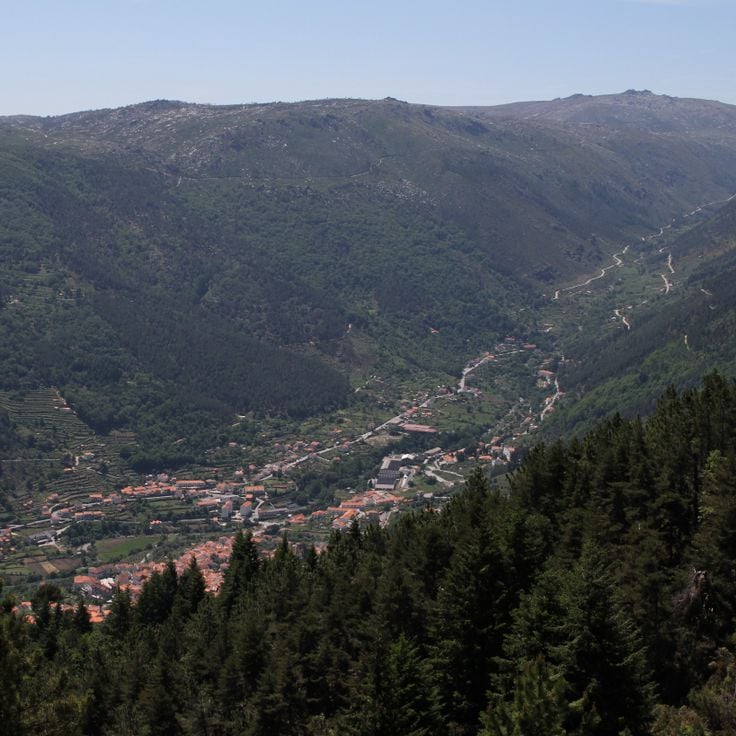
Manteigas is a mountain station in the Serra da Estrela where hikers explore valleys carved by glaciers. The town sits among forests and slopes with trails leading to peaks and waterfalls. Thermal springs with warm water flow in this area and draw visitors who seek relaxation. The place connects nature and rest in the heart of the highlands.
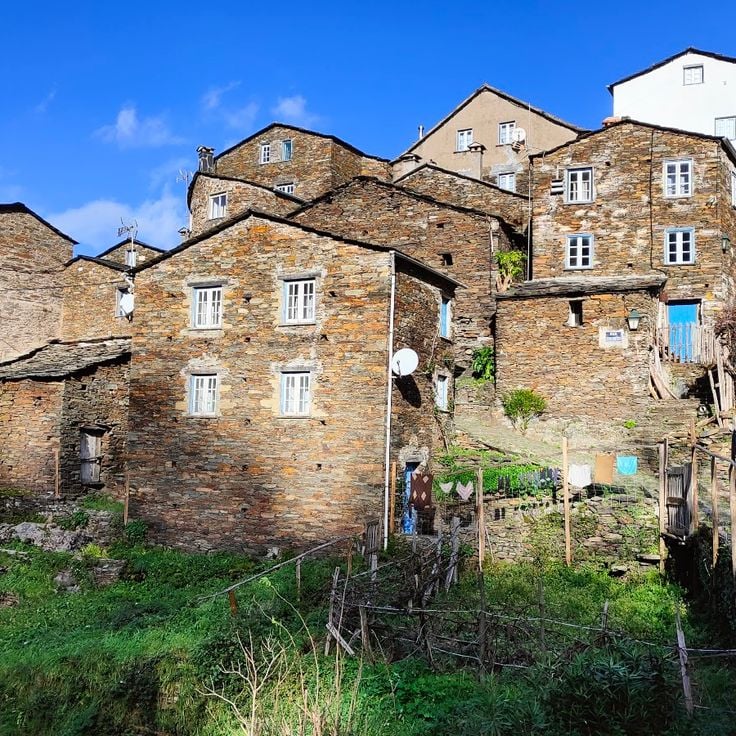
Piódão is a village of grey slate nestled in the mountains of central Portugal. Its houses are built from local stone that shapes both walls and roofs. The village sits quietly in the landscape, with narrow lanes winding between stone buildings. Walking through Piódão gives you a sense of how communities adapted their lives to these hills over time. The stone architecture tells the story of people who worked with what the land offered them.
Cerdeira is a village built from slate stone in the Portuguese mountains. The houses are constructed from local materials and fit naturally into the hillside landscape. The narrow streets connect the homes and create a traditional mountain setting. This village shows how people have lived in the upland areas of central Portugal, adapting their buildings and daily routines to the terrain. Cerdeira represents the character of these inland communities where stone architecture has defined settlements for generations.
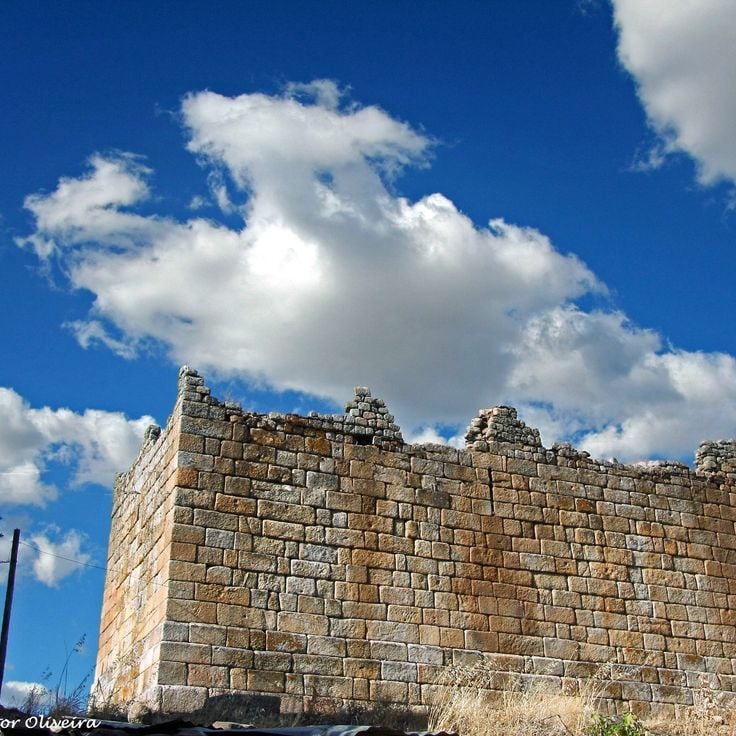
The castle of Idanha a Velha stands in a small village in central Portugal, where Roman and medieval ruins remain visible. The place shows how people lived here across different periods, from Roman times through the Middle Ages. You can see old stone walls that have survived for centuries, and the village itself feels unchanged by time. This is one of many historical sites in the region that helps explain how the history of this part of Portugal, from coast to mountains, has been shaped by different cultures and periods.
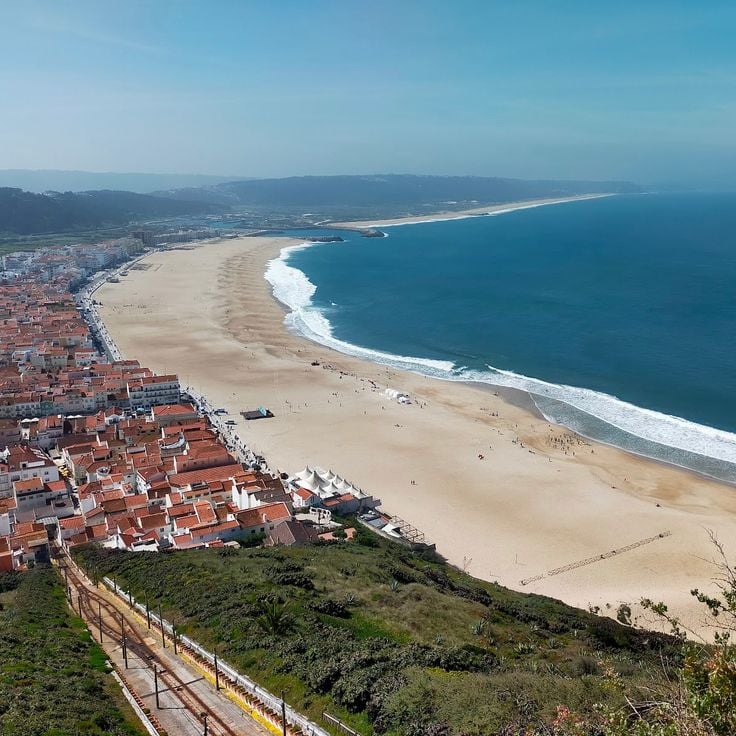
Nazaré is a coastal town on the Atlantic shore of central Portugal. It is known for its steep cliffs and the large waves that form in its waters. A strong ocean current creates special conditions that attract surfers from around the world. The place blends the character of a traditional fishing village with the modern energy of the surfing scene. On the beach and in the water, you can feel the passion people have for this sport.
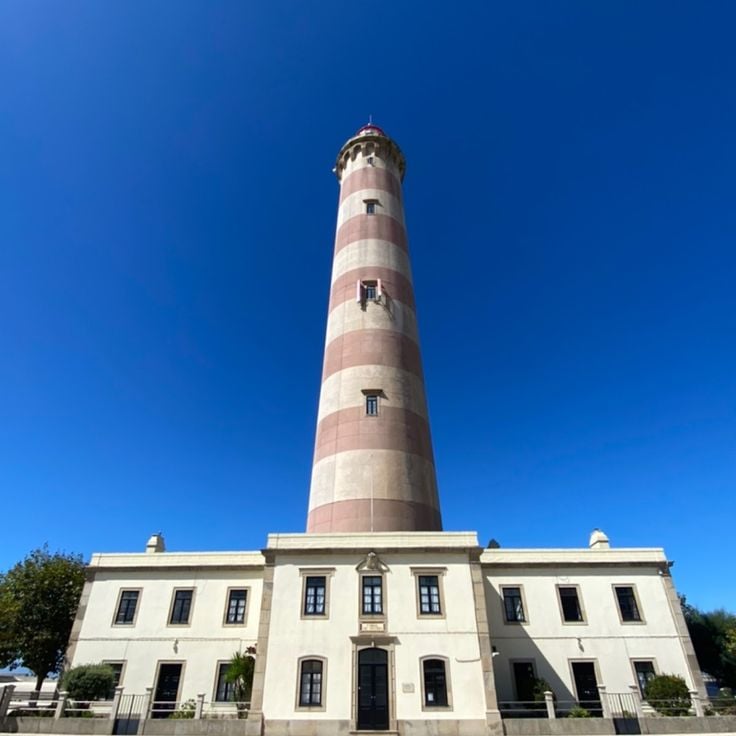
Praia da Barra is a sandy beach in Aveiro where a distinctive red and white lighthouse stands at the water's edge. The shoreline has gentle dunes covered with beach grasses and stretches widely along the Atlantic coast. This is Portugal's oldest lighthouse, serving as a navigation marker for ships and a landmark that visitors recognize from far away. You can walk along the sand, explore the dunes, and see the lighthouse building, which has guided sailors for centuries and remains a symbol of this coastal area.
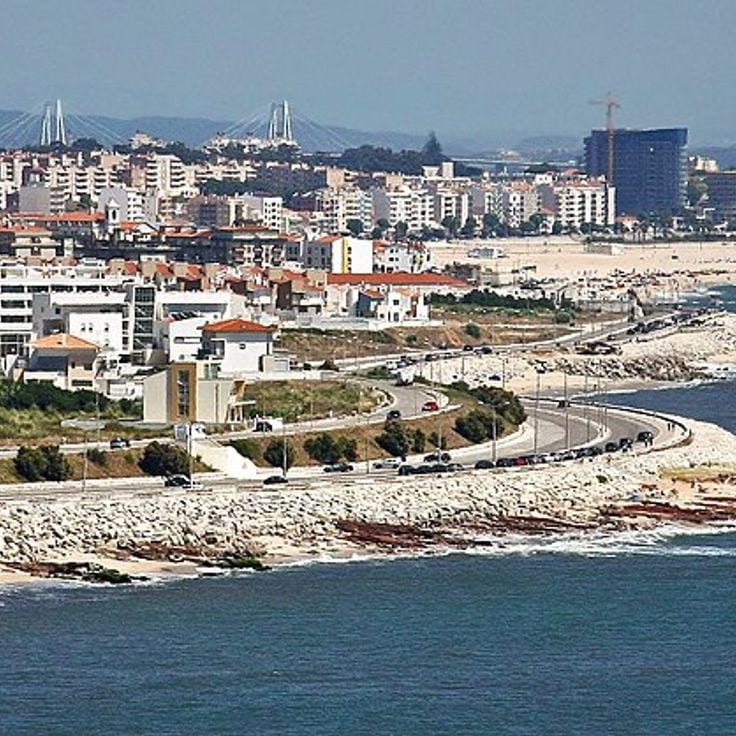
Figueira da Foz is a coastal resort town on the Atlantic shore with wide sandy beaches and a lively waterfront promenade. The town draws visitors with its beaches and offers the classic character of a seaside destination, with hotels, restaurants and recreational facilities along the coast. In the region between mountains and ocean, this place represents the maritime life of central Portugal.
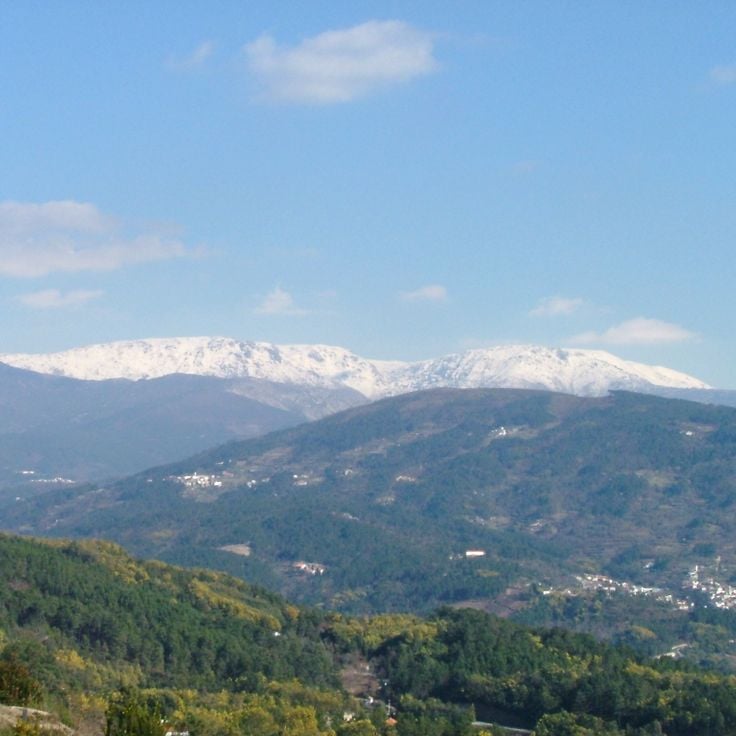
Serra da Estrela is a mountain park in central Portugal with peaks, glacial valleys, and wild landscapes. It forms the heart of this region and offers hiking trails through natural areas that rise from the coastal plains to the highest points of the country. The mountains shape how the region looks, with their green slopes, rock formations, and small villages scattered across the hills.
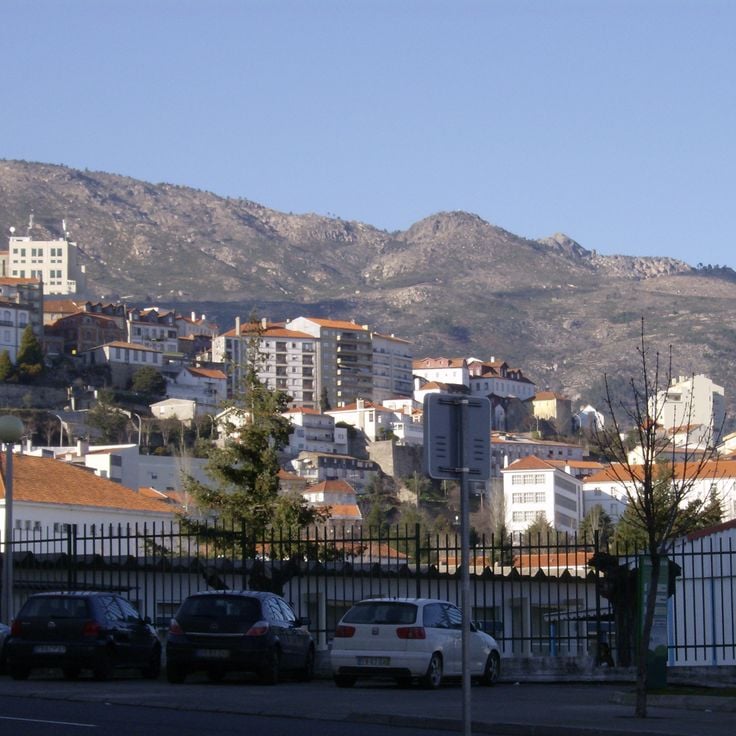
Covilhã is a town at the entrance to the Serra da Estrela with a history rooted in textile production. The town sits in the mountains and serves as a gateway to hiking trails and natural areas. Life here reflects both its industrial past and its position as a starting point for mountain walks.
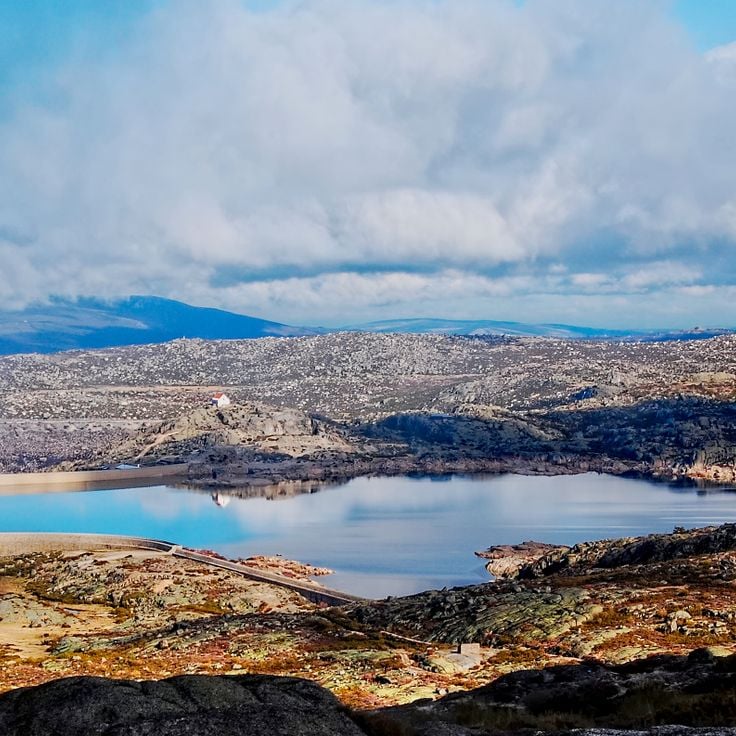
Lagoa Comprida is a mountain lake at high altitude in the Serra da Estrela. The water sits quietly between steep slopes, showing the rough character of this mountain landscape. The lake is surrounded by rock faces and low vegetation typical of the highest parts of the range. Up here the air is thin and clear, and silence is broken only by the wind. The place draws hikers who want to explore the peaks and experience nature as it is.
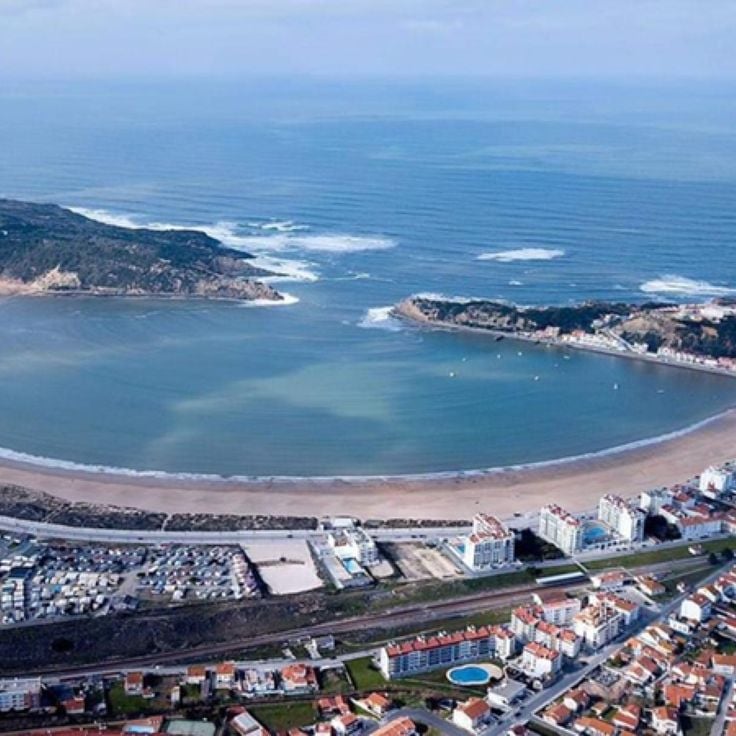
São Martinho do Porto is a bay with a naturally sheltered beach that forms a semi-enclosed curve along central Portugal's coast. The strand sits protected behind a sandy peninsula, creating calm waters that feel different from the open ocean. The water here tends to be warmer and shallower than at other coastal spots. Cliffs rise around the bay, framing it in a distinctive way that makes this place stand out from typical beaches. The shape of the bay gives the impression of a natural harbor. This site shows how geology and water meet on central Portugal's shoreline.
The Serras de Aire e Candeeiros Natural Park sits in central Portugal and reveals the region's range from coast to mountains. This park spans limestone formations and contains caves that descend into darkness. The landscape features karst terrain with rocky outcrops and sinkholes. Hikers discover trails through the hills and can trace the geological story written in stone. The park shows how nature and history intertwine in this part of Portugal.
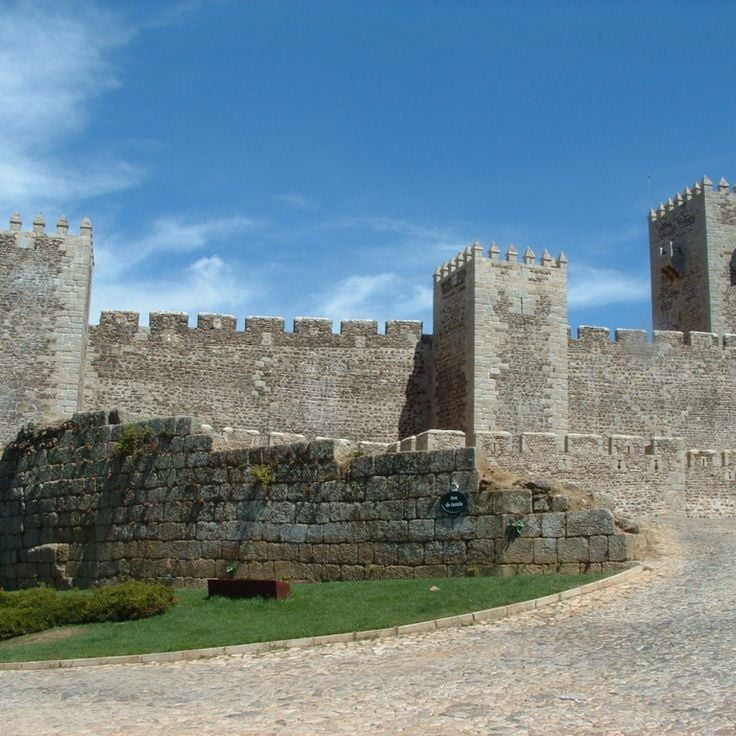
Sabugal Castle stands as a medieval fortress that overlooks the village below. The castle features a distinctive guard tower and walls that demonstrate the defensive strategies of earlier times. From this vantage point, you can see across the landscape and understand why builders chose this location. It is a place where you experience medieval history in central Portugal, far from the coast, among the hills of the inland region.
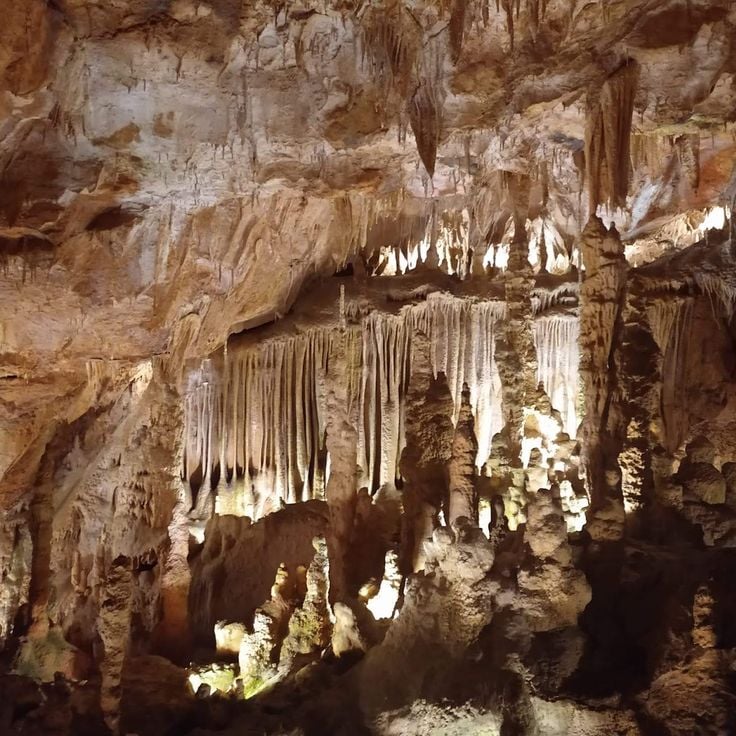
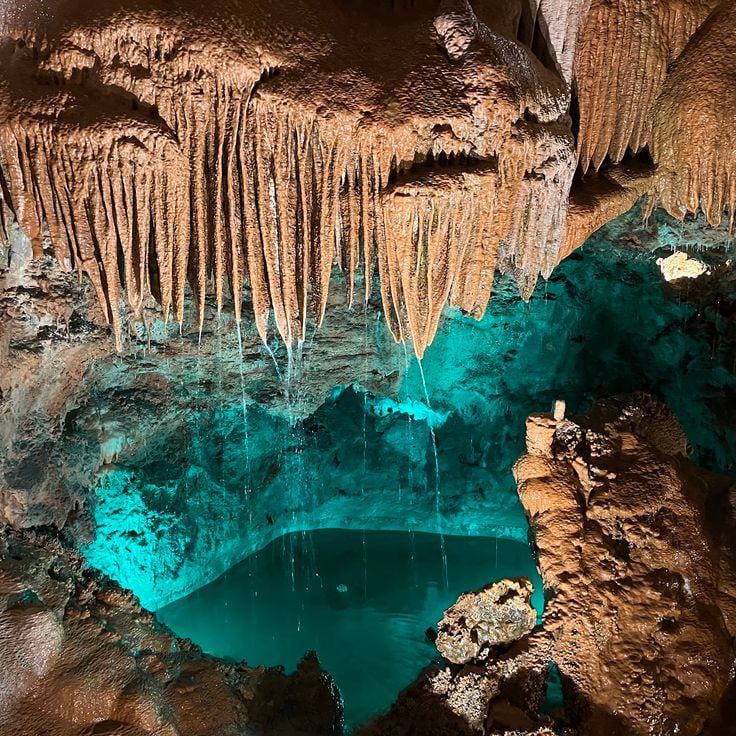
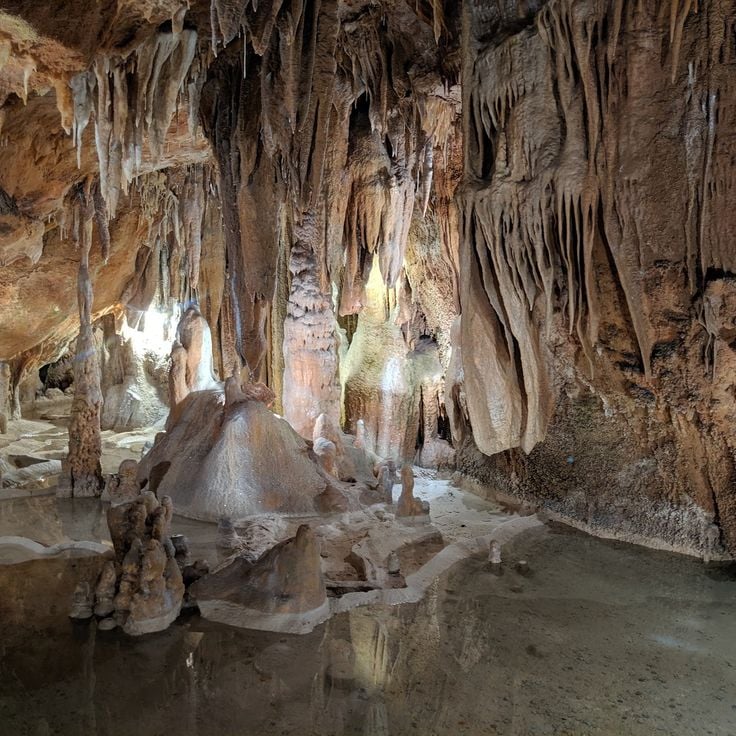
The Grutas de Mira de Aire are caves deep underground filled with limestone formations shaped over millions of years. Inside, visitors find a subterranean lake where boats carry people through the chambers. The caves display hanging stalactites and rising stalagmites in different rooms, creating a sense of entering another world beneath the surface. These caves rank among Portugal's largest underground systems and show how water carved through the rock to create this natural space. Walking through them gives you a feel for the geological forces that shaped the region.
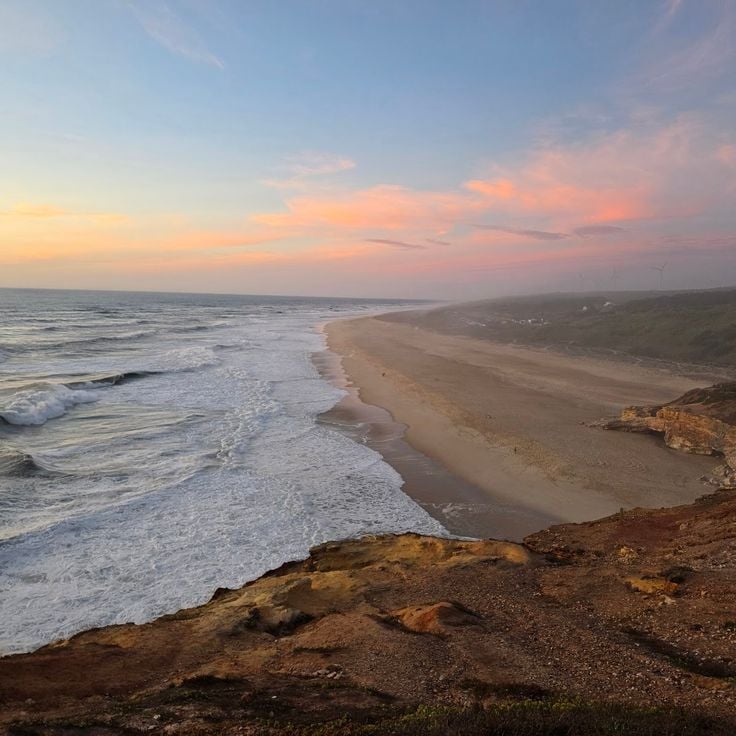
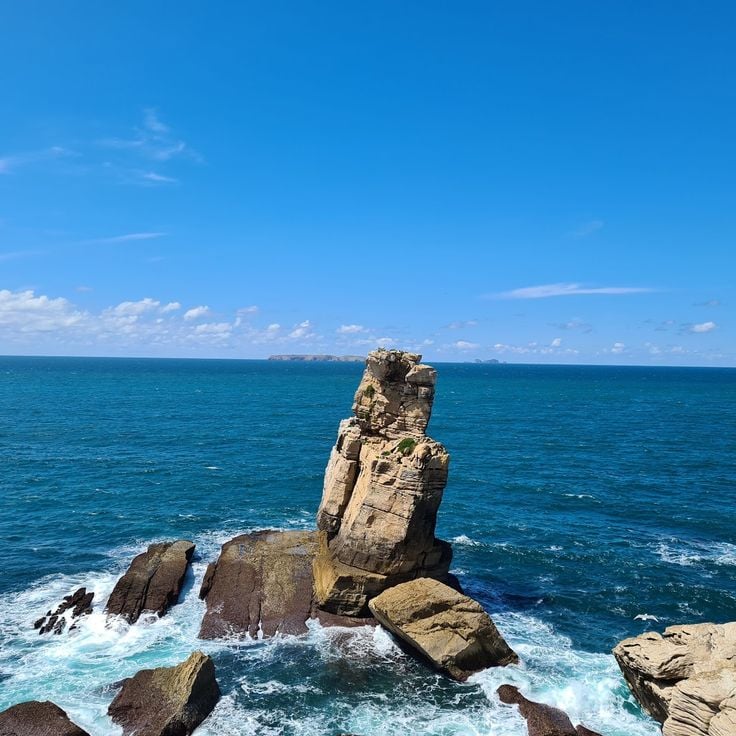
Big Wave Point is an observation point on a cliff overlooking the ocean and Nazaré bay. This location shows the raw power of the Atlantic, where legendary waves form. Visitors can watch the spray and understand why Nazaré draws surfers from around the world. The viewpoint sits on the coast of Central Portugal between university cities and the Serra da Estrela mountains.
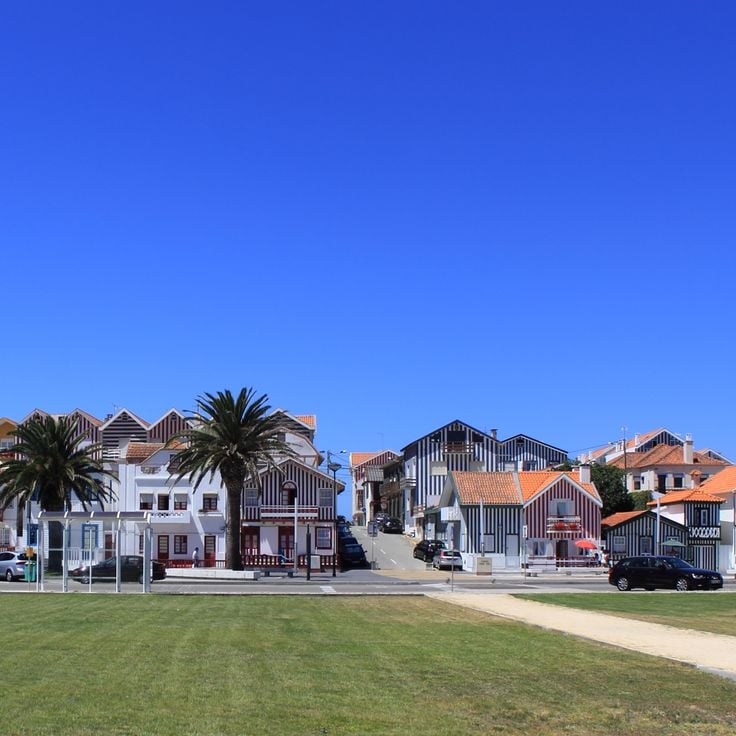
Gafanha da Encarnacao is a coastal village known for its traditional wooden houses painted in bold stripes. These colorful dwellings line the canals that run through the settlement, creating the distinctive character of this fishing community. Red, blue, yellow and white stripes cover the house fronts, reflecting generations of maritime traditions. Walking through the narrow streets, you can watch local fishermen at work and experience the rhythms of everyday life in this authentic coastal settlement.
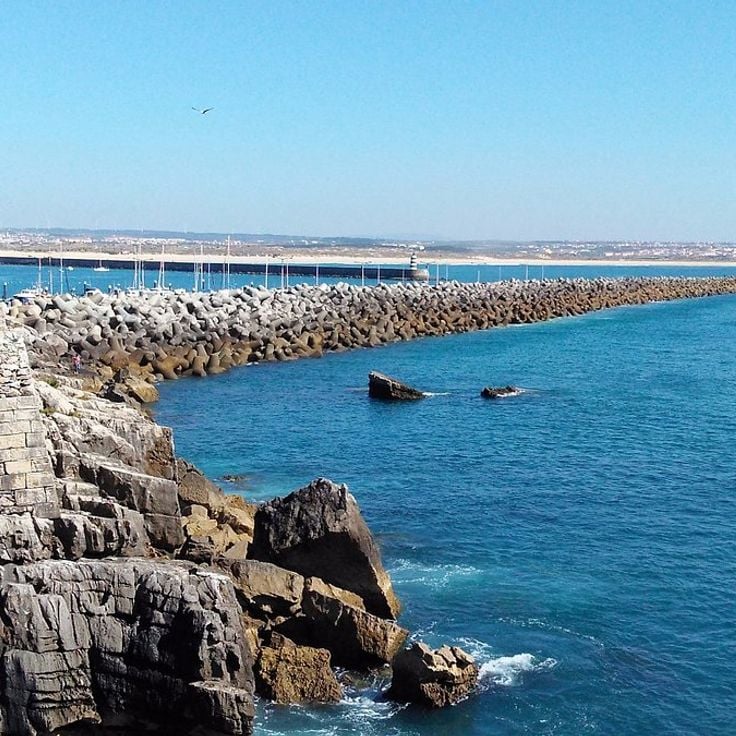
Peniche is a peninsula on the coast with an old fortress. The town sits right on the Atlantic and offers direct access to the ocean. The fortress shapes the character of the place. Peniche is an important harbor and a starting point for boat trips to nearby islands.
The Grutas de Alvados are caves with extensive galleries where stalactites and stalagmites form natural sculptures. These underground spaces lie in the heart of central Portugal and reveal the geological diversity that shapes the region. Visitors can walk through the cave passages and observe the stone formations that have grown slowly over thousands of years.
Cabo Carvoeiro near Peniche is a rocky headland with steep cliffs rising above the Atlantic Ocean. A lighthouse stands at the top, watching over the sea. This site is part of the varied landscape of central Portugal, where coastal cliffs meet green valleys and historic towns. Visitors can experience the raw beauty of the Atlantic coast here, while being part of a region that connects history, nature, and daily life from the sea to the mountains.
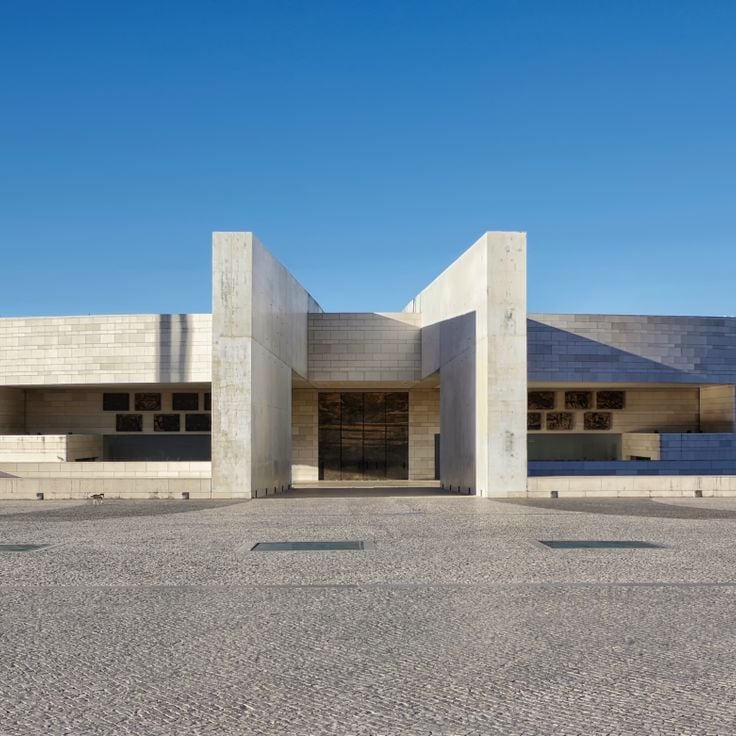
The Basilica of the Holy Trinity stands in the pilgrimage sanctuary of Fátima as a modern religious structure completed in 2007. It joins the other buildings at this spiritual center to create a space where people come to pray and reflect. The basilica represents contemporary architecture within one of Europe's most visited pilgrimage sites. It forms part of the sacred complex that draws visitors from across the world.
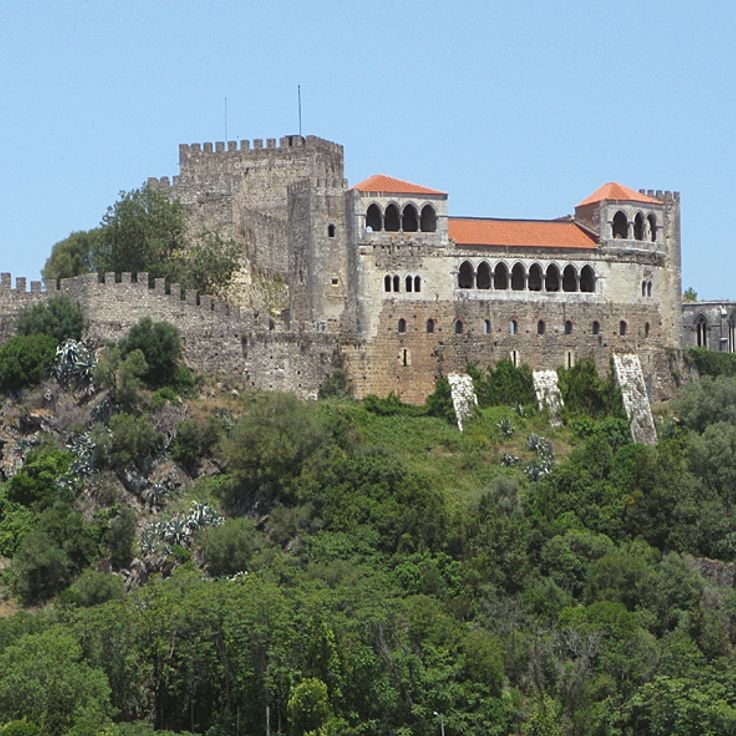
Leiria Castle stands on a hilltop, showcasing the medieval architecture that shaped this region. The fortress with its walls and keep was long strategic for controlling the area. Today visitors can explore the ruins and look down over the town and surrounding landscape. The castle tells the story of this region's past, situated between sea and mountains, and is part of the historical sites that define central Portugal.
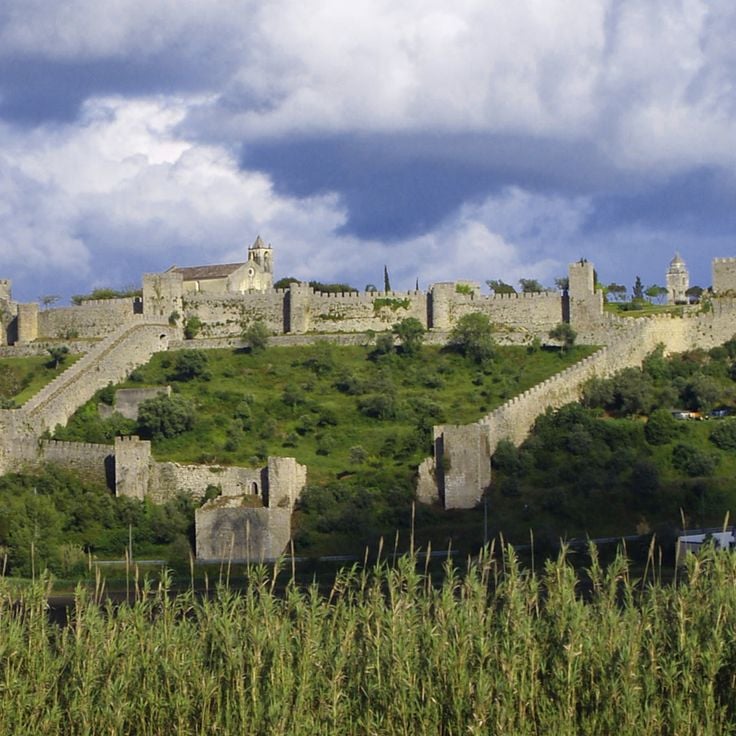
This castle is a medieval ruin with walls that rise above the landscape. The remains date from a time when the building controlled the region. From up here, you can look out over the valleys and plains. The stones still carry traces of their past. Visitors can walk through the old walls and understand how strategically important this place was. The castle shows what medieval Portugal looked like.
The Sanctuary of Fátima is a major pilgrimage site in central Portugal. Visitors find basilicas with impressive architecture, a large central square, and areas for prayer and devotion. The sanctuary draws people from around the world who come to pray or simply explore the grounds. The buildings and squares are designed to accommodate groups of pilgrims. The site combines spiritual significance with an everyday atmosphere of community and shared faith.
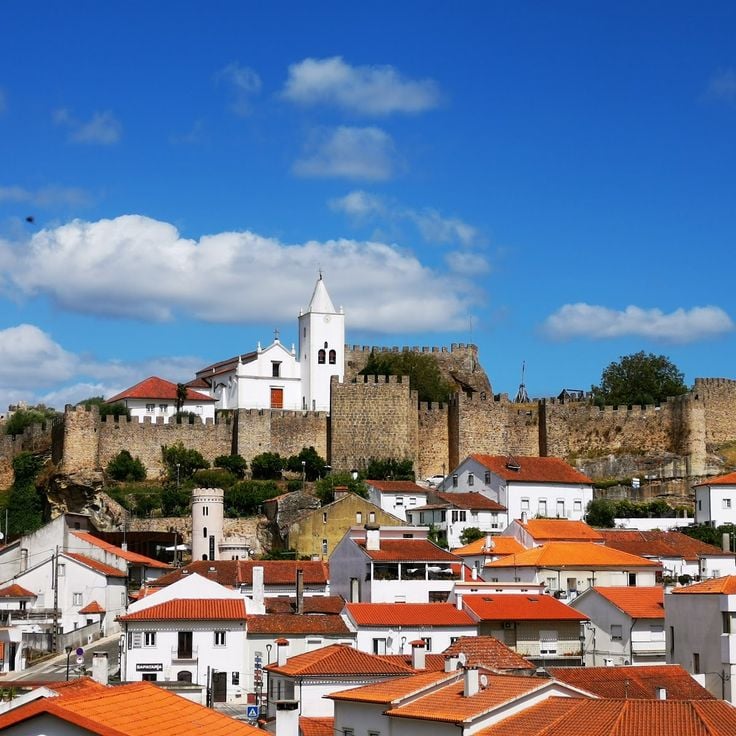
Penela Castle is a medieval fortress with partially preserved walls that stand on a hill overlooking the village. These ruins show the traces of defensive structures that once guarded this part of central Portugal. The remains of the fortification allow visitors to understand the strategic position of the site and its role in the region's past. This castle fits into the larger story of central Portugal, where medieval strongholds dot the landscape between the coast and the Serra da Estrela mountains.
The moliceiros are traditional flat-bottomed boats that have navigated the waters of Ria de Aveiro for hundreds of years. This lagoon on the Atlantic coast is a network of channels and islands where freshwater mixes with saltwater. The colorful boats move slowly through the shallow waters, creating the character of this place. The lagoon formed when the ocean flooded a bay and created sandbanks. People here have long depended on fishing and salt production. Walking along the shore, you see the painted boats passing by, colorful houses reflected in the water, and salt and sea fill the air.
Coimbra is an old city on the banks of the Mondego River with narrow streets and historic buildings rising above the water. The university, founded in the 13th century, still shapes life here today. Students fill the streets while old churches and monasteries stand alongside stone houses. The old town sits on a hillside and offers views across the river and surrounding landscape. Coimbra blends academic tradition with historical architecture.
The Joanina Library is a baroque library from the 18th century in Coimbra. It features ornately decorated reading rooms and houses historical collections. The library belongs to the University of Coimbra, which was founded in the 13th century. It reflects the university's long academic tradition and shows how learning has shaped this region over centuries.
The Château de Guarda rises above this fortified city in the interior of Portugal. Medieval architecture defines the landscape here, with narrow streets, old walls, and stone houses stacked tightly together. Walking through the old town gives a sense of how this border region looked in the past and how people lived among the mountains. You can walk the fortification walls and look out over the surrounding countryside from above.
The Sé Velha of Coimbra is a Romanesque cathedral from the 12th century with fortified architecture and a Gothic interior. It stands in the heart of the university city of Coimbra and demonstrates how medieval builders combined religious spaces with defensive features. Its walls tell of a time when the church served as both a place of prayer and a refuge. The interior reveals the splendor of Gothic design with its vaulted ceilings and stone details.
Mondego Riverside and its gardens in Coimbra form a walking path along the river with green spaces and views across the city. You can stroll here and watch the water flow past historic buildings. The gardens offer places to rest and show how the river shapes daily life in this university town.
The University of Coimbra - Alta is the main campus of one of Europe's oldest universities, located on the hilltop of the old city. Founded in the 13th century, this institution has shaped Coimbra's appearance and daily life for centuries. The campus features historic buildings with arcaded courtyards, a chapel, and a library that reflect the university's long academic tradition. Visitors can walk through the courtyards and explore the spaces where students have studied for generations.
Aveiro is a coastal city known for its canals, colorful houses, and distinctive facade architecture. Located in central Portugal, this town blends fishing traditions with the history of its trade routes. Flat-bottomed boats glide through the waterways, while the houses with their painted tiles and colors reflect the daily life of the people who live here.
The Cathedral of Guarda is a Gothic building with a white facade and striking architecture. It stands in the city of Guarda in central Portugal and belongs to a collection of places that show the diversity of this region. With its commanding presence, the cathedral reflects the religious history that shaped these lands. You can explore the interior and observe the details of Gothic construction.
The Museu de Arte Nova displays the beauty of Art Nouveau in a historic building in Aveiro. The museum presents artworks and objects from this period, marked by flowing forms and natural motifs. The collection helps visitors understand how this artistic style shaped the city and how it appears in architecture, furniture and decoration. The museum shows why Aveiro became an important center of Art Nouveau in Portugal.
Viseu is an old city with historic architecture, a cathedral and paved streets that wind through the center. Located in the Beira Alta region, the city blends medieval heritage with everyday Portuguese life. Visitors can walk through narrow lanes, discover historic buildings and experience the rhythm of a traditional town where history remains visible in the streets and squares.
The Cathedral of Viseu stands in the historic center of the city with a Romanesque facade and Gothic interior. It is an important religious site where you can see the architectural layers of different periods. The cathedral shapes the city's appearance and invites visitors to explore its spaces and discover the craftsmanship in its details.
Óbidos is a medieval fortified village with intact walls, whitewashed houses and stone-paved streets. The village sits on a hilltop surrounded by thick stone walls that protect it on all sides. Narrow lanes wind between white-painted houses where flowers hang from windows and small shops sell local goods. You can walk along the top of the walls and look out over the surrounding countryside. Óbidos shows how people lived in fortified communities during the Middle Ages and remains part of central Portugal's historical landscape.
Castelo Branco castle overlooks an old city with traditional buildings and historic gardens. Walking through its streets, you encounter the layers of the past in narrow lanes and period architecture. The town shows how people lived in this part of Portugal, with stone houses and green spaces that have endured through time.
The Monastery of Santa Maria da Vitória in Batalha is a late Gothic masterpiece built starting in the 14th century. Its facade shows intricate stone carvings and elaborate architectural details developed over generations. Inside, visitors find beautifully designed cloisters, richly decorated chapels, and spaces that tell the story of Portuguese history. This monastery is a UNESCO World Heritage Site that represents the religious devotion and craftsmanship of its era. Walking through the stone halls, you can observe how the Gothic style evolved over decades and understand the importance of religious buildings in medieval society. The construction spans centuries, with different phases of work visible in the varying architectural styles throughout the complex.
The Alcobaça Monastery is a Cistercian monastery from the 12th century and a UNESCO World Heritage site. It demonstrates the power and reach of this religious community through its large church, cloisters, and crafted details that have lasted through the centuries. Visitors walk through spaces once inhabited by monks and see the architectural forms that defined this order. The monastery tells the story of spiritual communities that shaped this region and remains part of the diverse historical sites that make up central Portugal.
Tomar's castle overlooks the old town and reflects centuries of religious and political history. Around the castle spreads a historic settlement with narrow streets and traditional stone houses. Walking through these lanes, you pass buildings that have stood for generations, some showing the marks of time. The famous Convento de Cristo sits below, a massive religious structure that draws visitors from across the world. Small squares appear along the way where locals and travelers gather. The convent is recognized by UNESCO and stands as one of Portugal's most significant religious monuments. The town itself feels rooted in the Middle Ages, with its layout and character shaped by centuries of life around these two landmarks.
Talasnal is a village in the mountains built from slate, a dark stone found in this region. The houses were constructed using the material that lay beneath the ground nearby. The streets are narrow and wind between the buildings. The village has no modern shops or tourist facilities. The rhythm of life here follows the seasons and the needs of the land. The architecture reflects simple methods passed down through generations. This village shows how people adapted to living in remote mountain areas and how some communities maintain those traditions today.
The Monastery of Santa Clara a Velha is a 14th-century ruin in Coimbra that sits partially flooded by the Mondego River. This Benedictine convent shows the history of religious communities in central Portugal. The remains of the Gothic structure rest along the river, telling the story of the challenges faced by residents during floods. The monastery served as a center of spiritual life where nuns devoted themselves to prayer and learning. Today, the site offers insight into medieval architecture and how people built their lives around natural forces.
The Basilica of Our Lady of the Rosary stands within the Fátima sanctuary and represents the spiritual heart of this pilgrimage site. Its white structure and richly decorated interior create a place of worship and gathering. This basilica is part of the religious heritage that defines the center of Portugal, where faith and architecture come together.
Monsanto is a village built among rocky outcrops, where traditional houses nestle between stone formations. The architecture adapts to the landscape, with buildings constructed around and even into the natural rocks. This settlement shows how people have lived here for centuries by working with the terrain rather than against it.
The Convent of Christ in Tomar is an impressive templar monastery from the 12th century and a UNESCO World Heritage site. Its distinctive Manueline architecture showcases the skill of Portuguese builders from that era. The complex combines Romanesque, Gothic, and Renaissance elements in a harmonious design. Visitors can walk through several cloisters and admire the detailed stonework of windows and doorways. The monastery sits on a hilltop above the town and offers views of the surrounding landscape. The rooms tell the story of centuries of monastic life and the history of the Knights Templar.
Sortelha is a medieval village in central Portugal's mountainous region that has maintained its historic character. Stone houses cluster together on a hilltop, enclosed within walls that remain largely intact. Narrow stone-paved lanes wind between traditional buildings constructed from gray stone, and the landscape around the village is defined by rocky outcrops and exposed rock formations. Walking through Sortelha gives a sense of how mountain communities organized themselves in medieval times and how they adapted to the terrain.
Belmonte is a village shaped by its castle and the layers of history that surround it, including a significant Jewish heritage. Stone houses line narrow streets that speak to centuries of life in the region. The castle and religious buildings form the backbone of the community and reveal how different cultures and powers shaped daily life here. Walking through Belmonte shows how central Portugal connects feudal past with diverse communities, and how this heritage remains visible in its streets and buildings.
The Zêzere Glacial Valley in the Serra da Estrela displays a landscape shaped by ancient glaciers. The valley lies between high mountains and features steep rock walls, deep gorges, and mountain lakes. Hikers can traverse the high elevations of the Serra da Estrela and observe the landforms created by ice and water over thousands of years. The Zêzere Valley is among the important natural areas in central Portugal and offers views across surrounding mountain ranges.
Linhares da Beira is a medieval village built around a castle that sits on a hilltop. From this vantage point, you can see out across the surrounding valleys and landscape. The village sits in the mountainous interior of central Portugal and reflects how communities have lived in this region for centuries.
Manteigas is a mountain station in the Serra da Estrela where hikers explore valleys carved by glaciers. The town sits among forests and slopes with trails leading to peaks and waterfalls. Thermal springs with warm water flow in this area and draw visitors who seek relaxation. The place connects nature and rest in the heart of the highlands.
Piódão is a village of grey slate nestled in the mountains of central Portugal. Its houses are built from local stone that shapes both walls and roofs. The village sits quietly in the landscape, with narrow lanes winding between stone buildings. Walking through Piódão gives you a sense of how communities adapted their lives to these hills over time. The stone architecture tells the story of people who worked with what the land offered them.
Cerdeira is a village built from slate stone in the Portuguese mountains. The houses are constructed from local materials and fit naturally into the hillside landscape. The narrow streets connect the homes and create a traditional mountain setting. This village shows how people have lived in the upland areas of central Portugal, adapting their buildings and daily routines to the terrain. Cerdeira represents the character of these inland communities where stone architecture has defined settlements for generations.
The castle of Idanha a Velha stands in a small village in central Portugal, where Roman and medieval ruins remain visible. The place shows how people lived here across different periods, from Roman times through the Middle Ages. You can see old stone walls that have survived for centuries, and the village itself feels unchanged by time. This is one of many historical sites in the region that helps explain how the history of this part of Portugal, from coast to mountains, has been shaped by different cultures and periods.
Nazaré is a coastal town on the Atlantic shore of central Portugal. It is known for its steep cliffs and the large waves that form in its waters. A strong ocean current creates special conditions that attract surfers from around the world. The place blends the character of a traditional fishing village with the modern energy of the surfing scene. On the beach and in the water, you can feel the passion people have for this sport.
Praia da Barra is a sandy beach in Aveiro where a distinctive red and white lighthouse stands at the water's edge. The shoreline has gentle dunes covered with beach grasses and stretches widely along the Atlantic coast. This is Portugal's oldest lighthouse, serving as a navigation marker for ships and a landmark that visitors recognize from far away. You can walk along the sand, explore the dunes, and see the lighthouse building, which has guided sailors for centuries and remains a symbol of this coastal area.
Figueira da Foz is a coastal resort town on the Atlantic shore with wide sandy beaches and a lively waterfront promenade. The town draws visitors with its beaches and offers the classic character of a seaside destination, with hotels, restaurants and recreational facilities along the coast. In the region between mountains and ocean, this place represents the maritime life of central Portugal.
Serra da Estrela is a mountain park in central Portugal with peaks, glacial valleys, and wild landscapes. It forms the heart of this region and offers hiking trails through natural areas that rise from the coastal plains to the highest points of the country. The mountains shape how the region looks, with their green slopes, rock formations, and small villages scattered across the hills.
Covilhã is a town at the entrance to the Serra da Estrela with a history rooted in textile production. The town sits in the mountains and serves as a gateway to hiking trails and natural areas. Life here reflects both its industrial past and its position as a starting point for mountain walks.
Lagoa Comprida is a mountain lake at high altitude in the Serra da Estrela. The water sits quietly between steep slopes, showing the rough character of this mountain landscape. The lake is surrounded by rock faces and low vegetation typical of the highest parts of the range. Up here the air is thin and clear, and silence is broken only by the wind. The place draws hikers who want to explore the peaks and experience nature as it is.
São Martinho do Porto is a bay with a naturally sheltered beach that forms a semi-enclosed curve along central Portugal's coast. The strand sits protected behind a sandy peninsula, creating calm waters that feel different from the open ocean. The water here tends to be warmer and shallower than at other coastal spots. Cliffs rise around the bay, framing it in a distinctive way that makes this place stand out from typical beaches. The shape of the bay gives the impression of a natural harbor. This site shows how geology and water meet on central Portugal's shoreline.
The Serras de Aire e Candeeiros Natural Park sits in central Portugal and reveals the region's range from coast to mountains. This park spans limestone formations and contains caves that descend into darkness. The landscape features karst terrain with rocky outcrops and sinkholes. Hikers discover trails through the hills and can trace the geological story written in stone. The park shows how nature and history intertwine in this part of Portugal.
Sabugal Castle stands as a medieval fortress that overlooks the village below. The castle features a distinctive guard tower and walls that demonstrate the defensive strategies of earlier times. From this vantage point, you can see across the landscape and understand why builders chose this location. It is a place where you experience medieval history in central Portugal, far from the coast, among the hills of the inland region.
The Grutas de Mira de Aire are caves deep underground filled with limestone formations shaped over millions of years. Inside, visitors find a subterranean lake where boats carry people through the chambers. The caves display hanging stalactites and rising stalagmites in different rooms, creating a sense of entering another world beneath the surface. These caves rank among Portugal's largest underground systems and show how water carved through the rock to create this natural space. Walking through them gives you a feel for the geological forces that shaped the region.
Big Wave Point is an observation point on a cliff overlooking the ocean and Nazaré bay. This location shows the raw power of the Atlantic, where legendary waves form. Visitors can watch the spray and understand why Nazaré draws surfers from around the world. The viewpoint sits on the coast of Central Portugal between university cities and the Serra da Estrela mountains.
Gafanha da Encarnacao is a coastal village known for its traditional wooden houses painted in bold stripes. These colorful dwellings line the canals that run through the settlement, creating the distinctive character of this fishing community. Red, blue, yellow and white stripes cover the house fronts, reflecting generations of maritime traditions. Walking through the narrow streets, you can watch local fishermen at work and experience the rhythms of everyday life in this authentic coastal settlement.
Peniche is a peninsula on the coast with an old fortress. The town sits right on the Atlantic and offers direct access to the ocean. The fortress shapes the character of the place. Peniche is an important harbor and a starting point for boat trips to nearby islands.
The Grutas de Alvados are caves with extensive galleries where stalactites and stalagmites form natural sculptures. These underground spaces lie in the heart of central Portugal and reveal the geological diversity that shapes the region. Visitors can walk through the cave passages and observe the stone formations that have grown slowly over thousands of years.
Cabo Carvoeiro near Peniche is a rocky headland with steep cliffs rising above the Atlantic Ocean. A lighthouse stands at the top, watching over the sea. This site is part of the varied landscape of central Portugal, where coastal cliffs meet green valleys and historic towns. Visitors can experience the raw beauty of the Atlantic coast here, while being part of a region that connects history, nature, and daily life from the sea to the mountains.
The Basilica of the Holy Trinity stands in the pilgrimage sanctuary of Fátima as a modern religious structure completed in 2007. It joins the other buildings at this spiritual center to create a space where people come to pray and reflect. The basilica represents contemporary architecture within one of Europe's most visited pilgrimage sites. It forms part of the sacred complex that draws visitors from across the world.
Leiria Castle stands on a hilltop, showcasing the medieval architecture that shaped this region. The fortress with its walls and keep was long strategic for controlling the area. Today visitors can explore the ruins and look down over the town and surrounding landscape. The castle tells the story of this region's past, situated between sea and mountains, and is part of the historical sites that define central Portugal.
This castle is a medieval ruin with walls that rise above the landscape. The remains date from a time when the building controlled the region. From up here, you can look out over the valleys and plains. The stones still carry traces of their past. Visitors can walk through the old walls and understand how strategically important this place was. The castle shows what medieval Portugal looked like.
The Sanctuary of Fátima is a major pilgrimage site in central Portugal. Visitors find basilicas with impressive architecture, a large central square, and areas for prayer and devotion. The sanctuary draws people from around the world who come to pray or simply explore the grounds. The buildings and squares are designed to accommodate groups of pilgrims. The site combines spiritual significance with an everyday atmosphere of community and shared faith.
Penela Castle is a medieval fortress with partially preserved walls that stand on a hill overlooking the village. These ruins show the traces of defensive structures that once guarded this part of central Portugal. The remains of the fortification allow visitors to understand the strategic position of the site and its role in the region's past. This castle fits into the larger story of central Portugal, where medieval strongholds dot the landscape between the coast and the Serra da Estrela mountains.
The moliceiros are traditional flat-bottomed boats that have navigated the waters of Ria de Aveiro for hundreds of years. This lagoon on the Atlantic coast is a network of channels and islands where freshwater mixes with saltwater. The colorful boats move slowly through the shallow waters, creating the character of this place. The lagoon formed when the ocean flooded a bay and created sandbanks. People here have long depended on fishing and salt production. Walking along the shore, you see the painted boats passing by, colorful houses reflected in the water, and salt and sea fill the air.
Coimbra is an old city on the banks of the Mondego River with narrow streets and historic buildings rising above the water. The university, founded in the 13th century, still shapes life here today. Students fill the streets while old churches and monasteries stand alongside stone houses. The old town sits on a hillside and offers views across the river and surrounding landscape. Coimbra blends academic tradition with historical architecture.
The Joanina Library is a baroque library from the 18th century in Coimbra. It features ornately decorated reading rooms and houses historical collections. The library belongs to the University of Coimbra, which was founded in the 13th century. It reflects the university's long academic tradition and shows how learning has shaped this region over centuries.
The Château de Guarda rises above this fortified city in the interior of Portugal. Medieval architecture defines the landscape here, with narrow streets, old walls, and stone houses stacked tightly together. Walking through the old town gives a sense of how this border region looked in the past and how people lived among the mountains. You can walk the fortification walls and look out over the surrounding countryside from above.
The Sé Velha of Coimbra is a Romanesque cathedral from the 12th century with fortified architecture and a Gothic interior. It stands in the heart of the university city of Coimbra and demonstrates how medieval builders combined religious spaces with defensive features. Its walls tell of a time when the church served as both a place of prayer and a refuge. The interior reveals the splendor of Gothic design with its vaulted ceilings and stone details.
Mondego Riverside and its gardens in Coimbra form a walking path along the river with green spaces and views across the city. You can stroll here and watch the water flow past historic buildings. The gardens offer places to rest and show how the river shapes daily life in this university town.
The University of Coimbra - Alta is the main campus of one of Europe's oldest universities, located on the hilltop of the old city. Founded in the 13th century, this institution has shaped Coimbra's appearance and daily life for centuries. The campus features historic buildings with arcaded courtyards, a chapel, and a library that reflect the university's long academic tradition. Visitors can walk through the courtyards and explore the spaces where students have studied for generations.
Aveiro is a coastal city known for its canals, colorful houses, and distinctive facade architecture. Located in central Portugal, this town blends fishing traditions with the history of its trade routes. Flat-bottomed boats glide through the waterways, while the houses with their painted tiles and colors reflect the daily life of the people who live here.
The Cathedral of Guarda is a Gothic building with a white facade and striking architecture. It stands in the city of Guarda in central Portugal and belongs to a collection of places that show the diversity of this region. With its commanding presence, the cathedral reflects the religious history that shaped these lands. You can explore the interior and observe the details of Gothic construction.
The Museu de Arte Nova displays the beauty of Art Nouveau in a historic building in Aveiro. The museum presents artworks and objects from this period, marked by flowing forms and natural motifs. The collection helps visitors understand how this artistic style shaped the city and how it appears in architecture, furniture and decoration. The museum shows why Aveiro became an important center of Art Nouveau in Portugal.
Viseu is an old city with historic architecture, a cathedral and paved streets that wind through the center. Located in the Beira Alta region, the city blends medieval heritage with everyday Portuguese life. Visitors can walk through narrow lanes, discover historic buildings and experience the rhythm of a traditional town where history remains visible in the streets and squares.
The Cathedral of Viseu stands in the historic center of the city with a Romanesque facade and Gothic interior. It is an important religious site where you can see the architectural layers of different periods. The cathedral shapes the city's appearance and invites visitors to explore its spaces and discover the craftsmanship in its details.
Óbidos is a medieval fortified village with intact walls, whitewashed houses and stone-paved streets. The village sits on a hilltop surrounded by thick stone walls that protect it on all sides. Narrow lanes wind between white-painted houses where flowers hang from windows and small shops sell local goods. You can walk along the top of the walls and look out over the surrounding countryside. Óbidos shows how people lived in fortified communities during the Middle Ages and remains part of central Portugal's historical landscape.
Castelo Branco castle overlooks an old city with traditional buildings and historic gardens. Walking through its streets, you encounter the layers of the past in narrow lanes and period architecture. The town shows how people lived in this part of Portugal, with stone houses and green spaces that have endured through time.
The Monastery of Santa Maria da Vitória in Batalha is a late Gothic masterpiece built starting in the 14th century. Its facade shows intricate stone carvings and elaborate architectural details developed over generations. Inside, visitors find beautifully designed cloisters, richly decorated chapels, and spaces that tell the story of Portuguese history. This monastery is a UNESCO World Heritage Site that represents the religious devotion and craftsmanship of its era. Walking through the stone halls, you can observe how the Gothic style evolved over decades and understand the importance of religious buildings in medieval society. The construction spans centuries, with different phases of work visible in the varying architectural styles throughout the complex.
The Alcobaça Monastery is a Cistercian monastery from the 12th century and a UNESCO World Heritage site. It demonstrates the power and reach of this religious community through its large church, cloisters, and crafted details that have lasted through the centuries. Visitors walk through spaces once inhabited by monks and see the architectural forms that defined this order. The monastery tells the story of spiritual communities that shaped this region and remains part of the diverse historical sites that make up central Portugal.
Tomar's castle overlooks the old town and reflects centuries of religious and political history. Around the castle spreads a historic settlement with narrow streets and traditional stone houses. Walking through these lanes, you pass buildings that have stood for generations, some showing the marks of time. The famous Convento de Cristo sits below, a massive religious structure that draws visitors from across the world. Small squares appear along the way where locals and travelers gather. The convent is recognized by UNESCO and stands as one of Portugal's most significant religious monuments. The town itself feels rooted in the Middle Ages, with its layout and character shaped by centuries of life around these two landmarks.
Talasnal is a village in the mountains built from slate, a dark stone found in this region. The houses were constructed using the material that lay beneath the ground nearby. The streets are narrow and wind between the buildings. The village has no modern shops or tourist facilities. The rhythm of life here follows the seasons and the needs of the land. The architecture reflects simple methods passed down through generations. This village shows how people adapted to living in remote mountain areas and how some communities maintain those traditions today.
The Monastery of Santa Clara a Velha is a 14th-century ruin in Coimbra that sits partially flooded by the Mondego River. This Benedictine convent shows the history of religious communities in central Portugal. The remains of the Gothic structure rest along the river, telling the story of the challenges faced by residents during floods. The monastery served as a center of spiritual life where nuns devoted themselves to prayer and learning. Today, the site offers insight into medieval architecture and how people built their lives around natural forces.
The Basilica of Our Lady of the Rosary stands within the Fátima sanctuary and represents the spiritual heart of this pilgrimage site. Its white structure and richly decorated interior create a place of worship and gathering. This basilica is part of the religious heritage that defines the center of Portugal, where faith and architecture come together.
Monsanto is a village built among rocky outcrops, where traditional houses nestle between stone formations. The architecture adapts to the landscape, with buildings constructed around and even into the natural rocks. This settlement shows how people have lived here for centuries by working with the terrain rather than against it.
The Convent of Christ in Tomar is an impressive templar monastery from the 12th century and a UNESCO World Heritage site. Its distinctive Manueline architecture showcases the skill of Portuguese builders from that era. The complex combines Romanesque, Gothic, and Renaissance elements in a harmonious design. Visitors can walk through several cloisters and admire the detailed stonework of windows and doorways. The monastery sits on a hilltop above the town and offers views of the surrounding landscape. The rooms tell the story of centuries of monastic life and the history of the Knights Templar.
Sortelha is a medieval village in central Portugal's mountainous region that has maintained its historic character. Stone houses cluster together on a hilltop, enclosed within walls that remain largely intact. Narrow stone-paved lanes wind between traditional buildings constructed from gray stone, and the landscape around the village is defined by rocky outcrops and exposed rock formations. Walking through Sortelha gives a sense of how mountain communities organized themselves in medieval times and how they adapted to the terrain.
Belmonte is a village shaped by its castle and the layers of history that surround it, including a significant Jewish heritage. Stone houses line narrow streets that speak to centuries of life in the region. The castle and religious buildings form the backbone of the community and reveal how different cultures and powers shaped daily life here. Walking through Belmonte shows how central Portugal connects feudal past with diverse communities, and how this heritage remains visible in its streets and buildings.
The Zêzere Glacial Valley in the Serra da Estrela displays a landscape shaped by ancient glaciers. The valley lies between high mountains and features steep rock walls, deep gorges, and mountain lakes. Hikers can traverse the high elevations of the Serra da Estrela and observe the landforms created by ice and water over thousands of years. The Zêzere Valley is among the important natural areas in central Portugal and offers views across surrounding mountain ranges.
Linhares da Beira is a medieval village built around a castle that sits on a hilltop. From this vantage point, you can see out across the surrounding valleys and landscape. The village sits in the mountainous interior of central Portugal and reflects how communities have lived in this region for centuries.
Manteigas is a mountain station in the Serra da Estrela where hikers explore valleys carved by glaciers. The town sits among forests and slopes with trails leading to peaks and waterfalls. Thermal springs with warm water flow in this area and draw visitors who seek relaxation. The place connects nature and rest in the heart of the highlands.
Piódão is a village of grey slate nestled in the mountains of central Portugal. Its houses are built from local stone that shapes both walls and roofs. The village sits quietly in the landscape, with narrow lanes winding between stone buildings. Walking through Piódão gives you a sense of how communities adapted their lives to these hills over time. The stone architecture tells the story of people who worked with what the land offered them.
Cerdeira is a village built from slate stone in the Portuguese mountains. The houses are constructed from local materials and fit naturally into the hillside landscape. The narrow streets connect the homes and create a traditional mountain setting. This village shows how people have lived in the upland areas of central Portugal, adapting their buildings and daily routines to the terrain. Cerdeira represents the character of these inland communities where stone architecture has defined settlements for generations.
The castle of Idanha a Velha stands in a small village in central Portugal, where Roman and medieval ruins remain visible. The place shows how people lived here across different periods, from Roman times through the Middle Ages. You can see old stone walls that have survived for centuries, and the village itself feels unchanged by time. This is one of many historical sites in the region that helps explain how the history of this part of Portugal, from coast to mountains, has been shaped by different cultures and periods.
Nazaré is a coastal town on the Atlantic shore of central Portugal. It is known for its steep cliffs and the large waves that form in its waters. A strong ocean current creates special conditions that attract surfers from around the world. The place blends the character of a traditional fishing village with the modern energy of the surfing scene. On the beach and in the water, you can feel the passion people have for this sport.
Praia da Barra is a sandy beach in Aveiro where a distinctive red and white lighthouse stands at the water's edge. The shoreline has gentle dunes covered with beach grasses and stretches widely along the Atlantic coast. This is Portugal's oldest lighthouse, serving as a navigation marker for ships and a landmark that visitors recognize from far away. You can walk along the sand, explore the dunes, and see the lighthouse building, which has guided sailors for centuries and remains a symbol of this coastal area.
Figueira da Foz is a coastal resort town on the Atlantic shore with wide sandy beaches and a lively waterfront promenade. The town draws visitors with its beaches and offers the classic character of a seaside destination, with hotels, restaurants and recreational facilities along the coast. In the region between mountains and ocean, this place represents the maritime life of central Portugal.
Serra da Estrela is a mountain park in central Portugal with peaks, glacial valleys, and wild landscapes. It forms the heart of this region and offers hiking trails through natural areas that rise from the coastal plains to the highest points of the country. The mountains shape how the region looks, with their green slopes, rock formations, and small villages scattered across the hills.
Covilhã is a town at the entrance to the Serra da Estrela with a history rooted in textile production. The town sits in the mountains and serves as a gateway to hiking trails and natural areas. Life here reflects both its industrial past and its position as a starting point for mountain walks.
Lagoa Comprida is a mountain lake at high altitude in the Serra da Estrela. The water sits quietly between steep slopes, showing the rough character of this mountain landscape. The lake is surrounded by rock faces and low vegetation typical of the highest parts of the range. Up here the air is thin and clear, and silence is broken only by the wind. The place draws hikers who want to explore the peaks and experience nature as it is.
São Martinho do Porto is a bay with a naturally sheltered beach that forms a semi-enclosed curve along central Portugal's coast. The strand sits protected behind a sandy peninsula, creating calm waters that feel different from the open ocean. The water here tends to be warmer and shallower than at other coastal spots. Cliffs rise around the bay, framing it in a distinctive way that makes this place stand out from typical beaches. The shape of the bay gives the impression of a natural harbor. This site shows how geology and water meet on central Portugal's shoreline.
The Serras de Aire e Candeeiros Natural Park sits in central Portugal and reveals the region's range from coast to mountains. This park spans limestone formations and contains caves that descend into darkness. The landscape features karst terrain with rocky outcrops and sinkholes. Hikers discover trails through the hills and can trace the geological story written in stone. The park shows how nature and history intertwine in this part of Portugal.
Sabugal Castle stands as a medieval fortress that overlooks the village below. The castle features a distinctive guard tower and walls that demonstrate the defensive strategies of earlier times. From this vantage point, you can see across the landscape and understand why builders chose this location. It is a place where you experience medieval history in central Portugal, far from the coast, among the hills of the inland region.
The Grutas de Mira de Aire are caves deep underground filled with limestone formations shaped over millions of years. Inside, visitors find a subterranean lake where boats carry people through the chambers. The caves display hanging stalactites and rising stalagmites in different rooms, creating a sense of entering another world beneath the surface. These caves rank among Portugal's largest underground systems and show how water carved through the rock to create this natural space. Walking through them gives you a feel for the geological forces that shaped the region.
Big Wave Point is an observation point on a cliff overlooking the ocean and Nazaré bay. This location shows the raw power of the Atlantic, where legendary waves form. Visitors can watch the spray and understand why Nazaré draws surfers from around the world. The viewpoint sits on the coast of Central Portugal between university cities and the Serra da Estrela mountains.
Gafanha da Encarnacao is a coastal village known for its traditional wooden houses painted in bold stripes. These colorful dwellings line the canals that run through the settlement, creating the distinctive character of this fishing community. Red, blue, yellow and white stripes cover the house fronts, reflecting generations of maritime traditions. Walking through the narrow streets, you can watch local fishermen at work and experience the rhythms of everyday life in this authentic coastal settlement.
Peniche is a peninsula on the coast with an old fortress. The town sits right on the Atlantic and offers direct access to the ocean. The fortress shapes the character of the place. Peniche is an important harbor and a starting point for boat trips to nearby islands.
The Grutas de Alvados are caves with extensive galleries where stalactites and stalagmites form natural sculptures. These underground spaces lie in the heart of central Portugal and reveal the geological diversity that shapes the region. Visitors can walk through the cave passages and observe the stone formations that have grown slowly over thousands of years.
Cabo Carvoeiro near Peniche is a rocky headland with steep cliffs rising above the Atlantic Ocean. A lighthouse stands at the top, watching over the sea. This site is part of the varied landscape of central Portugal, where coastal cliffs meet green valleys and historic towns. Visitors can experience the raw beauty of the Atlantic coast here, while being part of a region that connects history, nature, and daily life from the sea to the mountains.
The Basilica of the Holy Trinity stands in the pilgrimage sanctuary of Fátima as a modern religious structure completed in 2007. It joins the other buildings at this spiritual center to create a space where people come to pray and reflect. The basilica represents contemporary architecture within one of Europe's most visited pilgrimage sites. It forms part of the sacred complex that draws visitors from across the world.
Leiria Castle stands on a hilltop, showcasing the medieval architecture that shaped this region. The fortress with its walls and keep was long strategic for controlling the area. Today visitors can explore the ruins and look down over the town and surrounding landscape. The castle tells the story of this region's past, situated between sea and mountains, and is part of the historical sites that define central Portugal.
This castle is a medieval ruin with walls that rise above the landscape. The remains date from a time when the building controlled the region. From up here, you can look out over the valleys and plains. The stones still carry traces of their past. Visitors can walk through the old walls and understand how strategically important this place was. The castle shows what medieval Portugal looked like.
The Sanctuary of Fátima is a major pilgrimage site in central Portugal. Visitors find basilicas with impressive architecture, a large central square, and areas for prayer and devotion. The sanctuary draws people from around the world who come to pray or simply explore the grounds. The buildings and squares are designed to accommodate groups of pilgrims. The site combines spiritual significance with an everyday atmosphere of community and shared faith.
Penela Castle is a medieval fortress with partially preserved walls that stand on a hill overlooking the village. These ruins show the traces of defensive structures that once guarded this part of central Portugal. The remains of the fortification allow visitors to understand the strategic position of the site and its role in the region's past. This castle fits into the larger story of central Portugal, where medieval strongholds dot the landscape between the coast and the Serra da Estrela mountains.