See the monuments around you in AROpen chests in the app
Around Us is built for your phone — point your camera at the streets and discover the monuments and places around you in augmented reality.Around Us is built for your phone — chests unlock when you walk, explore and capture nearby places.
Controversial buildings: monuments and skyscrapers that sparked debates
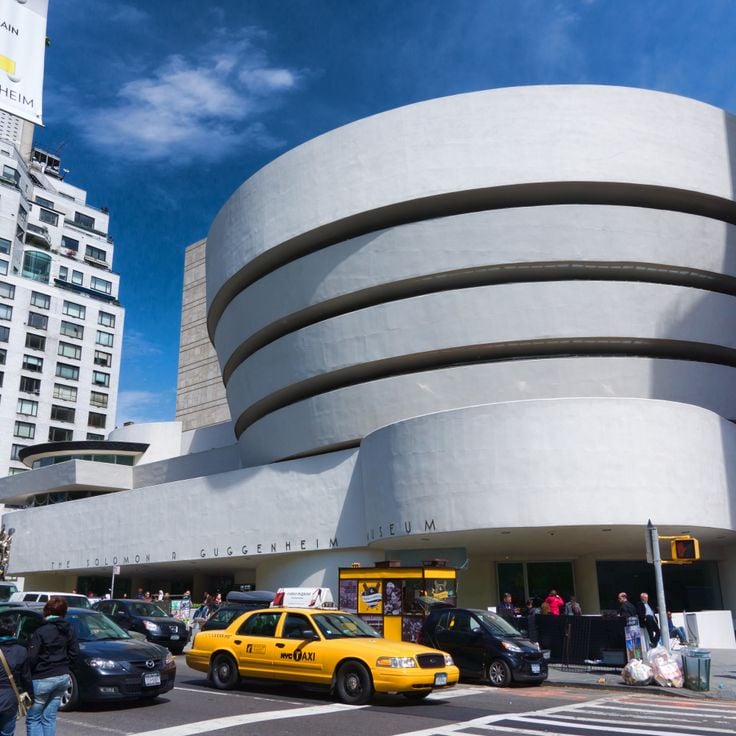
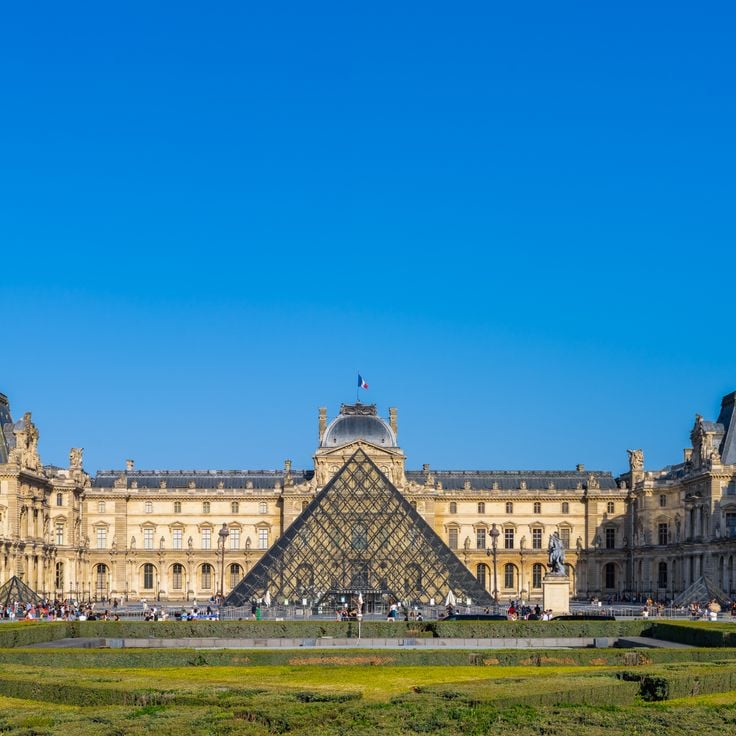
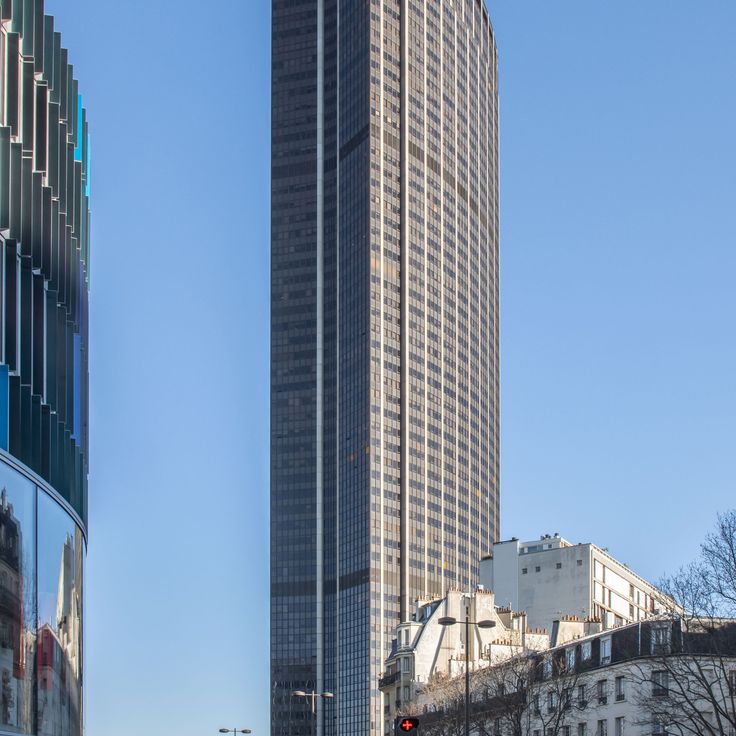
Some buildings have caused waves of criticism when they were built. Their unusual shape, large size, or high cost led to strong reactions. The Louvre pyramid in Paris, with its glass structure in the middle of a classical palace, surprised Parisians in the 1980s. The Guggenheim Museum in New York, with its white concrete spiral, was compared to a washing machine when it opened in 1959. The Montparnasse Tower, which has overlooked the Parisian neighborhood since 1973, even led to a law banning tall buildings in the city. These structures show how modern design can challenge local views and change how a city is seen.
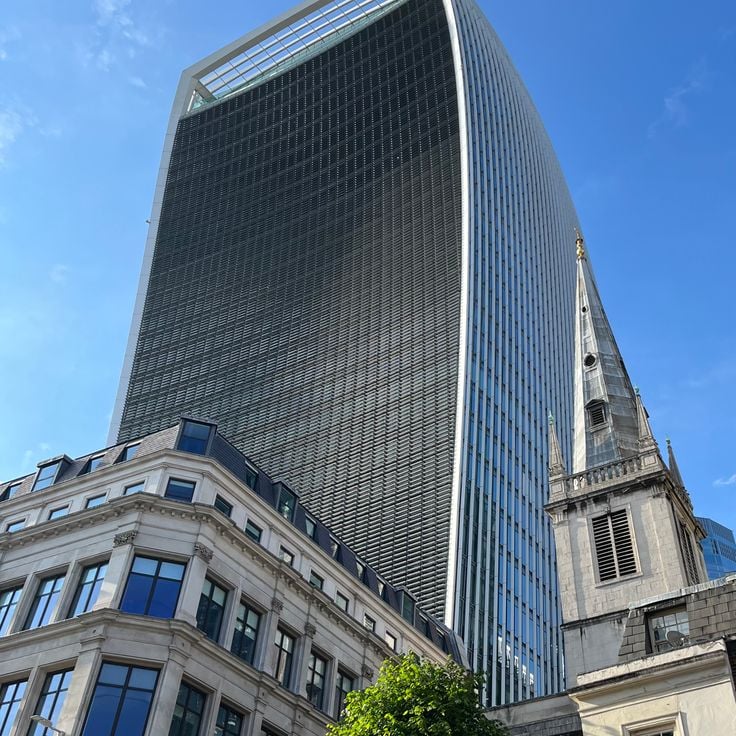
Other buildings still cause debate. In Mumbai, the Antilia tower rises 27 floors to hold one family. It shows wealth in a city with many crowded areas. In Pyongyang, the Ryugyong Hotel has stayed unfinished for decades. It’s a empty pyramid with 105 floors, showing big ambitions. In London, the Fenchurch Street skyscraper, called the “Walkie-Talkie” because of its shape, reflects the sunlight so strongly it can melt car parts. Places like these show how some projects raise questions about their purpose beyond looks. They involve space use, money, and how they affect daily life.
(Translation in 'es', 'it', 'nl', 'pl', 'pt' fields would be provided similarly based on this pattern, but are left blank here for brevity.)
Controversial buildings: monuments and skyscrapers that sparked debates
Some buildings have caused waves of criticism when they were built. Their unusual shape, large size, or high cost led to strong reactions. The Louvre pyramid in Paris, with its glass structure in the middle of a classical palace, surprised Parisians in the 1980s. The Guggenheim Museum in New York, with its white concrete spiral, was compared to a washing machine when it opened in 1959. The Montparnasse Tower, which has overlooked the Parisian neighborhood since 1973, even led to a law banning tall buildings in the city. These structures show how modern design can challenge local views and change how a city is seen.
Other buildings still cause debate. In Mumbai, the Antilia tower rises 27 floors to hold one family. It shows wealth in a city with many crowded areas. In Pyongyang, the Ryugyong Hotel has stayed unfinished for decades. It’s a empty pyramid with 105 floors, showing big ambitions. In London, the Fenchurch Street skyscraper, called the “Walkie-Talkie” because of its shape, reflects the sunlight so strongly it can melt car parts. Places like these show how some projects raise questions about their purpose beyond looks. They involve space use, money, and how they affect daily life.
(Translation in 'es', 'it', 'nl', 'pl', 'pt' fields would be provided similarly based on this pattern, but are left blank here for brevity.)
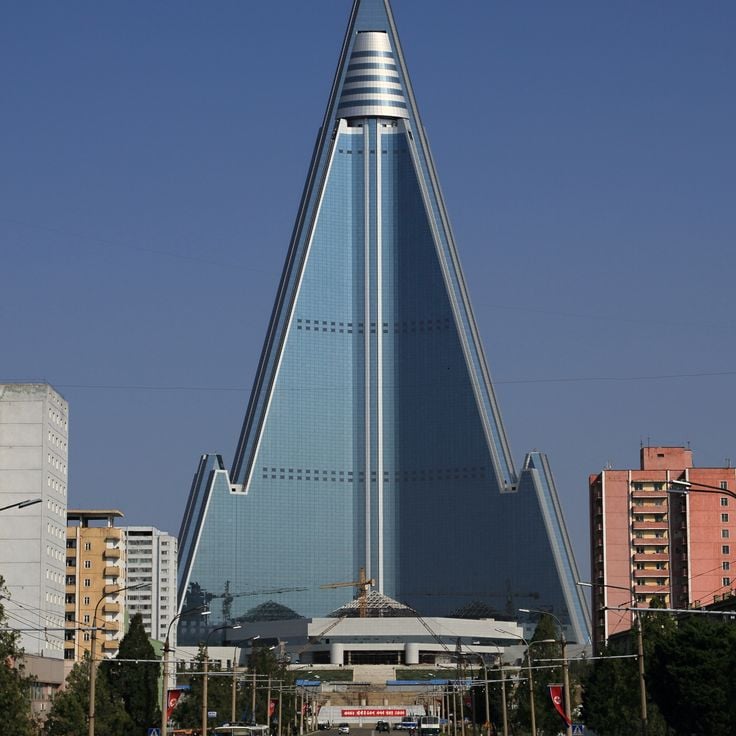
The Ryugyong Hotel rises as a concrete pyramid with 105 floors above Pyongyang. Construction began in the late 1980s, then stood still for over a decade, and was later partially resumed without ever being completed. The outer glass facade was added in the 2010s, but the interior remained empty. At 330 meters (about 1,080 feet) tall, this building was meant to be a symbol of national greatness, yet the reality shows an unfinished structure that has shaped the city skyline for decades without ever welcoming guests.
Boston's City Hall stands as one of the most debated examples of brutalist architecture in the United States. Completed in the late 1960s, this administrative building has divided opinions since its opening. Its massive concrete facades, sharp angles, and uncompromising geometry embody an aesthetic that many find cold and unwelcoming. The plaza in front of the structure often feels empty and harsh, a space that pedestrians tend to avoid rather than cross. Critics accuse the building of overpowering its urban surroundings and failing to connect with the historic brick buildings nearby. Supporters, however, see this structure as an important testament to an era that valued clarity and function. Debates about demolition or renovation surface regularly, while City Hall continues to serve as the seat of municipal government.
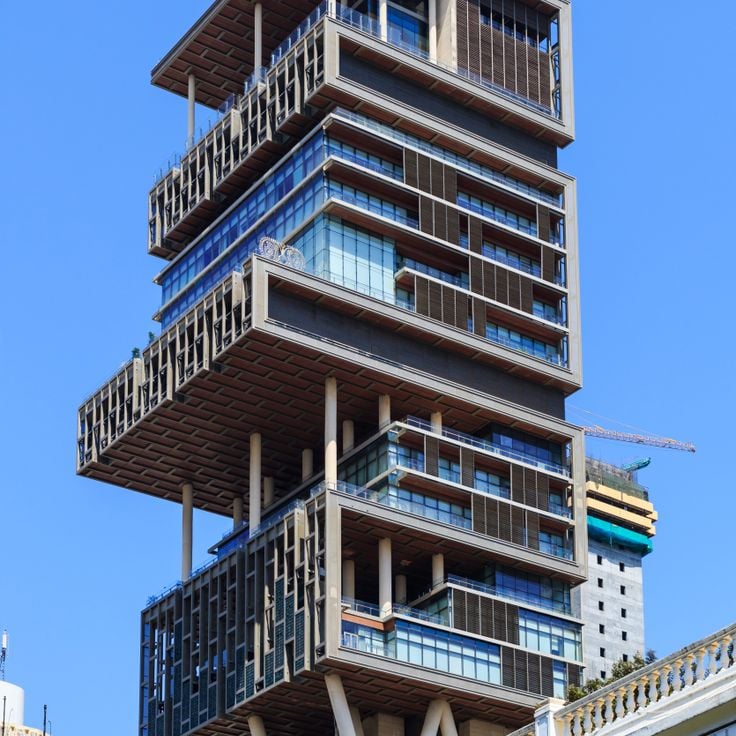
This private tower in south Mumbai spreads 27 floors across a footprint reserved for a single family. The residence combines a cinema, swimming pool and helicopter landing pad in a building that rises more than 500 feet (150 meters). In a city where millions live in tight quarters, this tower stands as a symbol of inequality. Glass facades and tropical gardens on multiple levels define the architecture. The construction and space use have triggered discussions about the social responsibility of extreme wealth. The building sits in a neighborhood where luxury properties exist alongside densely populated areas.
This 38-story tower earned a nickname because of its bulging shape, which resembles a handheld radio. When it opened in 2014, its curved glass panels reflected sunlight so intensely onto the street below that they melted parts of parked cars. Shopkeepers reported scorched carpets in their stores, and one journalist fried an egg live on television on the sidewalk. The architects had to install a sunshade made of horizontal fins across the south-facing side. The building also has a public viewing gallery on the 35th floor, which is open to visitors and offers views across the city.
The Solomon R. Guggenheim Museum rests on Fifth Avenue with its white spiral form rising against rectangular neighbors. Frank Lloyd Wright designed this shape as a gently sloping ramp that guides visitors upward inside. When the museum opened in 1959, it sparked heated reactions, with some calling it an upside-down sugar bowl or comparing it to a washing machine. The curved outer wall appears closed, with only a few windows breaking the surface. Inside, a long spiral ramp extends upward for several levels, artworks hanging along the walls of this curve. The organic lines stood in contrast to the plain architecture of that era. Today the museum has become part of the cityscape, its round silhouette marking a fixed point along the avenue.
The Louvre Pyramid was unveiled in 1989 and immediately sparked a wave of outrage. Its glass structure stands in the courtyard of the historic palace, breaking sharply with the 17th-century facades that surround it. Many Parisians saw the structure as an affront to the classical architecture of the place. Architect Ieoh Ming Pei designed this geometric form as the new main entrance to the museum. The construction measures 69 feet in height (21 meters) and consists of 673 glass panes held by a metal framework. Beneath the pyramid lies a large entrance hall that provides access to the various wings of the museum. Though it is now considered part of the Parisian landscape, it remains an example of how modern interventions in historic places can initially meet with resistance.
The Tour Montparnasse is one of the high-rises that triggered fierce criticism when it was built. This glass and concrete office tower reaches 689 ft (210 m) and was constructed between 1969 and 1973 on the Left Bank of Paris. Its dark facade rises above a neighborhood that had been defined by lower buildings. The reaction was so negative that shortly after its completion, a law was passed banning the construction of high-rises in central Paris. Today the tower houses offices, a restaurant, and an observation deck on the 56th floor that offers views across the city. It remains an example of how a single building can change the urban planning rules of a capital.
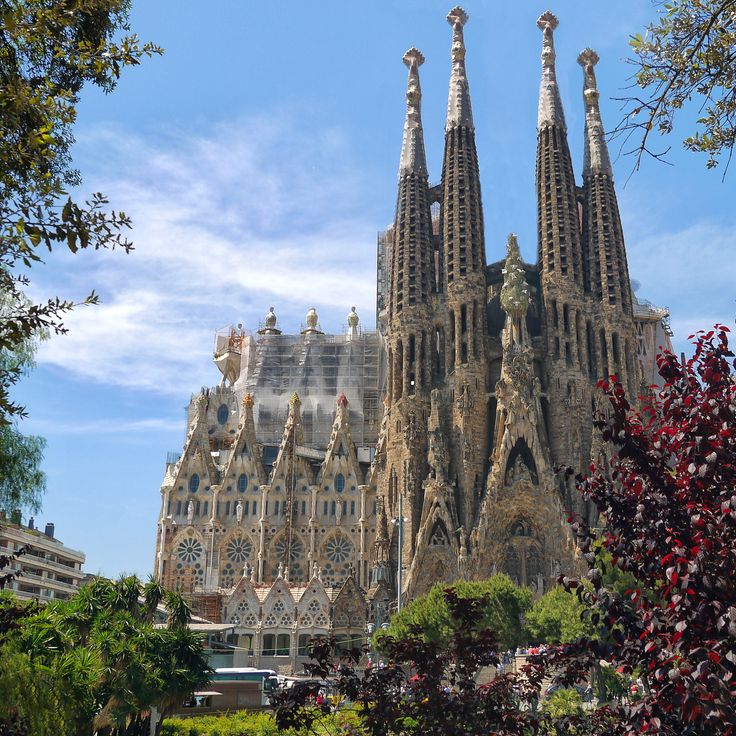
The Sagrada Familia triggered heated debates when it was planned. Antoni Gaudí's design, with its organic shapes and colorful facades, seemed too bold for a church to many. Critics considered the project impossible, others spoke of architectural arbitrariness. The basilica has been growing since 1882 and is still unfinished. Its towers rise above Barcelona, its walls show biblical scenes in unusual forms. The interior resembles a forest of columns that branch toward the ceiling. Light falls through colored windows and bathes the space in changing tones. Gaudí himself knew he would not see its completion. Today thousands of people visit this construction site daily, which stands between sacred building and experiment. The Sagrada Familia remains a place where admiration and skepticism blend.
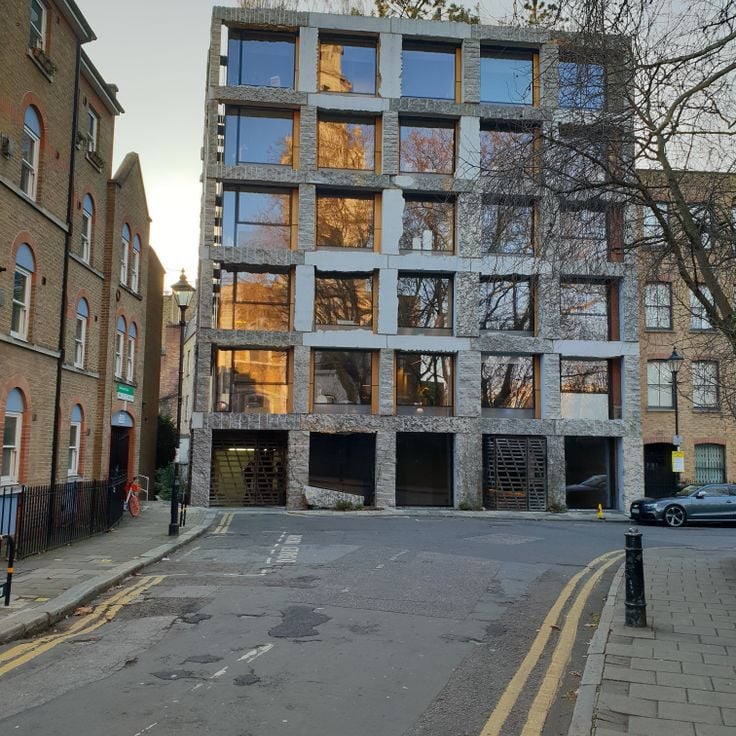
This building stands in a former industrial area that has turned into a business and residential district. The limestone facade contains visible fossils, a deliberate choice during construction. Soon after completion, local residents and critics called for its demolition, arguing that the design does not fit the neighborhood. Authorities refused the request, so the structure remains. The story shows how strongly architecture can divide opinions in urban space and raises questions about how new forms interact with older parts of the city.
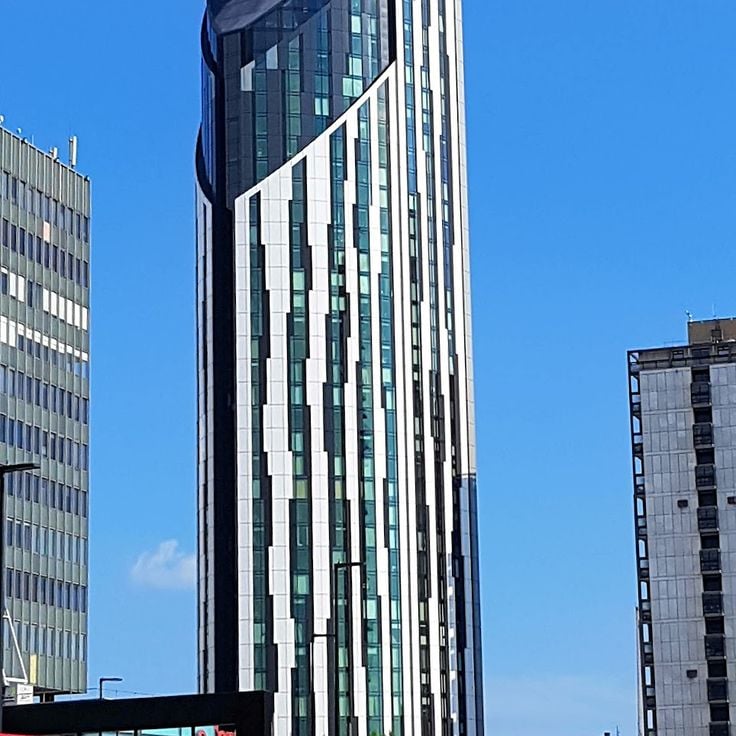
Strata SE1 is a residential tower rising 43 floors in south London. At its top, three wind turbines spin, intended to make the building a symbol of green architecture when it opened in 2010. These turbines were supposed to supply part of the electricity for residents, but in practice they often stood still. The lack of efficiency and the symbolic use of renewable energy drew criticism. Many observers accused the project of misusing ecological promises to create a modern image without delivering real environmental benefits. The tower shows how architectural gestures sometimes focus more on communication than on function.
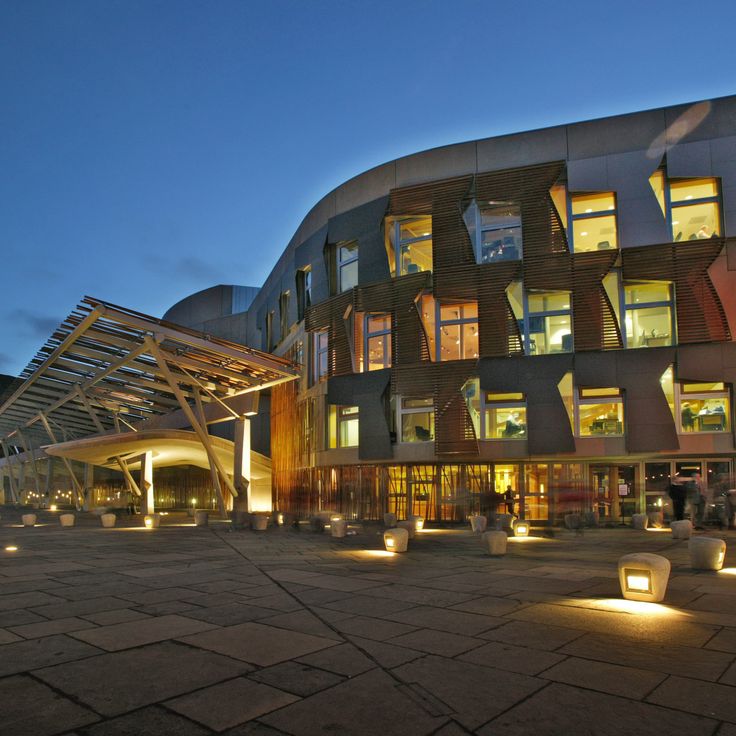
The Scottish Parliament Building was completed in 2004 and serves as the seat of the Scottish Parliament. The final cost exceeded the original estimates by ten times, sparking heated debate. The architecture combines concrete, wood, and glass in an unusual form that stands apart from the traditional buildings in the area. Some found the design too modern for the historic Old Town, while others criticized the long delays during construction. The building consists of several connected sections that resemble boats or overturned ships. The windows follow no uniform pattern, giving the whole an irregular appearance. Inside, winding corridors lead to the meeting chambers, and the ceilings are lined with wooden beams. Despite the controversies at its opening, the Parliament is now a fixed part of the city. Visitors can join guided tours and see the rooms where Scottish members debate and vote.
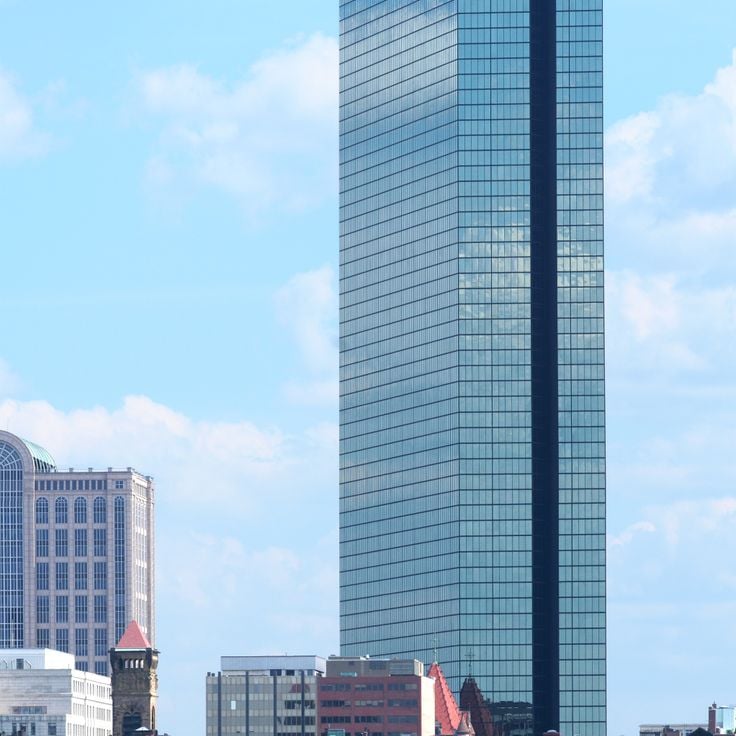
This glass and steel tower was designed in the late 1960s and rises about 790 feet (240 meters) across 62 floors. The reflective facade was meant to express modern elegance, but during construction, large glass panes detached during strong winds and fell onto the street below. Boston residents had to live with temporary plywood panels covering the building until engineers found a solution. The tower shows how ambitious architecture can meet practical limits and how a building can become a symbol of technical trouble, even after it later regains its intended appearance.
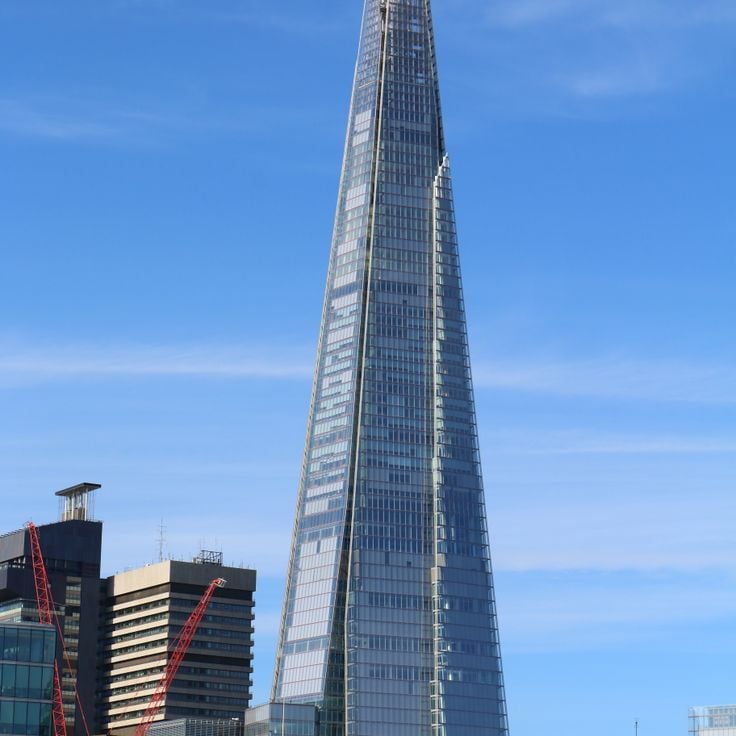
The Shard rises above the southern side of the Thames, cutting into the London skyline with its 95 floors and pointed glass facade. Many residents have criticized the height and the shape for altering the familiar cityscape and overshadowing the historic proportions of the neighborhood. Inside, the building offers offices, restaurants, and an observation deck; outside, it resembles a crystal that changes color with the light. The streets around the tower lie in the shadow of the giant, and passersby notice the contrasts between the old brick buildings and the modern glass wall that looms above them.
This administrative complex was built in the 1980s under Nicolae Ceaușescu and was meant to embody the power of the socialist regime. An entire neighborhood was torn down for its construction, and thousands of people had to leave their homes. The building site employed over 20,000 workers at times, many working day and night. The building spreads across several hectares and reaches a height of 276 feet (84 meters), with additional floors extending underground. The interior rooms are lined with marble, crystal, and wood brought from all over the country. After the fall of the dictatorship, most of the rooms remained empty. Today, the palace houses the parliament and some museums, but many halls stay unused. The scale of the building, its history, and the sacrifices it demanded continue to stir debate.
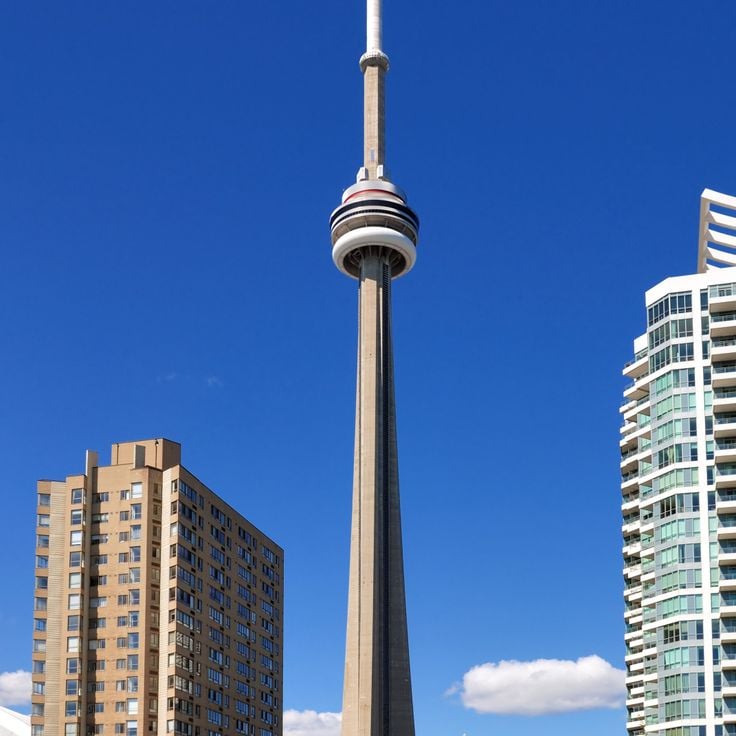
The CN Tower rises 553 meters (1,815 feet) above Toronto, dominating the skyline since 1976. This concrete telecommunications tower sparked protests during its construction because critics saw it as expensive and unnecessary. Many questioned whether the city really needed such a structure just to place antennas higher in the air. The tower transformed the urban landscape and became a symbol of an era when height and visibility represented urban modernity. Today visitors come for the observation deck and the rotating restaurant, while the original broadcasting purpose has faded into the background.
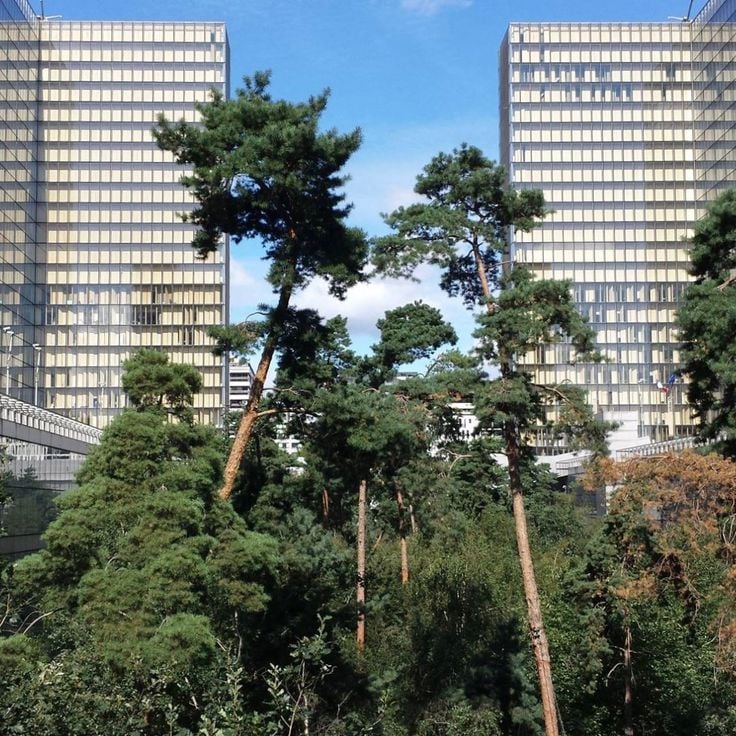
This library consists of four glass towers shaped like open books, arranged around a rectangular courtyard. Each tower reaches 22 stories high and the reading rooms sit several floors underground. The building was completed in the 1990s and immediately triggered heated discussions. Many critics complained that the glass facades expose the books to sunlight, endangering their preservation. The underground rooms were described as dark and impractical. Architects and librarians pointed out technical difficulties, while the general public found the monumental appearance cold and unwelcoming. The wooden decks around the courtyard often remain empty, as the wind blows hard there. Despite these objections, the library has become a workplace for students and researchers who find space in the vast halls. The debate around this building shows how functionality and symbolic gestures can be difficult to reconcile.
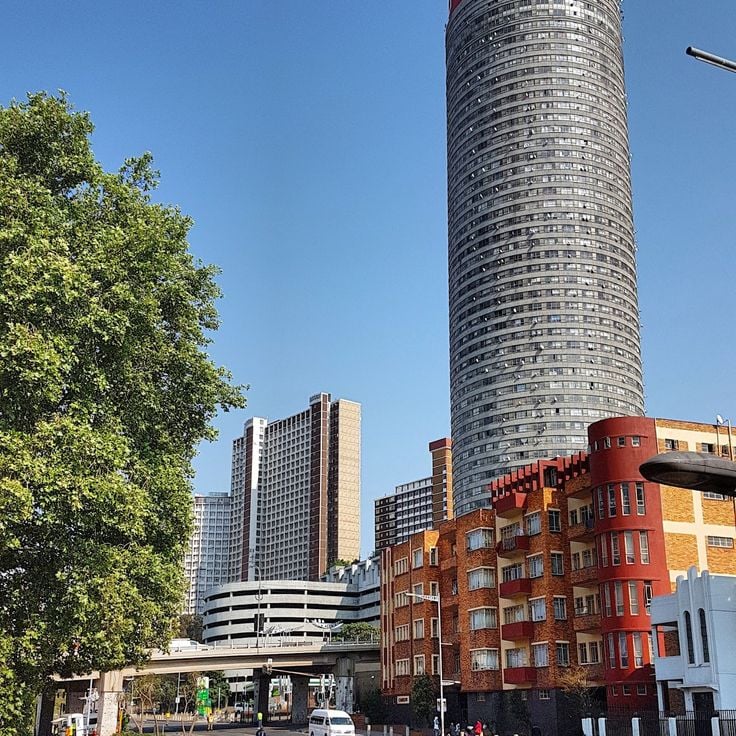
The Ponte City Tower rises in the heart of Johannesburg. It was built in 1975 and was considered the tallest residential building in Africa at the time. Its round floor plan and open central space form an architectural experiment that stands out in the South African city. During the decades after apartheid, the area lost its appeal, and the tower became a symbol of urban decline. Trash piled up in the courtyard, many apartments stood empty. Later, renovation projects began to make the building livable again. Today, the Ponte City Tower represents the challenges and hopes of a city reinventing itself.
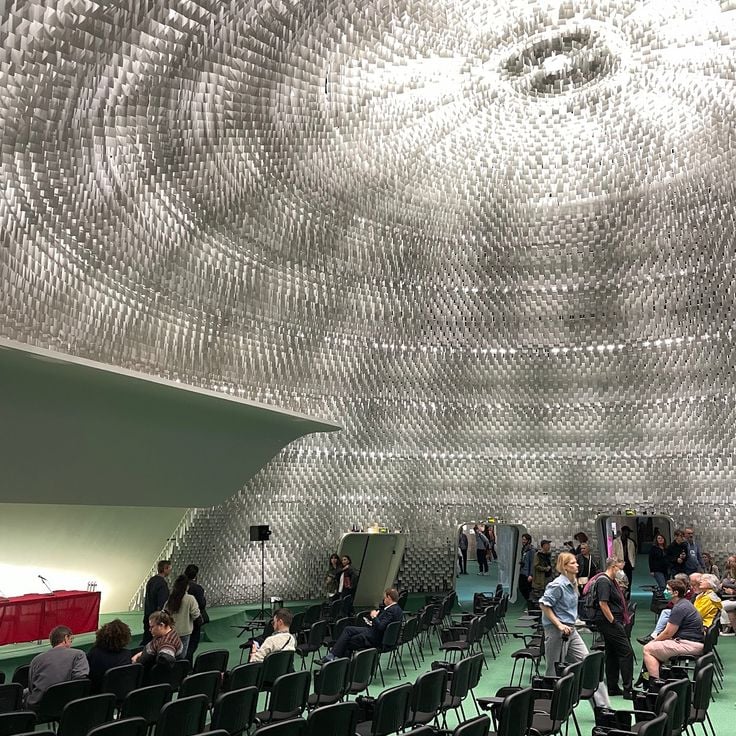
The headquarters of the French Communist Party in Paris displays a brutalist concrete architecture that sparked heated discussions when it opened in 1980. Architect Oscar Niemeyer designed the building with white concrete and sharp angles that break from classic Parisian style. The facade combines curved and angular forms that some found too dominant for the neighborhood. The structure sits on Avenue Colonel Fabien and forms a clear contrast with the surrounding historical buildings. The massing and rough surfaces read like a political statement in stone. Today the building belongs among examples of architecture that divided public opinion and continues to raise questions about aesthetics and urban design.
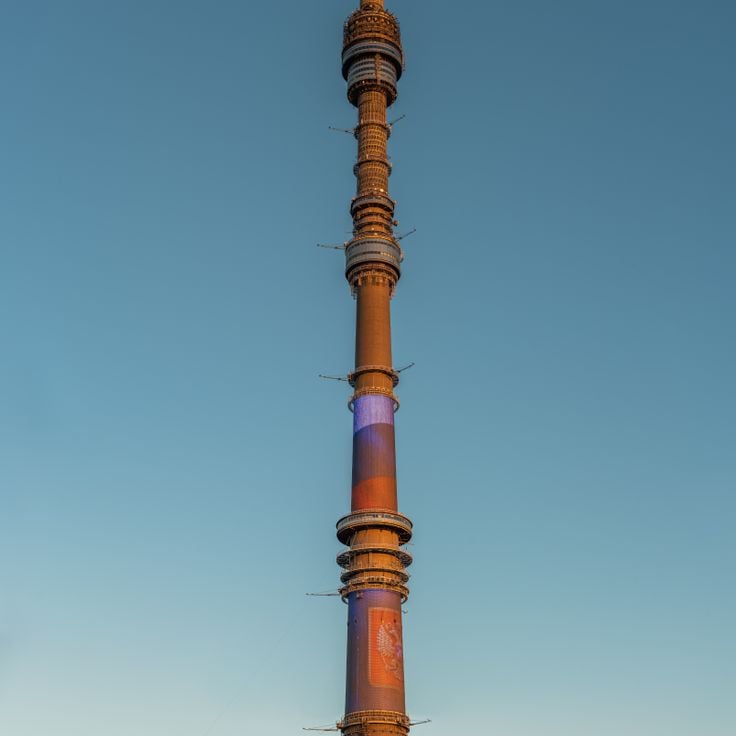
The Ostankino Tower rises to 1772 feet (540 meters) over Moscow and stands among the tallest freestanding structures in the world. It was built in the late 1960s to broadcast Soviet television across the region. In 2000, a fire broke out on the upper floors, burning for several hours and killing three people. The flames damaged elevators, transmission equipment, and the observation deck. The blaze reignited debates about the safety of the structure, which is known for its experiments with concrete and its ambitious construction. Repairs took several years, and the tower gradually reopened to the public. Today, it continues to transmit television and radio programs and offers wide views over the city on clear days.
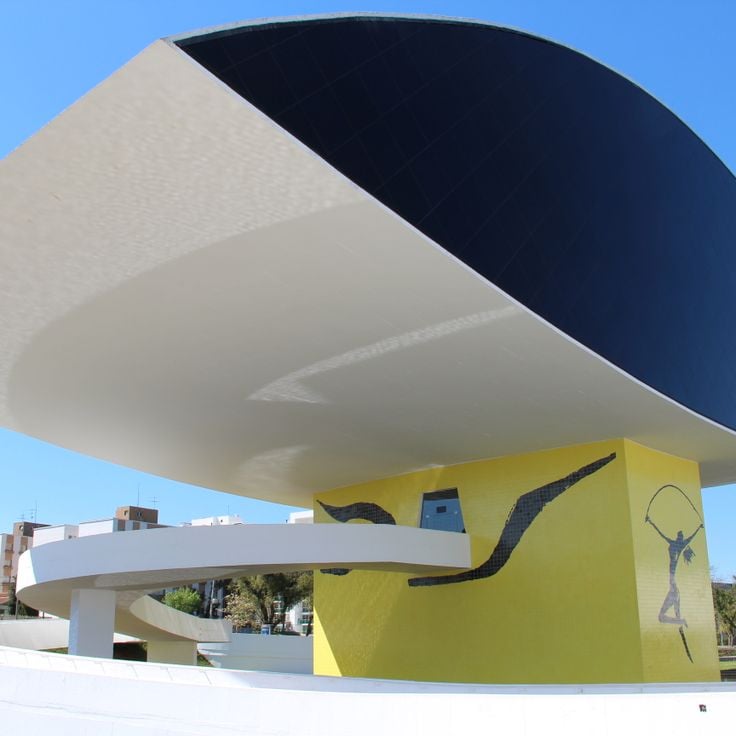
The Oscar Niemeyer Museum sparked controversy when it opened in 2002. The architect chose a bold form: a tower with a red ramp and a rounded volume suspended above the ground that resembles an eye. Residents of Curitiba reacted in different ways to this design. Some saw it as a daring gesture, others felt the building did not fit into the urban surroundings. Today the museum is perceived as part of the cityscape and attracts visitors who come to view contemporary art and experience the unusual architecture itself. The interior spaces are designed to accommodate exhibitions with changing formats, and the terraces offer a wide view of the city.
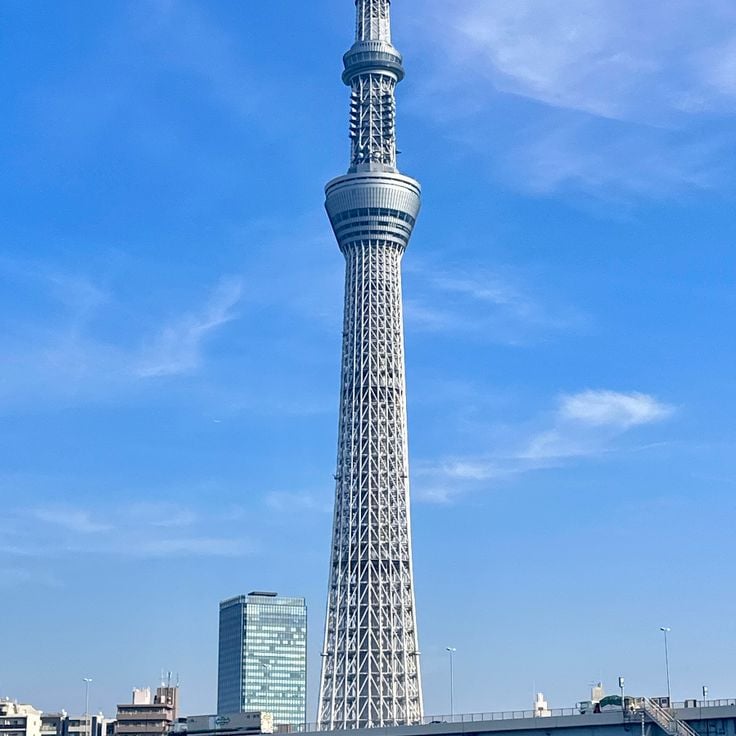
The Tokyo Skytree is a broadcasting tower that opened in 2012 and rises 2,080 feet (634 meters) above eastern Tokyo. Its design combines traditional Japanese architecture with modern engineering. The white and pale blue color scheme references local Edo-period craftsmanship. When it was built, the tower sparked debate because it altered the skyline and made existing television structures obsolete. Today it serves as a transmission tower, observation platform, and landmark for visitors from around the world.
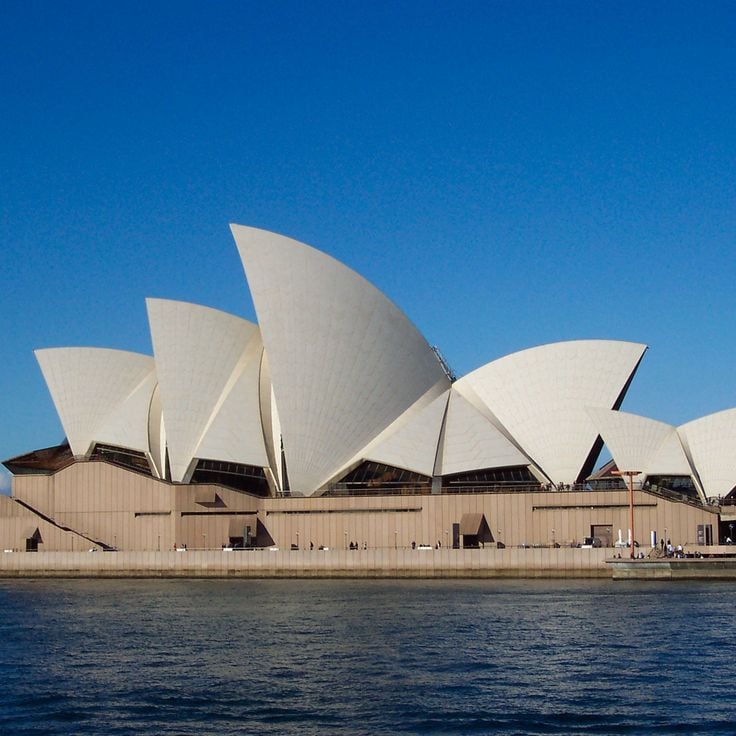
The Sydney Opera House carries white roofs shaped like shells, rising over the harbor bay. Construction lasted fourteen years longer than planned, and costs exceeded the original budget by more than fourteen times. Danish architect Jørn Utzon left the project before the building was completed in 1973. The curved roofs are made of more than one million white ceramic tiles that reflect sunlight. This building sparked fierce debates because its bold form departed from traditional opera house style and caused large financial burdens.
The Ryugyong Hotel rises as a concrete pyramid with 105 floors above Pyongyang. Construction began in the late 1980s, then stood still for over a decade, and was later partially resumed without ever being completed. The outer glass facade was added in the 2010s, but the interior remained empty. At 330 meters (about 1,080 feet) tall, this building was meant to be a symbol of national greatness, yet the reality shows an unfinished structure that has shaped the city skyline for decades without ever welcoming guests.
Boston's City Hall stands as one of the most debated examples of brutalist architecture in the United States. Completed in the late 1960s, this administrative building has divided opinions since its opening. Its massive concrete facades, sharp angles, and uncompromising geometry embody an aesthetic that many find cold and unwelcoming. The plaza in front of the structure often feels empty and harsh, a space that pedestrians tend to avoid rather than cross. Critics accuse the building of overpowering its urban surroundings and failing to connect with the historic brick buildings nearby. Supporters, however, see this structure as an important testament to an era that valued clarity and function. Debates about demolition or renovation surface regularly, while City Hall continues to serve as the seat of municipal government.
This private tower in south Mumbai spreads 27 floors across a footprint reserved for a single family. The residence combines a cinema, swimming pool and helicopter landing pad in a building that rises more than 500 feet (150 meters). In a city where millions live in tight quarters, this tower stands as a symbol of inequality. Glass facades and tropical gardens on multiple levels define the architecture. The construction and space use have triggered discussions about the social responsibility of extreme wealth. The building sits in a neighborhood where luxury properties exist alongside densely populated areas.
This 38-story tower earned a nickname because of its bulging shape, which resembles a handheld radio. When it opened in 2014, its curved glass panels reflected sunlight so intensely onto the street below that they melted parts of parked cars. Shopkeepers reported scorched carpets in their stores, and one journalist fried an egg live on television on the sidewalk. The architects had to install a sunshade made of horizontal fins across the south-facing side. The building also has a public viewing gallery on the 35th floor, which is open to visitors and offers views across the city.
The Solomon R. Guggenheim Museum rests on Fifth Avenue with its white spiral form rising against rectangular neighbors. Frank Lloyd Wright designed this shape as a gently sloping ramp that guides visitors upward inside. When the museum opened in 1959, it sparked heated reactions, with some calling it an upside-down sugar bowl or comparing it to a washing machine. The curved outer wall appears closed, with only a few windows breaking the surface. Inside, a long spiral ramp extends upward for several levels, artworks hanging along the walls of this curve. The organic lines stood in contrast to the plain architecture of that era. Today the museum has become part of the cityscape, its round silhouette marking a fixed point along the avenue.
The Louvre Pyramid was unveiled in 1989 and immediately sparked a wave of outrage. Its glass structure stands in the courtyard of the historic palace, breaking sharply with the 17th-century facades that surround it. Many Parisians saw the structure as an affront to the classical architecture of the place. Architect Ieoh Ming Pei designed this geometric form as the new main entrance to the museum. The construction measures 69 feet in height (21 meters) and consists of 673 glass panes held by a metal framework. Beneath the pyramid lies a large entrance hall that provides access to the various wings of the museum. Though it is now considered part of the Parisian landscape, it remains an example of how modern interventions in historic places can initially meet with resistance.
The Tour Montparnasse is one of the high-rises that triggered fierce criticism when it was built. This glass and concrete office tower reaches 689 ft (210 m) and was constructed between 1969 and 1973 on the Left Bank of Paris. Its dark facade rises above a neighborhood that had been defined by lower buildings. The reaction was so negative that shortly after its completion, a law was passed banning the construction of high-rises in central Paris. Today the tower houses offices, a restaurant, and an observation deck on the 56th floor that offers views across the city. It remains an example of how a single building can change the urban planning rules of a capital.
The Sagrada Familia triggered heated debates when it was planned. Antoni Gaudí's design, with its organic shapes and colorful facades, seemed too bold for a church to many. Critics considered the project impossible, others spoke of architectural arbitrariness. The basilica has been growing since 1882 and is still unfinished. Its towers rise above Barcelona, its walls show biblical scenes in unusual forms. The interior resembles a forest of columns that branch toward the ceiling. Light falls through colored windows and bathes the space in changing tones. Gaudí himself knew he would not see its completion. Today thousands of people visit this construction site daily, which stands between sacred building and experiment. The Sagrada Familia remains a place where admiration and skepticism blend.
This building stands in a former industrial area that has turned into a business and residential district. The limestone facade contains visible fossils, a deliberate choice during construction. Soon after completion, local residents and critics called for its demolition, arguing that the design does not fit the neighborhood. Authorities refused the request, so the structure remains. The story shows how strongly architecture can divide opinions in urban space and raises questions about how new forms interact with older parts of the city.
Strata SE1 is a residential tower rising 43 floors in south London. At its top, three wind turbines spin, intended to make the building a symbol of green architecture when it opened in 2010. These turbines were supposed to supply part of the electricity for residents, but in practice they often stood still. The lack of efficiency and the symbolic use of renewable energy drew criticism. Many observers accused the project of misusing ecological promises to create a modern image without delivering real environmental benefits. The tower shows how architectural gestures sometimes focus more on communication than on function.
The Scottish Parliament Building was completed in 2004 and serves as the seat of the Scottish Parliament. The final cost exceeded the original estimates by ten times, sparking heated debate. The architecture combines concrete, wood, and glass in an unusual form that stands apart from the traditional buildings in the area. Some found the design too modern for the historic Old Town, while others criticized the long delays during construction. The building consists of several connected sections that resemble boats or overturned ships. The windows follow no uniform pattern, giving the whole an irregular appearance. Inside, winding corridors lead to the meeting chambers, and the ceilings are lined with wooden beams. Despite the controversies at its opening, the Parliament is now a fixed part of the city. Visitors can join guided tours and see the rooms where Scottish members debate and vote.
This glass and steel tower was designed in the late 1960s and rises about 790 feet (240 meters) across 62 floors. The reflective facade was meant to express modern elegance, but during construction, large glass panes detached during strong winds and fell onto the street below. Boston residents had to live with temporary plywood panels covering the building until engineers found a solution. The tower shows how ambitious architecture can meet practical limits and how a building can become a symbol of technical trouble, even after it later regains its intended appearance.
The Shard rises above the southern side of the Thames, cutting into the London skyline with its 95 floors and pointed glass facade. Many residents have criticized the height and the shape for altering the familiar cityscape and overshadowing the historic proportions of the neighborhood. Inside, the building offers offices, restaurants, and an observation deck; outside, it resembles a crystal that changes color with the light. The streets around the tower lie in the shadow of the giant, and passersby notice the contrasts between the old brick buildings and the modern glass wall that looms above them.
This administrative complex was built in the 1980s under Nicolae Ceaușescu and was meant to embody the power of the socialist regime. An entire neighborhood was torn down for its construction, and thousands of people had to leave their homes. The building site employed over 20,000 workers at times, many working day and night. The building spreads across several hectares and reaches a height of 276 feet (84 meters), with additional floors extending underground. The interior rooms are lined with marble, crystal, and wood brought from all over the country. After the fall of the dictatorship, most of the rooms remained empty. Today, the palace houses the parliament and some museums, but many halls stay unused. The scale of the building, its history, and the sacrifices it demanded continue to stir debate.
The CN Tower rises 553 meters (1,815 feet) above Toronto, dominating the skyline since 1976. This concrete telecommunications tower sparked protests during its construction because critics saw it as expensive and unnecessary. Many questioned whether the city really needed such a structure just to place antennas higher in the air. The tower transformed the urban landscape and became a symbol of an era when height and visibility represented urban modernity. Today visitors come for the observation deck and the rotating restaurant, while the original broadcasting purpose has faded into the background.
This library consists of four glass towers shaped like open books, arranged around a rectangular courtyard. Each tower reaches 22 stories high and the reading rooms sit several floors underground. The building was completed in the 1990s and immediately triggered heated discussions. Many critics complained that the glass facades expose the books to sunlight, endangering their preservation. The underground rooms were described as dark and impractical. Architects and librarians pointed out technical difficulties, while the general public found the monumental appearance cold and unwelcoming. The wooden decks around the courtyard often remain empty, as the wind blows hard there. Despite these objections, the library has become a workplace for students and researchers who find space in the vast halls. The debate around this building shows how functionality and symbolic gestures can be difficult to reconcile.
The Ponte City Tower rises in the heart of Johannesburg. It was built in 1975 and was considered the tallest residential building in Africa at the time. Its round floor plan and open central space form an architectural experiment that stands out in the South African city. During the decades after apartheid, the area lost its appeal, and the tower became a symbol of urban decline. Trash piled up in the courtyard, many apartments stood empty. Later, renovation projects began to make the building livable again. Today, the Ponte City Tower represents the challenges and hopes of a city reinventing itself.
The headquarters of the French Communist Party in Paris displays a brutalist concrete architecture that sparked heated discussions when it opened in 1980. Architect Oscar Niemeyer designed the building with white concrete and sharp angles that break from classic Parisian style. The facade combines curved and angular forms that some found too dominant for the neighborhood. The structure sits on Avenue Colonel Fabien and forms a clear contrast with the surrounding historical buildings. The massing and rough surfaces read like a political statement in stone. Today the building belongs among examples of architecture that divided public opinion and continues to raise questions about aesthetics and urban design.
The Ostankino Tower rises to 1772 feet (540 meters) over Moscow and stands among the tallest freestanding structures in the world. It was built in the late 1960s to broadcast Soviet television across the region. In 2000, a fire broke out on the upper floors, burning for several hours and killing three people. The flames damaged elevators, transmission equipment, and the observation deck. The blaze reignited debates about the safety of the structure, which is known for its experiments with concrete and its ambitious construction. Repairs took several years, and the tower gradually reopened to the public. Today, it continues to transmit television and radio programs and offers wide views over the city on clear days.
The Oscar Niemeyer Museum sparked controversy when it opened in 2002. The architect chose a bold form: a tower with a red ramp and a rounded volume suspended above the ground that resembles an eye. Residents of Curitiba reacted in different ways to this design. Some saw it as a daring gesture, others felt the building did not fit into the urban surroundings. Today the museum is perceived as part of the cityscape and attracts visitors who come to view contemporary art and experience the unusual architecture itself. The interior spaces are designed to accommodate exhibitions with changing formats, and the terraces offer a wide view of the city.
The Tokyo Skytree is a broadcasting tower that opened in 2012 and rises 2,080 feet (634 meters) above eastern Tokyo. Its design combines traditional Japanese architecture with modern engineering. The white and pale blue color scheme references local Edo-period craftsmanship. When it was built, the tower sparked debate because it altered the skyline and made existing television structures obsolete. Today it serves as a transmission tower, observation platform, and landmark for visitors from around the world.
The Sydney Opera House carries white roofs shaped like shells, rising over the harbor bay. Construction lasted fourteen years longer than planned, and costs exceeded the original budget by more than fourteen times. Danish architect Jørn Utzon left the project before the building was completed in 1973. The curved roofs are made of more than one million white ceramic tiles that reflect sunlight. This building sparked fierce debates because its bold form departed from traditional opera house style and caused large financial burdens.
The Ryugyong Hotel rises as a concrete pyramid with 105 floors above Pyongyang. Construction began in the late 1980s, then stood still for over a decade, and was later partially resumed without ever being completed. The outer glass facade was added in the 2010s, but the interior remained empty. At 330 meters (about 1,080 feet) tall, this building was meant to be a symbol of national greatness, yet the reality shows an unfinished structure that has shaped the city skyline for decades without ever welcoming guests.
Boston's City Hall stands as one of the most debated examples of brutalist architecture in the United States. Completed in the late 1960s, this administrative building has divided opinions since its opening. Its massive concrete facades, sharp angles, and uncompromising geometry embody an aesthetic that many find cold and unwelcoming. The plaza in front of the structure often feels empty and harsh, a space that pedestrians tend to avoid rather than cross. Critics accuse the building of overpowering its urban surroundings and failing to connect with the historic brick buildings nearby. Supporters, however, see this structure as an important testament to an era that valued clarity and function. Debates about demolition or renovation surface regularly, while City Hall continues to serve as the seat of municipal government.
This private tower in south Mumbai spreads 27 floors across a footprint reserved for a single family. The residence combines a cinema, swimming pool and helicopter landing pad in a building that rises more than 500 feet (150 meters). In a city where millions live in tight quarters, this tower stands as a symbol of inequality. Glass facades and tropical gardens on multiple levels define the architecture. The construction and space use have triggered discussions about the social responsibility of extreme wealth. The building sits in a neighborhood where luxury properties exist alongside densely populated areas.
This 38-story tower earned a nickname because of its bulging shape, which resembles a handheld radio. When it opened in 2014, its curved glass panels reflected sunlight so intensely onto the street below that they melted parts of parked cars. Shopkeepers reported scorched carpets in their stores, and one journalist fried an egg live on television on the sidewalk. The architects had to install a sunshade made of horizontal fins across the south-facing side. The building also has a public viewing gallery on the 35th floor, which is open to visitors and offers views across the city.
The Solomon R. Guggenheim Museum rests on Fifth Avenue with its white spiral form rising against rectangular neighbors. Frank Lloyd Wright designed this shape as a gently sloping ramp that guides visitors upward inside. When the museum opened in 1959, it sparked heated reactions, with some calling it an upside-down sugar bowl or comparing it to a washing machine. The curved outer wall appears closed, with only a few windows breaking the surface. Inside, a long spiral ramp extends upward for several levels, artworks hanging along the walls of this curve. The organic lines stood in contrast to the plain architecture of that era. Today the museum has become part of the cityscape, its round silhouette marking a fixed point along the avenue.
The Louvre Pyramid was unveiled in 1989 and immediately sparked a wave of outrage. Its glass structure stands in the courtyard of the historic palace, breaking sharply with the 17th-century facades that surround it. Many Parisians saw the structure as an affront to the classical architecture of the place. Architect Ieoh Ming Pei designed this geometric form as the new main entrance to the museum. The construction measures 69 feet in height (21 meters) and consists of 673 glass panes held by a metal framework. Beneath the pyramid lies a large entrance hall that provides access to the various wings of the museum. Though it is now considered part of the Parisian landscape, it remains an example of how modern interventions in historic places can initially meet with resistance.
The Tour Montparnasse is one of the high-rises that triggered fierce criticism when it was built. This glass and concrete office tower reaches 689 ft (210 m) and was constructed between 1969 and 1973 on the Left Bank of Paris. Its dark facade rises above a neighborhood that had been defined by lower buildings. The reaction was so negative that shortly after its completion, a law was passed banning the construction of high-rises in central Paris. Today the tower houses offices, a restaurant, and an observation deck on the 56th floor that offers views across the city. It remains an example of how a single building can change the urban planning rules of a capital.
The Sagrada Familia triggered heated debates when it was planned. Antoni Gaudí's design, with its organic shapes and colorful facades, seemed too bold for a church to many. Critics considered the project impossible, others spoke of architectural arbitrariness. The basilica has been growing since 1882 and is still unfinished. Its towers rise above Barcelona, its walls show biblical scenes in unusual forms. The interior resembles a forest of columns that branch toward the ceiling. Light falls through colored windows and bathes the space in changing tones. Gaudí himself knew he would not see its completion. Today thousands of people visit this construction site daily, which stands between sacred building and experiment. The Sagrada Familia remains a place where admiration and skepticism blend.
This building stands in a former industrial area that has turned into a business and residential district. The limestone facade contains visible fossils, a deliberate choice during construction. Soon after completion, local residents and critics called for its demolition, arguing that the design does not fit the neighborhood. Authorities refused the request, so the structure remains. The story shows how strongly architecture can divide opinions in urban space and raises questions about how new forms interact with older parts of the city.
Strata SE1 is a residential tower rising 43 floors in south London. At its top, three wind turbines spin, intended to make the building a symbol of green architecture when it opened in 2010. These turbines were supposed to supply part of the electricity for residents, but in practice they often stood still. The lack of efficiency and the symbolic use of renewable energy drew criticism. Many observers accused the project of misusing ecological promises to create a modern image without delivering real environmental benefits. The tower shows how architectural gestures sometimes focus more on communication than on function.
The Scottish Parliament Building was completed in 2004 and serves as the seat of the Scottish Parliament. The final cost exceeded the original estimates by ten times, sparking heated debate. The architecture combines concrete, wood, and glass in an unusual form that stands apart from the traditional buildings in the area. Some found the design too modern for the historic Old Town, while others criticized the long delays during construction. The building consists of several connected sections that resemble boats or overturned ships. The windows follow no uniform pattern, giving the whole an irregular appearance. Inside, winding corridors lead to the meeting chambers, and the ceilings are lined with wooden beams. Despite the controversies at its opening, the Parliament is now a fixed part of the city. Visitors can join guided tours and see the rooms where Scottish members debate and vote.
This glass and steel tower was designed in the late 1960s and rises about 790 feet (240 meters) across 62 floors. The reflective facade was meant to express modern elegance, but during construction, large glass panes detached during strong winds and fell onto the street below. Boston residents had to live with temporary plywood panels covering the building until engineers found a solution. The tower shows how ambitious architecture can meet practical limits and how a building can become a symbol of technical trouble, even after it later regains its intended appearance.
The Shard rises above the southern side of the Thames, cutting into the London skyline with its 95 floors and pointed glass facade. Many residents have criticized the height and the shape for altering the familiar cityscape and overshadowing the historic proportions of the neighborhood. Inside, the building offers offices, restaurants, and an observation deck; outside, it resembles a crystal that changes color with the light. The streets around the tower lie in the shadow of the giant, and passersby notice the contrasts between the old brick buildings and the modern glass wall that looms above them.
This administrative complex was built in the 1980s under Nicolae Ceaușescu and was meant to embody the power of the socialist regime. An entire neighborhood was torn down for its construction, and thousands of people had to leave their homes. The building site employed over 20,000 workers at times, many working day and night. The building spreads across several hectares and reaches a height of 276 feet (84 meters), with additional floors extending underground. The interior rooms are lined with marble, crystal, and wood brought from all over the country. After the fall of the dictatorship, most of the rooms remained empty. Today, the palace houses the parliament and some museums, but many halls stay unused. The scale of the building, its history, and the sacrifices it demanded continue to stir debate.
The CN Tower rises 553 meters (1,815 feet) above Toronto, dominating the skyline since 1976. This concrete telecommunications tower sparked protests during its construction because critics saw it as expensive and unnecessary. Many questioned whether the city really needed such a structure just to place antennas higher in the air. The tower transformed the urban landscape and became a symbol of an era when height and visibility represented urban modernity. Today visitors come for the observation deck and the rotating restaurant, while the original broadcasting purpose has faded into the background.
This library consists of four glass towers shaped like open books, arranged around a rectangular courtyard. Each tower reaches 22 stories high and the reading rooms sit several floors underground. The building was completed in the 1990s and immediately triggered heated discussions. Many critics complained that the glass facades expose the books to sunlight, endangering their preservation. The underground rooms were described as dark and impractical. Architects and librarians pointed out technical difficulties, while the general public found the monumental appearance cold and unwelcoming. The wooden decks around the courtyard often remain empty, as the wind blows hard there. Despite these objections, the library has become a workplace for students and researchers who find space in the vast halls. The debate around this building shows how functionality and symbolic gestures can be difficult to reconcile.
The Ponte City Tower rises in the heart of Johannesburg. It was built in 1975 and was considered the tallest residential building in Africa at the time. Its round floor plan and open central space form an architectural experiment that stands out in the South African city. During the decades after apartheid, the area lost its appeal, and the tower became a symbol of urban decline. Trash piled up in the courtyard, many apartments stood empty. Later, renovation projects began to make the building livable again. Today, the Ponte City Tower represents the challenges and hopes of a city reinventing itself.
The headquarters of the French Communist Party in Paris displays a brutalist concrete architecture that sparked heated discussions when it opened in 1980. Architect Oscar Niemeyer designed the building with white concrete and sharp angles that break from classic Parisian style. The facade combines curved and angular forms that some found too dominant for the neighborhood. The structure sits on Avenue Colonel Fabien and forms a clear contrast with the surrounding historical buildings. The massing and rough surfaces read like a political statement in stone. Today the building belongs among examples of architecture that divided public opinion and continues to raise questions about aesthetics and urban design.
The Ostankino Tower rises to 1772 feet (540 meters) over Moscow and stands among the tallest freestanding structures in the world. It was built in the late 1960s to broadcast Soviet television across the region. In 2000, a fire broke out on the upper floors, burning for several hours and killing three people. The flames damaged elevators, transmission equipment, and the observation deck. The blaze reignited debates about the safety of the structure, which is known for its experiments with concrete and its ambitious construction. Repairs took several years, and the tower gradually reopened to the public. Today, it continues to transmit television and radio programs and offers wide views over the city on clear days.
The Oscar Niemeyer Museum sparked controversy when it opened in 2002. The architect chose a bold form: a tower with a red ramp and a rounded volume suspended above the ground that resembles an eye. Residents of Curitiba reacted in different ways to this design. Some saw it as a daring gesture, others felt the building did not fit into the urban surroundings. Today the museum is perceived as part of the cityscape and attracts visitors who come to view contemporary art and experience the unusual architecture itself. The interior spaces are designed to accommodate exhibitions with changing formats, and the terraces offer a wide view of the city.
The Tokyo Skytree is a broadcasting tower that opened in 2012 and rises 2,080 feet (634 meters) above eastern Tokyo. Its design combines traditional Japanese architecture with modern engineering. The white and pale blue color scheme references local Edo-period craftsmanship. When it was built, the tower sparked debate because it altered the skyline and made existing television structures obsolete. Today it serves as a transmission tower, observation platform, and landmark for visitors from around the world.
The Sydney Opera House carries white roofs shaped like shells, rising over the harbor bay. Construction lasted fourteen years longer than planned, and costs exceeded the original budget by more than fourteen times. Danish architect Jørn Utzon left the project before the building was completed in 1973. The curved roofs are made of more than one million white ceramic tiles that reflect sunlight. This building sparked fierce debates because its bold form departed from traditional opera house style and caused large financial burdens.