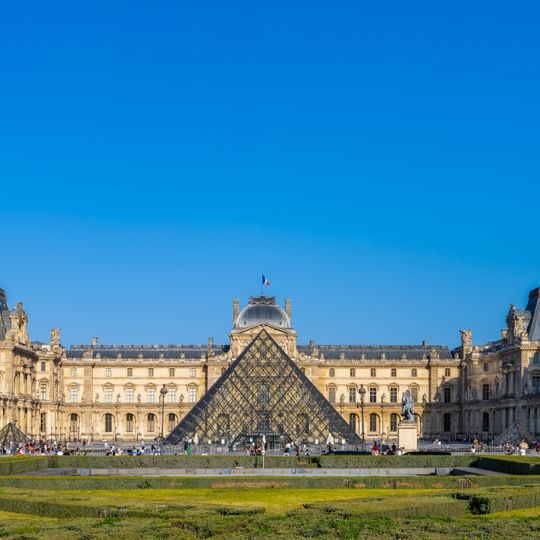
Louvre Pyramid, Glass and steel pyramid entrance at Cour Napoléon, France
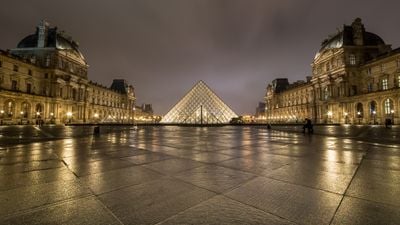
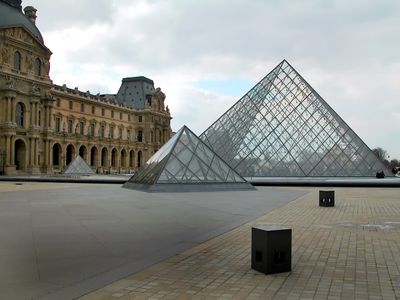
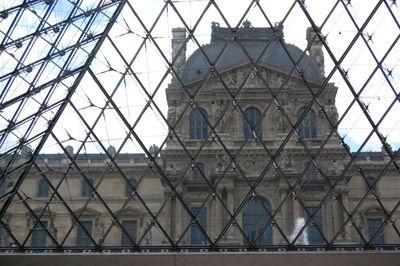
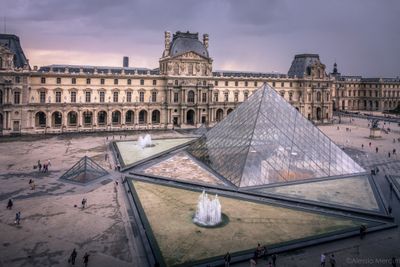
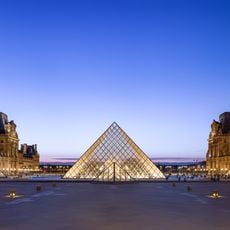
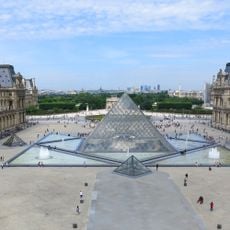
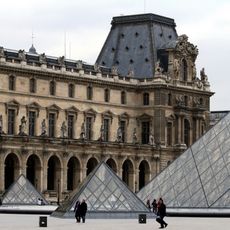
The Louvre Pyramid is a glass entrance structure in the Cour Napoléon in the 1st arrondissement of Paris, France. The structure consists of 673 transparent panels mounted on a frame of steel and aluminium, reaching a height of roughly 22 meters with a base measuring approximately 35 by 37 meters (115 by 121 feet).
President François Mitterrand commissioned architect I. M. Pei in 1981 to design a new entrance for the museum, which at the time could only be reached through scattered entrances in the side wings. The completed structure opened in 1989 and initially sparked debate due to its modern design in the middle of the historic palace complex.
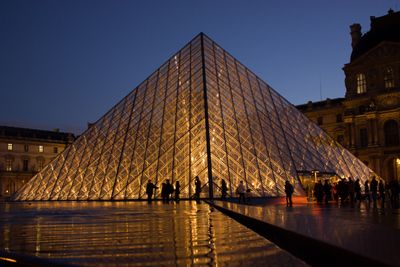
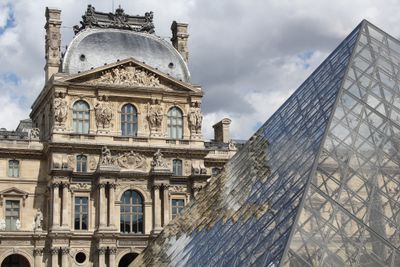
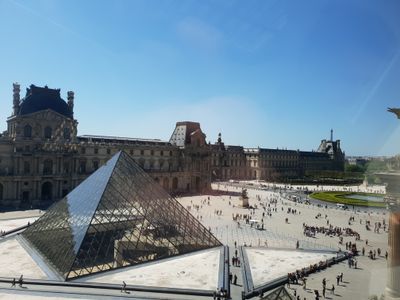
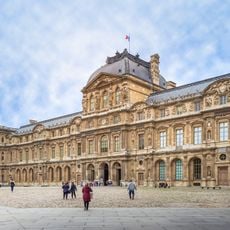
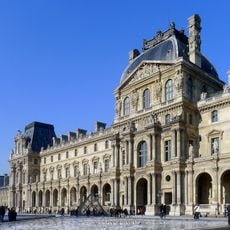
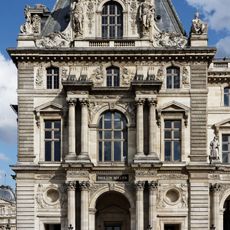
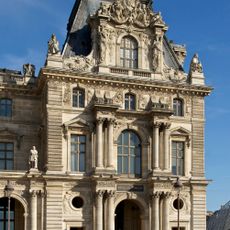
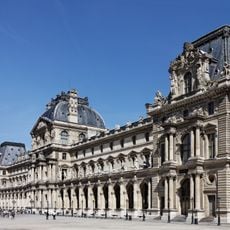
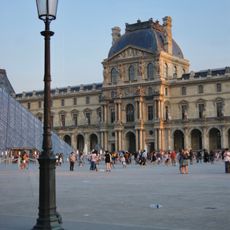
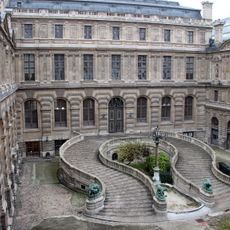
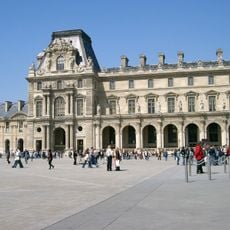
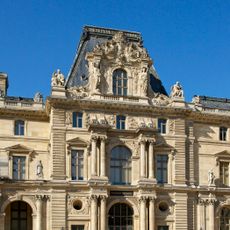
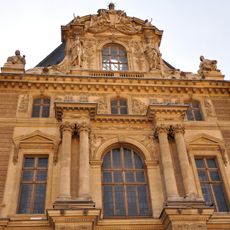
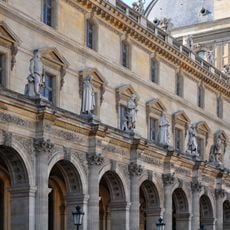
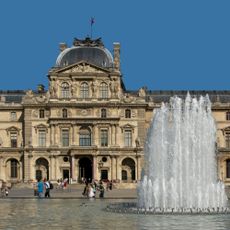
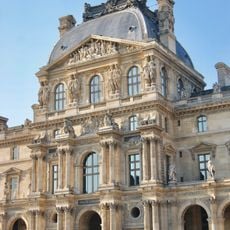
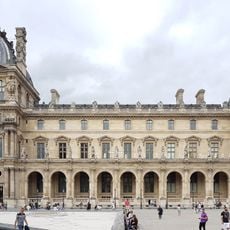
The transparent shape recalls ancient Egyptian building forms and creates a clear contrast with the palace facades from the 17th and 18th centuries surrounding it. Visitors often meet on the flat steps at the base of the structure, where you can overlook the courtyard and take a short break before entering the museum.
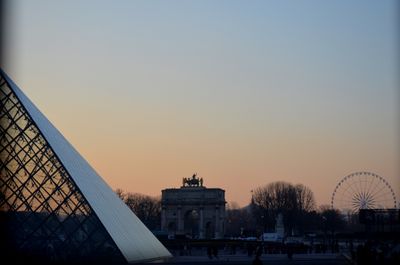
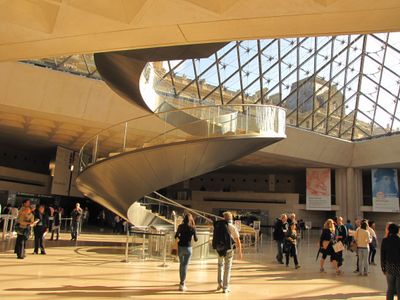
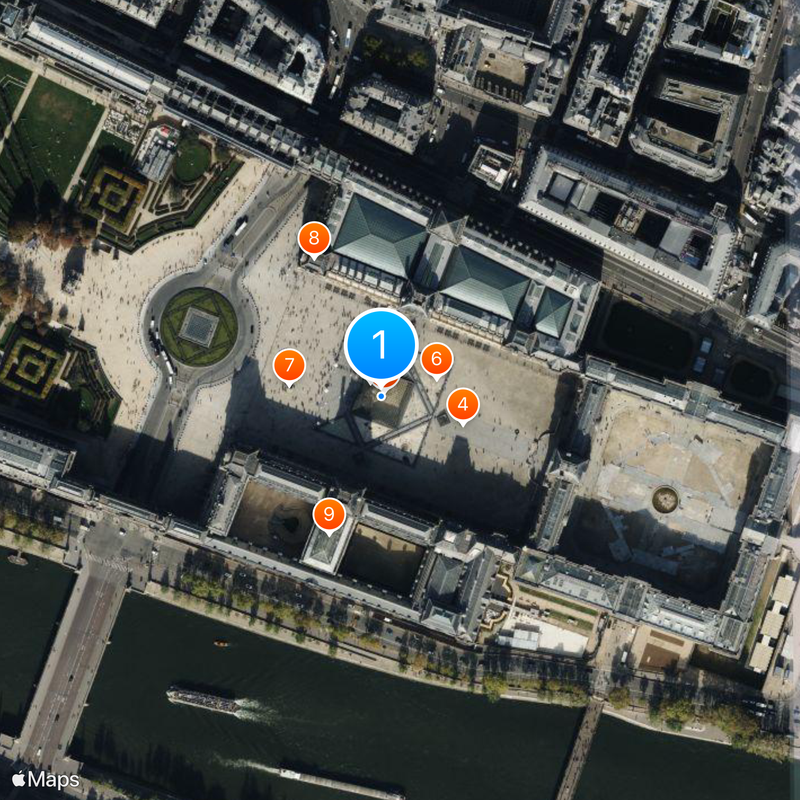
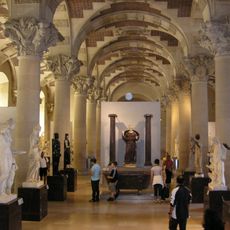
An underground lobby beneath the structure distributes visitors to the three wings of the museum and also houses lockers and information desks. The surrounding courtyard offers several landmarks, making it easy to find individual collection areas or take a short rest before continuing.
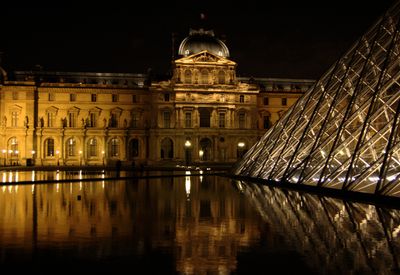
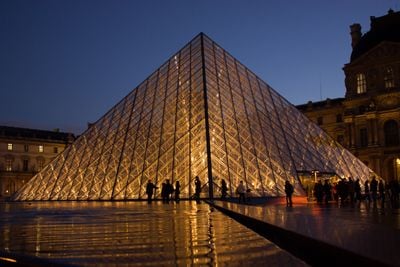
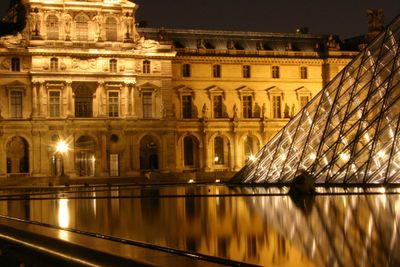
The glass panels required over two years of development to find a formula ensuring complete transparency while meeting structural demands. At night, the structure is lit from within, making it appear like a glowing crystal in the dark courtyard.
The community of curious travelers
AroundUs brings together thousands of curated places, local tips, and hidden gems, enriched daily by 90,754 contributors worldwide.