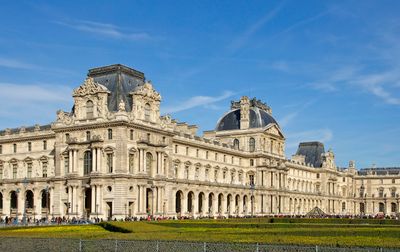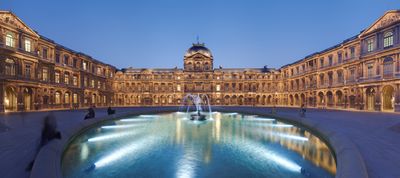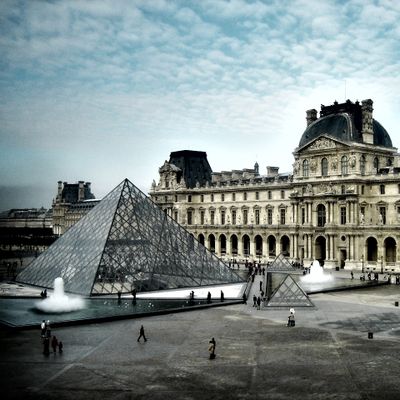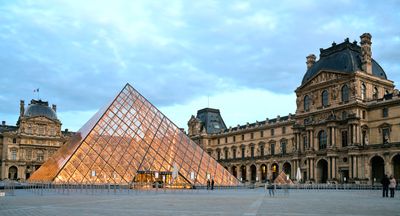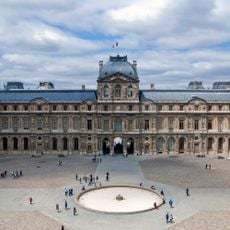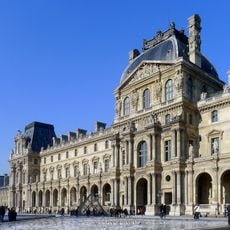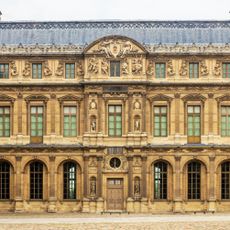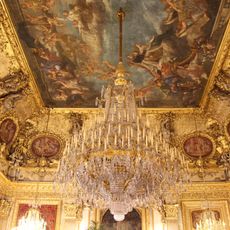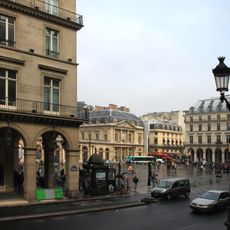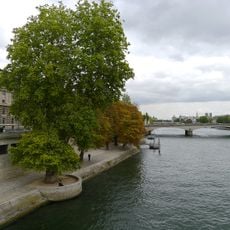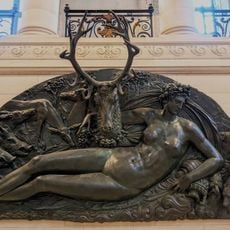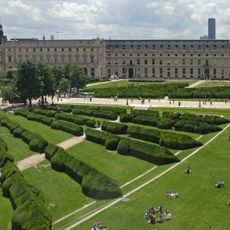
Louvre Museum, Art museum in Saint-Germain-l'Auxerrois, France.
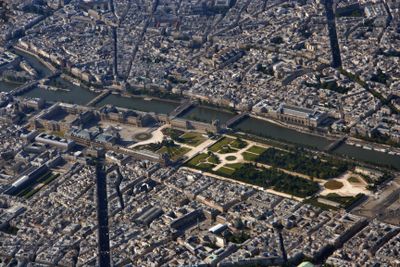
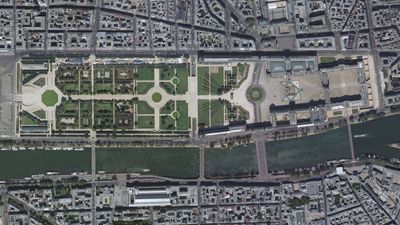
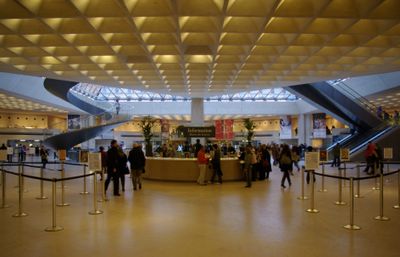
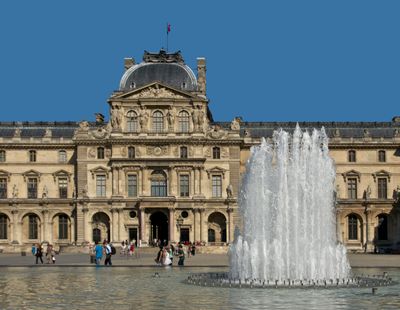
This national museum extends along the Seine across three wings with galleries on multiple floors. The collection holds over 380,000 artworks divided into eight departments, including Egyptian antiquities, Greek sculptures, and European paintings, with exhibition rooms displaying objects from ancient civilizations through the mid-1800s.
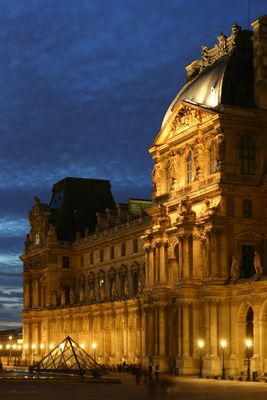
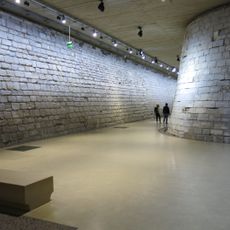
A medieval fortress occupied this site before the building became a royal residence starting in 1546 under Francis I. After the French Revolution, authorities opened it as a public museum in 1793, with several expansions during the 1800s and 1900s incorporating neighboring structures.
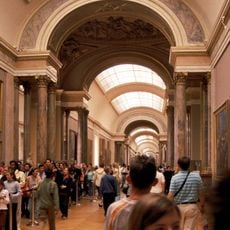
Visitors come here to see works they first encountered in textbooks or documentaries, standing face to face with the originals. School groups move through the halls with worksheets, while others sit on the floor sketching or simply spend long moments in front of a single painting.
The building opens Monday, Thursday, Saturday, and Sunday from 9 AM to 6 PM, with extended hours until 9:45 PM on Wednesday and Friday, and tickets can be purchased online to reduce wait times. Metro stations Palais Royal-Musée du Louvre and Louvre-Rivoli are nearby, wheelchair access is available, and morning or evening visits often mean fewer people in the main galleries.
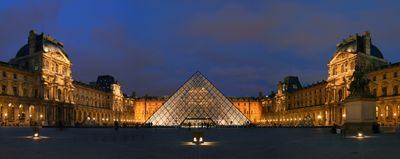
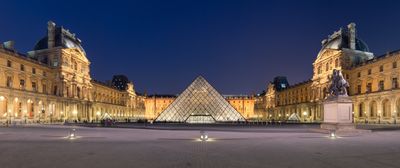
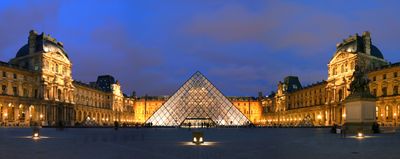
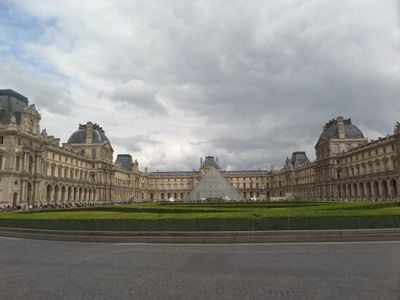
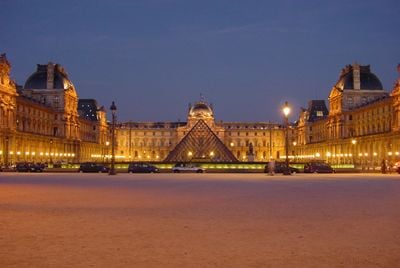
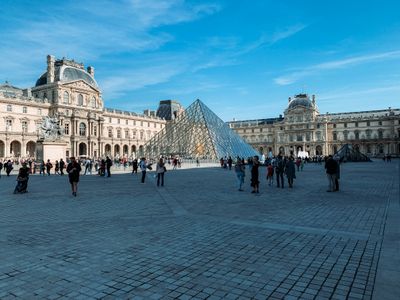
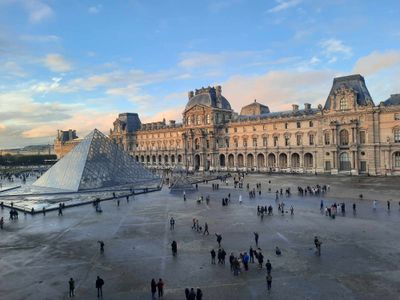
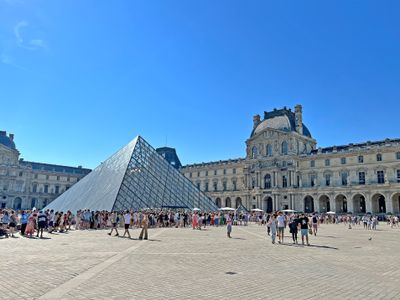
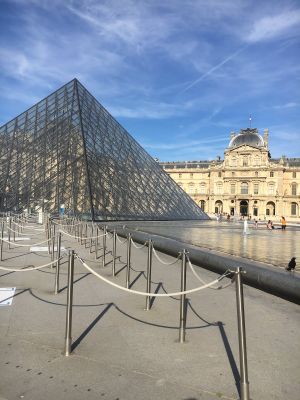
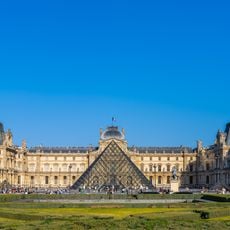
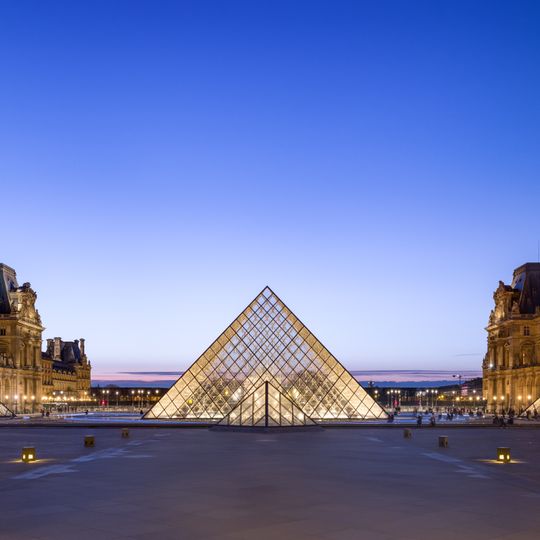
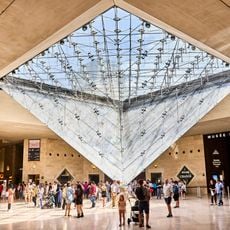
The glass pyramid entrance designed by architect I. M. Pei opened in 1989 and leads into an underground complex beneath Cour Napoléon. The structure consists of 603 rhombus-shaped glass segments and 70 triangular segments forming a complex geometric pattern.
Location: Saint-Germain-l'Auxerrois
Inception: August 10, 1793
Founders: Napoleon
Architects: Pierre Lescot, Claude Perrault, Charles Le Brun, I. M. Pei
Official opening: August 10, 1793
Elevation above the sea: 44 m
Accessibility: Wheelchair accessible
Fee: Yes
Address: 75001 Paris, France
Opening Hours: Monday,Thursday,Saturday-Sunday 09:00-18:00; Tuesday off; Wednesday,Friday 09:00-21:00; January 01,May 01,December 25 off
Phone: +33140205050
Email: info@louvre.fr
Website: https://louvre.fr/es
GPS coordinates: 48.86111,2.33583
Latest update: December 2, 2025 20:00
Paris houses several museums dedicated to Asian art. The Musée Guimet holds one of the most significant collections outside Asia, featuring works from India, China, Japan, Korea, and Southeast Asia. The collection includes Buddhist sculptures from Afghanistan, Chinese bronzes, Japanese woodblock prints, and Cambodian stone reliefs. The Musée Cernuschi focuses on Chinese art from antiquity to the early 20th century. The Louvre displays Asian artworks in its Islamic Art department and the Pavillon des Sessions. Additional collections can be found at the Musée des Arts Décoratifs and the Bibliothèque nationale de France. These institutions regularly organize temporary exhibitions on specific themes such as calligraphy, ceramics, or textiles from various Asian regions.
Paris combines historic architecture with cultural institutions in ways that have drawn couples for generations. The city offers a mix of 19th-century parklands, bridges spanning the Seine, and street cafes that invite lingering. From the galleries of the Louvre to the cobbled paths of Montmartre, these locations provide opportunities to explore art, history, and urban life together. This collection includes well-known landmarks like the Eiffel Tower and Notre-Dame Cathedral alongside quieter spaces such as Parc Monceau and Square du Vert-Galant. Historic passages like Passage Jouffroy showcase 19th-century commercial architecture, while sites like Palais Garnier and Sainte-Chapelle present medieval and classical building styles. The Canal Saint-Martin and its locks offer views of the city's infrastructure away from main tourist routes. Each location contributes in its own way to Paris's appeal for travelers.
Circular architecture has fascinated builders since ancient times. This collection brings together Roman amphitheatres like the Colosseum, medieval towers such as the Round Tower in Copenhagen, baroque domed structures and modern constructions. The circular form offers practical advantages for acoustic properties, structural stability and optimal space usage. The selected buildings serve various functions: religious temples, fortifications, observatories, museums and event venues. Each example demonstrates how architects have adapted the circular form to local conditions and cultural requirements. From ancient stone structures to contemporary skyscrapers, this selection documents technical evolution across centuries.
This route covers two millennia of Parisian construction history, showing the architectural layers of the city. It includes Roman remains such as the first-century Lutetia arenas, medieval structures, classical palaces, and modern constructions from the 19th and 20th centuries. Each location documents specific building phases and technical developments in the French capital. The selection ranges from well-known landmarks to less visited historical sites. The 1889 Eiffel Tower stands alongside Roman thermal bath fragments and medieval churches. This collection allows visitors to trace urban development from the ancient settlement of Lutetia to the modern metropolis and compare different architectural styles.
Paris offers many options for families with children, from large amusement parks to interactive museums. Disneyland Paris in Marne-la-Vallée features two themed parks focused on Disney characters, while Parc Astérix in Plailly offers roller coasters and shows inspired by Gaulish culture. In the city, the Cité des Sciences et de l'Industrie allows children to explore technology and science practically, with its planetarium and experimental zones. Families can also visit the Paris Zoological Park, which displays 180 species in habitats recreating different ecosystems, or explore the National Museum of Natural History with its fossil and mineral collections. For aquatic activities, Aquaboulevard has slides and wave pools under a roof. The Grevin Museum exhibits over 200 wax statues of famous personalities, while the Museum of Illusions engages viewers with interactive visual installations. La Villette Park combines green spaces, playgrounds, and cultural venues across 55 hectares.
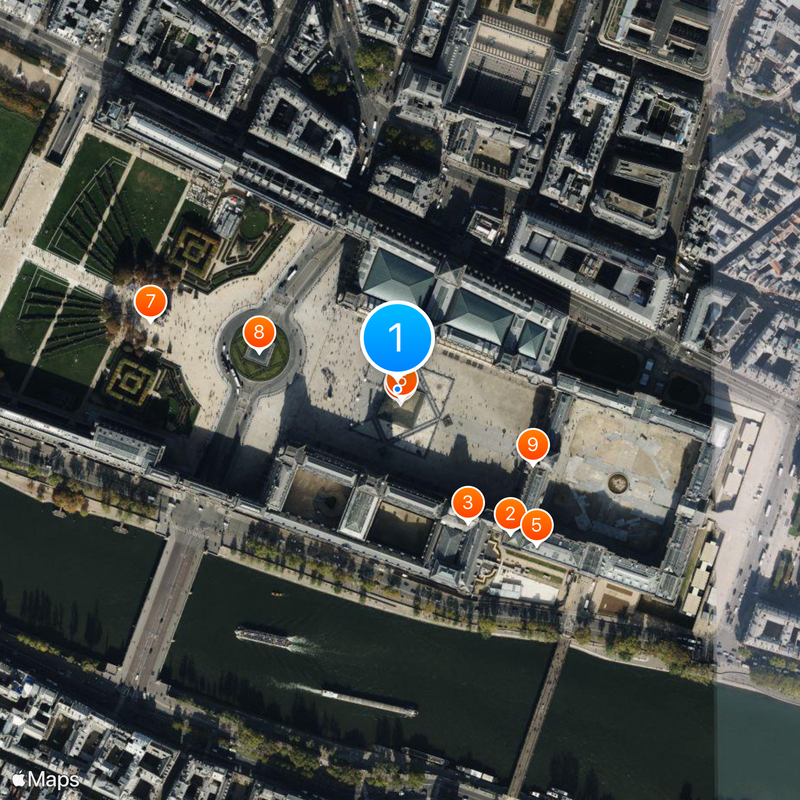
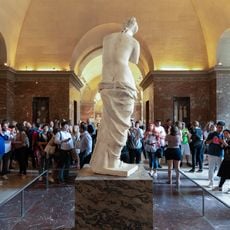
Venus de Milo
166 m
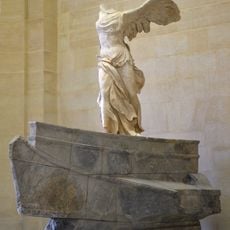
Winged Victory of Samothrace
136 m
Louvre Pyramid
13 m
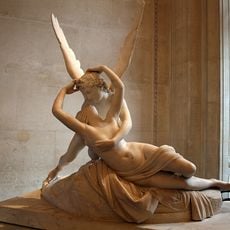
Psyche Revived by Cupid's Kiss
189 m
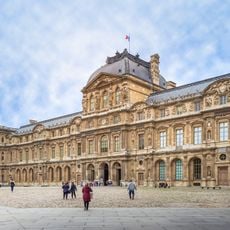
Louvre Palace
10 m
Palais-Royal
260 m
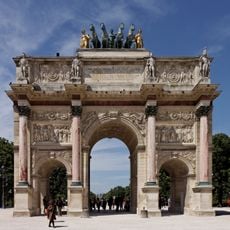
Arc de triomphe du Carrousel
232 m
La Pyramide Inversée
131 m
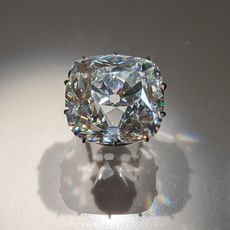
Regent Diamond
140 m
Musée des Arts Décoratifs
264 m
Les Deux Plateaux
290 m
Carrousel du Louvre
200 m
Cour Carrée
216 m
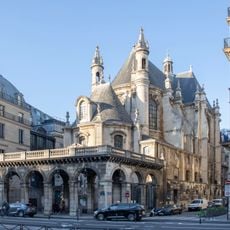
Oratoire du Louvre
311 m
Le Kiosque des noctambules
225 m
Hommage à Arago
259 m
Salle Richelieu
278 m
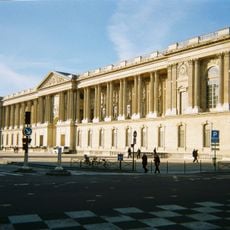
Louvre Colonnade
298 m
Hommes illustres
66 m
Aile Lescot
156 m
Napoleon III Apartments
133 m
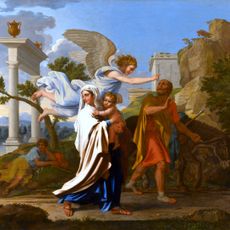
The Flight into Egypt
7 m
Les Arts décoratifs
284 m
Grande Galerie
174 m
Place Colette
233 m
Place du Palais-Royal
166 m
Chancellerie d'Orléans
292 m
Musée de la mode et du textile
284 mReviews
Visited this place? Tap the stars to rate it and share your experience / photos with the community! Try now! You can cancel it anytime.
Discover hidden gems everywhere you go!
From secret cafés to breathtaking viewpoints, skip the crowded tourist spots and find places that match your style. Our app makes it easy with voice search, smart filtering, route optimization, and insider tips from travelers worldwide. Download now for the complete mobile experience.
A unique approach to discovering new places❞
— Le Figaro
All the places worth exploring❞
— France Info
A tailor-made excursion in just a few clicks❞
— 20 Minutes