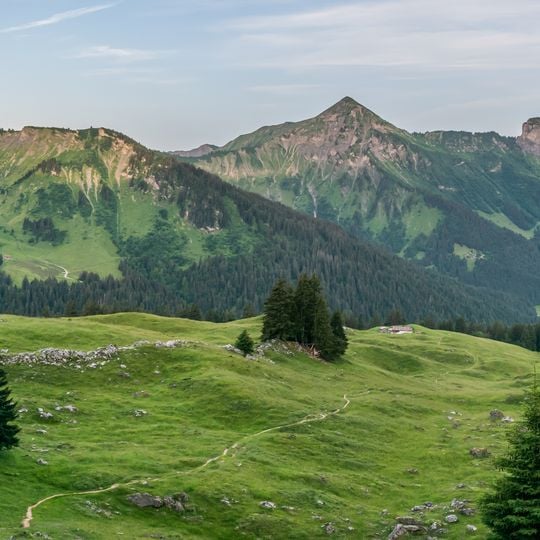
France, Sovereign state in Western Europe.
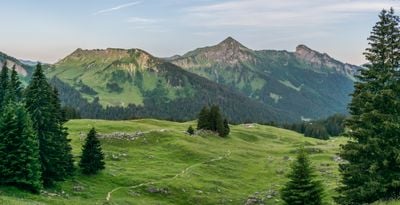
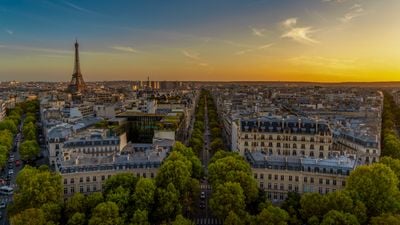
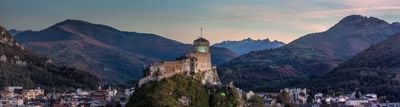
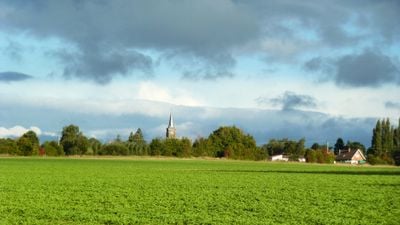
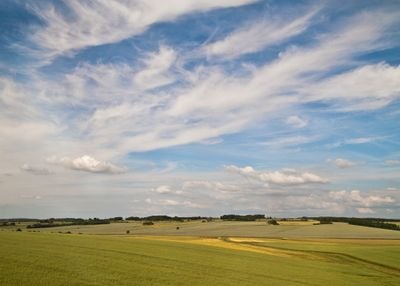
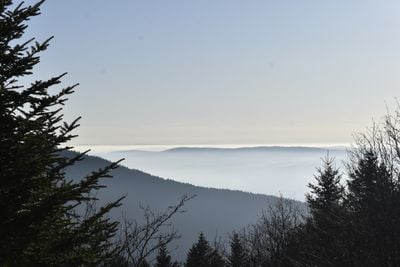
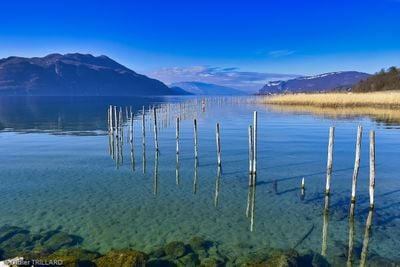
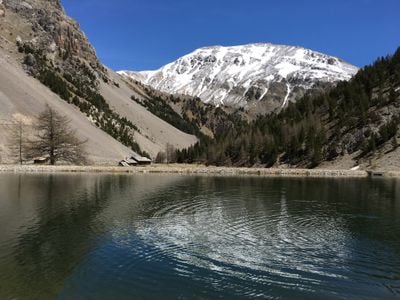
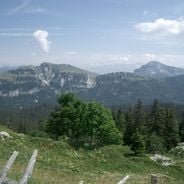
France is a country in Western Europe stretching from the Mediterranean coast to the English Channel and reaching the Rhine, with Atlantic shores, Mediterranean coves, wide river valleys and mountain ranges. The mainland includes both flat plains and high mountains and shares borders with eight other nations.
The kingdom emerged in 843 through the Treaty of Verdun and became a republic in 1792. The Fifth Republic under Charles de Gaulle came into being in 1958 following several constitutional changes.
The name comes from the Germanic tribe of Franks who ruled the territory in the early Middle Ages. Today people live in a secular society where religion is separated from public life and where daily interactions are shaped by shared republican values.
The railway network connects larger cities with high-speed trains and regional lines, while motorways serve all parts of the territory. International airports operate in major urban areas and allow arrivals from many countries.
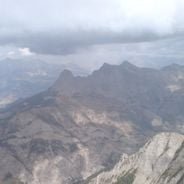
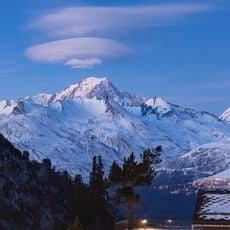
Mont Blanc rises to 4,808 meters and forms the highest peak in Western Europe. More than 400 cheese varieties are produced across the territory and each region maintains its own recipes and aging methods for these dairy products.
Inception: May 18, 1804
Part of: Western Europe, Pyrenees–Mediterranean Euroregion, European Union, European Economic Area
Shares border with: Spain, Andorra, Belgium, Luxembourg, Germany, Switzerland, Italy, Monaco, Brazil, Suriname, Kingdom of the Netherlands, United Kingdom, Venezuela, Navarre, Mauritius, Solomon Islands
Address: France
Website: https://gouvernement.fr
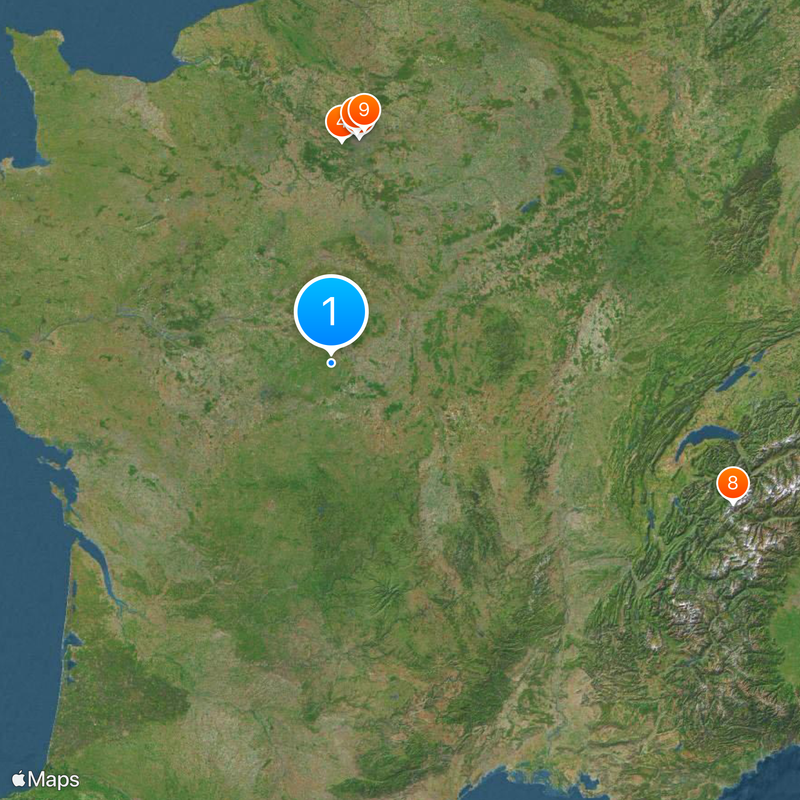
GPS coordinates: 47.00000,2.00000
Latest update: December 4, 2025 17:20
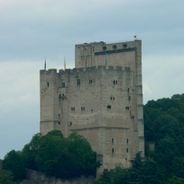
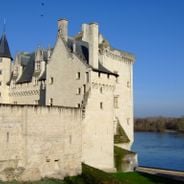
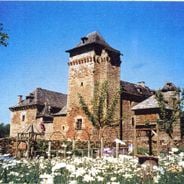
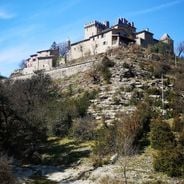
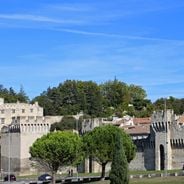
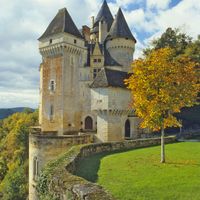
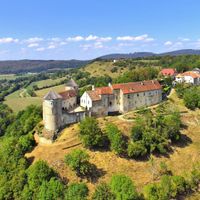
This collection presents historical sites across France that lie away from the usual tourist routes. From medieval fortifications to Roman structures, these locations provide direct access to different periods of French history. The selection includes fortified towers, amphitheatres, Celtic temples and prehistoric sites. The sites featured include Roman theatres such as the one in Orange, medieval castles in Auvergne, Gallo-Roman temples in the Pyrenees and Palaeolithic caves in the Dordogne. Each location documents specific aspects of the past, whether through architectural remains, cave paintings or archaeological finds. These sites allow visitors to explore French history from prehistory through the Roman occupation to the Middle Ages and Renaissance. The locations are spread across different regions and are often less crowded than the well-known monuments, allowing for quieter visits.
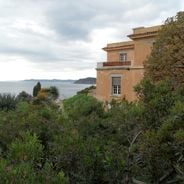
These botanical gardens in France contain rare plant species, historic grounds and Mediterranean landscapes. Collections include the Jardin des Serres d'Auteuil in Paris with its 19th century greenhouses, the Parc Oriental de Maulévrier featuring Japanese garden design and the Jardin Botanique de la Villa Thuret in Antibes with Mediterranean and exotic plants. The Domaine du Rayol presents plants from climate zones around the Mediterranean Sea. The gardens represent different styles and periods. The Campo Santo in Orléans displays medieval monastery gardens while the Jardins de Marqueyssac in Vézac are known for their sculpted boxwood hedges. The Arboretum de Balaine ranks among France's oldest private arboretums. From the Jardins Suspendus de Marqueyssac in the Dordogne to the Parc Phœnix in Nice, these locations offer views into botanical collections and historic garden artistry.
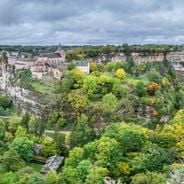
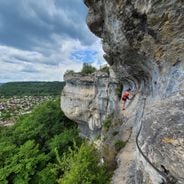
France's landscape features a variety of natural canyons carved by river erosion over millennia. These geological formations include the white limestone walls of Verdon, the red shale cliffs of Daluis Canyon, and the emerald waters of Ardèche. Each site reflects a unique geological history, with depths ranging from a few tens of meters to over 700 meters. The Tarn gorges stretch 50 kilometers between the Causses, while Verdon has created Europe's deepest canyon. In the Pyrenees, the Gorges de la Carança and Gorges de la Fou offer pathways with metal walkways. The Alps host the Aiglun Gorge and Daluis Gorges, recognizable by their Permian red rocks. These natural sites are suitable for hiking, climbing, kayaking, and feature many viewpoints to observe these rock formations from nearby roads.
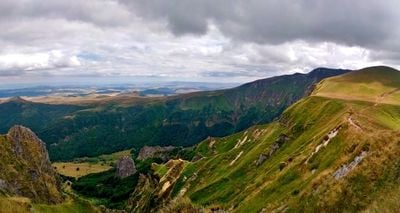
France contains protected areas with diverse landscapes and ecosystems. The national parks include alpine regions with peaks exceeding 3000 meters, glaciers and mountain lakes, Mediterranean coastlines with limestone cliffs and marine reserves, and island zones with underwater trails. Regional nature parks feature volcanic areas with 80 extinct volcanoes, extensive wetlands with thousands of ponds hosting over 200 bird species, moorland landscapes in the Ardennes, and coastal zones with lagoons and salt marshes. These protected areas shelter ibex, chamois, marmots, lynx and birds of prey. Visitors find marked hiking trails, historic villages and traditional farming operations.
France has several dozen botanical gardens combining scientific research and plant conservation. The greenhouses of the National Museum of Natural History in Paris host over 4,500 species in climate-controlled zones, while the Lyon Botanical Garden cultivates around 15,000 plants divided between historic greenhouses and thematic sections. Universities such as Strasbourg maintain scientific collections over 2.5 hectares with greenhouses dating from 1881, and the Nantes Botanic Garden conserves 11,000 species, including 50 protected French varieties. These facilities document four centuries of botanical study and serve both education and research. Coastal gardens utilize temperate maritime conditions to display unusual plants. The Roscoff Exotic Garden gathers 3,500 species from the Southern Hemisphere on a rocky promontory, cultivating Australian and New Zealand plants adapted to Brittany’s climate. On the French Riviera, the Èze Garden showcases Mediterranean and succulent collections at 1,407 feet above sea level, while the Saint-Jean-de-Luz Coastal Botanical Garden focuses on Atlantic coastal species. The Grandes Bruyères Arboretum near Orléans encompasses 15,000 trees and shrubs from Europe, Asia, and North America across 34 acres, organizing plantings according to their geographic origins.
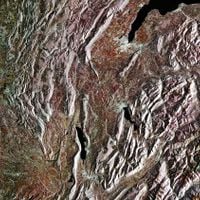
Grenoble sits in the Isère River valley, surrounded by three mountain ranges in the French Alps. The city combines alpine landscape with urban infrastructure and serves as a base for exploring the surrounding mountain regions. The Fort de la Bastille, accessible via a historic cable car, provides views over the city and valleys. Parc Paul Mistral covers 52 acres (21 hectares) in the city center and includes sports facilities and green spaces. The Musée de Grenoble displays European artworks from the 13th century to the present, including French painting and modern art. The Musée Dauphinois documents regional history and alpine culture. The Musée de l'Ancien Évêché focuses on local history from the Middle Ages to the present. Place Saint-André forms the historic center with medieval architecture, while Place Grenette serves as a central market square. Château de Vizille, located 9 miles (15 kilometers) south, was the site of the 1788 assembly and now houses a museum on the French Revolution. The Grottes de Sassenage, prehistoric limestone caves on the city outskirts, offer guided tours through underground galleries.
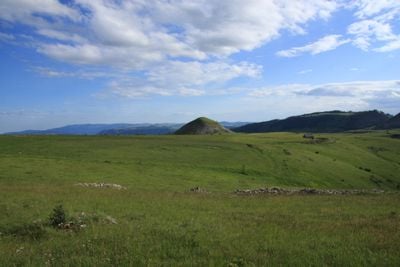
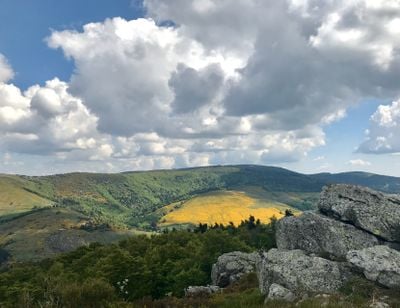
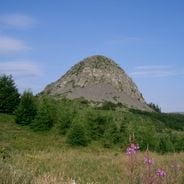
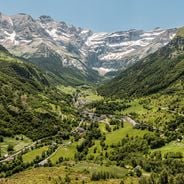
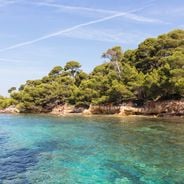
France maintains eleven national parks and dozens of regional nature parks that protect diverse landscapes from the Mediterranean coast to the Alps. The protected areas preserve mountains, coastlines, wetlands, volcanic formations and forests. They provide habitat for various wildlife and plant species while offering opportunities for hiking, birdwatching and other outdoor activities. The Parc National des Écrins and Vanoise National Park lie in the French Alps, featuring alpine terrain with glaciers and mountain lakes. Mercantour National Park stretches from the Maritime Alps to the Mediterranean coast. Calanques National Park near Marseille protects limestone cliffs and inlets. Cévennes National Park in Occitanie encompasses forested mountains and plateaus. Coastal areas such as Port-Cros and Camargue preserve Mediterranean ecosystems and wetlands. The Volcans d'Auvergne in the Massif Central protects extinct volcanoes and lava fields, while parks like Morvan and Ballons des Vosges preserve forested mid-elevation ranges.
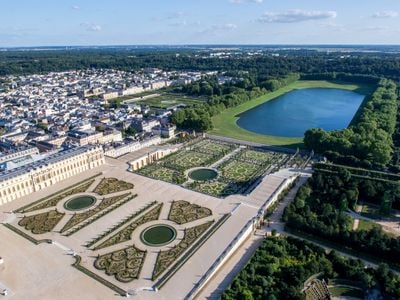
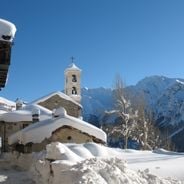
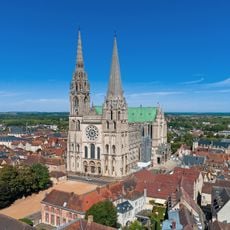
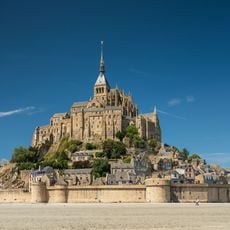
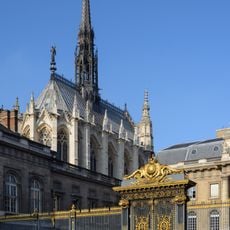
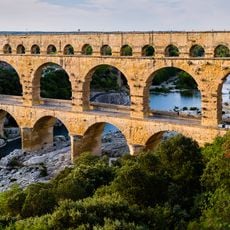
France offers diverse winter destinations spanning both urban and natural landscapes. The Alpine regions contain several ski areas, including Chamonix-Mont-Blanc at the base of Western Europe's highest peak, Les Trois Vallées with its extensive network of runs, and L'Alpe d'Huez at elevations above 5,900 feet (1,800 meters). The Aiguille du Midi provides access to high alpine views through a cable car system, while Lake Annecy presents a winter landscape within the Savoie Alps. Cities across the country display their historical architecture during the colder months. Strasbourg Christmas Market transforms the city center into a seasonal gathering place, Nancy presents the 18th-century Place Stanislas, and Paris maintains structures including Sainte-Chapelle and the Jardin du Luxembourg. Beyond the capital, Versailles Palace stands with its formal gardens, Château de Chambord occupies the Loire Valley, and the Palais des Papes remains in Avignon. The Notre-Dame de Reims cathedral shows 13th-century Gothic architecture, while Mont Saint-Michel stays accessible on its tidal island. Additional sites include the Roman-era Nîmes Arena, Pont du Gard, and the medieval fortress of Carcassonne. The Grotte de Lascaux displays prehistoric art, while Les Eyzies de Tayac holds archaeological sites. Southern regions such as the Calanques near Marseille, Gorges du Verdon, Grande Plage in Biarritz, and Cap d'Ail Beach provide access to Mediterranean and Atlantic coastlines, even during winter months.
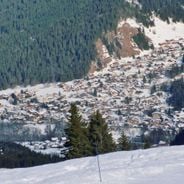
The French Alps encompass several hundred kilometers of ski slopes spread across various mountain ranges. Ski areas such as the Three Valleys, linking Courchevel, Meribel, and Val Thorens, or Paradiski, connecting La Plagne and Les Arcs, provide extensive networks suitable for both beginners and experienced skiers. In Chamonix, the Mont Blanc massif offers technical descents, while high-altitude resorts like Tignes and Les Deux Alpes ensure snow cover thanks to their glaciers. Facilities include efficient ski lifts and simplified access from the valleys. Some resorts like Avoriaz stand out for their car-free organization, while others like Val d'Isère and Alpe d'Huez attract skiers with their significant elevation changes and long runs. These destinations enable winter sports from December to April, with opportunities for summer skiing on certain glaciers.
Halloween becomes an annual major event across France. Theme parks like Disneyland Paris, Parc Astérix, and Futuroscope create special environments with seasonal decorations, themed shows, and attractions suitable for all ages. Families can enjoy special menus in restaurants and meet costumed characters that animate the walkways. Cultural heritage sites also participate by organizing night visits. The Paris Catacombs reveal their underground history through guided tours after dark. The Château de Combourg welcomes visitors to its medieval halls with historical stories, while the Citadel of Bitche transforms its military galleries into theatrical settings. Museums also join the festivities: the Rodin Museum highlights its Gates of Hell with sound and visual effects. Natural sites like the Balme Caves host thematic exhibitions, and even the Thoiry Zoo invites visitors to observe animals during specially arranged evening events.
The French memorial sites and museums of World War I bear witness to the events of 1914-1918. The monuments, military cemeteries, forts, underground quarries, and interpretation centers present major battles like Verdun and the Somme. These places preserve the remnants of the battles and document the history of French and allied soldiers through objects, photographs, and period documents.
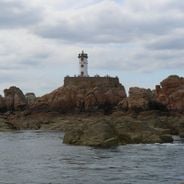
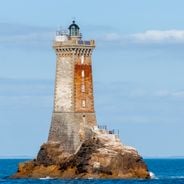
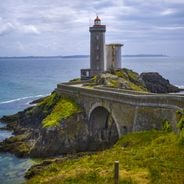
French lighthouses line approximately 3,400 miles (5,500 km) of coast, from the English Channel to the Mediterranean Sea. These maritime structures, built between the 17th and 20th centuries, occupy strategic locations on rocky promontories, islands, and sometimes in open sea. Constructed from granite, limestone, or masonry, they reflect changes in building techniques and the emphasis on maritime safety. Among the most notable are the Cordouan lighthouse, located offshore of the Gironde estuary and listed as a UNESCO World Heritage site, and the Vierge island in Brittany, which, at 272 feet (82.5 meters), is the tallest stone tower in Europe. The Jument and Vieille lighthouses, situated off Ouessant and Raz de Sein, demonstrate the technical challenges of building at sea, while those at Cap Ferret, Calais, and Ploumanac'h serve as coastal landmarks for over a century. Most of these installations remain operational, and several are open to visitors, offering insights into their interior architecture and the living conditions of their keepers.
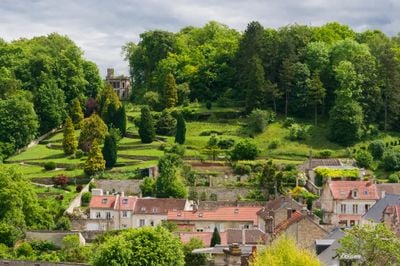
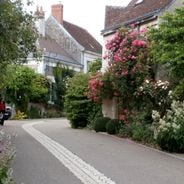
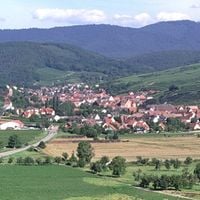
In France, each region hides villages that seem out of time. These places are made of stone, wood, and light, where history is written on facades and in paved streets. Some are nestled in valleys, others cling to cliffs or overlook vineyards. There are old houses, squares lined with arcades, castles, Romanesque churches, and sometimes a river winding between gardens. These villages have retained the charm of their era, the slow pace of residents, and the sound of wind in shutters. From Breton granite to Alsatian half-timbered houses, from southern golden limestone to Alpine shingle roofs, each tells a way of life, a color, an accent. They form the deep face of the country, one that is only visible when taking the time to stop.
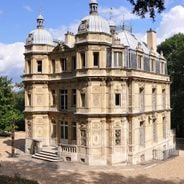
France preserves the homes of its greatest writers, transformed today into literary museums. From Balzac's house in Paris, where the author of 'The Human Comedy' wrote his novels while drinking countless coffees, to Nohant Castle in Berry where George Sand met Chopin and Flaubert, these places tell the story of French literary creation. You can also visit Montaigne's tower in Périgord, where the philosopher wrote his Essays surrounded by his library, or the Château Monte-Cristo built by Alexandre Dumas after the success of his adventure novels. These houses offer direct access to the worlds of the authors who lived there. The priory of Saint-Cosme near Tours preserves the memory of Ronsard, a Renaissance poet, while the house of Aunt Léonie in Illiers-Combray takes visitors back to Marcel Proust’s childhood. In Normandy, Maurice Leblanc’s residence in Étretat celebrates Arsène Lupin’s universe, and in the Basque Country, the Arnaga villa showcases Edmond Rostand’s regional architecture, author of 'Cyrano de Bergerac.' Each visit helps understand how these writers lived, worked, and drew inspiration from their daily environments.
France has some municipalities with extremely low populations, not exceeding 12 residents. These villages reflect the demographic shifts in rural France and provide insight into a lifestyle that has become rare. Rochefourchat in Drôme holds the record with just one inhabitant, while Aingoulaincourt in Haute-Marne has 11 residents spread over 510 hectares. These communities are spread across various regions, from Jura with Mérona and its eight residents to Alpes-de-Haute-Provence where Majastres is perched at 1,143 meters above sea level. In Drôme, La Bâtie-des-Fonds marks the source of the Drôme river at over 1,000 meters, while in Doubs, Châteauvieux-les-Fossés overlooks the Loue valley from its rocky promontory. There are also examples in the north, such as Épécamps in Somme with its red brick houses or Leménil-Mitry in Meurthe-et-Moselle.
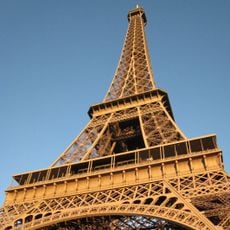
Eiffel Tower
208 km
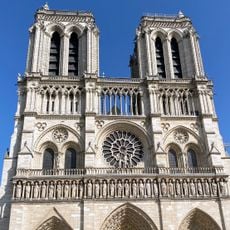
Notre-Dame de Paris
207.9 km
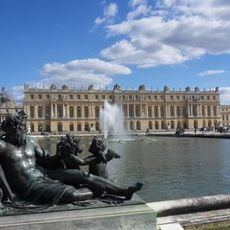
Palace of Versailles
201.1 km
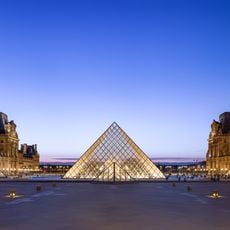
Louvre Museum
208.7 km
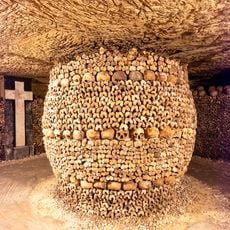
Catacombs of Paris, France
205.6 km
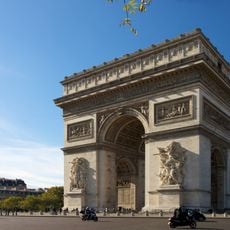
Arc de Triomphe
209.8 km
Mont Blanc
395.3 km
Cité des Sciences et de l'Industrie
213 km
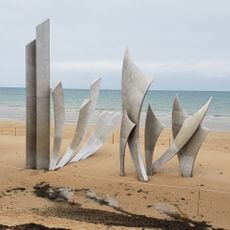
Omaha Beach
338.9 km
Bayeux Tapestry
323 km
Avenue des Champs-Élysées
209.4 km
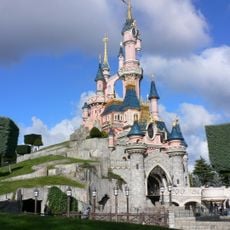
Disneyland Paris
216 km
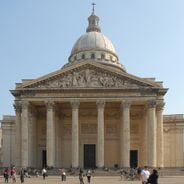
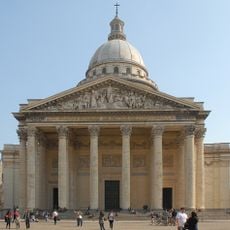
Panthéon
207.1 km
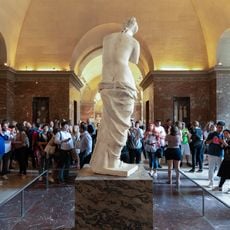
Venus de Milo
208.6 km
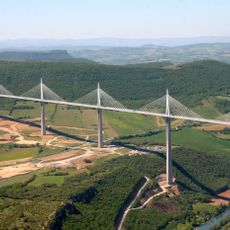
Millau Viaduct
335 km
Stade de France
215.9 km
Lascaux
225.9 km
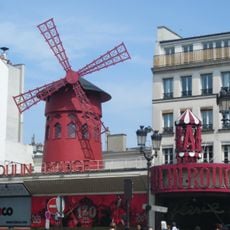
Moulin Rouge
211.2 km
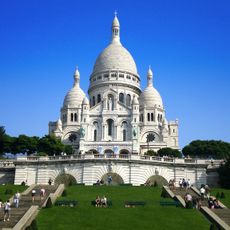
Sacré-Cœur
211.6 km
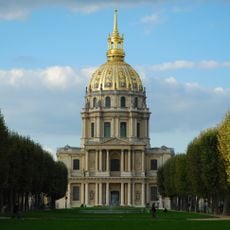
Les Invalides
207.8 km
Montmartre
211.6 km
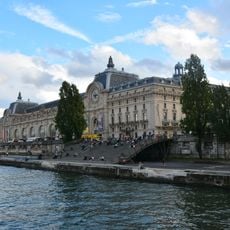
Musée d'Orsay
208.5 km
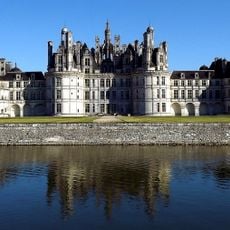
Château de Chambord
77.7 km
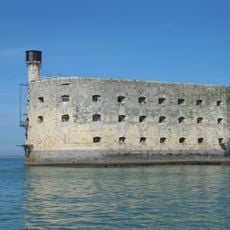
Fort Boyard
270.3 km
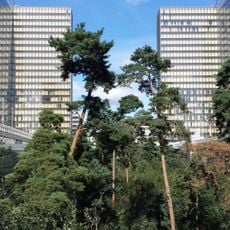
Bibliothèque nationale de France
206 km
Puy du Fou
223 km
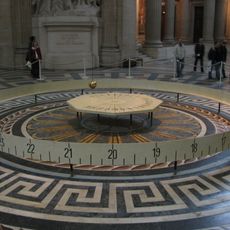
Foucault pendulum
207.1 km
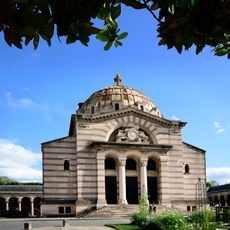
Père Lachaise Cemetery
209.3 kmReviews
Visited this place? Tap the stars to rate it and share your experience / photos with the community! Try now! You can cancel it anytime.
Brittany
Centre-Val de Loire
Corsica
Île-de-France
Provence-Alpes-Côte d'Azur
Guadeloupe
French Guiana
Martinique
Mayotte
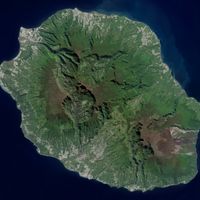
Réunion
French Polynesia
French Southern and Antarctic Lands
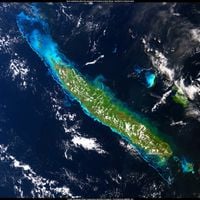
New Caledonia
Saint Barthélemy
Saint-Martin
Saint Pierre and Miquelon
Wallis and Futuna
Grand Est
Nouvelle-Aquitaine
Auvergne-Rhône-Alpes
Bourgogne-Franche-Comté
Occitania
Hauts-de-France
Normandy
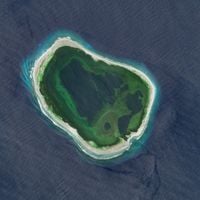
Clipperton Island
Discover hidden gems everywhere you go!
From secret cafés to breathtaking viewpoints, skip the crowded tourist spots and find places that match your style. Our app makes it easy with voice search, smart filtering, route optimization, and insider tips from travelers worldwide. Download now for the complete mobile experience.
A unique approach to discovering new places❞
— Le Figaro
All the places worth exploring❞
— France Info
A tailor-made excursion in just a few clicks❞
— 20 Minutes