See the monuments around you in AROpen chests in the app
Around Us is built for your phone — point your camera at the streets and discover the monuments and places around you in augmented reality.Around Us is built for your phone — chests unlock when you walk, explore and capture nearby places.
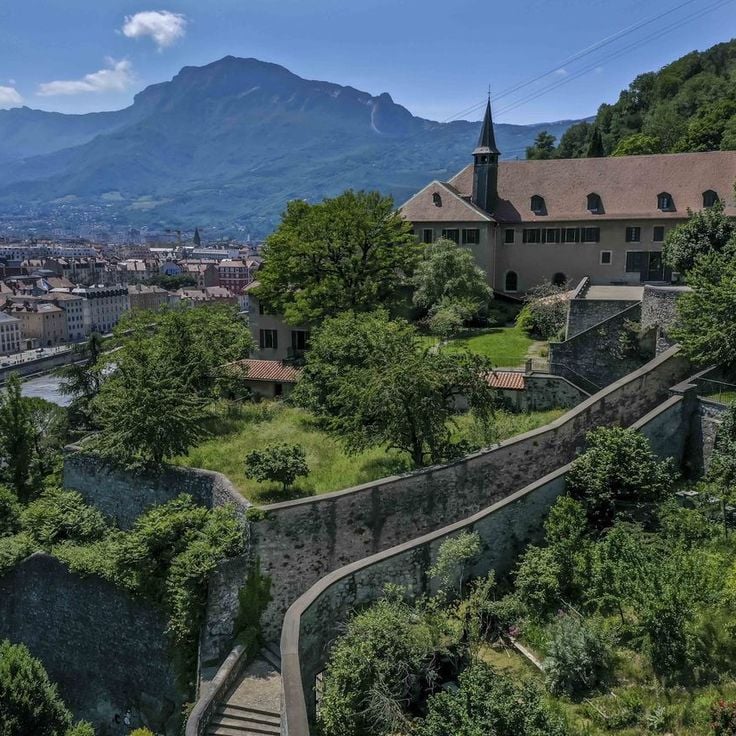
Grenoble sits in the Isère River valley, surrounded by three mountain ranges in the French Alps. The city combines alpine landscape with urban infrastructure and serves as a base for exploring the surrounding mountain regions. The Fort de la Bastille, accessible via a historic cable car, provides views over the city and valleys. Parc Paul Mistral covers 52 acres (21 hectares) in the city center and includes sports facilities and green spaces.
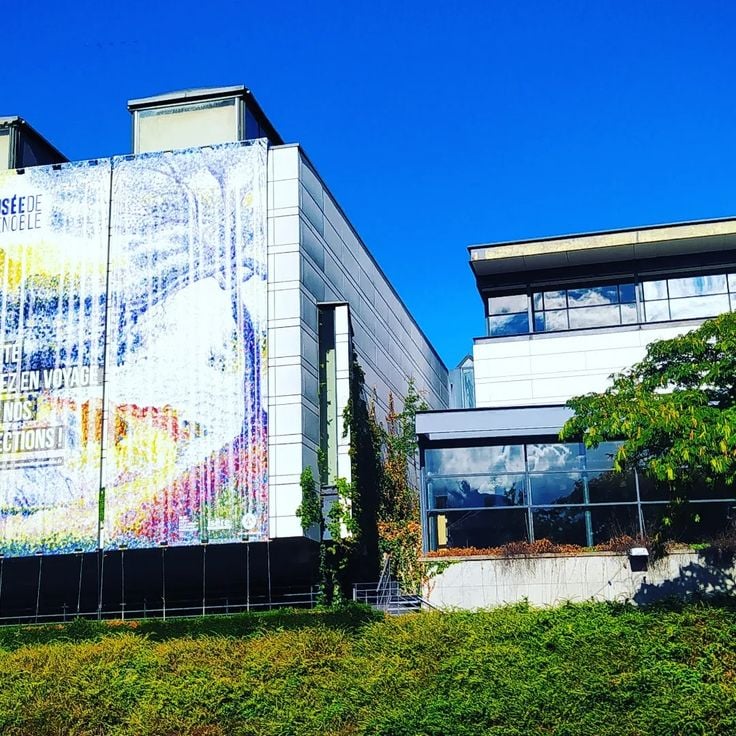
The Musée de Grenoble displays European artworks from the 13th century to the present, including French painting and modern art. The Musée Dauphinois documents regional history and alpine culture. The Musée de l'Ancien Évêché focuses on local history from the Middle Ages to the present. Place Saint-André forms the historic center with medieval architecture, while Place Grenette serves as a central market square. Château de Vizille, located 9 miles (15 kilometers) south, was the site of the 1788 assembly and now houses a museum on the French Revolution. The Grottes de Sassenage, prehistoric limestone caves on the city outskirts, offer guided tours through underground galleries.
Grenoble sits in the Isère River valley, surrounded by three mountain ranges in the French Alps. The city combines alpine landscape with urban infrastructure and serves as a base for exploring the surrounding mountain regions. The Fort de la Bastille, accessible via a historic cable car, provides views over the city and valleys. Parc Paul Mistral covers 52 acres (21 hectares) in the city center and includes sports facilities and green spaces.
The Musée de Grenoble displays European artworks from the 13th century to the present, including French painting and modern art. The Musée Dauphinois documents regional history and alpine culture. The Musée de l'Ancien Évêché focuses on local history from the Middle Ages to the present. Place Saint-André forms the historic center with medieval architecture, while Place Grenette serves as a central market square. Château de Vizille, located 9 miles (15 kilometers) south, was the site of the 1788 assembly and now houses a museum on the French Revolution. The Grottes de Sassenage, prehistoric limestone caves on the city outskirts, offer guided tours through underground galleries.
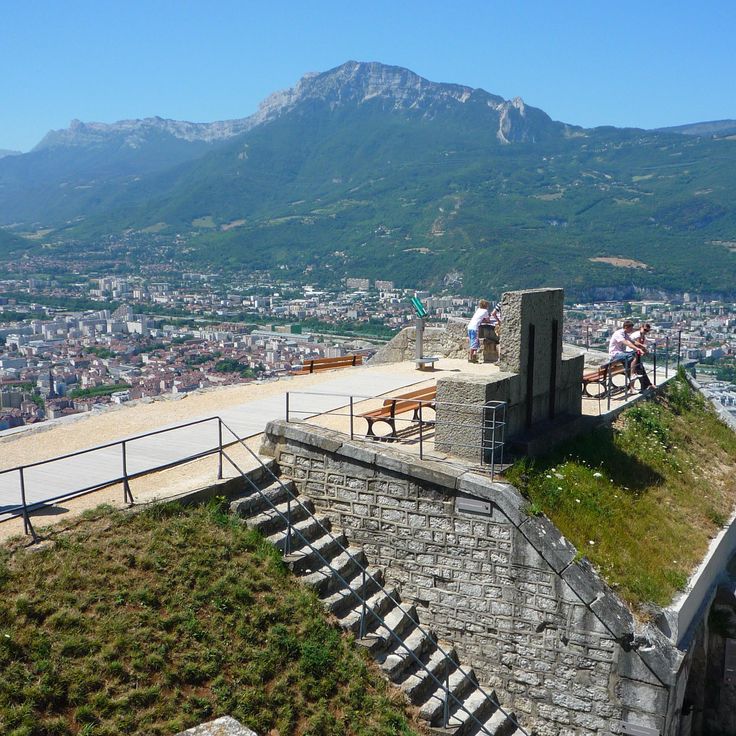
The Bastille fortress from the 19th century stands at 1,560 feet (476 meters) above Grenoble and provides views over the city and the surrounding Alpine valleys. Visitors reach this historic defensive structure via the cable car opened in 1934 or by several hiking trails. The fort now houses a military museum with exhibits on regional history and a restaurant. From the bastions, views extend across the Isère plain to the massifs of the French Alps.
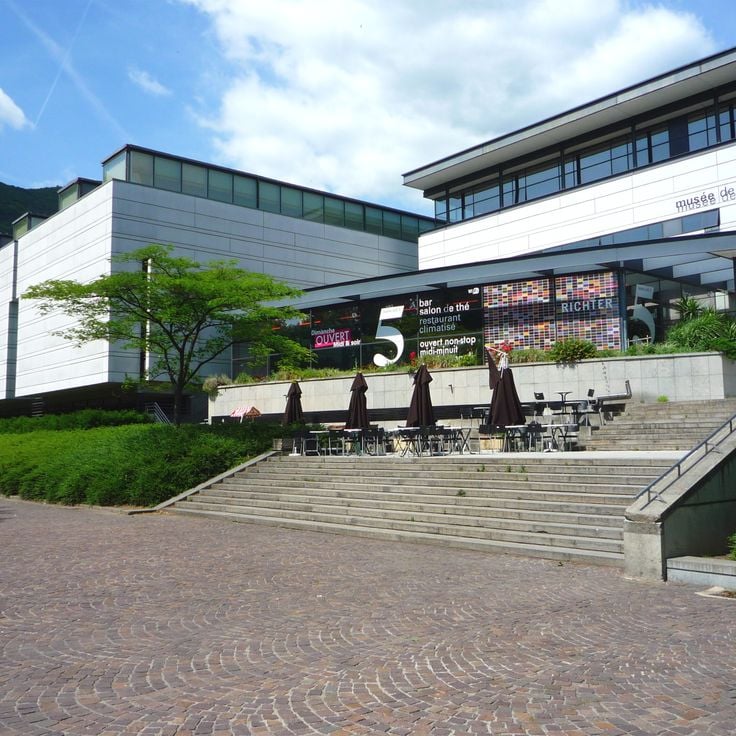
The Musée de Grenoble presents art from the 13th to the 21st century, including works by Kandinsky, Matisse and regional artists. The collection encompasses French and European paintings, sculpture and modern art. This museum sits in the city center and documents the artistic development of the Alpine region as well as major European art movements.
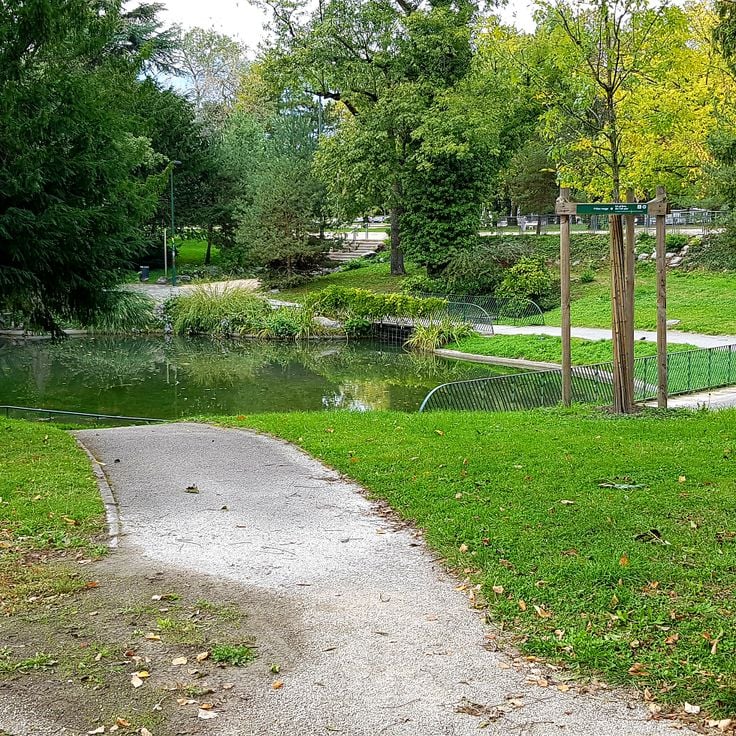
This central park in Grenoble covers 75 acres (30 hectares) and combines green spaces with sports facilities in an urban setting. The Perret Tower rises 310 feet (95 meters) above the grounds. The lake and broad lawns provide recreation areas between surrounding neighborhoods. The site was expanded for the 1968 Winter Olympics and now serves as a major public space for sports and leisure activities.
The Musée Dauphinois occupies a former 17th-century monastery and documents the history of the Dauphiné region. Collections include archaeological finds, everyday objects and ethnographic displays that trace the development of alpine culture. Rotating exhibitions address topics such as mountain dwellers, crafts and regional traditions. The building preserves parts of the original monastery architecture, including vaulted ceilings and a chapel. The museum stands on the Sainte-Marie-d'en-Haut hill with views over Grenoble and the surrounding mountains.
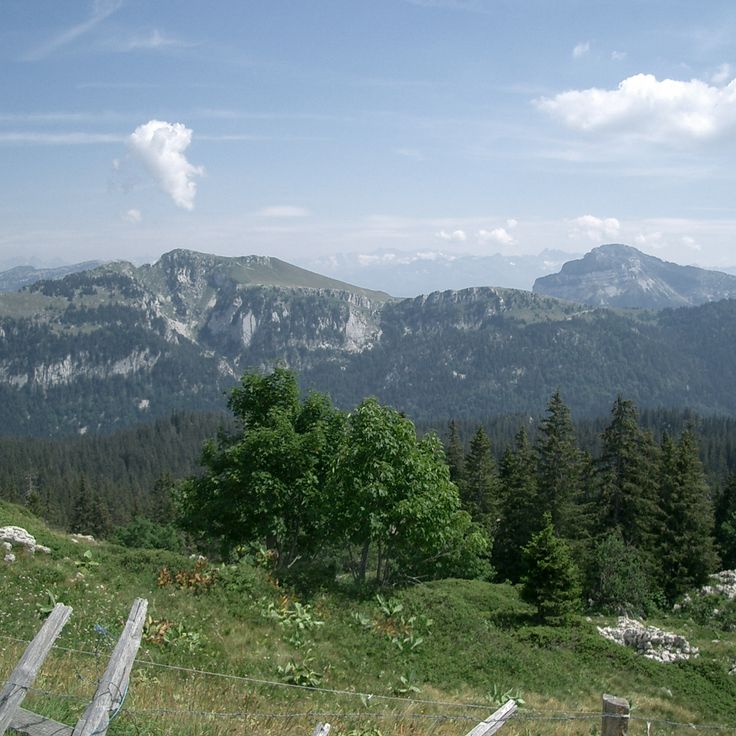
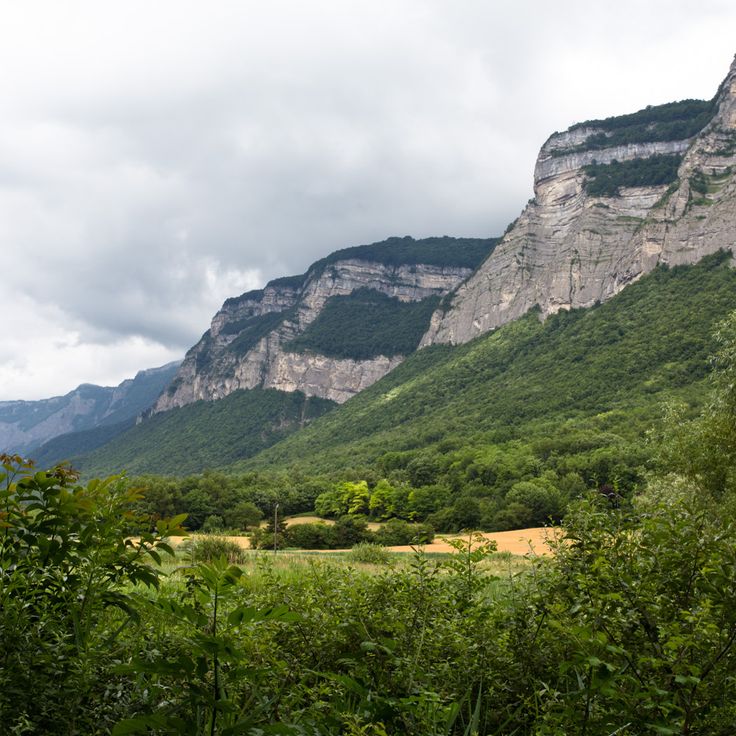
The Massif de la Chartreuse extends 40 miles (65 kilometers) north of Grenoble, offering hiking trails, climbing routes and caves throughout this limestone formation. The range serves as a recreation area for outdoor activities and houses several historic monastery complexes, including the Grande Chartreuse. Multiple villages in the valleys provide access points for excursions of varying difficulty through the forested slopes and across the distinctive limestone cliffs.
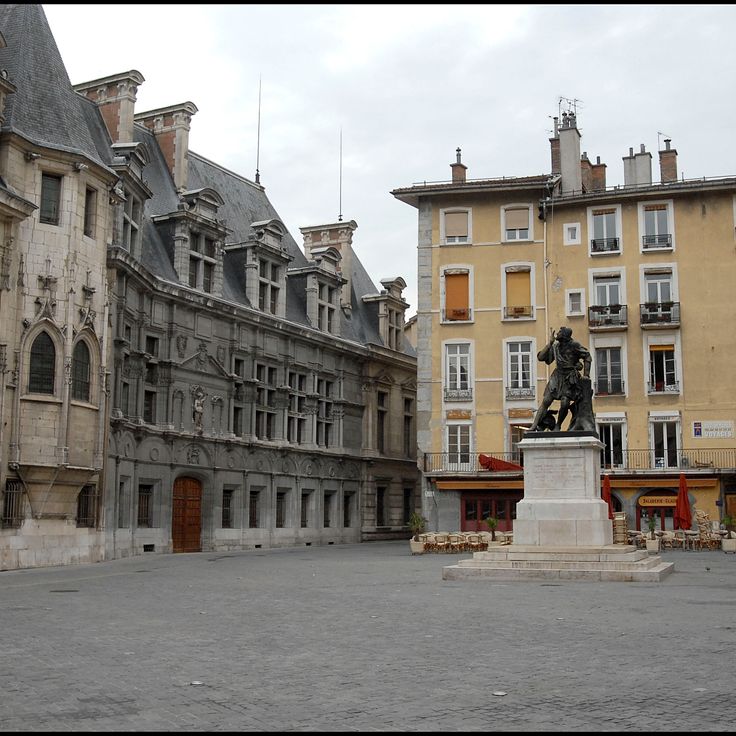
This central square from the 13th century houses the former Parlement du Dauphiné building, which served as the seat of the local parliament from 1453 to 1539. Place Saint-André developed into an important gathering point and remains a busy center today with restaurants and outdoor seating. The surrounding buildings from different periods show the architectural evolution of the city. The square sits in the historic core of Grenoble and connects several streets of the old town.
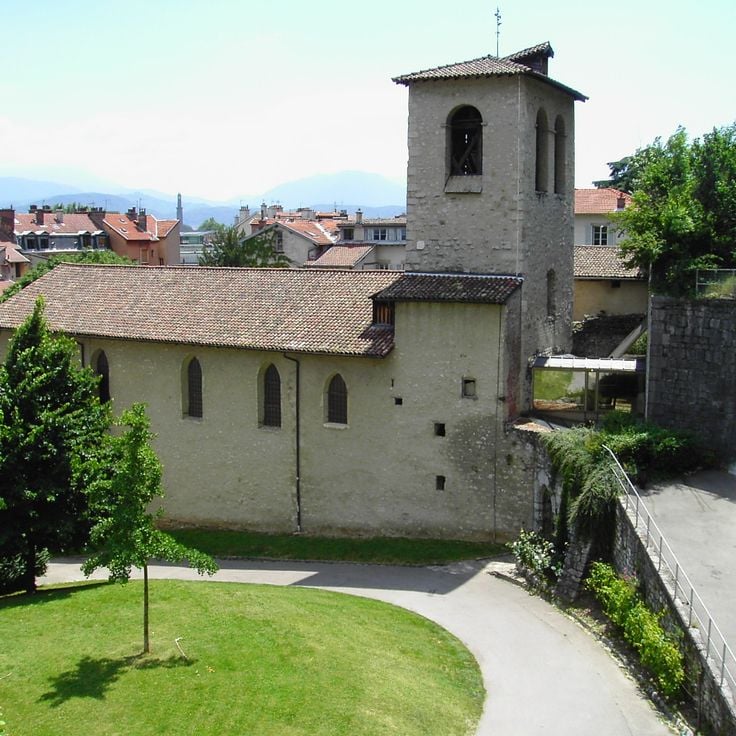
This archaeological museum occupies a former 6th-century church that documents 2,000 years of local history. The crypt reveals early Christian and medieval burials, while excavated foundations expose Roman and early medieval settlement layers. Visitors follow a pathway through different historical levels, tracing the site's architectural evolution from antiquity through modern times.
The Grottes de Sassenage form an underground network of waterfalls and rivers that can be explored on guided tours. This cave system on the edge of Grenoble sits at the base of the Vercors massif and reveals underground galleries documented since the 17th century. Tours lead through lit passages and conclude at a subterranean waterfall fed by tectonic fissures.
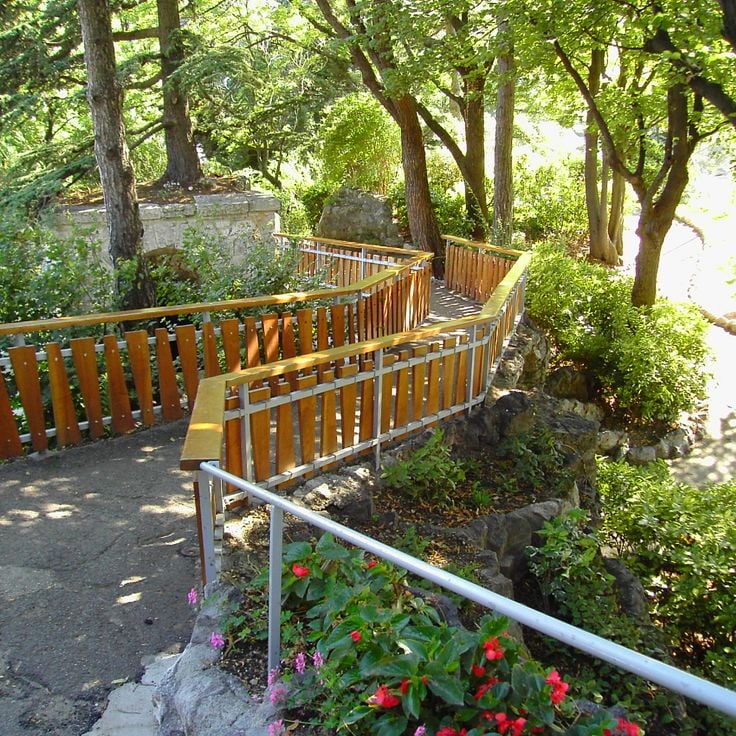
The Jardin des Dauphins is a terraced garden on the hillside below the Bastille, with paved walkways winding through tree cover and planted beds. The garden sits adjacent to the fort and provides viewing areas across Grenoble and the surrounding Isère valley. Visitors reach the terraces via the cable car or on foot using the historic stone steps from the city center. The terraces date from the 17th century and now function as a public park with benches positioned along the pathways.
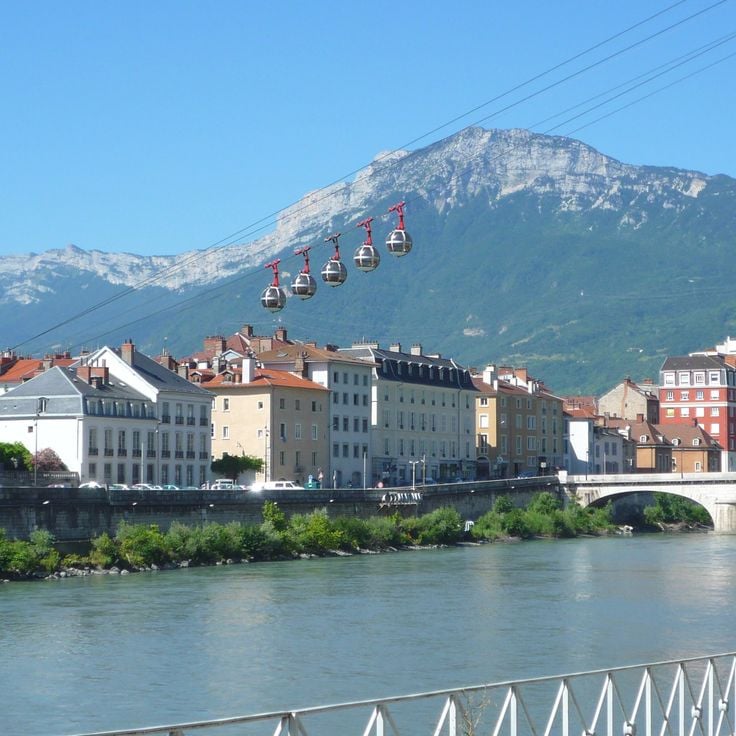
This cable car transports visitors 870 feet (264 meters) up to Fort de la Bastille, offering panoramic views of Grenoble and the surrounding Alps. The cable car operates regularly from the city center, providing direct access to the historic fortifications and observation terraces. The journey takes a few minutes and crosses the Isère River. From the upper station, hiking trails and restaurants are within easy reach.
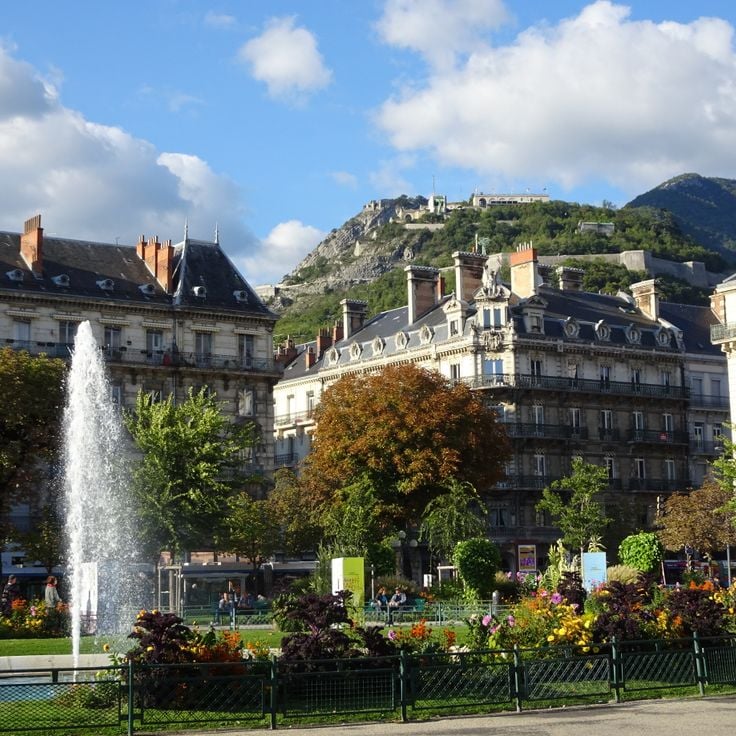
This central square in Grenoble combines everyday urban life with historic architecture and sits at the heart of the old quarter, surrounded by multistory buildings from the nineteenth century. Place Victor Hugo serves as a gathering point for locals and visitors, with a fountain at its center flanked by shops, cafés and restaurants. The surrounding facades display typical Alpine urban architecture, while the square itself functions as a starting point for exploring the old town and nearby shopping streets.
This museum documents regional wildlife, vegetation and geology with emphasis on the Alpine ecosystem. Collections include preserved specimens of native species, among them mammals, birds and insects from different elevations throughout the Alps. Mineral displays present rocks and crystals from surrounding mountain ranges. Botanical specimens illustrate vegetation of subalpine and alpine zones. Interactive stations explain how organisms adapt to high-altitude environments and the geological evolution of the region.
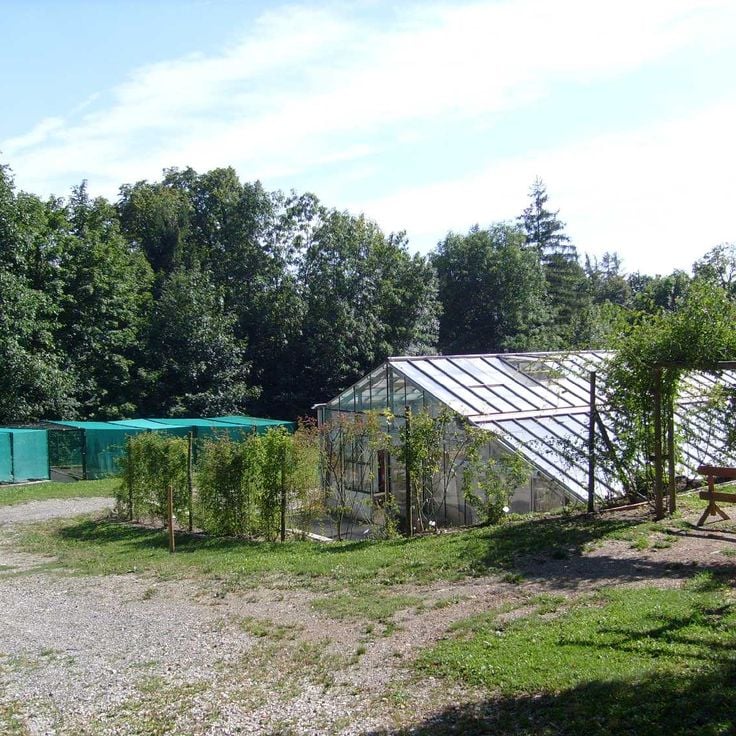
The Conservatoire Botanique Alpin serves as a research facility dedicated to mountain flora preservation. The collection comprises over 500 plant species from the French Alps and other mountain ranges worldwide. The center documents how vegetation adapts to alpine climate conditions and conducts species conservation programs. Visitors can explore themed gardens representing different elevation zones and geological formations found throughout the Alps.
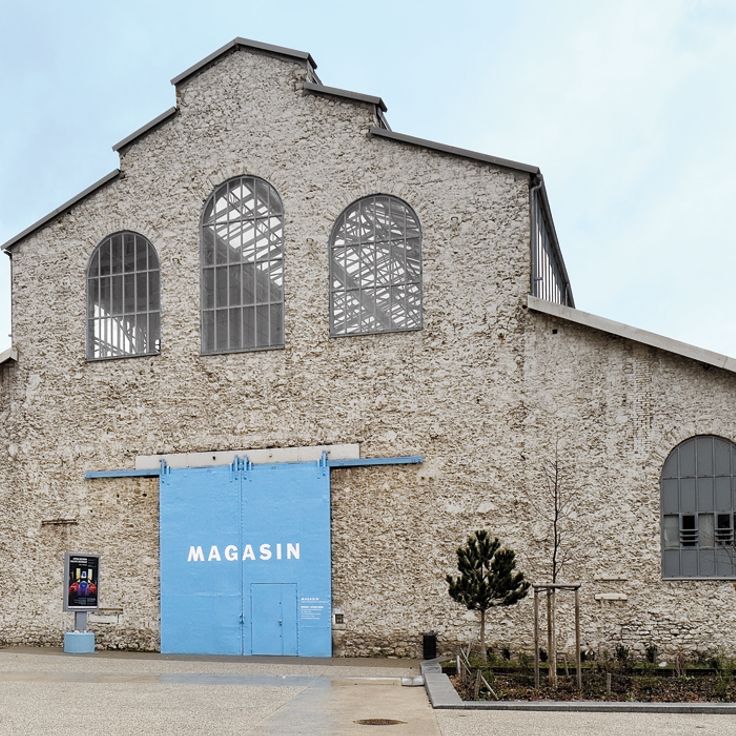
Le Magasin - Centre national d'art contemporain occupies a former 19th-century industrial building and presents rotating exhibitions of contemporary art and installations. The conversion of this historic factory structure creates an unusual setting for modern artistic works. The center showcases pieces by French and international artists through its changing program. The expansive industrial spaces provide flexibility for large-scale installations and varied exhibition formats. Visitors find access to current art trends in an environment that connects Grenoble's industrial past with its cultural offerings.
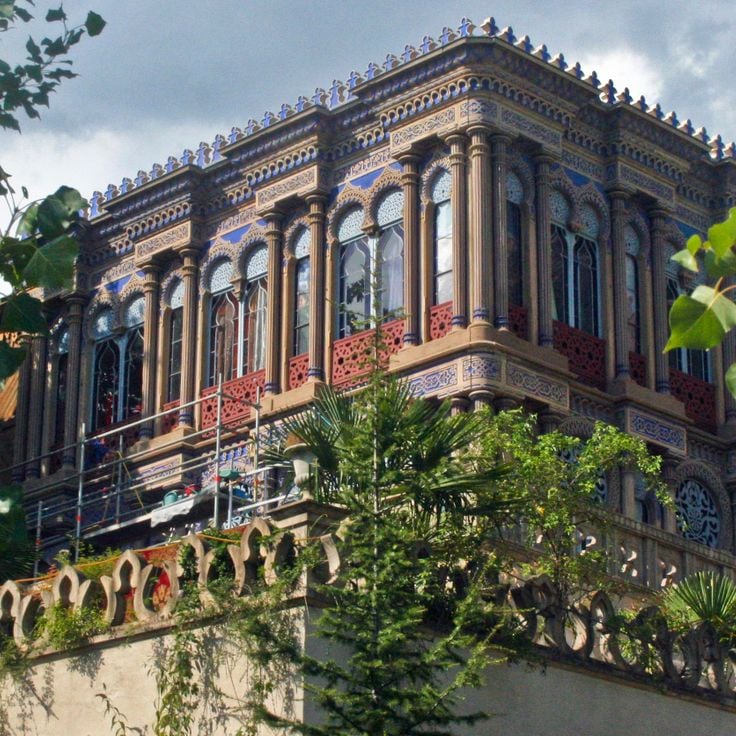
Villa Musée Casamaures was built in 1855 and features oriental architecture with cement ornamentation. The building stands in a garden with mountain views and documents the architectural diversity of Grenoble in the 19th century.
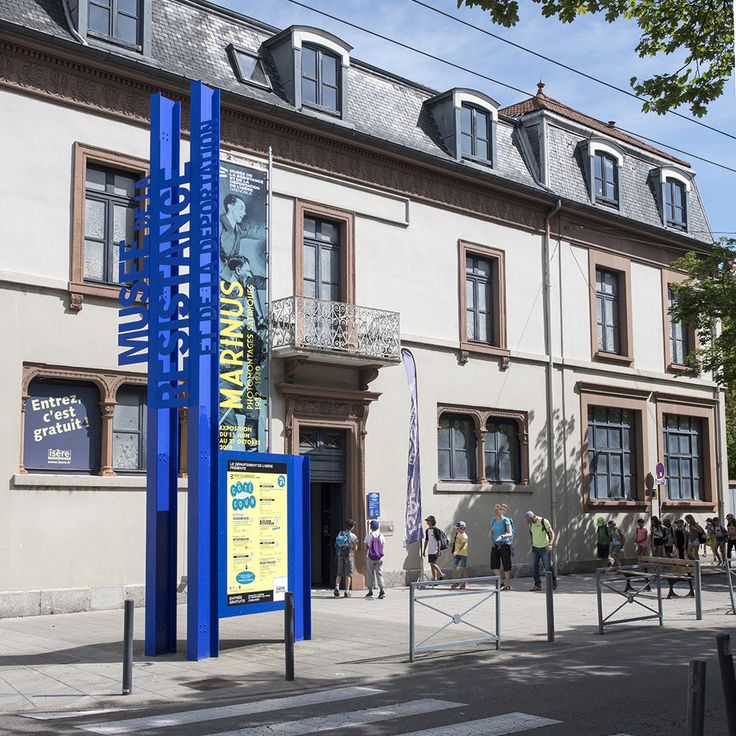
This museum documents the French Résistance during World War II through exhibitions, photographs and personal belongings of resistance fighters. The collection includes historical documents, weapons, communication devices and eyewitness accounts from the Grenoble region, which served as a major resistance center during the occupation. The museum provides insight into the organization of the resistance, deportations and the liberation of the city.
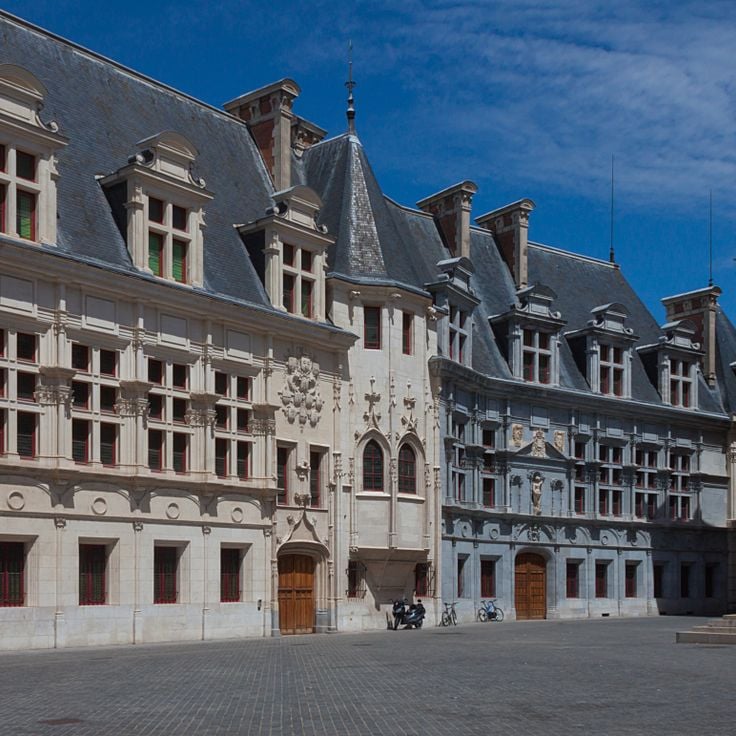
The Palais du Parlement du Dauphiné is a 15th-century Gothic building that served as the courthouse for the Dauphiné region. This structure documents the administrative and legal history of Grenoble during the medieval and early modern periods. The architectural features display typical Gothic elements of the French Alpine region. The palace ranks among the historic administrative buildings that represent Grenoble's urban heritage.
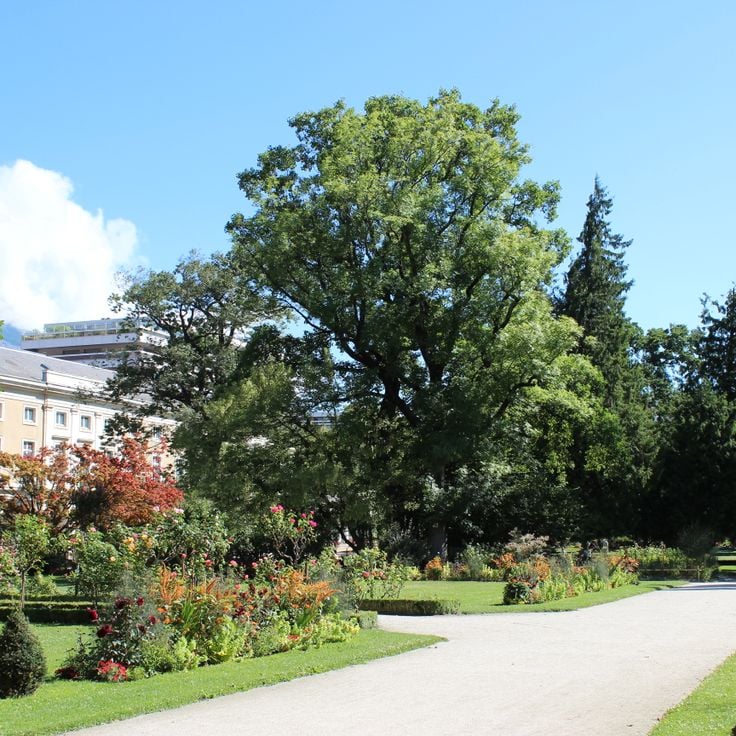
The Jardin des Plantes de Grenoble is an 18th-century botanical garden that presents a collection of native and exotic plant species, complementing the city's green spaces. The site includes greenhouses housing tropical and subtropical plants, along with paths that wind through different thematic sections, offering visitors an overview of botanical diversity within an urban setting near the Alps.
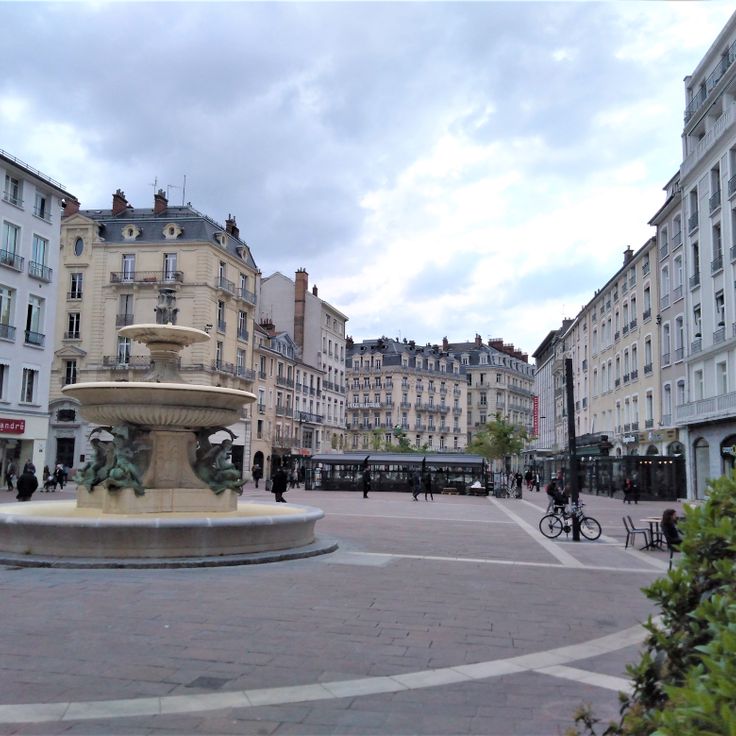
This central square features a 19th-century fountain and is lined with restaurants and shops. The space serves as a gathering point in the heart of Grenoble and documents the urban development of the region. The historic fountain dates from the period of urban modernization and now forms the center of public life in the downtown area.
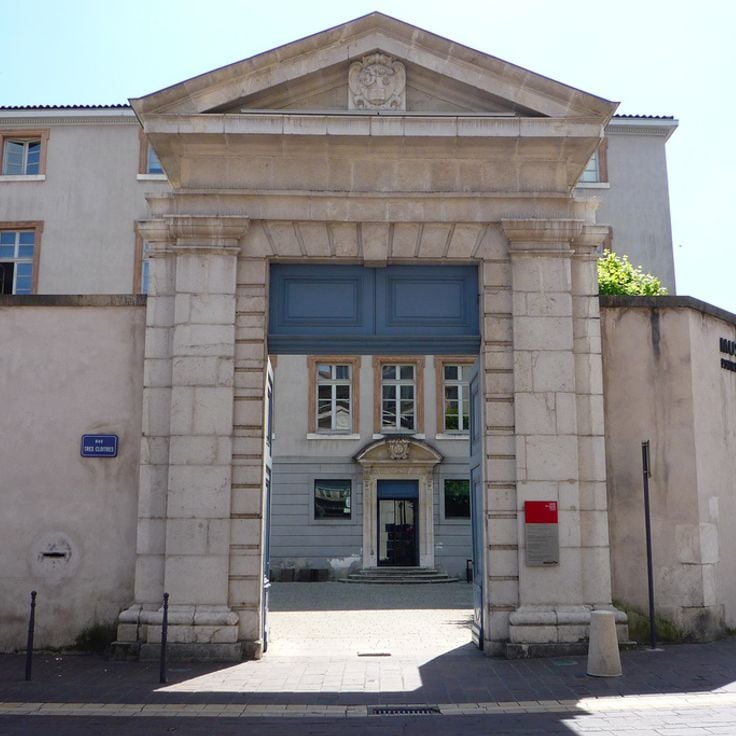
The Musée de l'Ancien Évêché chronicles the history of Grenoble within a 13th-century episcopal palace. Exhibition rooms display archaeological findings from different periods, including Roman and medieval objects. The basement preserves remains of the region's first Christian baptistery. The collection includes documents, paintings and everyday items that trace the development of the city and its institutions.
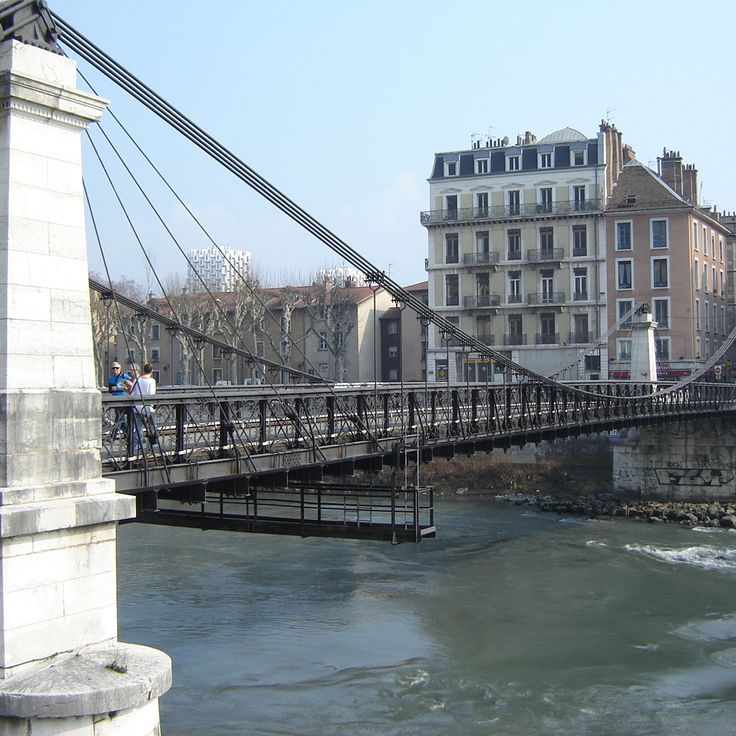
The Passerelle Saint-Laurent is a metal suspension footbridge built in 1837 that crosses the Isère River and connects both banks in Grenoble. From the bridge, visitors see the historic Saint-Laurent neighborhood and the surrounding peaks of the French Alps. The structure is among the older preserved bridges in the city and serves both pedestrians and cyclists.
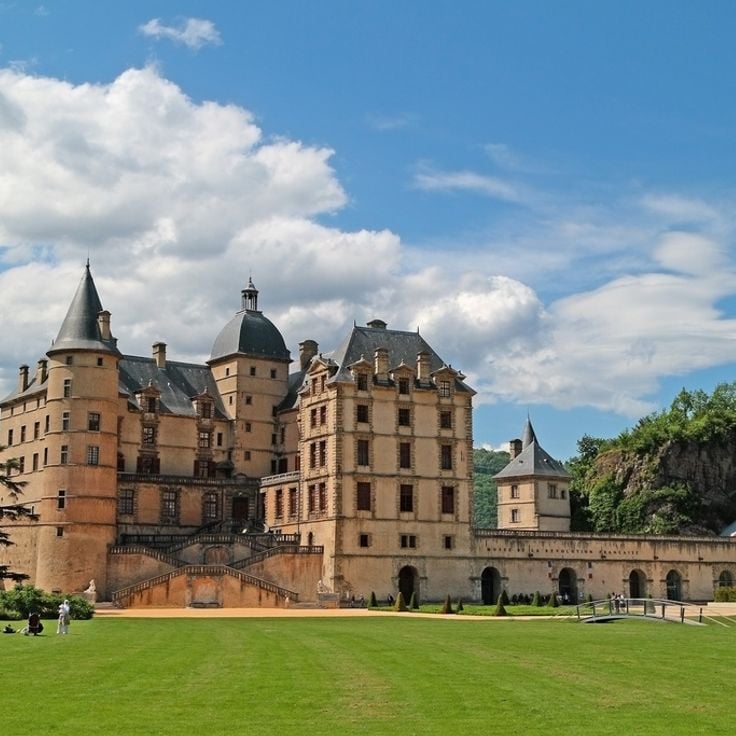
The Château de Vizille stands twelve miles (20 kilometers) south of Grenoble and houses the Museum of the French Revolution. The collection includes paintings, sculptures and historical documents from the period between 1789 and 1799. This 17th-century castle was built for the Duke of Lesdiguières. Exhibition rooms display works by Jacques-Louis David and other significant artists of that era. A 250-acre (100-hectare) park with lakes and forest trails surrounds the building.
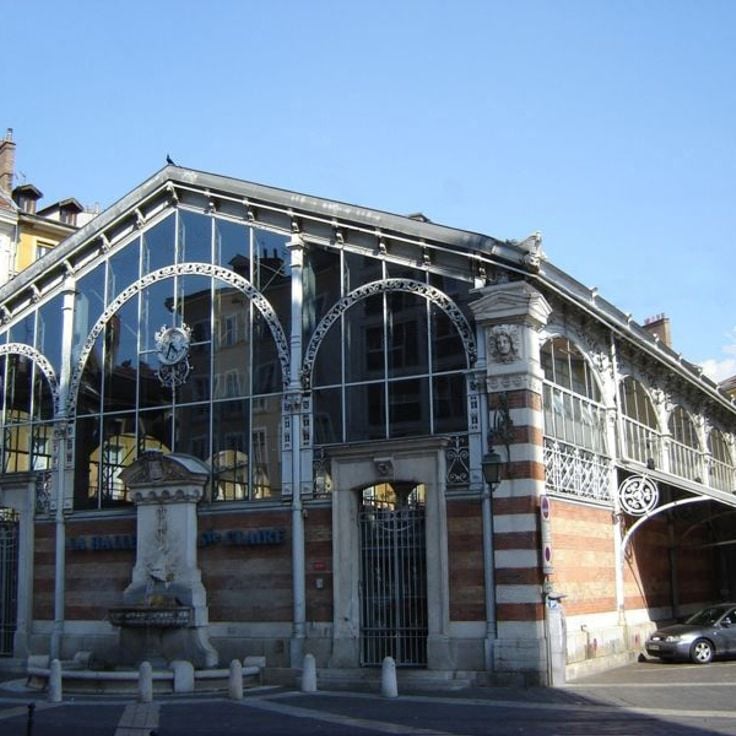
The Halle Sainte-Claire from 1874 operates six days a week as a covered market serving the city. Local vendors sell regional produce, cheeses, meats and flowers under the 19th-century structure. The market functions as a supply point for residents and visitors seeking ingredients from the surrounding alpine region. The location near the old town provides access to Grenoble's food culture and connects shoppers with producers from nearby valleys and farms.
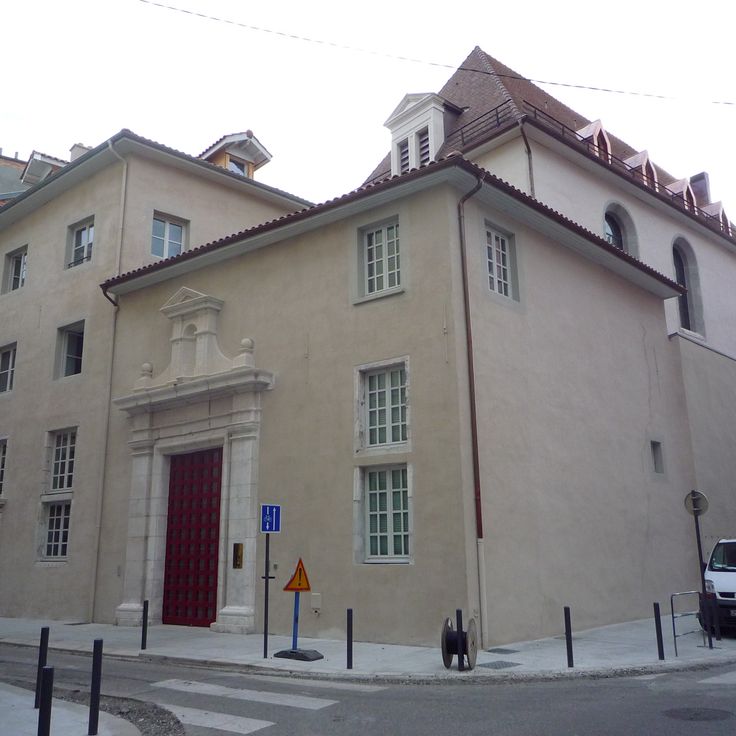
The Couvent Sainte-Cécile is a former 19th-century monastery that now houses art galleries and cultural spaces. The renovated building preserves its original architecture and serves as a venue for exhibitions and cultural activities in Grenoble.
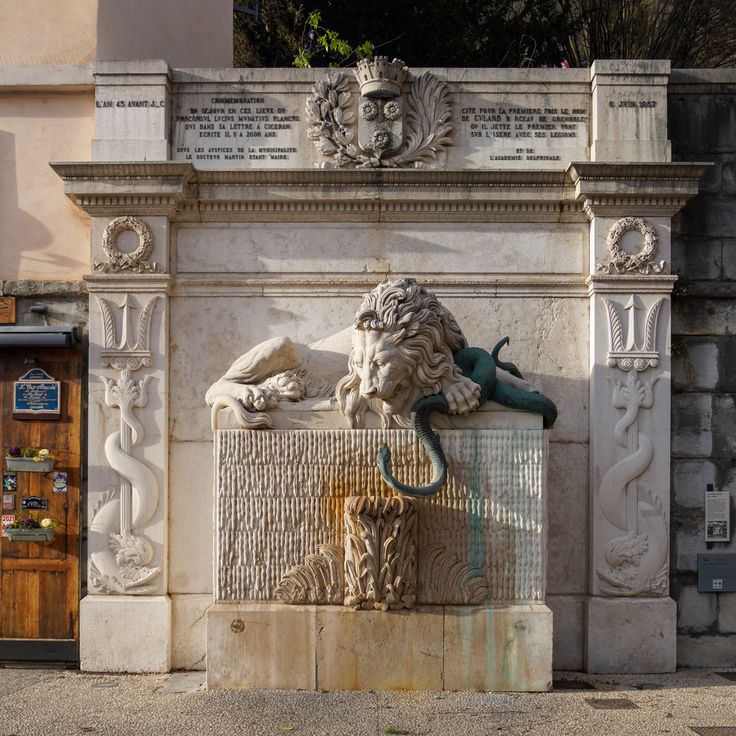
This bronze fountain dating from 1843 depicts a lion battling a serpent and stands on Place Notre-Dame near Grenoble's cathedral. The monument belongs to the city's historic fountain installations and documents 19th-century urban water supply as well as the decorative design of public squares during that period.
The Musée Stendhal documents the life and work of French writer Henri Beyle, who wrote under the pen name Stendhal. The museum displays original manuscripts, personal belongings, letters and documents in a historic building that reflects Grenoble's literary tradition. The exhibition places Stendhal's output within the cultural context of 19th-century France.
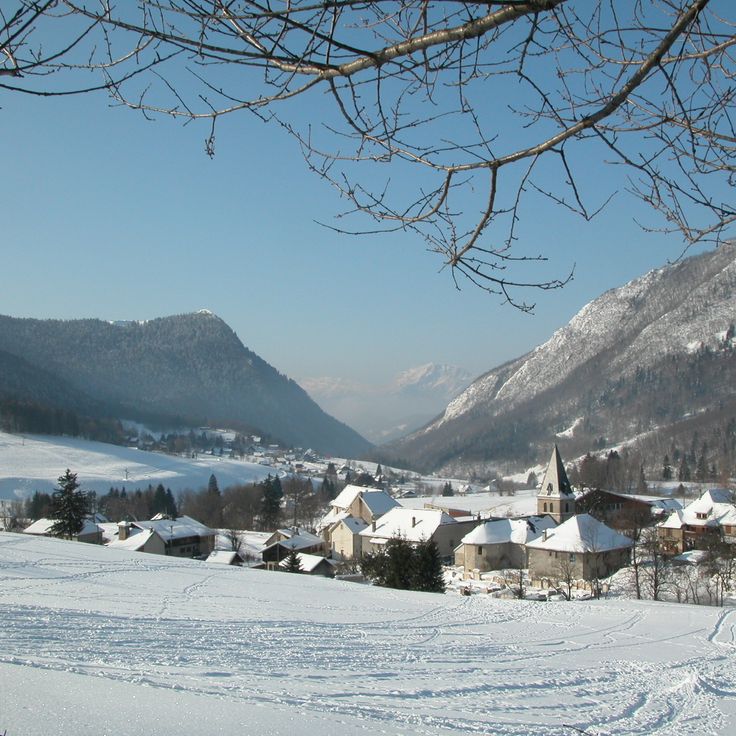
Le Sappey-en-Chartreuse sits at an elevation of 3,280 feet (1,000 meters) in the Chartreuse mountains and offers groomed cross-country ski trails in winter and marked hiking paths through the surrounding slopes during summer. The village serves as a base for excursions into Chartreuse Regional Natural Park and lies approximately 30 minutes from Grenoble. Local infrastructure includes several restaurants and accommodations for visitors exploring the alpine terrain of the region.
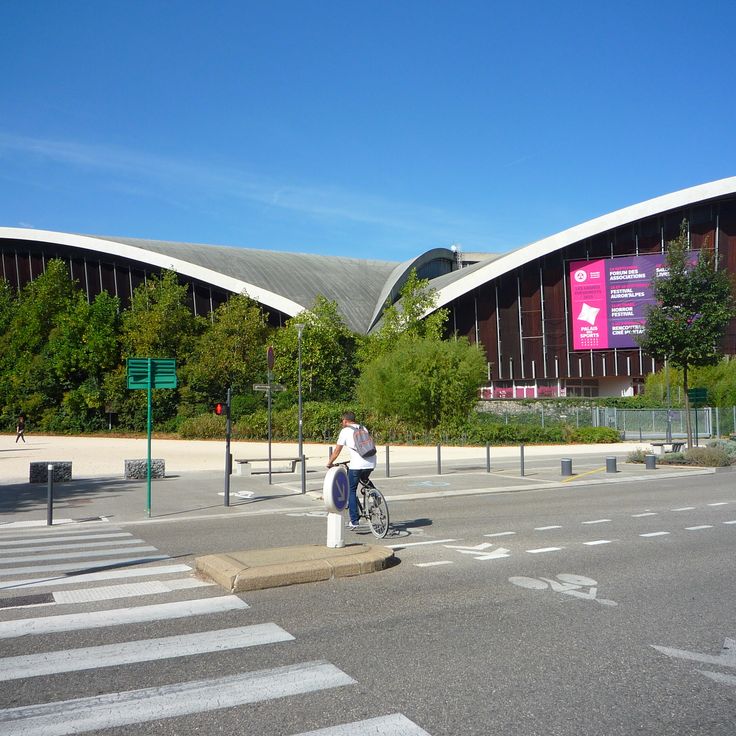
The Palais des Sports accommodates around 12,000 spectators (approximately 12,000) for basketball games, ice hockey matches and gymnastics competitions throughout the year in this covered venue within Grenoble's urban framework. Built in 1967, the facility hosts regular national and European competitions along with cultural events and serves as home arena for several local teams competing in French championships.
Summum is a 5,000-seat performance venue that presents a broad range of artistic productions. The facility hosts national and international music acts, theater performances and comedy shows. Technical equipment includes professional sound systems designed for different event formats. Summum contributes to Grenoble's cultural offerings as a touring venue and provides a performance space for various artistic genres within the urban setting of the Alpine region.
The Parc Naturel Régional de Chartreuse covers approximately 190,000 acres (76,700 hectares) north of Grenoble, displaying limestone cliffs, forested valleys and alpine meadows across the Prealps. Marked trails lead through beech forests and to summits including Chamechaude at 6,830 feet (2,082 meters). The protected area supports chamois, golden eagles and endemic plant species. Visitor centers provide information on regional geology, flora and traditional farming practices.
The Bastille fortress from the 19th century stands at 1,560 feet (476 meters) above Grenoble and provides views over the city and the surrounding Alpine valleys. Visitors reach this historic defensive structure via the cable car opened in 1934 or by several hiking trails. The fort now houses a military museum with exhibits on regional history and a restaurant. From the bastions, views extend across the Isère plain to the massifs of the French Alps.
The Musée de Grenoble presents art from the 13th to the 21st century, including works by Kandinsky, Matisse and regional artists. The collection encompasses French and European paintings, sculpture and modern art. This museum sits in the city center and documents the artistic development of the Alpine region as well as major European art movements.
This central park in Grenoble covers 75 acres (30 hectares) and combines green spaces with sports facilities in an urban setting. The Perret Tower rises 310 feet (95 meters) above the grounds. The lake and broad lawns provide recreation areas between surrounding neighborhoods. The site was expanded for the 1968 Winter Olympics and now serves as a major public space for sports and leisure activities.
The Musée Dauphinois occupies a former 17th-century monastery and documents the history of the Dauphiné region. Collections include archaeological finds, everyday objects and ethnographic displays that trace the development of alpine culture. Rotating exhibitions address topics such as mountain dwellers, crafts and regional traditions. The building preserves parts of the original monastery architecture, including vaulted ceilings and a chapel. The museum stands on the Sainte-Marie-d'en-Haut hill with views over Grenoble and the surrounding mountains.
The Massif de la Chartreuse extends 40 miles (65 kilometers) north of Grenoble, offering hiking trails, climbing routes and caves throughout this limestone formation. The range serves as a recreation area for outdoor activities and houses several historic monastery complexes, including the Grande Chartreuse. Multiple villages in the valleys provide access points for excursions of varying difficulty through the forested slopes and across the distinctive limestone cliffs.
This central square from the 13th century houses the former Parlement du Dauphiné building, which served as the seat of the local parliament from 1453 to 1539. Place Saint-André developed into an important gathering point and remains a busy center today with restaurants and outdoor seating. The surrounding buildings from different periods show the architectural evolution of the city. The square sits in the historic core of Grenoble and connects several streets of the old town.
This archaeological museum occupies a former 6th-century church that documents 2,000 years of local history. The crypt reveals early Christian and medieval burials, while excavated foundations expose Roman and early medieval settlement layers. Visitors follow a pathway through different historical levels, tracing the site's architectural evolution from antiquity through modern times.
The Grottes de Sassenage form an underground network of waterfalls and rivers that can be explored on guided tours. This cave system on the edge of Grenoble sits at the base of the Vercors massif and reveals underground galleries documented since the 17th century. Tours lead through lit passages and conclude at a subterranean waterfall fed by tectonic fissures.
The Jardin des Dauphins is a terraced garden on the hillside below the Bastille, with paved walkways winding through tree cover and planted beds. The garden sits adjacent to the fort and provides viewing areas across Grenoble and the surrounding Isère valley. Visitors reach the terraces via the cable car or on foot using the historic stone steps from the city center. The terraces date from the 17th century and now function as a public park with benches positioned along the pathways.
This cable car transports visitors 870 feet (264 meters) up to Fort de la Bastille, offering panoramic views of Grenoble and the surrounding Alps. The cable car operates regularly from the city center, providing direct access to the historic fortifications and observation terraces. The journey takes a few minutes and crosses the Isère River. From the upper station, hiking trails and restaurants are within easy reach.
This central square in Grenoble combines everyday urban life with historic architecture and sits at the heart of the old quarter, surrounded by multistory buildings from the nineteenth century. Place Victor Hugo serves as a gathering point for locals and visitors, with a fountain at its center flanked by shops, cafés and restaurants. The surrounding facades display typical Alpine urban architecture, while the square itself functions as a starting point for exploring the old town and nearby shopping streets.
This museum documents regional wildlife, vegetation and geology with emphasis on the Alpine ecosystem. Collections include preserved specimens of native species, among them mammals, birds and insects from different elevations throughout the Alps. Mineral displays present rocks and crystals from surrounding mountain ranges. Botanical specimens illustrate vegetation of subalpine and alpine zones. Interactive stations explain how organisms adapt to high-altitude environments and the geological evolution of the region.
The Conservatoire Botanique Alpin serves as a research facility dedicated to mountain flora preservation. The collection comprises over 500 plant species from the French Alps and other mountain ranges worldwide. The center documents how vegetation adapts to alpine climate conditions and conducts species conservation programs. Visitors can explore themed gardens representing different elevation zones and geological formations found throughout the Alps.
Le Magasin - Centre national d'art contemporain occupies a former 19th-century industrial building and presents rotating exhibitions of contemporary art and installations. The conversion of this historic factory structure creates an unusual setting for modern artistic works. The center showcases pieces by French and international artists through its changing program. The expansive industrial spaces provide flexibility for large-scale installations and varied exhibition formats. Visitors find access to current art trends in an environment that connects Grenoble's industrial past with its cultural offerings.
Villa Musée Casamaures was built in 1855 and features oriental architecture with cement ornamentation. The building stands in a garden with mountain views and documents the architectural diversity of Grenoble in the 19th century.
This museum documents the French Résistance during World War II through exhibitions, photographs and personal belongings of resistance fighters. The collection includes historical documents, weapons, communication devices and eyewitness accounts from the Grenoble region, which served as a major resistance center during the occupation. The museum provides insight into the organization of the resistance, deportations and the liberation of the city.
The Palais du Parlement du Dauphiné is a 15th-century Gothic building that served as the courthouse for the Dauphiné region. This structure documents the administrative and legal history of Grenoble during the medieval and early modern periods. The architectural features display typical Gothic elements of the French Alpine region. The palace ranks among the historic administrative buildings that represent Grenoble's urban heritage.
The Jardin des Plantes de Grenoble is an 18th-century botanical garden that presents a collection of native and exotic plant species, complementing the city's green spaces. The site includes greenhouses housing tropical and subtropical plants, along with paths that wind through different thematic sections, offering visitors an overview of botanical diversity within an urban setting near the Alps.
This central square features a 19th-century fountain and is lined with restaurants and shops. The space serves as a gathering point in the heart of Grenoble and documents the urban development of the region. The historic fountain dates from the period of urban modernization and now forms the center of public life in the downtown area.
The Musée de l'Ancien Évêché chronicles the history of Grenoble within a 13th-century episcopal palace. Exhibition rooms display archaeological findings from different periods, including Roman and medieval objects. The basement preserves remains of the region's first Christian baptistery. The collection includes documents, paintings and everyday items that trace the development of the city and its institutions.
The Passerelle Saint-Laurent is a metal suspension footbridge built in 1837 that crosses the Isère River and connects both banks in Grenoble. From the bridge, visitors see the historic Saint-Laurent neighborhood and the surrounding peaks of the French Alps. The structure is among the older preserved bridges in the city and serves both pedestrians and cyclists.
The Château de Vizille stands twelve miles (20 kilometers) south of Grenoble and houses the Museum of the French Revolution. The collection includes paintings, sculptures and historical documents from the period between 1789 and 1799. This 17th-century castle was built for the Duke of Lesdiguières. Exhibition rooms display works by Jacques-Louis David and other significant artists of that era. A 250-acre (100-hectare) park with lakes and forest trails surrounds the building.
The Halle Sainte-Claire from 1874 operates six days a week as a covered market serving the city. Local vendors sell regional produce, cheeses, meats and flowers under the 19th-century structure. The market functions as a supply point for residents and visitors seeking ingredients from the surrounding alpine region. The location near the old town provides access to Grenoble's food culture and connects shoppers with producers from nearby valleys and farms.
The Couvent Sainte-Cécile is a former 19th-century monastery that now houses art galleries and cultural spaces. The renovated building preserves its original architecture and serves as a venue for exhibitions and cultural activities in Grenoble.
This bronze fountain dating from 1843 depicts a lion battling a serpent and stands on Place Notre-Dame near Grenoble's cathedral. The monument belongs to the city's historic fountain installations and documents 19th-century urban water supply as well as the decorative design of public squares during that period.
The Musée Stendhal documents the life and work of French writer Henri Beyle, who wrote under the pen name Stendhal. The museum displays original manuscripts, personal belongings, letters and documents in a historic building that reflects Grenoble's literary tradition. The exhibition places Stendhal's output within the cultural context of 19th-century France.
Le Sappey-en-Chartreuse sits at an elevation of 3,280 feet (1,000 meters) in the Chartreuse mountains and offers groomed cross-country ski trails in winter and marked hiking paths through the surrounding slopes during summer. The village serves as a base for excursions into Chartreuse Regional Natural Park and lies approximately 30 minutes from Grenoble. Local infrastructure includes several restaurants and accommodations for visitors exploring the alpine terrain of the region.
The Palais des Sports accommodates around 12,000 spectators (approximately 12,000) for basketball games, ice hockey matches and gymnastics competitions throughout the year in this covered venue within Grenoble's urban framework. Built in 1967, the facility hosts regular national and European competitions along with cultural events and serves as home arena for several local teams competing in French championships.
Summum is a 5,000-seat performance venue that presents a broad range of artistic productions. The facility hosts national and international music acts, theater performances and comedy shows. Technical equipment includes professional sound systems designed for different event formats. Summum contributes to Grenoble's cultural offerings as a touring venue and provides a performance space for various artistic genres within the urban setting of the Alpine region.
The Parc Naturel Régional de Chartreuse covers approximately 190,000 acres (76,700 hectares) north of Grenoble, displaying limestone cliffs, forested valleys and alpine meadows across the Prealps. Marked trails lead through beech forests and to summits including Chamechaude at 6,830 feet (2,082 meters). The protected area supports chamois, golden eagles and endemic plant species. Visitor centers provide information on regional geology, flora and traditional farming practices.
The Bastille fortress from the 19th century stands at 1,560 feet (476 meters) above Grenoble and provides views over the city and the surrounding Alpine valleys. Visitors reach this historic defensive structure via the cable car opened in 1934 or by several hiking trails. The fort now houses a military museum with exhibits on regional history and a restaurant. From the bastions, views extend across the Isère plain to the massifs of the French Alps.
The Musée de Grenoble presents art from the 13th to the 21st century, including works by Kandinsky, Matisse and regional artists. The collection encompasses French and European paintings, sculpture and modern art. This museum sits in the city center and documents the artistic development of the Alpine region as well as major European art movements.
This central park in Grenoble covers 75 acres (30 hectares) and combines green spaces with sports facilities in an urban setting. The Perret Tower rises 310 feet (95 meters) above the grounds. The lake and broad lawns provide recreation areas between surrounding neighborhoods. The site was expanded for the 1968 Winter Olympics and now serves as a major public space for sports and leisure activities.
The Musée Dauphinois occupies a former 17th-century monastery and documents the history of the Dauphiné region. Collections include archaeological finds, everyday objects and ethnographic displays that trace the development of alpine culture. Rotating exhibitions address topics such as mountain dwellers, crafts and regional traditions. The building preserves parts of the original monastery architecture, including vaulted ceilings and a chapel. The museum stands on the Sainte-Marie-d'en-Haut hill with views over Grenoble and the surrounding mountains.
The Massif de la Chartreuse extends 40 miles (65 kilometers) north of Grenoble, offering hiking trails, climbing routes and caves throughout this limestone formation. The range serves as a recreation area for outdoor activities and houses several historic monastery complexes, including the Grande Chartreuse. Multiple villages in the valleys provide access points for excursions of varying difficulty through the forested slopes and across the distinctive limestone cliffs.
This central square from the 13th century houses the former Parlement du Dauphiné building, which served as the seat of the local parliament from 1453 to 1539. Place Saint-André developed into an important gathering point and remains a busy center today with restaurants and outdoor seating. The surrounding buildings from different periods show the architectural evolution of the city. The square sits in the historic core of Grenoble and connects several streets of the old town.
This archaeological museum occupies a former 6th-century church that documents 2,000 years of local history. The crypt reveals early Christian and medieval burials, while excavated foundations expose Roman and early medieval settlement layers. Visitors follow a pathway through different historical levels, tracing the site's architectural evolution from antiquity through modern times.
The Grottes de Sassenage form an underground network of waterfalls and rivers that can be explored on guided tours. This cave system on the edge of Grenoble sits at the base of the Vercors massif and reveals underground galleries documented since the 17th century. Tours lead through lit passages and conclude at a subterranean waterfall fed by tectonic fissures.
The Jardin des Dauphins is a terraced garden on the hillside below the Bastille, with paved walkways winding through tree cover and planted beds. The garden sits adjacent to the fort and provides viewing areas across Grenoble and the surrounding Isère valley. Visitors reach the terraces via the cable car or on foot using the historic stone steps from the city center. The terraces date from the 17th century and now function as a public park with benches positioned along the pathways.
This cable car transports visitors 870 feet (264 meters) up to Fort de la Bastille, offering panoramic views of Grenoble and the surrounding Alps. The cable car operates regularly from the city center, providing direct access to the historic fortifications and observation terraces. The journey takes a few minutes and crosses the Isère River. From the upper station, hiking trails and restaurants are within easy reach.
This central square in Grenoble combines everyday urban life with historic architecture and sits at the heart of the old quarter, surrounded by multistory buildings from the nineteenth century. Place Victor Hugo serves as a gathering point for locals and visitors, with a fountain at its center flanked by shops, cafés and restaurants. The surrounding facades display typical Alpine urban architecture, while the square itself functions as a starting point for exploring the old town and nearby shopping streets.
This museum documents regional wildlife, vegetation and geology with emphasis on the Alpine ecosystem. Collections include preserved specimens of native species, among them mammals, birds and insects from different elevations throughout the Alps. Mineral displays present rocks and crystals from surrounding mountain ranges. Botanical specimens illustrate vegetation of subalpine and alpine zones. Interactive stations explain how organisms adapt to high-altitude environments and the geological evolution of the region.
The Conservatoire Botanique Alpin serves as a research facility dedicated to mountain flora preservation. The collection comprises over 500 plant species from the French Alps and other mountain ranges worldwide. The center documents how vegetation adapts to alpine climate conditions and conducts species conservation programs. Visitors can explore themed gardens representing different elevation zones and geological formations found throughout the Alps.
Le Magasin - Centre national d'art contemporain occupies a former 19th-century industrial building and presents rotating exhibitions of contemporary art and installations. The conversion of this historic factory structure creates an unusual setting for modern artistic works. The center showcases pieces by French and international artists through its changing program. The expansive industrial spaces provide flexibility for large-scale installations and varied exhibition formats. Visitors find access to current art trends in an environment that connects Grenoble's industrial past with its cultural offerings.
Villa Musée Casamaures was built in 1855 and features oriental architecture with cement ornamentation. The building stands in a garden with mountain views and documents the architectural diversity of Grenoble in the 19th century.
This museum documents the French Résistance during World War II through exhibitions, photographs and personal belongings of resistance fighters. The collection includes historical documents, weapons, communication devices and eyewitness accounts from the Grenoble region, which served as a major resistance center during the occupation. The museum provides insight into the organization of the resistance, deportations and the liberation of the city.
The Palais du Parlement du Dauphiné is a 15th-century Gothic building that served as the courthouse for the Dauphiné region. This structure documents the administrative and legal history of Grenoble during the medieval and early modern periods. The architectural features display typical Gothic elements of the French Alpine region. The palace ranks among the historic administrative buildings that represent Grenoble's urban heritage.
The Jardin des Plantes de Grenoble is an 18th-century botanical garden that presents a collection of native and exotic plant species, complementing the city's green spaces. The site includes greenhouses housing tropical and subtropical plants, along with paths that wind through different thematic sections, offering visitors an overview of botanical diversity within an urban setting near the Alps.
This central square features a 19th-century fountain and is lined with restaurants and shops. The space serves as a gathering point in the heart of Grenoble and documents the urban development of the region. The historic fountain dates from the period of urban modernization and now forms the center of public life in the downtown area.
The Musée de l'Ancien Évêché chronicles the history of Grenoble within a 13th-century episcopal palace. Exhibition rooms display archaeological findings from different periods, including Roman and medieval objects. The basement preserves remains of the region's first Christian baptistery. The collection includes documents, paintings and everyday items that trace the development of the city and its institutions.
The Passerelle Saint-Laurent is a metal suspension footbridge built in 1837 that crosses the Isère River and connects both banks in Grenoble. From the bridge, visitors see the historic Saint-Laurent neighborhood and the surrounding peaks of the French Alps. The structure is among the older preserved bridges in the city and serves both pedestrians and cyclists.
The Château de Vizille stands twelve miles (20 kilometers) south of Grenoble and houses the Museum of the French Revolution. The collection includes paintings, sculptures and historical documents from the period between 1789 and 1799. This 17th-century castle was built for the Duke of Lesdiguières. Exhibition rooms display works by Jacques-Louis David and other significant artists of that era. A 250-acre (100-hectare) park with lakes and forest trails surrounds the building.
The Halle Sainte-Claire from 1874 operates six days a week as a covered market serving the city. Local vendors sell regional produce, cheeses, meats and flowers under the 19th-century structure. The market functions as a supply point for residents and visitors seeking ingredients from the surrounding alpine region. The location near the old town provides access to Grenoble's food culture and connects shoppers with producers from nearby valleys and farms.
The Couvent Sainte-Cécile is a former 19th-century monastery that now houses art galleries and cultural spaces. The renovated building preserves its original architecture and serves as a venue for exhibitions and cultural activities in Grenoble.
This bronze fountain dating from 1843 depicts a lion battling a serpent and stands on Place Notre-Dame near Grenoble's cathedral. The monument belongs to the city's historic fountain installations and documents 19th-century urban water supply as well as the decorative design of public squares during that period.
The Musée Stendhal documents the life and work of French writer Henri Beyle, who wrote under the pen name Stendhal. The museum displays original manuscripts, personal belongings, letters and documents in a historic building that reflects Grenoble's literary tradition. The exhibition places Stendhal's output within the cultural context of 19th-century France.
Le Sappey-en-Chartreuse sits at an elevation of 3,280 feet (1,000 meters) in the Chartreuse mountains and offers groomed cross-country ski trails in winter and marked hiking paths through the surrounding slopes during summer. The village serves as a base for excursions into Chartreuse Regional Natural Park and lies approximately 30 minutes from Grenoble. Local infrastructure includes several restaurants and accommodations for visitors exploring the alpine terrain of the region.
The Palais des Sports accommodates around 12,000 spectators (approximately 12,000) for basketball games, ice hockey matches and gymnastics competitions throughout the year in this covered venue within Grenoble's urban framework. Built in 1967, the facility hosts regular national and European competitions along with cultural events and serves as home arena for several local teams competing in French championships.
Summum is a 5,000-seat performance venue that presents a broad range of artistic productions. The facility hosts national and international music acts, theater performances and comedy shows. Technical equipment includes professional sound systems designed for different event formats. Summum contributes to Grenoble's cultural offerings as a touring venue and provides a performance space for various artistic genres within the urban setting of the Alpine region.
The Parc Naturel Régional de Chartreuse covers approximately 190,000 acres (76,700 hectares) north of Grenoble, displaying limestone cliffs, forested valleys and alpine meadows across the Prealps. Marked trails lead through beech forests and to summits including Chamechaude at 6,830 feet (2,082 meters). The protected area supports chamois, golden eagles and endemic plant species. Visitor centers provide information on regional geology, flora and traditional farming practices.