See the monuments around you in AROpen chests in the app
Around Us is built for your phone — point your camera at the streets and discover the monuments and places around you in augmented reality.Around Us is built for your phone — chests unlock when you walk, explore and capture nearby places.
Grenoble offers many places to photograph, from the Saint-Laurent Bridge crossing the Isère River to the Bastille fortress rising 476 meters above the city. The old town reveals itself through narrow streets in the Saint-Laurent district lined with stone buildings, surrounded by squares like Place Victor Hugo and Grenette Square. The Dauphiné Parliament Palace, built in the 16th century, and the Musée de Grenoble with its modern glass front define the cityscape.
The city blends history with contemporary architecture. The Jardin de Ville and Jardin des Dauphins offer places to rest, while the Quai Perrière along the Isère provides quieter moments. Markets such as the Sainte-Claire Market Hall and Place aux Herbes show daily life in the city. Those exploring further discover the Grande Chartreuse Monastery and Sassenage Castle.
The Bastille overlooks the city and frames views of the Alps. Museums like the Natural History Museum and the Museum of the Old Bishopric tell stories of Grenoble's past. Modern buildings such as the Grenoble Bubbles and Caserne de Bonne demonstrate how the city continues to evolve. For those seeking activity, the Indoor Climbing Center and cultural venues like La Belle Électrique await.
Grenoble offers many places to photograph, from the Saint-Laurent Bridge crossing the Isère River to the Bastille fortress rising 476 meters above the city. The old town reveals itself through narrow streets in the Saint-Laurent district lined with stone buildings, surrounded by squares like Place Victor Hugo and Grenette Square. The Dauphiné Parliament Palace, built in the 16th century, and the Musée de Grenoble with its modern glass front define the cityscape.
The city blends history with contemporary architecture. The Jardin de Ville and Jardin des Dauphins offer places to rest, while the Quai Perrière along the Isère provides quieter moments. Markets such as the Sainte-Claire Market Hall and Place aux Herbes show daily life in the city. Those exploring further discover the Grande Chartreuse Monastery and Sassenage Castle.
The Bastille overlooks the city and frames views of the Alps. Museums like the Natural History Museum and the Museum of the Old Bishopric tell stories of Grenoble's past. Modern buildings such as the Grenoble Bubbles and Caserne de Bonne demonstrate how the city continues to evolve. For those seeking activity, the Indoor Climbing Center and cultural venues like La Belle Électrique await.
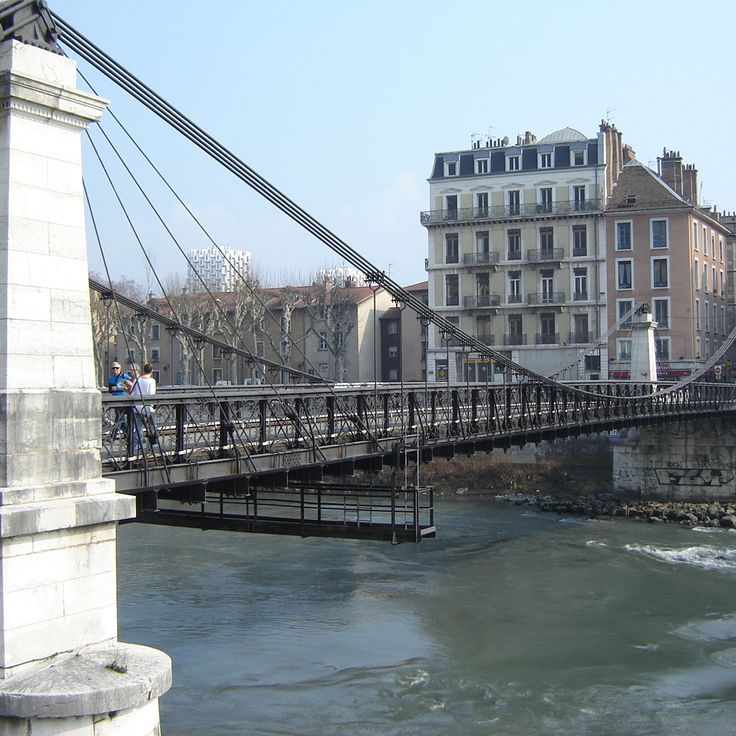
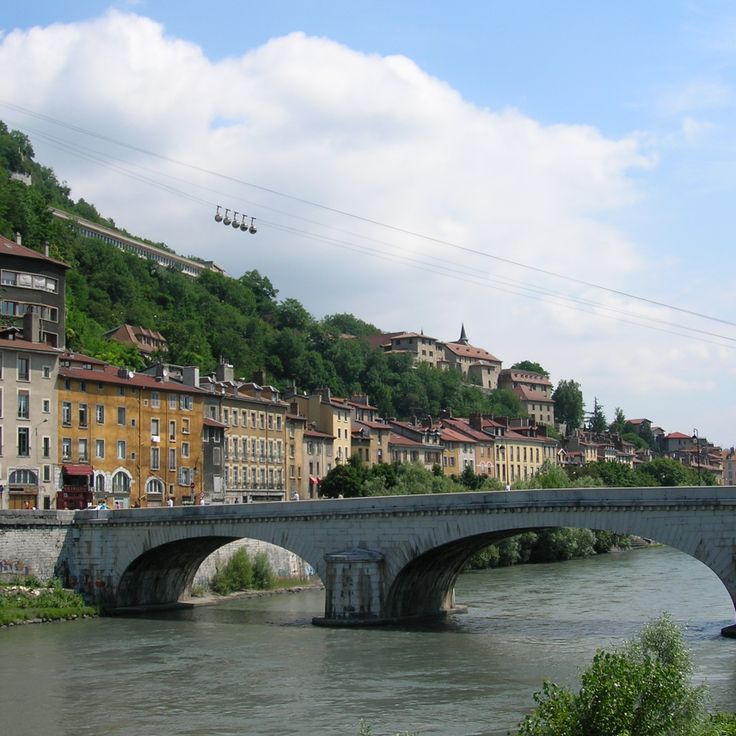
The Saint-Laurent Bridge is a key photography location in Grenoble and spans the Isère with five stone arches. Built in 1837, the bridge offers views of the old town facades along the right bank and the Chartreuse mountain range to the northwest. The historic buildings lining the riverbanks allow photographers to capture the river, urban layout, and Alpine views together in a single frame.
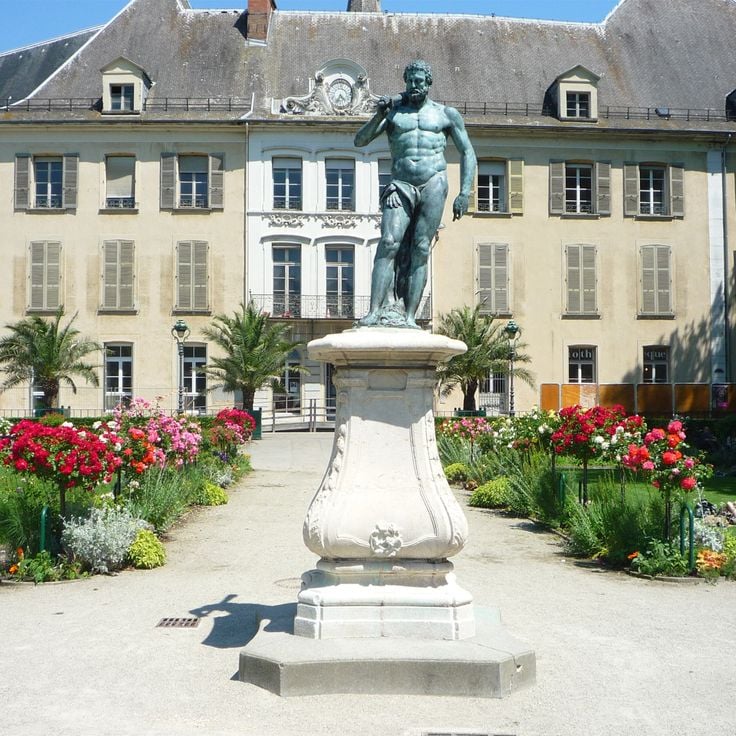
The Jardin de Ville sits in central Grenoble and provides a quiet setting with marble fountains and bronze sculptures placed among maintained flower beds. Rows of trees line the pathways through the grounds, creating shaded areas. This garden serves as one of Grenoble's photography locations where visitors can find moments of rest from the city.
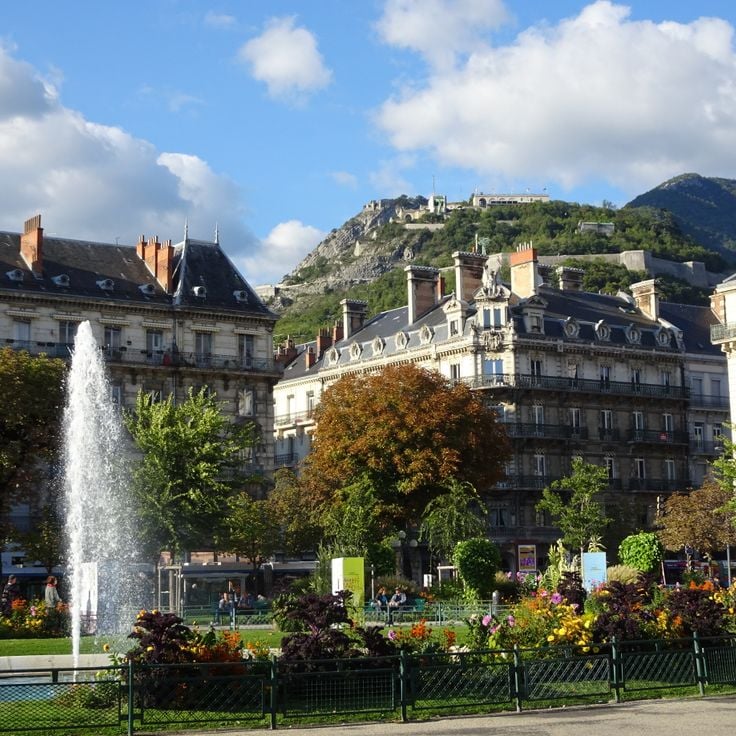
La Place Victor Hugo serves as a central point for photography in Grenoble. The monument to French writer Victor Hugo stands surrounded by geometrically arranged gardens. Classical buildings from the 19th century frame the square, their uniform architecture creating clear sight lines from multiple angles. Located between the Isère River and the Bastille fortress, this square offers varied shooting opportunities.
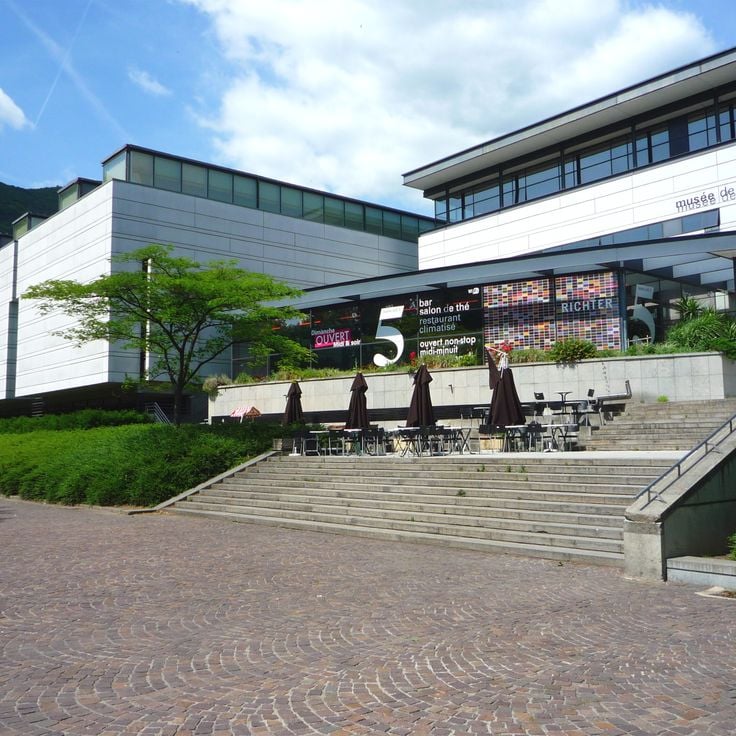
The Musée de Grenoble is a photography location featuring a glass structure that stands near the Isère riverbank in the city center. Its collection spans from ancient works to contemporary art, displaying European paintings, pieces by French modern artists, and archaeological discoveries from the region. The museum includes a sculpture garden along its outer walls and exhibition spaces across multiple levels. Natural light pours through the glass facade, creating varied lighting conditions for photographers exploring the building's modern design and its artworks.
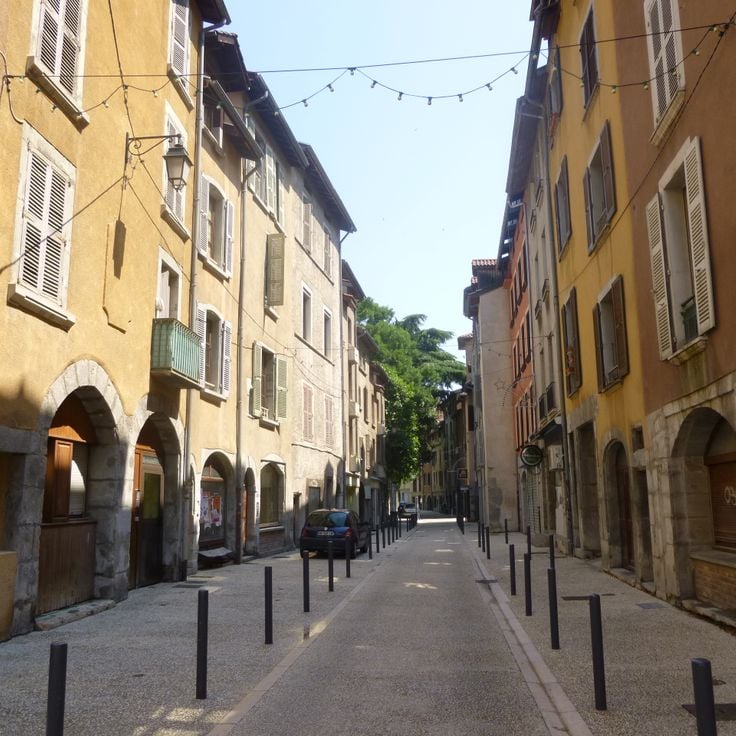
The Saint-Laurent District is a historical neighborhood in Grenoble featuring residential buildings from the 1500s through 1700s. This district serves as a key photography location within Grenoble's array of filming sites, with cobblestone streets that wind down toward the waterfront along the Isère River. The medieval architecture and narrow passages create authentic settings that capture the character of old Grenoble.
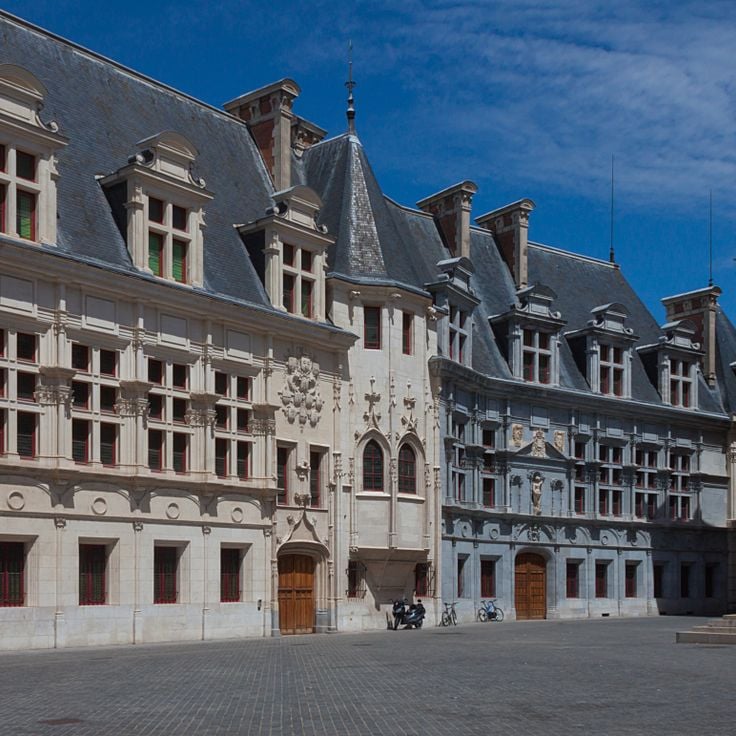
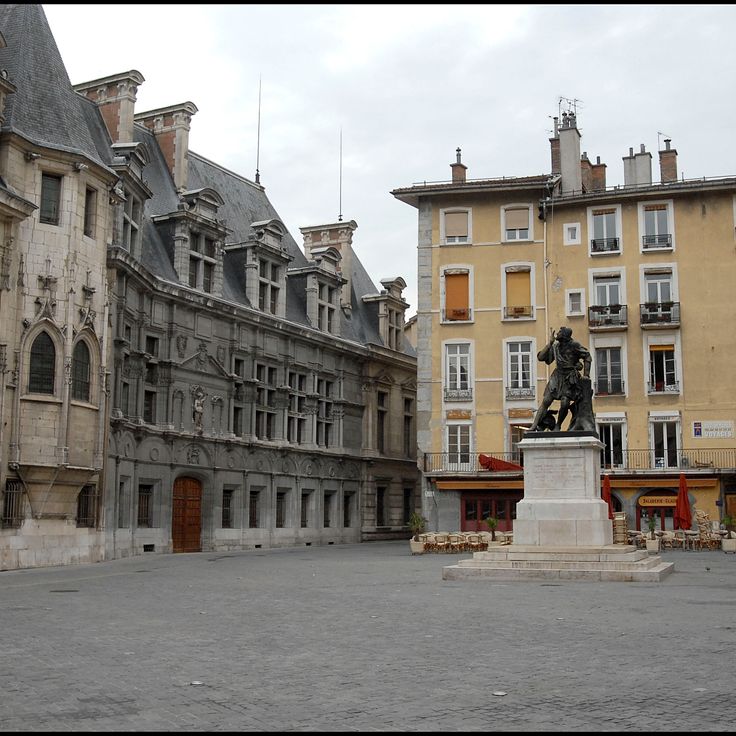
The Dauphiné Parliament Palace in Grenoble is a significant building from the 16th century for photography lovers exploring the city. Its Gothic architecture features detailed stone carvings and once housed the chambers of regional government. The building stands in the heart of the city and offers photographic opportunities with its ornate facade. The structure reflects Grenoble's historical role as an administrative center of the region.
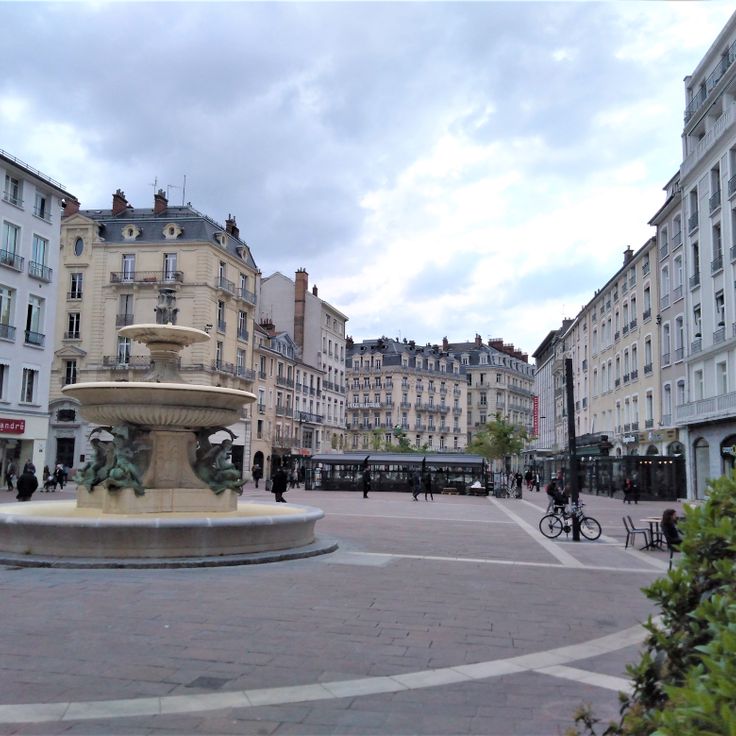
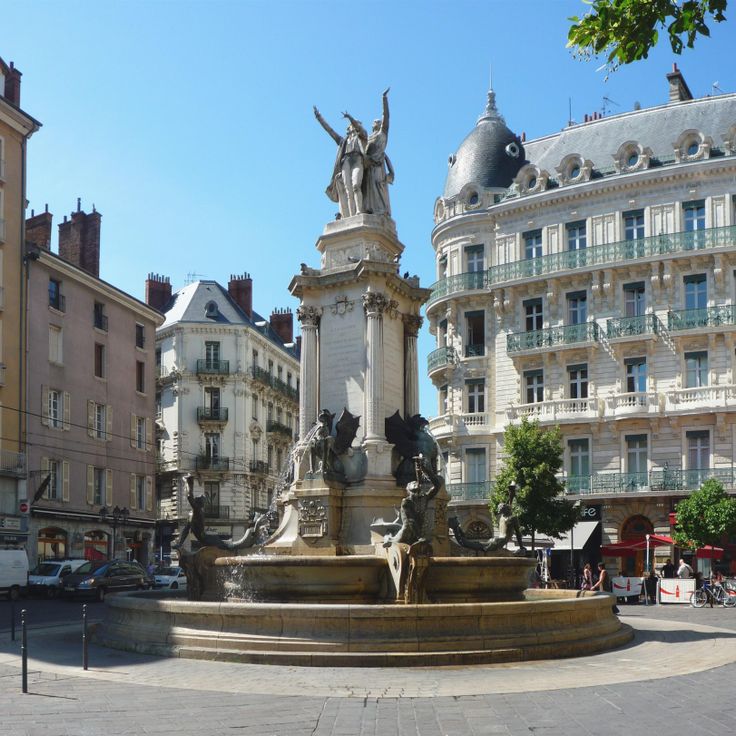
Grenette Square is a central plaza in Grenoble and serves as an important photography location. The square is defined by a 19th century water fountain surrounded by restaurants and shops at the intersection of major streets. It captures the everyday rhythm of city life. This plaza is one of many photography sites in Grenoble, which range from the Bastille fortress to the Medieval Saint-Laurent district.
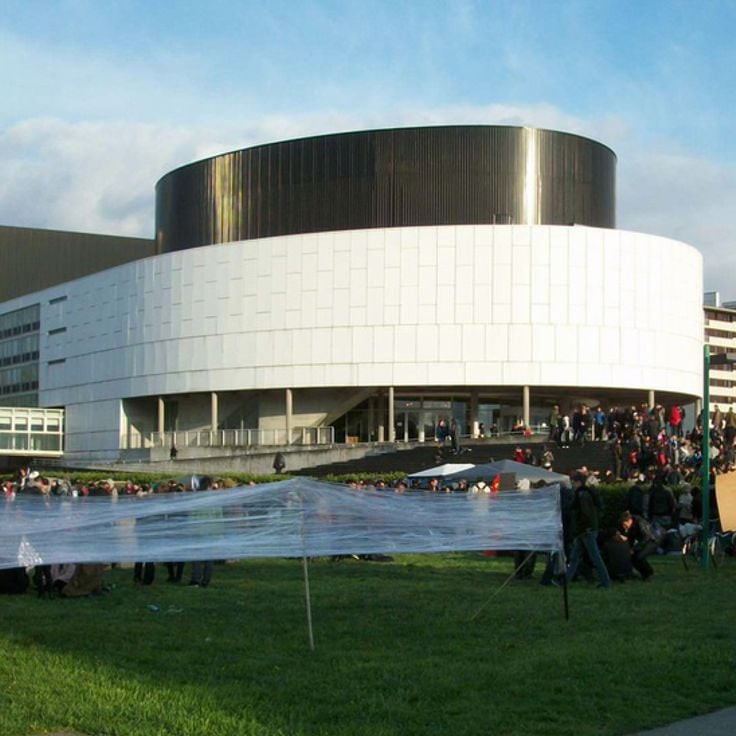
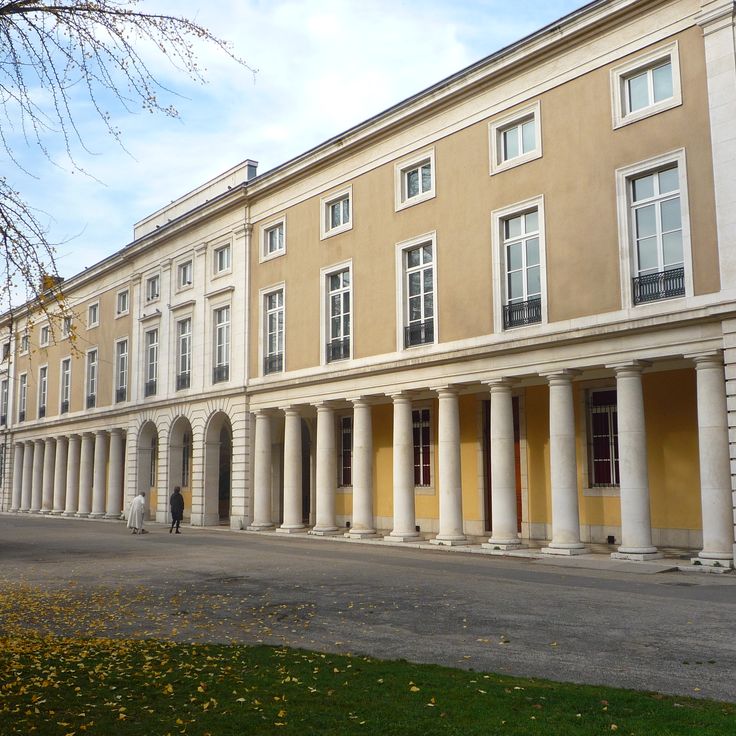
The Culture House in Grenoble is a modern concrete building from 1968 designed for art exhibitions and a key photography location in the city. Its floor-to-ceiling windows create striking visual compositions for photographers exploring contemporary architecture. This building offers a contrast to the city's medieval Saint-Laurent district with its stone houses and narrow streets. As part of Grenoble's cultural offerings, it complements other significant locations like the Dauphiné Parliament Palace from 1500, giving photographers diverse subjects ranging from historic monuments to modern design.
The Fontaine des Trois Ordres sits on Place Notre-Dame and represents the three social classes of the Ancien Régime: clergy, nobility, and peasantry. Built in 1897, this stone monument displays skillful stonework and figures that capture a moment in history. The fountain is lit from dusk until midnight, becoming a focal point of the square. It offers insight into Grenoble's past and how the city remembers its social heritage.
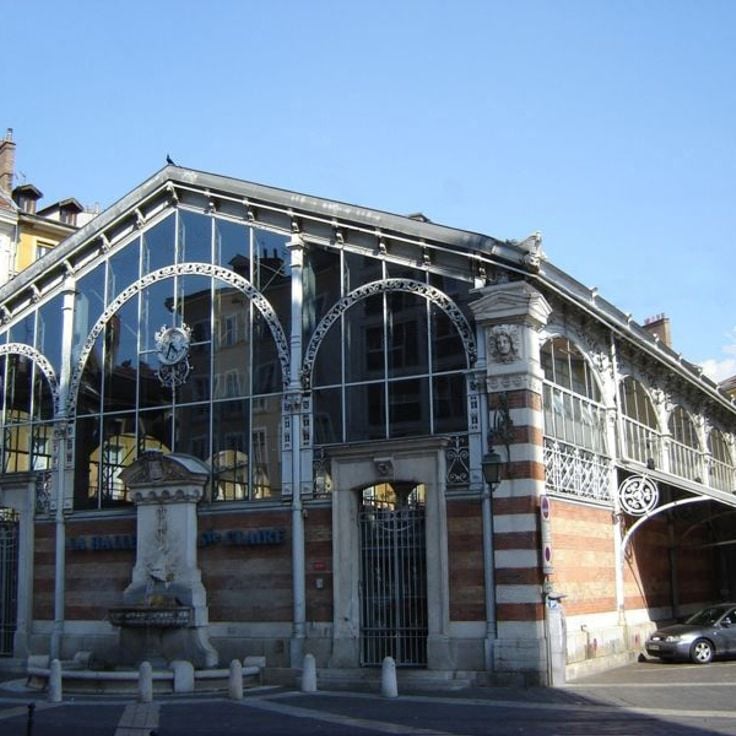
The Sainte-Claire Market Hall offers photographers a working indoor market where local vendors sell food products from Tuesday to Sunday. Built in 1874, this hall features an iron framework and glass ceiling that create interesting light and shadow patterns. It provides a setting to photograph the daily rhythm of commerce and local life in Grenoble.
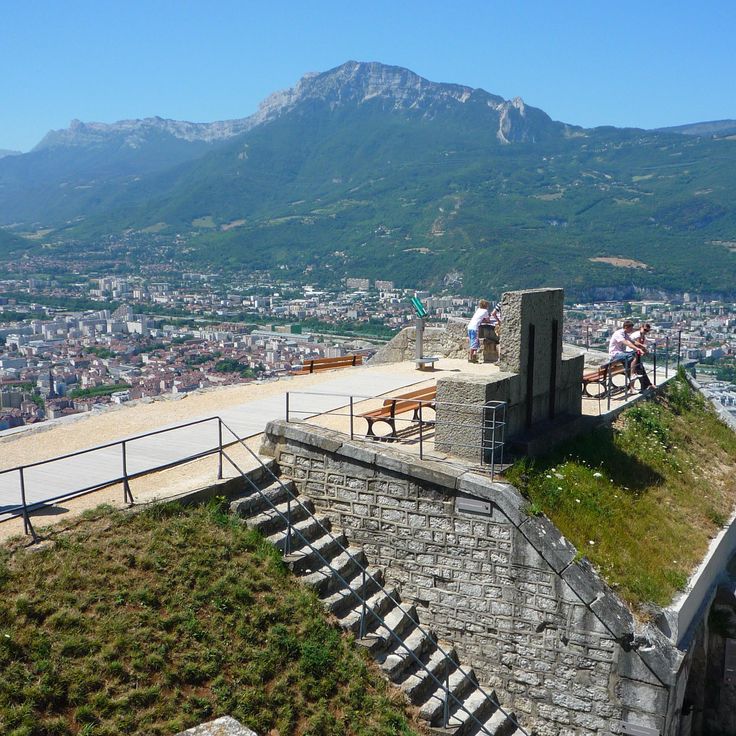
The Grenoble Fortress is a key location for photographers exploring this city full of visual subjects. This military structure from the 1800s stands at 476 meters elevation and provides views of the city, the Isère River, and the Alps. A cable car carries visitors up to the fortress, making access straightforward. From this vantage point, you can photograph the medieval streets of the Saint-Laurent district, the Victor Hugo square, and modern structures like the glass museum.
The Natural History Museum serves as a photography location in Grenoble where visitors can capture the displays of minerals, fossils, and mountain animals. Housed in a 19th-century building, this museum contributes to the city's character, which is surrounded by Alpine views. The museum's gardens showcase regional plant species and provide additional photographic subjects beyond the classical architecture of the structure itself.
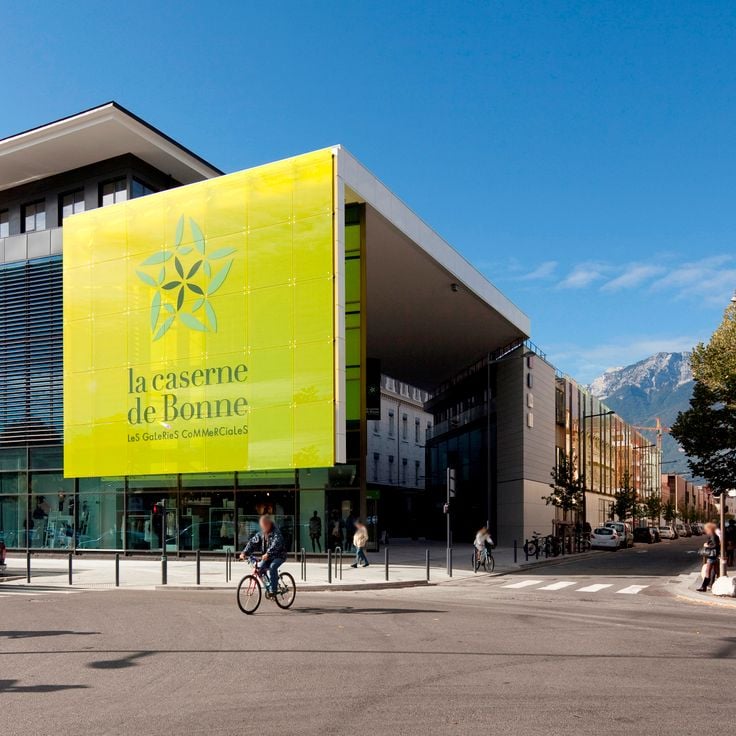
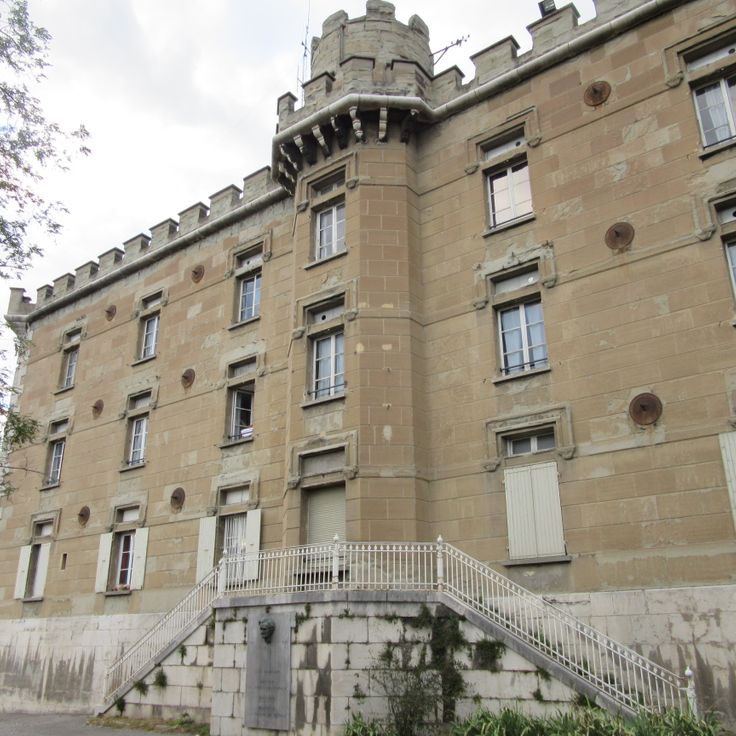
La Caserne de Bonne is a former military barracks in Grenoble transformed into a contemporary urban district with shops and residential buildings. This location offers photographers a view of urban renewal with energy-efficient systems and solar installations. It fits within the broader photography collection of Grenoble, ranging from the Saint-Laurent medieval district to the Bastille fortress and modern glass Museum.
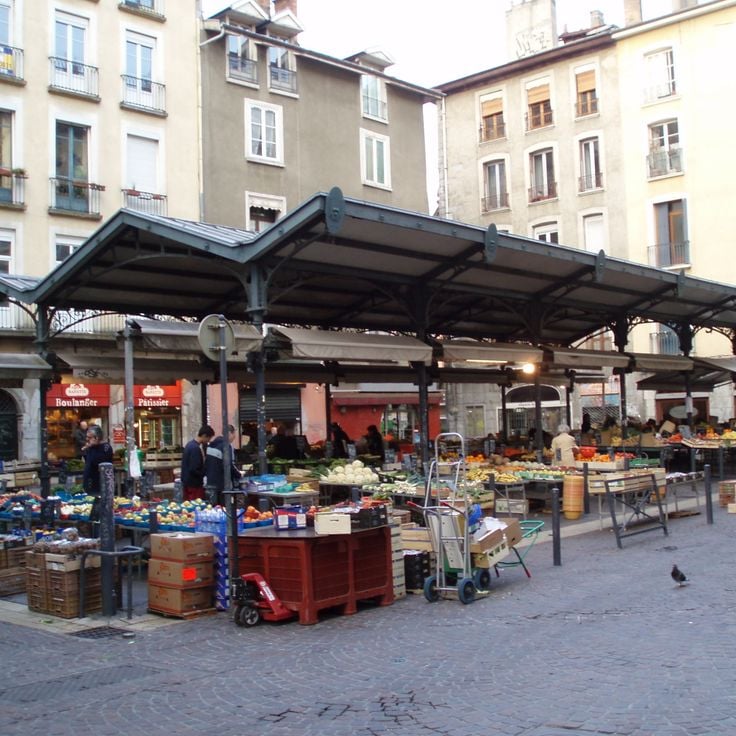
Place aux Herbes is a medieval market square in Grenoble with stone buildings and arcades. This location captures the historic character of the city's old district and offers photography opportunities that reflect daily life in the medieval center. Merchants sell local products, while cafes and restaurants line the edges of the square, creating a space where locals and visitors gather.
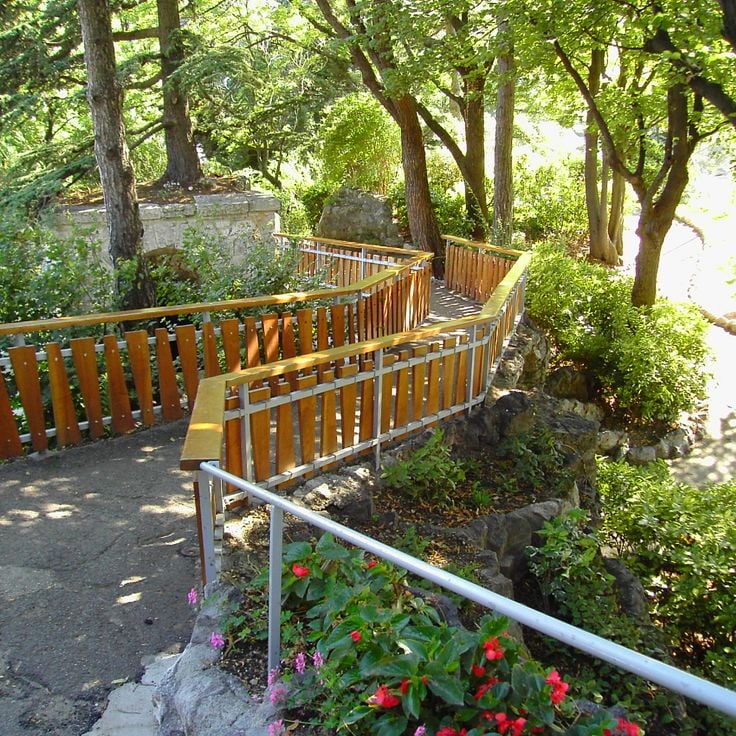
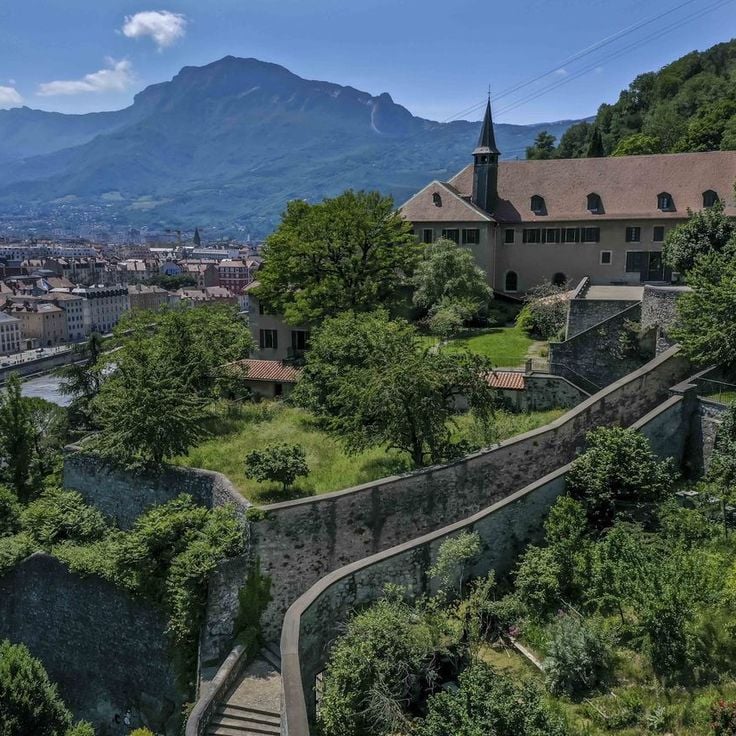
The Jardin des Dauphins is a terraced garden on the hillside below the Bastille fortress, established in the early 20th century. Paths wind through Mediterranean vegetation including cypresses, pines, and succulents across multiple levels. From the upper terraces, the Jardin des Dauphins provides views across Grenoble and the surrounding mountain ranges. The garden connects the lower town to the fortress via steps and pathways, serving as a quiet passage between the historic center and the Bastille plateau. For photographers, this location offers natural framing with Alpine backgrounds and expansive city views.
The Chemin de la Bastille is a hiking trail in Grenoble that offers compelling views for photographers. This path climbs through wooded terrain to reach the historic fortress of the Bastille. The ascent alternates between stone steps and packed earth sections. Along the way, you see the city and surrounding valleys spread below, creating numerous opportunities to capture the landscape and the changing perspectives as you climb.
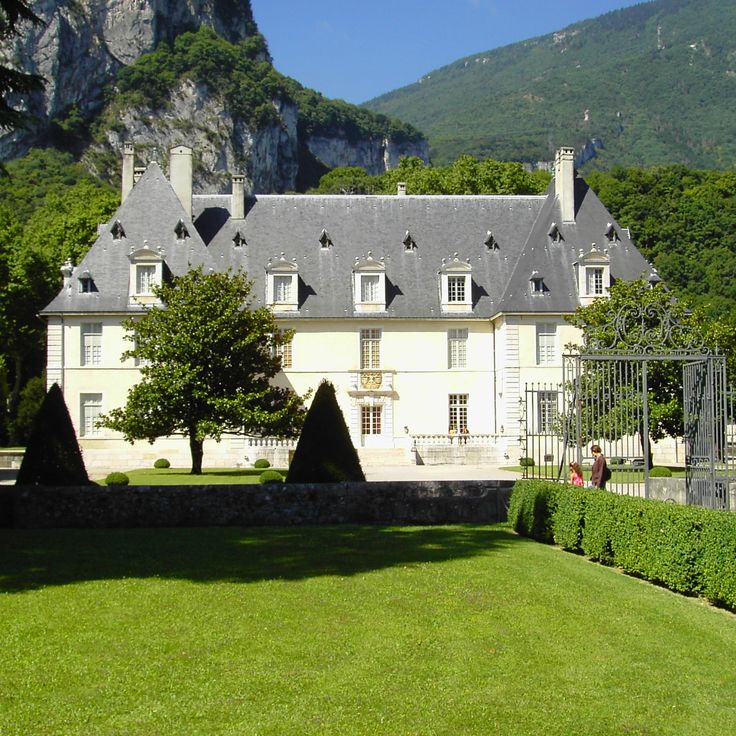
Sassenage Castle offers multiple photography subjects within Grenoble's collection of image locations. The building displays a classical 17th-century facade with carefully proportioned architectural elements. Inside, rooms preserve period furnishings and decorative objects from different centuries. The surrounding park and grounds provide space for exterior shots, with views extending toward the nearby prealps and the surrounding natural landscape.
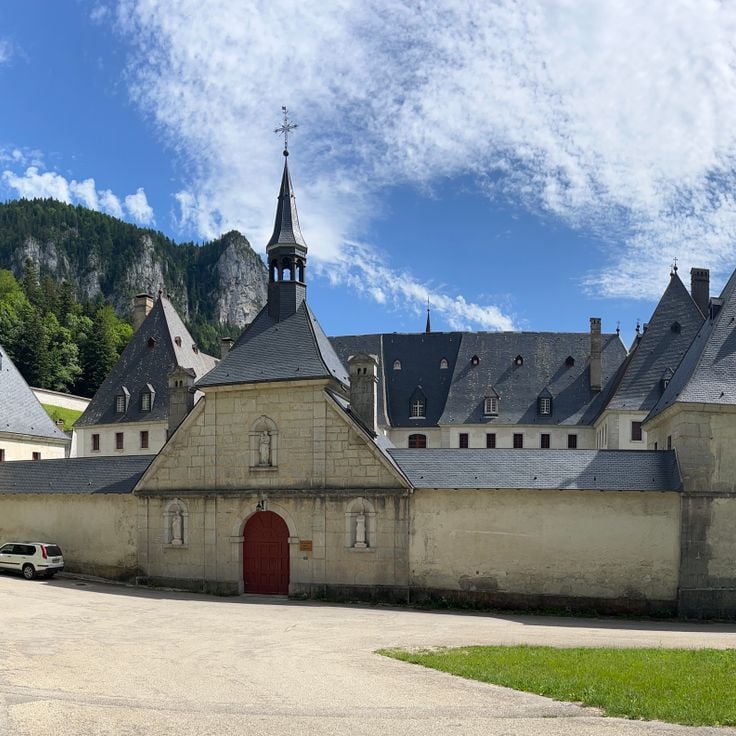
The Grande Chartreuse Monastery is a photography location near Grenoble, serving as the headquarters of the Carthusian order for over nine hundred years in the Chartreuse massif. Photographers can capture the exterior facade and surrounding valley while the museum section documents the monks' daily routine, their vow of silence and the production of the famous herbal liqueur.
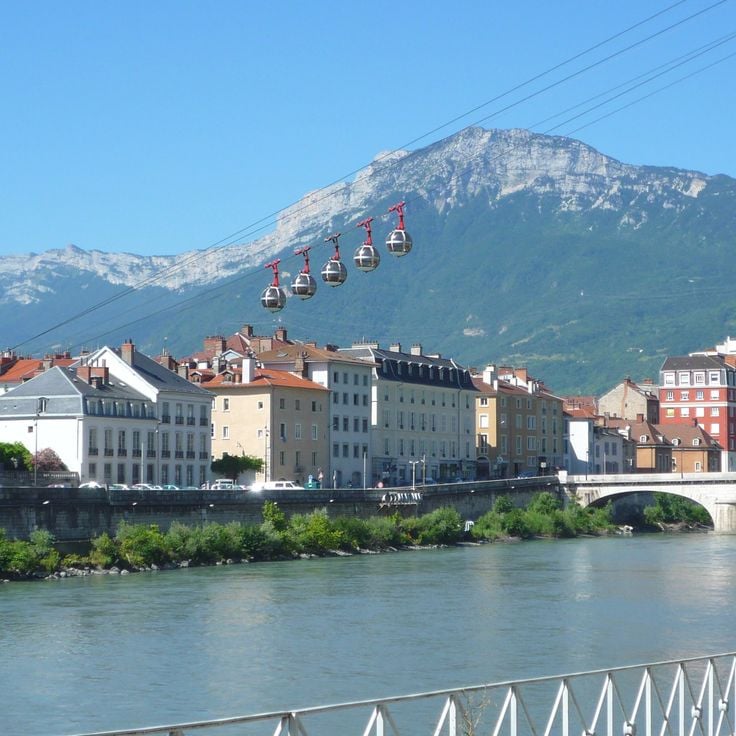
The Bubbles of Grenoble are distinctive glass cable car stations linking the city with the Bastille fortress since 1934. The spherical cabins carry passengers across the Isère River, revealing views of the old town, the Alps, and the valley below during a five-minute journey to approximately 260 meters elevation. They stand as notable subjects for photography within this collection of Grenoble views.
Saint-André Square is a central plaza in Grenoble with medieval architecture and outdoor cafes. The space includes the former parliament building of the Dauphiné region and Saint-André church. As a photography location in Grenoble, this square captures historic building facades, people gathered at sidewalk cafes, and the architectural heritage that defines the city center.
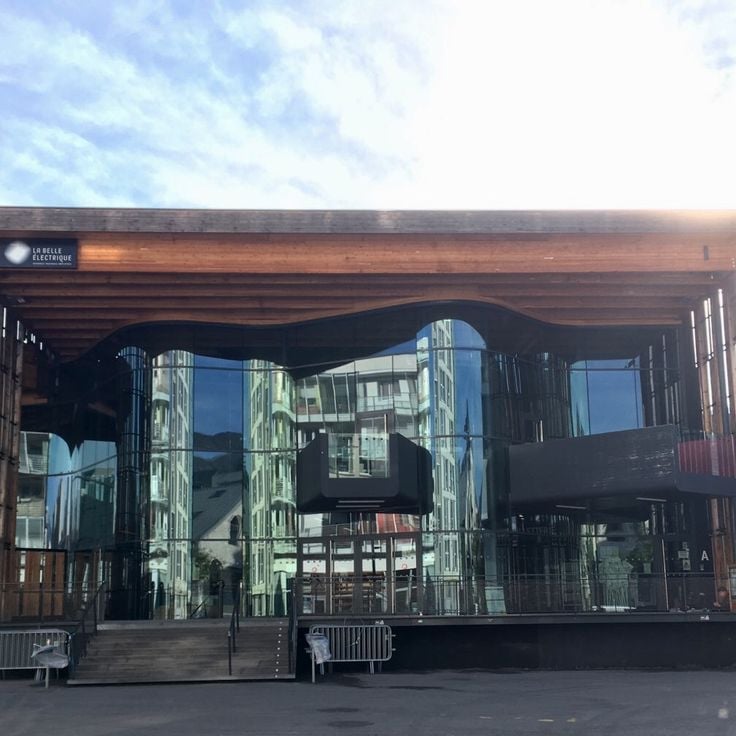
La Belle Électrique is a modern concert venue in Grenoble built with metal and glass, dedicated to electronic music performances. The main hall holds about 1000 people for live shows. This venue fits perfectly into Grenoble's diverse photography landscape, where contemporary architecture stands alongside historical sites like the Dauphiné Parliament Palace and the narrow streets of the medieval Saint-Laurent district.
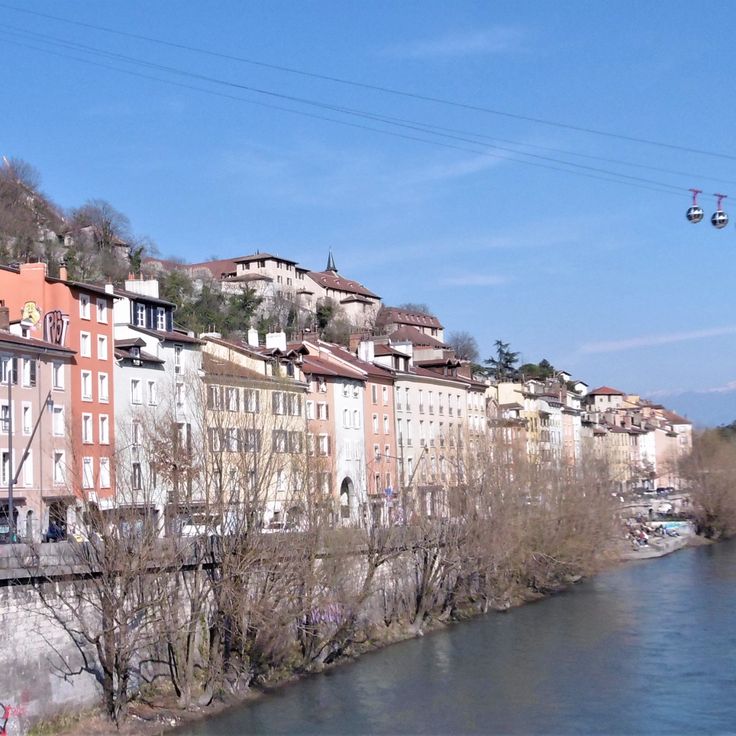
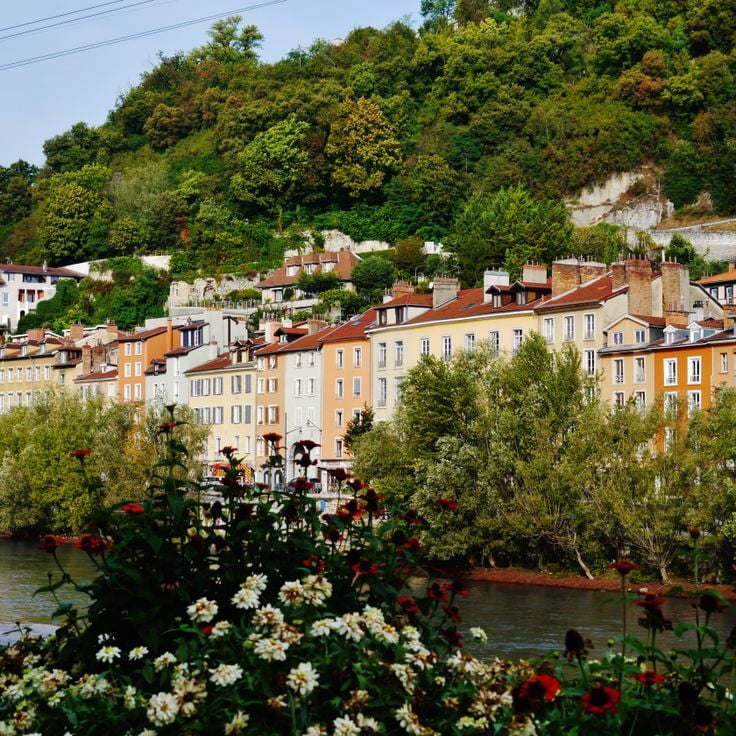
The Quai Perrière is a historical waterfront path in Grenoble that offers photographers an appealing subject. Buildings from the 16th and 17th centuries line this riverside promenade, displaying red, yellow, and orange facades. The Alpine landscape in the background creates a natural frame for capturing this old architecture.
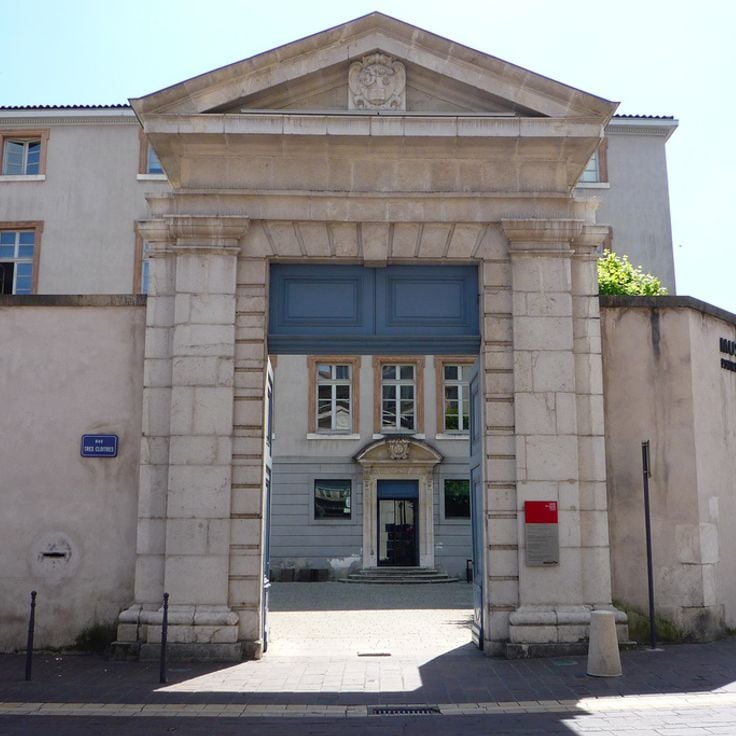
The Museum of the Old Bishopric in Grenoble displays local artifacts and regional artworks within a former episcopal residence from the 1200s. The stone structure features an open courtyard with planted areas, providing a quiet retreat in the city center where visitors can explore how people lived and created art in this Alpine region.
Rue Saint-Laurent is a street in the medieval district of Grenoble that draws photographers documenting the city's history. The street features stone buildings with French architectural elements from medieval times. Independent retailers and dining establishments occupy the lower levels, shaping daily life. For photographers, this street offers compelling subjects with historic facades and local activity.
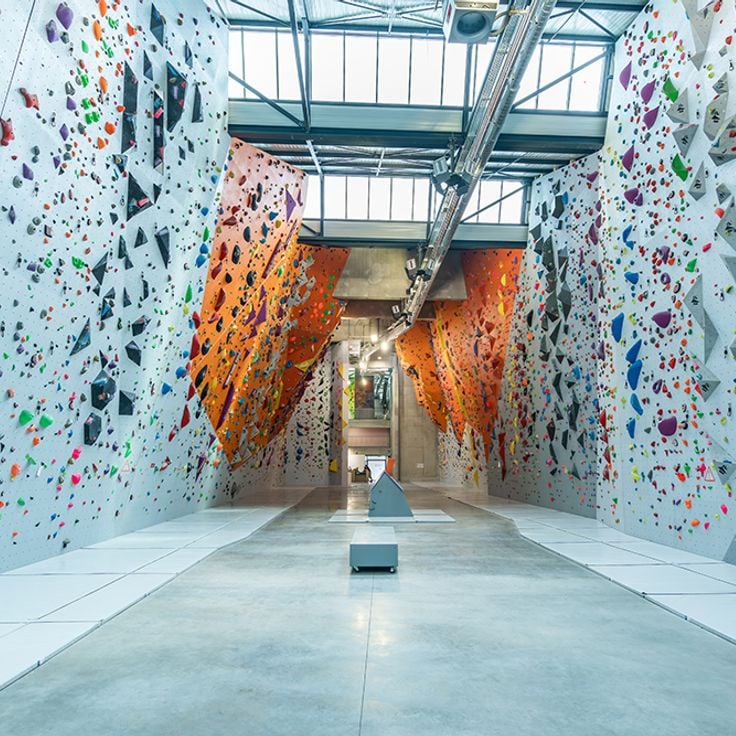
The Indoor Climbing Center is a sports facility in Grenoble where photographers can capture the energy and movement of climbing activities. The 15-meter climbing walls with color-coded routes and bouldering areas offer interesting subjects for action photography. Training sessions with professional instructors provide dynamic moments and athletic engagement that complement the city's photography collection.
The Regional History Museum in this 17th century building displays artifacts from local history, Alpine farming tools, traditional clothing, and documents about regional development over the centuries. It is one of the photography locations in Grenoble where you can capture history within historic walls.
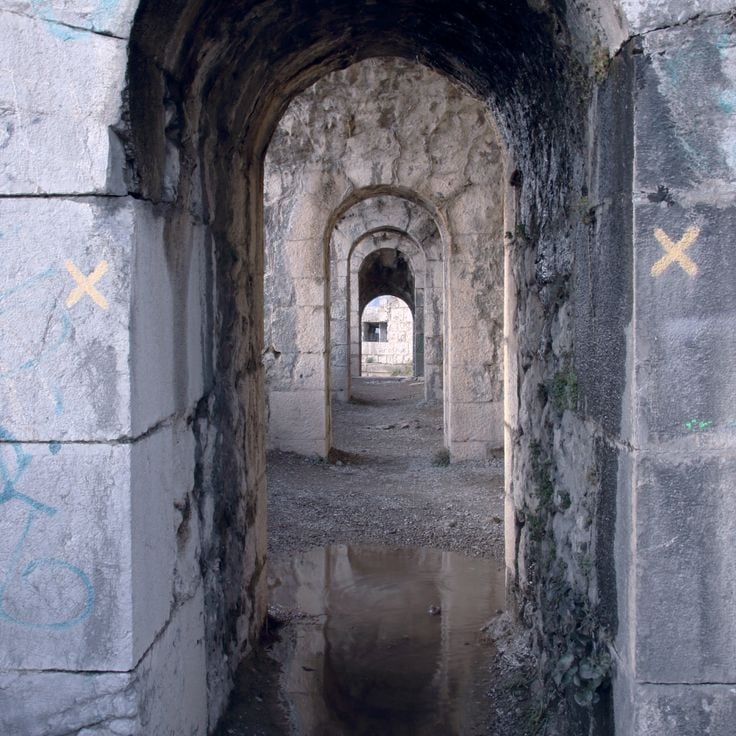
This military fortress in Grenoble sits on elevated ground and offers an ideal location for photographers wanting to capture the city from above. The thick stone walls and guard towers create strong visual elements, while the tunnel network beneath the fortress preserves layers of history. From this vantage point, you can photograph the Alps in the distance and the city sprawling below.
The Stone Bridge in Grenoble is a river crossing with stone arches that connects both banks of the Isère. For photographers exploring the city's bridges and architectural details, this bridge offers compelling views with its metal lamp posts lining both pedestrian walkways. It represents the architectural character that defines the city's landscape.
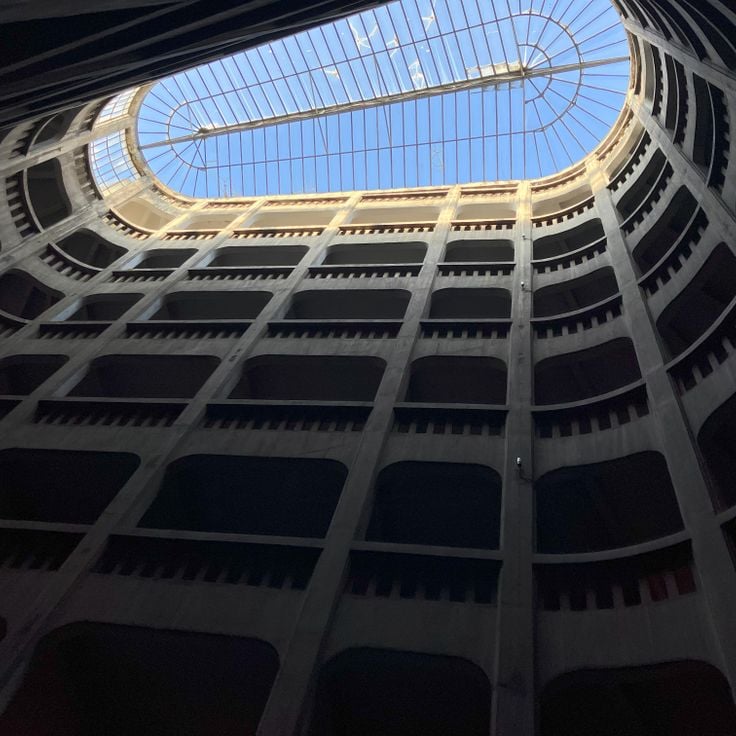
This spiral parking structure in Grenoble was built in 1932 and draws photographers interested in modern architecture. The building features a distinctive design with a continuous ramp that winds through seven levels without requiring sharp turns. This structure demonstrates a practical solution from the early modern era and offers interesting perspectives for photographers drawn to functional architecture and geometric forms.
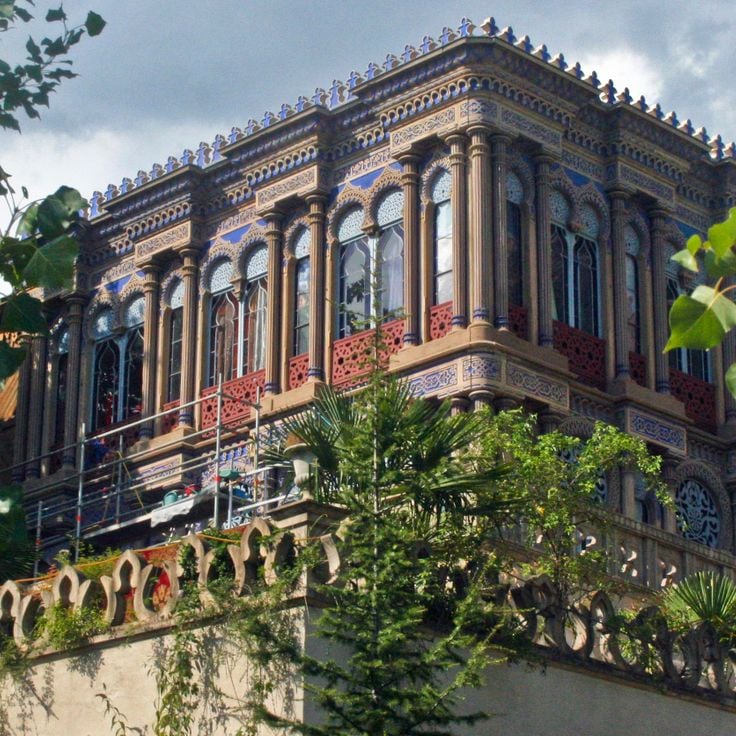
Casamaures is an 1855 residence in Saint-Martin-Le-Vinoux that offers a distinctive photography subject for Grenoble visitors. The house combines oriental architecture with cement ornaments. The exterior walls display geometric patterns and arabesque motifs set among planted gardens.
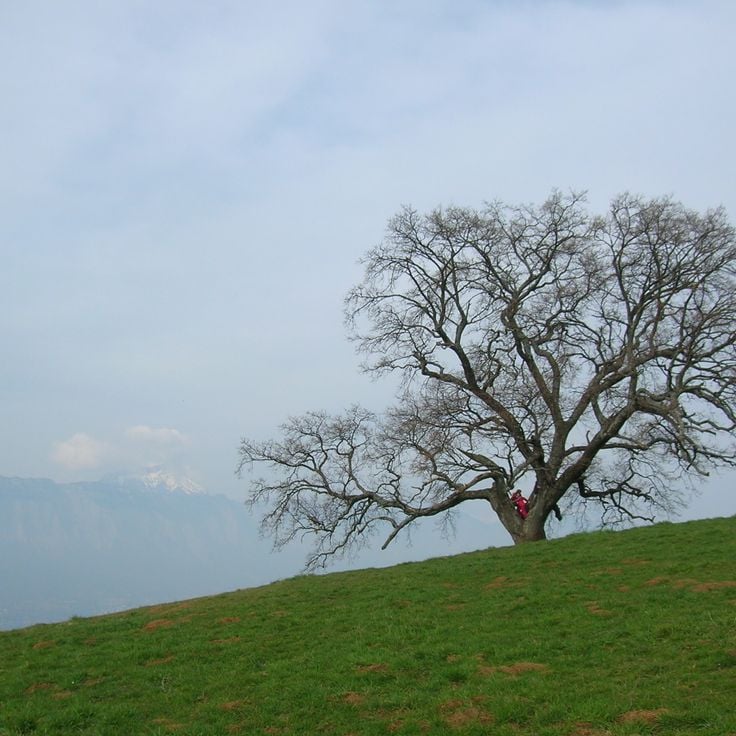
This oak grows on elevated ground and offers views of Grenoble. Its long horizontal branches form a natural canopy visible from a distance. The location allows photographs of the city panorama with this distinctive tree in the foreground and the surrounding Alps in the background. This site is a photo location in Grenoble's collection of photography locations and views.
The Saint-Laurent Bridge is a key photography location in Grenoble and spans the Isère with five stone arches. Built in 1837, the bridge offers views of the old town facades along the right bank and the Chartreuse mountain range to the northwest. The historic buildings lining the riverbanks allow photographers to capture the river, urban layout, and Alpine views together in a single frame.
The Jardin de Ville sits in central Grenoble and provides a quiet setting with marble fountains and bronze sculptures placed among maintained flower beds. Rows of trees line the pathways through the grounds, creating shaded areas. This garden serves as one of Grenoble's photography locations where visitors can find moments of rest from the city.
La Place Victor Hugo serves as a central point for photography in Grenoble. The monument to French writer Victor Hugo stands surrounded by geometrically arranged gardens. Classical buildings from the 19th century frame the square, their uniform architecture creating clear sight lines from multiple angles. Located between the Isère River and the Bastille fortress, this square offers varied shooting opportunities.
The Musée de Grenoble is a photography location featuring a glass structure that stands near the Isère riverbank in the city center. Its collection spans from ancient works to contemporary art, displaying European paintings, pieces by French modern artists, and archaeological discoveries from the region. The museum includes a sculpture garden along its outer walls and exhibition spaces across multiple levels. Natural light pours through the glass facade, creating varied lighting conditions for photographers exploring the building's modern design and its artworks.
The Saint-Laurent District is a historical neighborhood in Grenoble featuring residential buildings from the 1500s through 1700s. This district serves as a key photography location within Grenoble's array of filming sites, with cobblestone streets that wind down toward the waterfront along the Isère River. The medieval architecture and narrow passages create authentic settings that capture the character of old Grenoble.
The Dauphiné Parliament Palace in Grenoble is a significant building from the 16th century for photography lovers exploring the city. Its Gothic architecture features detailed stone carvings and once housed the chambers of regional government. The building stands in the heart of the city and offers photographic opportunities with its ornate facade. The structure reflects Grenoble's historical role as an administrative center of the region.
Grenette Square is a central plaza in Grenoble and serves as an important photography location. The square is defined by a 19th century water fountain surrounded by restaurants and shops at the intersection of major streets. It captures the everyday rhythm of city life. This plaza is one of many photography sites in Grenoble, which range from the Bastille fortress to the Medieval Saint-Laurent district.
The Culture House in Grenoble is a modern concrete building from 1968 designed for art exhibitions and a key photography location in the city. Its floor-to-ceiling windows create striking visual compositions for photographers exploring contemporary architecture. This building offers a contrast to the city's medieval Saint-Laurent district with its stone houses and narrow streets. As part of Grenoble's cultural offerings, it complements other significant locations like the Dauphiné Parliament Palace from 1500, giving photographers diverse subjects ranging from historic monuments to modern design.
The Fontaine des Trois Ordres sits on Place Notre-Dame and represents the three social classes of the Ancien Régime: clergy, nobility, and peasantry. Built in 1897, this stone monument displays skillful stonework and figures that capture a moment in history. The fountain is lit from dusk until midnight, becoming a focal point of the square. It offers insight into Grenoble's past and how the city remembers its social heritage.
The Sainte-Claire Market Hall offers photographers a working indoor market where local vendors sell food products from Tuesday to Sunday. Built in 1874, this hall features an iron framework and glass ceiling that create interesting light and shadow patterns. It provides a setting to photograph the daily rhythm of commerce and local life in Grenoble.
The Grenoble Fortress is a key location for photographers exploring this city full of visual subjects. This military structure from the 1800s stands at 476 meters elevation and provides views of the city, the Isère River, and the Alps. A cable car carries visitors up to the fortress, making access straightforward. From this vantage point, you can photograph the medieval streets of the Saint-Laurent district, the Victor Hugo square, and modern structures like the glass museum.
The Natural History Museum serves as a photography location in Grenoble where visitors can capture the displays of minerals, fossils, and mountain animals. Housed in a 19th-century building, this museum contributes to the city's character, which is surrounded by Alpine views. The museum's gardens showcase regional plant species and provide additional photographic subjects beyond the classical architecture of the structure itself.
La Caserne de Bonne is a former military barracks in Grenoble transformed into a contemporary urban district with shops and residential buildings. This location offers photographers a view of urban renewal with energy-efficient systems and solar installations. It fits within the broader photography collection of Grenoble, ranging from the Saint-Laurent medieval district to the Bastille fortress and modern glass Museum.
Place aux Herbes is a medieval market square in Grenoble with stone buildings and arcades. This location captures the historic character of the city's old district and offers photography opportunities that reflect daily life in the medieval center. Merchants sell local products, while cafes and restaurants line the edges of the square, creating a space where locals and visitors gather.
The Jardin des Dauphins is a terraced garden on the hillside below the Bastille fortress, established in the early 20th century. Paths wind through Mediterranean vegetation including cypresses, pines, and succulents across multiple levels. From the upper terraces, the Jardin des Dauphins provides views across Grenoble and the surrounding mountain ranges. The garden connects the lower town to the fortress via steps and pathways, serving as a quiet passage between the historic center and the Bastille plateau. For photographers, this location offers natural framing with Alpine backgrounds and expansive city views.
The Chemin de la Bastille is a hiking trail in Grenoble that offers compelling views for photographers. This path climbs through wooded terrain to reach the historic fortress of the Bastille. The ascent alternates between stone steps and packed earth sections. Along the way, you see the city and surrounding valleys spread below, creating numerous opportunities to capture the landscape and the changing perspectives as you climb.
Sassenage Castle offers multiple photography subjects within Grenoble's collection of image locations. The building displays a classical 17th-century facade with carefully proportioned architectural elements. Inside, rooms preserve period furnishings and decorative objects from different centuries. The surrounding park and grounds provide space for exterior shots, with views extending toward the nearby prealps and the surrounding natural landscape.
The Grande Chartreuse Monastery is a photography location near Grenoble, serving as the headquarters of the Carthusian order for over nine hundred years in the Chartreuse massif. Photographers can capture the exterior facade and surrounding valley while the museum section documents the monks' daily routine, their vow of silence and the production of the famous herbal liqueur.
The Bubbles of Grenoble are distinctive glass cable car stations linking the city with the Bastille fortress since 1934. The spherical cabins carry passengers across the Isère River, revealing views of the old town, the Alps, and the valley below during a five-minute journey to approximately 260 meters elevation. They stand as notable subjects for photography within this collection of Grenoble views.
Saint-André Square is a central plaza in Grenoble with medieval architecture and outdoor cafes. The space includes the former parliament building of the Dauphiné region and Saint-André church. As a photography location in Grenoble, this square captures historic building facades, people gathered at sidewalk cafes, and the architectural heritage that defines the city center.
La Belle Électrique is a modern concert venue in Grenoble built with metal and glass, dedicated to electronic music performances. The main hall holds about 1000 people for live shows. This venue fits perfectly into Grenoble's diverse photography landscape, where contemporary architecture stands alongside historical sites like the Dauphiné Parliament Palace and the narrow streets of the medieval Saint-Laurent district.
The Quai Perrière is a historical waterfront path in Grenoble that offers photographers an appealing subject. Buildings from the 16th and 17th centuries line this riverside promenade, displaying red, yellow, and orange facades. The Alpine landscape in the background creates a natural frame for capturing this old architecture.
The Museum of the Old Bishopric in Grenoble displays local artifacts and regional artworks within a former episcopal residence from the 1200s. The stone structure features an open courtyard with planted areas, providing a quiet retreat in the city center where visitors can explore how people lived and created art in this Alpine region.
Rue Saint-Laurent is a street in the medieval district of Grenoble that draws photographers documenting the city's history. The street features stone buildings with French architectural elements from medieval times. Independent retailers and dining establishments occupy the lower levels, shaping daily life. For photographers, this street offers compelling subjects with historic facades and local activity.
The Indoor Climbing Center is a sports facility in Grenoble where photographers can capture the energy and movement of climbing activities. The 15-meter climbing walls with color-coded routes and bouldering areas offer interesting subjects for action photography. Training sessions with professional instructors provide dynamic moments and athletic engagement that complement the city's photography collection.
The Regional History Museum in this 17th century building displays artifacts from local history, Alpine farming tools, traditional clothing, and documents about regional development over the centuries. It is one of the photography locations in Grenoble where you can capture history within historic walls.
This military fortress in Grenoble sits on elevated ground and offers an ideal location for photographers wanting to capture the city from above. The thick stone walls and guard towers create strong visual elements, while the tunnel network beneath the fortress preserves layers of history. From this vantage point, you can photograph the Alps in the distance and the city sprawling below.
The Stone Bridge in Grenoble is a river crossing with stone arches that connects both banks of the Isère. For photographers exploring the city's bridges and architectural details, this bridge offers compelling views with its metal lamp posts lining both pedestrian walkways. It represents the architectural character that defines the city's landscape.
This spiral parking structure in Grenoble was built in 1932 and draws photographers interested in modern architecture. The building features a distinctive design with a continuous ramp that winds through seven levels without requiring sharp turns. This structure demonstrates a practical solution from the early modern era and offers interesting perspectives for photographers drawn to functional architecture and geometric forms.
Casamaures is an 1855 residence in Saint-Martin-Le-Vinoux that offers a distinctive photography subject for Grenoble visitors. The house combines oriental architecture with cement ornaments. The exterior walls display geometric patterns and arabesque motifs set among planted gardens.
This oak grows on elevated ground and offers views of Grenoble. Its long horizontal branches form a natural canopy visible from a distance. The location allows photographs of the city panorama with this distinctive tree in the foreground and the surrounding Alps in the background. This site is a photo location in Grenoble's collection of photography locations and views.
The Saint-Laurent Bridge is a key photography location in Grenoble and spans the Isère with five stone arches. Built in 1837, the bridge offers views of the old town facades along the right bank and the Chartreuse mountain range to the northwest. The historic buildings lining the riverbanks allow photographers to capture the river, urban layout, and Alpine views together in a single frame.
The Jardin de Ville sits in central Grenoble and provides a quiet setting with marble fountains and bronze sculptures placed among maintained flower beds. Rows of trees line the pathways through the grounds, creating shaded areas. This garden serves as one of Grenoble's photography locations where visitors can find moments of rest from the city.
La Place Victor Hugo serves as a central point for photography in Grenoble. The monument to French writer Victor Hugo stands surrounded by geometrically arranged gardens. Classical buildings from the 19th century frame the square, their uniform architecture creating clear sight lines from multiple angles. Located between the Isère River and the Bastille fortress, this square offers varied shooting opportunities.
The Musée de Grenoble is a photography location featuring a glass structure that stands near the Isère riverbank in the city center. Its collection spans from ancient works to contemporary art, displaying European paintings, pieces by French modern artists, and archaeological discoveries from the region. The museum includes a sculpture garden along its outer walls and exhibition spaces across multiple levels. Natural light pours through the glass facade, creating varied lighting conditions for photographers exploring the building's modern design and its artworks.
The Saint-Laurent District is a historical neighborhood in Grenoble featuring residential buildings from the 1500s through 1700s. This district serves as a key photography location within Grenoble's array of filming sites, with cobblestone streets that wind down toward the waterfront along the Isère River. The medieval architecture and narrow passages create authentic settings that capture the character of old Grenoble.
The Dauphiné Parliament Palace in Grenoble is a significant building from the 16th century for photography lovers exploring the city. Its Gothic architecture features detailed stone carvings and once housed the chambers of regional government. The building stands in the heart of the city and offers photographic opportunities with its ornate facade. The structure reflects Grenoble's historical role as an administrative center of the region.
Grenette Square is a central plaza in Grenoble and serves as an important photography location. The square is defined by a 19th century water fountain surrounded by restaurants and shops at the intersection of major streets. It captures the everyday rhythm of city life. This plaza is one of many photography sites in Grenoble, which range from the Bastille fortress to the Medieval Saint-Laurent district.
The Culture House in Grenoble is a modern concrete building from 1968 designed for art exhibitions and a key photography location in the city. Its floor-to-ceiling windows create striking visual compositions for photographers exploring contemporary architecture. This building offers a contrast to the city's medieval Saint-Laurent district with its stone houses and narrow streets. As part of Grenoble's cultural offerings, it complements other significant locations like the Dauphiné Parliament Palace from 1500, giving photographers diverse subjects ranging from historic monuments to modern design.
The Fontaine des Trois Ordres sits on Place Notre-Dame and represents the three social classes of the Ancien Régime: clergy, nobility, and peasantry. Built in 1897, this stone monument displays skillful stonework and figures that capture a moment in history. The fountain is lit from dusk until midnight, becoming a focal point of the square. It offers insight into Grenoble's past and how the city remembers its social heritage.
The Sainte-Claire Market Hall offers photographers a working indoor market where local vendors sell food products from Tuesday to Sunday. Built in 1874, this hall features an iron framework and glass ceiling that create interesting light and shadow patterns. It provides a setting to photograph the daily rhythm of commerce and local life in Grenoble.
The Grenoble Fortress is a key location for photographers exploring this city full of visual subjects. This military structure from the 1800s stands at 476 meters elevation and provides views of the city, the Isère River, and the Alps. A cable car carries visitors up to the fortress, making access straightforward. From this vantage point, you can photograph the medieval streets of the Saint-Laurent district, the Victor Hugo square, and modern structures like the glass museum.
The Natural History Museum serves as a photography location in Grenoble where visitors can capture the displays of minerals, fossils, and mountain animals. Housed in a 19th-century building, this museum contributes to the city's character, which is surrounded by Alpine views. The museum's gardens showcase regional plant species and provide additional photographic subjects beyond the classical architecture of the structure itself.
La Caserne de Bonne is a former military barracks in Grenoble transformed into a contemporary urban district with shops and residential buildings. This location offers photographers a view of urban renewal with energy-efficient systems and solar installations. It fits within the broader photography collection of Grenoble, ranging from the Saint-Laurent medieval district to the Bastille fortress and modern glass Museum.
Place aux Herbes is a medieval market square in Grenoble with stone buildings and arcades. This location captures the historic character of the city's old district and offers photography opportunities that reflect daily life in the medieval center. Merchants sell local products, while cafes and restaurants line the edges of the square, creating a space where locals and visitors gather.
The Jardin des Dauphins is a terraced garden on the hillside below the Bastille fortress, established in the early 20th century. Paths wind through Mediterranean vegetation including cypresses, pines, and succulents across multiple levels. From the upper terraces, the Jardin des Dauphins provides views across Grenoble and the surrounding mountain ranges. The garden connects the lower town to the fortress via steps and pathways, serving as a quiet passage between the historic center and the Bastille plateau. For photographers, this location offers natural framing with Alpine backgrounds and expansive city views.
The Chemin de la Bastille is a hiking trail in Grenoble that offers compelling views for photographers. This path climbs through wooded terrain to reach the historic fortress of the Bastille. The ascent alternates between stone steps and packed earth sections. Along the way, you see the city and surrounding valleys spread below, creating numerous opportunities to capture the landscape and the changing perspectives as you climb.
Sassenage Castle offers multiple photography subjects within Grenoble's collection of image locations. The building displays a classical 17th-century facade with carefully proportioned architectural elements. Inside, rooms preserve period furnishings and decorative objects from different centuries. The surrounding park and grounds provide space for exterior shots, with views extending toward the nearby prealps and the surrounding natural landscape.
The Grande Chartreuse Monastery is a photography location near Grenoble, serving as the headquarters of the Carthusian order for over nine hundred years in the Chartreuse massif. Photographers can capture the exterior facade and surrounding valley while the museum section documents the monks' daily routine, their vow of silence and the production of the famous herbal liqueur.
The Bubbles of Grenoble are distinctive glass cable car stations linking the city with the Bastille fortress since 1934. The spherical cabins carry passengers across the Isère River, revealing views of the old town, the Alps, and the valley below during a five-minute journey to approximately 260 meters elevation. They stand as notable subjects for photography within this collection of Grenoble views.
Saint-André Square is a central plaza in Grenoble with medieval architecture and outdoor cafes. The space includes the former parliament building of the Dauphiné region and Saint-André church. As a photography location in Grenoble, this square captures historic building facades, people gathered at sidewalk cafes, and the architectural heritage that defines the city center.
La Belle Électrique is a modern concert venue in Grenoble built with metal and glass, dedicated to electronic music performances. The main hall holds about 1000 people for live shows. This venue fits perfectly into Grenoble's diverse photography landscape, where contemporary architecture stands alongside historical sites like the Dauphiné Parliament Palace and the narrow streets of the medieval Saint-Laurent district.
The Quai Perrière is a historical waterfront path in Grenoble that offers photographers an appealing subject. Buildings from the 16th and 17th centuries line this riverside promenade, displaying red, yellow, and orange facades. The Alpine landscape in the background creates a natural frame for capturing this old architecture.
The Museum of the Old Bishopric in Grenoble displays local artifacts and regional artworks within a former episcopal residence from the 1200s. The stone structure features an open courtyard with planted areas, providing a quiet retreat in the city center where visitors can explore how people lived and created art in this Alpine region.
Rue Saint-Laurent is a street in the medieval district of Grenoble that draws photographers documenting the city's history. The street features stone buildings with French architectural elements from medieval times. Independent retailers and dining establishments occupy the lower levels, shaping daily life. For photographers, this street offers compelling subjects with historic facades and local activity.
The Indoor Climbing Center is a sports facility in Grenoble where photographers can capture the energy and movement of climbing activities. The 15-meter climbing walls with color-coded routes and bouldering areas offer interesting subjects for action photography. Training sessions with professional instructors provide dynamic moments and athletic engagement that complement the city's photography collection.
The Regional History Museum in this 17th century building displays artifacts from local history, Alpine farming tools, traditional clothing, and documents about regional development over the centuries. It is one of the photography locations in Grenoble where you can capture history within historic walls.
This military fortress in Grenoble sits on elevated ground and offers an ideal location for photographers wanting to capture the city from above. The thick stone walls and guard towers create strong visual elements, while the tunnel network beneath the fortress preserves layers of history. From this vantage point, you can photograph the Alps in the distance and the city sprawling below.
The Stone Bridge in Grenoble is a river crossing with stone arches that connects both banks of the Isère. For photographers exploring the city's bridges and architectural details, this bridge offers compelling views with its metal lamp posts lining both pedestrian walkways. It represents the architectural character that defines the city's landscape.
This spiral parking structure in Grenoble was built in 1932 and draws photographers interested in modern architecture. The building features a distinctive design with a continuous ramp that winds through seven levels without requiring sharp turns. This structure demonstrates a practical solution from the early modern era and offers interesting perspectives for photographers drawn to functional architecture and geometric forms.
Casamaures is an 1855 residence in Saint-Martin-Le-Vinoux that offers a distinctive photography subject for Grenoble visitors. The house combines oriental architecture with cement ornaments. The exterior walls display geometric patterns and arabesque motifs set among planted gardens.
This oak grows on elevated ground and offers views of Grenoble. Its long horizontal branches form a natural canopy visible from a distance. The location allows photographs of the city panorama with this distinctive tree in the foreground and the surrounding Alps in the background. This site is a photo location in Grenoble's collection of photography locations and views.