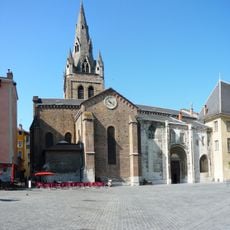
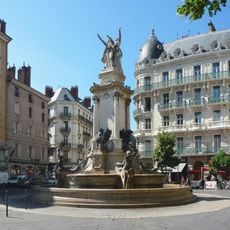
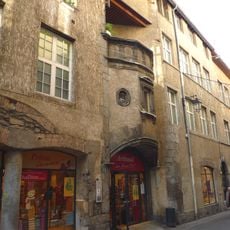
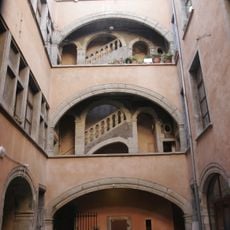
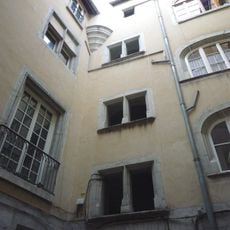
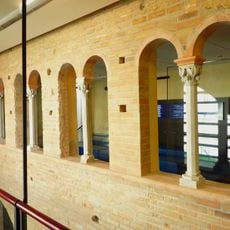
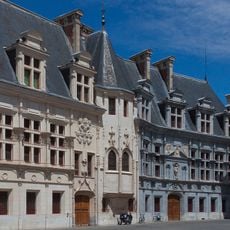
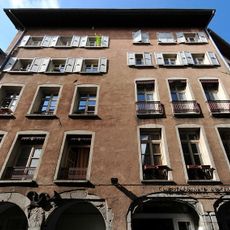
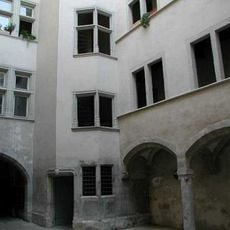
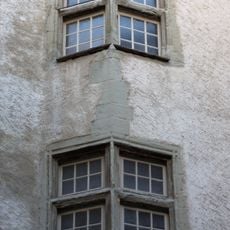
Place aux Herbes, Medieval market square in central Grenoble, France.
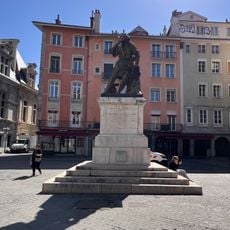
Place aux Herbes is a market square in central Grenoble with a covered market structure built in the late 19th century. The hall accommodates vendors selling fresh produce and local specialties every day except Mondays, creating a working marketplace at the heart of the city.
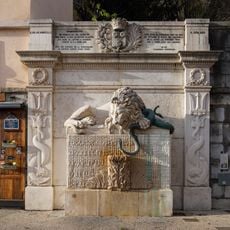
The site was the core of the Gallo-Roman town and later the medieval city, sitting at 214 m on the tip of an alluvial cone that kept houses above the Isère and Drac floods. In the Middle Ages it held the bench of the city council established by the 1242–1244 communal charter, and public executions took place here until the 17th century. It was first called place du Grand Conseil, then place du Mal Conseil after a riot in 1290. In 1606 the duke of Lesdiguières enlarged it, named it place du Bon-Conseil and built the first fountain on the left bank of the Isère.
The name comes from the small market held here since the 19th century, selling mainly fruit, vegetables and sometimes flowers and garden products. The late 19th-century hall with its four-sided roof shelters the stalls every morning except Monday.
The square lies in the pedestrian zone of the old town, reachable on foot or by bike from any point in the Notre-Dame district. The nearest tram stop, Hubert Dubedout - Maison du Tourisme, is under 200 metres away and served by lines A, B and D. The market hall shelters the stalls every morning except Monday.
The square served as a site of public executions until the 1600s, marking its importance in the city's medieval administration and justice system. This long period as a center of justice shaped civic life and gave the place substantial historical weight.
The community of curious travelers
AroundUs brings together thousands of curated places, local tips, and hidden gems, enriched daily by 93,170 contributors worldwide.