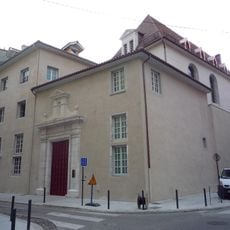
Musée de l'Ancien Évêché, Historical museum in central Grenoble, France.
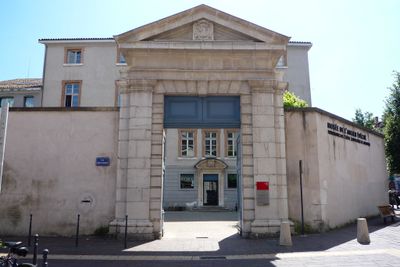
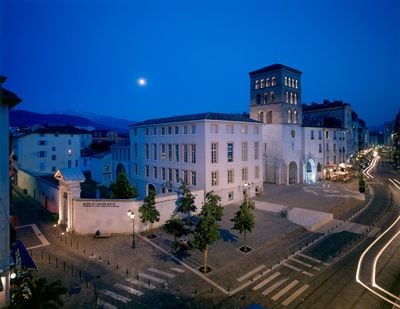
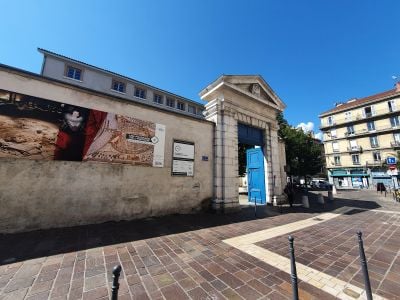
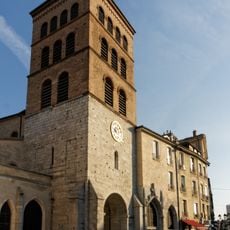
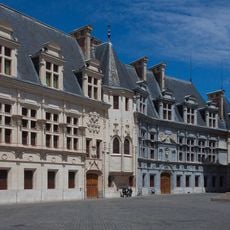
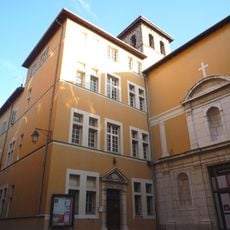
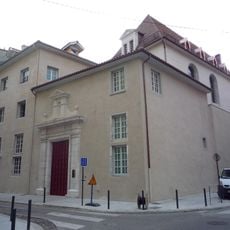
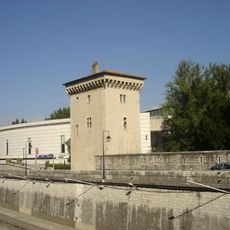
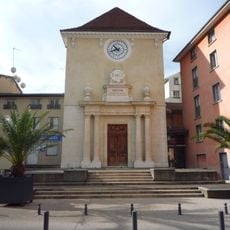
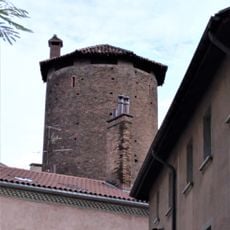
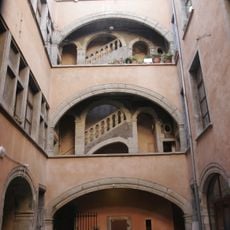
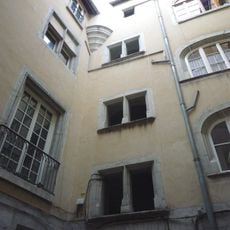
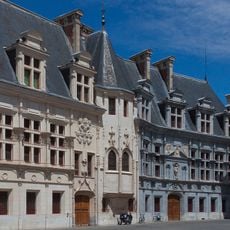
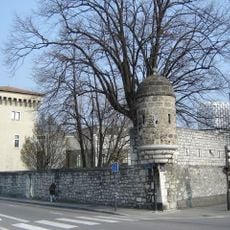
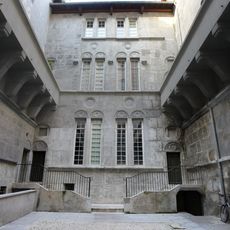
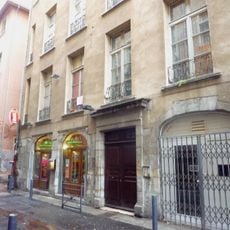
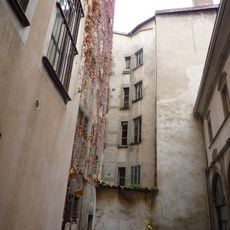
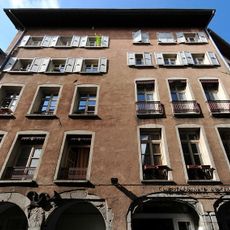
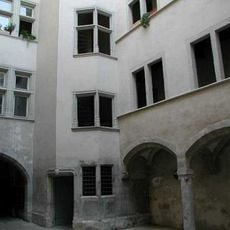
The Musée de l'Ancien Évêché occupies the former bishop's palace beside Grenoble Cathedral, entered from a courtyard off the place Notre-Dame. Its oldest parts date from the 12th century, while the facades seen from the courtyard and the square were rebuilt in the 17th century. A pale stone wall along the street bears the inscription "MUSÉE DE L'ANCIEN ÉVÊCHÉ".
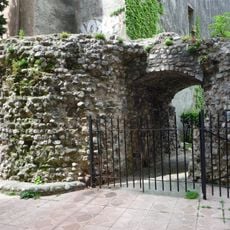
The episcopal group grew from the late 3rd century along and then over the Roman wall, beside the Porte Viennoise, also called Herculea; its postern survives in the crypt. The oldest part of the palace dates from the 12th century, while the facades seen from the courtyard and the square are 17th-century. The palace housed 48 bishops until 1906, then had various uses before restoration; the museum opened on 18 September 1998.
The museum displays regional objects and artworks that tell the story of the Isère over thousands of years. Visitors encounter everyday items alongside valuable pieces that reflect local identity and heritage.
The museum sits in the historic centre by Grenoble Cathedral, reached by tram line B at the Notre-Dame-Musée stop. The archaeological crypt and the five exhibition levels are visited on foot, with the honorary staircase of 1673 linking the two main floors. One entrance to the Bishop's Garden opens onto the museum courtyard.
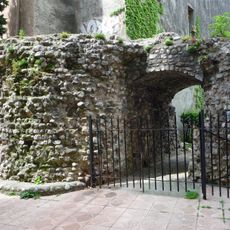
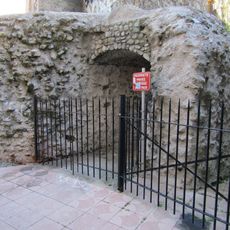
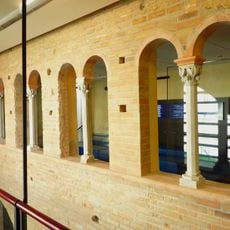
The museum's basement preserves a Gallo-Roman city gate, the Porte Herculea or Porte Viennoise, named for the road to Vienne and for emperor Maximien Hercule. Its postern and about twelve metres of the 3rd-century rampart facing are still visible near the baptistery.
The community of curious travelers
AroundUs brings together thousands of curated places, local tips, and hidden gems, enriched daily by 94,191 contributors worldwide.