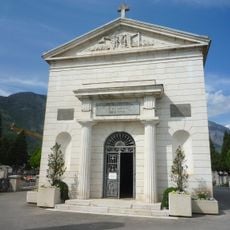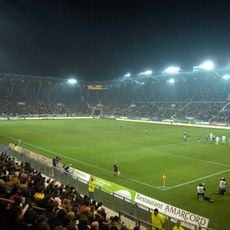
Grenoble, Administrative city at the foot of French Alps, France
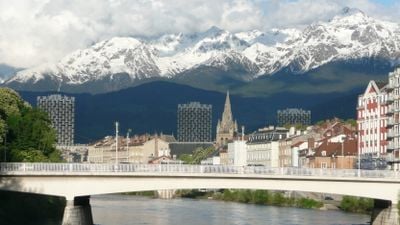
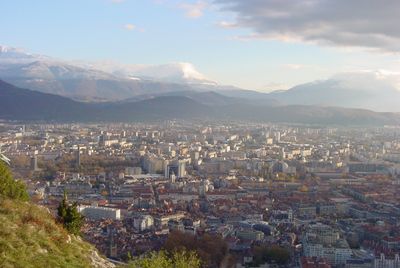
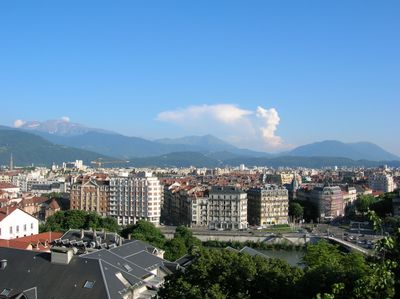
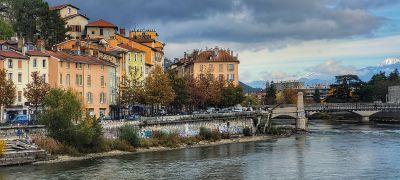
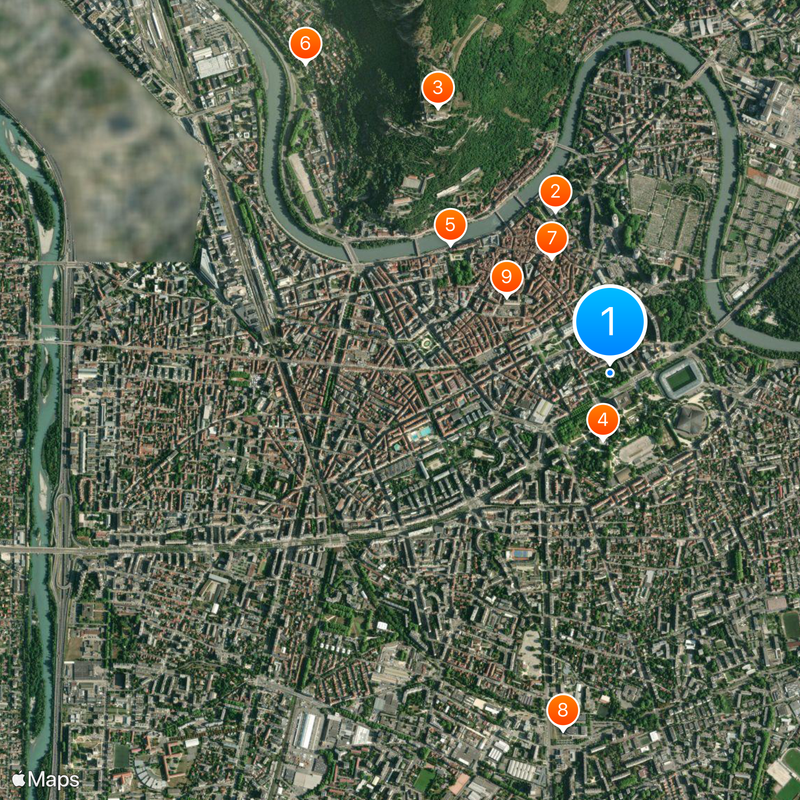
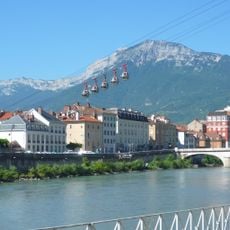
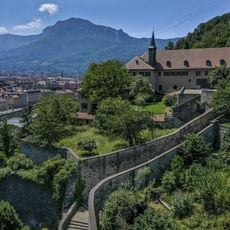
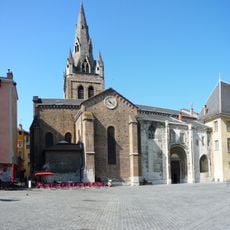
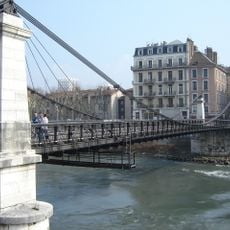
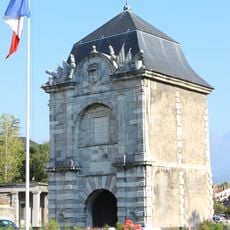
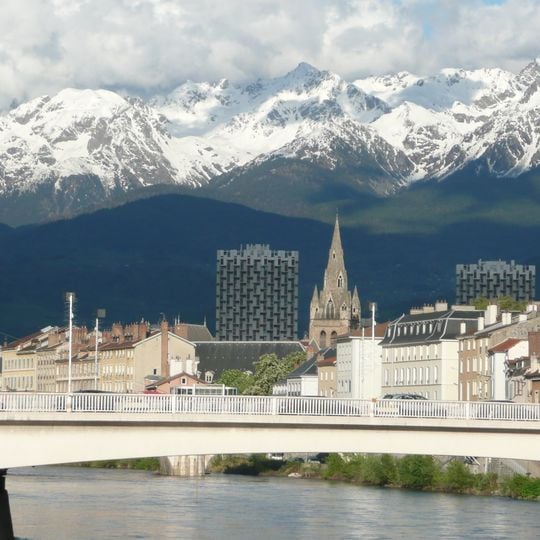
This administrative center sits at 212 meters (about 700 feet) in a valley where the Drac river joins the Isère, with mountain ranges rising sharply on three sides. Wide boulevards alternate with narrow streets between old quarters and newer districts, while peaks remain visible from almost every corner.
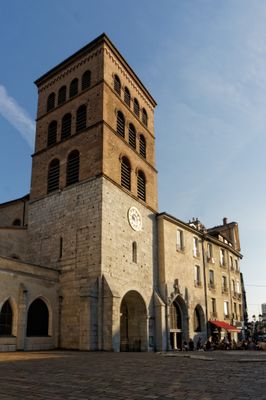
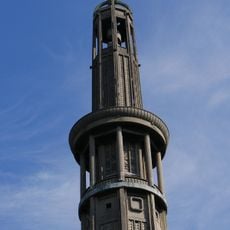
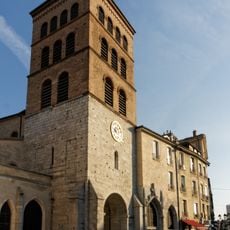
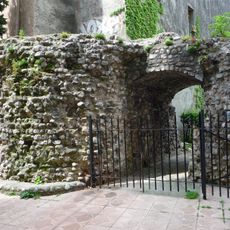
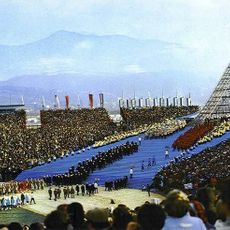
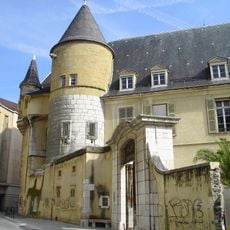
The settlement began as a Roman outpost named after Emperor Gratian and became the capital of Dauphiné during the 11th century. The French Revolution transformed it into an industrial hub, and hosting the 1968 Winter Olympics brought international attention.
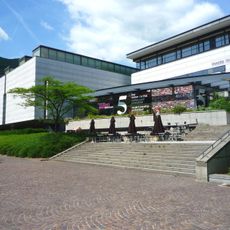
Science and research shape daily life, with laboratories and institutes drawing international researchers into cafés and public squares. On market days, stalls selling mountain cheese and walnut liqueur reflect the Alpine farming traditions that still influence local eating habits.
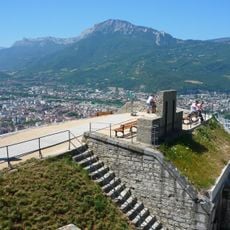
Trams, buses and bike-sharing services connect all neighborhoods with surrounding towns, making it easy to move around without a car. Cable cars to the fortress leave from the old town and save visitors the steep uphill walk.
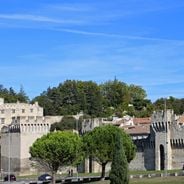
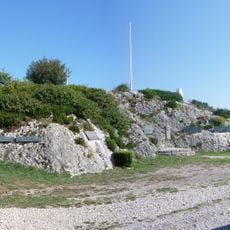
Fortifications on the hillside form the largest 18th-century military complex in France. Below the streets runs a network of underground tunnels built as air-raid shelters during World War II, though few visitors know they exist.
The community of curious travelers
AroundUs brings together thousands of curated places, local tips, and hidden gems, enriched daily by 90,800 contributors worldwide.