Musée dauphinois, Ethnographic museum in Grenoble, France.
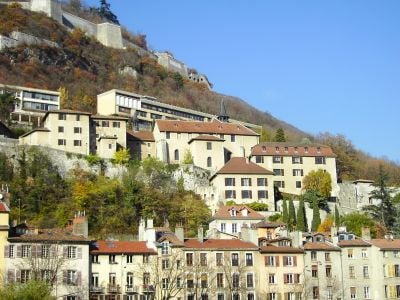
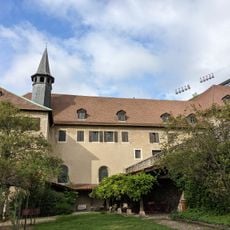
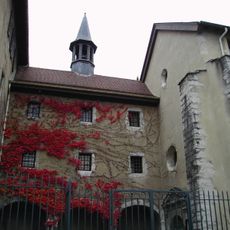
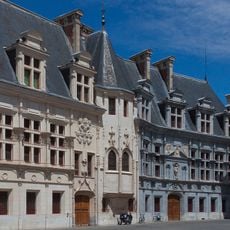
The Musée dauphinois occupies a restored 17th-century convent building on the slopes of La Bastille in Grenoble. Inside are clothing, tools, furniture, and household items that reveal how people lived in the Alpine region.
Founded in 1906, the Musée dauphinois was Grenoble's third museum, after the Musée-bibliothèque and the Muséum d'histoire naturelle. It opened in the former chapel of Sainte-Marie d'en-Bas, where Hippolyte Müller gathered prehistoric finds and Alpine ethnographic objects. In 1968 it moved to the former convent of Sainte-Marie d'en-Haut, inaugurated by André Malraux during the Winter Olympics.
The museum displays how people in the Dauphiné Alps lived and worked through everyday objects, crafts, and local traditions. These collections show the customs and practices that shaped the identity of mountain communities.
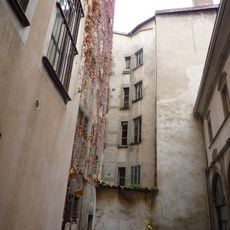
The museum occupies the former convent of Sainte-Marie d'en-Haut above the Saint-Laurent neighbourhood, reached on foot by narrow streets and old stone stairs climbing the slope toward La Bastille. The building's exterior, roofs and chapel are listed as Monuments historiques. Allow time for the climb and wear shoes suited to stone steps.
The museum gardens contain a rare multiface sundial from 1793 that displayed time in different ways on its several dials. From the terraced viewpoints, visitors overlook the city and surrounding mountain peaks.
The community of curious travelers
AroundUs brings together thousands of curated places, local tips, and hidden gems, enriched daily by 94,191 contributors worldwide.