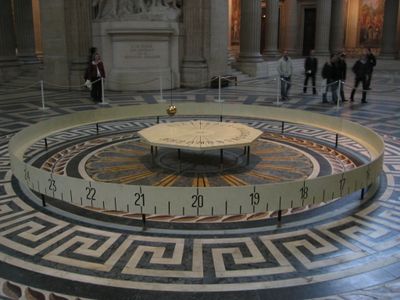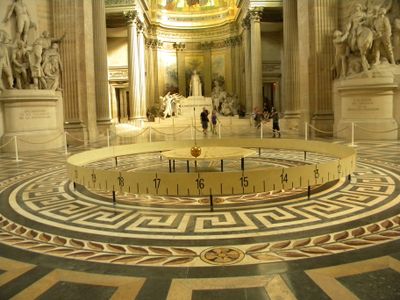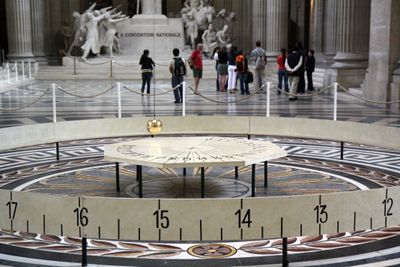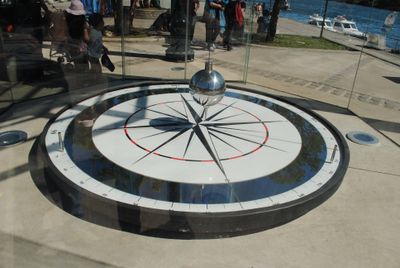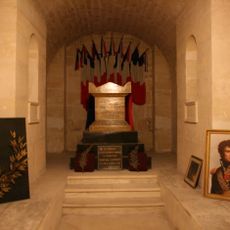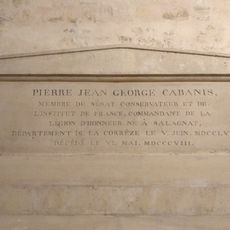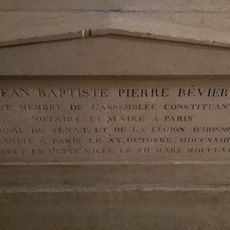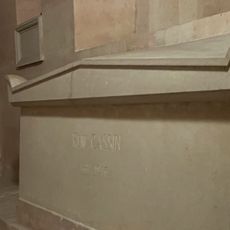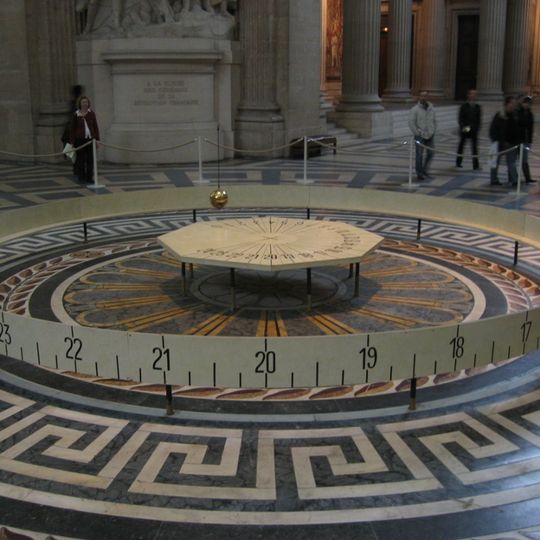
Foucault pendulum, Scientific demonstration in the 5th arrondissement, Paris, France.
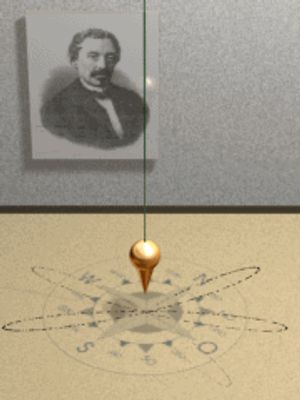
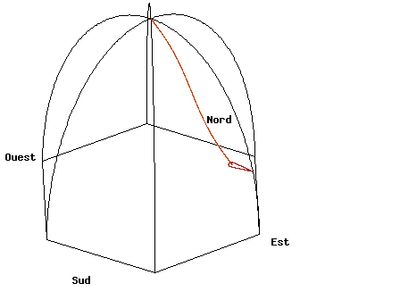
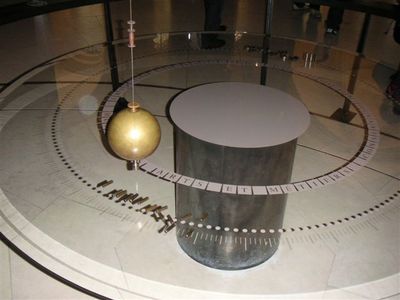
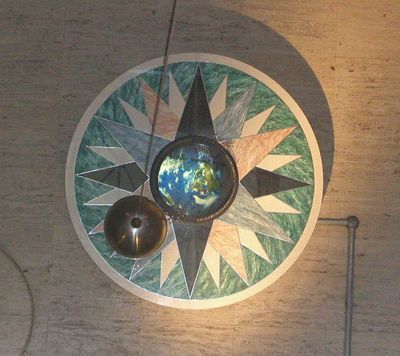
The Foucault pendulum consists of a 28-kilogram brass and lead sphere suspended from a 67-meter steel wire, swinging freely to demonstrate Earth's rotation through the gradual shift of its oscillation plane over time.
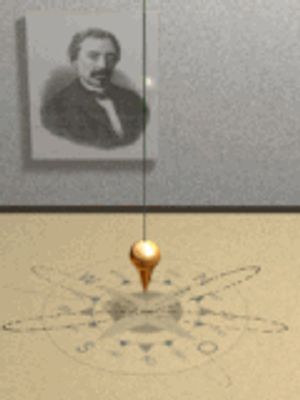
French physicist Léon Foucault first demonstrated this experiment in 1851 at the Paris Observatory before moving it to the Panthéon, providing direct observable proof of Earth's rotation without requiring astronomical observations.
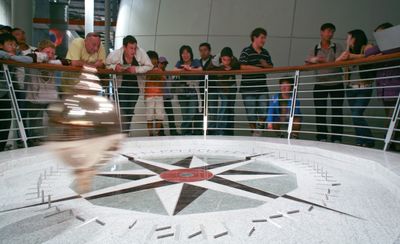
The pendulum serves as a symbol of scientific inquiry and education, representing France's contributions to experimental physics and making complex planetary mechanics accessible to the general public through tangible visual demonstration.
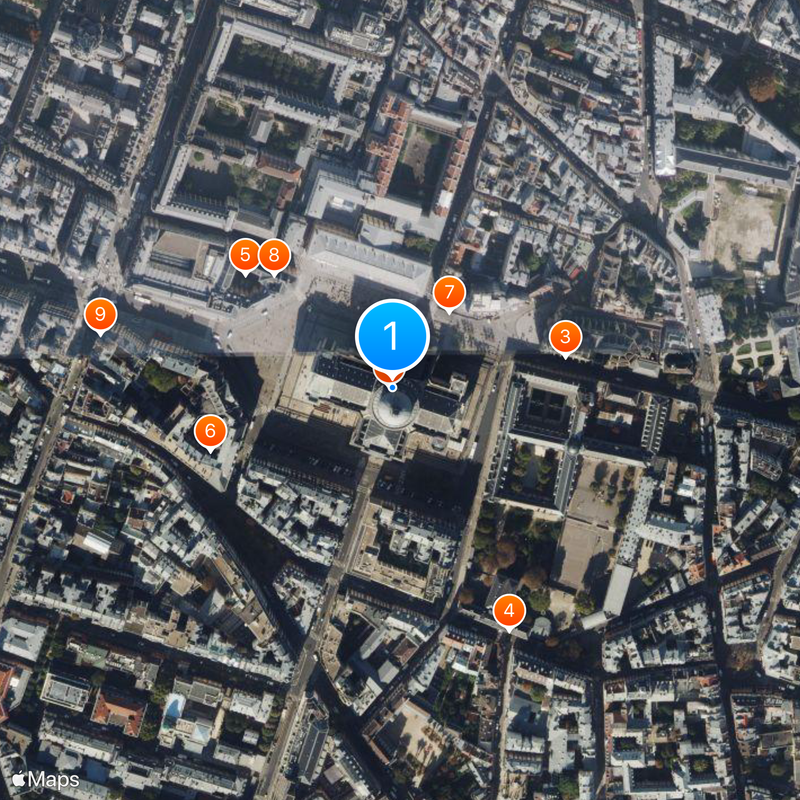
The installation is permanently housed inside the Panthéon in Paris, where it remains accessible to visitors year-round and features wheelchair accessibility for all guests to observe the demonstration firsthand.
The pendulum's oscillation plane completes a full rotation in approximately 32 hours at Paris's latitude of 49 degrees north, knocking over wooden pegs arranged below to visually mark Earth's movement beneath it.
The community of curious travelers
AroundUs brings together thousands of curated places, local tips, and hidden gems, enriched daily by 60,000 contributors worldwide.