Paris

Log in to your account

AroundUs is a community-driven map of interesting places, built by curious explorers like you. It grows with every review, story, and photo you share.
Connect to save your favorite spots, contribute locations, and create personalized routes.
By continuing, you accept our Terms and Conditions and our Privacy Policy
Add to collection
Map
Suggest a change
Share

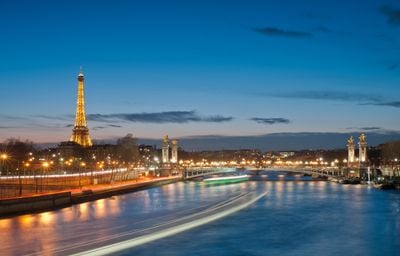
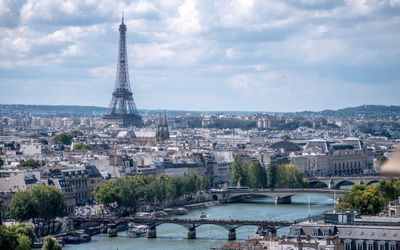
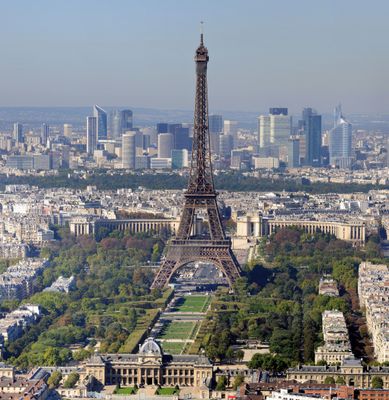
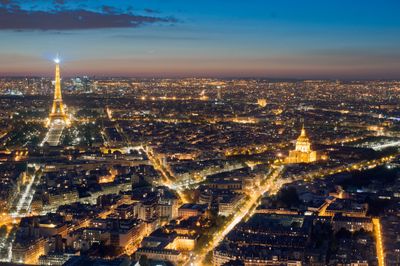
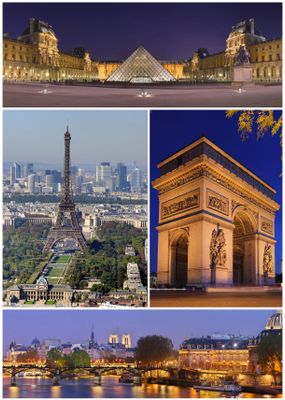
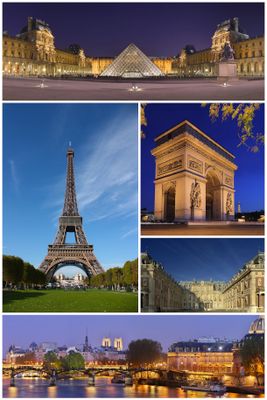
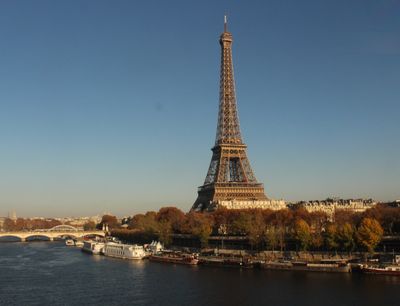
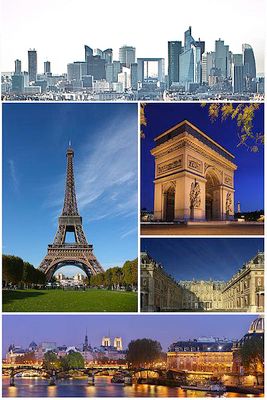
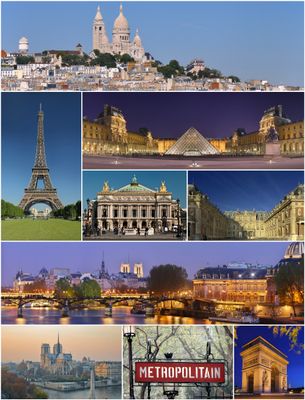
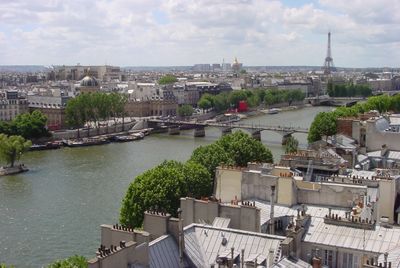
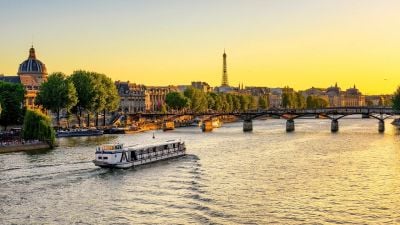
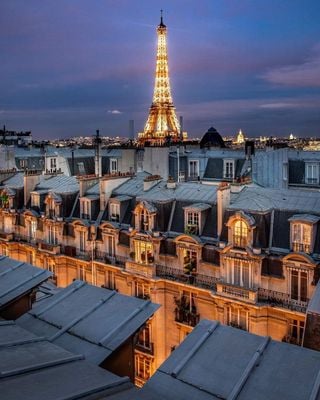
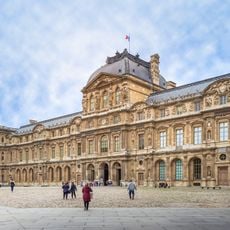
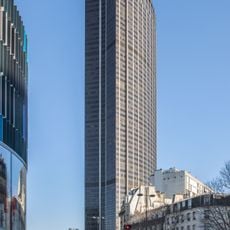
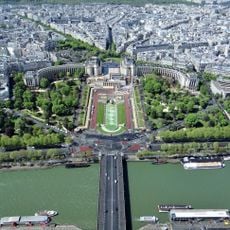
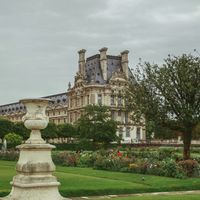
Paris, National capital and global city in France.

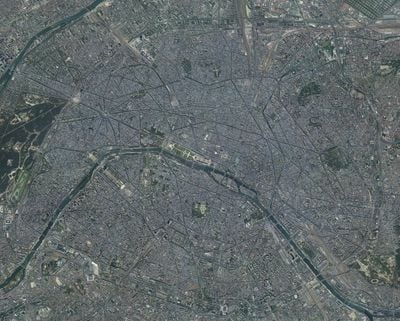
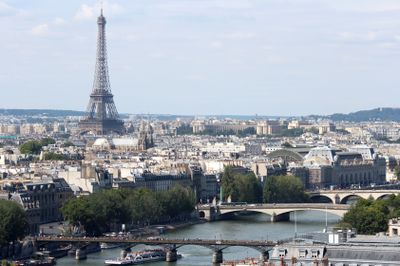
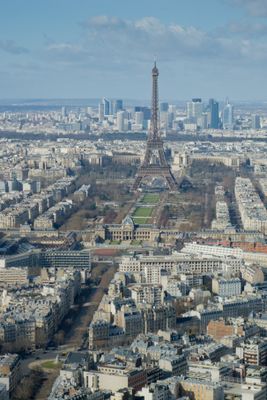
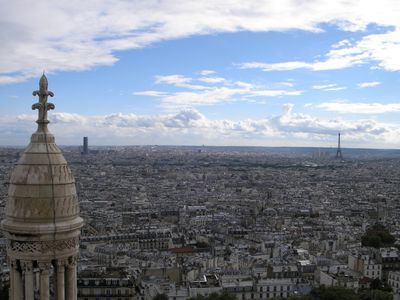
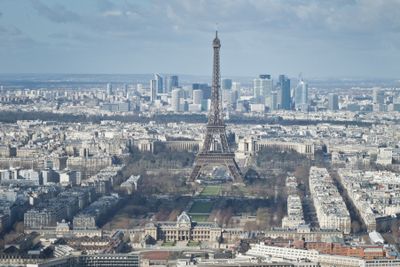
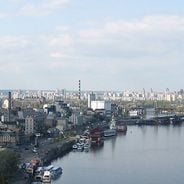
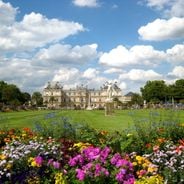
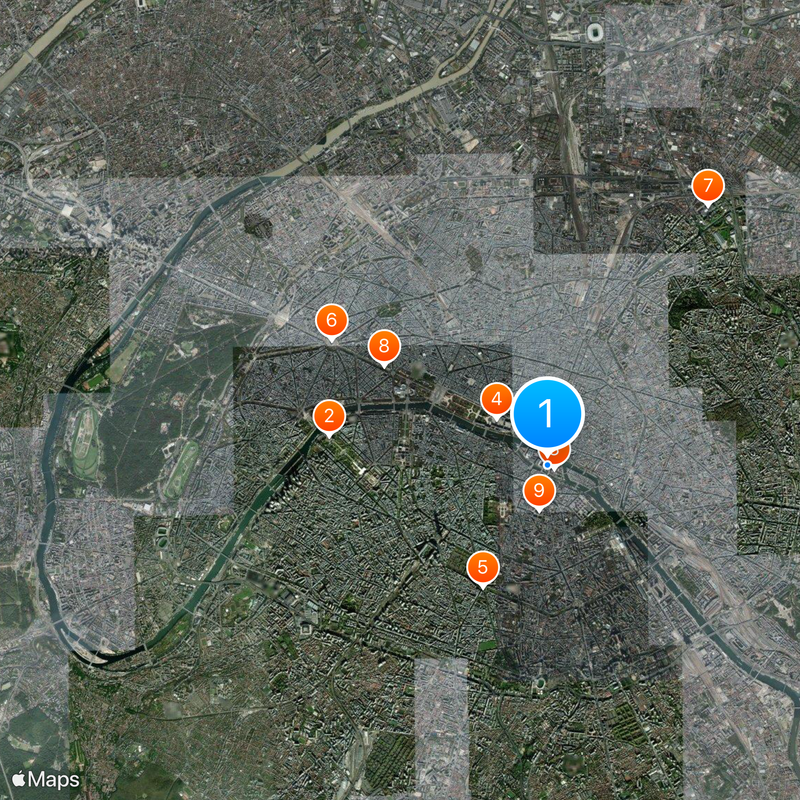
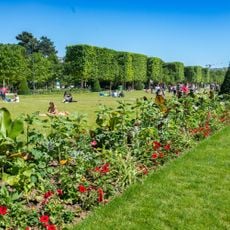
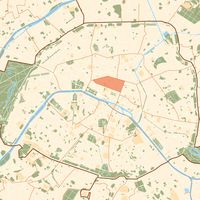
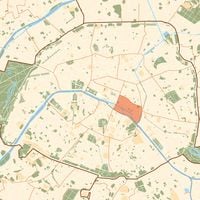
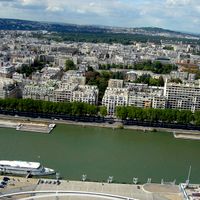
The French capital extends across 105 square kilometers (41 square miles) along the Seine, with 20 districts forming a spiral from the historic center to modern outer neighborhoods. Major parks including Jardin du Luxembourg and Bois de Vincennes provide green spaces between residential areas and business districts.

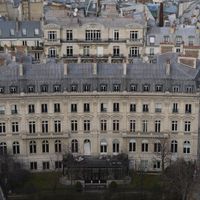
The Celtic settlement of Lutetia was founded in the third century BCE on Île de la Cité and conquered by Romans in the first century CE. It became capital of the Frankish kingdom in the tenth century and underwent comprehensive urban transformation under Napoleon III in the nineteenth century through Baron Haussmann's redesign.

The city has served for centuries as a center for literature, philosophy and fine arts, shaping artistic movements including Impressionism and Surrealism. Its universities and research institutes now form one of Europe's most important education centers with over 300,000 students.

The public transport network includes 16 metro lines, 5 RER regional lines and a bus system connecting all districts. International airports Charles de Gaulle and Orly offer direct flights to over 300 destinations worldwide, while high-speed trains link the capital with other European cities.

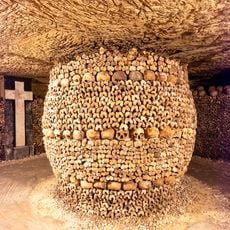
The Grand Paris project has added 200 kilometers (124 miles) of automated metro lines and 68 new stations to the existing network since 2016. The underground catacombs system extends through 300 kilometers (186 miles) of tunnels and contains remains of approximately six million people from eighteenth-century cemetery closures.

Location: Grand Paris

Inception: 3 century BCE

Elevation above the sea: 48 m

Part of: Île-de-France

Shares border with: Montrouge, Malakoff, Vanves, Issy-les-Moulineaux, Boulogne-Billancourt, Saint-Cloud, Suresnes, Puteaux, Neuilly-sur-Seine, Levallois-Perret, Clichy, Saint-Ouen-sur-Seine, Aubervilliers, Pantin, Le Pré-Saint-Gervais, Les Lilas, Bagnolet, Montreuil, Saint-Mandé, Vincennes, Fontenay-sous-Bois, Nogent-sur-Marne, Joinville-le-Pont, Saint-Maurice, Charenton-le-Pont, Ivry-sur-Seine, Le Kremlin-Bicêtre, Gentilly, Saint-Denis, Hauts-de-Seine, Seine-Saint-Denis, Val-de-Marne

Address: Paris, France 75000 Paris

Website: https://paris.fr

GPS coordinates: 48.85350,2.34839

Latest update: November 28, 2025 12:55

Host cities of the Tour de France 2025

The Tour de France 2025 will be the 112th edition of the well-known cycling race, taking place from July 5 to July 27, 2025. This men's road cycling competition is one of the three most prestigious tours of the season. Here you will find the starting and finishing cities of the event!

Most populated cities in Europe: ranking of capitals and metropolises by inhabitants

This ranking includes the most populous cities in Europe in 2025, from Moscow with 11.62 million inhabitants to Budapest with 1.7 million. It features major European capitals like London, Berlin, Madrid, Rome, and Paris, as well as Saint Petersburg, Vienna, and Hamburg. These metropolitan areas are the continent's main demographic centers, each with its own history, architecture, and legacy. The selection is based on the municipal population of each city. Some cities surprise with their size, such as London, which covers an area fourteen times larger than Paris, or Rome, which extends over a territory twelve times greater than the French capital. Others are distinguished by their major economic roles, such as Hamburg, which hosts Germany's largest port, or by their internationally recognized quality of life, like Vienna. These destinations invite exploration of European urban diversity from east to west.

Major cities of France: the 50 most populous communes, metropolitan areas, and urban centers

This collection brings together the 50 most populous cities of France, from the metropolis to overseas territories. It includes the major urban centers shaping the national territory, from Paris with its capital status to regional metropolises like Marseille with its Mediterranean port, Lyon where the Rhône and Saône meet, or Toulouse with its aerospace industry. These cities represent the main economic, cultural, and administrative hubs of the country. The selection covers all French regions and illustrates the diversity of territories: dense communes in Île-de-France, southern cities like Nice on the Côte d'Azur and Montpellier near the Mediterranean, eastern cities such as Strasbourg hosting the European Parliament, northern centers like Lille close to Belgium, or Bordeaux known for its architecture and vineyards. From Nantes, former capital of the Dukes of Brittany, to communes of La Réunion, this collection offers a complete overview of major French urban areas and invites exploration of their history, heritage, and unique vitality.

Paris museums: alternative collections, unusual exhibitions

Paris offers numerous museums away from major tourist crowds, presenting specialized collections. These institutions focus on diverse subjects including Asian art, mineralogy, historical urban planning, and contemporary photography. The exhibitions provide detailed insights into specific fields and historical developments. Visitors find space for focused observation without crowded halls. Collections range from archaeological finds to technical models and artistic works from various periods. These museums complement the city's cultural offerings through their thematic diversity and scholarly approach. They provide opportunities to explore specific areas of interest and discover lesser covered aspects of the Parisian cultural landscape.

Asian art museums in Paris

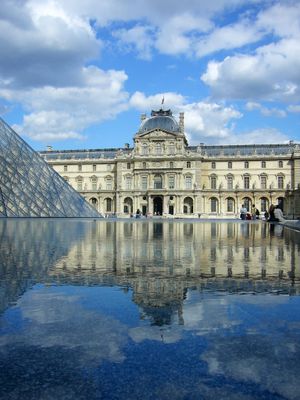
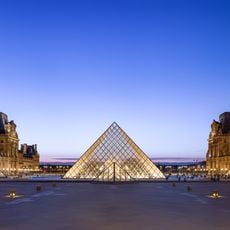
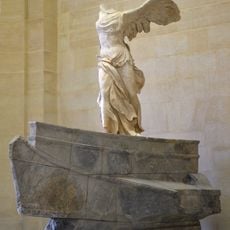
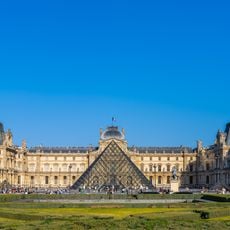
Paris houses several museums dedicated to Asian art. The Musée Guimet holds one of the most significant collections outside Asia, featuring works from India, China, Japan, Korea, and Southeast Asia. The collection includes Buddhist sculptures from Afghanistan, Chinese bronzes, Japanese woodblock prints, and Cambodian stone reliefs. The Musée Cernuschi focuses on Chinese art from antiquity to the early 20th century. The Louvre displays Asian artworks in its Islamic Art department and the Pavillon des Sessions. Additional collections can be found at the Musée des Arts Décoratifs and the Bibliothèque nationale de France. These institutions regularly organize temporary exhibitions on specific themes such as calligraphy, ceramics, or textiles from various Asian regions.

The most beautiful covered passages of Paris

The covered passages of Paris are major commercial inventions from the early 19th century. Built between 1798 and 1850, these galleries shield pedestrians from weather and street mud with glass and wrought iron roofs. Passages like the Passage des Panoramas, opened in 1799, were pioneers with gas lighting, while Galerie Vivienne (1823) features mosaic floors and neoclassical decorations. The Passage du Grand-Cerf stands out with a height of 12 meters under its glass roof. Today, around thirty passages remain in the 2nd, 9th, and 10th arrondissements. They host various shops: antique bookstores and fashion boutiques at Passage Choiseul, Indian restaurants and spice shops at Passage Brady, fabric vendors at Passage du Caire with Egyptian motifs. Galerie Colbert now houses two art research institutes. These galleries offer insights into a lesser-known part of 19th-century Paris commerce, preserving wooden facades, wrought iron railings, and period signage.

Alternative nightclubs and cabarets in Paris

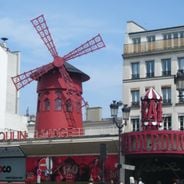
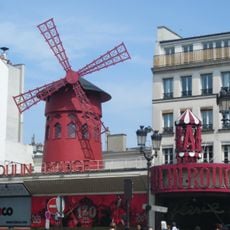
Paris houses historic venues for cabaret performances, music concerts and theater shows. The city offers a diverse selection of performance spaces, from traditional 19th century halls to converted industrial spaces and underground cellars. These locations present varied artistic performances, including classic cabaret shows, contemporary music acts and experimental theater productions. The venues attract different types of performers, from opera singers and jazz musicians to drag artists and dance companies. Many of these establishments have preserved their original architecture while incorporating modern technical facilities. Visitors will find programming that ranges from classic French chansons to international acts, making Paris an important center for performing arts in Europe.

Historical restaurants and bistros of Paris

These Paris restaurants occupy buildings with centuries of culinary history, from former coaching inns to Belle Époque brasseries with original moldings and mirrors. Several establishments maintain their 19th-century interiors, including zinc bar counters, mosaic floors, and carved wood paneling. The locations span central arrondissements, with many situated near historical landmarks and traditional market streets. The menus focus on French regional cooking, featuring dishes prepared according to classical techniques. Ingredients come from established suppliers in Rungis market and small-scale producers across France. Wine lists emphasize French appellations, with selections from Burgundy, Bordeaux, and Loire Valley domains. Many restaurants offer daily specials based on seasonal availability, alongside signature preparations that have remained on their menus for decades.

Hidden architectural sites in Paris

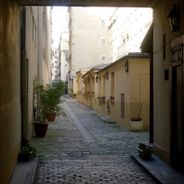
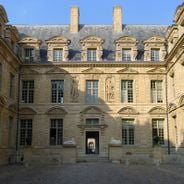
These locations showcase the architectural diversity of Paris through buildings spanning from medieval times to the modern era. The city preserves structures from two millennia: Roman baths from the 3rd century, Gothic churches like Saint-Julien-le-Pauvre, Renaissance mansions, and Art Nouveau apartment buildings designed by Hector Guimard. Beyond the famous monuments, visitors find hidden lanes with medieval timber-framed houses and private villas from the 19th century. The collection includes both public and private buildings. Visitors can explore the remains of the Arènes de Lutèce, where Romans once held gladiatorial contests, as well as the oldest residential houses in the city dating from the 15th century. The selection ranges from medieval church towers and classical arcades to modernist experiments of the early 20th century.

Unusual Museums in Paris: Sewers, Fan, Counterfeiting, Magic and Unique Collections

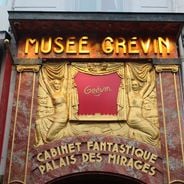
Paris has many themed museums that go beyond the usual tourist circuits. The underground sewer system has been open for visits since the 19th century, allowing visitors to see the technical installations that revolutionized urban hygiene. The fan museum houses over 2,500 pieces from the Renaissance to today, explaining traditional manufacturing techniques. The counterfeiting museum compares authentic products with copies to highlight issues of intellectual property. The Parisian collections cover a variety of fields: Asian art at the Guimet Museum with 45,000 objects from the Neolithic to the 20th century, African and Oceanian cultures at Quai Branly, fairground artifacts from the 19th century at Arts Forains, old automata and magic devices from past centuries. The Museum of Hunting and Nature is housed in a 17th-century townhouse and combines antique weapons with modern designs. These institutions offer unique insights into the social, technical, and artistic history of Paris.

Cultural routes in Paris: museums, historic districts and secret gardens

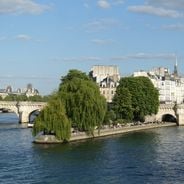
This cultural route, highly diverse, explores Paris beyond its usual landmarks, revealing a city of art collections, green spaces, and varied architecture. The itinerary includes the Musée Marmottan Monet, which houses more than 300 paintings by the artist, squares like Parc Monceau with its columns and 18th-century pavilions, and urban ensembles such as Place des Vosges, completed in 1612 under Henri IV. The circuit also passes through Île Saint-Louis, where mansions line the quays since the 17th century, and crosses the Marais district, with its narrow streets filled with galleries and museums inside historic aristocratic houses. The route extends to the Fondation Louis Vuitton in the Bois de Boulogne, a glass and steel building designed by Frank Gehry, opened in 2014. Other stops include lesser-visited spots such as Coulée verte René-Dumont, a 4.7 km planted promenade on an old railway, and Parc de Bercy with its three themed gardens. This circuit allows visitors to see different facets of Paris, from the catacombs under the 14th arrondissement to the colorful facades of rue Crémieux, from the flower market on Île de la Cité to César's large-scale sculpture in La Défense.

Unique architectural marvels in Paris

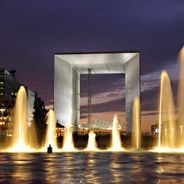
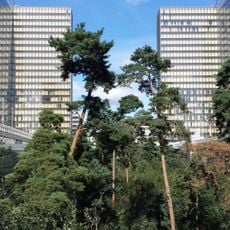
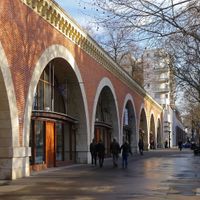
Paris has reshaped its architectural landscape over recent decades by constructing distinctly contemporary buildings. La Défense's Grande Arche extends the city's historic axis, while Frank Gehry's Louis Vuitton Foundation unfurls its glass sails in Bois de Boulogne. The François Mitterrand Library rises with four towers shaped like open books along the Seine, symbolizing a confident embrace of modernity. However, Paris architecture is not limited to recent constructions. The city has reinvented old structures: La Samaritaine, a department store in Art Nouveau and Art Deco styles, was restored to its former glory after a lengthy renovation. The former Bercy wine warehouses have become a lively shopping district, the Viaduc des Arts hosts artisan workshops beneath its 19th-century arches, and the Centquatre turned a municipal funeral home into a cultural center. These renovations demonstrate how Paris combines heritage preservation with adaptation to contemporary functions.

Paris attractions: alternative sites, hidden museums, local neighborhoods

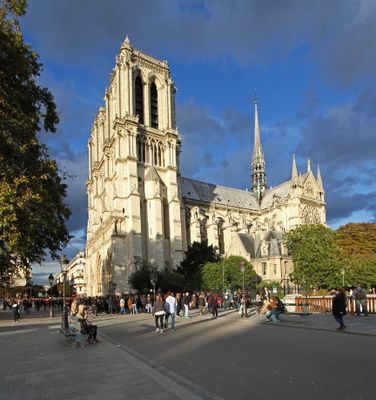
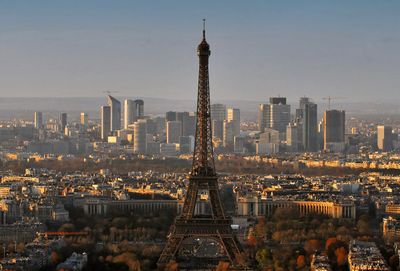
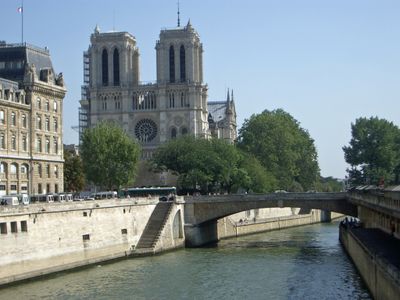
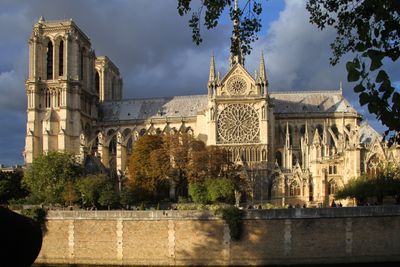
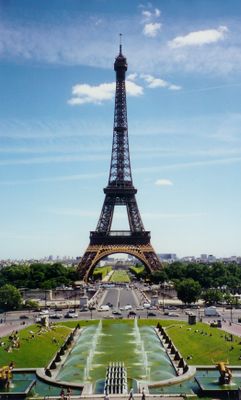
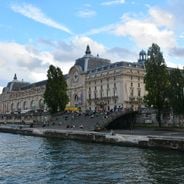
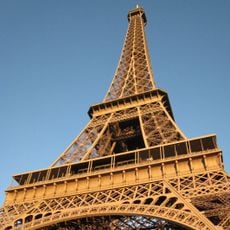
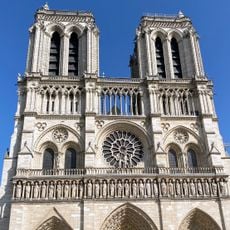
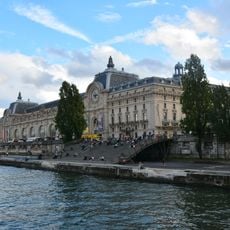
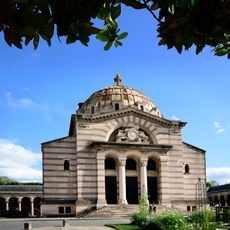
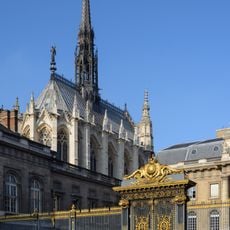
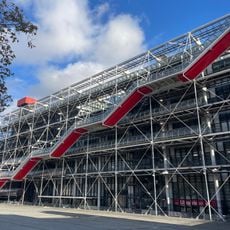
Paris rewards visitors who venture beyond the Eiffel Tower and Notre-Dame. The Musée d'Orsay houses one of the world's finest Impressionist collections, while the Centre Pompidou showcases contemporary art in its distinctive inside-out building. Below ground, the Catacombs wind through tunnels lined with the remains of six million Parisians. Sainte-Chapelle preserves 15 towering windows of 13th-century stained glass that fill the Gothic chapel with colored light. Markets like Marché d'Aligre bring together fresh produce, vintage furniture, and antiques under one roof. The city's neighborhoods and waterways offer equally rewarding discoveries. Le Marais combines medieval architecture with boutiques, galleries, and restaurants in its narrow streets. The Coulée Verte René-Dumont transforms an abandoned railway viaduct into an elevated garden path. Along the Canal Saint-Martin, tree-lined banks invite afternoon walks and waterside gatherings. Père Lachaise Cemetery serves as both a park and the burial ground for writers, artists, and musicians. The Musée Rodin displays sculptures in an 18th-century mansion surrounded by gardens, while the Musée Jacquemart-André presents European masterworks in an elegant private residence. Rue Crémieux's pastel-painted facades create one of the city's most photographed corners.

Historical domes of Paris

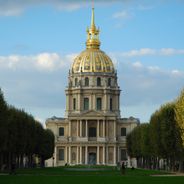
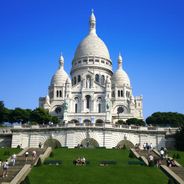
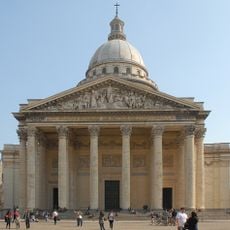
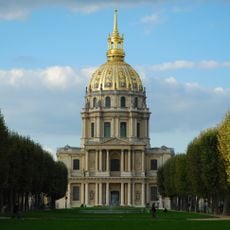
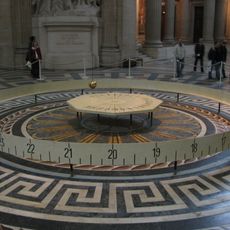
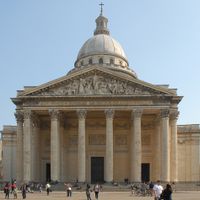
The domes of Paris form distinctive elements of the city silhouette. The Invalides with its golden dome, the Pantheon with its neoclassical structure, and the Grand Palais with its glass dome demonstrate the architectural diversity of the city. The department stores Galeries Lafayette and Le Printemps feature Art Nouveau glass cupolas.

Romantic locations in Paris

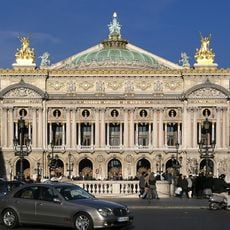
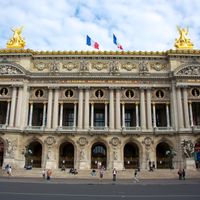
Paris combines historic architecture with cultural institutions in ways that have drawn couples for generations. The city offers a mix of 19th-century parklands, bridges spanning the Seine, and street cafes that invite lingering. From the galleries of the Louvre to the cobbled paths of Montmartre, these locations provide opportunities to explore art, history, and urban life together. This collection includes well-known landmarks like the Eiffel Tower and Notre-Dame Cathedral alongside quieter spaces such as Parc Monceau and Square du Vert-Galant. Historic passages like Passage Jouffroy showcase 19th-century commercial architecture, while sites like Palais Garnier and Sainte-Chapelle present medieval and classical building styles. The Canal Saint-Martin and its locks offer views of the city's infrastructure away from main tourist routes. Each location contributes in its own way to Paris's appeal for travelers.

Paris monuments: historical facts, architecture, Roman ruins

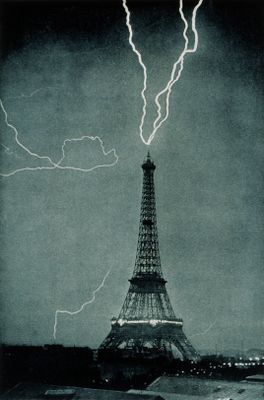
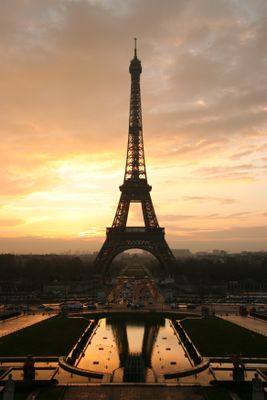
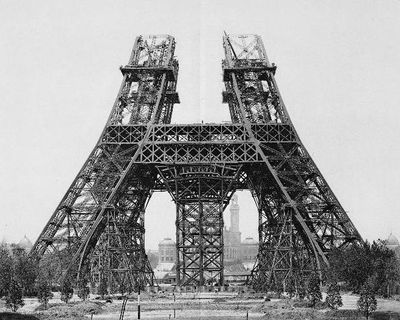
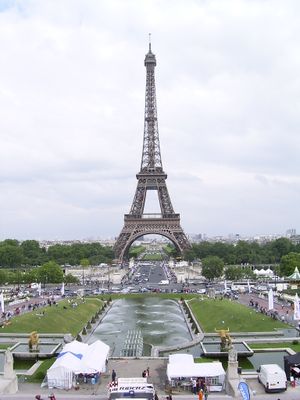
This route covers two millennia of Parisian construction history, showing the architectural layers of the city. It includes Roman remains such as the first-century Lutetia arenas, medieval structures, classical palaces, and modern constructions from the 19th and 20th centuries. Each location documents specific building phases and technical developments in the French capital. The selection ranges from well-known landmarks to less visited historical sites. The 1889 Eiffel Tower stands alongside Roman thermal bath fragments and medieval churches. This collection allows visitors to trace urban development from the ancient settlement of Lutetia to the modern metropolis and compare different architectural styles.

Prestigious Palaces and 5-Star Hotels in Paris

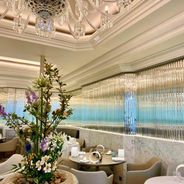
Paris counts among its most prestigious addresses palaces and five-star hotels housed in historic buildings from the 18th to the 20th century. These establishments occupy prime locations, such as the Ritz Paris on Place Vendôme, the Plaza Athénée in the Golden Triangle on Avenue Montaigne, or Le Meurice facing the Tuileries Gardens. Cheval Blanc Paris, Park Hyatt Paris-Vendôme, and Mandarin Oriental on Rue Saint-Honoré exemplify this tradition of hotel excellence in the city center districts. These hotels offer rooms and suites decorated with period furniture, gourmet restaurants often awarded Michelin stars, and relaxation areas including spas and indoor pools. The Royal Monceau Raffles Paris features a 75-foot (23-meter) pool and a My Blend spa by Clarins, while Mandarin Oriental provides a 9,700-square-foot (900 square meters) wellness space. In Saint-Germain-des-Prés, the 1910-built Hôtel Lutetia retains its Art Deco architecture, and SO/ Paris occupies the top ten floors of the former administrative city building with 162 rooms.

Leisure activities in Paris: game rooms, escape games, virtual simulators

Paris has a variety of game rooms and recreational spaces offering activities for all ages. From Le Marais to Montmartre, these venues feature virtual reality experiences, themed escape games, flight simulators, free-fall attractions, and arcade games. Visitors can also try axe throwing, participate in interactive quizzes, or go on treasure hunts through the city streets. Notable locations include the City of Science and Industry with scientific exhibitions and a planetarium, while Virtual Room offers collaborative missions in digital environments. The Paris School of Magic teaches sleight-of-hand techniques, and iFLY Paris provides indoor free-fall sensations via wind tunnels. These spaces host activities suitable for groups, families, and individuals seeking new forms of entertainment in the capital.

Cafés of Paris: iconic addresses, listed interiors, and literary venues

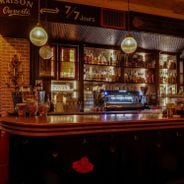
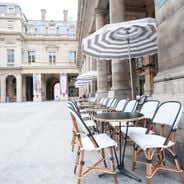
Paris has several dozen historic cafés that have endured centuries, retaining their original decor and unique character. These establishments, some over three hundred years old, have hosted generations of artists, writers, and thinkers, making them places for creation and intellectual discussion. Their listed facades, velvet benches, and antique mirrors today testify to an era when cafés served as important social and cultural hubs. Le Procope, founded in 1686, remains the oldest operating café in Paris and has welcomed figures such as Voltaire, Diderot, and revolutionary leaders. On Boulevard Saint-Germain, Café de Flore and Les Deux Magots have marked 20th-century literary history by hosting Sartre, Beauvoir, and Hemingway. In Montparnasse, La Rotonde gathered Picasso and Modigliani in the 1910s, while La Closerie des Lilas became a meeting point for American writers of the lost generation. More recent but equally storied, Café de la Paix near the Opera and Angelina on Rue de Rivoli continue the tradition of grand Parisian establishments where visitors come for both the decor and the cuisine.

Children's restaurants in Paris: suitable menus, play areas, activities

Paris has many restaurants that accommodate families with children under suitable conditions. These establishments offer menus for young guests, monitored play areas, regular activities, and equipment for babies, allowing parents to have lunch or dinner while their children play and entertain themselves. The city offers a variety of concepts to suit all tastes. La REcyclerie, an eco-friendly restaurant located in an old train station, features a vegetable garden and a chicken coop for children to explore. Pavillon Puebla benefits from its location in Parc des Buttes Chaumont, with terraces and a garden where youngsters can run around. La Felicità, Europe's largest restaurant covering 4,500 square meters, hosts free activities every Sunday. Cafézoïde is a cultural café dedicated entirely to children, with singing, dancing, and painting workshops throughout the year. The selection also includes Italian restaurants like Bambini at the Palais de Tokyo, offering views of the Eiffel Tower, or Pink Mamma, which serves child-friendly portions. Places like Il Cottage recreate a ski resort atmosphere with a food truck where children can eat with their fingers. These venues allow families to share a relaxing moment over a good meal without constraints.

Visiting Paris with your dog: parks, play areas, shops, and canine centers

Paris hosts around 100,000 dogs and offers a broad range of spaces and services dedicated to pet owners. The capital features dog-friendly parks and play areas, specialized care centers, accessory shops, and stores accepting pets. Among these locations are Jardin Tino-Rossi in the 5th arrondissement with its first dog playground opened in 2022, The Dogry in the 17th combining a play park and dog spa, and Seven Heaven in the 11th, a coffee shop open to families with their pets. Owners can also discover specialized shops like Casa Del Doggo, which offers wellness services and even a bakery for dogs, or stores like CAYU Canidés Club near the Buttes-Chaumont. This selection covers various districts of Paris and meets the daily needs of owners: leash walks, veterinary and grooming services, pet sitting, and relaxing moments in welcoming establishments. It makes life easier for Parisians with their four-legged companions.

Reviews

Visited this place? Tap the stars to rate it and share your experience / photos with the community! Try now! You can cancel it anytime.

« Paris: National capital and global city in France » is provided by Around Us (aroundus.com). Images and texts are derived from Wikimedia project under a Creative Commons license. You are allowed to copy, distribute, and modify copies of this page, under the conditions set by the license, as long as this note is clearly visible.

Discover hidden gems everywhere you go!

From secret cafés to breathtaking viewpoints, skip the crowded tourist spots and find places that match your style. Our app makes it easy with voice search, smart filtering, route optimization, and insider tips from travelers worldwide. Download now for the complete mobile experience.

Around Us App Screenshot

A unique approach to discovering new places

Le Figaro

All the places worth exploring

France Info

A tailor-made excursion in just a few clicks

20 Minutes