See the monuments around you in AROpen chests in the app
Around Us is built for your phone — point your camera at the streets and discover the monuments and places around you in augmented reality.Around Us is built for your phone — chests unlock when you walk, explore and capture nearby places.
Paris combines historic architecture with cultural institutions in ways that have drawn couples for generations. The city offers a mix of 19th-century parklands, bridges spanning the Seine, and street cafes that invite lingering. From the galleries of the Louvre to the cobbled paths of Montmartre, these locations provide opportunities to explore art, history, and urban life together.
This collection includes well-known landmarks like the Eiffel Tower and Notre-Dame Cathedral alongside quieter spaces such as Parc Monceau and Square du Vert-Galant. Historic passages like Passage Jouffroy showcase 19th-century commercial architecture, while sites like Palais Garnier and Sainte-Chapelle present medieval and classical building styles. The Canal Saint-Martin and its locks offer views of the city's infrastructure away from main tourist routes. Each location contributes in its own way to Paris's appeal for travelers.
Paris combines historic architecture with cultural institutions in ways that have drawn couples for generations. The city offers a mix of 19th-century parklands, bridges spanning the Seine, and street cafes that invite lingering. From the galleries of the Louvre to the cobbled paths of Montmartre, these locations provide opportunities to explore art, history, and urban life together.
This collection includes well-known landmarks like the Eiffel Tower and Notre-Dame Cathedral alongside quieter spaces such as Parc Monceau and Square du Vert-Galant. Historic passages like Passage Jouffroy showcase 19th-century commercial architecture, while sites like Palais Garnier and Sainte-Chapelle present medieval and classical building styles. The Canal Saint-Martin and its locks offer views of the city's infrastructure away from main tourist routes. Each location contributes in its own way to Paris's appeal for travelers.
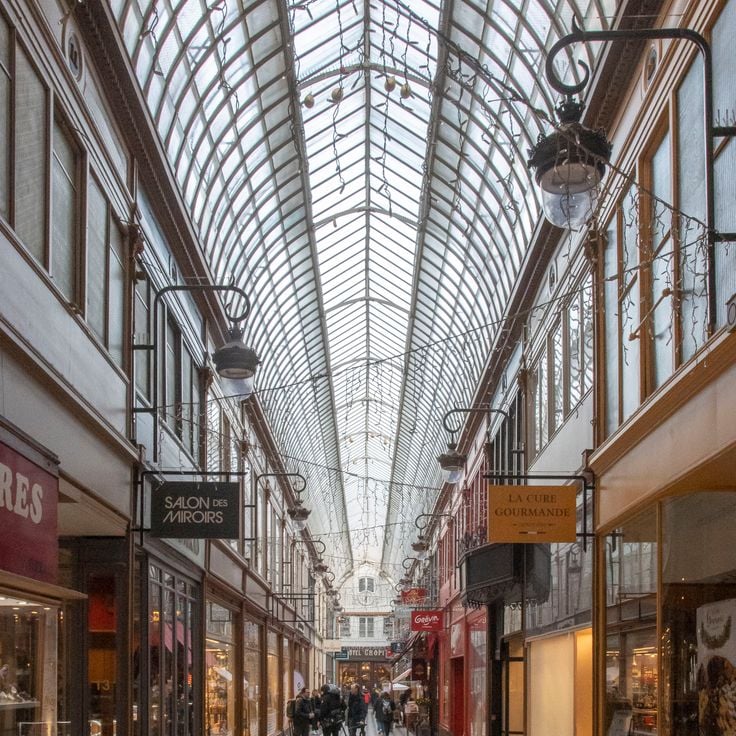
This covered passageway from the 19th century connects Rue de la Grange-Batelière with Boulevard Montmartre, preserving its historic architecture with a glass roof and mosaic floors. Passage Jouffroy houses antique shops, bookstores, and traditional French cafes that provide a quiet alternative to the busy boulevards outside. Couples can browse through the shops, discover rare books and collectibles, or settle into a cafe to experience a piece of old Paris. The passageway is one of three interconnected galleries and leads directly to the Musée Grévin wax museum.
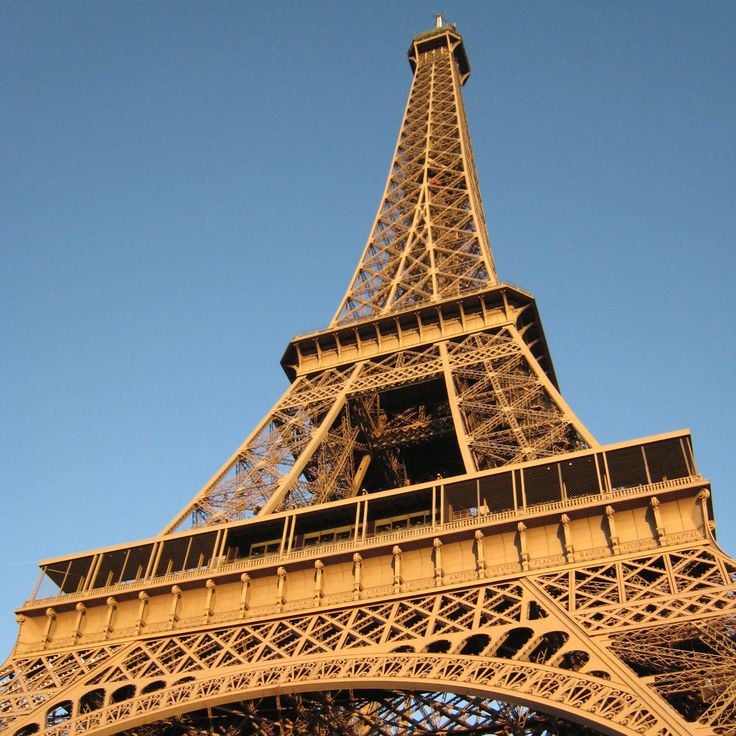
The Eiffel Tower provides a central backdrop for couples exploring Paris together. This iron lattice structure, completed in 1889, rises 324 meters (1063 feet) and features three visitor platforms reached by stairs or elevators. The observation levels offer wide views across the city and the Seine, while the surrounding Champ de Mars grounds provide space for leisurely walks. The tower combines historical engineering with practical accessibility, remaining a frequently visited reference point for travelers in the French capital.
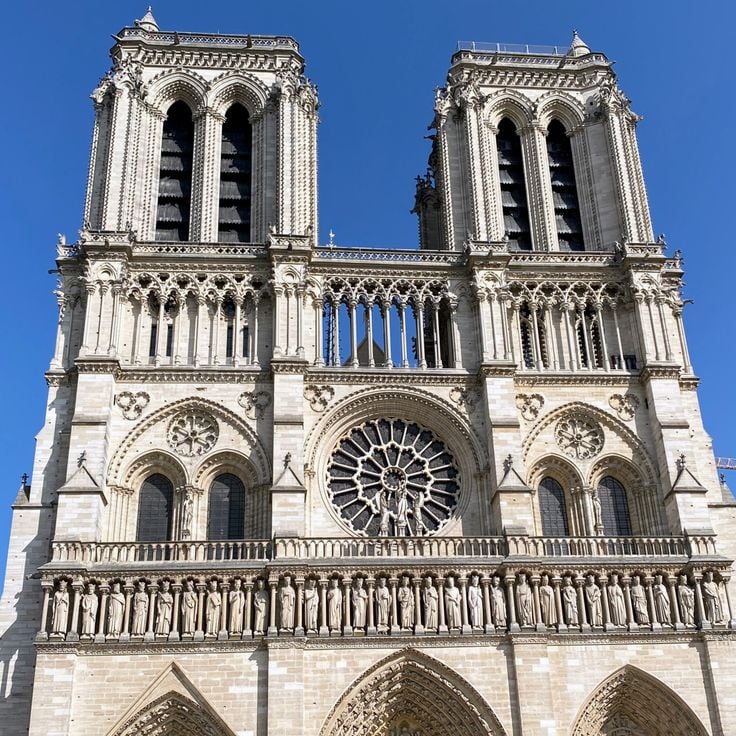
Notre-Dame Cathedral is a place where couples have gathered for centuries to share in the history and beauty of medieval architecture. Built between 1163 and 1345, this Gothic structure defines the Île de la Cité with its 69-meter towers. The facade shows pointed arches, flying buttresses, and large rose windows that reveal the craftsmanship of its builders. The square in front and surrounding bridges allow you to view the cathedral from different angles while taking in views of the Seine.
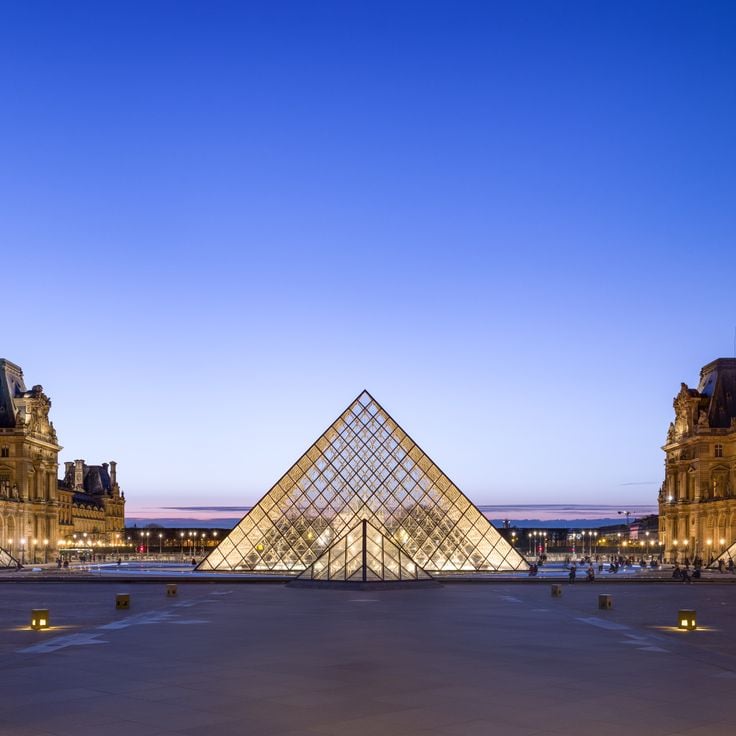
The Louvre Museum offers couples a chance to walk through centuries of shared cultural discovery. This former royal palace houses about 380,000 artworks across eight departments, spanning from antiquity through the 19th century. Together, you can explore Egyptian artifacts, French paintings, and works from around the world. The spacious galleries and historic courtyard with its glass pyramid create a setting that encourages lingering and conversation. The building itself reflects French history, while the collections present human creativity across time. Plan for several hours to move through the museum at a relaxed pace and absorb what speaks to you.
Montmartre contributes to Paris's romantic appeal by combining historic architecture with artistic heritage. The Sacré-Cœur Basilica sits atop the hill, offering views across the city. Narrow cobblestoned streets lead to Place du Tertre, where artists display their work today, and to the historic Moulin de la Galette windmill. The elevated position allows for walks with sweeping vistas. Traditional French cafés line the paths, and the quiet side streets provide couples with spaces for shared exploration of the district's character.
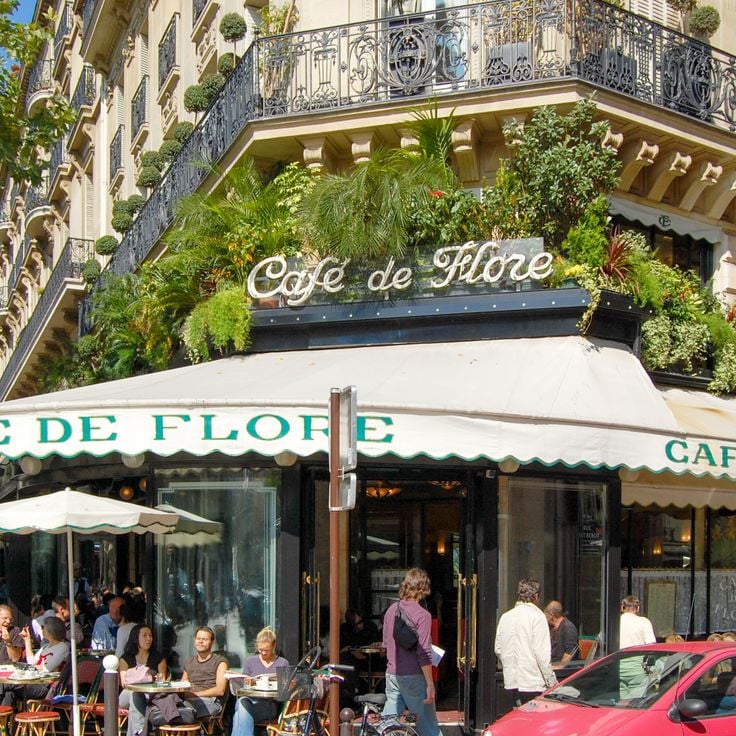
This café opened in 1885 in the Saint-Germain-des-Prés quarter and became a meeting place for writers, philosophers and artists. Jean-Paul Sartre and Simone de Beauvoir spent afternoons here regularly, writing and debating at their usual tables. The interior preserves its 1920s design with red leather banquettes, mahogany paneling and mirrors. Located at the corner of Boulevard Saint-Germain and Rue Saint-Benoît, Café de Flore continues to draw couples who come for coffee on the terrace while experiencing the literary heritage of Paris.
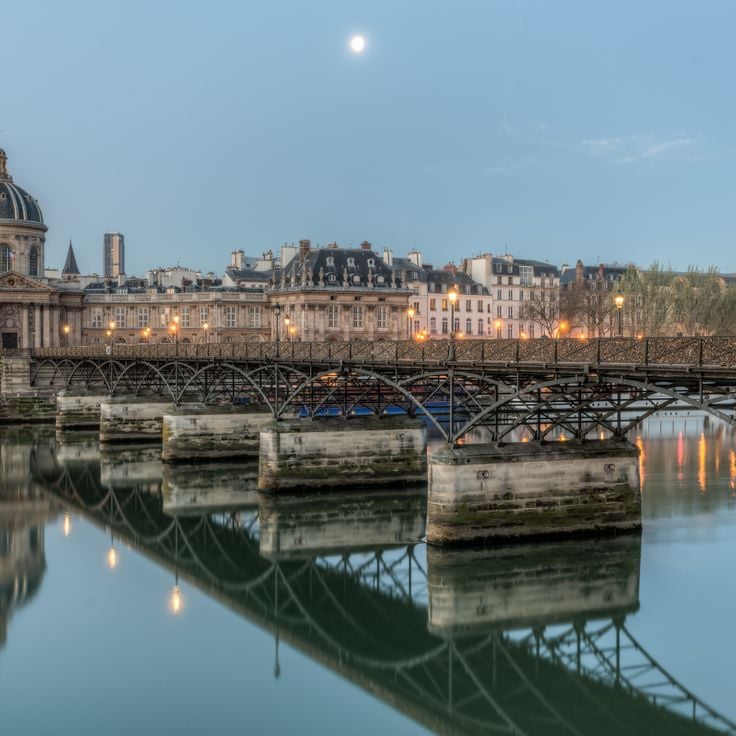
The Pont des Arts contributes to this collection of romantic Paris locations as a pedestrian bridge linking the right bank of the Seine at the Louvre with the Institut de France on the left bank. Built between 1802 and 1804 as the city's first metal bridge, it features nine cast iron arches that span 510 feet (155 meters). From the bridge, visitors see the Île de la Cité, the Eiffel Tower, and the surrounding riverside paths. Couples walk across its wooden planks, sit on benches, and watch tour boats pass below. Street musicians and artists perform on this car-free bridge, which remains open at all hours.
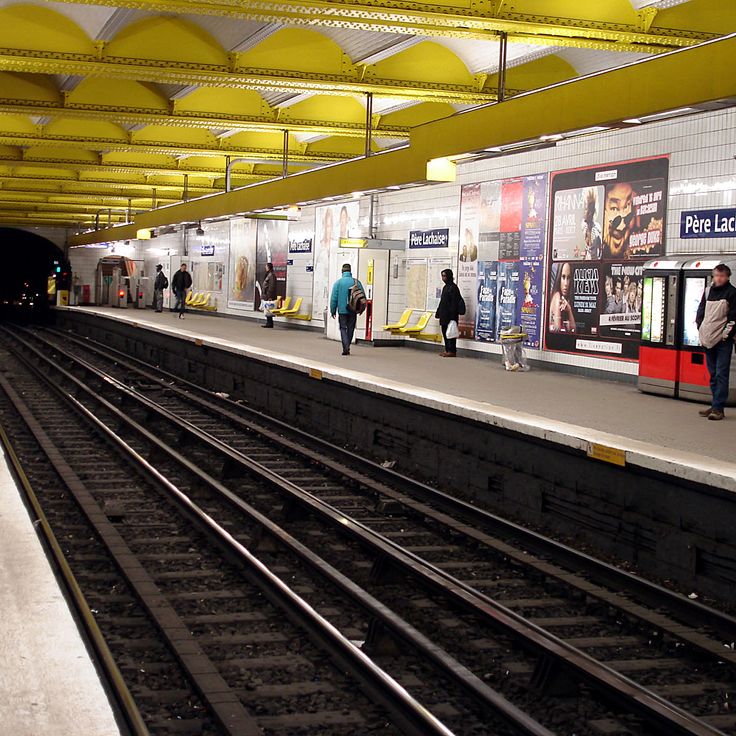
Père Lachaise Cemetery is a significant location for couples exploring historic Paris. This cemetery opened in 1804 and offers quiet, tree-lined pathways among elaborately designed grave monuments. The grounds combine garden architecture with cultural history, allowing shared walks through French heritage while visiting the graves of notable figures such as Oscar Wilde, Édith Piaf, and Jim Morrison.
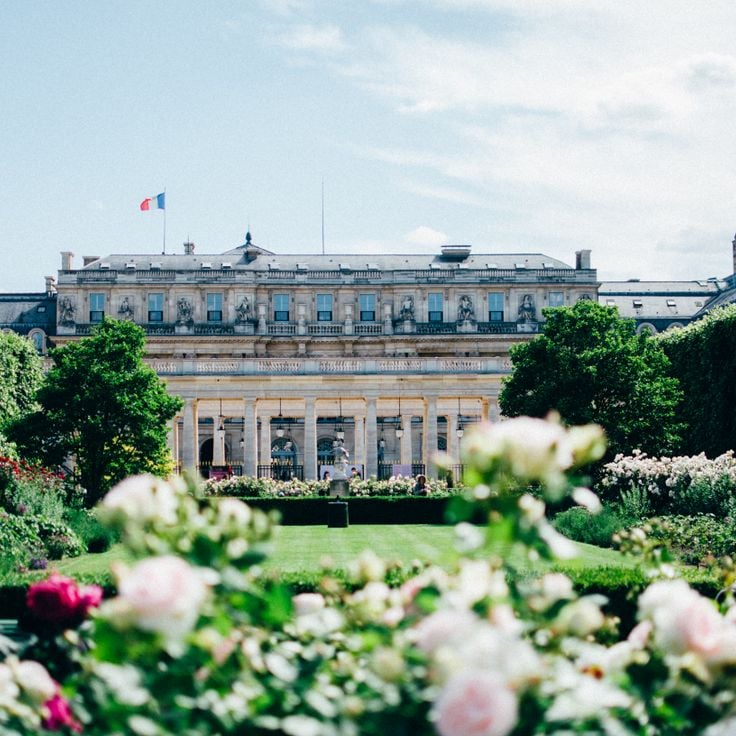
This garden in the heart of Paris combines formal French landscaping with 17th-century arcaded galleries. The Palais Royal Garden sits behind the former royal palace and features gravel pathways between manicured lawns, two fountains, and Daniel Buren's black and white striped columns from the 1980s. The surrounding colonnades house bookshops, art galleries, and cafes. Couples find a quiet retreat here away from main thoroughfares, with benches under chestnut trees and open spaces for an afternoon stroll. The enclosed layout creates a setting that has drawn Parisians and visitors for centuries.
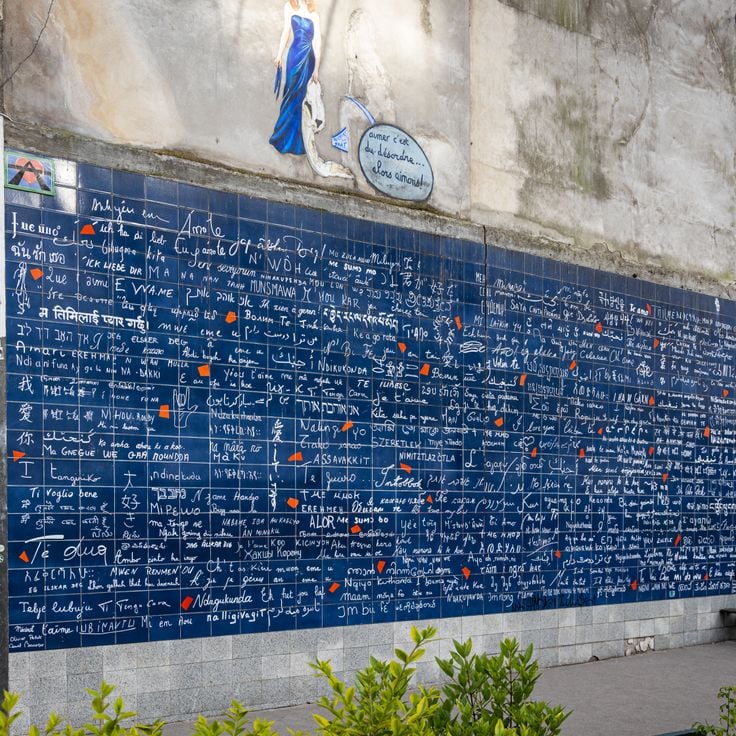
The Je t'aime Wall is a public artwork in the square Jehan Rictus, at the foot of the Montmartre hill in Paris. It was created by artist Frédéric Baron and calligrapher Claire Kito and opened in 2000. The wall displays the phrase "I love you" in over 300 languages, written on deep blue enamel tiles. It is a popular stop for couples visiting Paris, who often search for their own language among the many scripts.
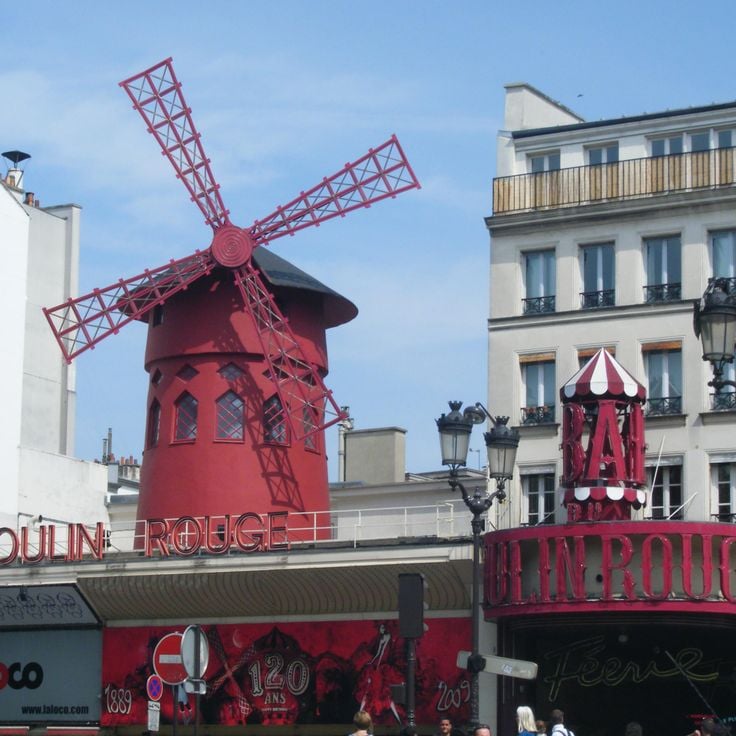
The Moulin Rouge opened in 1889 in the Montmartre district and quickly became one of Paris's most recognized stages. The red windmill on the roof gives the cabaret its name and makes it visible from a distance. The venue is known for its Cancan dancers, whose high-energy choreography has drawn visitors from around the world for over a century. For couples exploring Paris through this collection, this historic venue offers an evening of music, dance, and entertainment in a setting that reflects the Belle Époque era.
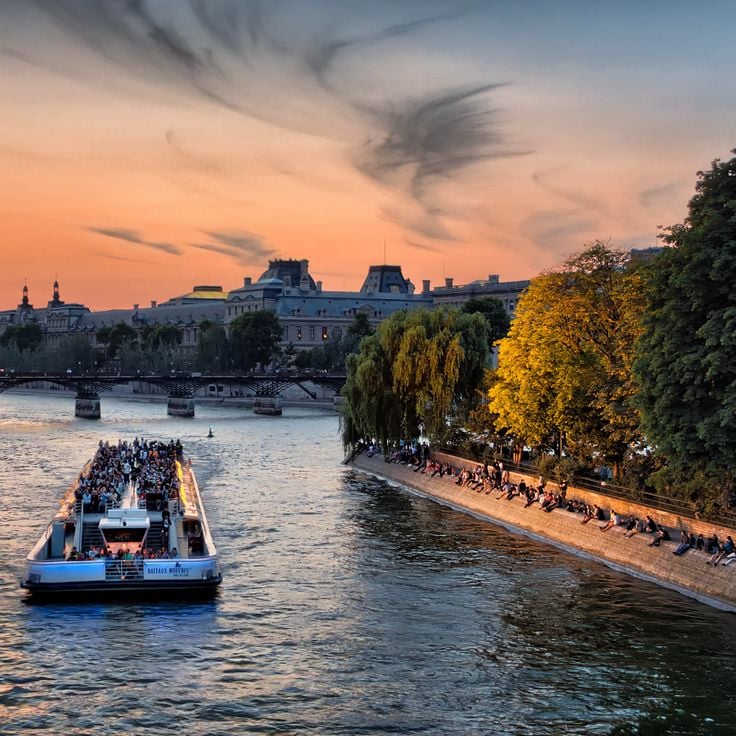
The Bateaux Mouches travel along the Seine through central Paris, passing major landmarks including the Eiffel Tower, Notre-Dame, the Louvre Museum, and several historic bridges. The boats operate during daytime and evening hours, with nighttime departures showcasing the illuminated monuments. These boat tours fit into the collection of romantic locations in Paris by offering couples a shared perspective on the city's history and architecture from the middle of the river. The journey lasts about 70 minutes and departs from several docks near the Eiffel Tower and Champs-Élysées. The boats have open-air or glass-enclosed decks to suit different weather and preferences.
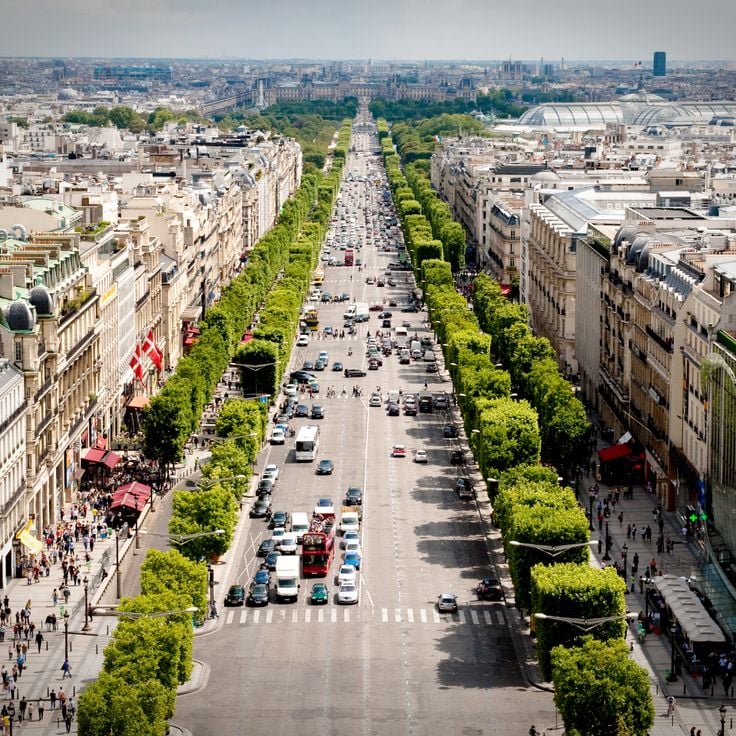
The Champs-Élysées is a wide avenue that connects Place de la Concorde to the Arc de Triomphe. This street has drawn visitors since the 19th century and offers shops, cafes and theaters. For couples exploring Paris, this avenue forms a central axis of the city and shows itself particularly well in the evening, when street lighting highlights the broad sidewalks. The western half is lined with chestnut trees and leads toward the monumental arch.
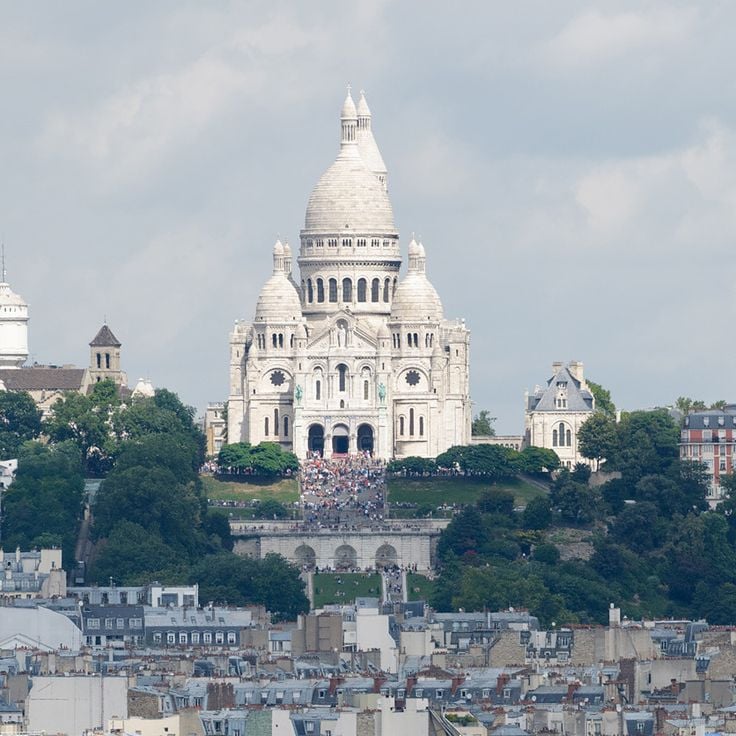
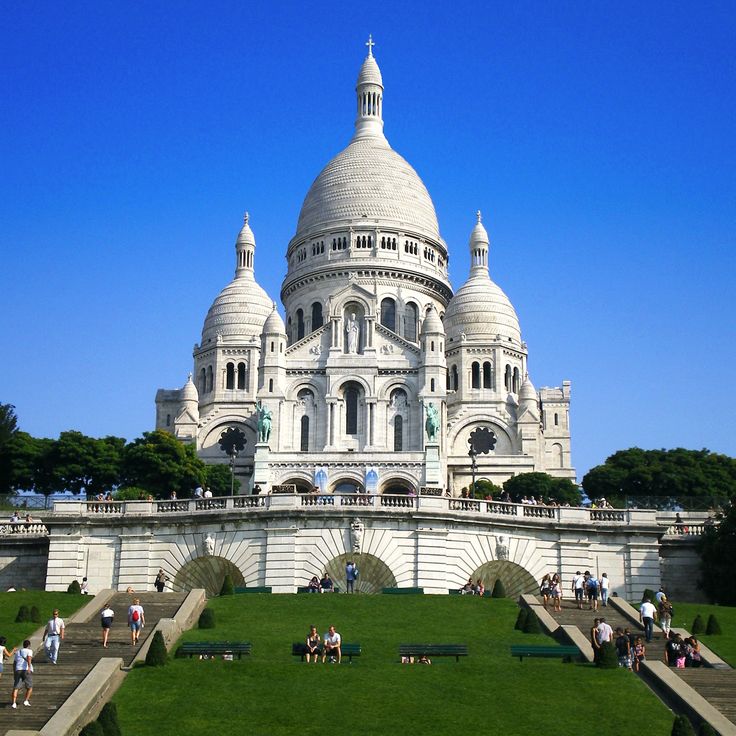
The Sacré-Cœur Basilica in this collection of romantic locations in Paris is a white limestone church rising from Montmartre hill and offers views across the city from its dome at 430 feet (130 meters) elevation. For couples, this basilica is a place where religious architecture meets urban panoramas. The steps below the church lead through terraced gardens that invite lingering, while the interior features mosaics and the central dome. The climb to Montmartre connects a visit to the basilica with the streets of the historic artists' quarter.
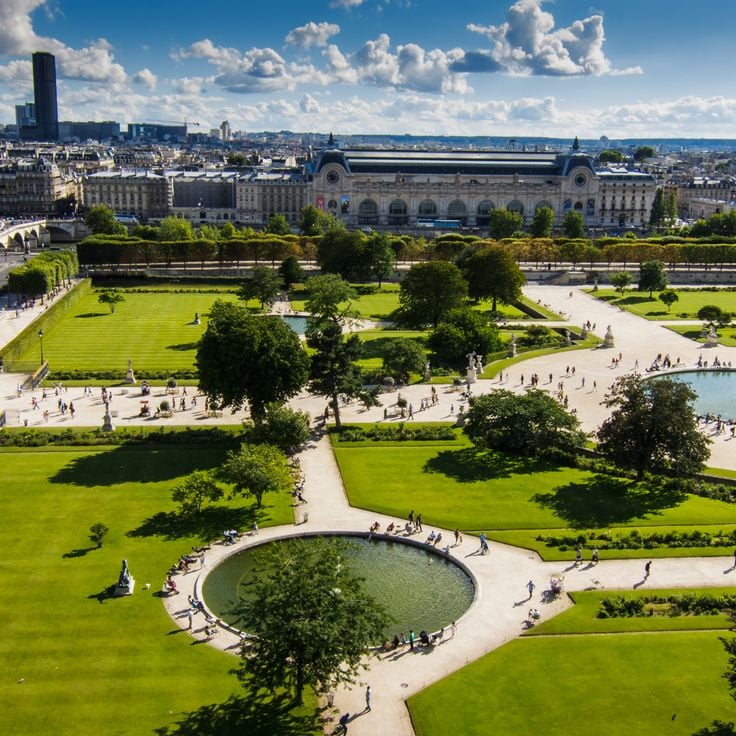
The Tuileries Garden fits naturally into this collection of romantic locations in Paris. This public garden extends between the Louvre and Place de la Concorde, offering couples manicured paths, numerous statues and fountains, and two museums. The formal French gardens were originally laid out in the 16th century for Catherine de' Medici. Today, visitors can stroll along the broad allées, relax on metal chairs beside the main basin, or explore the collections at the Musée de l'Orangerie and Jeu de Paume. The garden combines historic landscape architecture with a central location that makes it easy to reach from anywhere in the city.
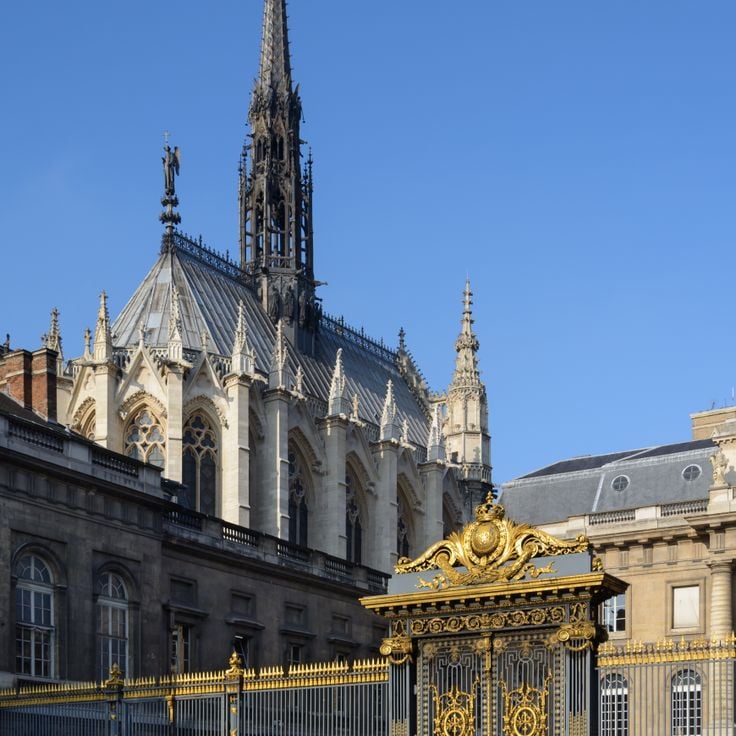
This 13th-century royal chapel offers couples an exceptional setting for shared moments of contemplation. The 15 large stained glass windows depict 1,113 biblical scenes and create patterns of light that shift throughout the day. The Gothic architecture and preserved medieval glasswork make Sainte-Chapelle a significant cultural destination in the historic center of Paris.
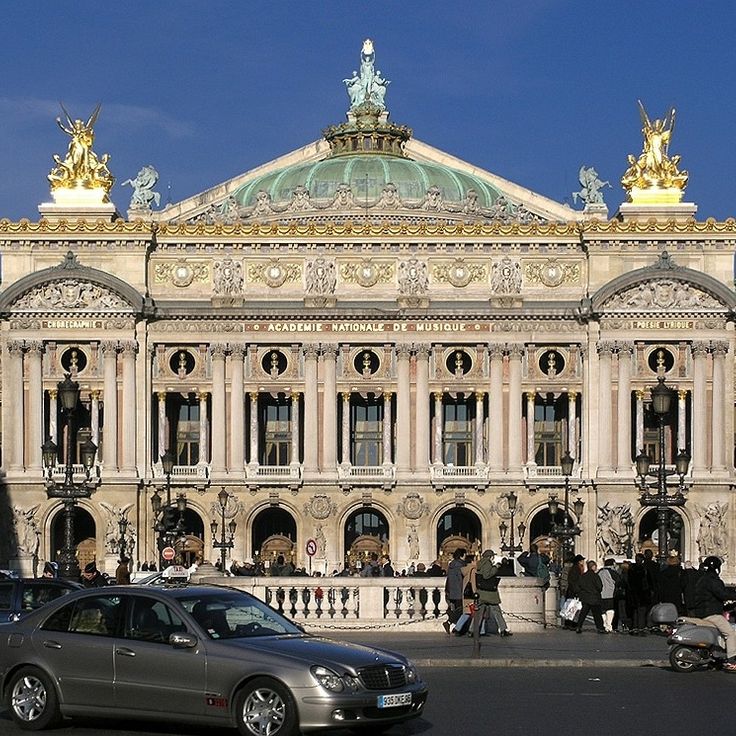
This opera house stands as one of the most notable buildings of the Second Empire period, combining architectural forms from earlier eras with the cultural history of Paris. Since opening in 1875, the building has served as a venue for ballet and opera, while its interiors feature gilded statues, marble columns and a celebrated ceiling painted by Marc Chagall. Couples visiting Palais Garnier can walk through the ornate foyers, admire the sweeping Grand Escalier or join a guided tour that offers insight into the history of this house.
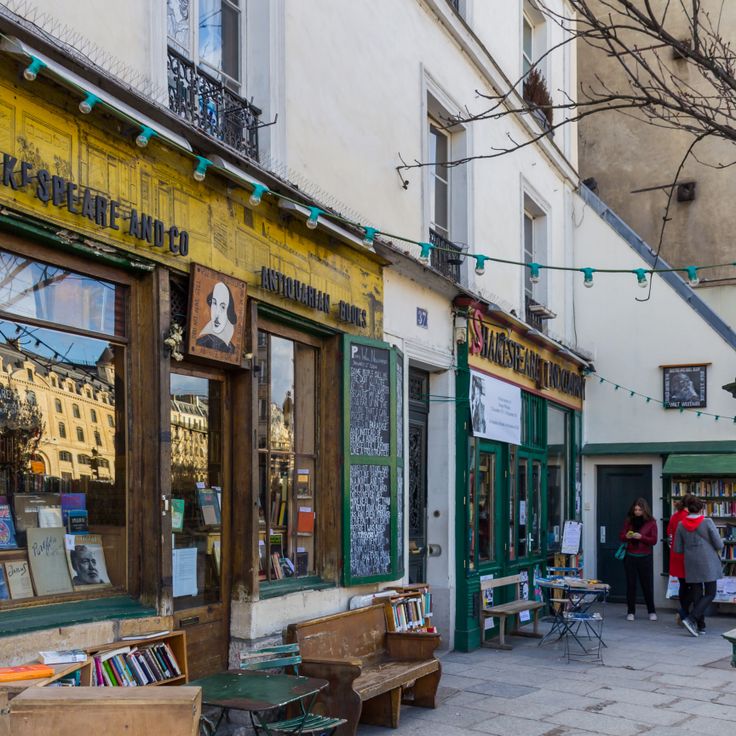
This bookstore across from Notre-Dame offers couples a place to explore together through shelves filled with international literature and used books. Since 1951, writers and readers have come here, drawn by the history and character of the space. Shakespeare and Company invites lingering, with cozy reading nooks and an environment that draws book lovers. The bookstore shows how a single location can become a gathering point for those who care about literature and reading.
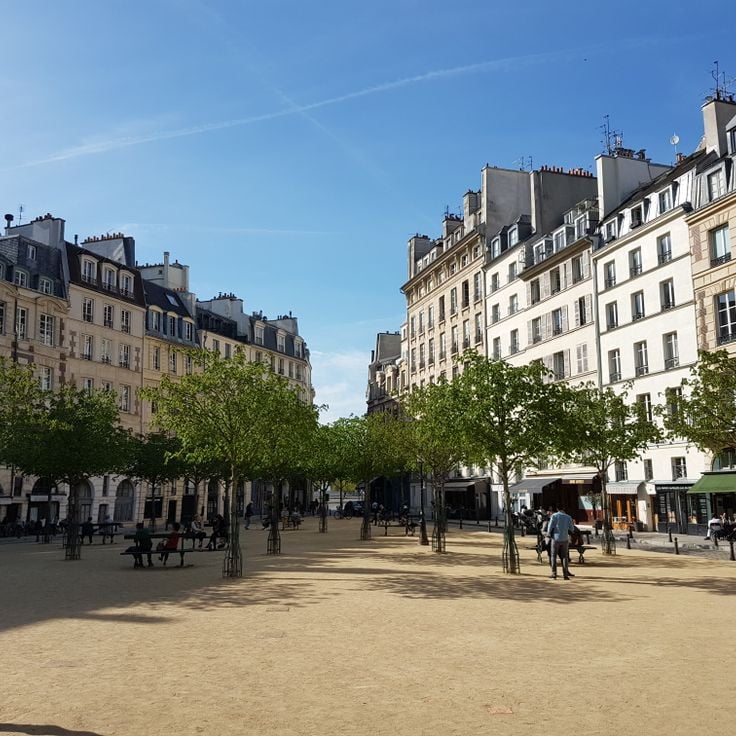
Place Dauphine is a 17th-century triangular square on the Île de la Cité, situated between Pont Neuf and the Palais de Justice. The red brick facades and pale stone trim of the surrounding buildings create a unified architectural frame from the time of Henri IV. Several restaurants and cafes have placed tables on the square, where couples can dine in this quiet setting. Enclosed on three sides, the place offers an intimate and sheltered space away from the busier tourist routes nearby.
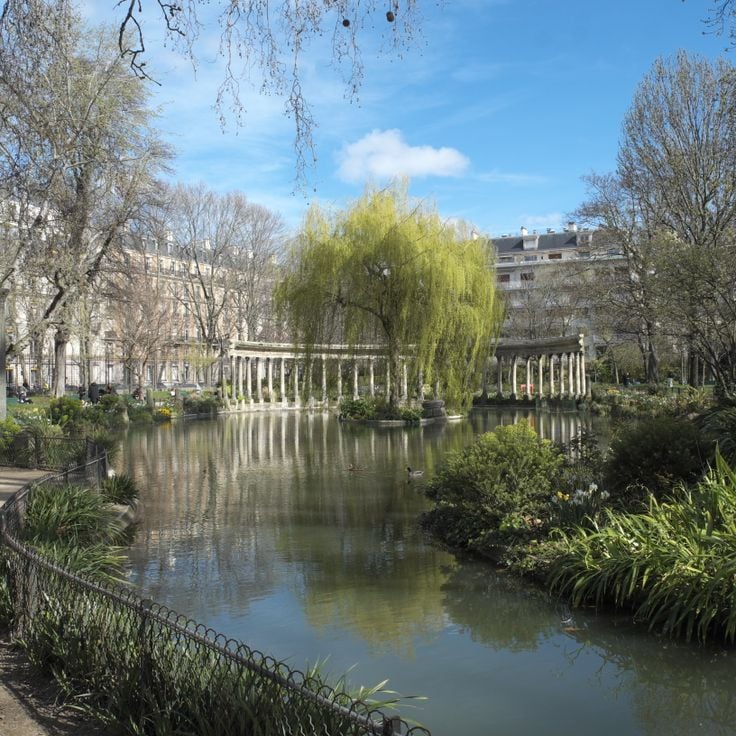
This park in the 8th arrondissement of Paris combines classical architecture with 18th-century landscape design, creating a quiet setting for couples exploring the city. Parc Monceau fits into Paris's appeal for travelers seeking romance, as it brings together rest and history in a single location. The park features a Roman colonnade, Corinthian columns, a pond, and various sculptures arranged among formal pathways and lawns. The grounds preserve French garden design principles while offering benches for sitting and tree-lined paths perfect for unhurried walks.
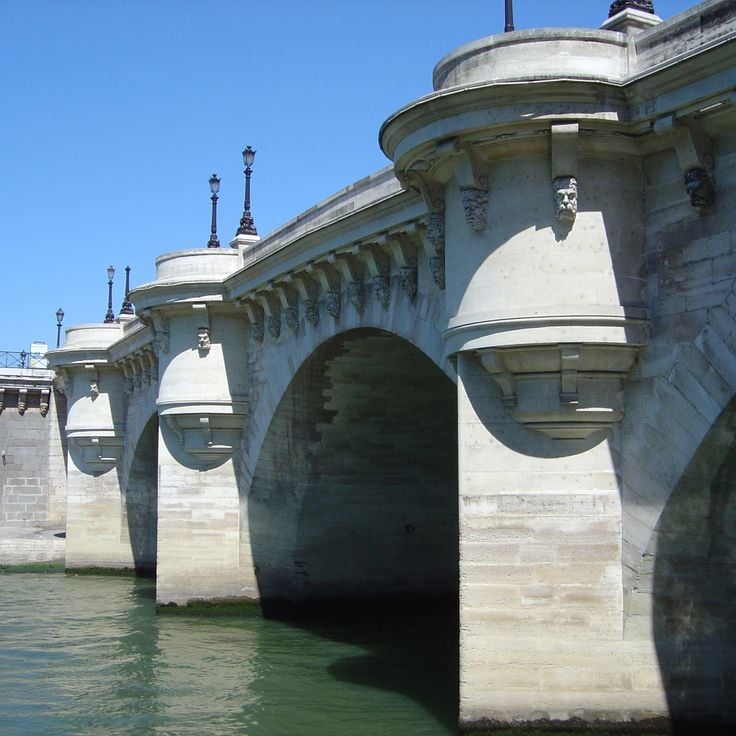
This historic stone bridge across the Seine connects the Île de la Cité to both riverbanks and stands among the notable places for couples in Paris. Completed in 1607, Pont Neuf spans twelve arches and offers clear views of the river. Despite its name, it is the oldest surviving bridge in the city. Visitors can walk along its pedestrian paths to observe the Renaissance architecture while traffic flows on the upper level. Its central location makes it a practical starting point for exploring several neighborhoods.
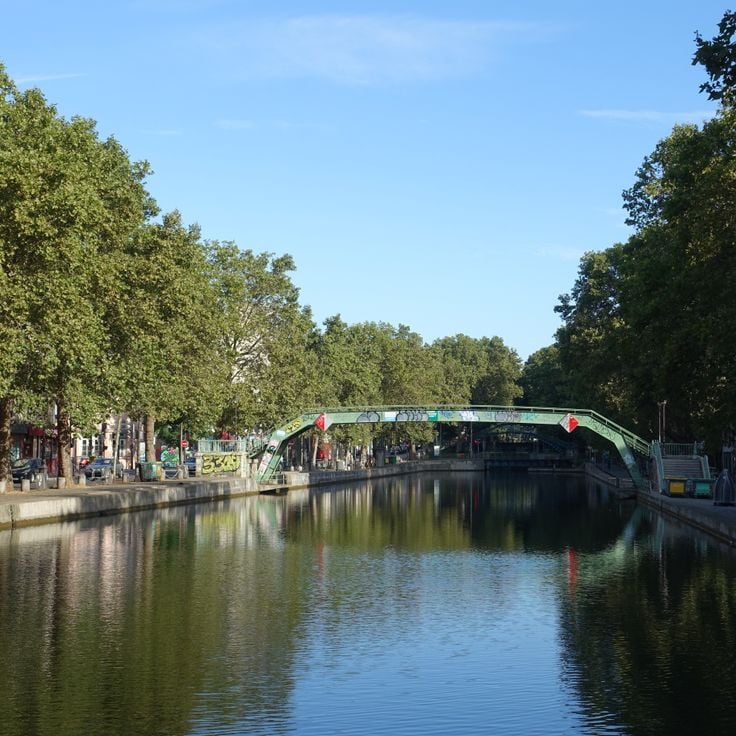
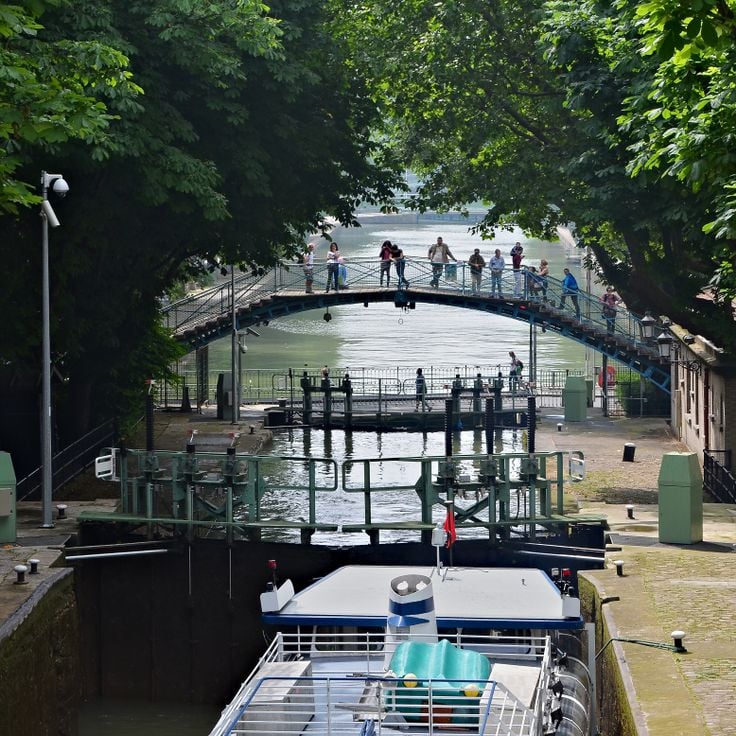
The Canal Saint-Martin connects the Seine to the Canal de l'Ourcq across roughly 2.8 miles (4.5 kilometers), with nine locks regulating the water level. This early 19th-century waterway features arched bridges and tree-lined banks that provide a setting for walks away from the main tourist corridors. The canal offers couples space to sit and watch excursion boats pass through the locks. The surrounding neighborhoods with their cafes and small shops invite exploration, making this canal a place where urban life and quiet moments meet for those seeking time together in Paris.
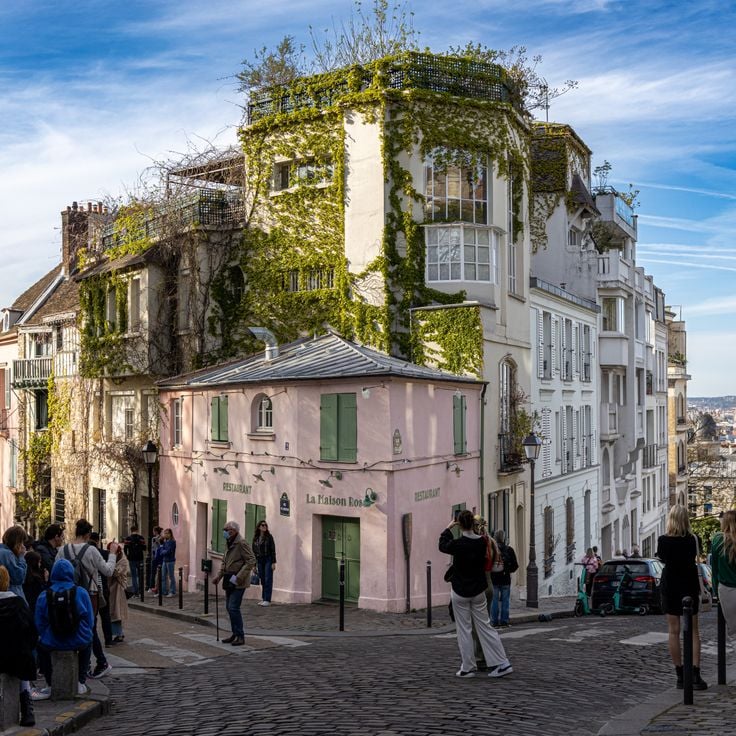
This pink-painted restaurant at the corner of Rue de l'Abreuvoir from 1850 has been a feature of Montmartre for over a century. The building was painted by various artists and served as a gathering place for the bohemian scene of the early 20th century. Its distinctive facade makes it an easily recognized landmark in this historic quarter, where couples can walk through cobblestone streets and experience the character of old Paris.
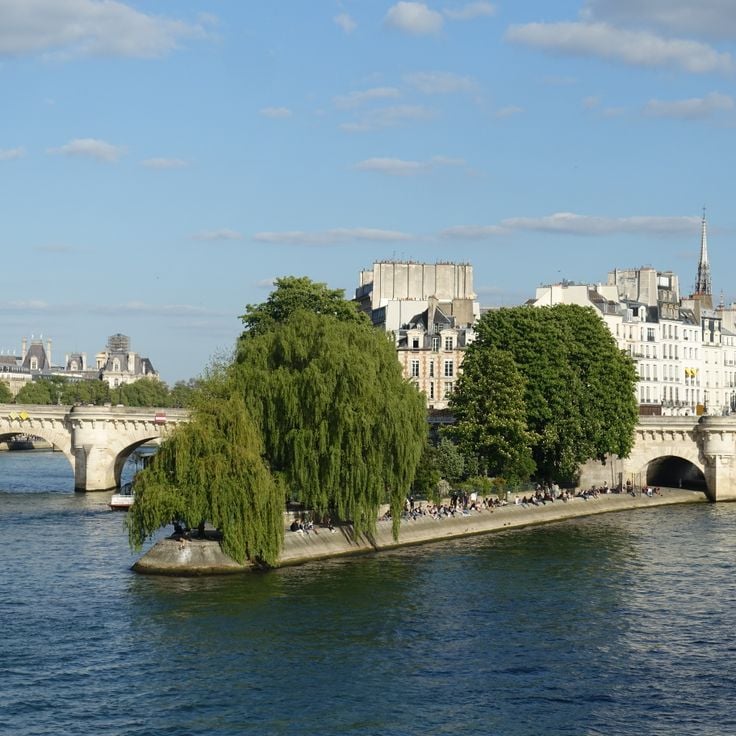
The Square du Vert-Galant offers couples a quiet retreat at the western tip of Île de la Cité for exploring Paris's appeal together. Willows and plane trees shade the lawns that slope down to the Seine. Situated one level below Pont Neuf, the location is sheltered from traffic noise and creates a peaceful setting. Benches along the grass provide views of both riverbanks. This spot invites lingering during a walk through the historic center.
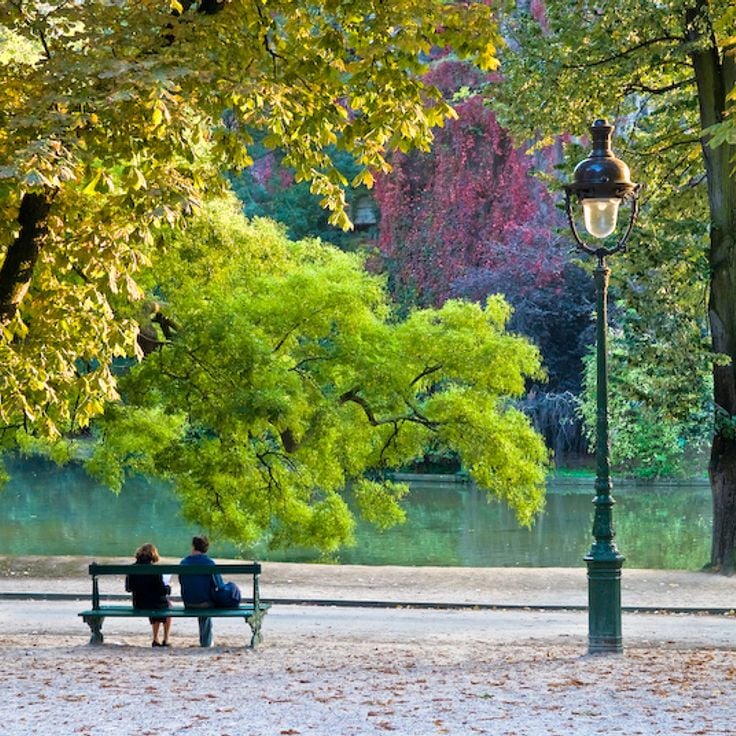
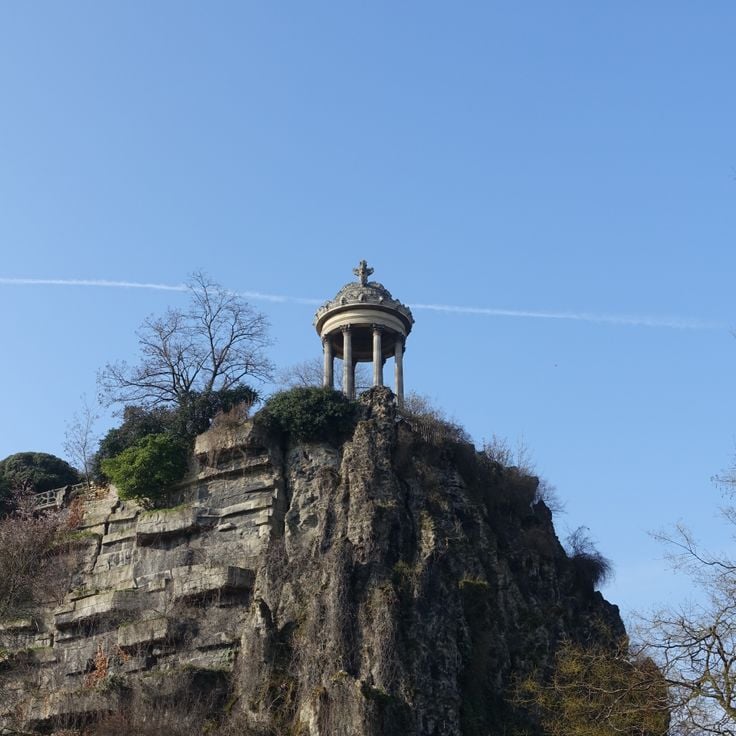
This park in Paris offers couples a place to explore nature and architecture together. The grounds present hilly terrain with artificial grottoes, a central lake, and winding paths. Built in the 19th century on a former quarry site, the park combines romantic garden design with natural landscapes. The Temple de la Sibylle perched on a rocky island provides sweeping views across the city. For couples traveling through Paris, this location offers quiet spaces away from main tourist routes and room to walk among mature trees and varied topography.
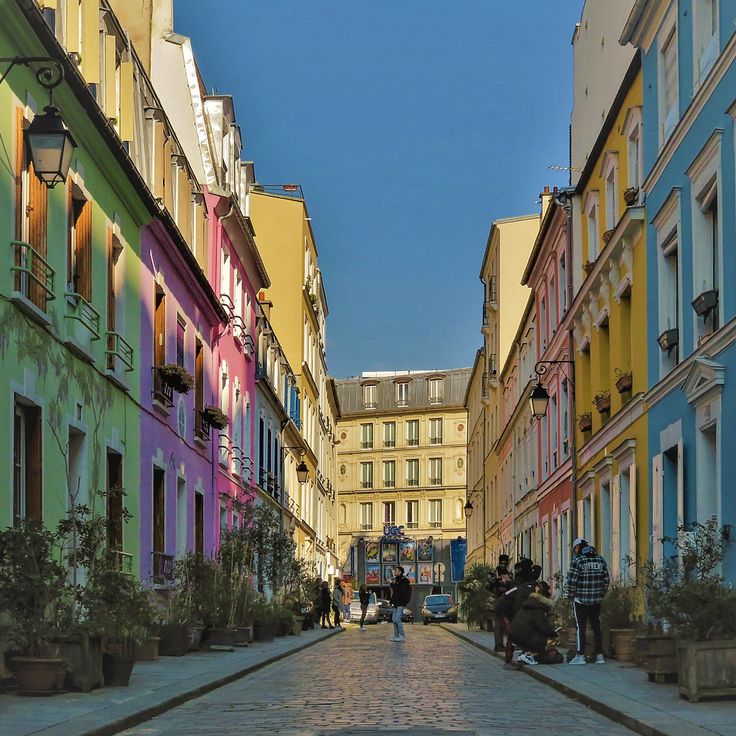
This street in the 12th arrondissement of Paris connects two major transportation hubs and draws attention for its pastel-colored house facades. The small two-story homes were built in the 1850s to house railway workers, and they maintain their original character today. The pedestrian zone offers couples a calm place to walk, where 19th-century architecture sets this area apart from the rest of the city. Rue Crémieux shows a less common side of the French capital, where the history of working communities remains visible in the painted walls.
Le Consulat is a restaurant in the Montmartre neighborhood housed in an 18th-century timber-framed building. It serves French cuisine in a setting that preserves the architectural character of that era. Le Consulat sits on the hill where artists and writers once gathered, offering couples a place to experience the older quarters of Paris. Tables on the terrace overlook the cobblestone streets that wind through the neighborhood. The building's exposed beams and historic facade create a backdrop that reflects the cultural history of Montmartre, an area that remains central to the city's artistic identity.
The Temple of Sibylle is a circular temple situated on a 50-meter (165-foot) rock island within Parc des Buttes-Chaumont, designed after Roman architectural models. This location fits naturally into Paris's collection of romantic places, offering couples a quiet retreat with classical columns and sweeping views across the park and city. Built in the 19th century as part of the park's design, the temple stands above an artificial lake. Visitors can climb stone steps to examine the architectural details while taking in perspectives over surrounding green spaces and the Paris skyline.
The Saint-Martin Canal Locks form an important part of the Parisian waterway system and offer couples a quieter alternative to the busier parts of the city. Nine locks connect the Seine River with the Canal de l'Ourcq along a route dating to the early 19th century. Visitors can walk along the banks, watch boats move through the locks, and experience daily life at a working historic canal. This location suits Paris's appeal for travelers seeking less frequented places to explore history and urban life together.
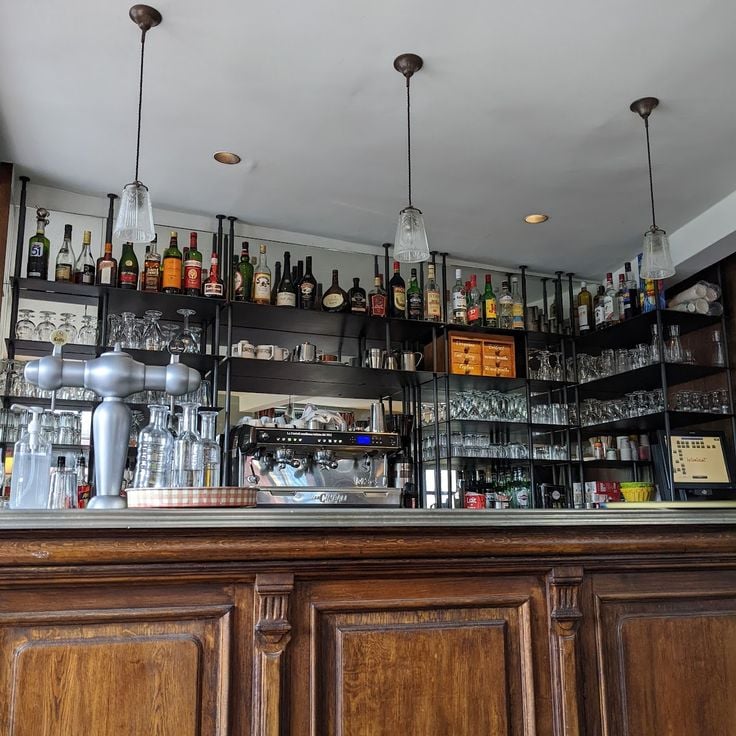
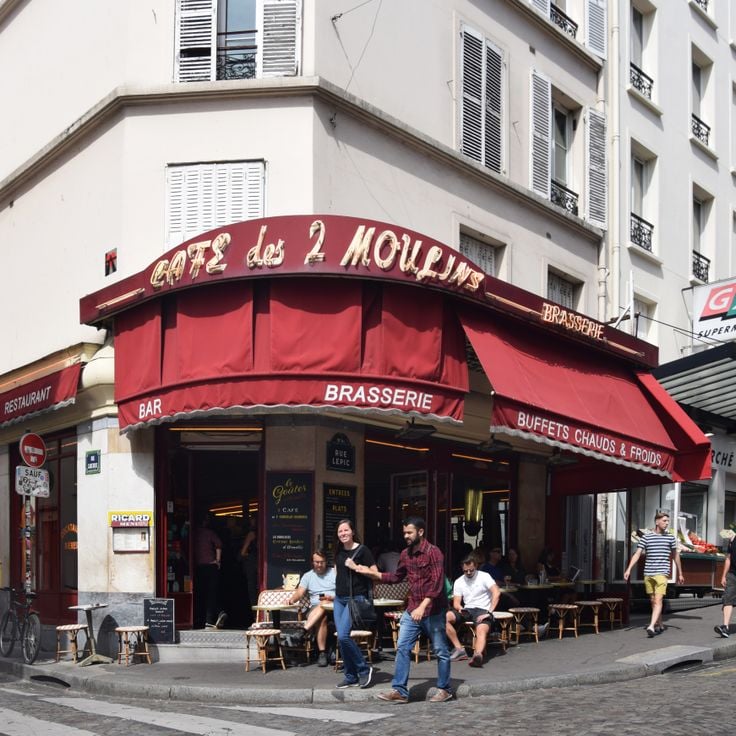
This traditional French café in the Montmartre district served as the main filming location for the 2001 movie Amélie. The café maintains its authentic Parisian character with classic bistro tables and a typical French menu. Its connection to the film makes it a popular destination for couples exploring romantic Paris. The interior features the characteristic elements of a neighborhood café, including its mahogany bar and red upholstered banquettes. Here, film history and daily Parisian life come together.
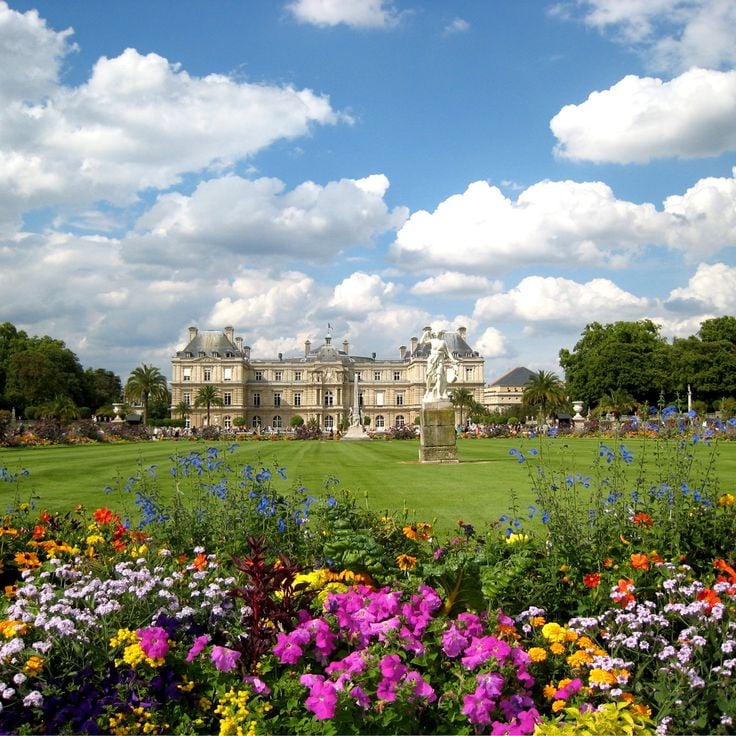
The Jardin du Luxembourg is a formal French garden established in 1612 by Marie de Medici and remains under Senate administration. Its 57 acres combine structured horticultural design with broad gravel pathways, lawns and numerous seating areas that encourage shared moments of rest. The Medici Fountain, dating from the early 17th century, occupies a quiet section of the park and provides a retreat from urban activity. Couples find tree-lined alleys, terraces overlooking the palace and open spaces that offer different perspectives across the seasons.
This covered passageway from the 19th century connects Rue de la Grange-Batelière with Boulevard Montmartre, preserving its historic architecture with a glass roof and mosaic floors. Passage Jouffroy houses antique shops, bookstores, and traditional French cafes that provide a quiet alternative to the busy boulevards outside. Couples can browse through the shops, discover rare books and collectibles, or settle into a cafe to experience a piece of old Paris. The passageway is one of three interconnected galleries and leads directly to the Musée Grévin wax museum.
The Eiffel Tower provides a central backdrop for couples exploring Paris together. This iron lattice structure, completed in 1889, rises 324 meters (1063 feet) and features three visitor platforms reached by stairs or elevators. The observation levels offer wide views across the city and the Seine, while the surrounding Champ de Mars grounds provide space for leisurely walks. The tower combines historical engineering with practical accessibility, remaining a frequently visited reference point for travelers in the French capital.
Notre-Dame Cathedral is a place where couples have gathered for centuries to share in the history and beauty of medieval architecture. Built between 1163 and 1345, this Gothic structure defines the Île de la Cité with its 69-meter towers. The facade shows pointed arches, flying buttresses, and large rose windows that reveal the craftsmanship of its builders. The square in front and surrounding bridges allow you to view the cathedral from different angles while taking in views of the Seine.
The Louvre Museum offers couples a chance to walk through centuries of shared cultural discovery. This former royal palace houses about 380,000 artworks across eight departments, spanning from antiquity through the 19th century. Together, you can explore Egyptian artifacts, French paintings, and works from around the world. The spacious galleries and historic courtyard with its glass pyramid create a setting that encourages lingering and conversation. The building itself reflects French history, while the collections present human creativity across time. Plan for several hours to move through the museum at a relaxed pace and absorb what speaks to you.
Montmartre contributes to Paris's romantic appeal by combining historic architecture with artistic heritage. The Sacré-Cœur Basilica sits atop the hill, offering views across the city. Narrow cobblestoned streets lead to Place du Tertre, where artists display their work today, and to the historic Moulin de la Galette windmill. The elevated position allows for walks with sweeping vistas. Traditional French cafés line the paths, and the quiet side streets provide couples with spaces for shared exploration of the district's character.
This café opened in 1885 in the Saint-Germain-des-Prés quarter and became a meeting place for writers, philosophers and artists. Jean-Paul Sartre and Simone de Beauvoir spent afternoons here regularly, writing and debating at their usual tables. The interior preserves its 1920s design with red leather banquettes, mahogany paneling and mirrors. Located at the corner of Boulevard Saint-Germain and Rue Saint-Benoît, Café de Flore continues to draw couples who come for coffee on the terrace while experiencing the literary heritage of Paris.
The Pont des Arts contributes to this collection of romantic Paris locations as a pedestrian bridge linking the right bank of the Seine at the Louvre with the Institut de France on the left bank. Built between 1802 and 1804 as the city's first metal bridge, it features nine cast iron arches that span 510 feet (155 meters). From the bridge, visitors see the Île de la Cité, the Eiffel Tower, and the surrounding riverside paths. Couples walk across its wooden planks, sit on benches, and watch tour boats pass below. Street musicians and artists perform on this car-free bridge, which remains open at all hours.
Père Lachaise Cemetery is a significant location for couples exploring historic Paris. This cemetery opened in 1804 and offers quiet, tree-lined pathways among elaborately designed grave monuments. The grounds combine garden architecture with cultural history, allowing shared walks through French heritage while visiting the graves of notable figures such as Oscar Wilde, Édith Piaf, and Jim Morrison.
This garden in the heart of Paris combines formal French landscaping with 17th-century arcaded galleries. The Palais Royal Garden sits behind the former royal palace and features gravel pathways between manicured lawns, two fountains, and Daniel Buren's black and white striped columns from the 1980s. The surrounding colonnades house bookshops, art galleries, and cafes. Couples find a quiet retreat here away from main thoroughfares, with benches under chestnut trees and open spaces for an afternoon stroll. The enclosed layout creates a setting that has drawn Parisians and visitors for centuries.
The Je t'aime Wall is a public artwork in the square Jehan Rictus, at the foot of the Montmartre hill in Paris. It was created by artist Frédéric Baron and calligrapher Claire Kito and opened in 2000. The wall displays the phrase "I love you" in over 300 languages, written on deep blue enamel tiles. It is a popular stop for couples visiting Paris, who often search for their own language among the many scripts.
The Moulin Rouge opened in 1889 in the Montmartre district and quickly became one of Paris's most recognized stages. The red windmill on the roof gives the cabaret its name and makes it visible from a distance. The venue is known for its Cancan dancers, whose high-energy choreography has drawn visitors from around the world for over a century. For couples exploring Paris through this collection, this historic venue offers an evening of music, dance, and entertainment in a setting that reflects the Belle Époque era.
The Bateaux Mouches travel along the Seine through central Paris, passing major landmarks including the Eiffel Tower, Notre-Dame, the Louvre Museum, and several historic bridges. The boats operate during daytime and evening hours, with nighttime departures showcasing the illuminated monuments. These boat tours fit into the collection of romantic locations in Paris by offering couples a shared perspective on the city's history and architecture from the middle of the river. The journey lasts about 70 minutes and departs from several docks near the Eiffel Tower and Champs-Élysées. The boats have open-air or glass-enclosed decks to suit different weather and preferences.
The Champs-Élysées is a wide avenue that connects Place de la Concorde to the Arc de Triomphe. This street has drawn visitors since the 19th century and offers shops, cafes and theaters. For couples exploring Paris, this avenue forms a central axis of the city and shows itself particularly well in the evening, when street lighting highlights the broad sidewalks. The western half is lined with chestnut trees and leads toward the monumental arch.
The Sacré-Cœur Basilica in this collection of romantic locations in Paris is a white limestone church rising from Montmartre hill and offers views across the city from its dome at 430 feet (130 meters) elevation. For couples, this basilica is a place where religious architecture meets urban panoramas. The steps below the church lead through terraced gardens that invite lingering, while the interior features mosaics and the central dome. The climb to Montmartre connects a visit to the basilica with the streets of the historic artists' quarter.
The Tuileries Garden fits naturally into this collection of romantic locations in Paris. This public garden extends between the Louvre and Place de la Concorde, offering couples manicured paths, numerous statues and fountains, and two museums. The formal French gardens were originally laid out in the 16th century for Catherine de' Medici. Today, visitors can stroll along the broad allées, relax on metal chairs beside the main basin, or explore the collections at the Musée de l'Orangerie and Jeu de Paume. The garden combines historic landscape architecture with a central location that makes it easy to reach from anywhere in the city.
This 13th-century royal chapel offers couples an exceptional setting for shared moments of contemplation. The 15 large stained glass windows depict 1,113 biblical scenes and create patterns of light that shift throughout the day. The Gothic architecture and preserved medieval glasswork make Sainte-Chapelle a significant cultural destination in the historic center of Paris.
This opera house stands as one of the most notable buildings of the Second Empire period, combining architectural forms from earlier eras with the cultural history of Paris. Since opening in 1875, the building has served as a venue for ballet and opera, while its interiors feature gilded statues, marble columns and a celebrated ceiling painted by Marc Chagall. Couples visiting Palais Garnier can walk through the ornate foyers, admire the sweeping Grand Escalier or join a guided tour that offers insight into the history of this house.
This bookstore across from Notre-Dame offers couples a place to explore together through shelves filled with international literature and used books. Since 1951, writers and readers have come here, drawn by the history and character of the space. Shakespeare and Company invites lingering, with cozy reading nooks and an environment that draws book lovers. The bookstore shows how a single location can become a gathering point for those who care about literature and reading.
Place Dauphine is a 17th-century triangular square on the Île de la Cité, situated between Pont Neuf and the Palais de Justice. The red brick facades and pale stone trim of the surrounding buildings create a unified architectural frame from the time of Henri IV. Several restaurants and cafes have placed tables on the square, where couples can dine in this quiet setting. Enclosed on three sides, the place offers an intimate and sheltered space away from the busier tourist routes nearby.
This park in the 8th arrondissement of Paris combines classical architecture with 18th-century landscape design, creating a quiet setting for couples exploring the city. Parc Monceau fits into Paris's appeal for travelers seeking romance, as it brings together rest and history in a single location. The park features a Roman colonnade, Corinthian columns, a pond, and various sculptures arranged among formal pathways and lawns. The grounds preserve French garden design principles while offering benches for sitting and tree-lined paths perfect for unhurried walks.
This historic stone bridge across the Seine connects the Île de la Cité to both riverbanks and stands among the notable places for couples in Paris. Completed in 1607, Pont Neuf spans twelve arches and offers clear views of the river. Despite its name, it is the oldest surviving bridge in the city. Visitors can walk along its pedestrian paths to observe the Renaissance architecture while traffic flows on the upper level. Its central location makes it a practical starting point for exploring several neighborhoods.
The Canal Saint-Martin connects the Seine to the Canal de l'Ourcq across roughly 2.8 miles (4.5 kilometers), with nine locks regulating the water level. This early 19th-century waterway features arched bridges and tree-lined banks that provide a setting for walks away from the main tourist corridors. The canal offers couples space to sit and watch excursion boats pass through the locks. The surrounding neighborhoods with their cafes and small shops invite exploration, making this canal a place where urban life and quiet moments meet for those seeking time together in Paris.
This pink-painted restaurant at the corner of Rue de l'Abreuvoir from 1850 has been a feature of Montmartre for over a century. The building was painted by various artists and served as a gathering place for the bohemian scene of the early 20th century. Its distinctive facade makes it an easily recognized landmark in this historic quarter, where couples can walk through cobblestone streets and experience the character of old Paris.
The Square du Vert-Galant offers couples a quiet retreat at the western tip of Île de la Cité for exploring Paris's appeal together. Willows and plane trees shade the lawns that slope down to the Seine. Situated one level below Pont Neuf, the location is sheltered from traffic noise and creates a peaceful setting. Benches along the grass provide views of both riverbanks. This spot invites lingering during a walk through the historic center.
This park in Paris offers couples a place to explore nature and architecture together. The grounds present hilly terrain with artificial grottoes, a central lake, and winding paths. Built in the 19th century on a former quarry site, the park combines romantic garden design with natural landscapes. The Temple de la Sibylle perched on a rocky island provides sweeping views across the city. For couples traveling through Paris, this location offers quiet spaces away from main tourist routes and room to walk among mature trees and varied topography.
This street in the 12th arrondissement of Paris connects two major transportation hubs and draws attention for its pastel-colored house facades. The small two-story homes were built in the 1850s to house railway workers, and they maintain their original character today. The pedestrian zone offers couples a calm place to walk, where 19th-century architecture sets this area apart from the rest of the city. Rue Crémieux shows a less common side of the French capital, where the history of working communities remains visible in the painted walls.
Le Consulat is a restaurant in the Montmartre neighborhood housed in an 18th-century timber-framed building. It serves French cuisine in a setting that preserves the architectural character of that era. Le Consulat sits on the hill where artists and writers once gathered, offering couples a place to experience the older quarters of Paris. Tables on the terrace overlook the cobblestone streets that wind through the neighborhood. The building's exposed beams and historic facade create a backdrop that reflects the cultural history of Montmartre, an area that remains central to the city's artistic identity.
The Temple of Sibylle is a circular temple situated on a 50-meter (165-foot) rock island within Parc des Buttes-Chaumont, designed after Roman architectural models. This location fits naturally into Paris's collection of romantic places, offering couples a quiet retreat with classical columns and sweeping views across the park and city. Built in the 19th century as part of the park's design, the temple stands above an artificial lake. Visitors can climb stone steps to examine the architectural details while taking in perspectives over surrounding green spaces and the Paris skyline.
The Saint-Martin Canal Locks form an important part of the Parisian waterway system and offer couples a quieter alternative to the busier parts of the city. Nine locks connect the Seine River with the Canal de l'Ourcq along a route dating to the early 19th century. Visitors can walk along the banks, watch boats move through the locks, and experience daily life at a working historic canal. This location suits Paris's appeal for travelers seeking less frequented places to explore history and urban life together.
This traditional French café in the Montmartre district served as the main filming location for the 2001 movie Amélie. The café maintains its authentic Parisian character with classic bistro tables and a typical French menu. Its connection to the film makes it a popular destination for couples exploring romantic Paris. The interior features the characteristic elements of a neighborhood café, including its mahogany bar and red upholstered banquettes. Here, film history and daily Parisian life come together.
The Jardin du Luxembourg is a formal French garden established in 1612 by Marie de Medici and remains under Senate administration. Its 57 acres combine structured horticultural design with broad gravel pathways, lawns and numerous seating areas that encourage shared moments of rest. The Medici Fountain, dating from the early 17th century, occupies a quiet section of the park and provides a retreat from urban activity. Couples find tree-lined alleys, terraces overlooking the palace and open spaces that offer different perspectives across the seasons.
This covered passageway from the 19th century connects Rue de la Grange-Batelière with Boulevard Montmartre, preserving its historic architecture with a glass roof and mosaic floors. Passage Jouffroy houses antique shops, bookstores, and traditional French cafes that provide a quiet alternative to the busy boulevards outside. Couples can browse through the shops, discover rare books and collectibles, or settle into a cafe to experience a piece of old Paris. The passageway is one of three interconnected galleries and leads directly to the Musée Grévin wax museum.
The Eiffel Tower provides a central backdrop for couples exploring Paris together. This iron lattice structure, completed in 1889, rises 324 meters (1063 feet) and features three visitor platforms reached by stairs or elevators. The observation levels offer wide views across the city and the Seine, while the surrounding Champ de Mars grounds provide space for leisurely walks. The tower combines historical engineering with practical accessibility, remaining a frequently visited reference point for travelers in the French capital.
Notre-Dame Cathedral is a place where couples have gathered for centuries to share in the history and beauty of medieval architecture. Built between 1163 and 1345, this Gothic structure defines the Île de la Cité with its 69-meter towers. The facade shows pointed arches, flying buttresses, and large rose windows that reveal the craftsmanship of its builders. The square in front and surrounding bridges allow you to view the cathedral from different angles while taking in views of the Seine.
The Louvre Museum offers couples a chance to walk through centuries of shared cultural discovery. This former royal palace houses about 380,000 artworks across eight departments, spanning from antiquity through the 19th century. Together, you can explore Egyptian artifacts, French paintings, and works from around the world. The spacious galleries and historic courtyard with its glass pyramid create a setting that encourages lingering and conversation. The building itself reflects French history, while the collections present human creativity across time. Plan for several hours to move through the museum at a relaxed pace and absorb what speaks to you.
Montmartre contributes to Paris's romantic appeal by combining historic architecture with artistic heritage. The Sacré-Cœur Basilica sits atop the hill, offering views across the city. Narrow cobblestoned streets lead to Place du Tertre, where artists display their work today, and to the historic Moulin de la Galette windmill. The elevated position allows for walks with sweeping vistas. Traditional French cafés line the paths, and the quiet side streets provide couples with spaces for shared exploration of the district's character.
This café opened in 1885 in the Saint-Germain-des-Prés quarter and became a meeting place for writers, philosophers and artists. Jean-Paul Sartre and Simone de Beauvoir spent afternoons here regularly, writing and debating at their usual tables. The interior preserves its 1920s design with red leather banquettes, mahogany paneling and mirrors. Located at the corner of Boulevard Saint-Germain and Rue Saint-Benoît, Café de Flore continues to draw couples who come for coffee on the terrace while experiencing the literary heritage of Paris.
The Pont des Arts contributes to this collection of romantic Paris locations as a pedestrian bridge linking the right bank of the Seine at the Louvre with the Institut de France on the left bank. Built between 1802 and 1804 as the city's first metal bridge, it features nine cast iron arches that span 510 feet (155 meters). From the bridge, visitors see the Île de la Cité, the Eiffel Tower, and the surrounding riverside paths. Couples walk across its wooden planks, sit on benches, and watch tour boats pass below. Street musicians and artists perform on this car-free bridge, which remains open at all hours.
Père Lachaise Cemetery is a significant location for couples exploring historic Paris. This cemetery opened in 1804 and offers quiet, tree-lined pathways among elaborately designed grave monuments. The grounds combine garden architecture with cultural history, allowing shared walks through French heritage while visiting the graves of notable figures such as Oscar Wilde, Édith Piaf, and Jim Morrison.
This garden in the heart of Paris combines formal French landscaping with 17th-century arcaded galleries. The Palais Royal Garden sits behind the former royal palace and features gravel pathways between manicured lawns, two fountains, and Daniel Buren's black and white striped columns from the 1980s. The surrounding colonnades house bookshops, art galleries, and cafes. Couples find a quiet retreat here away from main thoroughfares, with benches under chestnut trees and open spaces for an afternoon stroll. The enclosed layout creates a setting that has drawn Parisians and visitors for centuries.
The Je t'aime Wall is a public artwork in the square Jehan Rictus, at the foot of the Montmartre hill in Paris. It was created by artist Frédéric Baron and calligrapher Claire Kito and opened in 2000. The wall displays the phrase "I love you" in over 300 languages, written on deep blue enamel tiles. It is a popular stop for couples visiting Paris, who often search for their own language among the many scripts.
The Moulin Rouge opened in 1889 in the Montmartre district and quickly became one of Paris's most recognized stages. The red windmill on the roof gives the cabaret its name and makes it visible from a distance. The venue is known for its Cancan dancers, whose high-energy choreography has drawn visitors from around the world for over a century. For couples exploring Paris through this collection, this historic venue offers an evening of music, dance, and entertainment in a setting that reflects the Belle Époque era.
The Bateaux Mouches travel along the Seine through central Paris, passing major landmarks including the Eiffel Tower, Notre-Dame, the Louvre Museum, and several historic bridges. The boats operate during daytime and evening hours, with nighttime departures showcasing the illuminated monuments. These boat tours fit into the collection of romantic locations in Paris by offering couples a shared perspective on the city's history and architecture from the middle of the river. The journey lasts about 70 minutes and departs from several docks near the Eiffel Tower and Champs-Élysées. The boats have open-air or glass-enclosed decks to suit different weather and preferences.
The Champs-Élysées is a wide avenue that connects Place de la Concorde to the Arc de Triomphe. This street has drawn visitors since the 19th century and offers shops, cafes and theaters. For couples exploring Paris, this avenue forms a central axis of the city and shows itself particularly well in the evening, when street lighting highlights the broad sidewalks. The western half is lined with chestnut trees and leads toward the monumental arch.
The Sacré-Cœur Basilica in this collection of romantic locations in Paris is a white limestone church rising from Montmartre hill and offers views across the city from its dome at 430 feet (130 meters) elevation. For couples, this basilica is a place where religious architecture meets urban panoramas. The steps below the church lead through terraced gardens that invite lingering, while the interior features mosaics and the central dome. The climb to Montmartre connects a visit to the basilica with the streets of the historic artists' quarter.
The Tuileries Garden fits naturally into this collection of romantic locations in Paris. This public garden extends between the Louvre and Place de la Concorde, offering couples manicured paths, numerous statues and fountains, and two museums. The formal French gardens were originally laid out in the 16th century for Catherine de' Medici. Today, visitors can stroll along the broad allées, relax on metal chairs beside the main basin, or explore the collections at the Musée de l'Orangerie and Jeu de Paume. The garden combines historic landscape architecture with a central location that makes it easy to reach from anywhere in the city.
This 13th-century royal chapel offers couples an exceptional setting for shared moments of contemplation. The 15 large stained glass windows depict 1,113 biblical scenes and create patterns of light that shift throughout the day. The Gothic architecture and preserved medieval glasswork make Sainte-Chapelle a significant cultural destination in the historic center of Paris.
This opera house stands as one of the most notable buildings of the Second Empire period, combining architectural forms from earlier eras with the cultural history of Paris. Since opening in 1875, the building has served as a venue for ballet and opera, while its interiors feature gilded statues, marble columns and a celebrated ceiling painted by Marc Chagall. Couples visiting Palais Garnier can walk through the ornate foyers, admire the sweeping Grand Escalier or join a guided tour that offers insight into the history of this house.
This bookstore across from Notre-Dame offers couples a place to explore together through shelves filled with international literature and used books. Since 1951, writers and readers have come here, drawn by the history and character of the space. Shakespeare and Company invites lingering, with cozy reading nooks and an environment that draws book lovers. The bookstore shows how a single location can become a gathering point for those who care about literature and reading.
Place Dauphine is a 17th-century triangular square on the Île de la Cité, situated between Pont Neuf and the Palais de Justice. The red brick facades and pale stone trim of the surrounding buildings create a unified architectural frame from the time of Henri IV. Several restaurants and cafes have placed tables on the square, where couples can dine in this quiet setting. Enclosed on three sides, the place offers an intimate and sheltered space away from the busier tourist routes nearby.
This park in the 8th arrondissement of Paris combines classical architecture with 18th-century landscape design, creating a quiet setting for couples exploring the city. Parc Monceau fits into Paris's appeal for travelers seeking romance, as it brings together rest and history in a single location. The park features a Roman colonnade, Corinthian columns, a pond, and various sculptures arranged among formal pathways and lawns. The grounds preserve French garden design principles while offering benches for sitting and tree-lined paths perfect for unhurried walks.
This historic stone bridge across the Seine connects the Île de la Cité to both riverbanks and stands among the notable places for couples in Paris. Completed in 1607, Pont Neuf spans twelve arches and offers clear views of the river. Despite its name, it is the oldest surviving bridge in the city. Visitors can walk along its pedestrian paths to observe the Renaissance architecture while traffic flows on the upper level. Its central location makes it a practical starting point for exploring several neighborhoods.
The Canal Saint-Martin connects the Seine to the Canal de l'Ourcq across roughly 2.8 miles (4.5 kilometers), with nine locks regulating the water level. This early 19th-century waterway features arched bridges and tree-lined banks that provide a setting for walks away from the main tourist corridors. The canal offers couples space to sit and watch excursion boats pass through the locks. The surrounding neighborhoods with their cafes and small shops invite exploration, making this canal a place where urban life and quiet moments meet for those seeking time together in Paris.
This pink-painted restaurant at the corner of Rue de l'Abreuvoir from 1850 has been a feature of Montmartre for over a century. The building was painted by various artists and served as a gathering place for the bohemian scene of the early 20th century. Its distinctive facade makes it an easily recognized landmark in this historic quarter, where couples can walk through cobblestone streets and experience the character of old Paris.
The Square du Vert-Galant offers couples a quiet retreat at the western tip of Île de la Cité for exploring Paris's appeal together. Willows and plane trees shade the lawns that slope down to the Seine. Situated one level below Pont Neuf, the location is sheltered from traffic noise and creates a peaceful setting. Benches along the grass provide views of both riverbanks. This spot invites lingering during a walk through the historic center.
This park in Paris offers couples a place to explore nature and architecture together. The grounds present hilly terrain with artificial grottoes, a central lake, and winding paths. Built in the 19th century on a former quarry site, the park combines romantic garden design with natural landscapes. The Temple de la Sibylle perched on a rocky island provides sweeping views across the city. For couples traveling through Paris, this location offers quiet spaces away from main tourist routes and room to walk among mature trees and varied topography.
This street in the 12th arrondissement of Paris connects two major transportation hubs and draws attention for its pastel-colored house facades. The small two-story homes were built in the 1850s to house railway workers, and they maintain their original character today. The pedestrian zone offers couples a calm place to walk, where 19th-century architecture sets this area apart from the rest of the city. Rue Crémieux shows a less common side of the French capital, where the history of working communities remains visible in the painted walls.
Le Consulat is a restaurant in the Montmartre neighborhood housed in an 18th-century timber-framed building. It serves French cuisine in a setting that preserves the architectural character of that era. Le Consulat sits on the hill where artists and writers once gathered, offering couples a place to experience the older quarters of Paris. Tables on the terrace overlook the cobblestone streets that wind through the neighborhood. The building's exposed beams and historic facade create a backdrop that reflects the cultural history of Montmartre, an area that remains central to the city's artistic identity.
The Temple of Sibylle is a circular temple situated on a 50-meter (165-foot) rock island within Parc des Buttes-Chaumont, designed after Roman architectural models. This location fits naturally into Paris's collection of romantic places, offering couples a quiet retreat with classical columns and sweeping views across the park and city. Built in the 19th century as part of the park's design, the temple stands above an artificial lake. Visitors can climb stone steps to examine the architectural details while taking in perspectives over surrounding green spaces and the Paris skyline.
The Saint-Martin Canal Locks form an important part of the Parisian waterway system and offer couples a quieter alternative to the busier parts of the city. Nine locks connect the Seine River with the Canal de l'Ourcq along a route dating to the early 19th century. Visitors can walk along the banks, watch boats move through the locks, and experience daily life at a working historic canal. This location suits Paris's appeal for travelers seeking less frequented places to explore history and urban life together.
This traditional French café in the Montmartre district served as the main filming location for the 2001 movie Amélie. The café maintains its authentic Parisian character with classic bistro tables and a typical French menu. Its connection to the film makes it a popular destination for couples exploring romantic Paris. The interior features the characteristic elements of a neighborhood café, including its mahogany bar and red upholstered banquettes. Here, film history and daily Parisian life come together.
The Jardin du Luxembourg is a formal French garden established in 1612 by Marie de Medici and remains under Senate administration. Its 57 acres combine structured horticultural design with broad gravel pathways, lawns and numerous seating areas that encourage shared moments of rest. The Medici Fountain, dating from the early 17th century, occupies a quiet section of the park and provides a retreat from urban activity. Couples find tree-lined alleys, terraces overlooking the palace and open spaces that offer different perspectives across the seasons.