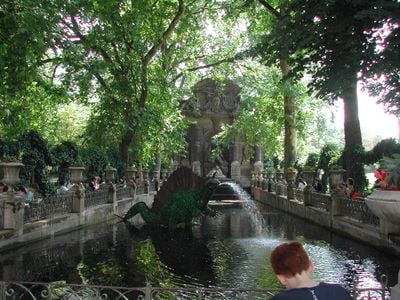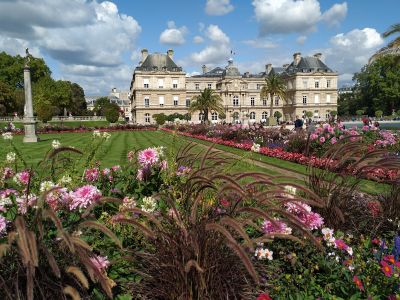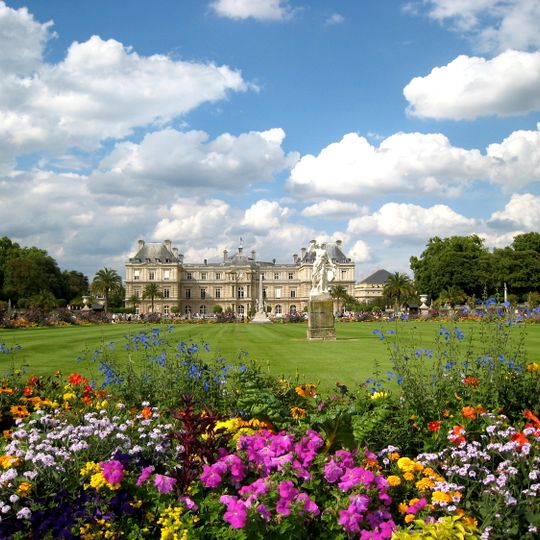
Jardin du Luxembourg, French Renaissance garden in 6th arrondissement, Paris, France
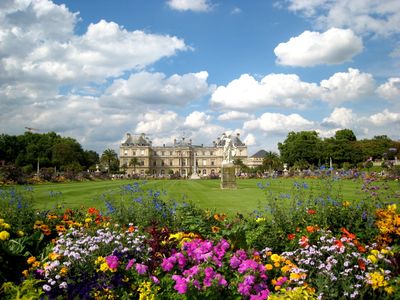
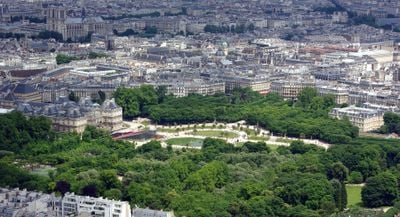
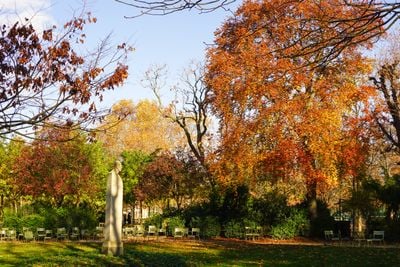
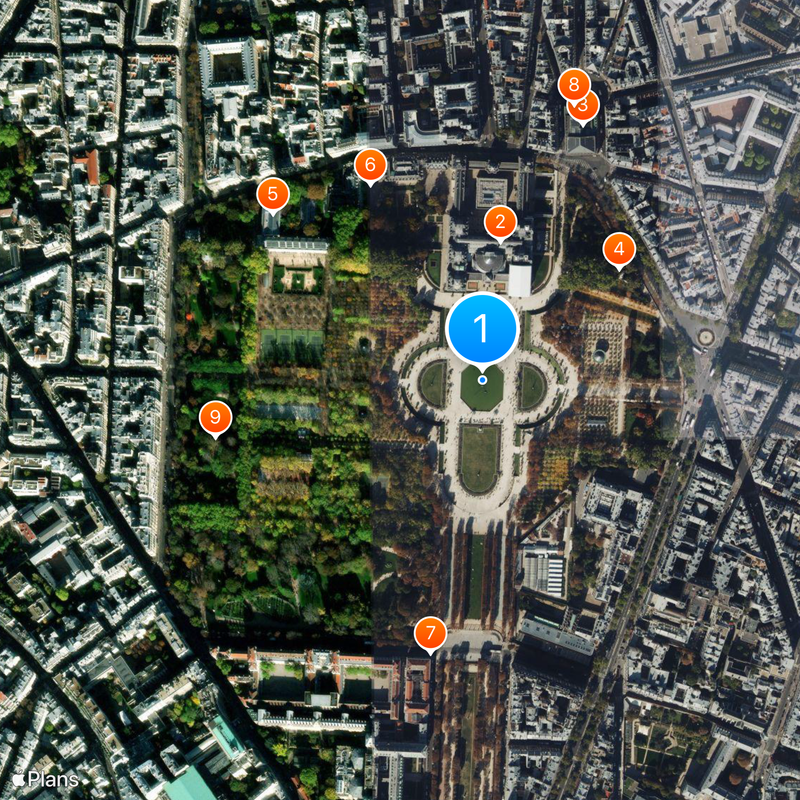
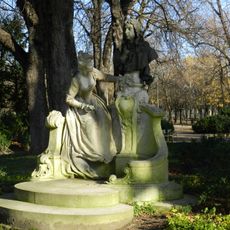
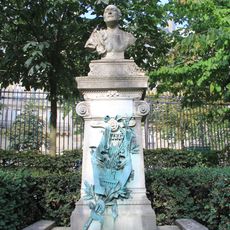
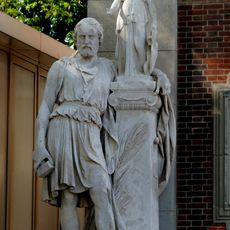
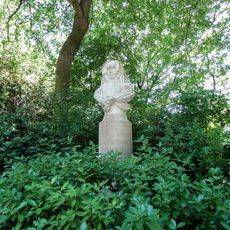
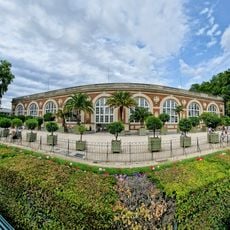
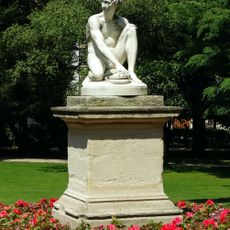
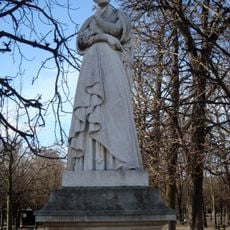
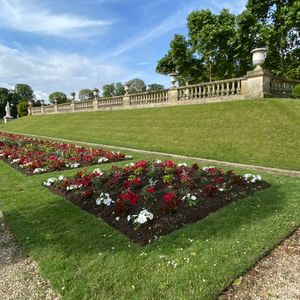
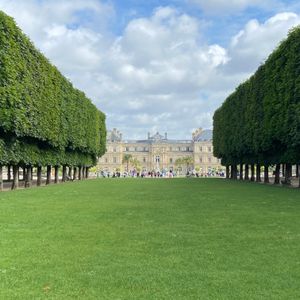
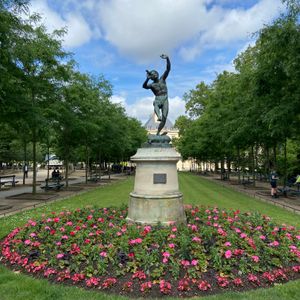
Jardin du Luxembourg covers 23 hectares with formal flowerbeds, lawns, chestnut groves, and over 100 statues surrounding the central Grand Bassin pond. Wide gravel paths run between trimmed trees, while orchards and shaded alleys connect different sections of the park.
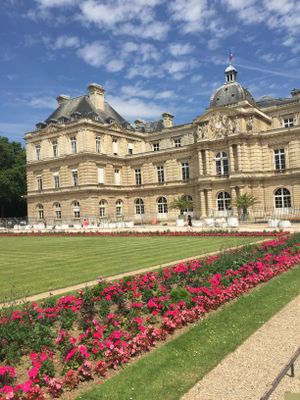
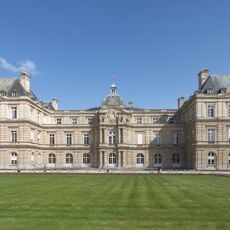
Marie de Medici commissioned the garden in 1612, modeling it after the Boboli Gardens in Florence as she built the Luxembourg Palace for herself. Over the centuries it was expanded and redesigned, while the palace itself became the seat of the French Senate.
Locals come here to read, play chess, and picnic on green metal chairs that can be moved freely around the paths. Children sail toy boats on the pond while parents sit nearby and watch.
The garden opens daily from early morning until dusk, with hours varying by season. Tennis courts, chess tables, and a carousel dating from 1879 are available for visitors, along with playgrounds for children of different ages.
The palace houses the French Senate, which manages the garden and makes it one of the few Parisian parks under private administration. During session weeks, parts of the surrounding buildings are open to the public, including the Musée du Luxembourg.
Location: 6th arrondissement of Paris
Inception: 1612
Accessibility: Wheelchair accessible
Address: 75006 Paris, France
Opening Hours: "check website http://www.senat.fr/visite/jardin/horaires.html"; March Sunday[-1]-September 30 07:30-19:15+ open "check closing time on website http://www.senat.fr/visite/jardin/horaires.html"; (sunset-00:10)-(sunrise-00:50) closed; 21:30-07:30 closed
Phone: +33142342362
Website: https://jardin.senat.fr
GPS coordinates: 48.84694,2.33722
Latest update: December 2, 2025 20:01
France has a notable horticultural heritage expressed through gardens of various styles spread across the country. This collection includes historical creations like the Renaissance gardens of Villandry, urban parks such as the Parc de la Tête d'Or in Lyon with its 290 acres and four tropical greenhouses, as well as mountain gardens like the Jardin Alpin in Chamonix. Visitors also discover specialized sites, including the Val-de-Marne Rose Garden with 3,300 rose varieties organized by historical periods. These spaces exhibit considerable botanical diversity, from the Mediterranean collections at Domaine du Rayol on the Côte d'Azur to tropical plants at the Serres d'Auteuil in Paris. Some gardens like the Jardin des Plantes in Nantes host more than 10,000 species from different climates, while others focus on specific collections like magnolias and hydrangeas at the Gaston Allard Arboretum in Angers. These sites combine scientific interest, botanical conservation, and the pleasure of strolling, offering visitors the chance to explore the plant richness of the entire world within carefully arranged settings.
Paris combines historic architecture with cultural institutions in ways that have drawn couples for generations. The city offers a mix of 19th-century parklands, bridges spanning the Seine, and street cafes that invite lingering. From the galleries of the Louvre to the cobbled paths of Montmartre, these locations provide opportunities to explore art, history, and urban life together. This collection includes well-known landmarks like the Eiffel Tower and Notre-Dame Cathedral alongside quieter spaces such as Parc Monceau and Square du Vert-Galant. Historic passages like Passage Jouffroy showcase 19th-century commercial architecture, while sites like Palais Garnier and Sainte-Chapelle present medieval and classical building styles. The Canal Saint-Martin and its locks offer views of the city's infrastructure away from main tourist routes. Each location contributes in its own way to Paris's appeal for travelers.
This collection features gardens across all continents, illustrating the diversity of world flora and landscape art across eras. It includes European formal gardens, such as those of Versailles with their geometric perspectives and fountains, as well as contemporary creations like Gardens by the Bay in Singapore with its futuristic structures. Scientific botanical gardens coexist with areas dedicated to seasonal blooms, like Keukenhof in the Netherlands with its millions of spring tulips. Each site reflects its natural environment and cultural heritage. The Kirstenbosch National Botanical Garden displays over 7,000 species of South African flora, while the Jardin Majorelle in Marrakech combines exotic plants with colorful architecture typical of the Maghreb. Urban gardens such as those in Luxembourg, Paris, and Brooklyn, New York, demonstrate how these green spaces enhance city life. The selection also includes several UNESCO World Heritage sites, acknowledging their recognized historical and botanical significance worldwide.
France offers diverse winter destinations spanning both urban and natural landscapes. The Alpine regions contain several ski areas, including Chamonix-Mont-Blanc at the base of Western Europe's highest peak, Les Trois Vallées with its extensive network of runs, and L'Alpe d'Huez at elevations above 5,900 feet (1,800 meters). The Aiguille du Midi provides access to high alpine views through a cable car system, while Lake Annecy presents a winter landscape within the Savoie Alps. Cities across the country display their historical architecture during the colder months. Strasbourg Christmas Market transforms the city center into a seasonal gathering place, Nancy presents the 18th-century Place Stanislas, and Paris maintains structures including Sainte-Chapelle and the Jardin du Luxembourg. Beyond the capital, Versailles Palace stands with its formal gardens, Château de Chambord occupies the Loire Valley, and the Palais des Papes remains in Avignon. The Notre-Dame de Reims cathedral shows 13th-century Gothic architecture, while Mont Saint-Michel stays accessible on its tidal island. Additional sites include the Roman-era Nîmes Arena, Pont du Gard, and the medieval fortress of Carcassonne. The Grotte de Lascaux displays prehistoric art, while Les Eyzies de Tayac holds archaeological sites. Southern regions such as the Calanques near Marseille, Gorges du Verdon, Grande Plage in Biarritz, and Cap d'Ail Beach provide access to Mediterranean and Atlantic coastlines, even during winter months.
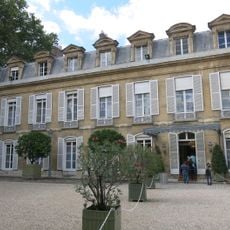
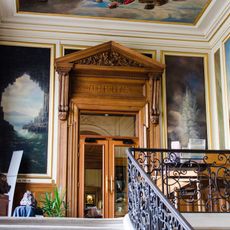
Luxembourg Palace
156 m
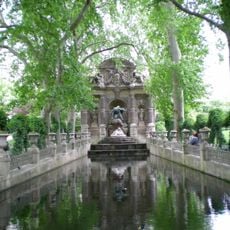
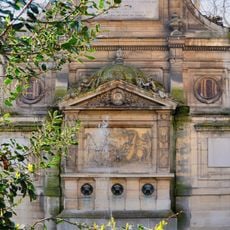
Medici Fountain
196 m
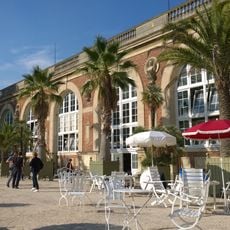
Luxembourg Museum
299 m
Petit Luxembourg
251 m
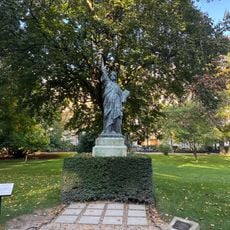
Statue of Liberty
305 m
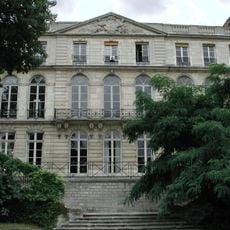
Hôtel de Vendôme
265 m
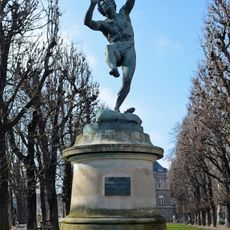
Le Faune dansant
202 m
Fontaine de Léda
192 m
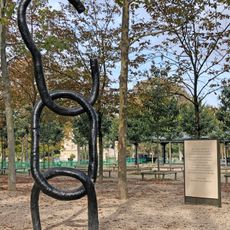
Le Cri, l'Écrit
159 m
Musée de Minéralogie
238 m
L'Acteur grec
142 m
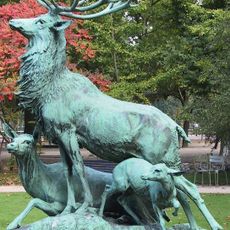
La Harde des cerfs
230 m
Cité Audacieuse
290 m
Frédéric Chopin by Paul Dubois
267 m
Monument à Watteau
292 m
Théodore de Banville
213 m
Archidamas
313 m
Triomphe de Silène
313 m
Anne of France
95 m
Marguerite d'Angoulême
102 m
Bertrada
79 m
Statue of Anne of Brittany
91 m
Valentina of Milan
88 m
Monument à Delacroix
188 m
Marguerite of Provence
90 m
Laure de Noves
139 m
Jeanne d'Albret
89 m
Saint Clotilde
101 mReal people, real opinions — but not verified.
Visited this place? Tap the stars to rate it and share your experience / photos with the community! Try now! You can cancel it anytime.
Superb garden in the heart of the sixth arrondissement. Students from Parisian universities come here to enjoy this green space. Unmatched view of the Senate.
One of the most beautiful gardens in Paris adorned with a myriad of statues, including a miniature replica of the Statue of Liberty.
Discover hidden gems everywhere you go!
From secret cafés to breathtaking viewpoints, skip the crowded tourist spots and find places that match your style. Our app makes it easy with voice search, smart filtering, route optimization, and insider tips from travelers worldwide. Download now for the complete mobile experience.

A unique approach to discovering new places❞
— Le Figaro
All the places worth exploring❞
— France Info
A tailor-made excursion in just a few clicks❞
— 20 Minutes