France has a notable horticultural heritage expressed through gardens of various styles spread across the country. This collection includes historical creations like the Renaissance gardens of Villandry, urban parks such as the Parc de la Tête d'Or in Lyon with its 290 acres and four tropical greenhouses, as well as mountain gardens like the Jardin Alpin in Chamonix. Visitors also discover specialized sites, including the Val-de-Marne Rose Garden with 3,300 rose varieties organized by historical periods.
These spaces exhibit considerable botanical diversity, from the Mediterranean collections at Domaine du Rayol on the Côte d'Azur to tropical plants at the Serres d'Auteuil in Paris. Some gardens like the Jardin des Plantes in Nantes host more than 10,000 species from different climates, while others focus on specific collections like magnolias and hydrangeas at the Gaston Allard Arboretum in Angers. These sites combine scientific interest, botanical conservation, and the pleasure of strolling, offering visitors the chance to explore the plant richness of the entire world within carefully arranged settings.
France has a notable horticultural heritage expressed through gardens of various styles spread across the country. This collection includes historical creations like the Renaissance gardens of Villandry, urban parks such as the Parc de la Tête d'Or in Lyon with its 290 acres and four tropical greenhouses, as well as mountain gardens like the Jardin Alpin in Chamonix. Visitors also discover specialized sites, including the Val-de-Marne Rose Garden with 3,300 rose varieties organized by historical periods.
These spaces exhibit considerable botanical diversity, from the Mediterranean collections at Domaine du Rayol on the Côte d'Azur to tropical plants at the Serres d'Auteuil in Paris. Some gardens like the Jardin des Plantes in Nantes host more than 10,000 species from different climates, while others focus on specific collections like magnolias and hydrangeas at the Gaston Allard Arboretum in Angers. These sites combine scientific interest, botanical conservation, and the pleasure of strolling, offering visitors the chance to explore the plant richness of the entire world within carefully arranged settings.
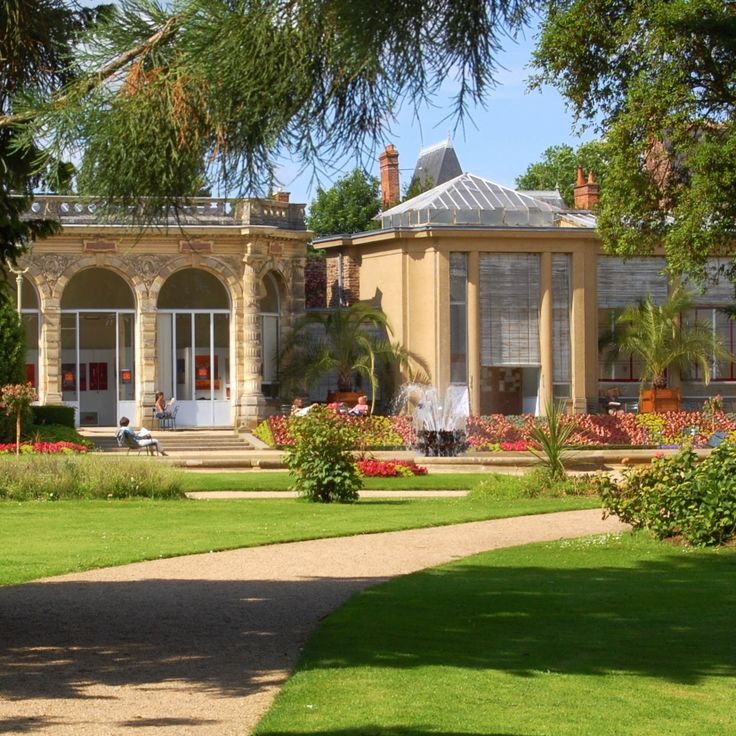
This botanical garden covers 17 acres (7 hectares) and features more than 10,000 plant species from various climate zones. The facility includes several greenhouses for exotic plants and a collection of medicinal plants. The Jardin des plantes de Nantes presents a diversity of plant families and serves as a scientific and educational institution for botany.
Parc Phoenix covers 7 hectares (17 acres) and houses 2,500 plant species from different climate zones. The park's greenhouse provides habitat for iguanas, crocodiles, and tropical birds. The grounds combine botanical collections with zoological elements, displaying flora from Mediterranean, tropical, and subtropical regions. The park features thematic gardens, water features, and walking paths that offer visitors insight into various ecosystems. This collection of gardens represents the diversity of French horticultural design, from formal Renaissance layouts to specialized botanical displays.
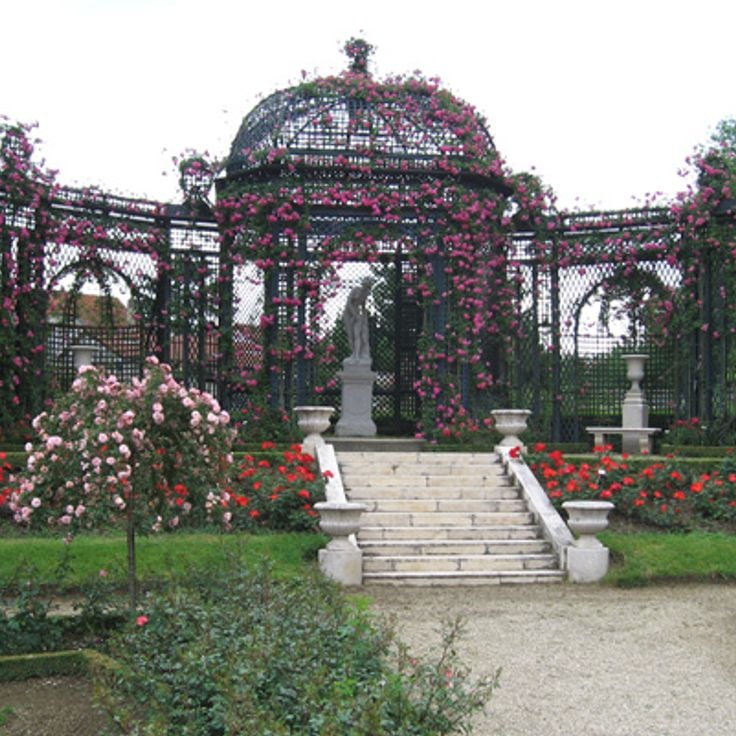
This Roseraie du Val-de-Marne brings together 3,300 rose varieties organized by historical periods, showing the evolution of roses from old cultivars to modern hybrids. The garden is located in L'Haÿ-les-Roses and documents the botanical and breeding history of the rose across several centuries. The collections include wild roses, historical varieties from different eras, and contemporary hybrids presented according to chronological and thematic criteria. The site serves to preserve rose-growing heritage and convey the cultural significance of this plant genus in French horticultural history.
The Domaine du Rayol extends across 20 acres (8 hectares) along the Mediterranean coast and displays plant collections from Mediterranean climate zones around the world. The garden is organized into geographic sections presenting vegetation from Australia, Chile, and California. In addition to the exotic collections, plants from the Mediterranean basin grow here in landscapes that recreate their natural habitats. The gardens sit along the sea and provide access to a protected coastal area. The estate combines botanical education with landscape architecture in a setting that illustrates Mediterranean ecosystems from different continents.
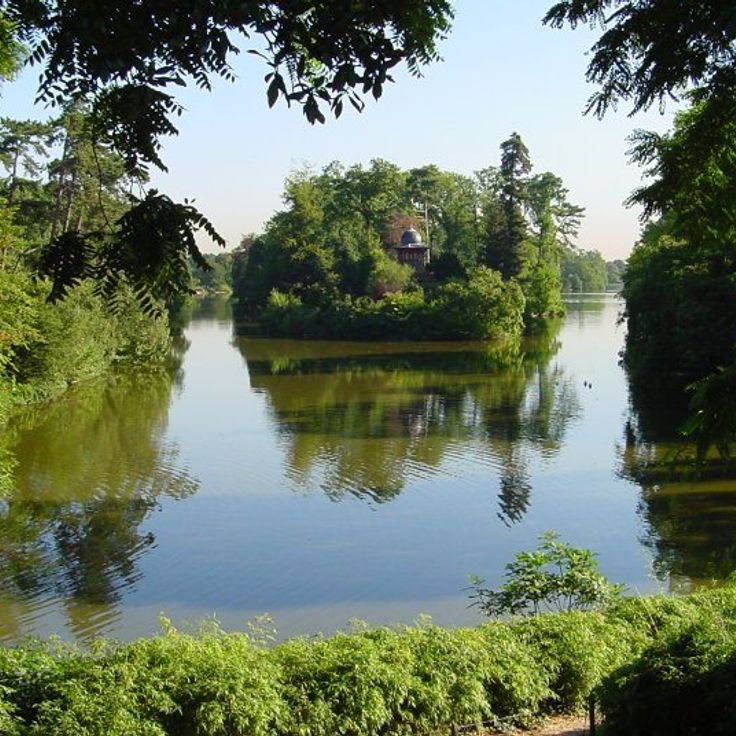
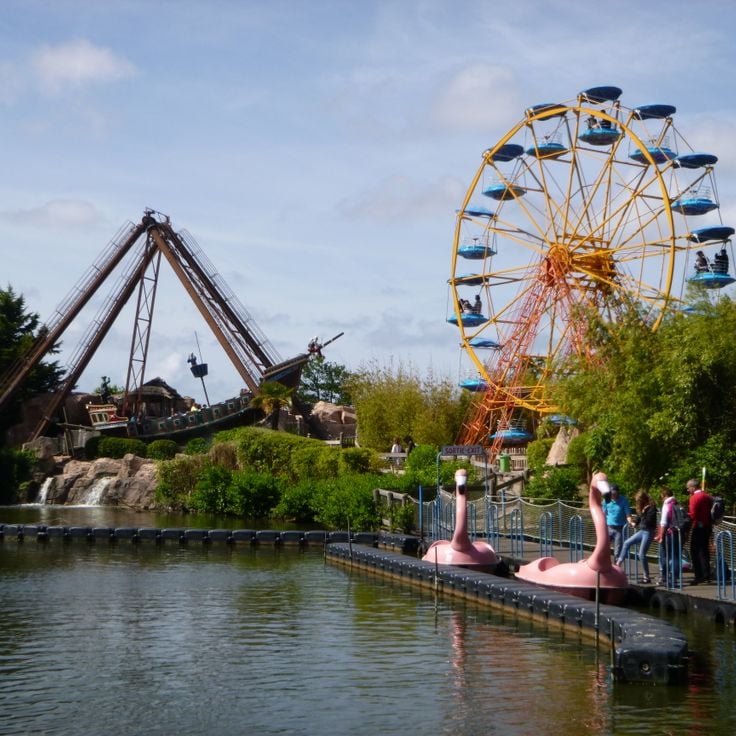
This 2090-acre (846-hectare) urban woodland on the western edge of Paris was redesigned in the 19th century under Napoleon III, inspired by English landscape gardens. The grounds include formal French gardens such as the Parc de Bagatelle with its renowned rose collection, two horse racing tracks (Longchamp and Auteuil), several lakes and water features, restaurants, and an amusement park. The botanical areas showcase various plant species, contributing to the collection of French garden art.
Parc Bordelais spans 69 acres (about 28 hectares) in southwestern Bordeaux, combining recreational areas with botanical collections. Created in 1888 following the plans of landscape architect Eugène Bühler, the grounds include a playground, sports field, and pond. The arboretum section contains over 3,000 trees from various continents, including North American sequoias, Asian ginkgos, and European oaks, reflecting the French garden design tradition with international flora.
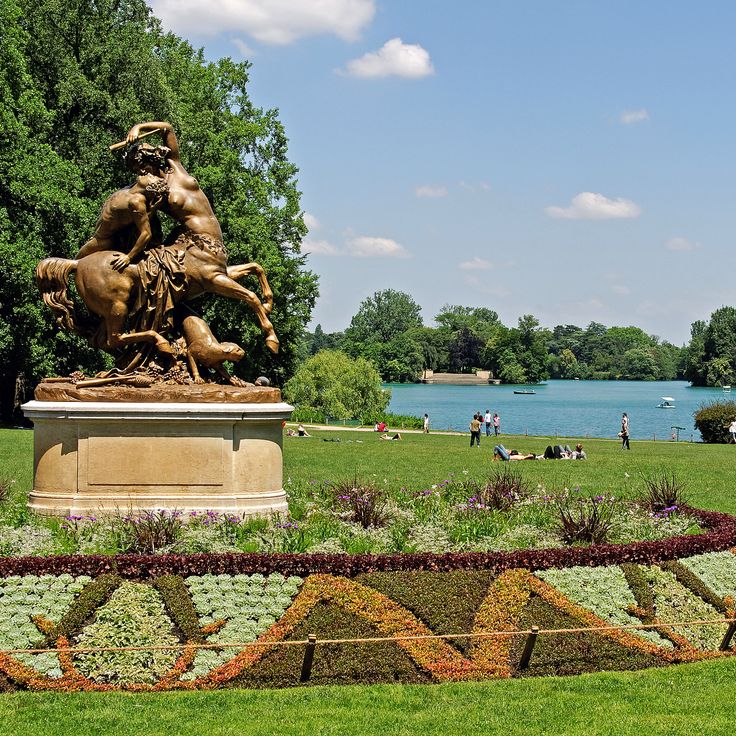
The Parc de la Tête d'Or covers 289 acres (117 hectares) in the heart of Lyon and combines several botanical areas. The park features a rose garden with 30,000 roses of various varieties, four greenhouses containing exotic plants from all continents, a zoological garden, and a large lake. This green space ranks among France's major urban parks and combines scientific plant collections with public recreation areas.
Parc du Thabor covers ten hectares (25 acres) and combines French and English garden design. The park features a rose garden with 2000 rose varieties and a greenhouse, forming part of this collection showcasing French garden artistry.
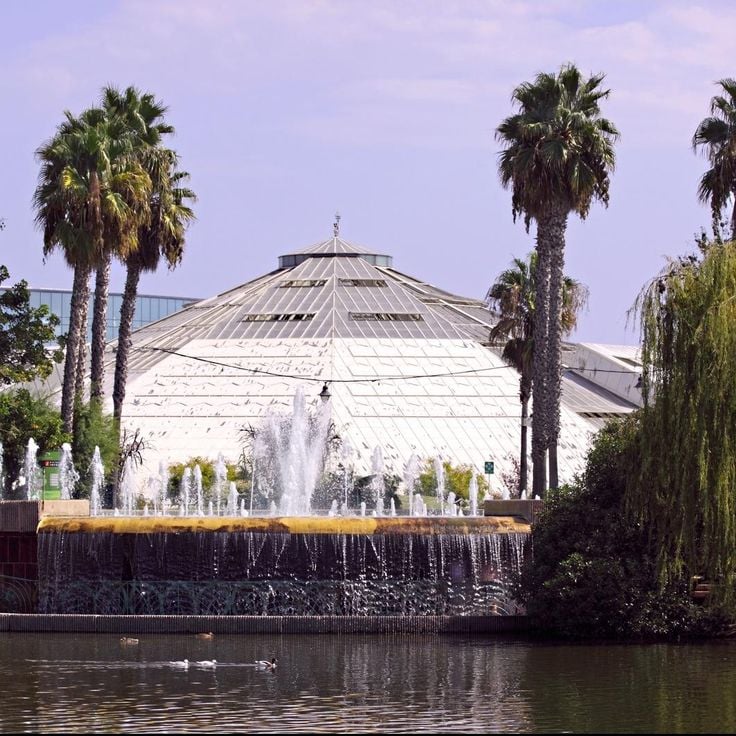
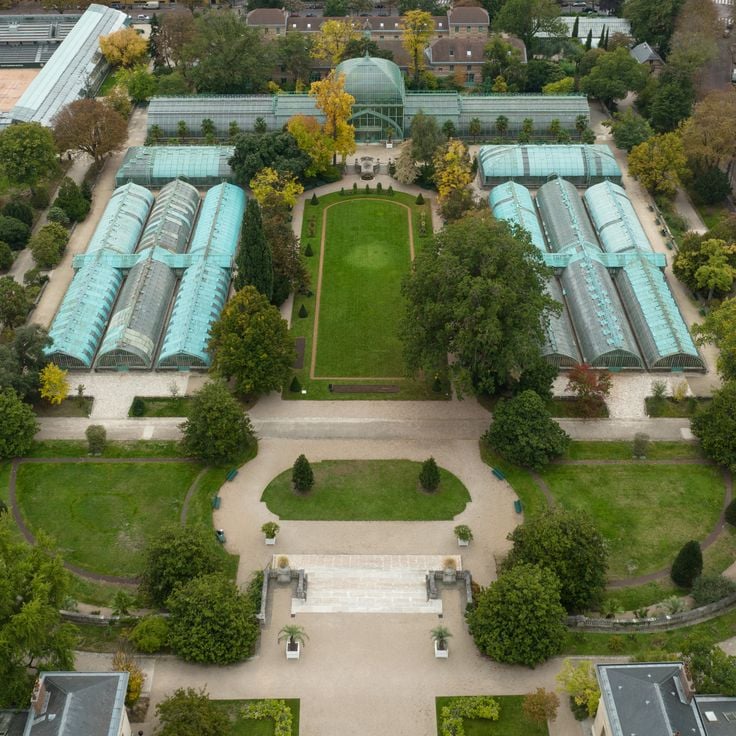
The Serres d'Auteuil comprise four glass structures housing a collection of 6,000 plants from tropical regions. The greenhouses display various species of palms, orchids, and ferns that thrive in different climatic conditions. These historic glasshouses allow visitors to explore the diversity of tropical flora and provide insight into the city's botanical collection. The facility serves both conservation and presentation of exotic plant species and complements the French tradition of botanical gardens through its specialization in tropical vegetation.
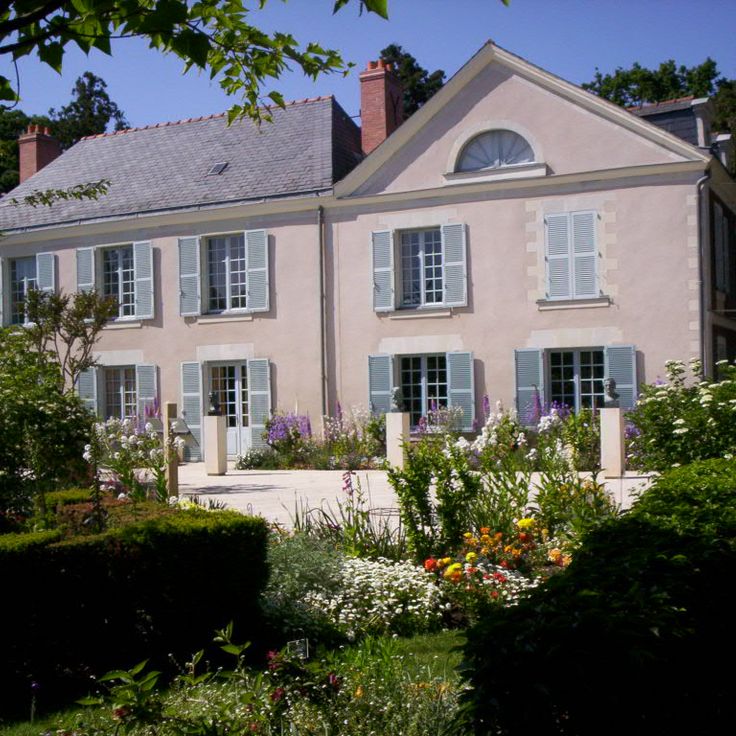
This botanical garden in Angers covers 20 acres (8 hectares) and contains 4000 tree and shrub species. The Arboretum Gaston Allard features an extensive collection of magnolias and hydrangeas. The park was established in the 19th century by Gaston Allard and displays plants from various regions of the world. The site serves as both a scientific facility and public garden, presenting the diversity of woody plants.
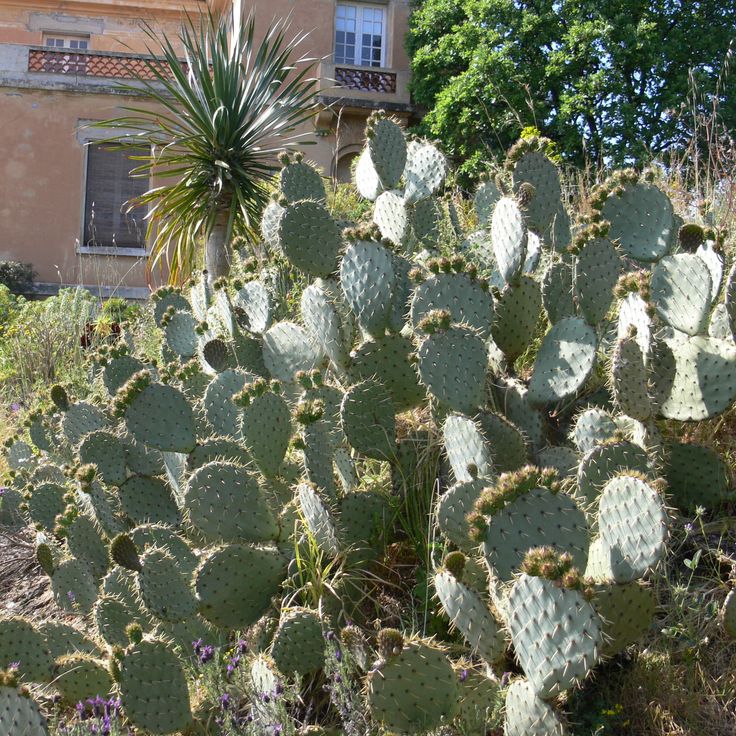
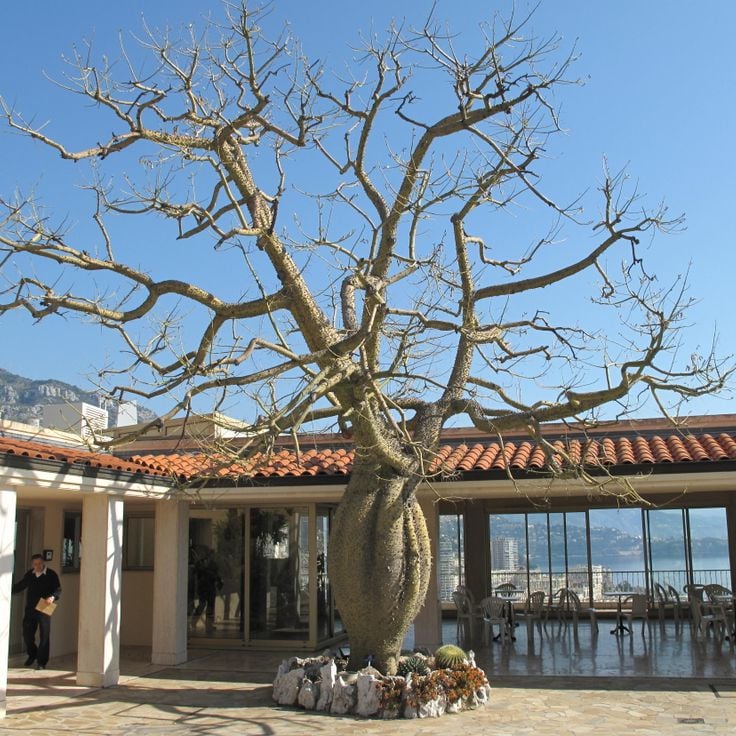
This garden built on a steep coastal slope houses an extensive collection of cacti and succulents from Mexico, Central America, South Africa and Arab regions. The terraced structure allows for the cultivation of plants from dry climates and provides insight into how these species adapt to extreme conditions.
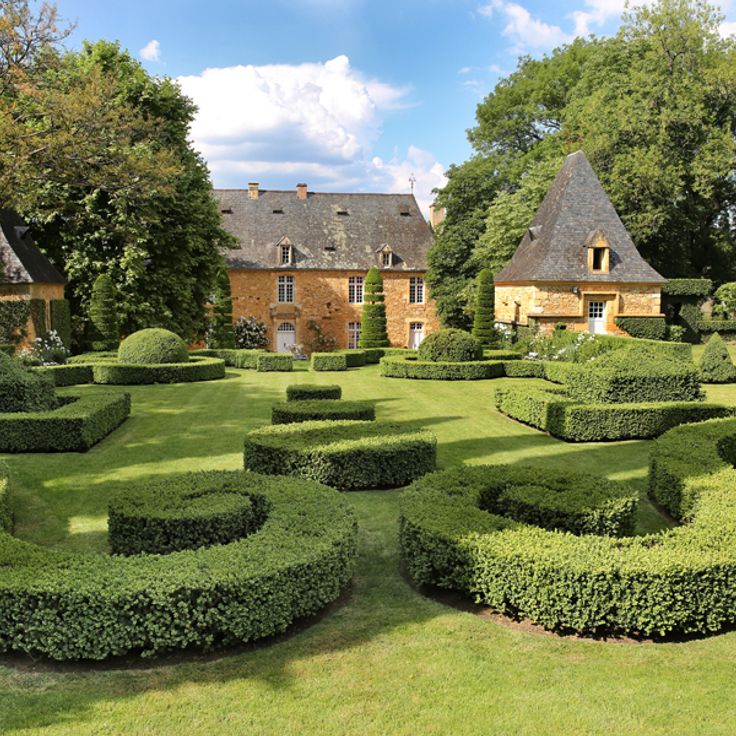
The Jardins d'Eyrignac feature seven distinct garden spaces showcasing sculpted plant forms in boxwood, hornbeam, and yew. This garden combines formal French vegetable gardens with flowering meadows, demonstrating the evolution of French garden design from Renaissance styles to contemporary interpretations. The carefully trimmed hedges and geometric patterns illustrate the craft tradition of topiary, while the various garden rooms present different principles of French horticultural design.
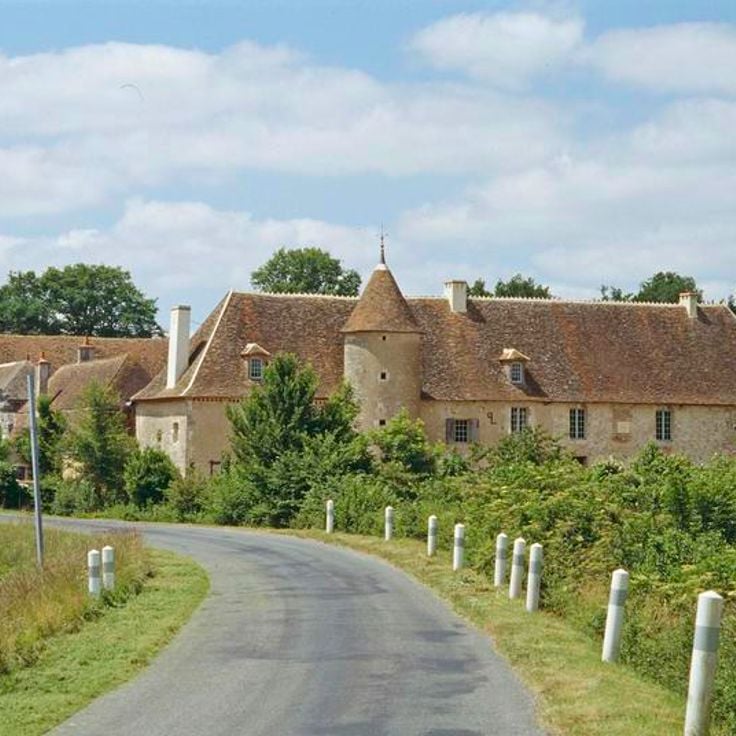
The Prieuré d'Orsan presents medieval architecture in its gardens with symmetrical forms, vegetable plots, and herb borders following historical models. The site demonstrates the design principles of medieval monastic gardens and offers insights into garden culture of that period. This reconstruction follows documented plans and preserves the tradition of French cloister gardens. The Prieuré contributes to the preservation of historical horticultural practices and adds to the diversity of botanical sites in France.
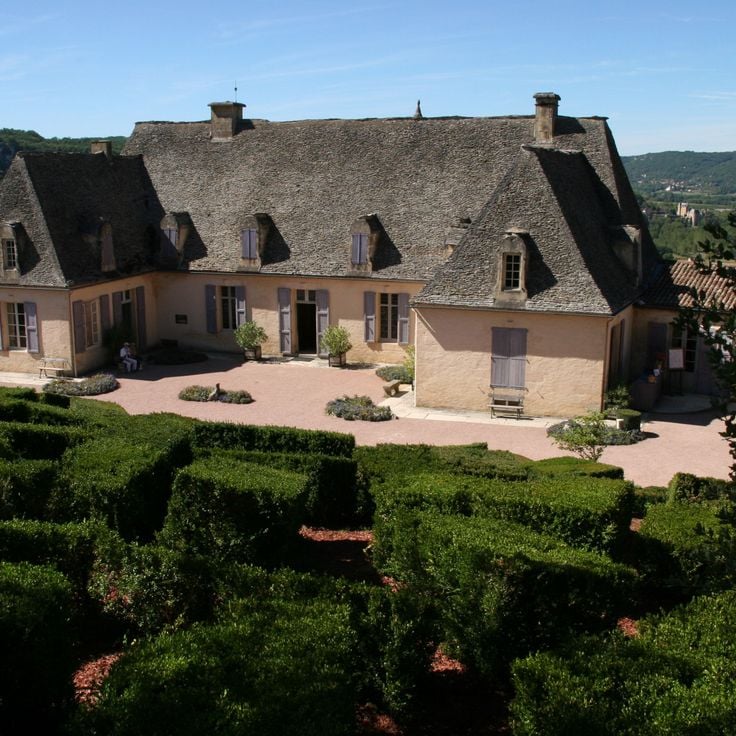
The Jardins de Marqueyssac spread across a limestone cliff overlooking the Dordogne Valley. Over 150,000 boxwoods are trimmed into geometric patterns that follow winding paths across the grounds. The garden was established in the 19th century and demonstrates traditional French garden design with carefully maintained greenery. The clifftop location provides views of the surrounding countryside and river bend.
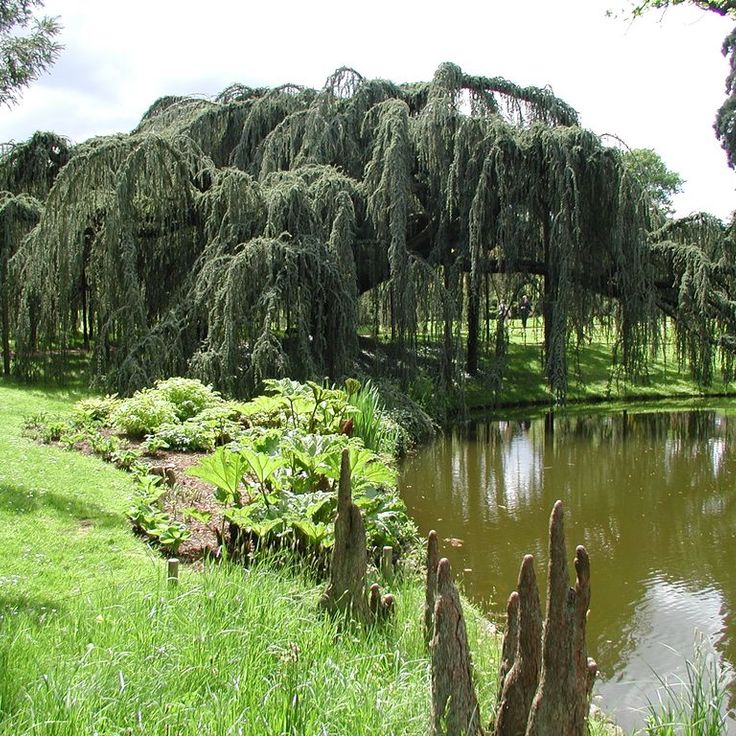
This arboretum contains a collection of 500 tree species across 33 acres (13.5 hectares) of land. The grounds feature mature cedars and rare maple trees, along with other woody plants from various regions. The collection has been expanded over decades and now displays a remarkable diversity of deciduous and coniferous trees. Located in the Hauts-de-Seine department, this arboretum is among the important botanical collections in the Île-de-France region.
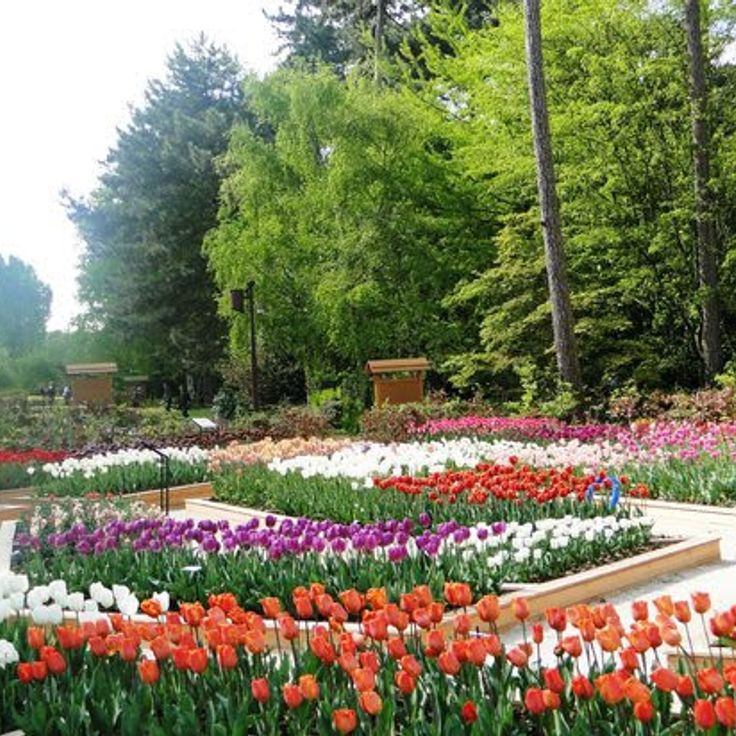
The Parc Floral de Paris spans 28 hectares (69 acres) in the Bois de Vincennes, presenting seasonal plantings with tulip fields in spring, dahlia beds in summer, and a butterfly garden. The grounds include themed gardens, among them a Japanese garden, an alpine section, and collections of medicinal plants. An outdoor concert hall hosts classical music performances and jazz concerts from May through September. The park also features playgrounds, a miniature train system, and rotating floral exhibitions that emphasize its role as an urban botanical garden.
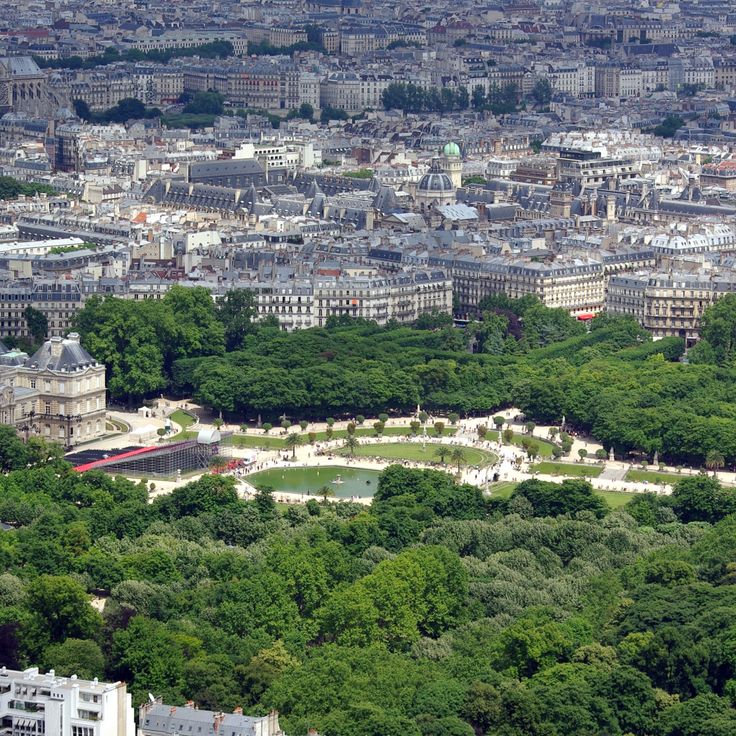
This public park of the Senate Palace combines French and English gardening traditions in Paris. The Jardin du Luxembourg spans 57 acres (23 hectares) with geometric flower beds, tree-lined promenades, and an orchard featuring historic apple varieties. The grounds contain over 100 sculptures including works from the 19th and 20th centuries, along with the Medici Fountain from the 17th century. The central basin has served as a venue for model sailboats for generations. The garden complex also includes playgrounds, tennis courts, and a puppet theater for children.
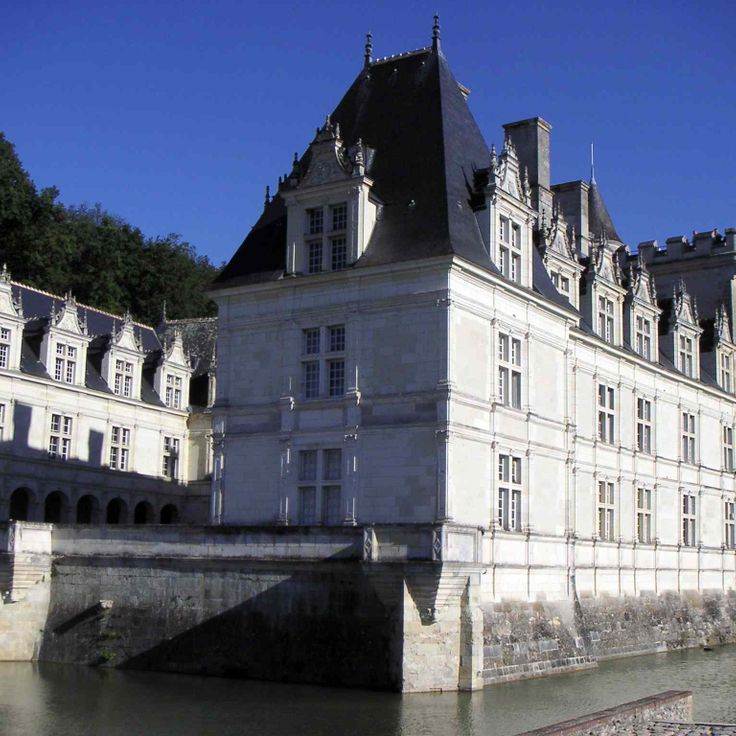
The geometric gardens of Château de Villandry present vegetable gardens with decorative patterns, water basins with fountains, and formal parterres from the 16th century. These Renaissance gardens extend across several terraces and combine ornamental plantings with a functional kitchen garden. The ornamental garden displays symmetrical beds framed by boxwood hedges, while the water garden includes mirrors and cascades.
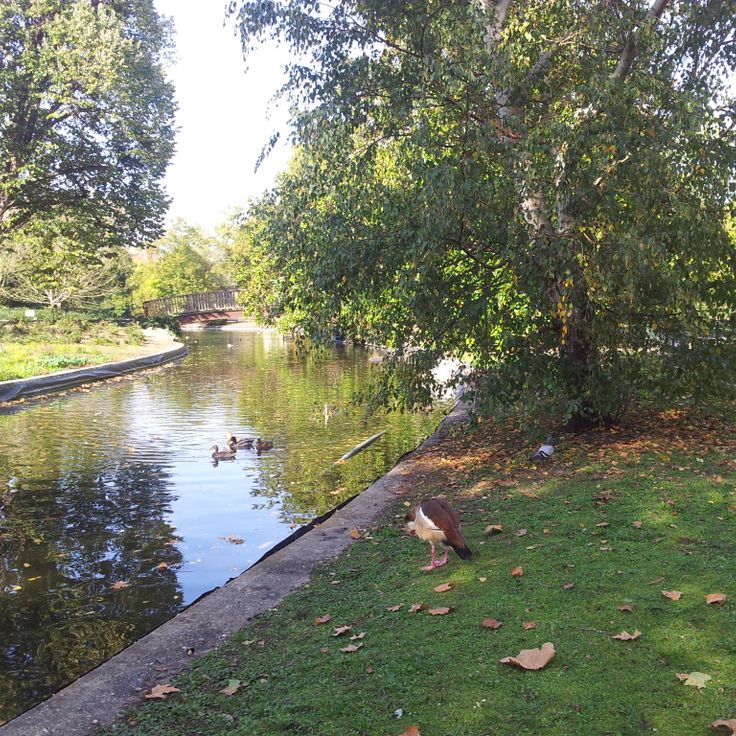
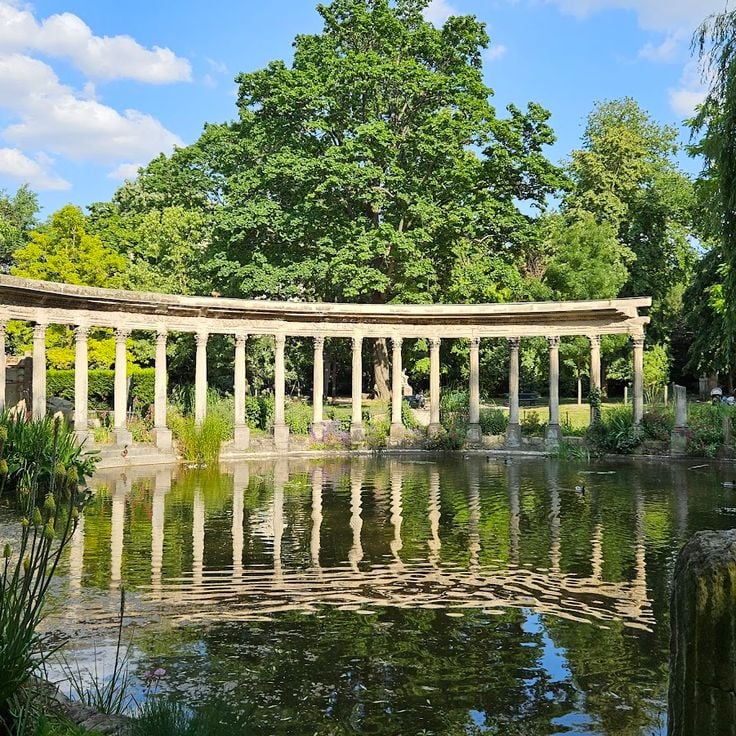
This English garden in Paris combines architectural elements from different periods and cultures. The Parc Monceau features classical columns, a Roman colonnade, and an Egyptian pyramid within the grounds. A large pond with a bridge completes the design. French garden art is displayed through the combination of historical styles with natural plantings.
The Parc de Bagatelle in Neuilly-sur-Seine is among the significant park collections in France. This garden features a rose garden with more than 1200 rose varieties, a Chinese pagoda garden with waterfalls, and an 18th-century palace. The grounds combine various garden styles and demonstrate both historical and contemporary landscape design.
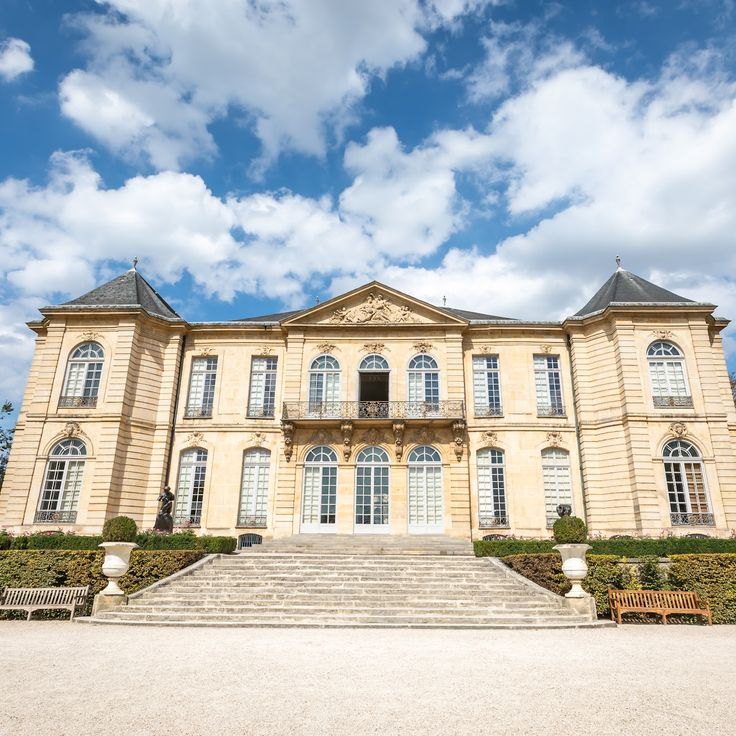
The Musée Rodin includes indoor and outdoor gardens featuring bronze and marble sculptures by the artist among roses and linden trees. The grounds cover 7.4 acres (3 hectares) and display works such as "The Thinker" and "The Burghers of Calais" throughout the planted beds. The garden follows French formal design with shaded walkways and open lawns. Visitors can experience Auguste Rodin's collection in the setting where the artist himself lived. The former 18th-century Hôtel Biron houses additional works in its interior spaces.
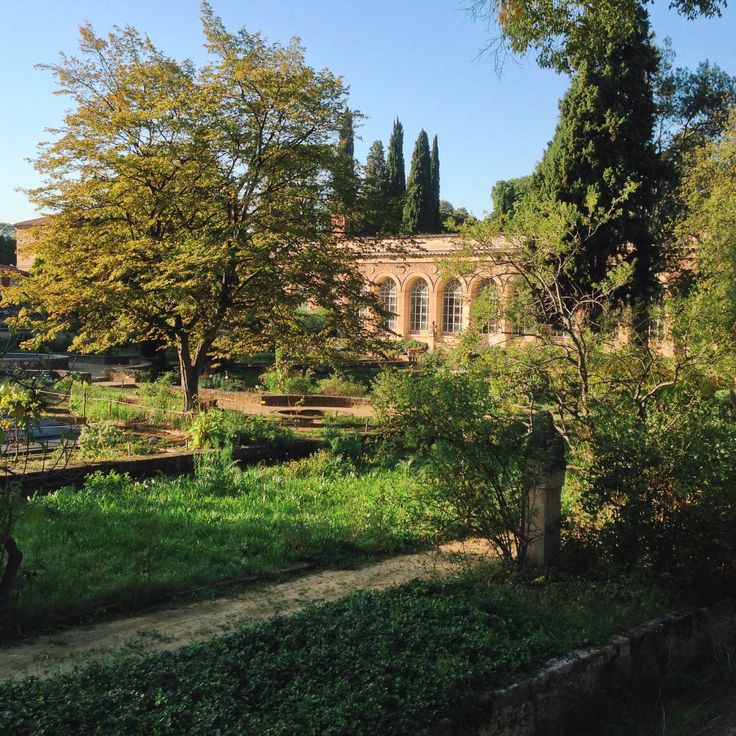
The Jardin des Plantes de Montpellier was established in 1593, making it the oldest botanical garden in France. This historic garden houses more than 2,680 plant species, including significant historical specimens and medicinal plants. The collections feature vegetation from various climate zones and continents. The garden has served botanical research and medical education for centuries.
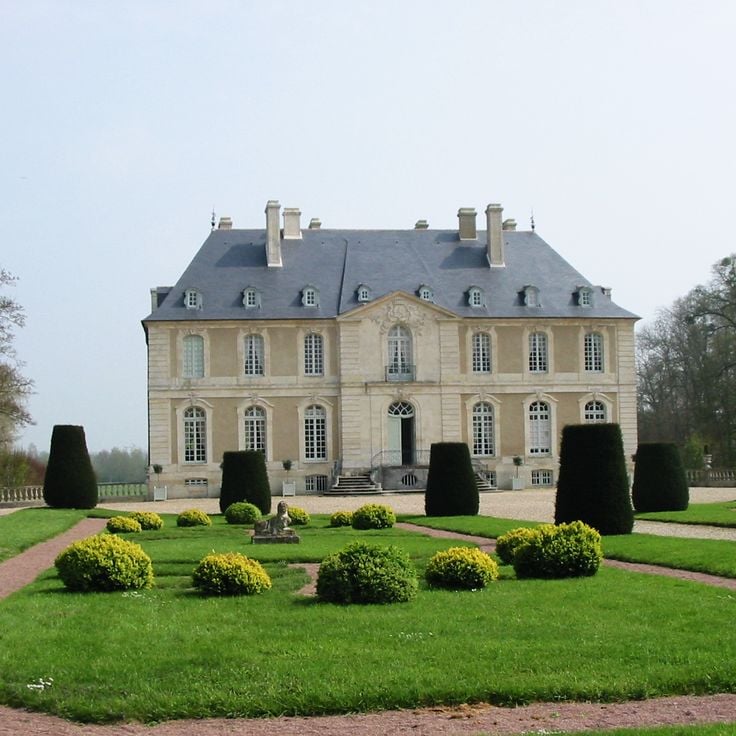
The gardens of Château de Vendeuvre combine classic French garden design with botanical features. The grounds include several areas with water features, geometrically trimmed boxwood and yew hedges, and a carnivorous plant garden. The water features connect different garden sections and create changing views throughout the property. The formal hedges of boxwood and yew follow traditional geometric patterns characteristic of French garden design. The carnivorous plant garden displays various species of these botanical rarities, adding a scientific dimension to the historical garden layout.
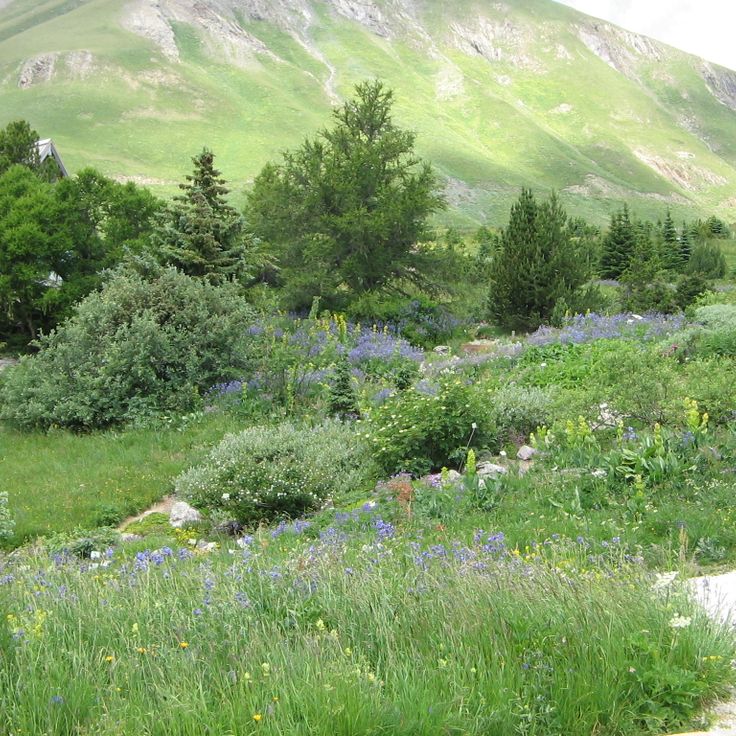
This alpine garden sits at 6560 feet (2000 meters) above sea level and contains over 2500 plant species from mountain ranges around the world. The plants grow in their natural environment, representing flora from various mountain chains. The garden demonstrates the botanical diversity of high-altitude ecosystems and shows how alpine vegetation adapts to extreme climate conditions. The collection includes species from the Alps, Himalayas, Rocky Mountains, and other mountain regions across the globe.
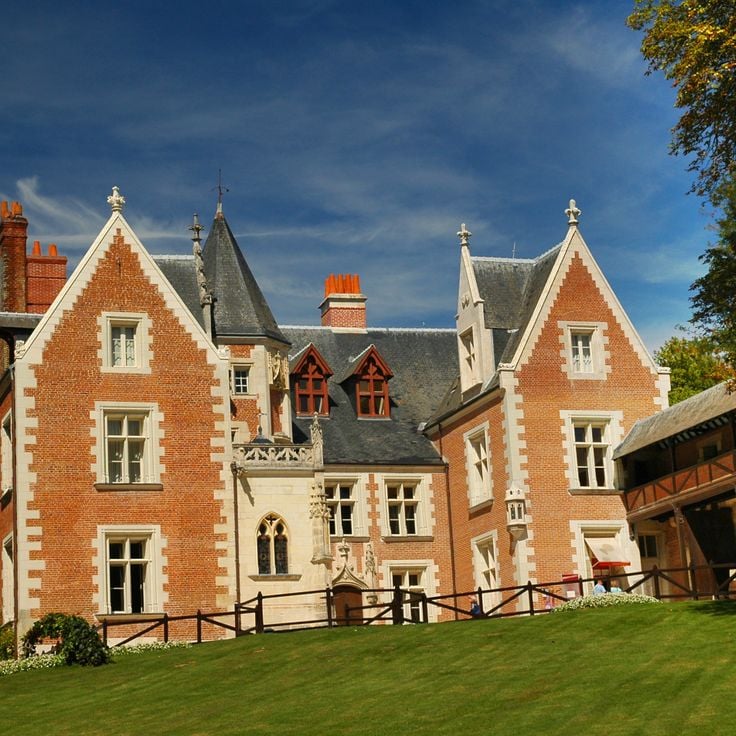
This garden at Clos Lucé displays replicas of Leonardo da Vinci's inventions within a Renaissance setting featuring geometric beds and water features. The estate served as the Italian master's residence during his final years in France. The outdoor areas combine historic garden design with technical constructions created from the sketches and notes of the polymath. Visitors can discover mechanical models among the plantings, including bridges, flying machines, and hydraulic systems. The grounds illustrate the connection between artistic design and scientific innovation of the Renaissance period.
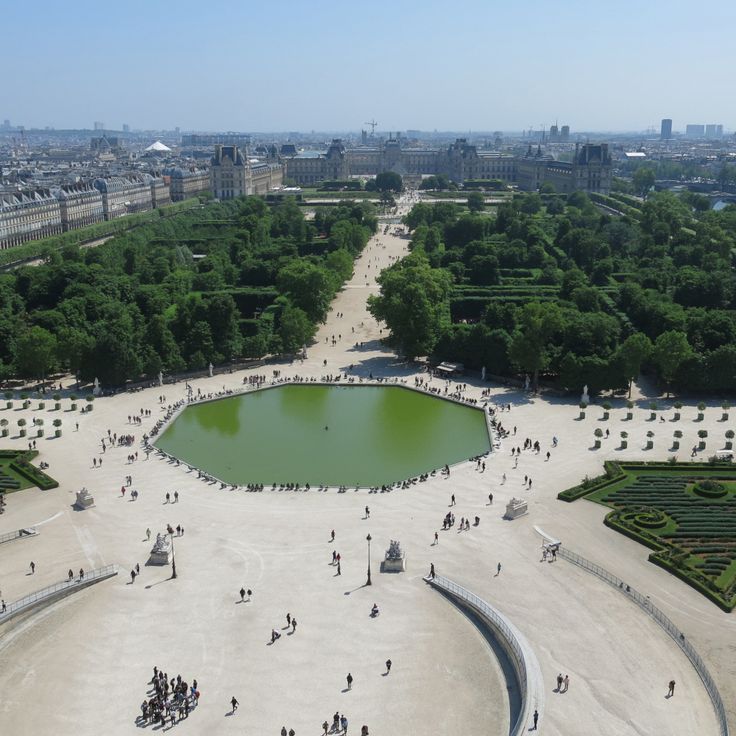
The Jardin des Tuileries extends between the Louvre and the Place de la Concorde, offering classic French garden design along its pathways. Numerous sculptures from different periods line the tree-bordered walks, while several water basins invite visitors to pause. The Orangerie and the Jeu de Paume house important art collections within the garden, which covers 61 acres (25 hectares).
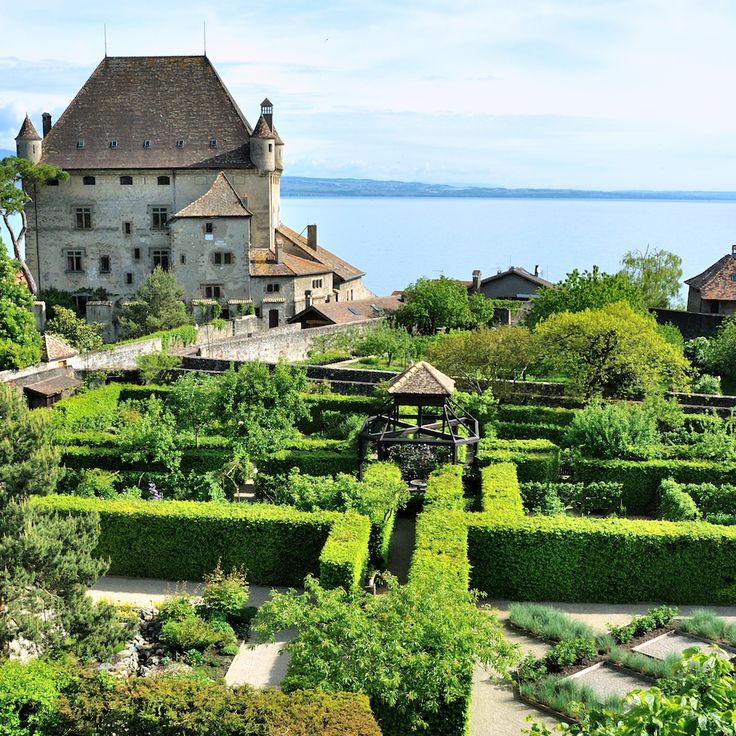
The Jardin des Cinq Sens in Yvoire presents herbs, flowers, and plants in a medieval garden design that engages the senses through fragrances, textures, and colors. This themed garden belongs to a collection of French gardens ranging from the Renaissance gardens of Villandry to the Alpine garden of Chamonix, including historic parks, botanical gardens, and greenhouses with international flora.
This botanical garden covers 17 acres (7 hectares) and features more than 10,000 plant species from various climate zones. The facility includes several greenhouses for exotic plants and a collection of medicinal plants. The Jardin des plantes de Nantes presents a diversity of plant families and serves as a scientific and educational institution for botany.
Parc Phoenix covers 7 hectares (17 acres) and houses 2,500 plant species from different climate zones. The park's greenhouse provides habitat for iguanas, crocodiles, and tropical birds. The grounds combine botanical collections with zoological elements, displaying flora from Mediterranean, tropical, and subtropical regions. The park features thematic gardens, water features, and walking paths that offer visitors insight into various ecosystems. This collection of gardens represents the diversity of French horticultural design, from formal Renaissance layouts to specialized botanical displays.
This Roseraie du Val-de-Marne brings together 3,300 rose varieties organized by historical periods, showing the evolution of roses from old cultivars to modern hybrids. The garden is located in L'Haÿ-les-Roses and documents the botanical and breeding history of the rose across several centuries. The collections include wild roses, historical varieties from different eras, and contemporary hybrids presented according to chronological and thematic criteria. The site serves to preserve rose-growing heritage and convey the cultural significance of this plant genus in French horticultural history.
The Domaine du Rayol extends across 20 acres (8 hectares) along the Mediterranean coast and displays plant collections from Mediterranean climate zones around the world. The garden is organized into geographic sections presenting vegetation from Australia, Chile, and California. In addition to the exotic collections, plants from the Mediterranean basin grow here in landscapes that recreate their natural habitats. The gardens sit along the sea and provide access to a protected coastal area. The estate combines botanical education with landscape architecture in a setting that illustrates Mediterranean ecosystems from different continents.
This 2090-acre (846-hectare) urban woodland on the western edge of Paris was redesigned in the 19th century under Napoleon III, inspired by English landscape gardens. The grounds include formal French gardens such as the Parc de Bagatelle with its renowned rose collection, two horse racing tracks (Longchamp and Auteuil), several lakes and water features, restaurants, and an amusement park. The botanical areas showcase various plant species, contributing to the collection of French garden art.
Parc Bordelais spans 69 acres (about 28 hectares) in southwestern Bordeaux, combining recreational areas with botanical collections. Created in 1888 following the plans of landscape architect Eugène Bühler, the grounds include a playground, sports field, and pond. The arboretum section contains over 3,000 trees from various continents, including North American sequoias, Asian ginkgos, and European oaks, reflecting the French garden design tradition with international flora.
The Parc de la Tête d'Or covers 289 acres (117 hectares) in the heart of Lyon and combines several botanical areas. The park features a rose garden with 30,000 roses of various varieties, four greenhouses containing exotic plants from all continents, a zoological garden, and a large lake. This green space ranks among France's major urban parks and combines scientific plant collections with public recreation areas.
Parc du Thabor covers ten hectares (25 acres) and combines French and English garden design. The park features a rose garden with 2000 rose varieties and a greenhouse, forming part of this collection showcasing French garden artistry.
The Serres d'Auteuil comprise four glass structures housing a collection of 6,000 plants from tropical regions. The greenhouses display various species of palms, orchids, and ferns that thrive in different climatic conditions. These historic glasshouses allow visitors to explore the diversity of tropical flora and provide insight into the city's botanical collection. The facility serves both conservation and presentation of exotic plant species and complements the French tradition of botanical gardens through its specialization in tropical vegetation.
This botanical garden in Angers covers 20 acres (8 hectares) and contains 4000 tree and shrub species. The Arboretum Gaston Allard features an extensive collection of magnolias and hydrangeas. The park was established in the 19th century by Gaston Allard and displays plants from various regions of the world. The site serves as both a scientific facility and public garden, presenting the diversity of woody plants.
This garden built on a steep coastal slope houses an extensive collection of cacti and succulents from Mexico, Central America, South Africa and Arab regions. The terraced structure allows for the cultivation of plants from dry climates and provides insight into how these species adapt to extreme conditions.
The Jardins d'Eyrignac feature seven distinct garden spaces showcasing sculpted plant forms in boxwood, hornbeam, and yew. This garden combines formal French vegetable gardens with flowering meadows, demonstrating the evolution of French garden design from Renaissance styles to contemporary interpretations. The carefully trimmed hedges and geometric patterns illustrate the craft tradition of topiary, while the various garden rooms present different principles of French horticultural design.
The Prieuré d'Orsan presents medieval architecture in its gardens with symmetrical forms, vegetable plots, and herb borders following historical models. The site demonstrates the design principles of medieval monastic gardens and offers insights into garden culture of that period. This reconstruction follows documented plans and preserves the tradition of French cloister gardens. The Prieuré contributes to the preservation of historical horticultural practices and adds to the diversity of botanical sites in France.
The Jardins de Marqueyssac spread across a limestone cliff overlooking the Dordogne Valley. Over 150,000 boxwoods are trimmed into geometric patterns that follow winding paths across the grounds. The garden was established in the 19th century and demonstrates traditional French garden design with carefully maintained greenery. The clifftop location provides views of the surrounding countryside and river bend.
This arboretum contains a collection of 500 tree species across 33 acres (13.5 hectares) of land. The grounds feature mature cedars and rare maple trees, along with other woody plants from various regions. The collection has been expanded over decades and now displays a remarkable diversity of deciduous and coniferous trees. Located in the Hauts-de-Seine department, this arboretum is among the important botanical collections in the Île-de-France region.
The Parc Floral de Paris spans 28 hectares (69 acres) in the Bois de Vincennes, presenting seasonal plantings with tulip fields in spring, dahlia beds in summer, and a butterfly garden. The grounds include themed gardens, among them a Japanese garden, an alpine section, and collections of medicinal plants. An outdoor concert hall hosts classical music performances and jazz concerts from May through September. The park also features playgrounds, a miniature train system, and rotating floral exhibitions that emphasize its role as an urban botanical garden.
This public park of the Senate Palace combines French and English gardening traditions in Paris. The Jardin du Luxembourg spans 57 acres (23 hectares) with geometric flower beds, tree-lined promenades, and an orchard featuring historic apple varieties. The grounds contain over 100 sculptures including works from the 19th and 20th centuries, along with the Medici Fountain from the 17th century. The central basin has served as a venue for model sailboats for generations. The garden complex also includes playgrounds, tennis courts, and a puppet theater for children.
The geometric gardens of Château de Villandry present vegetable gardens with decorative patterns, water basins with fountains, and formal parterres from the 16th century. These Renaissance gardens extend across several terraces and combine ornamental plantings with a functional kitchen garden. The ornamental garden displays symmetrical beds framed by boxwood hedges, while the water garden includes mirrors and cascades.
This English garden in Paris combines architectural elements from different periods and cultures. The Parc Monceau features classical columns, a Roman colonnade, and an Egyptian pyramid within the grounds. A large pond with a bridge completes the design. French garden art is displayed through the combination of historical styles with natural plantings.
The Parc de Bagatelle in Neuilly-sur-Seine is among the significant park collections in France. This garden features a rose garden with more than 1200 rose varieties, a Chinese pagoda garden with waterfalls, and an 18th-century palace. The grounds combine various garden styles and demonstrate both historical and contemporary landscape design.
The Musée Rodin includes indoor and outdoor gardens featuring bronze and marble sculptures by the artist among roses and linden trees. The grounds cover 7.4 acres (3 hectares) and display works such as "The Thinker" and "The Burghers of Calais" throughout the planted beds. The garden follows French formal design with shaded walkways and open lawns. Visitors can experience Auguste Rodin's collection in the setting where the artist himself lived. The former 18th-century Hôtel Biron houses additional works in its interior spaces.
The Jardin des Plantes de Montpellier was established in 1593, making it the oldest botanical garden in France. This historic garden houses more than 2,680 plant species, including significant historical specimens and medicinal plants. The collections feature vegetation from various climate zones and continents. The garden has served botanical research and medical education for centuries.
The gardens of Château de Vendeuvre combine classic French garden design with botanical features. The grounds include several areas with water features, geometrically trimmed boxwood and yew hedges, and a carnivorous plant garden. The water features connect different garden sections and create changing views throughout the property. The formal hedges of boxwood and yew follow traditional geometric patterns characteristic of French garden design. The carnivorous plant garden displays various species of these botanical rarities, adding a scientific dimension to the historical garden layout.
This alpine garden sits at 6560 feet (2000 meters) above sea level and contains over 2500 plant species from mountain ranges around the world. The plants grow in their natural environment, representing flora from various mountain chains. The garden demonstrates the botanical diversity of high-altitude ecosystems and shows how alpine vegetation adapts to extreme climate conditions. The collection includes species from the Alps, Himalayas, Rocky Mountains, and other mountain regions across the globe.
This garden at Clos Lucé displays replicas of Leonardo da Vinci's inventions within a Renaissance setting featuring geometric beds and water features. The estate served as the Italian master's residence during his final years in France. The outdoor areas combine historic garden design with technical constructions created from the sketches and notes of the polymath. Visitors can discover mechanical models among the plantings, including bridges, flying machines, and hydraulic systems. The grounds illustrate the connection between artistic design and scientific innovation of the Renaissance period.
The Jardin des Tuileries extends between the Louvre and the Place de la Concorde, offering classic French garden design along its pathways. Numerous sculptures from different periods line the tree-bordered walks, while several water basins invite visitors to pause. The Orangerie and the Jeu de Paume house important art collections within the garden, which covers 61 acres (25 hectares).
The Jardin des Cinq Sens in Yvoire presents herbs, flowers, and plants in a medieval garden design that engages the senses through fragrances, textures, and colors. This themed garden belongs to a collection of French gardens ranging from the Renaissance gardens of Villandry to the Alpine garden of Chamonix, including historic parks, botanical gardens, and greenhouses with international flora.
This botanical garden covers 17 acres (7 hectares) and features more than 10,000 plant species from various climate zones. The facility includes several greenhouses for exotic plants and a collection of medicinal plants. The Jardin des plantes de Nantes presents a diversity of plant families and serves as a scientific and educational institution for botany.
Parc Phoenix covers 7 hectares (17 acres) and houses 2,500 plant species from different climate zones. The park's greenhouse provides habitat for iguanas, crocodiles, and tropical birds. The grounds combine botanical collections with zoological elements, displaying flora from Mediterranean, tropical, and subtropical regions. The park features thematic gardens, water features, and walking paths that offer visitors insight into various ecosystems. This collection of gardens represents the diversity of French horticultural design, from formal Renaissance layouts to specialized botanical displays.
This Roseraie du Val-de-Marne brings together 3,300 rose varieties organized by historical periods, showing the evolution of roses from old cultivars to modern hybrids. The garden is located in L'Haÿ-les-Roses and documents the botanical and breeding history of the rose across several centuries. The collections include wild roses, historical varieties from different eras, and contemporary hybrids presented according to chronological and thematic criteria. The site serves to preserve rose-growing heritage and convey the cultural significance of this plant genus in French horticultural history.
The Domaine du Rayol extends across 20 acres (8 hectares) along the Mediterranean coast and displays plant collections from Mediterranean climate zones around the world. The garden is organized into geographic sections presenting vegetation from Australia, Chile, and California. In addition to the exotic collections, plants from the Mediterranean basin grow here in landscapes that recreate their natural habitats. The gardens sit along the sea and provide access to a protected coastal area. The estate combines botanical education with landscape architecture in a setting that illustrates Mediterranean ecosystems from different continents.
This 2090-acre (846-hectare) urban woodland on the western edge of Paris was redesigned in the 19th century under Napoleon III, inspired by English landscape gardens. The grounds include formal French gardens such as the Parc de Bagatelle with its renowned rose collection, two horse racing tracks (Longchamp and Auteuil), several lakes and water features, restaurants, and an amusement park. The botanical areas showcase various plant species, contributing to the collection of French garden art.
Parc Bordelais spans 69 acres (about 28 hectares) in southwestern Bordeaux, combining recreational areas with botanical collections. Created in 1888 following the plans of landscape architect Eugène Bühler, the grounds include a playground, sports field, and pond. The arboretum section contains over 3,000 trees from various continents, including North American sequoias, Asian ginkgos, and European oaks, reflecting the French garden design tradition with international flora.
The Parc de la Tête d'Or covers 289 acres (117 hectares) in the heart of Lyon and combines several botanical areas. The park features a rose garden with 30,000 roses of various varieties, four greenhouses containing exotic plants from all continents, a zoological garden, and a large lake. This green space ranks among France's major urban parks and combines scientific plant collections with public recreation areas.
Parc du Thabor covers ten hectares (25 acres) and combines French and English garden design. The park features a rose garden with 2000 rose varieties and a greenhouse, forming part of this collection showcasing French garden artistry.
The Serres d'Auteuil comprise four glass structures housing a collection of 6,000 plants from tropical regions. The greenhouses display various species of palms, orchids, and ferns that thrive in different climatic conditions. These historic glasshouses allow visitors to explore the diversity of tropical flora and provide insight into the city's botanical collection. The facility serves both conservation and presentation of exotic plant species and complements the French tradition of botanical gardens through its specialization in tropical vegetation.
This botanical garden in Angers covers 20 acres (8 hectares) and contains 4000 tree and shrub species. The Arboretum Gaston Allard features an extensive collection of magnolias and hydrangeas. The park was established in the 19th century by Gaston Allard and displays plants from various regions of the world. The site serves as both a scientific facility and public garden, presenting the diversity of woody plants.
This garden built on a steep coastal slope houses an extensive collection of cacti and succulents from Mexico, Central America, South Africa and Arab regions. The terraced structure allows for the cultivation of plants from dry climates and provides insight into how these species adapt to extreme conditions.
The Jardins d'Eyrignac feature seven distinct garden spaces showcasing sculpted plant forms in boxwood, hornbeam, and yew. This garden combines formal French vegetable gardens with flowering meadows, demonstrating the evolution of French garden design from Renaissance styles to contemporary interpretations. The carefully trimmed hedges and geometric patterns illustrate the craft tradition of topiary, while the various garden rooms present different principles of French horticultural design.
The Prieuré d'Orsan presents medieval architecture in its gardens with symmetrical forms, vegetable plots, and herb borders following historical models. The site demonstrates the design principles of medieval monastic gardens and offers insights into garden culture of that period. This reconstruction follows documented plans and preserves the tradition of French cloister gardens. The Prieuré contributes to the preservation of historical horticultural practices and adds to the diversity of botanical sites in France.
The Jardins de Marqueyssac spread across a limestone cliff overlooking the Dordogne Valley. Over 150,000 boxwoods are trimmed into geometric patterns that follow winding paths across the grounds. The garden was established in the 19th century and demonstrates traditional French garden design with carefully maintained greenery. The clifftop location provides views of the surrounding countryside and river bend.
This arboretum contains a collection of 500 tree species across 33 acres (13.5 hectares) of land. The grounds feature mature cedars and rare maple trees, along with other woody plants from various regions. The collection has been expanded over decades and now displays a remarkable diversity of deciduous and coniferous trees. Located in the Hauts-de-Seine department, this arboretum is among the important botanical collections in the Île-de-France region.
The Parc Floral de Paris spans 28 hectares (69 acres) in the Bois de Vincennes, presenting seasonal plantings with tulip fields in spring, dahlia beds in summer, and a butterfly garden. The grounds include themed gardens, among them a Japanese garden, an alpine section, and collections of medicinal plants. An outdoor concert hall hosts classical music performances and jazz concerts from May through September. The park also features playgrounds, a miniature train system, and rotating floral exhibitions that emphasize its role as an urban botanical garden.
This public park of the Senate Palace combines French and English gardening traditions in Paris. The Jardin du Luxembourg spans 57 acres (23 hectares) with geometric flower beds, tree-lined promenades, and an orchard featuring historic apple varieties. The grounds contain over 100 sculptures including works from the 19th and 20th centuries, along with the Medici Fountain from the 17th century. The central basin has served as a venue for model sailboats for generations. The garden complex also includes playgrounds, tennis courts, and a puppet theater for children.
The geometric gardens of Château de Villandry present vegetable gardens with decorative patterns, water basins with fountains, and formal parterres from the 16th century. These Renaissance gardens extend across several terraces and combine ornamental plantings with a functional kitchen garden. The ornamental garden displays symmetrical beds framed by boxwood hedges, while the water garden includes mirrors and cascades.
This English garden in Paris combines architectural elements from different periods and cultures. The Parc Monceau features classical columns, a Roman colonnade, and an Egyptian pyramid within the grounds. A large pond with a bridge completes the design. French garden art is displayed through the combination of historical styles with natural plantings.
The Parc de Bagatelle in Neuilly-sur-Seine is among the significant park collections in France. This garden features a rose garden with more than 1200 rose varieties, a Chinese pagoda garden with waterfalls, and an 18th-century palace. The grounds combine various garden styles and demonstrate both historical and contemporary landscape design.
The Musée Rodin includes indoor and outdoor gardens featuring bronze and marble sculptures by the artist among roses and linden trees. The grounds cover 7.4 acres (3 hectares) and display works such as "The Thinker" and "The Burghers of Calais" throughout the planted beds. The garden follows French formal design with shaded walkways and open lawns. Visitors can experience Auguste Rodin's collection in the setting where the artist himself lived. The former 18th-century Hôtel Biron houses additional works in its interior spaces.
The Jardin des Plantes de Montpellier was established in 1593, making it the oldest botanical garden in France. This historic garden houses more than 2,680 plant species, including significant historical specimens and medicinal plants. The collections feature vegetation from various climate zones and continents. The garden has served botanical research and medical education for centuries.
The gardens of Château de Vendeuvre combine classic French garden design with botanical features. The grounds include several areas with water features, geometrically trimmed boxwood and yew hedges, and a carnivorous plant garden. The water features connect different garden sections and create changing views throughout the property. The formal hedges of boxwood and yew follow traditional geometric patterns characteristic of French garden design. The carnivorous plant garden displays various species of these botanical rarities, adding a scientific dimension to the historical garden layout.
This alpine garden sits at 6560 feet (2000 meters) above sea level and contains over 2500 plant species from mountain ranges around the world. The plants grow in their natural environment, representing flora from various mountain chains. The garden demonstrates the botanical diversity of high-altitude ecosystems and shows how alpine vegetation adapts to extreme climate conditions. The collection includes species from the Alps, Himalayas, Rocky Mountains, and other mountain regions across the globe.
This garden at Clos Lucé displays replicas of Leonardo da Vinci's inventions within a Renaissance setting featuring geometric beds and water features. The estate served as the Italian master's residence during his final years in France. The outdoor areas combine historic garden design with technical constructions created from the sketches and notes of the polymath. Visitors can discover mechanical models among the plantings, including bridges, flying machines, and hydraulic systems. The grounds illustrate the connection between artistic design and scientific innovation of the Renaissance period.
The Jardin des Tuileries extends between the Louvre and the Place de la Concorde, offering classic French garden design along its pathways. Numerous sculptures from different periods line the tree-bordered walks, while several water basins invite visitors to pause. The Orangerie and the Jeu de Paume house important art collections within the garden, which covers 61 acres (25 hectares).
The Jardin des Cinq Sens in Yvoire presents herbs, flowers, and plants in a medieval garden design that engages the senses through fragrances, textures, and colors. This themed garden belongs to a collection of French gardens ranging from the Renaissance gardens of Villandry to the Alpine garden of Chamonix, including historic parks, botanical gardens, and greenhouses with international flora.