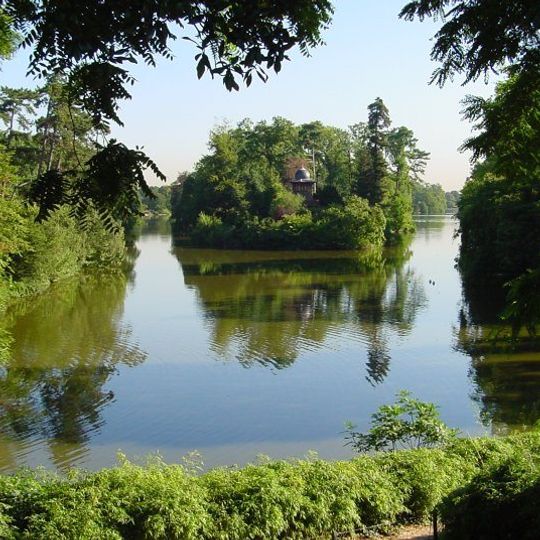
Bois de Boulogne, Urban park in 16th arrondissement, France.
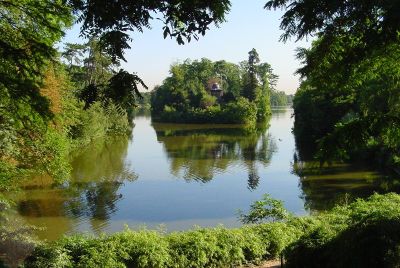
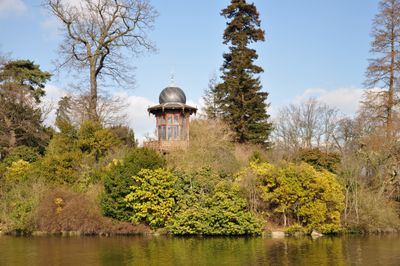
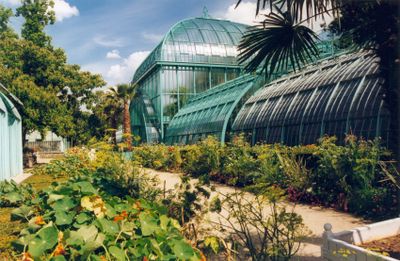
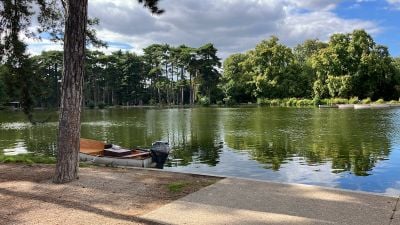
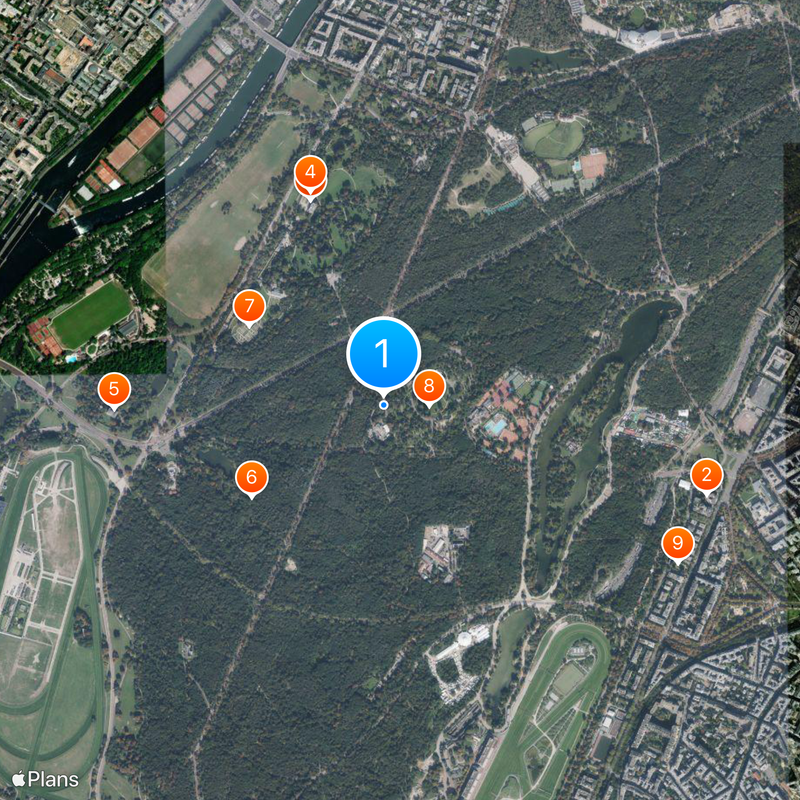
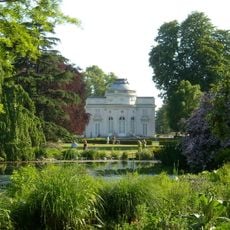
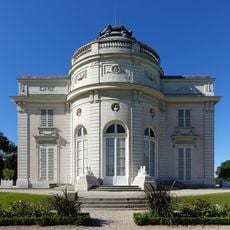
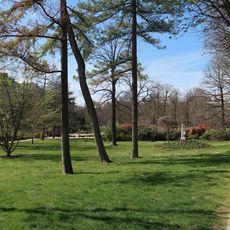
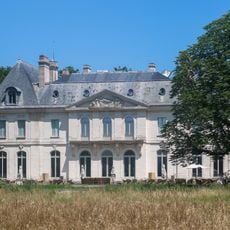
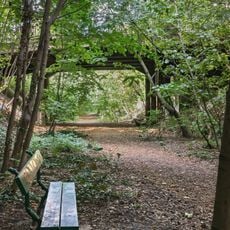
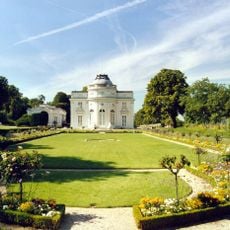
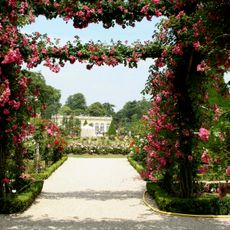
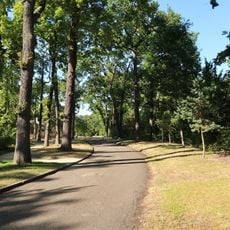
The Bois de Boulogne is a wide urban forest and park on the western edge of Paris, covering 845 hectares and combining two linked lakes, paths through tree groves, open lawns, and several landscaped gardens. The area is divided into different zones, including dense woodland with oaks and chestnuts, clearings for sport and leisure, and small châteaux and pavilions scattered among avenues and water features.
Louis XIV opened the former royal hunting ground to the public for the first time, before Napoleon III commissioned its redesign as a park modeled on English examples from 1852 onward. The works created a network of paths, artificial lakes, and plantings that shaped the woodland character seen today.
The name comes from the church of Notre-Dame de Boulogne-sur-Mer, which once drew pilgrims and gave the forest its designation. Today you see joggers on the paths, families picnicking on the lawns, and rowers on the two lakes, marking the rhythm of a living urban woodland.
Three metro stations sit at the edge: Porte Dauphine, Porte Maillot, and Porte d'Auteuil, each with entrances leading directly into different areas of the park. Cycling paths link the lakes and gardens, while broad footpaths allow crossing without steep gradients.
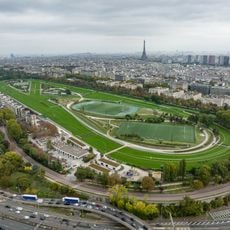
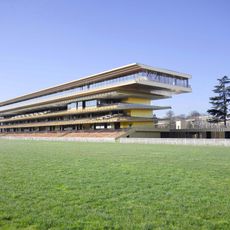
The Hippodrome de Longchamp in the northern section was the venue for the equestrian events of the 1900 Olympics and remains a major racecourse today. The grounds draw thousands of visitors each October for the Prix de l'Arc de Triomphe, one of the most famous gallops in Europe.
The community of curious travelers
AroundUs brings together thousands of curated places, local tips, and hidden gems, enriched daily by 60,000 contributors worldwide.