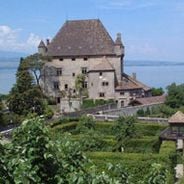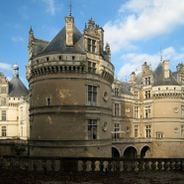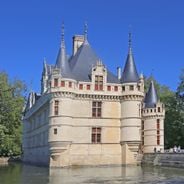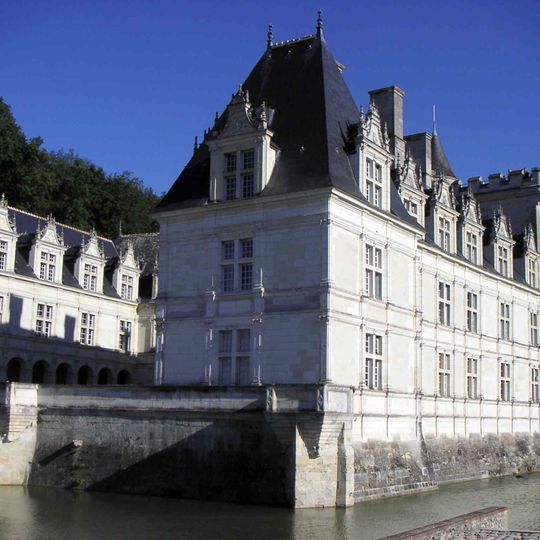
Château de Villandry, Renaissance château in Villandry, France
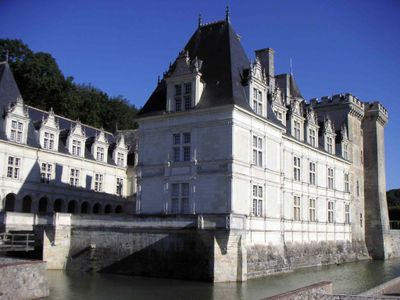
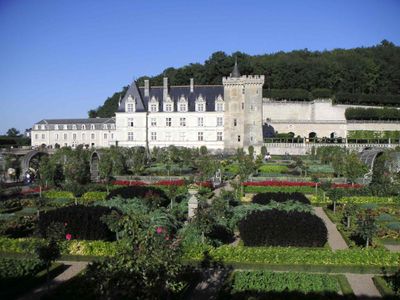
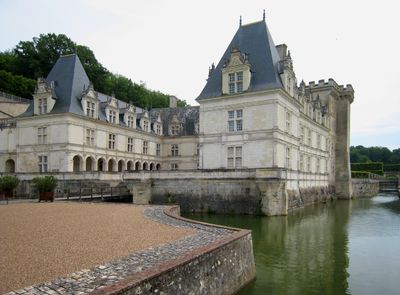
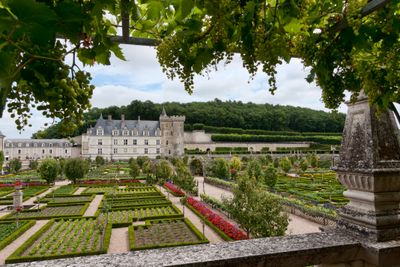
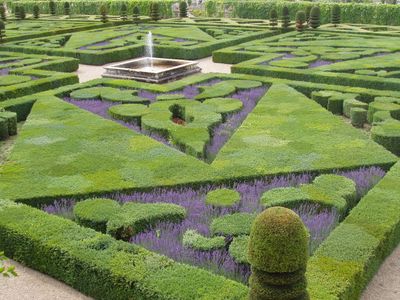
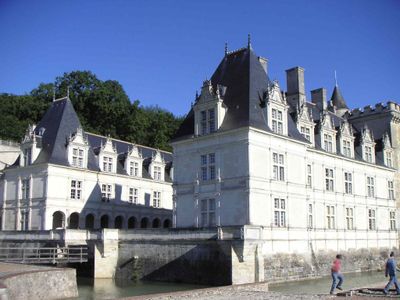
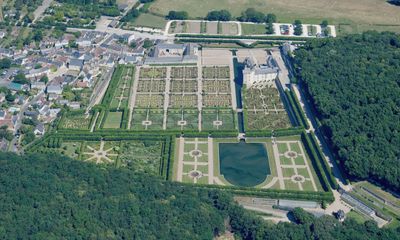
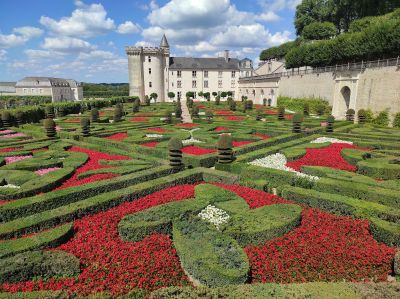
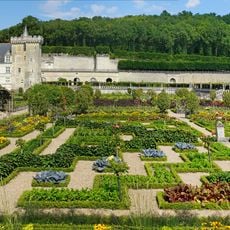
Château de Villandry is a Renaissance château in Villandry built from white stone with symmetrical architecture featuring two wings adorned with pavilions. It sits within systematically arranged gardens divided into separate sections containing vegetable plots, flower beds, medicinal herb gardens, and water features.
Jean Le Breton, Controller-General of France under King Francis I, constructed this château in 1532 while incorporating a preserved medieval defensive tower. This blend of newly built Renaissance architecture with an existing defensive structure shows how old elements were integrated into new designs.
The gardens embody Renaissance ideals where nature and geometry intentionally merge into one concept. Visitors can see how vegetables, flowers, and herbs are arranged in precise patterns that form a harmonious whole when viewed from above.
The château is open daily except Christmas and New Year's Day, with guided tours available in multiple languages throughout the main building. The gardens can be explored independently from the house, allowing flexible timing for your visit.
The kitchen gardens contain around 40 different vegetable varieties planted in alternating colors that create decorative patterns. This arrangement was originally conceived in the 16th century and is still maintained in its original form today.
Location: Villandry
Architectural style: Renaissance architecture
Website: http://chateauvillandry.fr
GPS coordinates: 47.34051,0.51448
Latest update: December 6, 2025 16:00
France has a notable horticultural heritage expressed through gardens of various styles spread across the country. This collection includes historical creations like the Renaissance gardens of Villandry, urban parks such as the Parc de la Tête d'Or in Lyon with its 290 acres and four tropical greenhouses, as well as mountain gardens like the Jardin Alpin in Chamonix. Visitors also discover specialized sites, including the Val-de-Marne Rose Garden with 3,300 rose varieties organized by historical periods. These spaces exhibit considerable botanical diversity, from the Mediterranean collections at Domaine du Rayol on the Côte d'Azur to tropical plants at the Serres d'Auteuil in Paris. Some gardens like the Jardin des Plantes in Nantes host more than 10,000 species from different climates, while others focus on specific collections like magnolias and hydrangeas at the Gaston Allard Arboretum in Angers. These sites combine scientific interest, botanical conservation, and the pleasure of strolling, offering visitors the chance to explore the plant richness of the entire world within carefully arranged settings.
The Loire Valley has castles built between the 15th and 17th centuries. They show the history of the French Renaissance and the classical period. These royal and noble homes tell stories of how people lived and built during those times. You can see carved staircases, water galleries, moats, defensive towers, and parks with geometric designs. Some castles like Chambord or Chenonceau are large and bold in design. Others, like Azay-le-Rideau or Villandry, are charming for their natural settings and restored gardens. Leonardo da Vinci is buried in Amboise. In Blois, four different building styles appear one after another. Loches has a medieval tower. Each place offers a different view of how kings, queens, and noble families lived and shaped this region.
The Loire Valley features Gothic cathedrals, Renaissance châteaux and medieval squares. From Saint-Gatien Cathedral to Château de Chenonceau, each location displays architectural details: towers, stone walls, decorated facades and geometric gardens. The city of Tours combines half-timbered houses, bridges over the Loire, religious buildings and public squares with century-old trees. Saint-Gatien Cathedral rises with its two towers and stained glass windows from the 13th century in the heart of Tours. Château de Chenonceau spans the Cher River with its galleries and French gardens. Place Plumereau in the historic center is surrounded by medieval houses with wooden beams. The Loire châteaux such as Amboise, Villandry and Azay-le-Rideau offer photographs of white stone facades, towers and terraced gardens. The banks of the Loire reveal sandy beaches, old stone bridges and vineyards stretching along the river.
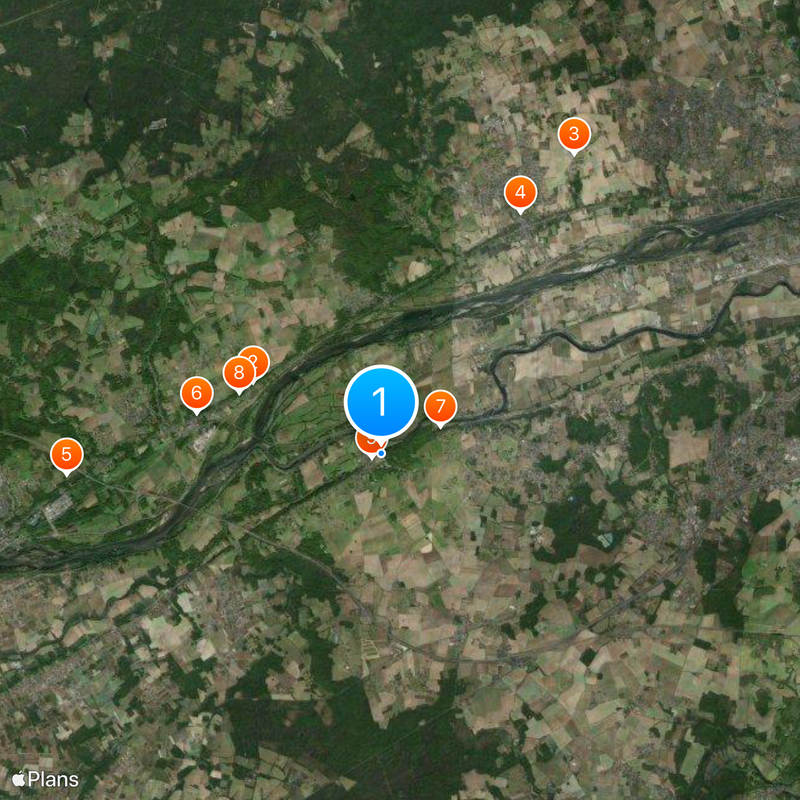
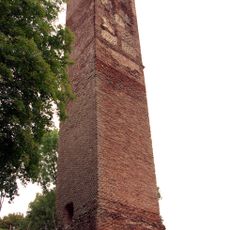
Pile de Cinq-Mars
3.1 km
Aqueduct of Luynes
7.5 km
Château de Luynes
5.9 km
Mask of la Roche-Cotard
6.7 km
Château de Cinq-Mars-la-Pile
4 km
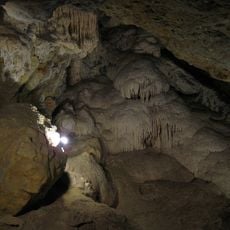
Grottes Pétrifiantes de Savonnières
1.4 km
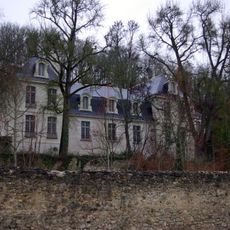
Château de la Farinière
3.3 km
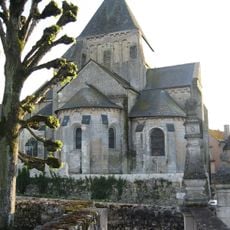
Église Saint-Étienne de Villandry
216 m
Prieuré de Saint-Venant
6.1 km
Manoir d'Andigny
3.4 km
Pierre aux Joncs
2.2 km
Église Saint-Venant de Ballan-Miré
7.5 km
Manoir de Fontenay
7.2 km
Église Saint-Étienne de Saint-Étienne-de-Chigny
4.9 km
Gardens of the Château de Villandry
96 m
Golf de Touraine
5.8 km
Église Saint-Pierre de Druye
3.9 km
Église Sainte-Geneviève de Luynes
5.8 km
Église Saint-Gervais-Saint-Protais de Savonnières
2.5 km
Église Saint-Médard de Vallères
4.4 km
Église Saint-Médard de Cinq-Mars-la-Pile
4 km
Chapelle des Chanoinesses de Luynes
6 km
Église Saint-Clement de La Chapelle-aux-Naux
7 km
Église Saint-Martin de Berthenay
2.7 km
Église Notre-Dame-des-Sept-Douleurs de Pont-de-Bresme
3.4 km
Maison à pans de bois
5.8 km
Manoir de Foncher
946 m
Vieille halle de Luynes
5.8 kmReviews
Visited this place? Tap the stars to rate it and share your experience / photos with the community! Try now! You can cancel it anytime.
Discover hidden gems everywhere you go!
From secret cafés to breathtaking viewpoints, skip the crowded tourist spots and find places that match your style. Our app makes it easy with voice search, smart filtering, route optimization, and insider tips from travelers worldwide. Download now for the complete mobile experience.
A unique approach to discovering new places❞
— Le Figaro
All the places worth exploring❞
— France Info
A tailor-made excursion in just a few clicks❞
— 20 Minutes