Luxembourg Museum, Art museum in 6th arrondissement of Paris, France
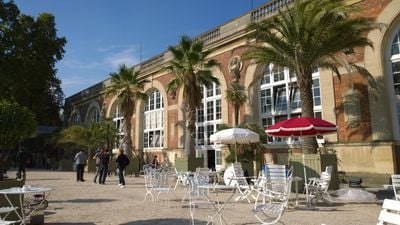
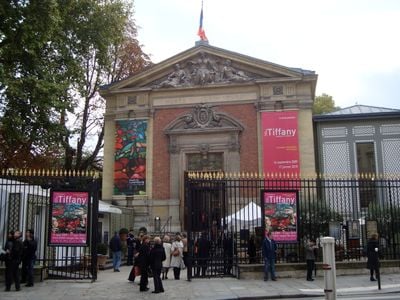
The Luxembourg Museum is an art museum in the 6th arrondissement of Paris, housed in a classical building within the sprawling gardens. It presents rotating exhibitions featuring works by French and European artists in its refined galleries.
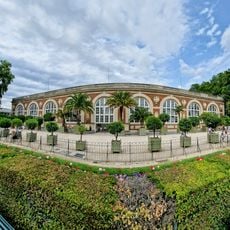
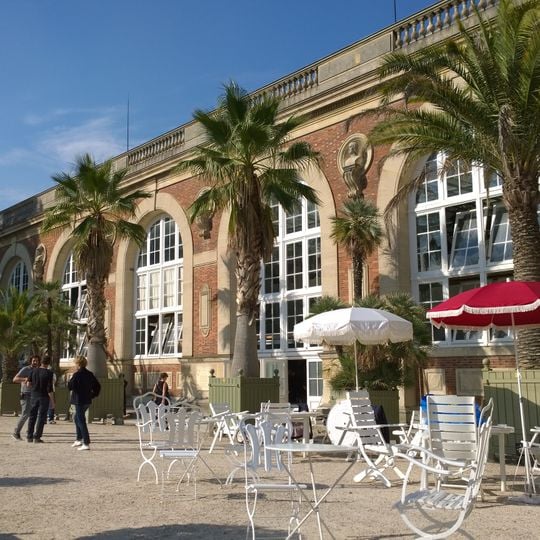
A royal painting gallery opened in the east wing of the Luxembourg Palace on 14 October 1750, showing 96 works from the King's collection, including Titian's Madonna of the Rabbit and a Leonardo. Closed in 1780, it reopened on 26 June 1803 under curator Jean Naigeon, and in 1818 became Europe's first contemporary art museum. In 1884 it moved into the palace's former orangery, the present building.
The museum's name comes from the Luxembourg Palace, whose east wing held the royal painting gallery from 1750; the west wing displayed Rubens's Marie de' Medici cycle. Since 2000 the French Senate, which sits in the palace, has overseen the museum, and exhibitions follow three lines tied to the site: the Renaissance in Europe, art and power, and the palace, garden and museum.
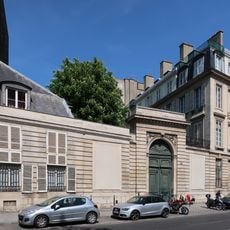
The museum occupies the former orangery of the Luxembourg Palace, set back from 19 rue de Vaugirard on the north-west edge of the Luxembourg Gardens, with the Petit Luxembourg garden to its east. Enter from the rue de Vaugirard side; the building adjoins the orangery to the south. Exhibitions are temporary and change periodically, so check what is on before travelling.
The museum's building was the former orangery of the Luxembourg Palace, and the museum moved into it in 1884. Before that, from 1750, its galleries occupied the east wing of the palace itself, where the Rubens cycle hung in the matching west wing.
The community of curious travelers
AroundUs brings together thousands of curated places, local tips, and hidden gems, enriched daily by 93,456 contributors worldwide.