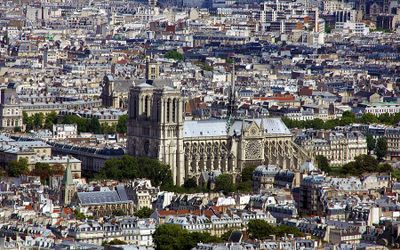
Notre-Dame de Paris, Catholic cathedral on Île de la Cité in Paris, France
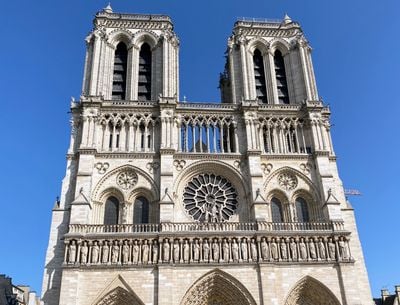
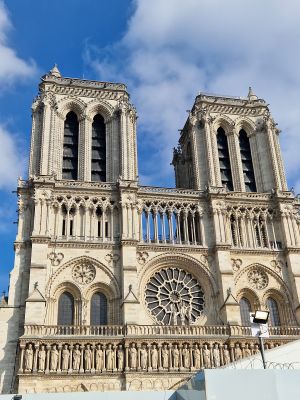
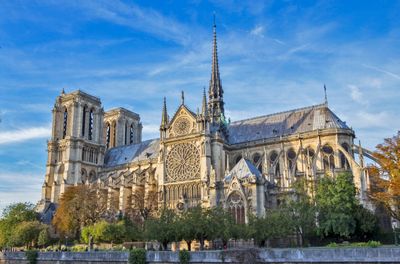
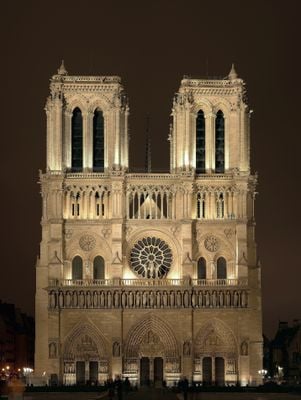
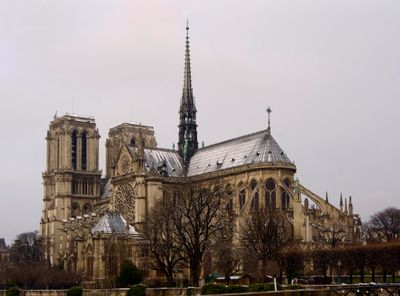
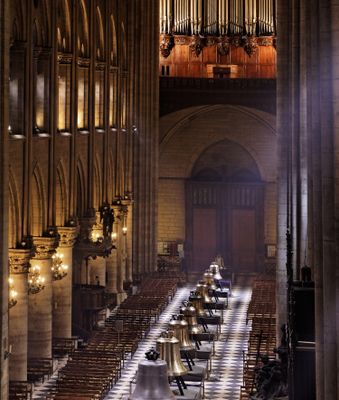
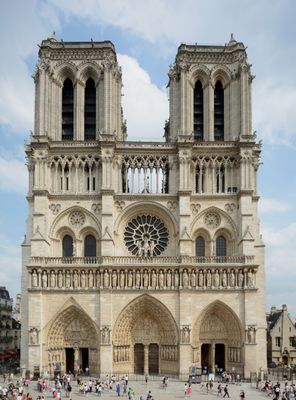
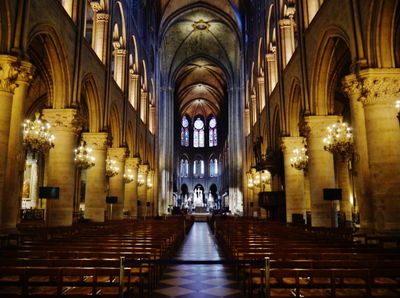
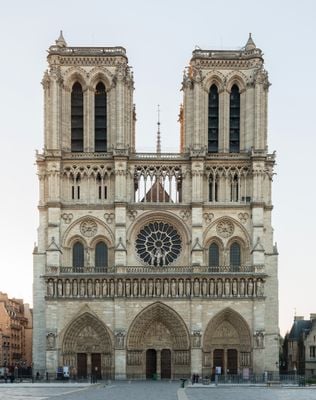
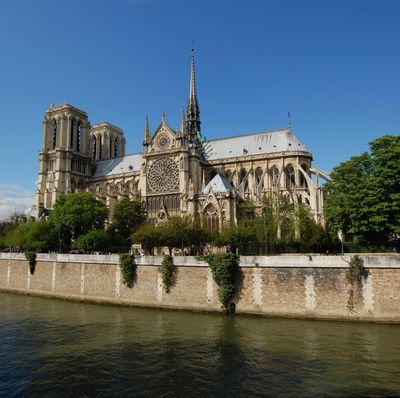
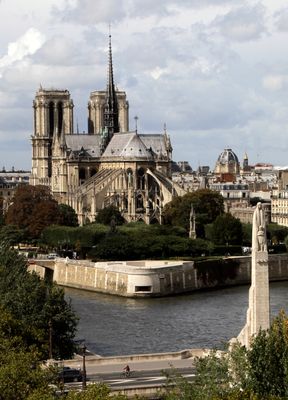
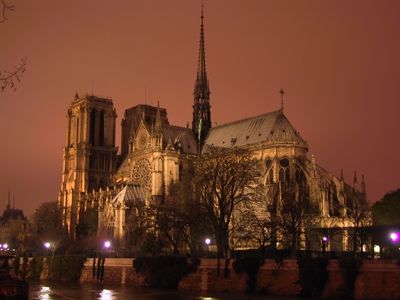
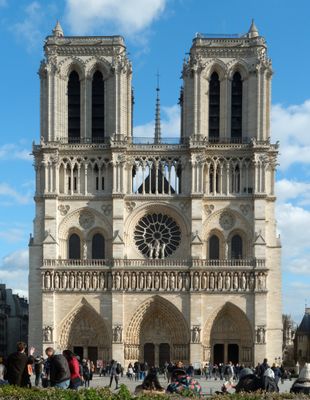
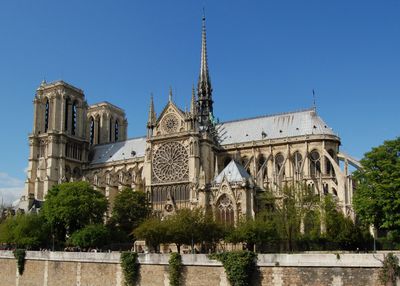
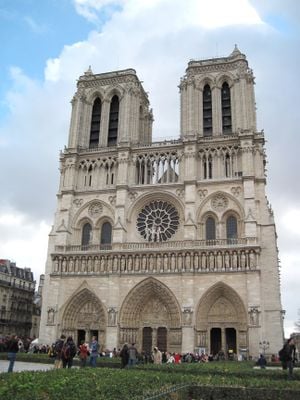
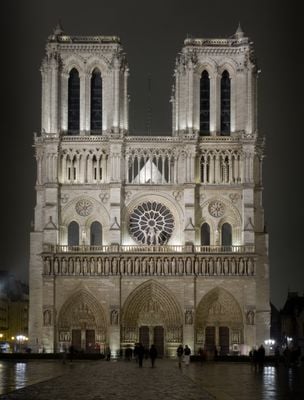
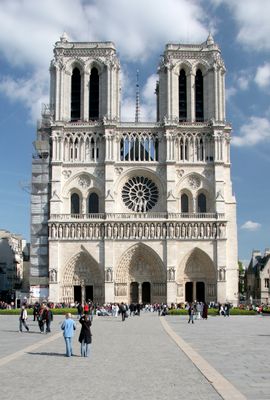
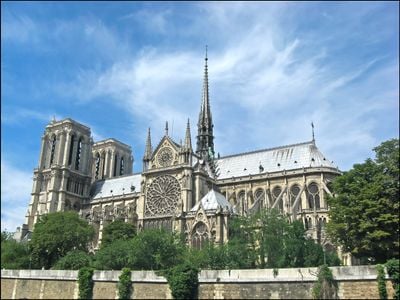
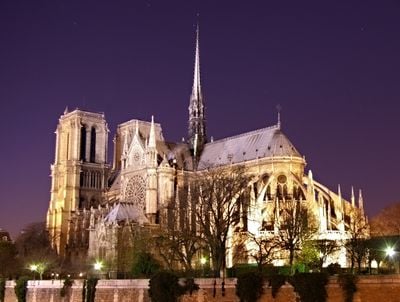
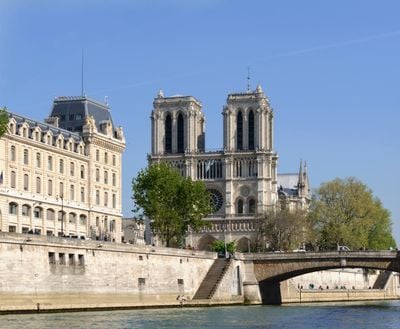
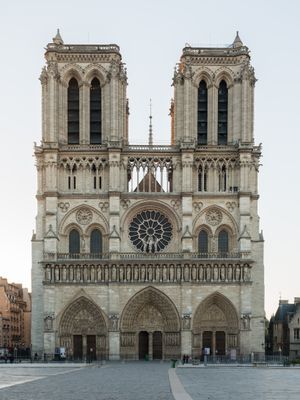
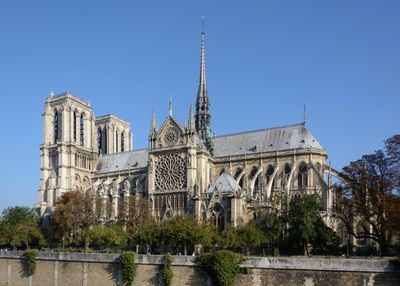
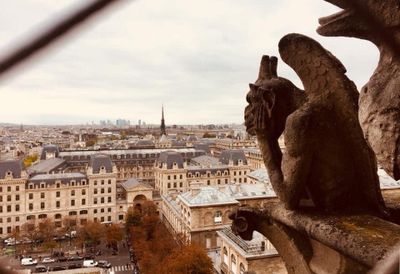
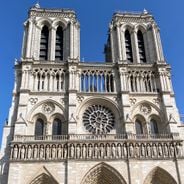
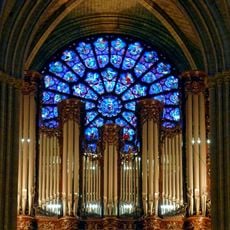
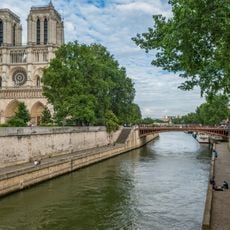
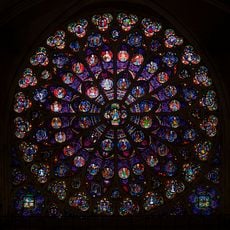
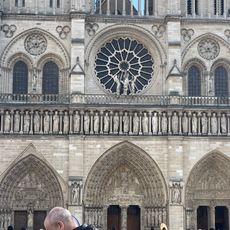
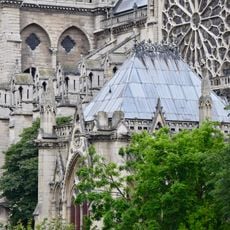
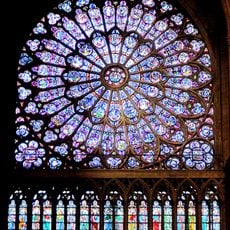
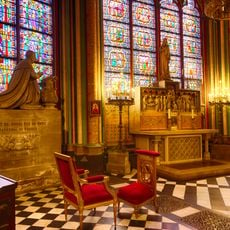
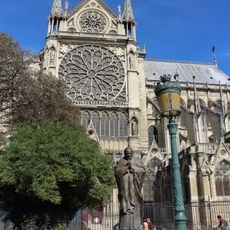
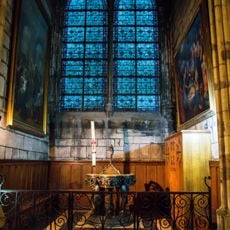
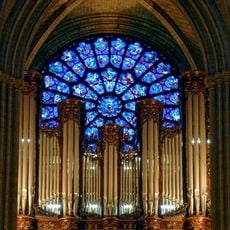
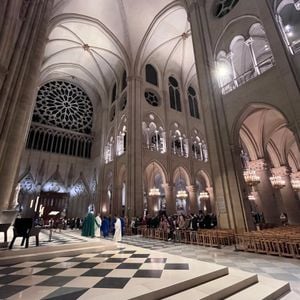
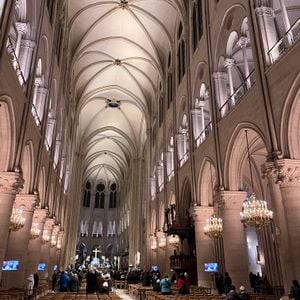
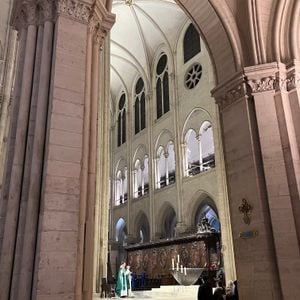
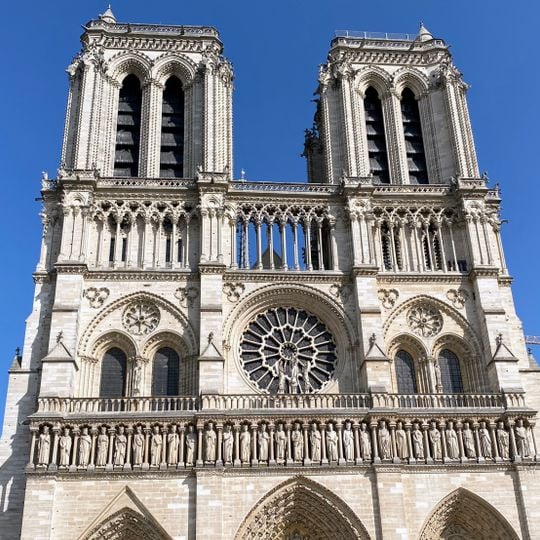
Cathédrale Notre-Dame de Paris is a Catholic cathedral on Île de la Cité in Paris, France. The building features two tall towers on the western front, three large circular stained-glass windows, and exterior stone supports that hold up the walls. Rows of columns carry the high stone ceilings inside, and pointed arches run along the length of the space, with many carved figures around the doors and walls.
Construction began in 1163 under Bishop Maurice de Sully on the site of an earlier church, and the main work was mostly finished by around 1260. The building was damaged during the French Revolution in the 1790s, when much of its religious imagery was broken or removed. In the 19th century, a long restoration led by Eugène Viollet-le-Duc repaired the stones and rebuilt the spire. A fire in April 2019 destroyed the wooden roof frame and the central spire again.
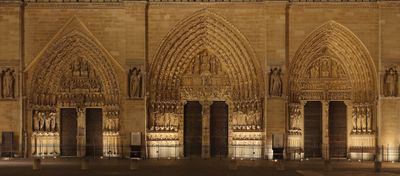
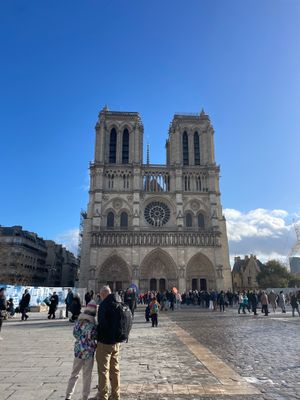
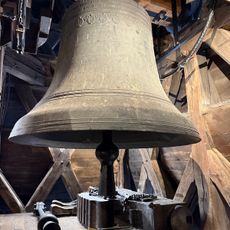
The west front works like a picture book in stone, with carved scenes meant to teach Bible stories to people who could not read. One doorway shows a large scene of the Last Judgment, with angels and saints, while a row of figures above once represented the kings of Judah. Local worshippers and tourists still gather under these carvings, and the bells tower above them signal moments of prayer.
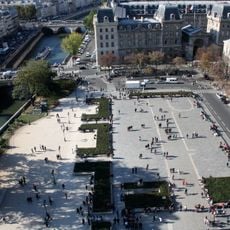
Check the official website before going, because the site is being restored after a fire and entry rules may change. The area around the front square is crowded for much of the day, so arriving early or late can make the experience easier. Comfortable shoes help, since the stone floors are uneven and walking around the whole building takes time.
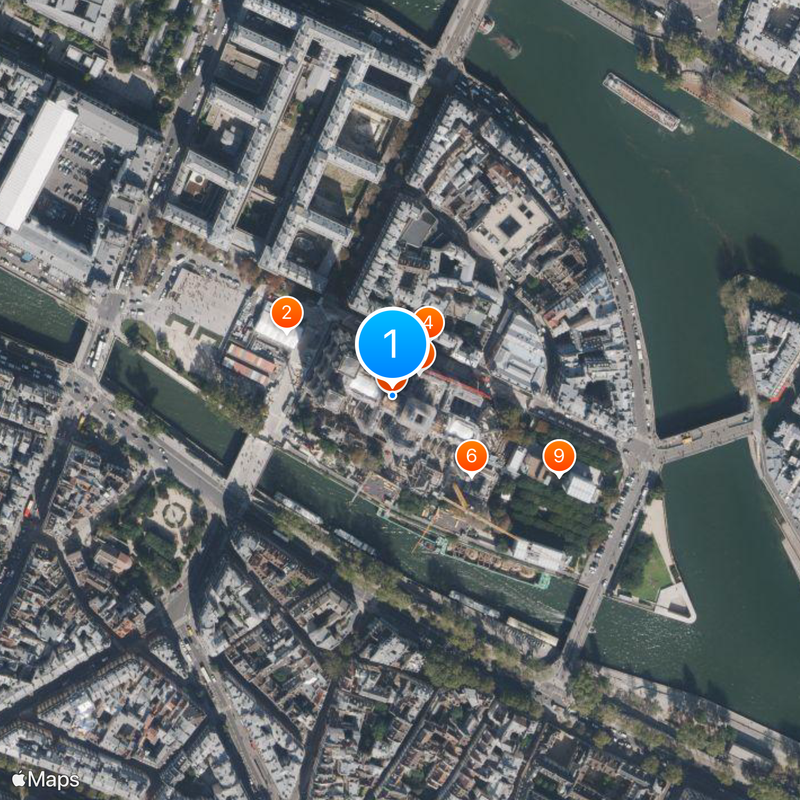
Under the pavement in front of the west façade lies a crypt with stone foundations left by buildings that stood on this island long before the cathedral. Visitors who go down there can see walls and rooms from the Roman period, showing how the city was already settled in this spot centuries ago. This hidden layer is easy to miss, as most people only look at the famous towers above.
The community of curious travelers
AroundUs brings together thousands of curated places, local tips, and hidden gems, enriched daily by 91,417 contributors worldwide.