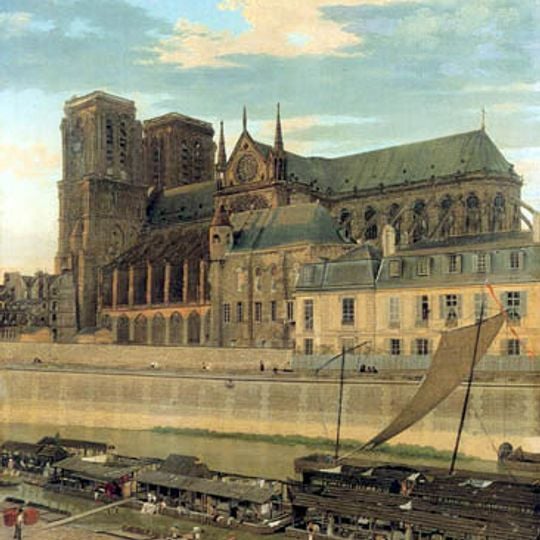
Palais de l'Archevêché de Paris, Episcopal residence in Île de la Cité, Paris, France
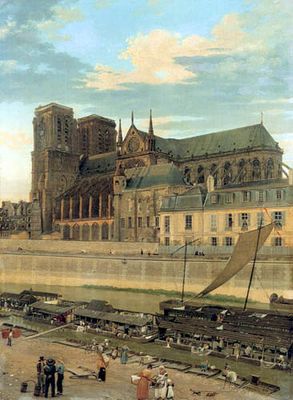
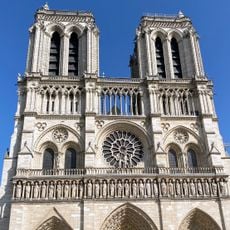
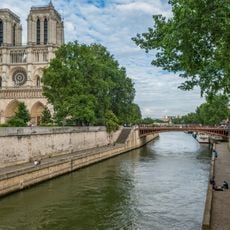
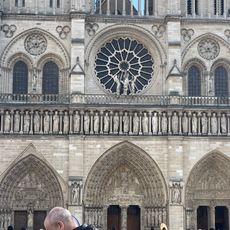
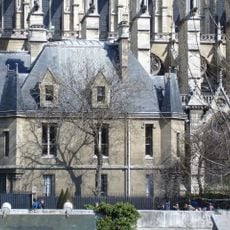
The Palais de l'Archevêché de Paris was a residence standing next to Notre-Dame Cathedral and combined Gothic and Renaissance architectural styles. The building contained multiple reception halls, private chambers, and a chapel that was later converted into an anatomical theater.
Construction began in 1161 under Maurice de Sully as a bishop's residence. The building served this purpose until it became the seat of an archbishopric in 1622, after which it underwent significant transformations during the Revolutionary period.
The palace was the administrative center for the archbishopric of Paris and hosted religious ceremonies closely tied to the cathedral's life. Its spaces reflected the bishop's importance in the city's spiritual and civic affairs.
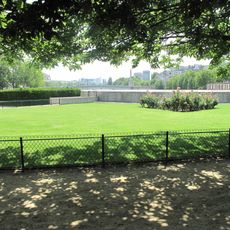
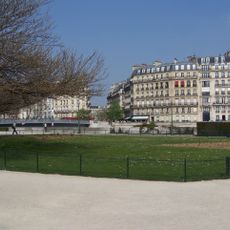
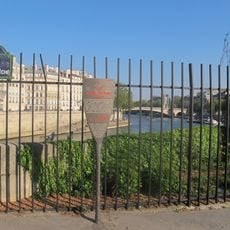
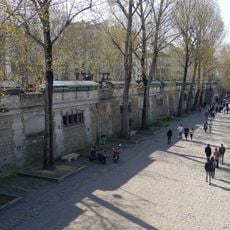
Since the palace was destroyed long ago, its location can only be verified through historical records that place it directly adjacent to Notre-Dame. Visitors today learn about the site primarily through written accounts and archives that document its former presence.
The building played a role during the French Revolution when it briefly housed meetings of the Constituent Assembly. These events reflected the deep divide between church institutions and the revolutionary ideals of the period.
The community of curious travelers
AroundUs brings together thousands of curated places, local tips, and hidden gems, enriched daily by 90,890 contributors worldwide.