See the monuments around you in AROpen chests in the app
Around Us is built for your phone — point your camera at the streets and discover the monuments and places around you in augmented reality.Around Us is built for your phone — chests unlock when you walk, explore and capture nearby places.
The Tour de France 2025 takes place from July 5 to 27 and marks the 112th edition of this major bike race. It is one of the three biggest road cycling events of the year. This collection shows the towns where the Tour caravan will stop, from northern cities like Lille and Dunkirk to the Norman lands and beyond. Each stage crosses regions full of history and character. You will see port towns facing the English Channel, old mining areas turned into new places, and medieval towns where the buildings tell stories of the past centuries. From Dunkirk’s bell tower to Lille’s fortifications, from Amiens’ cathedral to the half-timbered houses of Rouen, these spots show the country’s history. Some towns also have museums and monuments that remember key moments, like Caen with its memorial, or Bayeux with its famous 11th-century tapestry. Following the Tour is also about traveling through these regions and seeing how cycling has been a part of daily life for more than a hundred years.
The Tour de France 2025 takes place from July 5 to 27 and marks the 112th edition of this major bike race. It is one of the three biggest road cycling events of the year. This collection shows the towns where the Tour caravan will stop, from northern cities like Lille and Dunkirk to the Norman lands and beyond. Each stage crosses regions full of history and character. You will see port towns facing the English Channel, old mining areas turned into new places, and medieval towns where the buildings tell stories of the past centuries. From Dunkirk’s bell tower to Lille’s fortifications, from Amiens’ cathedral to the half-timbered houses of Rouen, these spots show the country’s history. Some towns also have museums and monuments that remember key moments, like Caen with its memorial, or Bayeux with its famous 11th-century tapestry. Following the Tour is also about traveling through these regions and seeing how cycling has been a part of daily life for more than a hundred years.
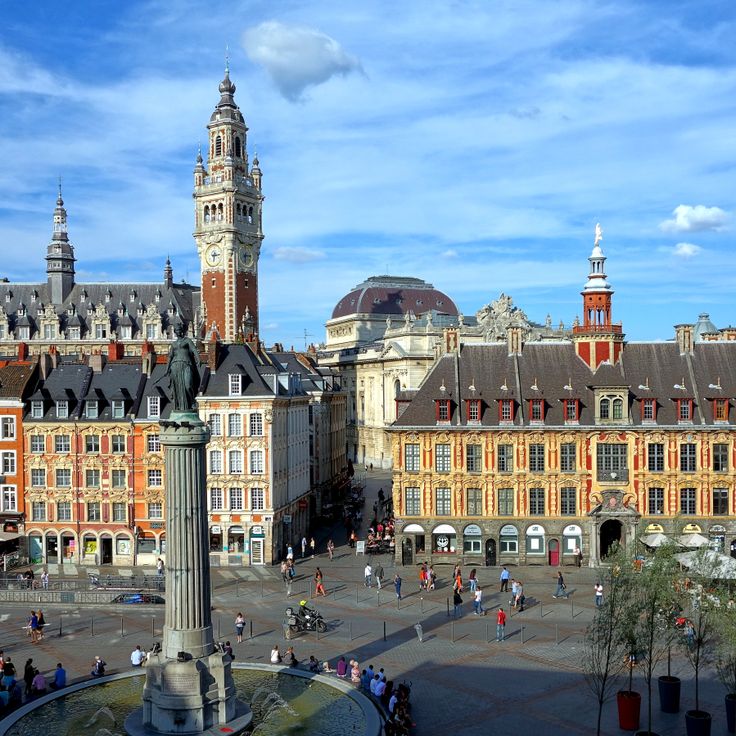
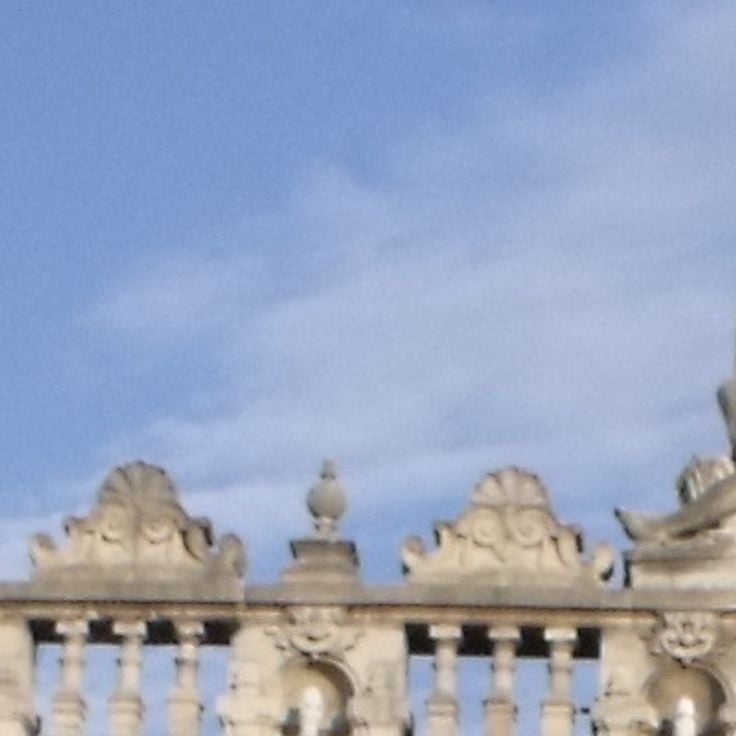
Lille is the capital of northern France and a major stage stop on the 2025 Tour de France. The city blends medieval heritage with contemporary life. Vauban's fortifications define the cityscape and are part of the UNESCO World Heritage List. Visitors find well-preserved timber-framed houses, spacious squares, and museums that tell the long story of the region. For centuries, Lille was a trading hub, something you can still sense walking through the old streets and historic quarters. During the Tour de France, residents and visitors come together to experience the energy of this important cycling stage.
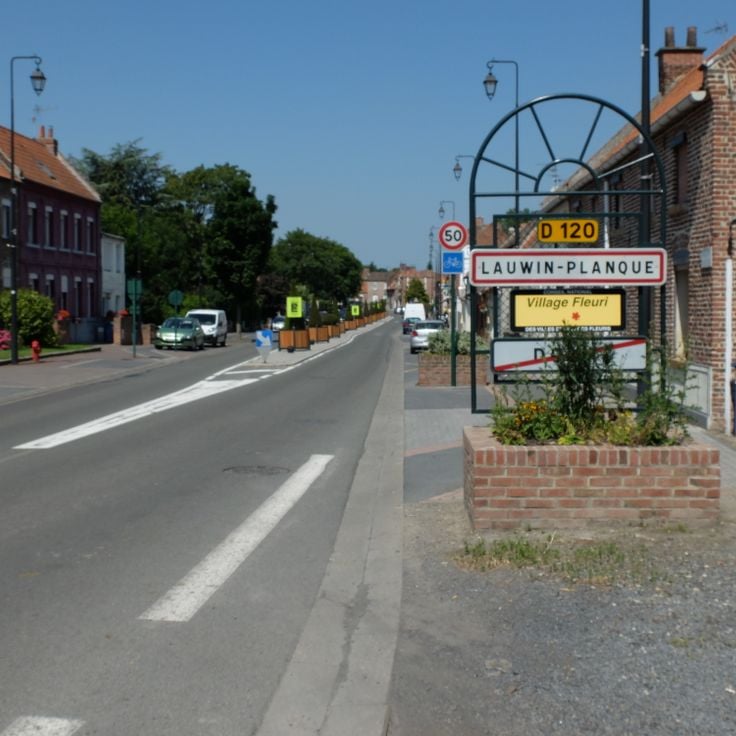
Lauwin-Planque is a small town in northern France located in the French coal mining region near Douai. Like many towns in the area, it has transformed from a mining center into a place with commercial zones and logistics facilities. This shift shows how northern French regions have reshaped their economies after mining declined. Lauwin-Planque is one of the towns the Tour de France 2025 passes through, illustrating how these industrial areas continue to evolve and support daily life in the region.
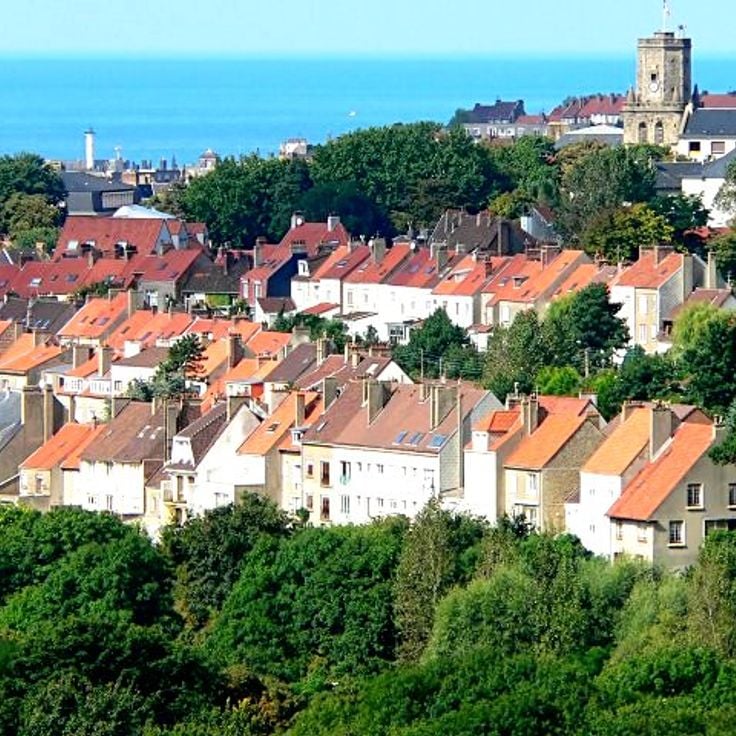
Boulogne-sur-Mer sits on the Opal Coast and is France's leading fishing port. This harbor town has a fortified old center where narrow streets wind between ancient walls. The Notre-Dame Basilica from the 19th century dominates the skyline with its striking dome. For the Tour de France 2025, this city represents the blend of harbor life and historical heritage visible in its fortifications and monuments. When cyclists pass through, they encounter a place where the sea and history shape daily life.
Valenciennes sits in northern France where two rivers meet and once thrived as a mining center. The city has transformed itself and now hosts a polytechnical university. When the Tour de France passes through, visitors encounter a place that connects its industrial past with modern education. The buildings and streets reflect this change, showing how a region built on mining work has reshaped itself for a different future.
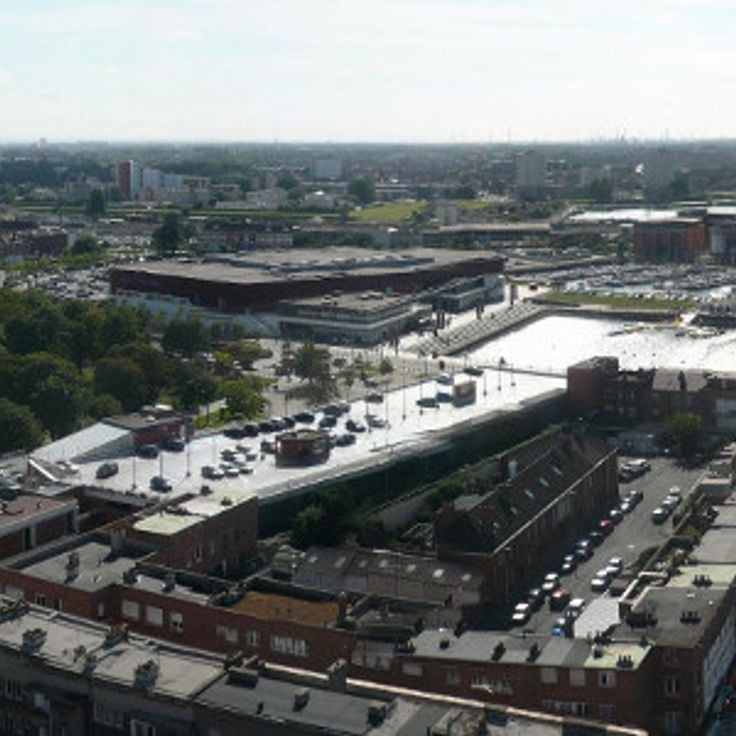
Dunkerque is an industrial and commercial port city in northern France on the North Sea. The town preserves historic fortifications and a belfry that is part of the UNESCO World Heritage list. As a stage city for the 2025 Tour de France, Dunkerque shows how a port city blends its maritime past with modern life today. The harbor shapes the character of the town, while old walls and towers tell stories of centuries gone by.
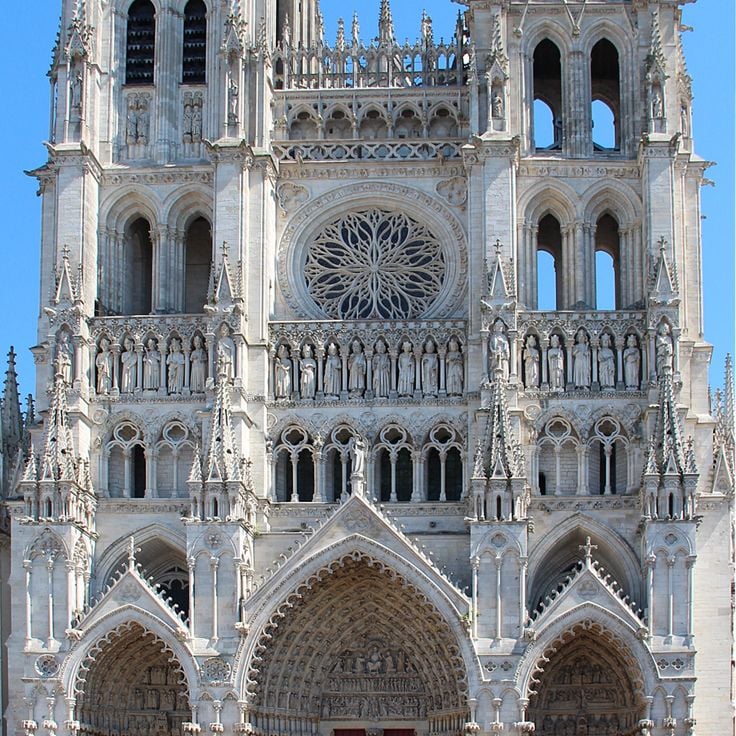
Amiens is a major city in the Hauts-de-France region, situated along the Somme River. Known for its Gothic cathedral, a UNESCO World Heritage site, Amiens reflects the cultural richness of northern France. The city features historic neighborhoods, broad canals, and a vibrant downtown where locals and visitors move through daily life. The cathedral stands as the centerpiece of Amiens, showcasing medieval architecture at its finest. During the 2025 Tour de France, Amiens serves as an important stop where the race passes through this historic city.
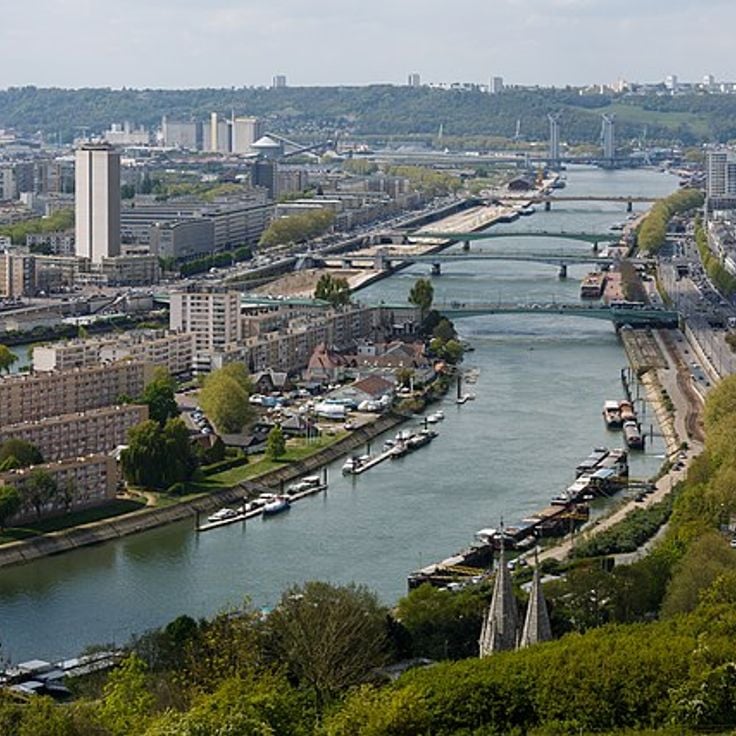
Rouen is the administrative capital of Normandy, situated on the Seine River. The city features a striking Gothic cathedral, Notre-Dame, which dominates the skyline above the old town. The narrow streets are lined with half-timbered houses that display distinctive wooden frameworks, defining the cityscape for centuries. As a stage town for the 2025 Tour de France, Rouen connects the history of this major cycling event with the rich heritage of this medieval Normandy city, where visitors walk among Gothic structures and traditional French architecture.
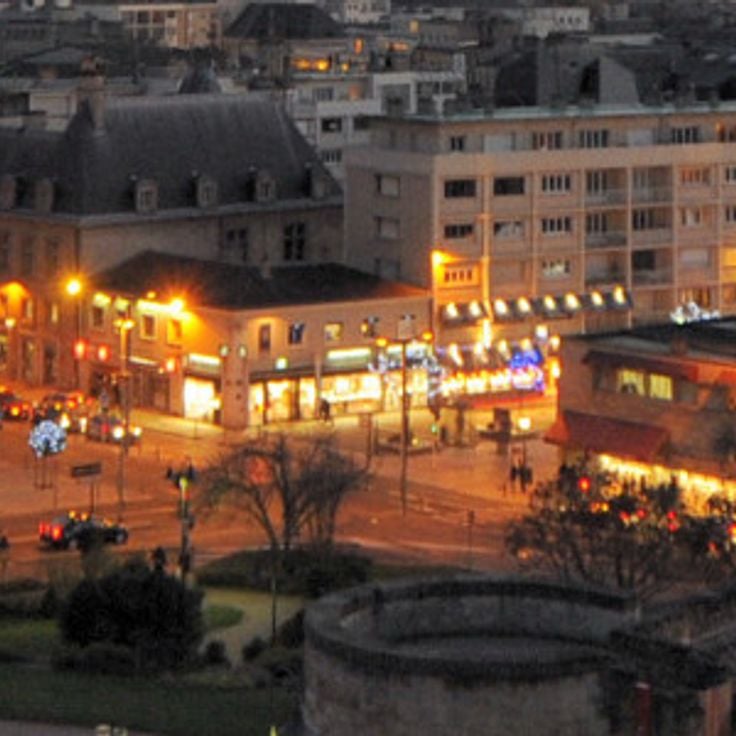
Caen is the capital of the Calvados department and sits close to the English Channel. The city is shaped by the Dukes' Castle, a massive structure from the 11th century. The Abbey for Men is a spiritual place with Romanesque architecture, dedicated to William the Conqueror. The war memorial documents World War Two history in a direct way. Caen was heavily destroyed during the war and rebuilt afterward. Today the city brings together medieval monuments with modern neighborhoods. The people have brought their city back to life. Passing through during the Tour de France, you experience a piece of French history here.
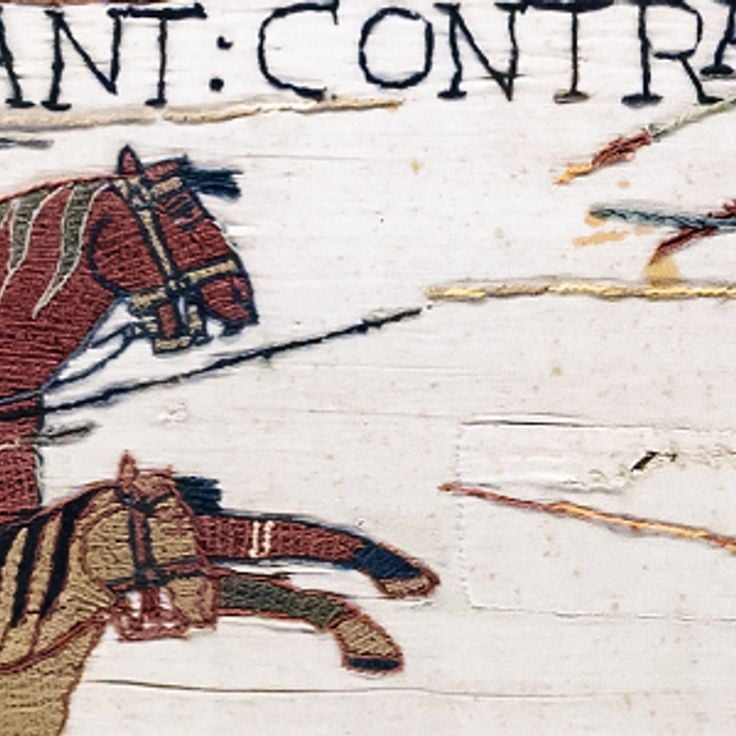
Bayeux is a Norman town in Calvados that houses the famous Bayeux Tapestry. This medieval embroidery from the 11th century depicts the Norman conquest of England. The town is a key stop on the 2025 Tour de France route and connects sporting passion with historical heritage. Visitors can wander through narrow streets lined with half-timbered houses and visit the museum that preserves this remarkable historical work.
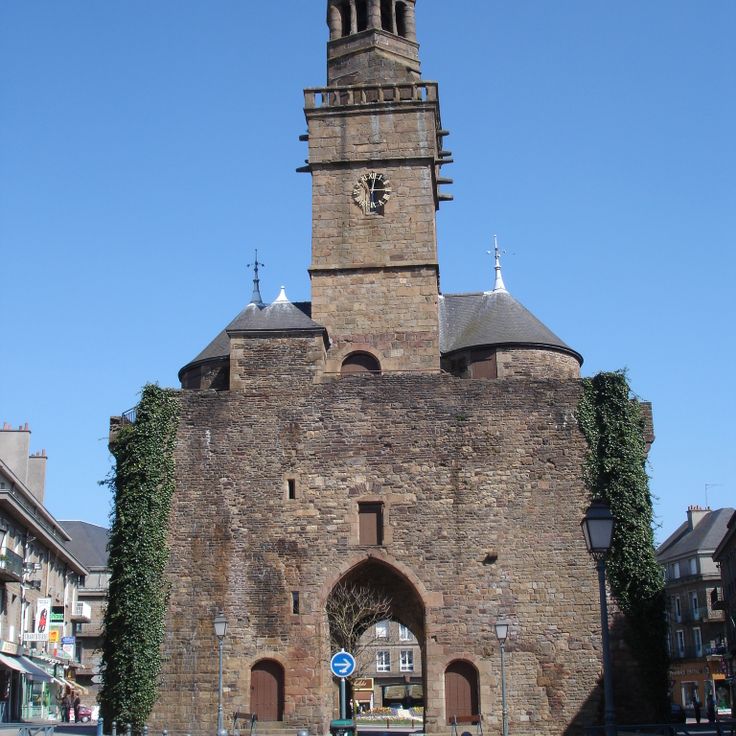
Vire is a town in Normandy with deep roots in textile production and commerce. Nestled in the Bocage landscape of rolling hills and hedgerows, it has served as a trade hub for centuries. The town displays typical Norman architecture with half-timbered houses and narrow streets that reflect its medieval past. Vire's location in the Calvados department made it an important industrial center. Today, as a stop on the 2025 Tour de France route, Vire welcomes cyclists and visitors to discover how this working town has shaped the region's character and sustained local traditions.
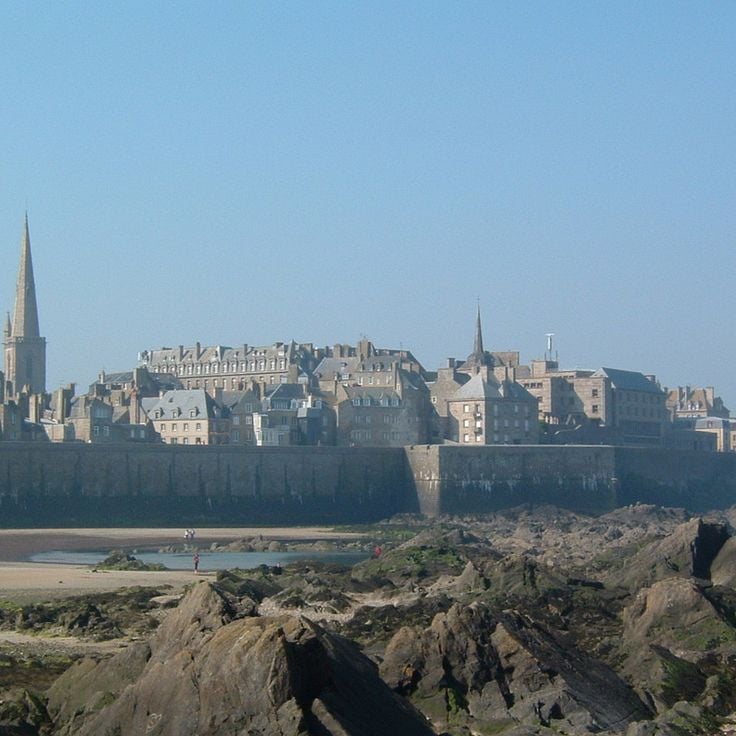
Saint-Malo is a fortified city on the Breton coast. The walls surrounding the city were built in the 17th century by the military engineer Vauban. The town sits on a granite rocky outcrop and served as an important port for centuries. Its residents made their living from trade and seafaring. Today you can walk along the top of the old walls and look out over the bay. The narrow streets inside the walls have old stone buildings that tell the story of the city's past.
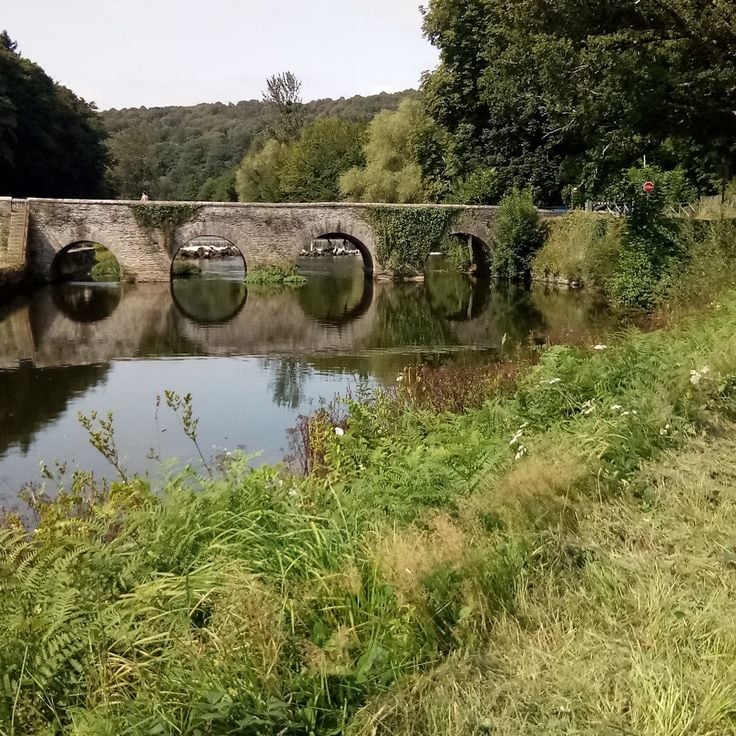
Guerlédan is an artificial lake created in 1930 when a dam was built across the Blavet River, spanning 400 hectares between Côtes-d'Armor and Morbihan. The lake serves as a place for recreation and water sports in Brittany. Walking trails and picnic areas surround the water, inviting visitors to explore the landscape. The lake has become part of the region's character and draws anglers and boaters throughout the year.
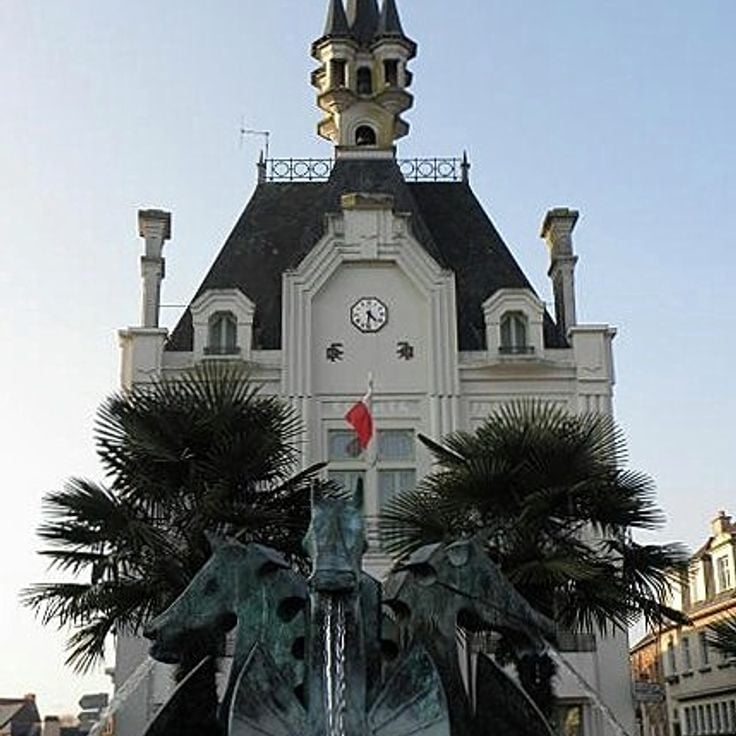
Saint-Méen-le-Grand is a Breton town that grew up around an old Benedictine abbey from the 6th century. The basilica dates from the 19th century and shapes the character of the place. This small town sits near Rennes and will be visited by the Tour de France 2025, running from July 5 to 27. Those who come here discover a piece of history reflecting centuries of French religious life and rural living.
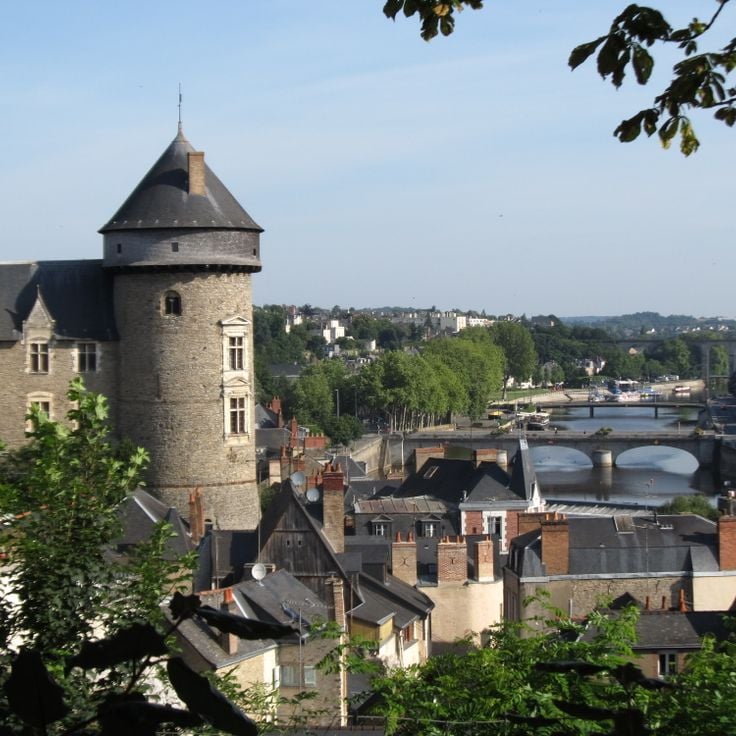
Laval is the capital of the Mayenne department and sits along the river of the same name. The city developed into an important industrial center for automotive and food production in the region. Home to about 50 000 people, Laval is a place where history and modern industry meet. During the 2025 Tour de France, visitors can explore this city positioned between the green landscapes of Pays de la Loire and the routes of the famous cycling race. Laval's location on the Mayenne river and its industrial heritage shape the character of this French city.
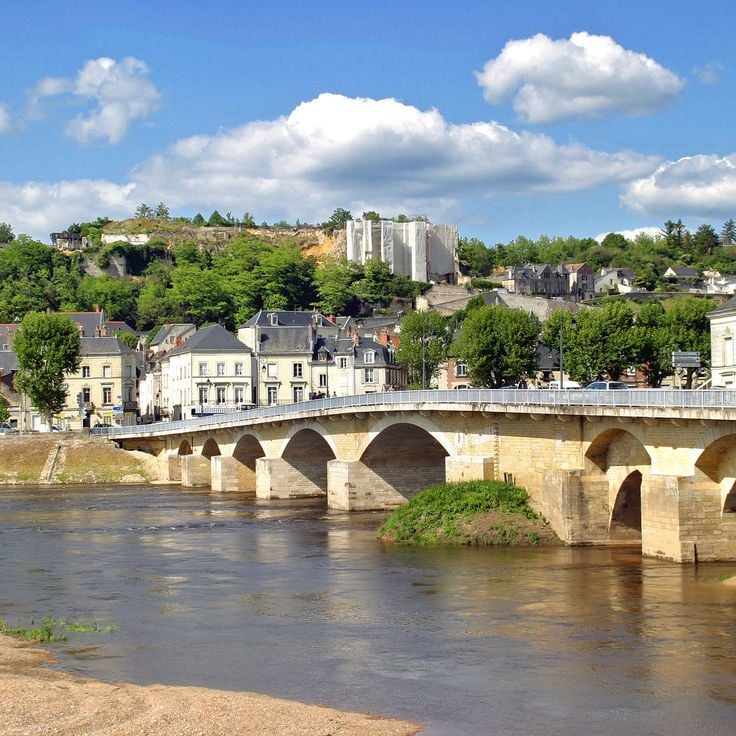
Chinon is a historic town perched above the Vienne River, with a royal fortress from the 12th century watching over the old streets below. The fortress once served as a residence for French kings and stands as a reminder of medieval power. Vineyards of Cabernet Franc spread across the surrounding countryside, where grapes have been grown for generations. The river flows through the valley and shapes the landscape around the town. Chinon sits on the Tour de France 2025 route, allowing cyclists and spectators to pass through this corner of central France.
Châteauroux is the capital of the Indre department, located where the Indre and Chézelle rivers meet. The city carries both medieval and industrial heritage in its appearance. During the Tour de France 2025, Châteauroux serves as one of the stage towns where cyclists and spectators pass through. Visitors can explore the old town center, where timber-framed buildings and stone structures tell stories of earlier centuries, and also see how the city developed as an industrial hub. The castle with its towers shapes the cityscape.
Ennezat is a small town with around 2500 residents in the Limagne plain, north of Clermont-Ferrand. The area is an agricultural center surrounded by grain fields. During the 2025 Tour de France, the race caravan will pass through this rural community, showing how cycling connects with everyday life in the French countryside. Ennezat represents the quieter side of France, far from busy cities, where farming and nature shape the daily rhythm.
Mont-Dore is a thermal spa town situated in the Massif Central at about 3450 feet (1050 meters) elevation in the Puy-de-Dôme department. The town serves as a starting point for hikes to Puy de Sancy. Within the context of the 2025 Tour de France, Mont-Dore represents a significant stage stop where the race caravan passes through the mountainous Auvergne region and crosses the volcanic landscapes of this French interior.
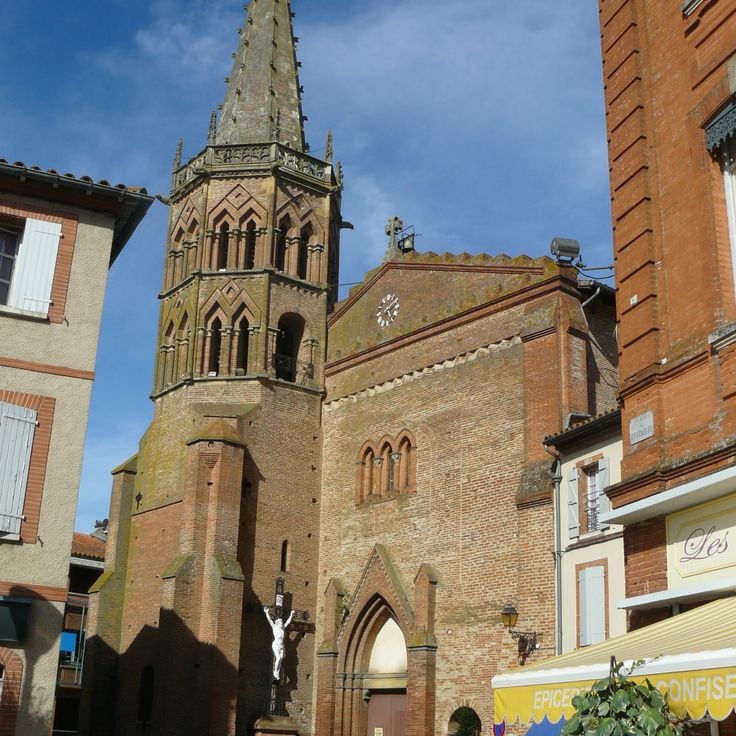
Toulouse is the capital of the Occitanie region and a major center of European aviation and aerospace. The city is known for its distinctive architecture made from red bricks, earning it the nickname 'pink city'. As one of the stopover towns during the 2025 Tour de France, Toulouse offers cyclists and spectators a pause in a city of significant industrial and cultural importance. The red brick buildings shape the urban landscape and create a recognizable character. Toulouse blends contemporary economic strength with historical appeal.
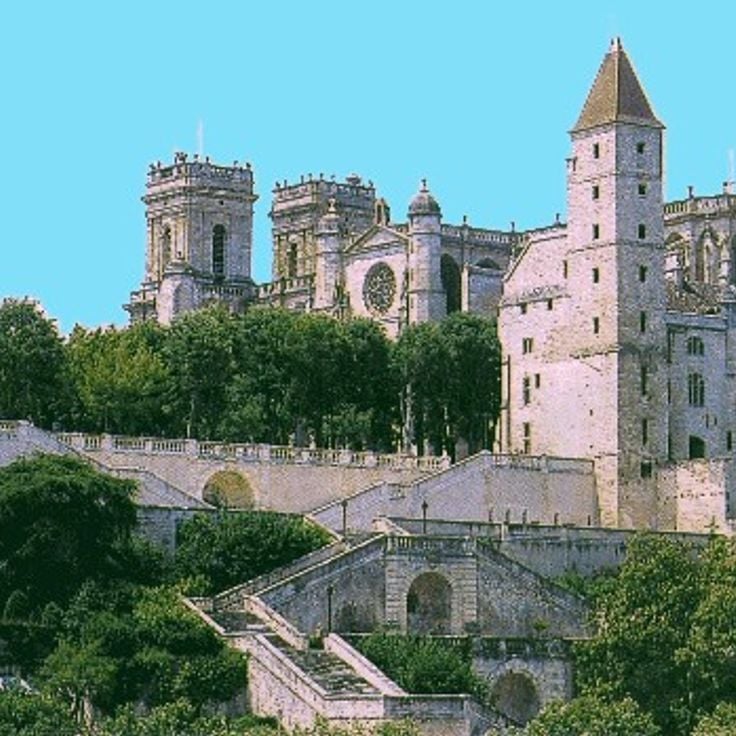
Auch is the administrative seat of the Gers department and sits on a hillside overlooking the Gers river valley. The city is dominated by its impressive Cathedral of Sainte-Marie, recognized as a UNESCO World Heritage site. From the heights, you can see across the surrounding landscape. The old town winds down the slope with narrow streets and small squares where life moves at a gentle pace. Historic buildings line the streets, showing centuries of construction and repair. Auch is an important stop on the 2025 Tour de France route, connecting the sport's legacy with the rich cultural heritage of this southwestern French city.
Hautacam is a mountain destination in the High Pyrenees that regularly serves as a Tour de France stage finish. The road climbing to this location at 1520 meters (4987 feet) is one of cycling's legendary ascents and presents riders with significant challenges. In winter, the area offers skiing opportunities, but Hautacam is primarily known among cycling fans as one of the places where the Tour stages its most demanding mountain battles.
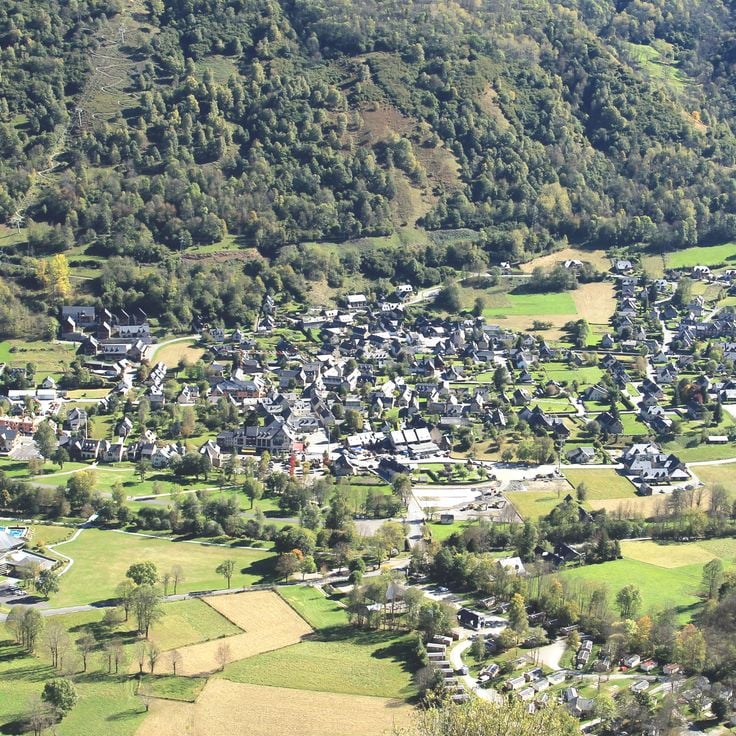
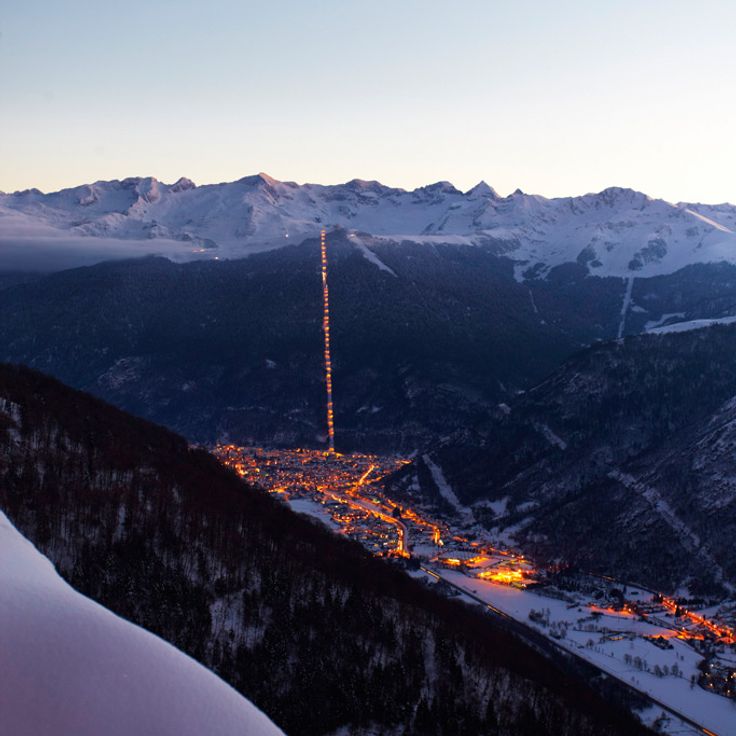
Loudenvielle is a thermal spa in the High Pyrenees at 970 meters elevation in the Louron Valley. Located between two mountain passes, Val Louron-Azet and Peyresourde, this spa town sits along a challenging route where Tour de France cyclists climb through alpine terrain. The mineral-rich warm waters draw visitors seeking relaxation after demanding mountain stages.
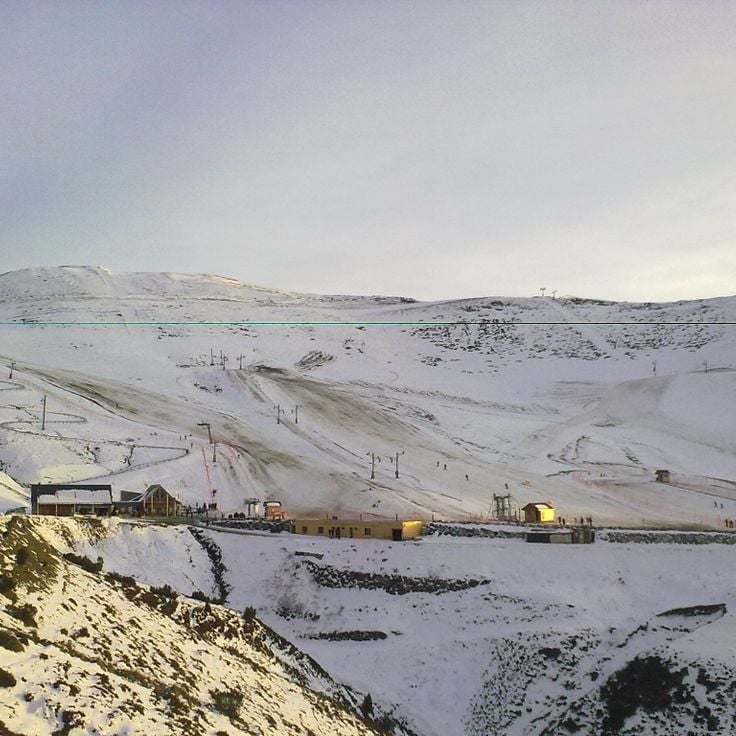
Peyragudes is a mountain location in the Pyrenees that serves as an important stage finish for the 2025 Tour de France. Set at about 1600 meters elevation in the Louron valley, this place is known as a ski resort. The location welcomes cyclists and spectators who gather to witness one of the legendary mountain finishes of this major cycling event. The steep slopes and rugged terrain make Peyragudes a demanding stage destination that tests the riders to their limits.
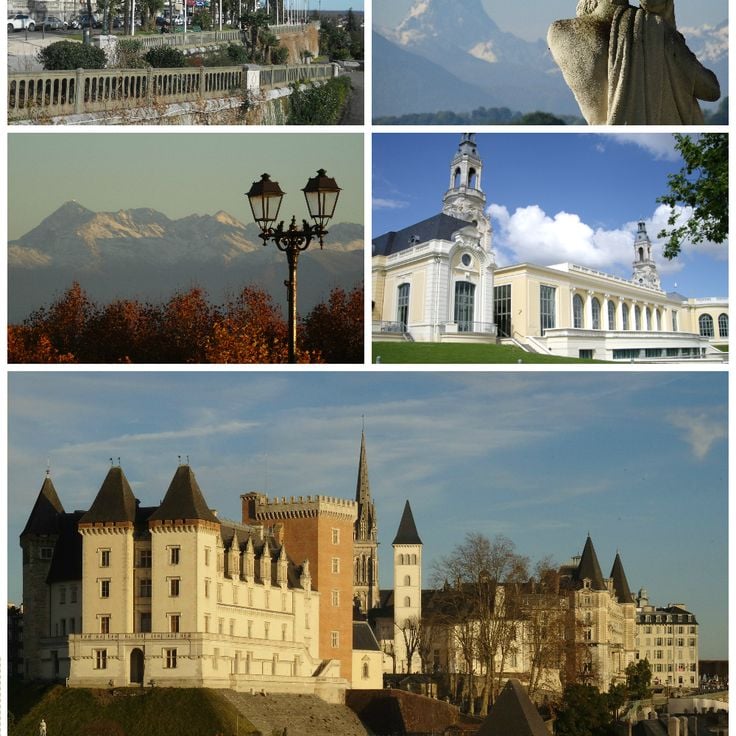
Pau sits on a cliff overlooking the Gave de Pau river in the Pyrenees. The city is a subprefecture and home to the royal castle where King Henry IV was born. The castle stands as a landmark above the town and carries centuries of history. As a stage town for the 2025 Tour de France, Pau draws cyclists and visitors who come to experience both its sporting role and its royal heritage. Positioned at the edge of the Pyrenees, the city marks an important point on the route through southwestern France.
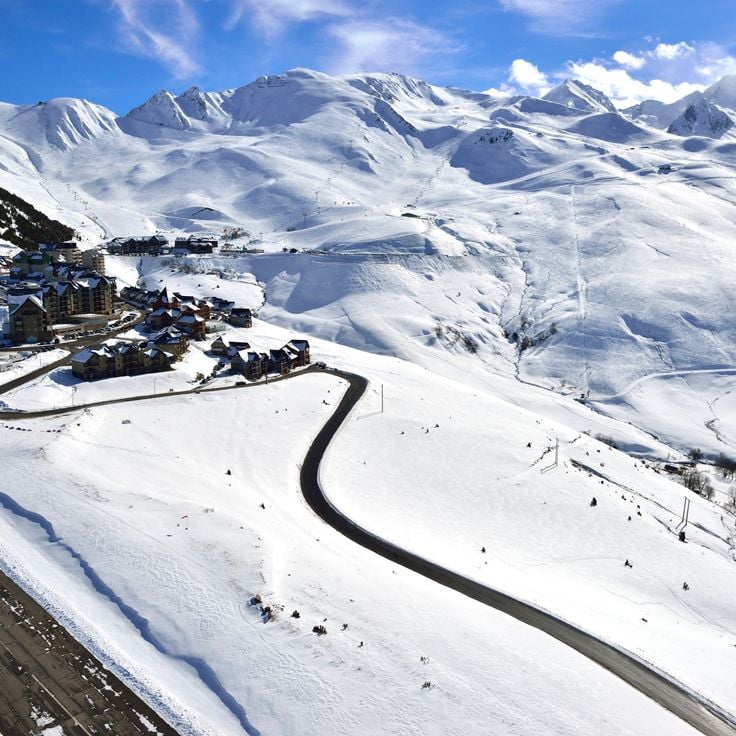
Luchon-Superbagnères is a winter sports station located at 1,800 meters (5,900 feet) in the Pyrenees, forming a key stop on the 2025 Tour de France route. This site welcomes alpine skiing and paragliding activities year-round. The station defines the mountainous character of southern France where the race unfolds. Visitors experience the rugged terrain of high-altitude terrain, which has drawn cyclists and spectators for decades.
Muret is a sub-prefecture located south of Toulouse, positioned on the route between Toulouse and the Pyrenees, nestled between the Garonne and Louge rivers. This town serves as a stage stop for the 2025 Tour de France, connecting cyclists and spectators to the broader journey across French territories. The rivers that flow through Muret shape its character and provide a setting where the race interacts with local life. The town's position at a crossroads between urban areas and mountain regions makes it a meaningful point along the Tour's path through southwestern France.
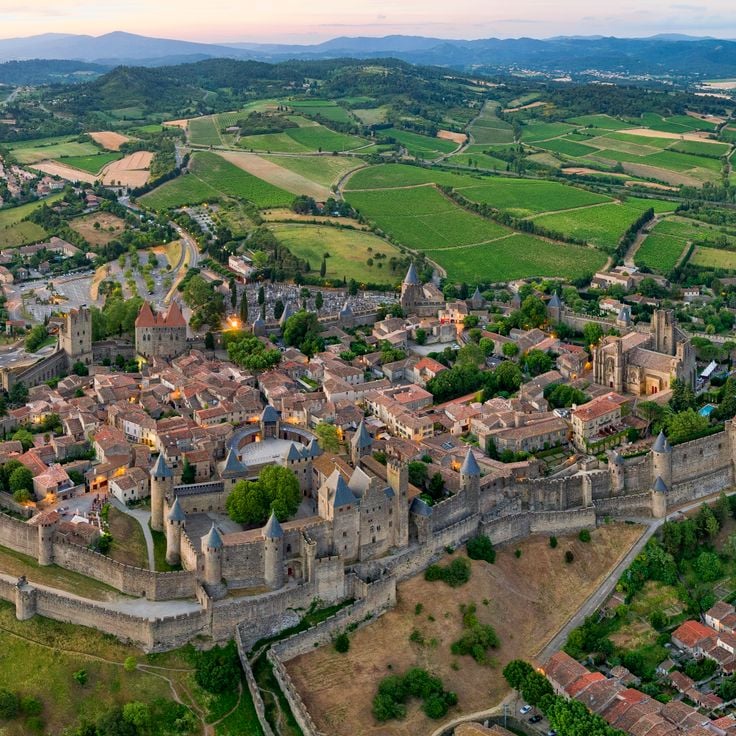
Carcassonne is a medieval town on the Tour de France 2025 route. The town sits within double walls built between the 13th and 14th centuries, with 52 watchtowers standing guard. At the heart lies the Count's Castle, a structure that has survived centuries of history. Walking through the narrow streets, you encounter stone buildings and squares that speak of the past. The fortified walls form one of the largest remaining defensive systems of this type in Europe. The town draws visitors who come to explore its layers of history and walk among walls that have stood for 700 years.
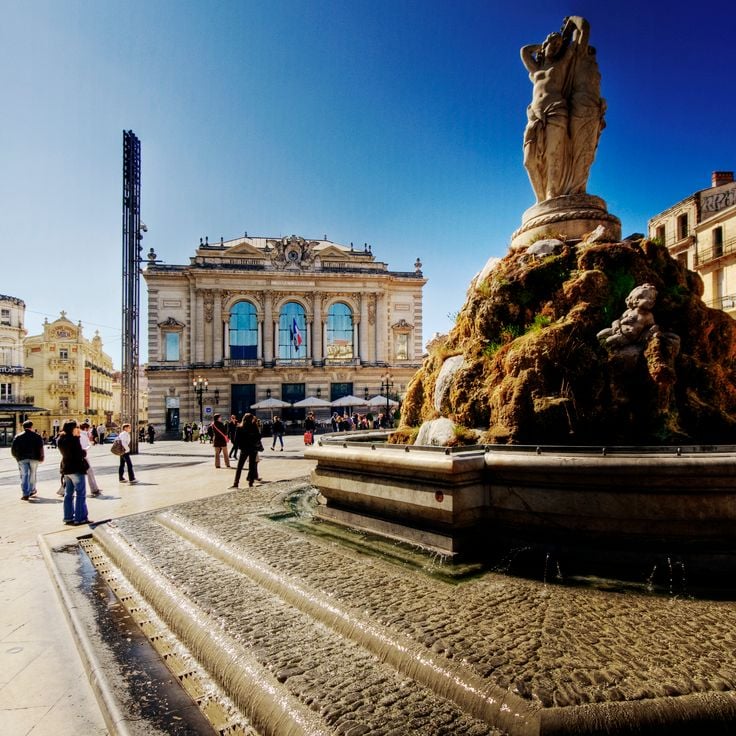
Montpellier is a southern French city known for having one of Europe's oldest medical schools, established in the 12th century. The city's heart is the Place de la Comédie, a grand square that feels like an open-air drawing room. Walking through Montpellier means moving between narrow medieval lanes and wide tree-lined avenues. The city has a lively mix of old stone buildings and newer architecture. In the 13th century, Montpellier was even a port city, though the sea has since receded from its shores. As a Tour stopover, the city welcomes cyclists and spectators to explore its blend of Mediterranean culture and French urban planning.
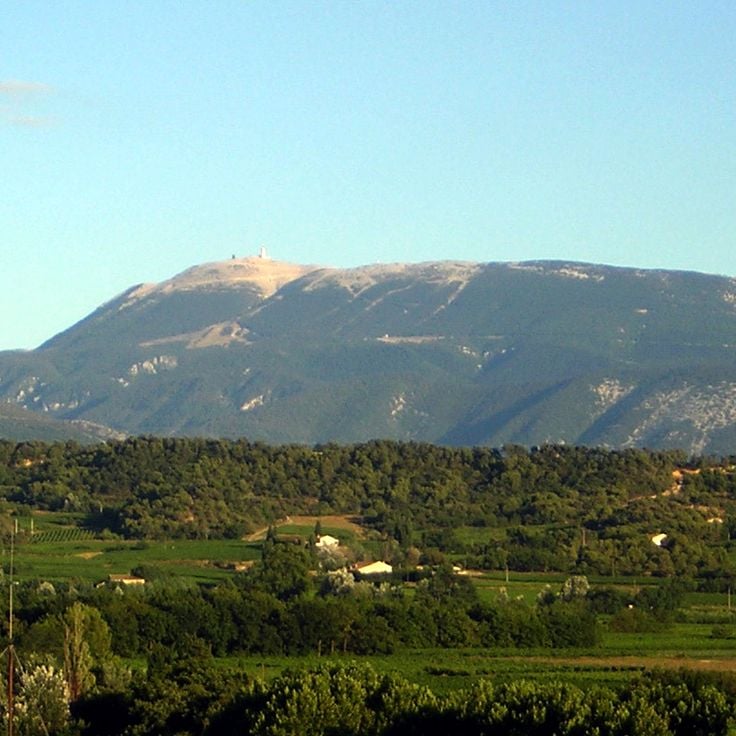
Mont Ventoux towers over the Provence landscape at 1909 meters and represents one of the most challenging climbs in the Tour de France. This white limestone peak rises from the Vaucluse region and changes dramatically as you ascend, moving from Mediterranean vegetation at lower elevations to bare, rocky terrain near the summit. The mountain's exposed slopes catch intense winds, making the final stretch toward the top particularly demanding. Over more than a century, cyclists have struggled against this giant, and the road itself has become part of cycling history. On race days, thousands of spectators line the routes to witness competitors test their limits on these steep grades.
Bollène sits near the banks of the Lez, close to the Rhône river, at the crossroads of three regions. This town in northern Vaucluse is a key stop along the 2025 Tour de France route. Bollène offers visitors access to river landscapes and the history of a region shaped by major transportation routes. The town shows how cycling has become woven into the daily life of its residents over more than a century.
Valence is a city in the Drôme department that regularly welcomes the Tour de France peloton. Located in the Rhône valley, this city features wide streets that make it well-suited for organizing stage finishes. Valence plays an important role as a stage town in the race calendar, as the flat geography and good road networks of the region provide ample space for major events.
Vif is a town located in the Gresse Valley south of Grenoble, surrounded by the Vercors and Belledonne mountain ranges. As a stage town for the 2025 Tour de France, Vif represents how cycling connects communities across the Alps. The town sits at the heart of mountainous terrain that defines much of the race's route through southeastern France. Visitors can experience the relationship between local life and the cycling event that passes through each summer.
Courchevel is a ski resort in the Tarentaise Valley at 1850 meters elevation in Savoy. The resort features several interconnected ski areas and modern facilities. While Courchevel is not directly on the 2025 Tour de France route, this mountain town represents the French Alps region that many stages pass through. The infrastructure and terrain of this area show how the landscape shapes the race route and daily life in the mountain regions.
Albertville is an alpine town located where the Tarentaise and Beaufortain valleys meet in the French Alps. The town gained international recognition when it hosted the 1992 Winter Olympics, an event that left a lasting mark on the community and its facilities. For the 2025 Tour de France, Albertville serves as a significant checkpoint where the race caravan passes through this mountainous region. The town connects its Olympic heritage with its role as a gateway to two important mountain valleys. Visitors find a place that preserves its Winter Games legacy while functioning as a living crossroads in the alpine landscape.
La Plagne is a large ski resort in the French Alps. It connects eleven mountain villages spread across different elevations. Lifts and cable cars allow visitors to move between them easily. The area spans more than 2000 meters of elevation change. Skiers find slopes for all abilities here. In winter, it attracts sports enthusiasts from across Europe. The villages maintain their alpine character while modern facilities provide comfort for visitors.
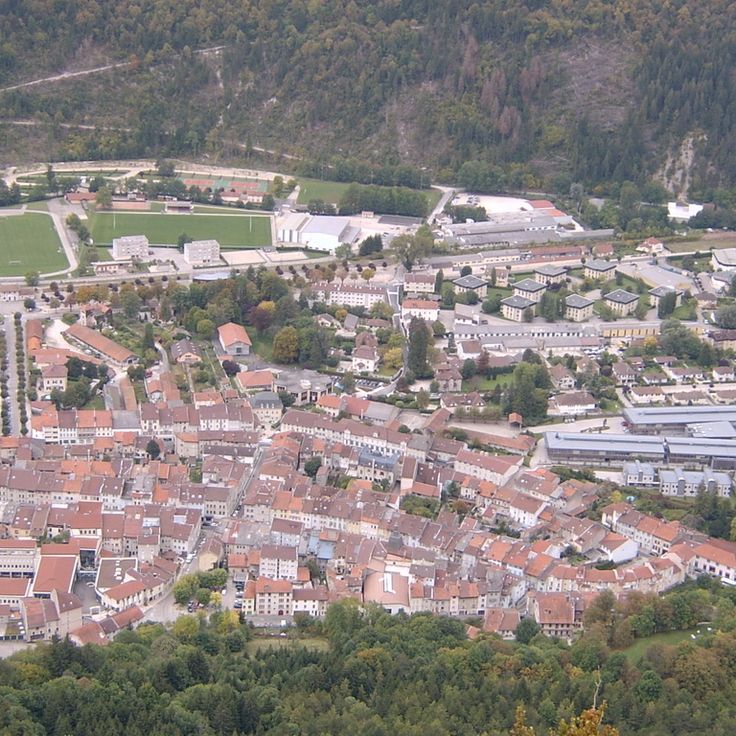
Nantua is a small city in the Ain department, situated on the shores of Lake Nantua. Surrounded by the limestone formations of the southern Jura mountains, this town serves as a stage stop for the 2025 Tour de France. Nantua connects cycling to a region known for its natural setting, with forests and mountainous terrain shaping the landscape. The lake and surrounding peaks create a distinct character that draws visitors seeking both natural beauty and outdoor exploration.
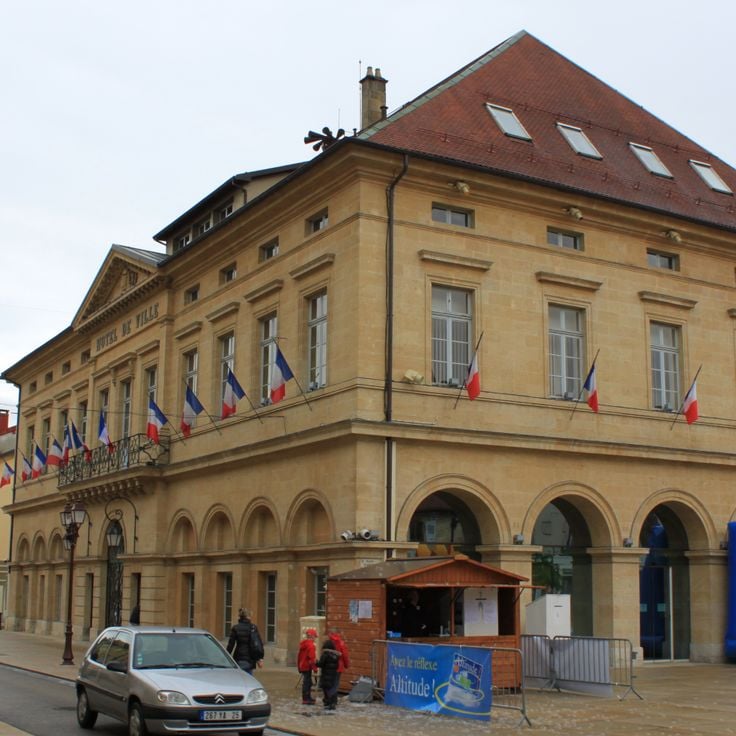
Pontarlier is located in the French Jura region at an elevation of 2,745 feet (837 meters). This town serves as an administrative and economic hub for the surrounding areas. It is known for its production of absinthe and local cheese specialties that are valued throughout the region. Pontarlier is an important stop along the route of the Tour de France 2025. Visitors will find here a blend of craft traditions and local history that shape life in this mountain region.
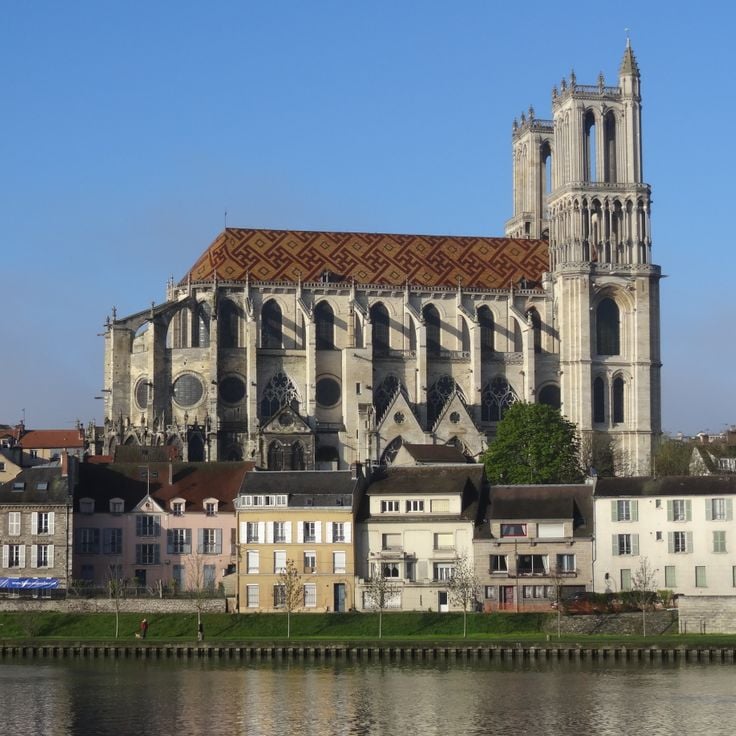
Mantes-la-Jolie sits along the Seine River, roughly 50 kilometers from Paris. As a stage stop for the 2025 Tour de France, this town shows the range of French regions the cyclists pass through. The city is shaped by the 12th-century Collégiale Notre-Dame and a medieval bridge that crosses the Seine. This place brings together centuries of history with the energy of modern cycling, inviting visitors to discover the traces of the past.
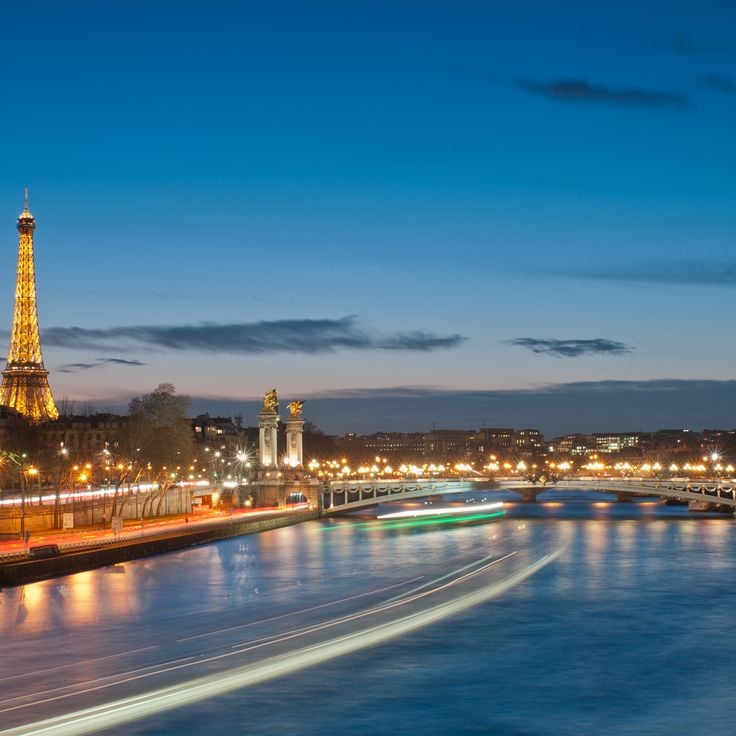
Paris is the capital of France and serves as a major stop on the Tour de France 2025 route. The city is known for its museums, historical monuments, and wide streets that invite exploration. The Seine river flows through Paris, connecting different neighborhoods. Visitors can discover churches, gardens, and squares that shape the city's character. Paris has been closely connected to cycling for more than a century, with the race playing an important role in the city's sporting life.
Lille is the capital of northern France and a major stage stop on the 2025 Tour de France. The city blends medieval heritage with contemporary life. Vauban's fortifications define the cityscape and are part of the UNESCO World Heritage List. Visitors find well-preserved timber-framed houses, spacious squares, and museums that tell the long story of the region. For centuries, Lille was a trading hub, something you can still sense walking through the old streets and historic quarters. During the Tour de France, residents and visitors come together to experience the energy of this important cycling stage.
Lauwin-Planque is a small town in northern France located in the French coal mining region near Douai. Like many towns in the area, it has transformed from a mining center into a place with commercial zones and logistics facilities. This shift shows how northern French regions have reshaped their economies after mining declined. Lauwin-Planque is one of the towns the Tour de France 2025 passes through, illustrating how these industrial areas continue to evolve and support daily life in the region.
Boulogne-sur-Mer sits on the Opal Coast and is France's leading fishing port. This harbor town has a fortified old center where narrow streets wind between ancient walls. The Notre-Dame Basilica from the 19th century dominates the skyline with its striking dome. For the Tour de France 2025, this city represents the blend of harbor life and historical heritage visible in its fortifications and monuments. When cyclists pass through, they encounter a place where the sea and history shape daily life.
Valenciennes sits in northern France where two rivers meet and once thrived as a mining center. The city has transformed itself and now hosts a polytechnical university. When the Tour de France passes through, visitors encounter a place that connects its industrial past with modern education. The buildings and streets reflect this change, showing how a region built on mining work has reshaped itself for a different future.
Dunkerque is an industrial and commercial port city in northern France on the North Sea. The town preserves historic fortifications and a belfry that is part of the UNESCO World Heritage list. As a stage city for the 2025 Tour de France, Dunkerque shows how a port city blends its maritime past with modern life today. The harbor shapes the character of the town, while old walls and towers tell stories of centuries gone by.
Amiens is a major city in the Hauts-de-France region, situated along the Somme River. Known for its Gothic cathedral, a UNESCO World Heritage site, Amiens reflects the cultural richness of northern France. The city features historic neighborhoods, broad canals, and a vibrant downtown where locals and visitors move through daily life. The cathedral stands as the centerpiece of Amiens, showcasing medieval architecture at its finest. During the 2025 Tour de France, Amiens serves as an important stop where the race passes through this historic city.
Rouen is the administrative capital of Normandy, situated on the Seine River. The city features a striking Gothic cathedral, Notre-Dame, which dominates the skyline above the old town. The narrow streets are lined with half-timbered houses that display distinctive wooden frameworks, defining the cityscape for centuries. As a stage town for the 2025 Tour de France, Rouen connects the history of this major cycling event with the rich heritage of this medieval Normandy city, where visitors walk among Gothic structures and traditional French architecture.
Caen is the capital of the Calvados department and sits close to the English Channel. The city is shaped by the Dukes' Castle, a massive structure from the 11th century. The Abbey for Men is a spiritual place with Romanesque architecture, dedicated to William the Conqueror. The war memorial documents World War Two history in a direct way. Caen was heavily destroyed during the war and rebuilt afterward. Today the city brings together medieval monuments with modern neighborhoods. The people have brought their city back to life. Passing through during the Tour de France, you experience a piece of French history here.
Bayeux is a Norman town in Calvados that houses the famous Bayeux Tapestry. This medieval embroidery from the 11th century depicts the Norman conquest of England. The town is a key stop on the 2025 Tour de France route and connects sporting passion with historical heritage. Visitors can wander through narrow streets lined with half-timbered houses and visit the museum that preserves this remarkable historical work.
Vire is a town in Normandy with deep roots in textile production and commerce. Nestled in the Bocage landscape of rolling hills and hedgerows, it has served as a trade hub for centuries. The town displays typical Norman architecture with half-timbered houses and narrow streets that reflect its medieval past. Vire's location in the Calvados department made it an important industrial center. Today, as a stop on the 2025 Tour de France route, Vire welcomes cyclists and visitors to discover how this working town has shaped the region's character and sustained local traditions.
Saint-Malo is a fortified city on the Breton coast. The walls surrounding the city were built in the 17th century by the military engineer Vauban. The town sits on a granite rocky outcrop and served as an important port for centuries. Its residents made their living from trade and seafaring. Today you can walk along the top of the old walls and look out over the bay. The narrow streets inside the walls have old stone buildings that tell the story of the city's past.
Guerlédan is an artificial lake created in 1930 when a dam was built across the Blavet River, spanning 400 hectares between Côtes-d'Armor and Morbihan. The lake serves as a place for recreation and water sports in Brittany. Walking trails and picnic areas surround the water, inviting visitors to explore the landscape. The lake has become part of the region's character and draws anglers and boaters throughout the year.
Saint-Méen-le-Grand is a Breton town that grew up around an old Benedictine abbey from the 6th century. The basilica dates from the 19th century and shapes the character of the place. This small town sits near Rennes and will be visited by the Tour de France 2025, running from July 5 to 27. Those who come here discover a piece of history reflecting centuries of French religious life and rural living.
Laval is the capital of the Mayenne department and sits along the river of the same name. The city developed into an important industrial center for automotive and food production in the region. Home to about 50 000 people, Laval is a place where history and modern industry meet. During the 2025 Tour de France, visitors can explore this city positioned between the green landscapes of Pays de la Loire and the routes of the famous cycling race. Laval's location on the Mayenne river and its industrial heritage shape the character of this French city.
Chinon is a historic town perched above the Vienne River, with a royal fortress from the 12th century watching over the old streets below. The fortress once served as a residence for French kings and stands as a reminder of medieval power. Vineyards of Cabernet Franc spread across the surrounding countryside, where grapes have been grown for generations. The river flows through the valley and shapes the landscape around the town. Chinon sits on the Tour de France 2025 route, allowing cyclists and spectators to pass through this corner of central France.
Châteauroux is the capital of the Indre department, located where the Indre and Chézelle rivers meet. The city carries both medieval and industrial heritage in its appearance. During the Tour de France 2025, Châteauroux serves as one of the stage towns where cyclists and spectators pass through. Visitors can explore the old town center, where timber-framed buildings and stone structures tell stories of earlier centuries, and also see how the city developed as an industrial hub. The castle with its towers shapes the cityscape.
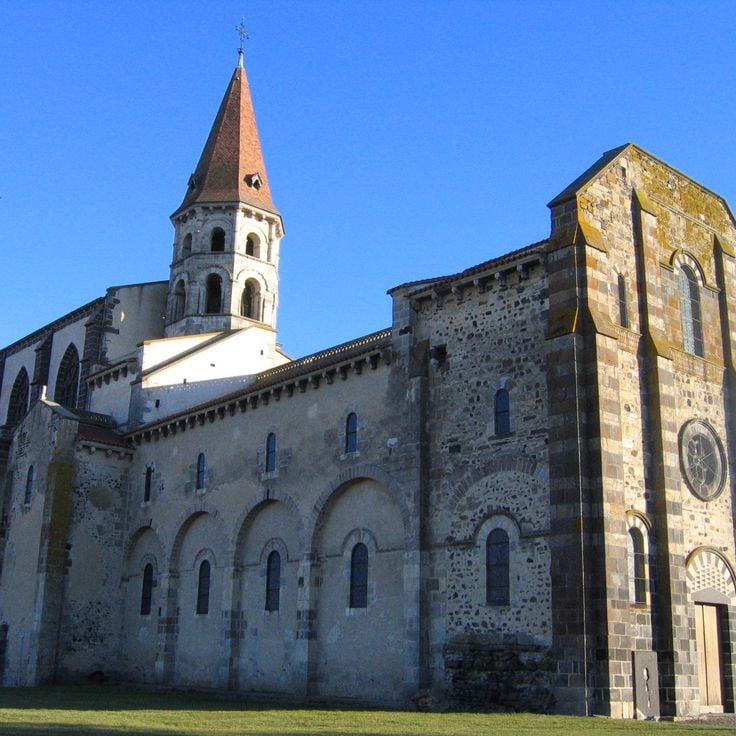
Ennezat is a small town with around 2500 residents in the Limagne plain, north of Clermont-Ferrand. The area is an agricultural center surrounded by grain fields. During the 2025 Tour de France, the race caravan will pass through this rural community, showing how cycling connects with everyday life in the French countryside. Ennezat represents the quieter side of France, far from busy cities, where farming and nature shape the daily rhythm.
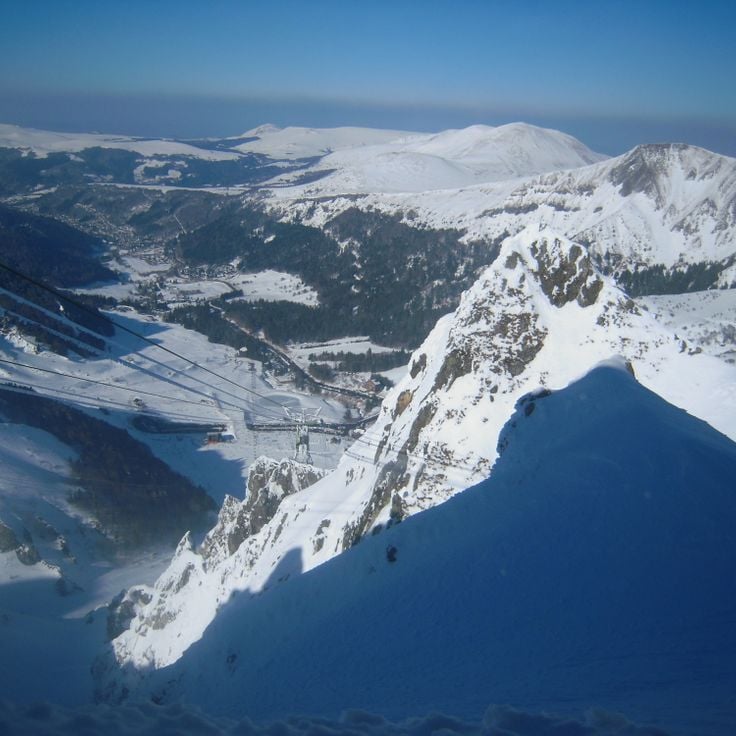
Mont-Dore is a thermal spa town situated in the Massif Central at about 3450 feet (1050 meters) elevation in the Puy-de-Dôme department. The town serves as a starting point for hikes to Puy de Sancy. Within the context of the 2025 Tour de France, Mont-Dore represents a significant stage stop where the race caravan passes through the mountainous Auvergne region and crosses the volcanic landscapes of this French interior.
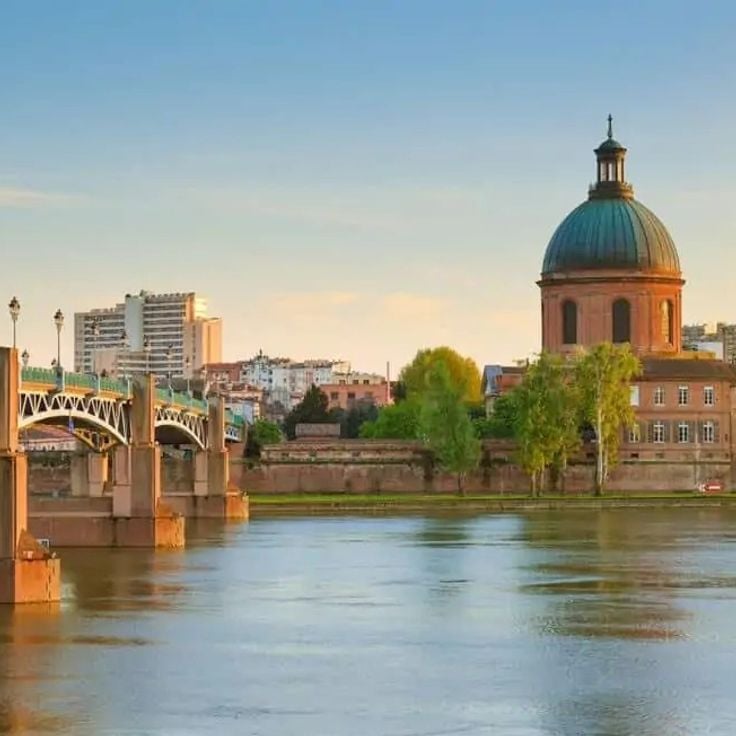
Toulouse is the capital of the Occitanie region and a major center of European aviation and aerospace. The city is known for its distinctive architecture made from red bricks, earning it the nickname 'pink city'. As one of the stopover towns during the 2025 Tour de France, Toulouse offers cyclists and spectators a pause in a city of significant industrial and cultural importance. The red brick buildings shape the urban landscape and create a recognizable character. Toulouse blends contemporary economic strength with historical appeal.
Auch is the administrative seat of the Gers department and sits on a hillside overlooking the Gers river valley. The city is dominated by its impressive Cathedral of Sainte-Marie, recognized as a UNESCO World Heritage site. From the heights, you can see across the surrounding landscape. The old town winds down the slope with narrow streets and small squares where life moves at a gentle pace. Historic buildings line the streets, showing centuries of construction and repair. Auch is an important stop on the 2025 Tour de France route, connecting the sport's legacy with the rich cultural heritage of this southwestern French city.
Hautacam is a mountain destination in the High Pyrenees that regularly serves as a Tour de France stage finish. The road climbing to this location at 1520 meters (4987 feet) is one of cycling's legendary ascents and presents riders with significant challenges. In winter, the area offers skiing opportunities, but Hautacam is primarily known among cycling fans as one of the places where the Tour stages its most demanding mountain battles.
Loudenvielle is a thermal spa in the High Pyrenees at 970 meters elevation in the Louron Valley. Located between two mountain passes, Val Louron-Azet and Peyresourde, this spa town sits along a challenging route where Tour de France cyclists climb through alpine terrain. The mineral-rich warm waters draw visitors seeking relaxation after demanding mountain stages.
Peyragudes is a mountain location in the Pyrenees that serves as an important stage finish for the 2025 Tour de France. Set at about 1600 meters elevation in the Louron valley, this place is known as a ski resort. The location welcomes cyclists and spectators who gather to witness one of the legendary mountain finishes of this major cycling event. The steep slopes and rugged terrain make Peyragudes a demanding stage destination that tests the riders to their limits.
Pau sits on a cliff overlooking the Gave de Pau river in the Pyrenees. The city is a subprefecture and home to the royal castle where King Henry IV was born. The castle stands as a landmark above the town and carries centuries of history. As a stage town for the 2025 Tour de France, Pau draws cyclists and visitors who come to experience both its sporting role and its royal heritage. Positioned at the edge of the Pyrenees, the city marks an important point on the route through southwestern France.
Luchon-Superbagnères is a winter sports station located at 1,800 meters (5,900 feet) in the Pyrenees, forming a key stop on the 2025 Tour de France route. This site welcomes alpine skiing and paragliding activities year-round. The station defines the mountainous character of southern France where the race unfolds. Visitors experience the rugged terrain of high-altitude terrain, which has drawn cyclists and spectators for decades.
Muret is a sub-prefecture located south of Toulouse, positioned on the route between Toulouse and the Pyrenees, nestled between the Garonne and Louge rivers. This town serves as a stage stop for the 2025 Tour de France, connecting cyclists and spectators to the broader journey across French territories. The rivers that flow through Muret shape its character and provide a setting where the race interacts with local life. The town's position at a crossroads between urban areas and mountain regions makes it a meaningful point along the Tour's path through southwestern France.
Carcassonne is a medieval town on the Tour de France 2025 route. The town sits within double walls built between the 13th and 14th centuries, with 52 watchtowers standing guard. At the heart lies the Count's Castle, a structure that has survived centuries of history. Walking through the narrow streets, you encounter stone buildings and squares that speak of the past. The fortified walls form one of the largest remaining defensive systems of this type in Europe. The town draws visitors who come to explore its layers of history and walk among walls that have stood for 700 years.
Montpellier is a southern French city known for having one of Europe's oldest medical schools, established in the 12th century. The city's heart is the Place de la Comédie, a grand square that feels like an open-air drawing room. Walking through Montpellier means moving between narrow medieval lanes and wide tree-lined avenues. The city has a lively mix of old stone buildings and newer architecture. In the 13th century, Montpellier was even a port city, though the sea has since receded from its shores. As a Tour stopover, the city welcomes cyclists and spectators to explore its blend of Mediterranean culture and French urban planning.
Mont Ventoux towers over the Provence landscape at 1909 meters and represents one of the most challenging climbs in the Tour de France. This white limestone peak rises from the Vaucluse region and changes dramatically as you ascend, moving from Mediterranean vegetation at lower elevations to bare, rocky terrain near the summit. The mountain's exposed slopes catch intense winds, making the final stretch toward the top particularly demanding. Over more than a century, cyclists have struggled against this giant, and the road itself has become part of cycling history. On race days, thousands of spectators line the routes to witness competitors test their limits on these steep grades.
Bollène sits near the banks of the Lez, close to the Rhône river, at the crossroads of three regions. This town in northern Vaucluse is a key stop along the 2025 Tour de France route. Bollène offers visitors access to river landscapes and the history of a region shaped by major transportation routes. The town shows how cycling has become woven into the daily life of its residents over more than a century.
Valence is a city in the Drôme department that regularly welcomes the Tour de France peloton. Located in the Rhône valley, this city features wide streets that make it well-suited for organizing stage finishes. Valence plays an important role as a stage town in the race calendar, as the flat geography and good road networks of the region provide ample space for major events.
Vif is a town located in the Gresse Valley south of Grenoble, surrounded by the Vercors and Belledonne mountain ranges. As a stage town for the 2025 Tour de France, Vif represents how cycling connects communities across the Alps. The town sits at the heart of mountainous terrain that defines much of the race's route through southeastern France. Visitors can experience the relationship between local life and the cycling event that passes through each summer.
Courchevel is a ski resort in the Tarentaise Valley at 1850 meters elevation in Savoy. The resort features several interconnected ski areas and modern facilities. While Courchevel is not directly on the 2025 Tour de France route, this mountain town represents the French Alps region that many stages pass through. The infrastructure and terrain of this area show how the landscape shapes the race route and daily life in the mountain regions.
Albertville is an alpine town located where the Tarentaise and Beaufortain valleys meet in the French Alps. The town gained international recognition when it hosted the 1992 Winter Olympics, an event that left a lasting mark on the community and its facilities. For the 2025 Tour de France, Albertville serves as a significant checkpoint where the race caravan passes through this mountainous region. The town connects its Olympic heritage with its role as a gateway to two important mountain valleys. Visitors find a place that preserves its Winter Games legacy while functioning as a living crossroads in the alpine landscape.
La Plagne is a large ski resort in the French Alps. It connects eleven mountain villages spread across different elevations. Lifts and cable cars allow visitors to move between them easily. The area spans more than 2000 meters of elevation change. Skiers find slopes for all abilities here. In winter, it attracts sports enthusiasts from across Europe. The villages maintain their alpine character while modern facilities provide comfort for visitors.
Nantua is a small city in the Ain department, situated on the shores of Lake Nantua. Surrounded by the limestone formations of the southern Jura mountains, this town serves as a stage stop for the 2025 Tour de France. Nantua connects cycling to a region known for its natural setting, with forests and mountainous terrain shaping the landscape. The lake and surrounding peaks create a distinct character that draws visitors seeking both natural beauty and outdoor exploration.
Pontarlier is located in the French Jura region at an elevation of 2,745 feet (837 meters). This town serves as an administrative and economic hub for the surrounding areas. It is known for its production of absinthe and local cheese specialties that are valued throughout the region. Pontarlier is an important stop along the route of the Tour de France 2025. Visitors will find here a blend of craft traditions and local history that shape life in this mountain region.
Mantes-la-Jolie sits along the Seine River, roughly 50 kilometers from Paris. As a stage stop for the 2025 Tour de France, this town shows the range of French regions the cyclists pass through. The city is shaped by the 12th-century Collégiale Notre-Dame and a medieval bridge that crosses the Seine. This place brings together centuries of history with the energy of modern cycling, inviting visitors to discover the traces of the past.
Paris is the capital of France and serves as a major stop on the Tour de France 2025 route. The city is known for its museums, historical monuments, and wide streets that invite exploration. The Seine river flows through Paris, connecting different neighborhoods. Visitors can discover churches, gardens, and squares that shape the city's character. Paris has been closely connected to cycling for more than a century, with the race playing an important role in the city's sporting life.
Lille is the capital of northern France and a major stage stop on the 2025 Tour de France. The city blends medieval heritage with contemporary life. Vauban's fortifications define the cityscape and are part of the UNESCO World Heritage List. Visitors find well-preserved timber-framed houses, spacious squares, and museums that tell the long story of the region. For centuries, Lille was a trading hub, something you can still sense walking through the old streets and historic quarters. During the Tour de France, residents and visitors come together to experience the energy of this important cycling stage.
Lauwin-Planque is a small town in northern France located in the French coal mining region near Douai. Like many towns in the area, it has transformed from a mining center into a place with commercial zones and logistics facilities. This shift shows how northern French regions have reshaped their economies after mining declined. Lauwin-Planque is one of the towns the Tour de France 2025 passes through, illustrating how these industrial areas continue to evolve and support daily life in the region.
Boulogne-sur-Mer sits on the Opal Coast and is France's leading fishing port. This harbor town has a fortified old center where narrow streets wind between ancient walls. The Notre-Dame Basilica from the 19th century dominates the skyline with its striking dome. For the Tour de France 2025, this city represents the blend of harbor life and historical heritage visible in its fortifications and monuments. When cyclists pass through, they encounter a place where the sea and history shape daily life.
Valenciennes sits in northern France where two rivers meet and once thrived as a mining center. The city has transformed itself and now hosts a polytechnical university. When the Tour de France passes through, visitors encounter a place that connects its industrial past with modern education. The buildings and streets reflect this change, showing how a region built on mining work has reshaped itself for a different future.
Dunkerque is an industrial and commercial port city in northern France on the North Sea. The town preserves historic fortifications and a belfry that is part of the UNESCO World Heritage list. As a stage city for the 2025 Tour de France, Dunkerque shows how a port city blends its maritime past with modern life today. The harbor shapes the character of the town, while old walls and towers tell stories of centuries gone by.
Amiens is a major city in the Hauts-de-France region, situated along the Somme River. Known for its Gothic cathedral, a UNESCO World Heritage site, Amiens reflects the cultural richness of northern France. The city features historic neighborhoods, broad canals, and a vibrant downtown where locals and visitors move through daily life. The cathedral stands as the centerpiece of Amiens, showcasing medieval architecture at its finest. During the 2025 Tour de France, Amiens serves as an important stop where the race passes through this historic city.
Rouen is the administrative capital of Normandy, situated on the Seine River. The city features a striking Gothic cathedral, Notre-Dame, which dominates the skyline above the old town. The narrow streets are lined with half-timbered houses that display distinctive wooden frameworks, defining the cityscape for centuries. As a stage town for the 2025 Tour de France, Rouen connects the history of this major cycling event with the rich heritage of this medieval Normandy city, where visitors walk among Gothic structures and traditional French architecture.
Caen is the capital of the Calvados department and sits close to the English Channel. The city is shaped by the Dukes' Castle, a massive structure from the 11th century. The Abbey for Men is a spiritual place with Romanesque architecture, dedicated to William the Conqueror. The war memorial documents World War Two history in a direct way. Caen was heavily destroyed during the war and rebuilt afterward. Today the city brings together medieval monuments with modern neighborhoods. The people have brought their city back to life. Passing through during the Tour de France, you experience a piece of French history here.
Bayeux is a Norman town in Calvados that houses the famous Bayeux Tapestry. This medieval embroidery from the 11th century depicts the Norman conquest of England. The town is a key stop on the 2025 Tour de France route and connects sporting passion with historical heritage. Visitors can wander through narrow streets lined with half-timbered houses and visit the museum that preserves this remarkable historical work.
Vire is a town in Normandy with deep roots in textile production and commerce. Nestled in the Bocage landscape of rolling hills and hedgerows, it has served as a trade hub for centuries. The town displays typical Norman architecture with half-timbered houses and narrow streets that reflect its medieval past. Vire's location in the Calvados department made it an important industrial center. Today, as a stop on the 2025 Tour de France route, Vire welcomes cyclists and visitors to discover how this working town has shaped the region's character and sustained local traditions.
Saint-Malo is a fortified city on the Breton coast. The walls surrounding the city were built in the 17th century by the military engineer Vauban. The town sits on a granite rocky outcrop and served as an important port for centuries. Its residents made their living from trade and seafaring. Today you can walk along the top of the old walls and look out over the bay. The narrow streets inside the walls have old stone buildings that tell the story of the city's past.
Guerlédan is an artificial lake created in 1930 when a dam was built across the Blavet River, spanning 400 hectares between Côtes-d'Armor and Morbihan. The lake serves as a place for recreation and water sports in Brittany. Walking trails and picnic areas surround the water, inviting visitors to explore the landscape. The lake has become part of the region's character and draws anglers and boaters throughout the year.
Saint-Méen-le-Grand is a Breton town that grew up around an old Benedictine abbey from the 6th century. The basilica dates from the 19th century and shapes the character of the place. This small town sits near Rennes and will be visited by the Tour de France 2025, running from July 5 to 27. Those who come here discover a piece of history reflecting centuries of French religious life and rural living.
Laval is the capital of the Mayenne department and sits along the river of the same name. The city developed into an important industrial center for automotive and food production in the region. Home to about 50 000 people, Laval is a place where history and modern industry meet. During the 2025 Tour de France, visitors can explore this city positioned between the green landscapes of Pays de la Loire and the routes of the famous cycling race. Laval's location on the Mayenne river and its industrial heritage shape the character of this French city.
Chinon is a historic town perched above the Vienne River, with a royal fortress from the 12th century watching over the old streets below. The fortress once served as a residence for French kings and stands as a reminder of medieval power. Vineyards of Cabernet Franc spread across the surrounding countryside, where grapes have been grown for generations. The river flows through the valley and shapes the landscape around the town. Chinon sits on the Tour de France 2025 route, allowing cyclists and spectators to pass through this corner of central France.
Châteauroux is the capital of the Indre department, located where the Indre and Chézelle rivers meet. The city carries both medieval and industrial heritage in its appearance. During the Tour de France 2025, Châteauroux serves as one of the stage towns where cyclists and spectators pass through. Visitors can explore the old town center, where timber-framed buildings and stone structures tell stories of earlier centuries, and also see how the city developed as an industrial hub. The castle with its towers shapes the cityscape.
Ennezat is a small town with around 2500 residents in the Limagne plain, north of Clermont-Ferrand. The area is an agricultural center surrounded by grain fields. During the 2025 Tour de France, the race caravan will pass through this rural community, showing how cycling connects with everyday life in the French countryside. Ennezat represents the quieter side of France, far from busy cities, where farming and nature shape the daily rhythm.
Mont-Dore is a thermal spa town situated in the Massif Central at about 3450 feet (1050 meters) elevation in the Puy-de-Dôme department. The town serves as a starting point for hikes to Puy de Sancy. Within the context of the 2025 Tour de France, Mont-Dore represents a significant stage stop where the race caravan passes through the mountainous Auvergne region and crosses the volcanic landscapes of this French interior.
Toulouse is the capital of the Occitanie region and a major center of European aviation and aerospace. The city is known for its distinctive architecture made from red bricks, earning it the nickname 'pink city'. As one of the stopover towns during the 2025 Tour de France, Toulouse offers cyclists and spectators a pause in a city of significant industrial and cultural importance. The red brick buildings shape the urban landscape and create a recognizable character. Toulouse blends contemporary economic strength with historical appeal.
Auch is the administrative seat of the Gers department and sits on a hillside overlooking the Gers river valley. The city is dominated by its impressive Cathedral of Sainte-Marie, recognized as a UNESCO World Heritage site. From the heights, you can see across the surrounding landscape. The old town winds down the slope with narrow streets and small squares where life moves at a gentle pace. Historic buildings line the streets, showing centuries of construction and repair. Auch is an important stop on the 2025 Tour de France route, connecting the sport's legacy with the rich cultural heritage of this southwestern French city.
Hautacam is a mountain destination in the High Pyrenees that regularly serves as a Tour de France stage finish. The road climbing to this location at 1520 meters (4987 feet) is one of cycling's legendary ascents and presents riders with significant challenges. In winter, the area offers skiing opportunities, but Hautacam is primarily known among cycling fans as one of the places where the Tour stages its most demanding mountain battles.
Loudenvielle is a thermal spa in the High Pyrenees at 970 meters elevation in the Louron Valley. Located between two mountain passes, Val Louron-Azet and Peyresourde, this spa town sits along a challenging route where Tour de France cyclists climb through alpine terrain. The mineral-rich warm waters draw visitors seeking relaxation after demanding mountain stages.
Peyragudes is a mountain location in the Pyrenees that serves as an important stage finish for the 2025 Tour de France. Set at about 1600 meters elevation in the Louron valley, this place is known as a ski resort. The location welcomes cyclists and spectators who gather to witness one of the legendary mountain finishes of this major cycling event. The steep slopes and rugged terrain make Peyragudes a demanding stage destination that tests the riders to their limits.
Pau sits on a cliff overlooking the Gave de Pau river in the Pyrenees. The city is a subprefecture and home to the royal castle where King Henry IV was born. The castle stands as a landmark above the town and carries centuries of history. As a stage town for the 2025 Tour de France, Pau draws cyclists and visitors who come to experience both its sporting role and its royal heritage. Positioned at the edge of the Pyrenees, the city marks an important point on the route through southwestern France.
Luchon-Superbagnères is a winter sports station located at 1,800 meters (5,900 feet) in the Pyrenees, forming a key stop on the 2025 Tour de France route. This site welcomes alpine skiing and paragliding activities year-round. The station defines the mountainous character of southern France where the race unfolds. Visitors experience the rugged terrain of high-altitude terrain, which has drawn cyclists and spectators for decades.
Muret is a sub-prefecture located south of Toulouse, positioned on the route between Toulouse and the Pyrenees, nestled between the Garonne and Louge rivers. This town serves as a stage stop for the 2025 Tour de France, connecting cyclists and spectators to the broader journey across French territories. The rivers that flow through Muret shape its character and provide a setting where the race interacts with local life. The town's position at a crossroads between urban areas and mountain regions makes it a meaningful point along the Tour's path through southwestern France.
Carcassonne is a medieval town on the Tour de France 2025 route. The town sits within double walls built between the 13th and 14th centuries, with 52 watchtowers standing guard. At the heart lies the Count's Castle, a structure that has survived centuries of history. Walking through the narrow streets, you encounter stone buildings and squares that speak of the past. The fortified walls form one of the largest remaining defensive systems of this type in Europe. The town draws visitors who come to explore its layers of history and walk among walls that have stood for 700 years.
Montpellier is a southern French city known for having one of Europe's oldest medical schools, established in the 12th century. The city's heart is the Place de la Comédie, a grand square that feels like an open-air drawing room. Walking through Montpellier means moving between narrow medieval lanes and wide tree-lined avenues. The city has a lively mix of old stone buildings and newer architecture. In the 13th century, Montpellier was even a port city, though the sea has since receded from its shores. As a Tour stopover, the city welcomes cyclists and spectators to explore its blend of Mediterranean culture and French urban planning.
Mont Ventoux towers over the Provence landscape at 1909 meters and represents one of the most challenging climbs in the Tour de France. This white limestone peak rises from the Vaucluse region and changes dramatically as you ascend, moving from Mediterranean vegetation at lower elevations to bare, rocky terrain near the summit. The mountain's exposed slopes catch intense winds, making the final stretch toward the top particularly demanding. Over more than a century, cyclists have struggled against this giant, and the road itself has become part of cycling history. On race days, thousands of spectators line the routes to witness competitors test their limits on these steep grades.
Bollène sits near the banks of the Lez, close to the Rhône river, at the crossroads of three regions. This town in northern Vaucluse is a key stop along the 2025 Tour de France route. Bollène offers visitors access to river landscapes and the history of a region shaped by major transportation routes. The town shows how cycling has become woven into the daily life of its residents over more than a century.
Valence is a city in the Drôme department that regularly welcomes the Tour de France peloton. Located in the Rhône valley, this city features wide streets that make it well-suited for organizing stage finishes. Valence plays an important role as a stage town in the race calendar, as the flat geography and good road networks of the region provide ample space for major events.
Vif is a town located in the Gresse Valley south of Grenoble, surrounded by the Vercors and Belledonne mountain ranges. As a stage town for the 2025 Tour de France, Vif represents how cycling connects communities across the Alps. The town sits at the heart of mountainous terrain that defines much of the race's route through southeastern France. Visitors can experience the relationship between local life and the cycling event that passes through each summer.
Courchevel is a ski resort in the Tarentaise Valley at 1850 meters elevation in Savoy. The resort features several interconnected ski areas and modern facilities. While Courchevel is not directly on the 2025 Tour de France route, this mountain town represents the French Alps region that many stages pass through. The infrastructure and terrain of this area show how the landscape shapes the race route and daily life in the mountain regions.
Albertville is an alpine town located where the Tarentaise and Beaufortain valleys meet in the French Alps. The town gained international recognition when it hosted the 1992 Winter Olympics, an event that left a lasting mark on the community and its facilities. For the 2025 Tour de France, Albertville serves as a significant checkpoint where the race caravan passes through this mountainous region. The town connects its Olympic heritage with its role as a gateway to two important mountain valleys. Visitors find a place that preserves its Winter Games legacy while functioning as a living crossroads in the alpine landscape.
La Plagne is a large ski resort in the French Alps. It connects eleven mountain villages spread across different elevations. Lifts and cable cars allow visitors to move between them easily. The area spans more than 2000 meters of elevation change. Skiers find slopes for all abilities here. In winter, it attracts sports enthusiasts from across Europe. The villages maintain their alpine character while modern facilities provide comfort for visitors.
Nantua is a small city in the Ain department, situated on the shores of Lake Nantua. Surrounded by the limestone formations of the southern Jura mountains, this town serves as a stage stop for the 2025 Tour de France. Nantua connects cycling to a region known for its natural setting, with forests and mountainous terrain shaping the landscape. The lake and surrounding peaks create a distinct character that draws visitors seeking both natural beauty and outdoor exploration.
Pontarlier is located in the French Jura region at an elevation of 2,745 feet (837 meters). This town serves as an administrative and economic hub for the surrounding areas. It is known for its production of absinthe and local cheese specialties that are valued throughout the region. Pontarlier is an important stop along the route of the Tour de France 2025. Visitors will find here a blend of craft traditions and local history that shape life in this mountain region.
Mantes-la-Jolie sits along the Seine River, roughly 50 kilometers from Paris. As a stage stop for the 2025 Tour de France, this town shows the range of French regions the cyclists pass through. The city is shaped by the 12th-century Collégiale Notre-Dame and a medieval bridge that crosses the Seine. This place brings together centuries of history with the energy of modern cycling, inviting visitors to discover the traces of the past.
Paris is the capital of France and serves as a major stop on the Tour de France 2025 route. The city is known for its museums, historical monuments, and wide streets that invite exploration. The Seine river flows through Paris, connecting different neighborhoods. Visitors can discover churches, gardens, and squares that shape the city's character. Paris has been closely connected to cycling for more than a century, with the race playing an important role in the city's sporting life.