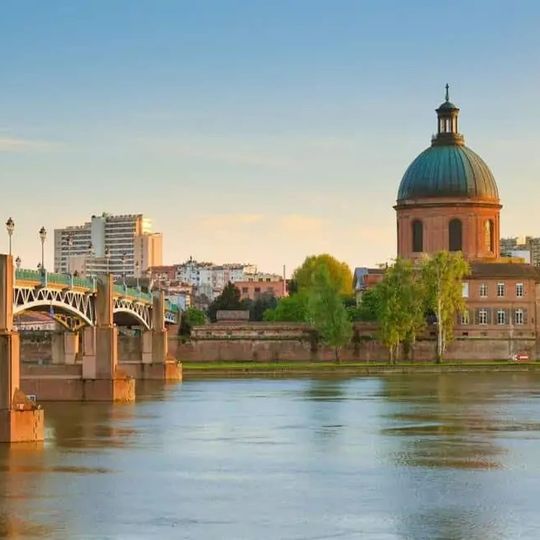
Toulouse, University city in Occitania, France
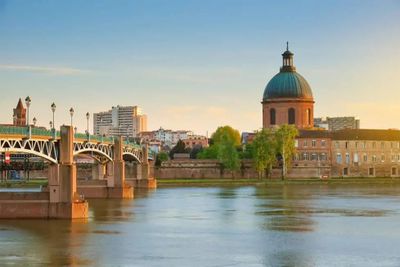
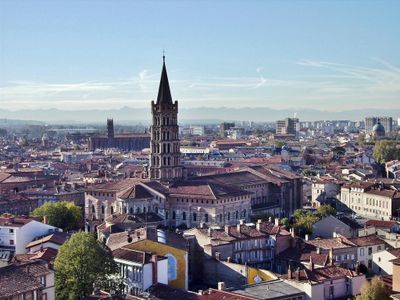
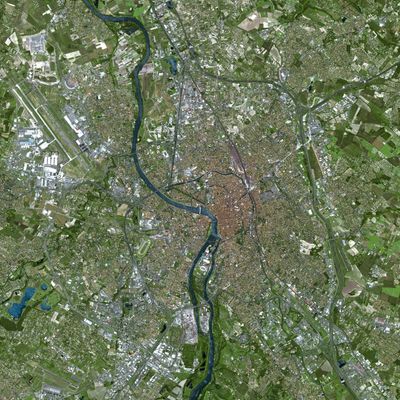
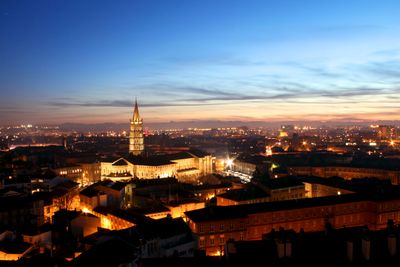
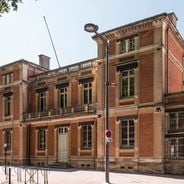
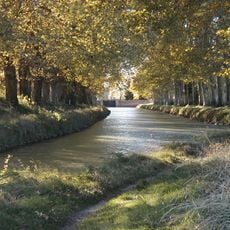
This southern French city sits where the Canal du Midi meets the Garonne River and spreads across multiple neighborhoods on both banks. Pink brick facades dominate the appearance of the old center, where narrow lanes wind between historic buildings and wider avenues run through districts built in later centuries.
Romans founded a settlement here, which later became the center of a Visigothic kingdom in the fifth century. During the Middle Ages trade in woad dye brought wealth, and the town gradually passed under the control of the French crown in the 16th century.
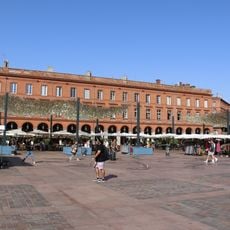
People gather in open squares throughout the old center, where market stalls appear several times a week and cafés stay open late into the evening. Student life fills the neighborhoods around Place du Capitole, where bookshops and casual eateries create a lively atmosphere that lasts well past midnight.
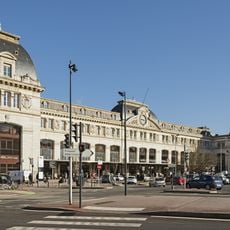
Two metro lines connect the main neighborhoods, and the airport sits roughly twenty minutes outside the center. Several train stations offer direct connections to Paris and other European cities, with most long distance trains arriving at Matabiau station.
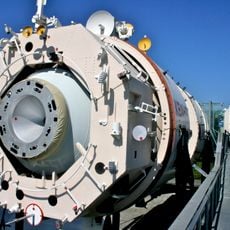
A science museum near the edge of town displays a full scale replica of the Mir space station and an Ariane rocket, recalling the aerospace industry here. Locals often call their home La Ville Rose because the brick buildings glow pink at sunset, especially after rain.
Location: Haute-Garonne
Location: arrondissement of Toulouse
Location: Toulouse Métropole
Location: canton of Toulouse-12
Location: canton of Toulouse-13
Location: canton of Toulouse-14
Location: canton of Toulouse-15
Elevation above the sea: 147 m
Shares border with: Fenouillet, Aucamville, Balma, Blagnac, Colomiers, Cugnaux, Labège, Launaguet, Pechbusque, Portet-sur-Garonne, Quint-Fonsegrives, Ramonville-Saint-Agne, Saint-Orens-de-Gameville, Tournefeuille, L'Union, Vieille-Toulouse, Beauzelle
Address: Toulouse, France
Phone: +33561222922
Website: https://metropole.toulouse.fr
GPS coordinates: 43.60446,1.44425
Latest update: December 2, 2025 21:45
This collection brings together the 50 most populous cities of France, from the metropolis to overseas territories. It includes the major urban centers shaping the national territory, from Paris with its capital status to regional metropolises like Marseille with its Mediterranean port, Lyon where the Rhône and Saône meet, or Toulouse with its aerospace industry. These cities represent the main economic, cultural, and administrative hubs of the country. The selection covers all French regions and illustrates the diversity of territories: dense communes in Île-de-France, southern cities like Nice on the Côte d'Azur and Montpellier near the Mediterranean, eastern cities such as Strasbourg hosting the European Parliament, northern centers like Lille close to Belgium, or Bordeaux known for its architecture and vineyards. From Nantes, former capital of the Dukes of Brittany, to communes of La Réunion, this collection offers a complete overview of major French urban areas and invites exploration of their history, heritage, and unique vitality.
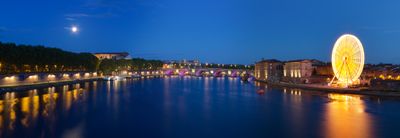
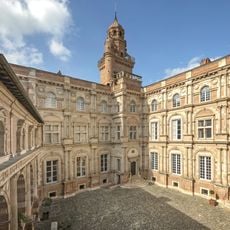
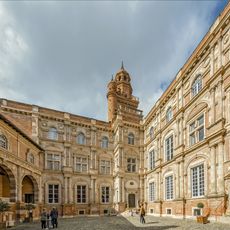
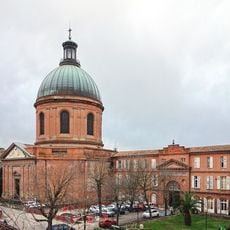
Toulouse offers numerous locations for photography beyond its main attractions. The Renaissance courtyards of Hôtel d'Assézat, the gardens of Raymond VI, and the converted water tower of Château d'Eau present architectural interest. The Garonne riverbanks, including Quai de la Daurade and Port Saint-Sauveur, provide water views. Historic buildings like Hôtel Dieu Saint-Jacques and La Grave show the city's architectural heritage. Gardens and parks such as Grand Rond and Prairie des Filtres add natural elements to urban photographs.
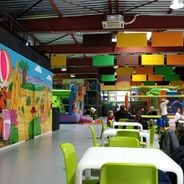
Entertainment venues in Toulouse include virtual reality centers, interactive game rooms, escape games, amusement parks, and themed restaurants. This selection features simulation spaces, karaoke rooms, sports centers, and cultural venues suitable for outings with friends or family. It also includes original activities such as axe throwing, sensory games, and ninja courses.
The Occitanie region hosts campsites equipped with swimming pools, water parks, and leisure facilities. These establishments are located by the sea, in the mountains, or in the countryside. The accommodations offer pitches for tents and caravans as well as mobile homes. Facilities include restaurants, mini-markets, entertainment, and family-friendly activities.
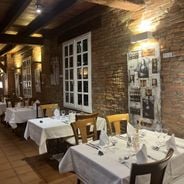
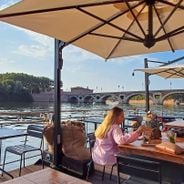
Toulouse and its surroundings offer numerous outdoor restaurants and bars set up in gardens, parks, along riverbanks or in historic estates. These establishments provide relaxation areas with terraces, playgrounds and entertainment facilities. Some are located in notable places such as former factories, châteaux or along the Garonne River. The dining options range from regional specialties to international cuisine, served in outdoor settings. These venues combine food service with leisure activities, creating spaces for social gatherings in the open air. Locations by the water or in green spaces allow guests to enjoy meals in natural surroundings.
Occitanie hosts a wide variety of lakes spread between the Pyrenees and the Massif Central. Natural lakes mainly occupy high-altitude zones in the Pyrenees, where glacial erosion has carved out cirques and basins now filled with water. Lake Oô, located at 4,950 feet (1,507 meters) altitude, receives water from a 984-foot (300-meter) waterfall descending from Lake Espingo. The Bastan lakes form a series of three linked water bodies between 7,217 and 8,202 feet (2,200 and 2,500 meters) near Barèges, while Lake Bethmale, at 3,498 feet (1,065 meters) in Couserans, is surrounded by beech forests. Artificial lakes in the region serve various functions, including water storage, hydroelectric power, and recreational activities. Lake Salagou, created in 1969 in Herault, stands out for its distinctive geological setting: red rocks rich in iron give the landscape a reddish-brown hue. Lake Pareloup, covering about 3,485 acres (1,410 hectares) in Aveyron, is one of the largest reservoirs in the area. Lake Saint-Ferréol, built in the 17th century at the foot of the Black Mountain, supplies the Canal du Midi and demonstrates historic hydraulic engineering. These lakes offer opportunities for hiking, sailing, and windsurfing, especially at Lake Ganguise where the wind blows roughly 300 days per year.
Canal du Midi
2.2 km
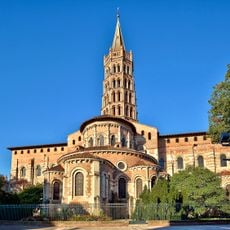
Basilica of St. Sernin
479 m
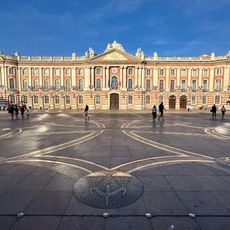
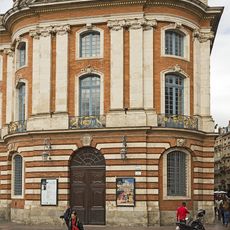
Capitole de Toulouse
20 m
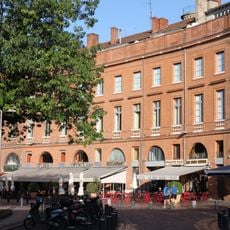
Place du Capitole
75 m
Canal de Garonne
2.2 km
City of Space
4.4 km
Gare de Toulouse-Matabiau
1.1 km
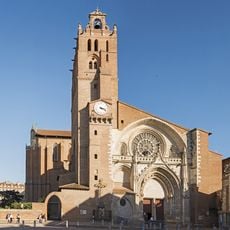
Toulouse Cathedral
710 m
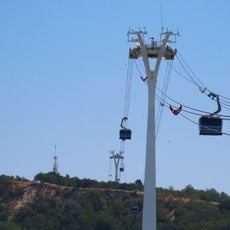
Téléo
5.3 km
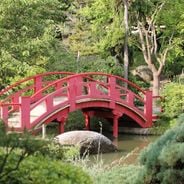
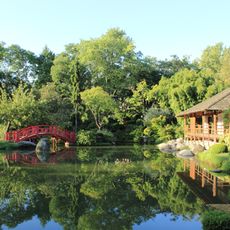
Jardin japonais de Toulouse
1.1 km
Muséum de Toulouse
1.3 km
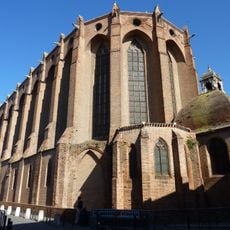
Monastery of the Jacobins
349 m
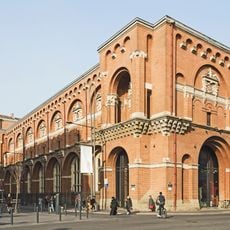
Musée des Augustins
410 m
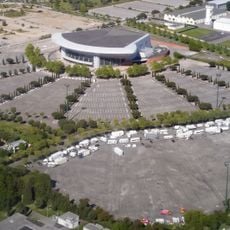
Zénith de Toulouse
2.8 km
Le Bikini
7 km
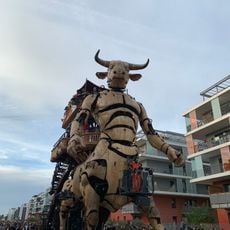
Halle de la machine
4.4 km
Hôtel d'Assézat
497 m
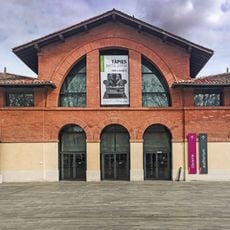
Les Abattoirs
1.3 km
Notre-Dame de la Daurade
520 m
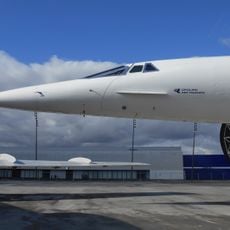
Aeroscopia
9.1 km
Halle de La Machine
4.5 km
Casino Théâtre Barrière
3.7 km
Hôpital de La Grave
912 m
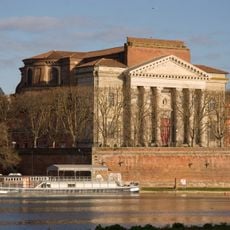
Halle aux Grains de Toulouse
974 m
Fondation Bemberg
507 m
Théâtre du Capitole
33 m
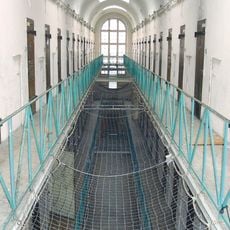
Prison Saint-Michel
2 km
Place Wilson
269 mReviews
Visited this place? Tap the stars to rate it and share your experience / photos with the community! Try now! You can cancel it anytime.
Discover hidden gems everywhere you go!
From secret cafés to breathtaking viewpoints, skip the crowded tourist spots and find places that match your style. Our app makes it easy with voice search, smart filtering, route optimization, and insider tips from travelers worldwide. Download now for the complete mobile experience.
A unique approach to discovering new places❞
— Le Figaro
All the places worth exploring❞
— France Info
A tailor-made excursion in just a few clicks❞
— 20 Minutes