Muséum de Toulouse, Natural history and city museum in Jardin des Plantes, Toulouse, France
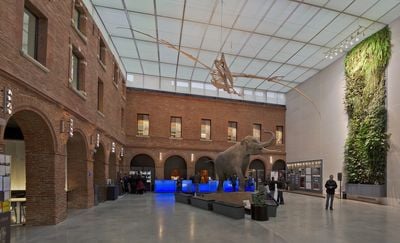
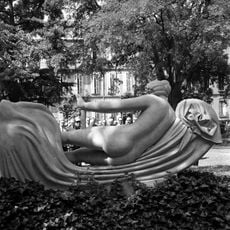
The Muséum de Toulouse is a natural history museum in Jardin des Plantes that presents geology, zoology and botany exhibits across several floors. The halls display skeletons of extinct animals, mineral collections and dioramas featuring native and exotic species.
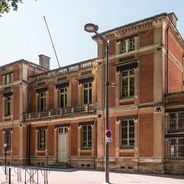
The naturalist Philippe-Isidore Picot de Lapeyrouse obtained the former Carmelite monastery buildings in 1796 and installed the botanical garden and natural science collections there. In 1808 Napoleon formally gave the Carmelite buildings and land to the city of Toulouse. The museum was created by municipal council decision in 1865, with Édouard Filhol as its founder and first director, and it opened to the public that year. It was the first museum in the world to open a prehistory gallery, thanks to Émile Cartailhac, Jean-Baptiste Noulet and Eugène Trutat.
The name Muséum honors the French tradition of natural collections that link research and public education since the late eighteenth century. Visitors today see life-size animal models and geological displays that show how people understand and organize nature.
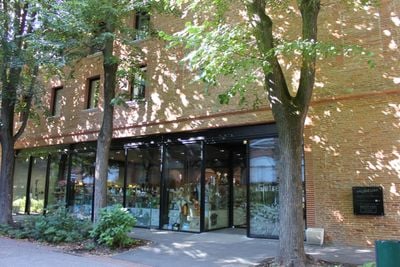
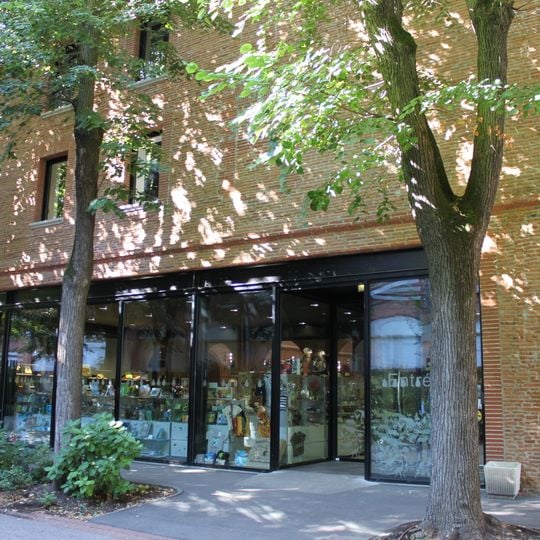
The museum reopened in 2008 after a decade of works that doubled the building to 6,000 m2, with 3,000 m2 of exhibitions on three floors. The 120-metre curved glass wall of skeletons by architect Jean-Paul Viguier is visible from outside after nightfall. The botanical garden of Paul Sabatier University, 5,500 m2, is part of the site.
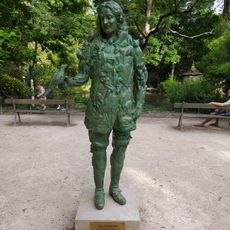
The museum's 120-metre curved glass wall, designed by Jean-Paul Viguier, holds skeletons posed as if in motion; it is lit at night and visible from outside. The attached Museum Gardens cover 3 hectares and include "potagers du monde" and a shade house for shade plants.
The community of curious travelers
AroundUs brings together thousands of curated places, local tips, and hidden gems, enriched daily by 94,499 contributors worldwide.