See the monuments around you in AROpen chests in the app
Around Us is built for your phone — point your camera at the streets and discover the monuments and places around you in augmented reality.Around Us is built for your phone — chests unlock when you walk, explore and capture nearby places.
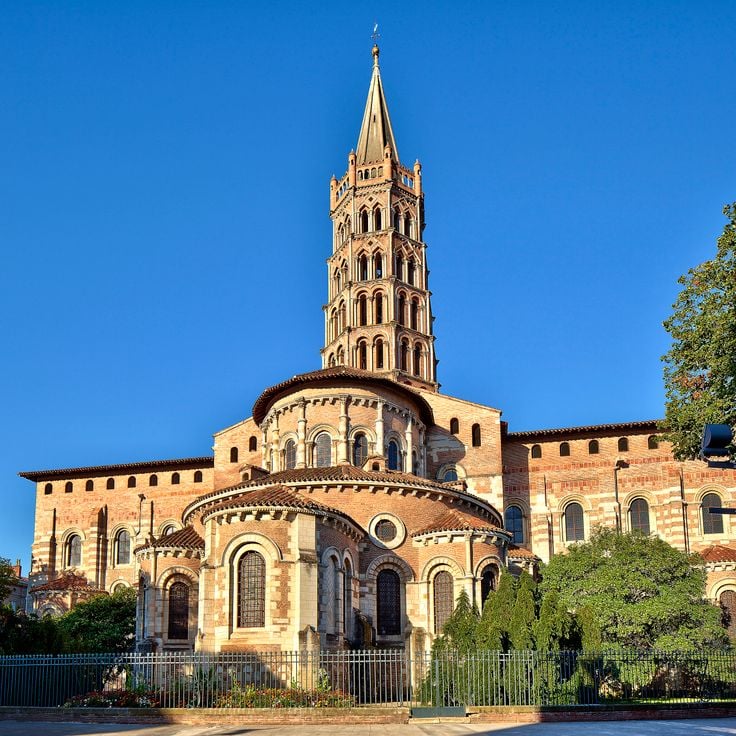
In this selection you will discover the Basilica of Saint-Sernin, a Romanesque church built in the 11th century that once welcomed pilgrims on their way to Saint-Jacques-de-Compostelle.
Toulouse holds a network of historical buildings, museums, and squares that form the cultural backbone of the city. The Capitole serves as the administrative center and dominates the main square, while the Romanesque Basilica Saint-Sernin displays massive stone walls that span centuries of history. The Musée des Augustins shows artworks within a former monastery, and the Musée Saint-Raymond preserves archaeological finds. The Canal du Midi winds through the city as a living waterway, lined with green banks and crossed by bridges such as the Pont Neuf and the bridge of Saint-Pierre.
Cultural variety continues through specialized museums. The Musée Aeroscopia focuses on aviation history, the Cité de l'Espace invites visitors to explore astronomy, and the Musée du Vieux Toulouse protects local history. Art seekers discover the Museum Georges Labit with its collection of non-European works. The Botanical Garden and the Japanese Garden offer quiet places for walking.
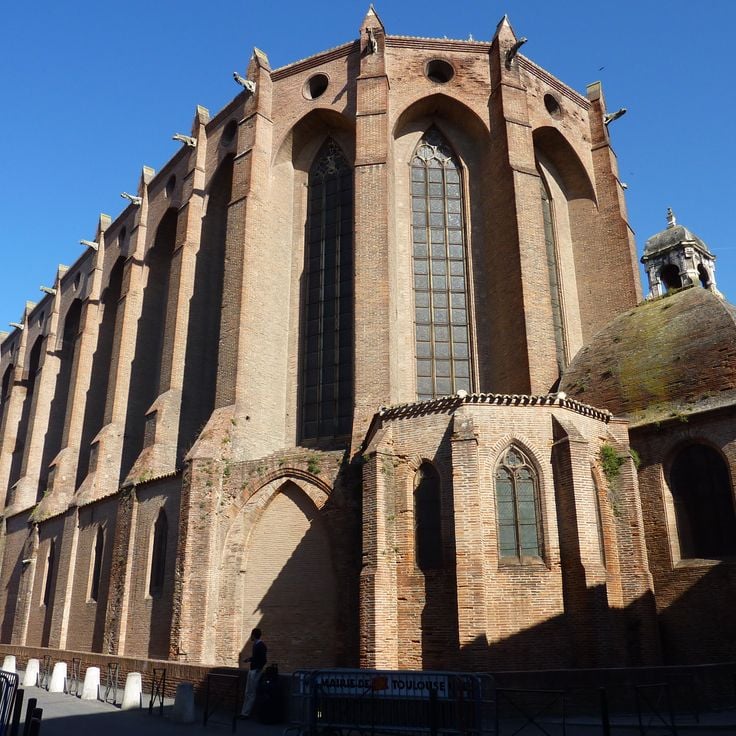
The city's churches reveal religious architecture: Les Jacobins displays Gothic style and the Saint-Etienne Cathedral shapes the skyline. Squares like Place Wilson and the Quai de l'Exil Republicain Espagnol function as gathering points of daily life. Markets such as Victor Hugo Market and traditional streets like Rue de Garlande preserve the character of a living urban center.
In this selection you will discover the Basilica of Saint-Sernin, a Romanesque church built in the 11th century that once welcomed pilgrims on their way to Saint-Jacques-de-Compostelle.
Toulouse holds a network of historical buildings, museums, and squares that form the cultural backbone of the city. The Capitole serves as the administrative center and dominates the main square, while the Romanesque Basilica Saint-Sernin displays massive stone walls that span centuries of history. The Musée des Augustins shows artworks within a former monastery, and the Musée Saint-Raymond preserves archaeological finds. The Canal du Midi winds through the city as a living waterway, lined with green banks and crossed by bridges such as the Pont Neuf and the bridge of Saint-Pierre.
Cultural variety continues through specialized museums. The Musée Aeroscopia focuses on aviation history, the Cité de l'Espace invites visitors to explore astronomy, and the Musée du Vieux Toulouse protects local history. Art seekers discover the Museum Georges Labit with its collection of non-European works. The Botanical Garden and the Japanese Garden offer quiet places for walking.
The city's churches reveal religious architecture: Les Jacobins displays Gothic style and the Saint-Etienne Cathedral shapes the skyline. Squares like Place Wilson and the Quai de l'Exil Republicain Espagnol function as gathering points of daily life. Markets such as Victor Hugo Market and traditional streets like Rue de Garlande preserve the character of a living urban center.
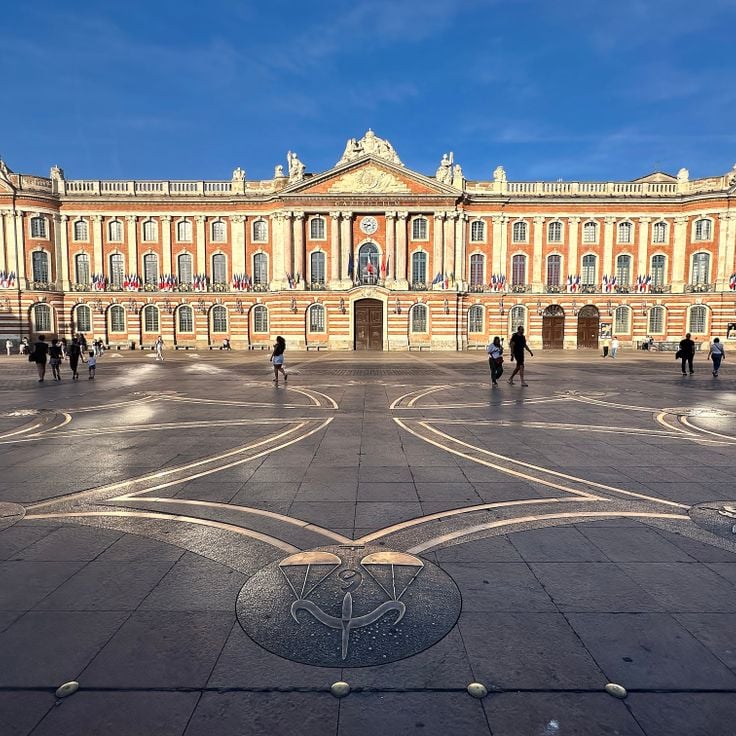
Le Capitole de Toulouse is the main city hall and serves as an important focal point within this network of historical buildings and museums. The building displays a neoclassical facade and houses a theater within its complex. It functions as the administrative center and shapes the character of the city.
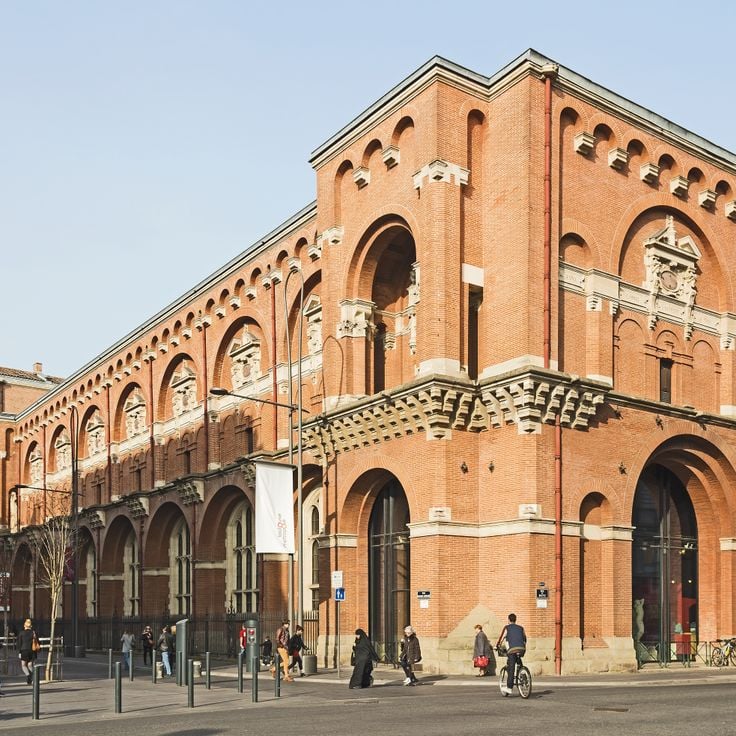
The Musée des Augustins de Toulouse is part of the city's network of museums and historical buildings. This museum occupies a former Augustinian monastery and displays medieval artworks along with French paintings spanning the 14th to 20th century. The building itself reflects Toulouse's cultural heritage, standing alongside landmarks like the Capitole, the Romanesque Basilica of Saint-Sernin, and other important sites throughout the city.
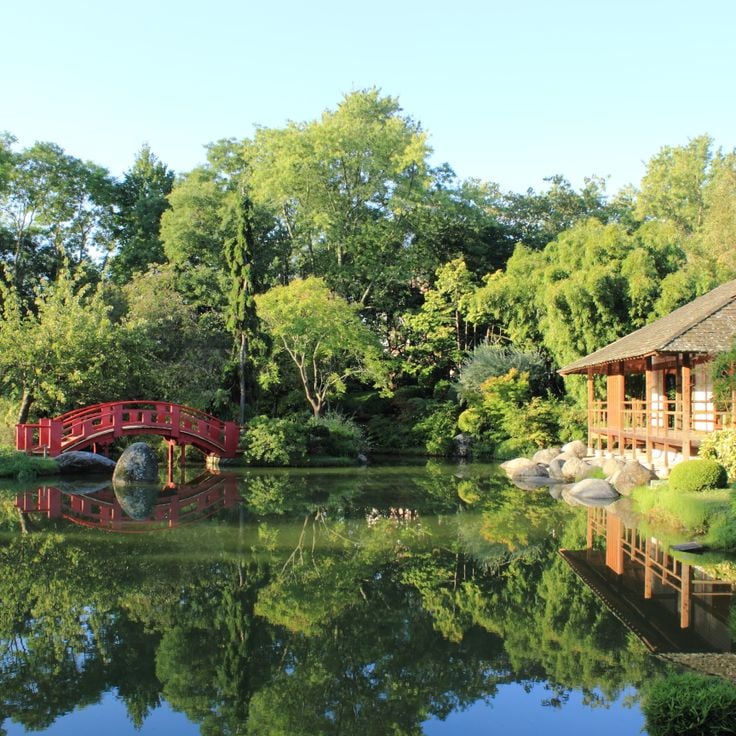
The Jardin Japonais de Toulouse is a garden with a pond, bridges and pavilions designed following traditional Japanese aesthetics from the Edo period. It forms part of Toulouse's collection of cultural sites, offering a peaceful retreat within the city alongside the Capitole, Basilica Saint-Sernin and other museums.
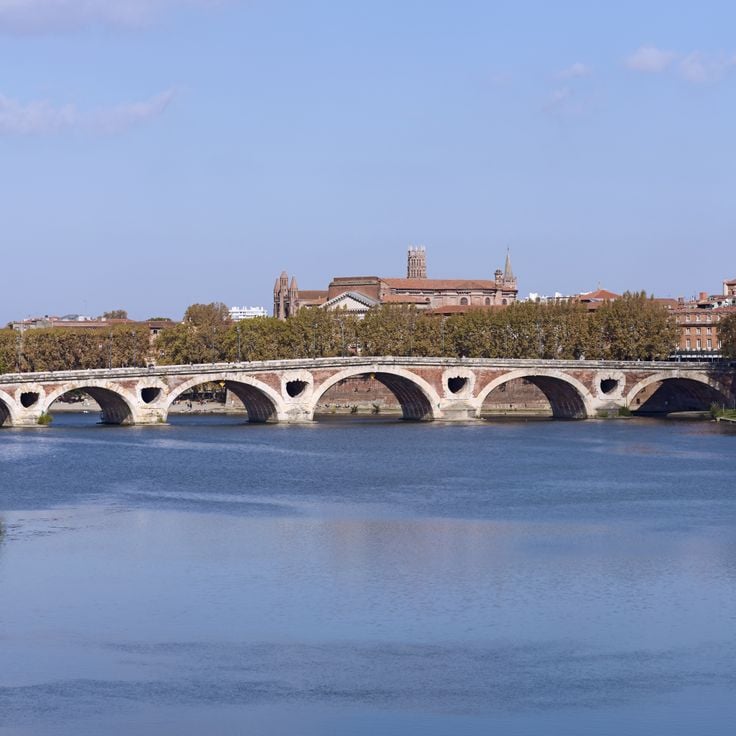
The Pont Neuf spans the Garonne River with seven stone arches and connects both banks of Toulouse. Built between 1544 and 1632, it is one of the oldest bridges in the city. Walking across it, you see the pink facades of the old town on one side and the open river on the other.
The Basilica of Saint-Sernin stands as a major Romanesque church in the network of historical sites that shapes Toulouse. Built to house the relics of Saint Sernin, this basilica plays an important role in the city's cultural fabric alongside the Capitole, museums and the Canal du Midi.
The Musée Saint-Raymond is a museum devoted to ancient civilizations, located just steps from the Basilica Saint-Sernin. It forms part of Toulouse's network of historical buildings and museums that shape the city's cultural offerings. The museum displays collections from Greek and Roman periods, offering visitors insight into the ancient world.
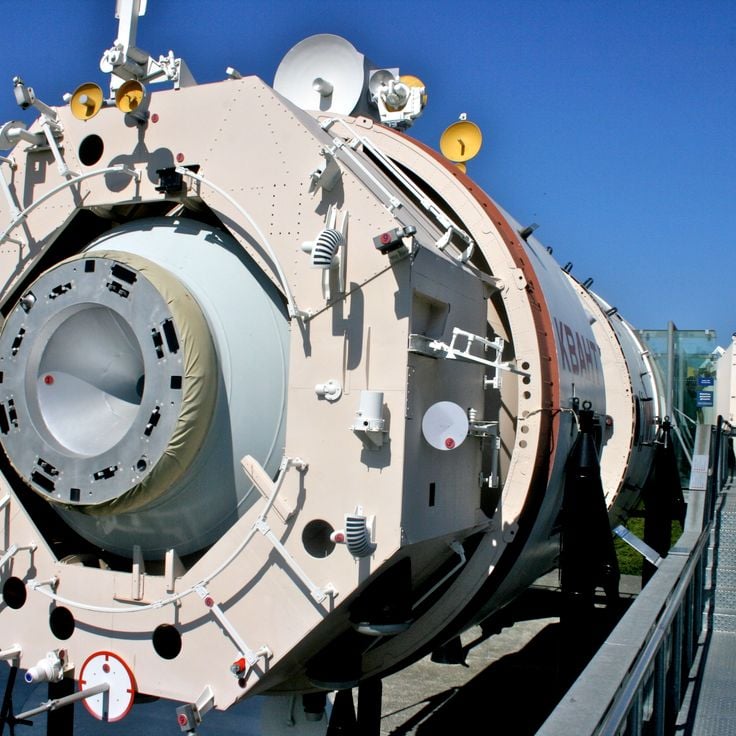
The Cité de l'espace is a theme park in Toulouse dedicated to exploring space and the mysteries of the universe. It complements the city's cultural offerings, which range from historical monuments like the Capitole and the Romanesque Basilica Saint-Sernin to art museums and science centers. The park invites visitors to discover how humans explore and understand the cosmos.
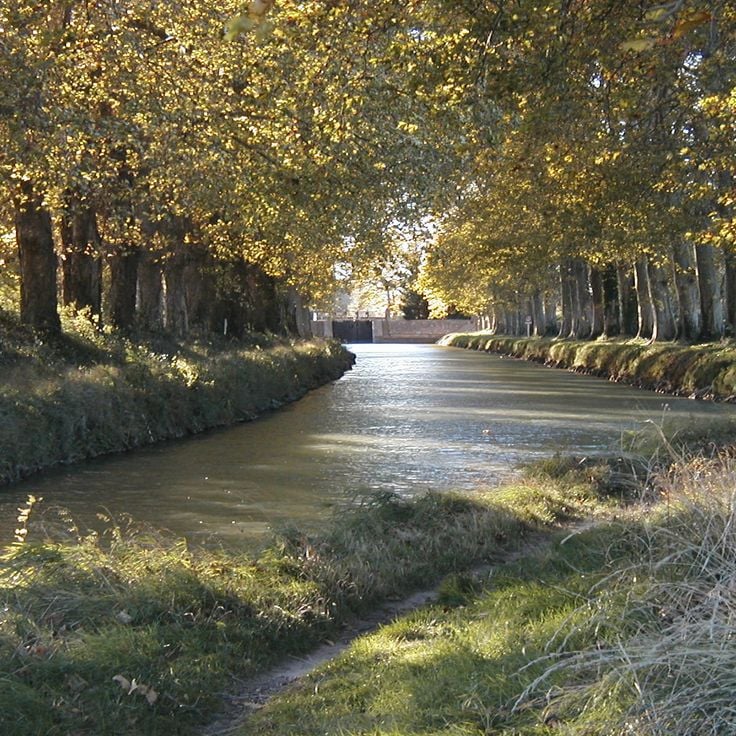
The Canal du Midi is a waterway in Toulouse connecting the Garonne river to the Étang de Thau. It forms part of the city's cultural offerings alongside historical buildings, museums and squares. Visitors can walk along the canal, take boat rides or simply enjoy the scenery from the banks.
The Musée Aeroscopia is a technical museum showcasing the aviation history of the Toulouse region. It holds around 30 aircraft, flight simulators and documents from the region's aeronautical past. Visitors can explore how the aircraft industry developed and learn about the technical side of flying. The museum is part of Toulouse's wider collection of historical sites and cultural institutions.
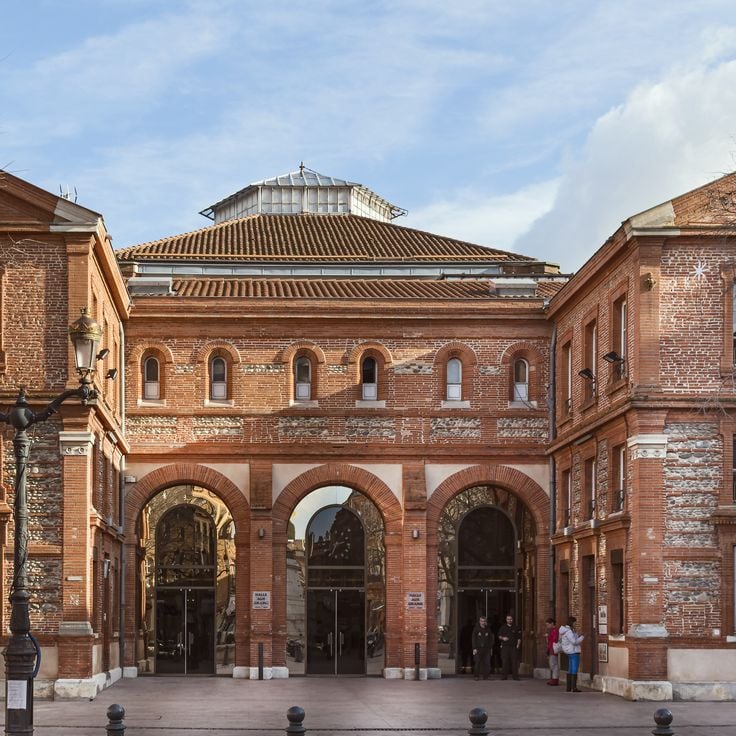
The Halle aux Grains is a concert hall housed in a 19th-century building that once served as a grain market. With capacity for about 2500 seats, it is now home to the Toulouse National Orchestra. It fits into the city's network of cultural sites, which includes the Capitole administrative center, the Romanesque Basilica of Saint-Sernin, art museums, the Canal du Midi, bridges across the Garonne and science centers.
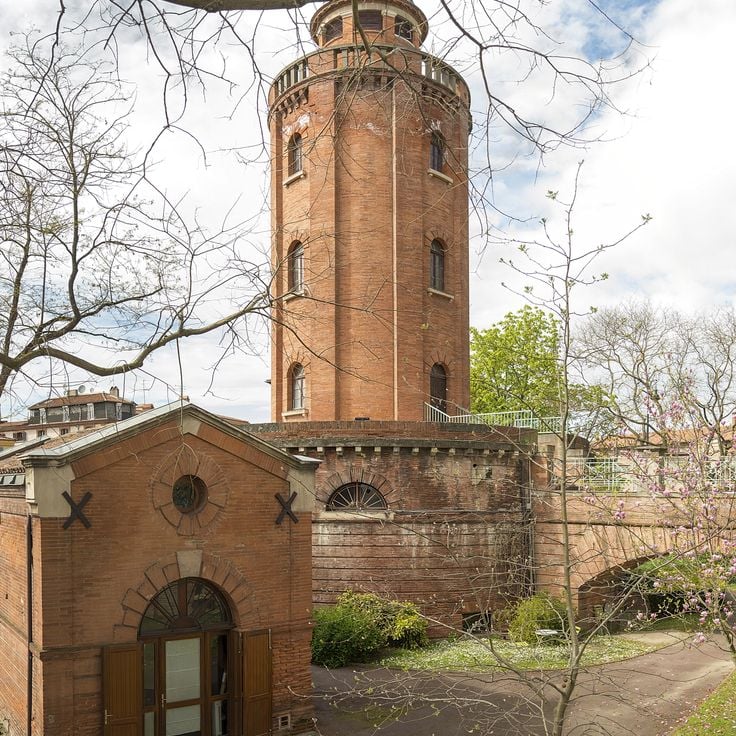
The Château d'Eau is a 19th-century former water tower in Toulouse that has been transformed into a gallery dedicated to contemporary photography. This building exemplifies how the city repurposes its industrial heritage as cultural spaces. It stands alongside the Basilica Saint-Sernin, the Capitole and other museums that form the network of historical and cultural sites throughout Toulouse.
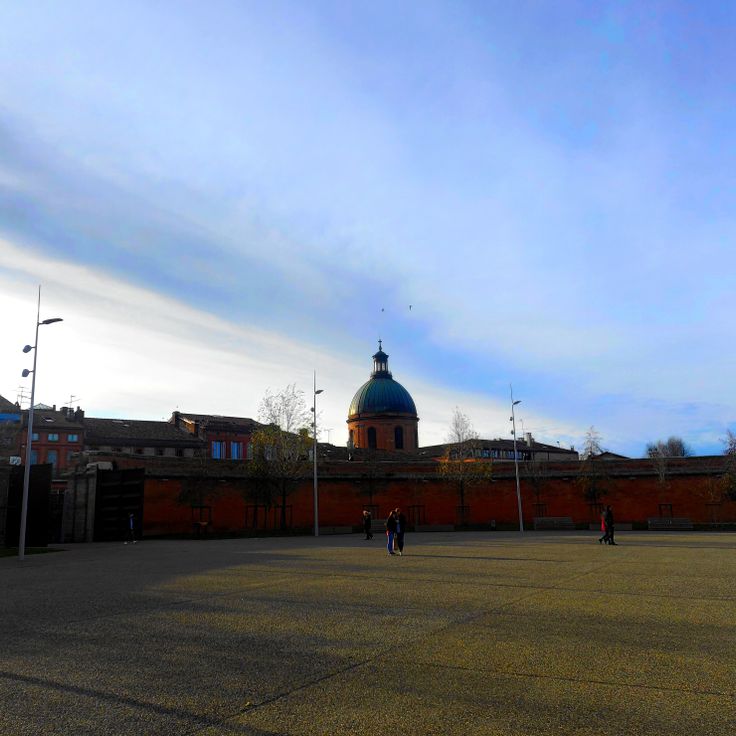
Prairie des Filtres is a 13-hectare public park in Toulouse with grass areas and trees along the Garonne river. The park was formerly a water filtration area and is now part of the city's cultural landscape, which includes the Capitole administrative center, the Romanesque Basilica Saint-Sernin, several art museums, the Canal du Midi, parks, bridges across the Garonne, and science centers.
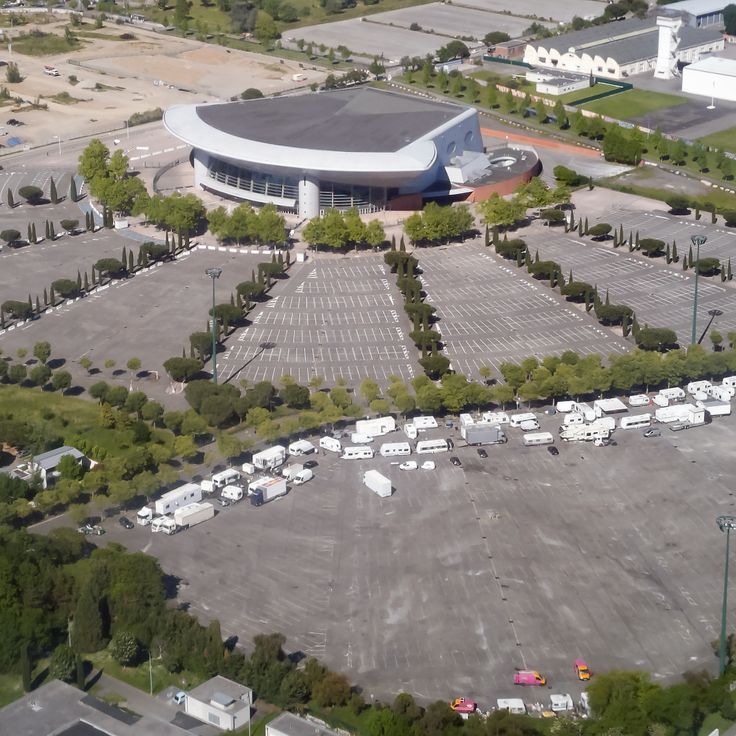
The Zénith de Toulouse is a large concert venue in Toulouse that forms part of the city's cultural offerings alongside historical buildings, museums and squares. The hall brings national and international performers to the city and complements the network that includes the Capitole, the Romanesque Basilica of Saint-Sernin, art museums and the Canal du Midi.
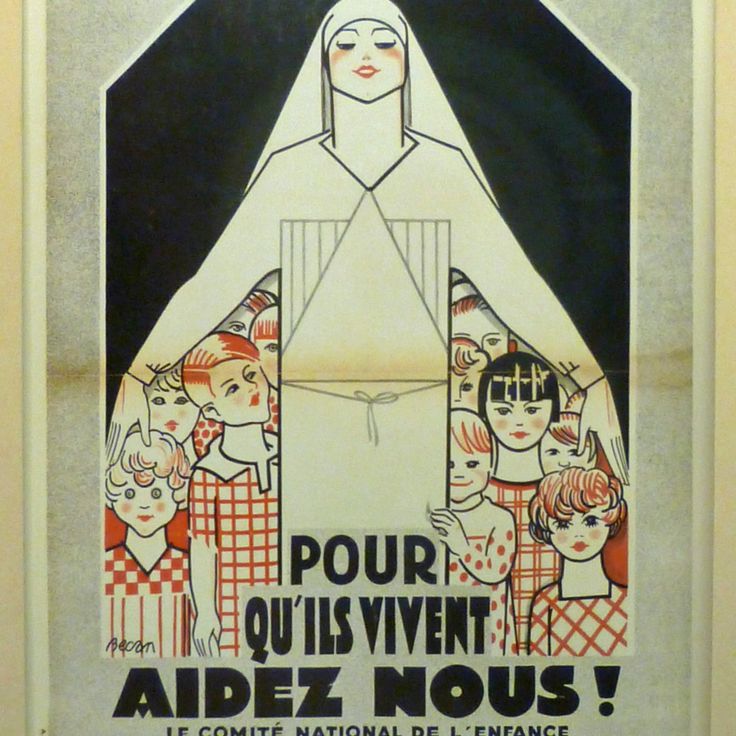
The Centre de l'Affiche is a museum in Toulouse dedicated to posters and graphic art. It displays collections of posters from different periods and contributes to the city's diverse cultural offerings, which include historical buildings, museums, squares, the Capitole, the Romanesque Basilica Saint-Sernin, and the Canal du Midi.
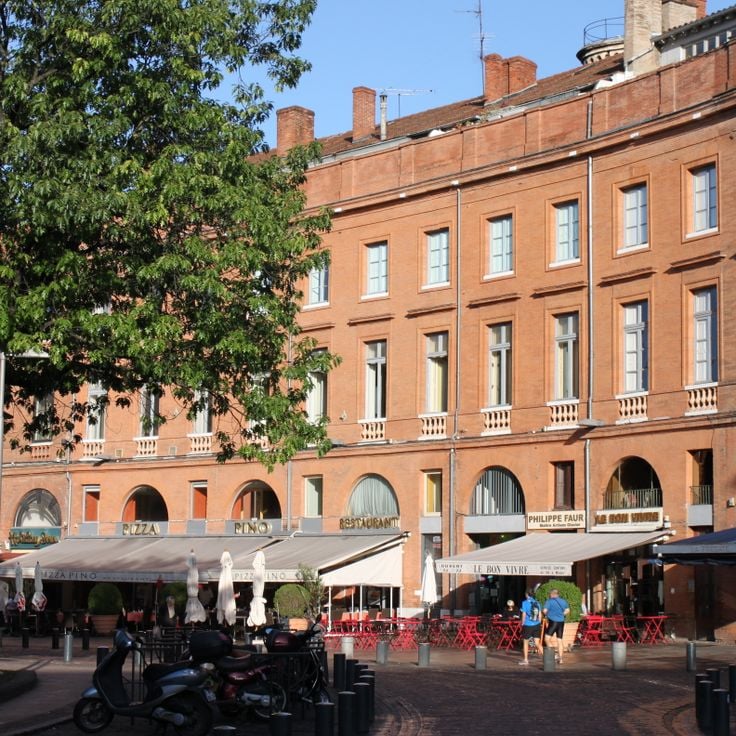
Place Wilson is a central square in Toulouse that contributes to the city's network of historical sites and public spaces. The square features cinemas, theaters and cafes arranged around a central fountain. Located near the Capitole and the Basilica of Saint-Sernin, this square serves as a gathering point where cultural and everyday activities meet.
This riverside landmark in Toulouse honors the Spanish Republicans who were forced into exile during the Spanish Civil War. It forms part of the city's network of historical buildings, museums and squares that document significant moments of the past. The site stands as a reminder of how political upheaval shaped the lives of those who sought refuge in France.
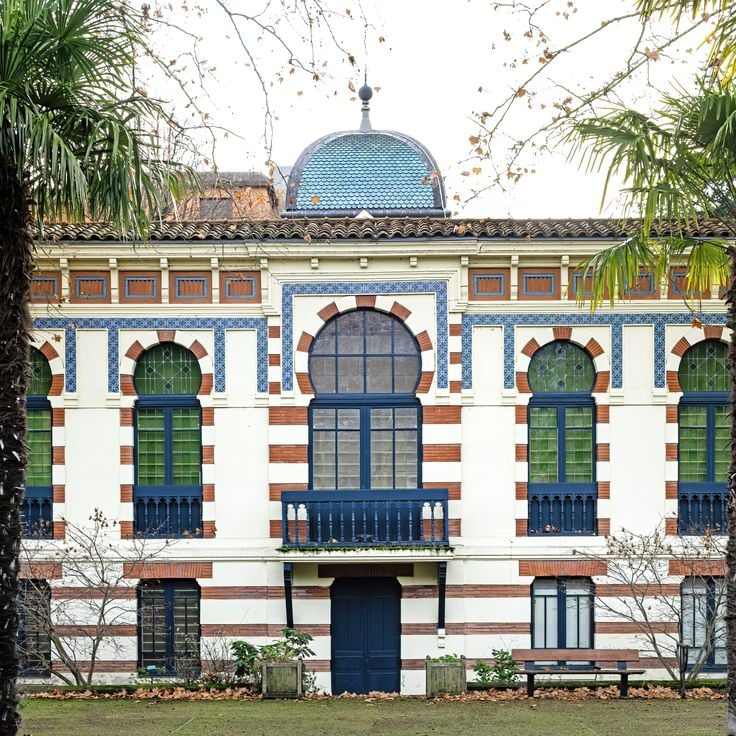
The Musée Georges-Labit is housed in a 19th-century villa and displays Buddhist statues, oriental art objects, textiles, ceramics, and Egyptian antiquities. It is part of the network of cultural institutions in Toulouse, alongside the Capitole, the Basilica of Saint-Sernin, and the Canal du Midi.
This Gothic monastery church dating from the 13th century is part of Toulouse's collection of historical buildings and landmarks. The Church of Les Jacobins stands out for its distinctive architectural design, particularly the central pillar in the choir area which displays 22 ribs that support the structure above. It represents the religious architecture found throughout Toulouse alongside the Capitole, the Romanesque Basilica Saint-Sernin, museums and other cultural sites.
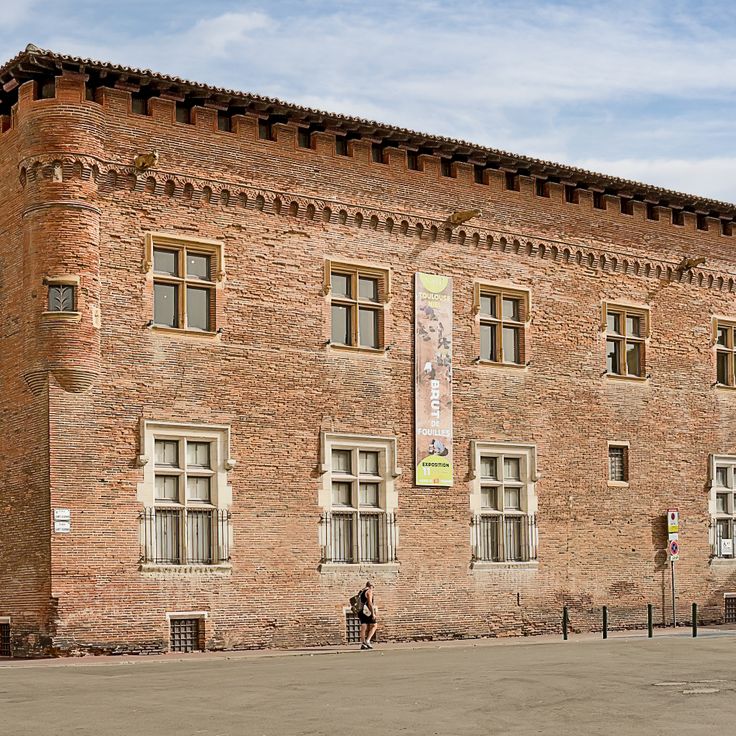
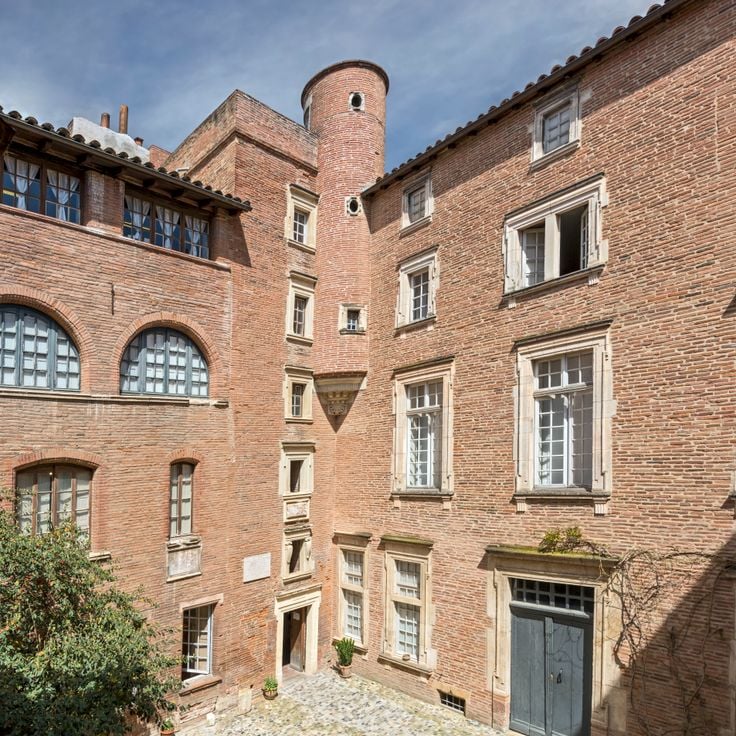
The Musée du Vieux Toulouse is part of Toulouse's network of historical buildings, museums and squares. The museum displays historical documents, paintings and objects about Toulouse's history in a Renaissance town mansion.
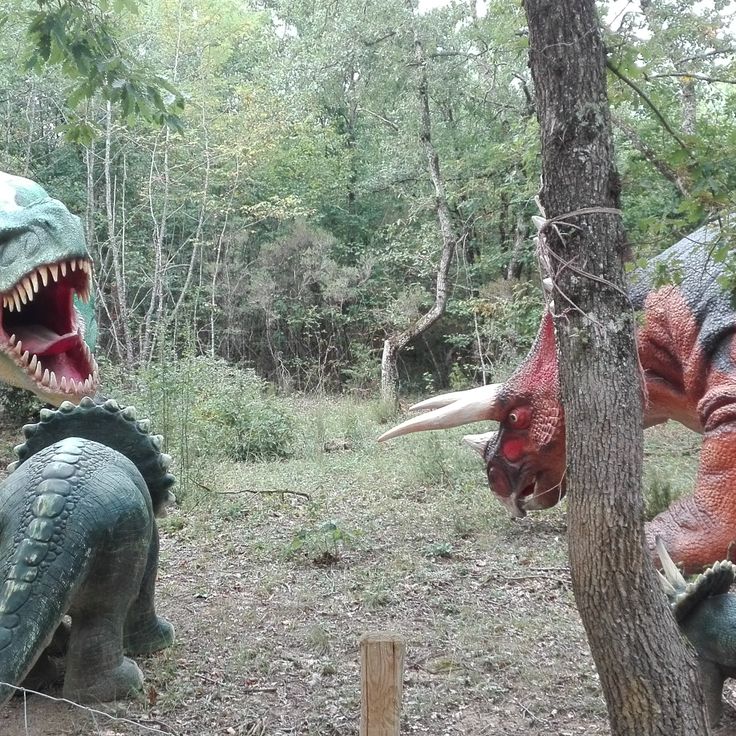
Animaparc Parc d'Attractions adds to the cultural landscape of Toulouse as a place where families come to have fun and explore nature. The park features rides, a farm with animals, and a dinosaur park with life-size models. Visitors can spend time in Bouconne Forest enjoying different attractions.
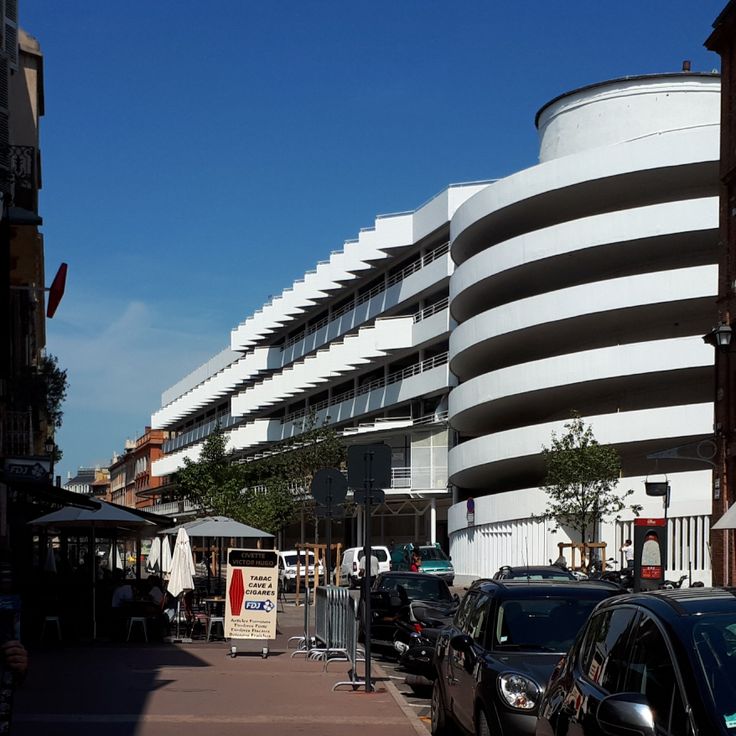
The Victor Hugo Market is part of Toulouse's network of cultural sites and landmarks, serving as a covered marketplace where over 80 vendors sell regional products, meats, cheeses, and wines. The market reflects the city's food traditions and complements the historical buildings, museums, and squares that form Toulouse's cultural landscape.
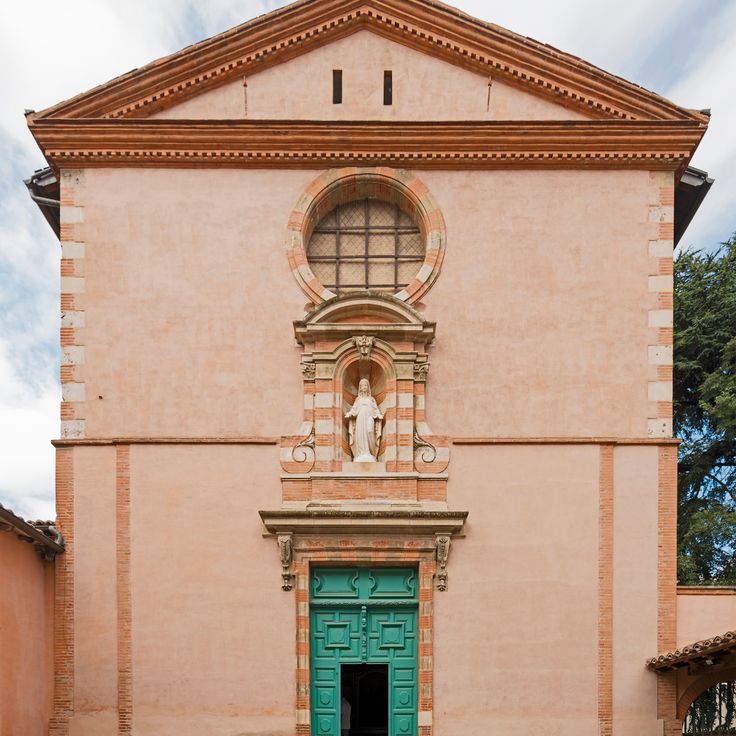
The Carmelite Chapel is part of Toulouse's network of historical buildings and cultural sites. This 17th-century baroque chapel features painted walls and carved wooden decorations depicting religious motifs. It contributes to the city's cultural offerings alongside the Capitole, the Romanesque Basilica Saint-Sernin, museums and the Canal du Midi.
Garlande Street is a medieval street in Toulouse that adds to the city's network of historical sites. It contains traditional French restaurants and local shops that complement Toulouse's cultural offerings, which also include the Capitole as administrative center, the Romanesque Basilica Saint-Sernin, several art museums, the Canal du Midi, parks, bridges across the Garonne and science centers.
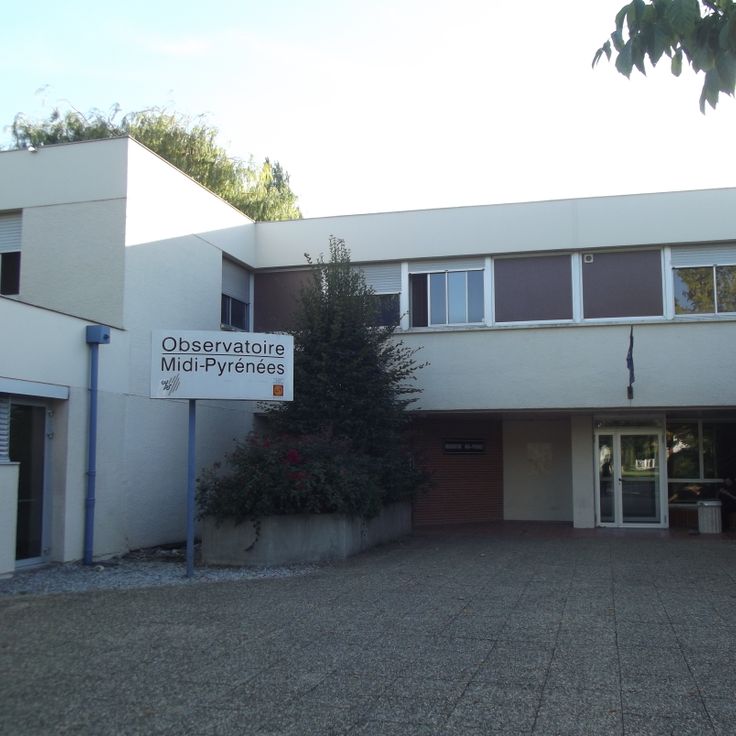
The Observatoire Midi-Pyrénées is an astronomy research center located in Toulouse, part of the city's network of historical buildings, museums and squares. The observatory houses telescopes and scientific instruments and offers regular public tours. It complements Toulouse's cultural offerings alongside the Capitole, the Romanesque Basilica of Saint-Sernin, several art museums, the Canal du Midi and other cultural sites.
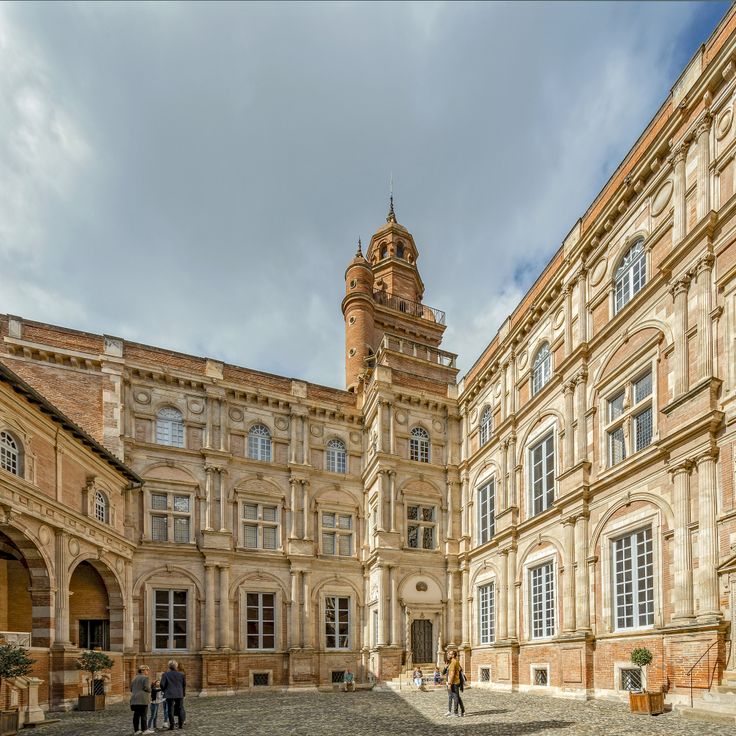
The Fondation Bemberg is housed in the Hôtel d'Assézat and displays a private art collection across 30 rooms. Within Toulouse's network of cultural sites, this foundation presents European paintings spanning from medieval times to modern art, adding depth to the city's museums and historical landmarks.
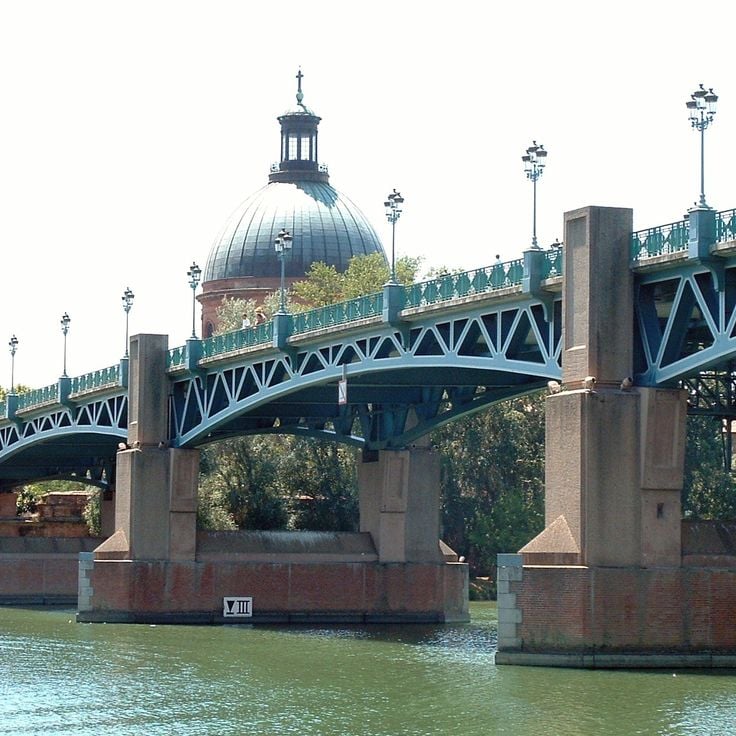
The Pont Saint-Pierre is a metal bridge built in 1852 that crosses the Garonne and links the center of Toulouse to the Saint-Cyprien neighborhood. It is part of the city's fabric of historic structures, alongside the Capitole, the Basilica of Saint-Sernin, and the Canal du Midi. Walking across it offers a clear view of the river and the surrounding banks on both sides.
The Museum of Natural History in Toulouse is a scientific museum that forms part of the city's network of cultural sites. It houses extensive collections covering mineralogy, paleontology, prehistory, and ethnology. This museum complements Toulouse's historical buildings and art museums, offering visitors insight into natural sciences and human history.
The Raymond VI Garden is a 13th-century urban garden within Toulouse's network of historical sites. It features terraces, flower beds and benches set along the medieval city wall. The garden provides a green space where visitors can rest while experiencing the layers of the city's past.
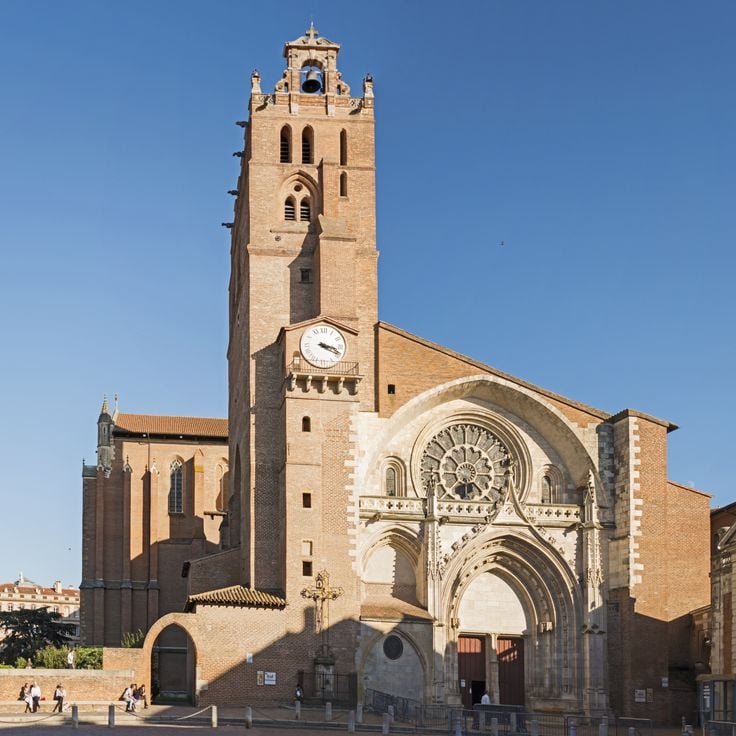
Saint Etienne Cathedral is a 13th-century cathedral that stands as part of Toulouse's network of historical buildings and religious centers. The structure displays an asymmetrical facade and brings together different architectural styles from various periods. Inside, the cathedral opens into a spacious interior that invites visitors to experience medieval religious architecture. It sits among other important landmarks including the Basilica Saint-Sernin and the Capitole.
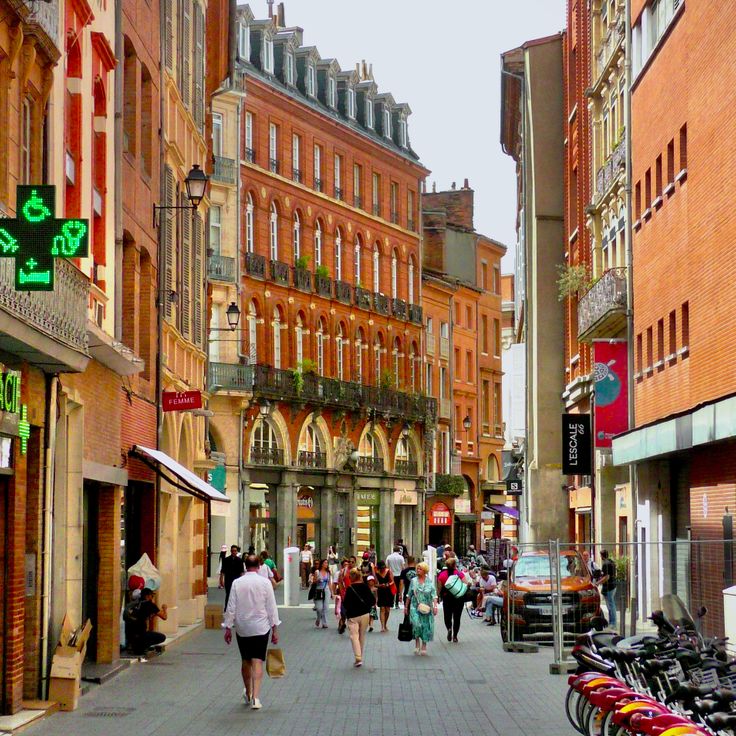
Ozenne Street is a passage in the historic center of Toulouse lined with 18th-century buildings. Small boutiques and cafes occupy the ground level of these structures. This street is part of the network of historical buildings, museums and squares that make up the cultural offerings of Toulouse.
The University of Toulouse is an academic institution founded in 1229 that forms a key part of the city's cultural and educational network. Its historic buildings and libraries are scattered across multiple locations throughout the city, shaping the urban landscape. With its important collections and spaces, the university complements the network of historical buildings, museums and squares that characterize Toulouse.
Le Capitole de Toulouse is the main city hall and serves as an important focal point within this network of historical buildings and museums. The building displays a neoclassical facade and houses a theater within its complex. It functions as the administrative center and shapes the character of the city.
The Musée des Augustins de Toulouse is part of the city's network of museums and historical buildings. This museum occupies a former Augustinian monastery and displays medieval artworks along with French paintings spanning the 14th to 20th century. The building itself reflects Toulouse's cultural heritage, standing alongside landmarks like the Capitole, the Romanesque Basilica of Saint-Sernin, and other important sites throughout the city.
The Jardin Japonais de Toulouse is a garden with a pond, bridges and pavilions designed following traditional Japanese aesthetics from the Edo period. It forms part of Toulouse's collection of cultural sites, offering a peaceful retreat within the city alongside the Capitole, Basilica Saint-Sernin and other museums.
The Pont Neuf spans the Garonne River with seven stone arches and connects both banks of Toulouse. Built between 1544 and 1632, it is one of the oldest bridges in the city. Walking across it, you see the pink facades of the old town on one side and the open river on the other.
The Basilica of Saint-Sernin stands as a major Romanesque church in the network of historical sites that shapes Toulouse. Built to house the relics of Saint Sernin, this basilica plays an important role in the city's cultural fabric alongside the Capitole, museums and the Canal du Midi.
The Musée Saint-Raymond is a museum devoted to ancient civilizations, located just steps from the Basilica Saint-Sernin. It forms part of Toulouse's network of historical buildings and museums that shape the city's cultural offerings. The museum displays collections from Greek and Roman periods, offering visitors insight into the ancient world.
The Cité de l'espace is a theme park in Toulouse dedicated to exploring space and the mysteries of the universe. It complements the city's cultural offerings, which range from historical monuments like the Capitole and the Romanesque Basilica Saint-Sernin to art museums and science centers. The park invites visitors to discover how humans explore and understand the cosmos.
The Canal du Midi is a waterway in Toulouse connecting the Garonne river to the Étang de Thau. It forms part of the city's cultural offerings alongside historical buildings, museums and squares. Visitors can walk along the canal, take boat rides or simply enjoy the scenery from the banks.
The Musée Aeroscopia is a technical museum showcasing the aviation history of the Toulouse region. It holds around 30 aircraft, flight simulators and documents from the region's aeronautical past. Visitors can explore how the aircraft industry developed and learn about the technical side of flying. The museum is part of Toulouse's wider collection of historical sites and cultural institutions.
The Halle aux Grains is a concert hall housed in a 19th-century building that once served as a grain market. With capacity for about 2500 seats, it is now home to the Toulouse National Orchestra. It fits into the city's network of cultural sites, which includes the Capitole administrative center, the Romanesque Basilica of Saint-Sernin, art museums, the Canal du Midi, bridges across the Garonne and science centers.
The Château d'Eau is a 19th-century former water tower in Toulouse that has been transformed into a gallery dedicated to contemporary photography. This building exemplifies how the city repurposes its industrial heritage as cultural spaces. It stands alongside the Basilica Saint-Sernin, the Capitole and other museums that form the network of historical and cultural sites throughout Toulouse.
Prairie des Filtres is a 13-hectare public park in Toulouse with grass areas and trees along the Garonne river. The park was formerly a water filtration area and is now part of the city's cultural landscape, which includes the Capitole administrative center, the Romanesque Basilica Saint-Sernin, several art museums, the Canal du Midi, parks, bridges across the Garonne, and science centers.
The Zénith de Toulouse is a large concert venue in Toulouse that forms part of the city's cultural offerings alongside historical buildings, museums and squares. The hall brings national and international performers to the city and complements the network that includes the Capitole, the Romanesque Basilica of Saint-Sernin, art museums and the Canal du Midi.
The Centre de l'Affiche is a museum in Toulouse dedicated to posters and graphic art. It displays collections of posters from different periods and contributes to the city's diverse cultural offerings, which include historical buildings, museums, squares, the Capitole, the Romanesque Basilica Saint-Sernin, and the Canal du Midi.
Place Wilson is a central square in Toulouse that contributes to the city's network of historical sites and public spaces. The square features cinemas, theaters and cafes arranged around a central fountain. Located near the Capitole and the Basilica of Saint-Sernin, this square serves as a gathering point where cultural and everyday activities meet.
This riverside landmark in Toulouse honors the Spanish Republicans who were forced into exile during the Spanish Civil War. It forms part of the city's network of historical buildings, museums and squares that document significant moments of the past. The site stands as a reminder of how political upheaval shaped the lives of those who sought refuge in France.
The Musée Georges-Labit is housed in a 19th-century villa and displays Buddhist statues, oriental art objects, textiles, ceramics, and Egyptian antiquities. It is part of the network of cultural institutions in Toulouse, alongside the Capitole, the Basilica of Saint-Sernin, and the Canal du Midi.
This Gothic monastery church dating from the 13th century is part of Toulouse's collection of historical buildings and landmarks. The Church of Les Jacobins stands out for its distinctive architectural design, particularly the central pillar in the choir area which displays 22 ribs that support the structure above. It represents the religious architecture found throughout Toulouse alongside the Capitole, the Romanesque Basilica Saint-Sernin, museums and other cultural sites.
The Musée du Vieux Toulouse is part of Toulouse's network of historical buildings, museums and squares. The museum displays historical documents, paintings and objects about Toulouse's history in a Renaissance town mansion.
Animaparc Parc d'Attractions adds to the cultural landscape of Toulouse as a place where families come to have fun and explore nature. The park features rides, a farm with animals, and a dinosaur park with life-size models. Visitors can spend time in Bouconne Forest enjoying different attractions.
The Victor Hugo Market is part of Toulouse's network of cultural sites and landmarks, serving as a covered marketplace where over 80 vendors sell regional products, meats, cheeses, and wines. The market reflects the city's food traditions and complements the historical buildings, museums, and squares that form Toulouse's cultural landscape.
The Carmelite Chapel is part of Toulouse's network of historical buildings and cultural sites. This 17th-century baroque chapel features painted walls and carved wooden decorations depicting religious motifs. It contributes to the city's cultural offerings alongside the Capitole, the Romanesque Basilica Saint-Sernin, museums and the Canal du Midi.
Garlande Street is a medieval street in Toulouse that adds to the city's network of historical sites. It contains traditional French restaurants and local shops that complement Toulouse's cultural offerings, which also include the Capitole as administrative center, the Romanesque Basilica Saint-Sernin, several art museums, the Canal du Midi, parks, bridges across the Garonne and science centers.
The Observatoire Midi-Pyrénées is an astronomy research center located in Toulouse, part of the city's network of historical buildings, museums and squares. The observatory houses telescopes and scientific instruments and offers regular public tours. It complements Toulouse's cultural offerings alongside the Capitole, the Romanesque Basilica of Saint-Sernin, several art museums, the Canal du Midi and other cultural sites.
The Fondation Bemberg is housed in the Hôtel d'Assézat and displays a private art collection across 30 rooms. Within Toulouse's network of cultural sites, this foundation presents European paintings spanning from medieval times to modern art, adding depth to the city's museums and historical landmarks.
The Pont Saint-Pierre is a metal bridge built in 1852 that crosses the Garonne and links the center of Toulouse to the Saint-Cyprien neighborhood. It is part of the city's fabric of historic structures, alongside the Capitole, the Basilica of Saint-Sernin, and the Canal du Midi. Walking across it offers a clear view of the river and the surrounding banks on both sides.
The Museum of Natural History in Toulouse is a scientific museum that forms part of the city's network of cultural sites. It houses extensive collections covering mineralogy, paleontology, prehistory, and ethnology. This museum complements Toulouse's historical buildings and art museums, offering visitors insight into natural sciences and human history.
The Raymond VI Garden is a 13th-century urban garden within Toulouse's network of historical sites. It features terraces, flower beds and benches set along the medieval city wall. The garden provides a green space where visitors can rest while experiencing the layers of the city's past.
Saint Etienne Cathedral is a 13th-century cathedral that stands as part of Toulouse's network of historical buildings and religious centers. The structure displays an asymmetrical facade and brings together different architectural styles from various periods. Inside, the cathedral opens into a spacious interior that invites visitors to experience medieval religious architecture. It sits among other important landmarks including the Basilica Saint-Sernin and the Capitole.
Ozenne Street is a passage in the historic center of Toulouse lined with 18th-century buildings. Small boutiques and cafes occupy the ground level of these structures. This street is part of the network of historical buildings, museums and squares that make up the cultural offerings of Toulouse.
The University of Toulouse is an academic institution founded in 1229 that forms a key part of the city's cultural and educational network. Its historic buildings and libraries are scattered across multiple locations throughout the city, shaping the urban landscape. With its important collections and spaces, the university complements the network of historical buildings, museums and squares that characterize Toulouse.
Le Capitole de Toulouse is the main city hall and serves as an important focal point within this network of historical buildings and museums. The building displays a neoclassical facade and houses a theater within its complex. It functions as the administrative center and shapes the character of the city.
The Musée des Augustins de Toulouse is part of the city's network of museums and historical buildings. This museum occupies a former Augustinian monastery and displays medieval artworks along with French paintings spanning the 14th to 20th century. The building itself reflects Toulouse's cultural heritage, standing alongside landmarks like the Capitole, the Romanesque Basilica of Saint-Sernin, and other important sites throughout the city.
The Jardin Japonais de Toulouse is a garden with a pond, bridges and pavilions designed following traditional Japanese aesthetics from the Edo period. It forms part of Toulouse's collection of cultural sites, offering a peaceful retreat within the city alongside the Capitole, Basilica Saint-Sernin and other museums.
The Pont Neuf spans the Garonne River with seven stone arches and connects both banks of Toulouse. Built between 1544 and 1632, it is one of the oldest bridges in the city. Walking across it, you see the pink facades of the old town on one side and the open river on the other.
The Basilica of Saint-Sernin stands as a major Romanesque church in the network of historical sites that shapes Toulouse. Built to house the relics of Saint Sernin, this basilica plays an important role in the city's cultural fabric alongside the Capitole, museums and the Canal du Midi.
The Musée Saint-Raymond is a museum devoted to ancient civilizations, located just steps from the Basilica Saint-Sernin. It forms part of Toulouse's network of historical buildings and museums that shape the city's cultural offerings. The museum displays collections from Greek and Roman periods, offering visitors insight into the ancient world.
The Cité de l'espace is a theme park in Toulouse dedicated to exploring space and the mysteries of the universe. It complements the city's cultural offerings, which range from historical monuments like the Capitole and the Romanesque Basilica Saint-Sernin to art museums and science centers. The park invites visitors to discover how humans explore and understand the cosmos.
The Canal du Midi is a waterway in Toulouse connecting the Garonne river to the Étang de Thau. It forms part of the city's cultural offerings alongside historical buildings, museums and squares. Visitors can walk along the canal, take boat rides or simply enjoy the scenery from the banks.
The Musée Aeroscopia is a technical museum showcasing the aviation history of the Toulouse region. It holds around 30 aircraft, flight simulators and documents from the region's aeronautical past. Visitors can explore how the aircraft industry developed and learn about the technical side of flying. The museum is part of Toulouse's wider collection of historical sites and cultural institutions.
The Halle aux Grains is a concert hall housed in a 19th-century building that once served as a grain market. With capacity for about 2500 seats, it is now home to the Toulouse National Orchestra. It fits into the city's network of cultural sites, which includes the Capitole administrative center, the Romanesque Basilica of Saint-Sernin, art museums, the Canal du Midi, bridges across the Garonne and science centers.
The Château d'Eau is a 19th-century former water tower in Toulouse that has been transformed into a gallery dedicated to contemporary photography. This building exemplifies how the city repurposes its industrial heritage as cultural spaces. It stands alongside the Basilica Saint-Sernin, the Capitole and other museums that form the network of historical and cultural sites throughout Toulouse.
Prairie des Filtres is a 13-hectare public park in Toulouse with grass areas and trees along the Garonne river. The park was formerly a water filtration area and is now part of the city's cultural landscape, which includes the Capitole administrative center, the Romanesque Basilica Saint-Sernin, several art museums, the Canal du Midi, parks, bridges across the Garonne, and science centers.
The Zénith de Toulouse is a large concert venue in Toulouse that forms part of the city's cultural offerings alongside historical buildings, museums and squares. The hall brings national and international performers to the city and complements the network that includes the Capitole, the Romanesque Basilica of Saint-Sernin, art museums and the Canal du Midi.
The Centre de l'Affiche is a museum in Toulouse dedicated to posters and graphic art. It displays collections of posters from different periods and contributes to the city's diverse cultural offerings, which include historical buildings, museums, squares, the Capitole, the Romanesque Basilica Saint-Sernin, and the Canal du Midi.
Place Wilson is a central square in Toulouse that contributes to the city's network of historical sites and public spaces. The square features cinemas, theaters and cafes arranged around a central fountain. Located near the Capitole and the Basilica of Saint-Sernin, this square serves as a gathering point where cultural and everyday activities meet.
This riverside landmark in Toulouse honors the Spanish Republicans who were forced into exile during the Spanish Civil War. It forms part of the city's network of historical buildings, museums and squares that document significant moments of the past. The site stands as a reminder of how political upheaval shaped the lives of those who sought refuge in France.
The Musée Georges-Labit is housed in a 19th-century villa and displays Buddhist statues, oriental art objects, textiles, ceramics, and Egyptian antiquities. It is part of the network of cultural institutions in Toulouse, alongside the Capitole, the Basilica of Saint-Sernin, and the Canal du Midi.
This Gothic monastery church dating from the 13th century is part of Toulouse's collection of historical buildings and landmarks. The Church of Les Jacobins stands out for its distinctive architectural design, particularly the central pillar in the choir area which displays 22 ribs that support the structure above. It represents the religious architecture found throughout Toulouse alongside the Capitole, the Romanesque Basilica Saint-Sernin, museums and other cultural sites.
The Musée du Vieux Toulouse is part of Toulouse's network of historical buildings, museums and squares. The museum displays historical documents, paintings and objects about Toulouse's history in a Renaissance town mansion.
Animaparc Parc d'Attractions adds to the cultural landscape of Toulouse as a place where families come to have fun and explore nature. The park features rides, a farm with animals, and a dinosaur park with life-size models. Visitors can spend time in Bouconne Forest enjoying different attractions.
The Victor Hugo Market is part of Toulouse's network of cultural sites and landmarks, serving as a covered marketplace where over 80 vendors sell regional products, meats, cheeses, and wines. The market reflects the city's food traditions and complements the historical buildings, museums, and squares that form Toulouse's cultural landscape.
The Carmelite Chapel is part of Toulouse's network of historical buildings and cultural sites. This 17th-century baroque chapel features painted walls and carved wooden decorations depicting religious motifs. It contributes to the city's cultural offerings alongside the Capitole, the Romanesque Basilica Saint-Sernin, museums and the Canal du Midi.
Garlande Street is a medieval street in Toulouse that adds to the city's network of historical sites. It contains traditional French restaurants and local shops that complement Toulouse's cultural offerings, which also include the Capitole as administrative center, the Romanesque Basilica Saint-Sernin, several art museums, the Canal du Midi, parks, bridges across the Garonne and science centers.
The Observatoire Midi-Pyrénées is an astronomy research center located in Toulouse, part of the city's network of historical buildings, museums and squares. The observatory houses telescopes and scientific instruments and offers regular public tours. It complements Toulouse's cultural offerings alongside the Capitole, the Romanesque Basilica of Saint-Sernin, several art museums, the Canal du Midi and other cultural sites.
The Fondation Bemberg is housed in the Hôtel d'Assézat and displays a private art collection across 30 rooms. Within Toulouse's network of cultural sites, this foundation presents European paintings spanning from medieval times to modern art, adding depth to the city's museums and historical landmarks.
The Pont Saint-Pierre is a metal bridge built in 1852 that crosses the Garonne and links the center of Toulouse to the Saint-Cyprien neighborhood. It is part of the city's fabric of historic structures, alongside the Capitole, the Basilica of Saint-Sernin, and the Canal du Midi. Walking across it offers a clear view of the river and the surrounding banks on both sides.
The Museum of Natural History in Toulouse is a scientific museum that forms part of the city's network of cultural sites. It houses extensive collections covering mineralogy, paleontology, prehistory, and ethnology. This museum complements Toulouse's historical buildings and art museums, offering visitors insight into natural sciences and human history.
The Raymond VI Garden is a 13th-century urban garden within Toulouse's network of historical sites. It features terraces, flower beds and benches set along the medieval city wall. The garden provides a green space where visitors can rest while experiencing the layers of the city's past.
Saint Etienne Cathedral is a 13th-century cathedral that stands as part of Toulouse's network of historical buildings and religious centers. The structure displays an asymmetrical facade and brings together different architectural styles from various periods. Inside, the cathedral opens into a spacious interior that invites visitors to experience medieval religious architecture. It sits among other important landmarks including the Basilica Saint-Sernin and the Capitole.
Ozenne Street is a passage in the historic center of Toulouse lined with 18th-century buildings. Small boutiques and cafes occupy the ground level of these structures. This street is part of the network of historical buildings, museums and squares that make up the cultural offerings of Toulouse.
The University of Toulouse is an academic institution founded in 1229 that forms a key part of the city's cultural and educational network. Its historic buildings and libraries are scattered across multiple locations throughout the city, shaping the urban landscape. With its important collections and spaces, the university complements the network of historical buildings, museums and squares that characterize Toulouse.
Before you leave, prepare your walking shoes: the cobbled streets of the old center are charming but can be tiring over long distances. Plan regular breaks in the cafés of the small streets or along the Canal du Midi.