See the monuments around you in AROpen chests in the app
Around Us is built for your phone — point your camera at the streets and discover the monuments and places around you in augmented reality.Around Us is built for your phone — chests unlock when you walk, explore and capture nearby places.
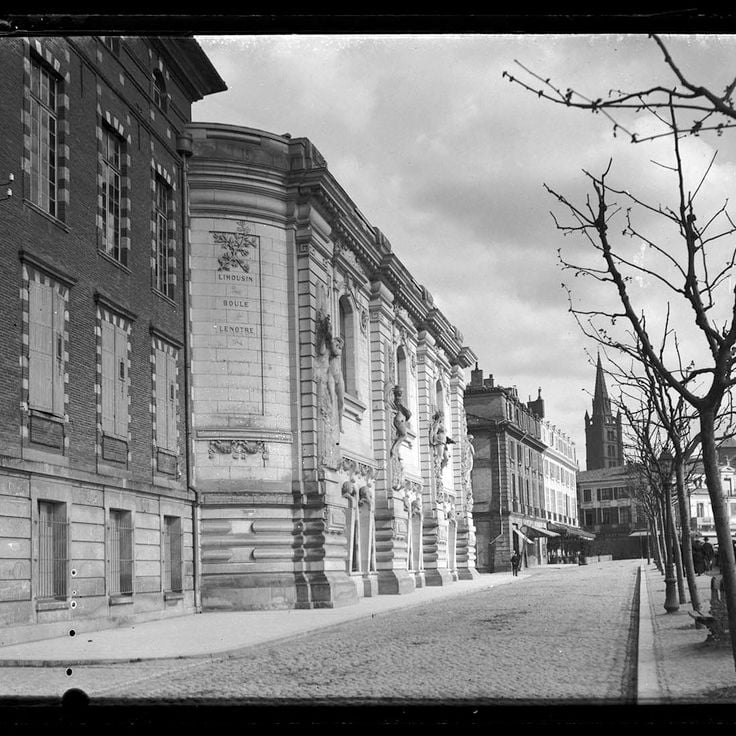
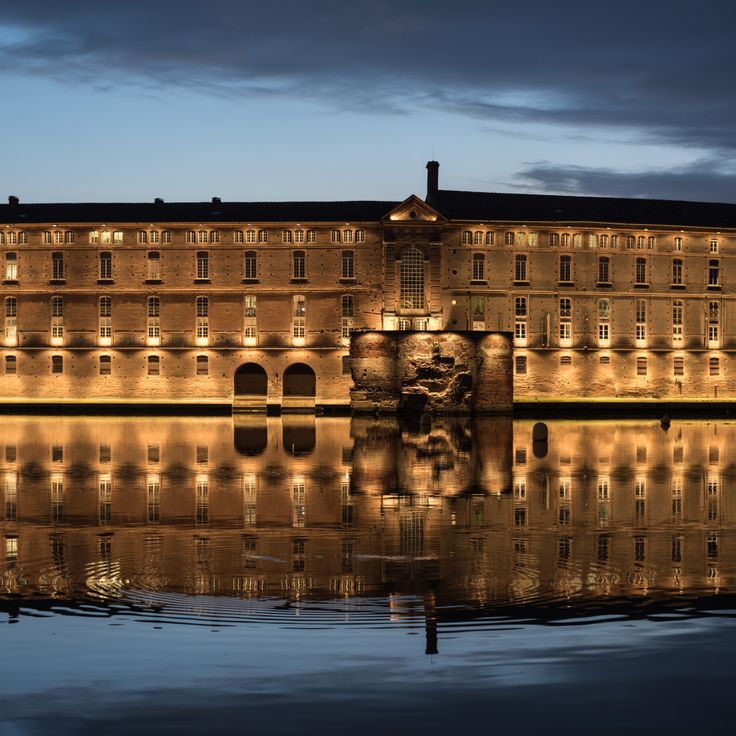
Toulouse offers many places to photograph beyond its main attractions. The Renaissance courtyards of Hôtel d'Assézat, the gardens of Raymond VI, and the converted water tower of Château d'Eau show interesting architecture from different periods. The banks of the Garonne River, especially around Quai de la Daurade and Port Saint-Sauveur, provide views of the water and the city. Old buildings like Hôtel Dieu Saint-Jacques and the La Grave neighborhood tell the story of Toulouse's long history of construction. Gardens and parks such as Grand Rond and Prairie des Filtres bring nature into photographs and create variety against the buildings around them.
Toulouse offers many places to photograph beyond its main attractions. The Renaissance courtyards of Hôtel d'Assézat, the gardens of Raymond VI, and the converted water tower of Château d'Eau show interesting architecture from different periods. The banks of the Garonne River, especially around Quai de la Daurade and Port Saint-Sauveur, provide views of the water and the city. Old buildings like Hôtel Dieu Saint-Jacques and the La Grave neighborhood tell the story of Toulouse's long history of construction. Gardens and parks such as Grand Rond and Prairie des Filtres bring nature into photographs and create variety against the buildings around them.
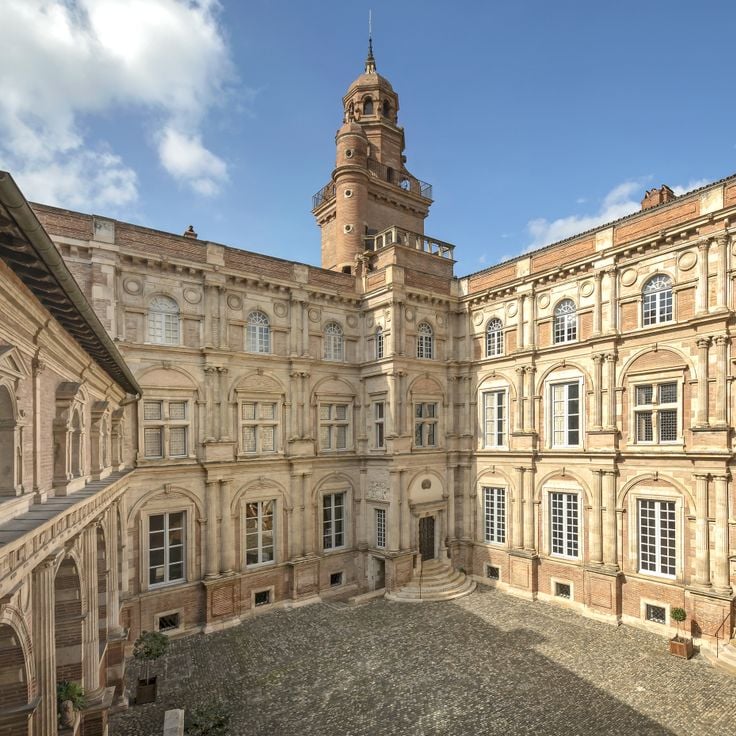
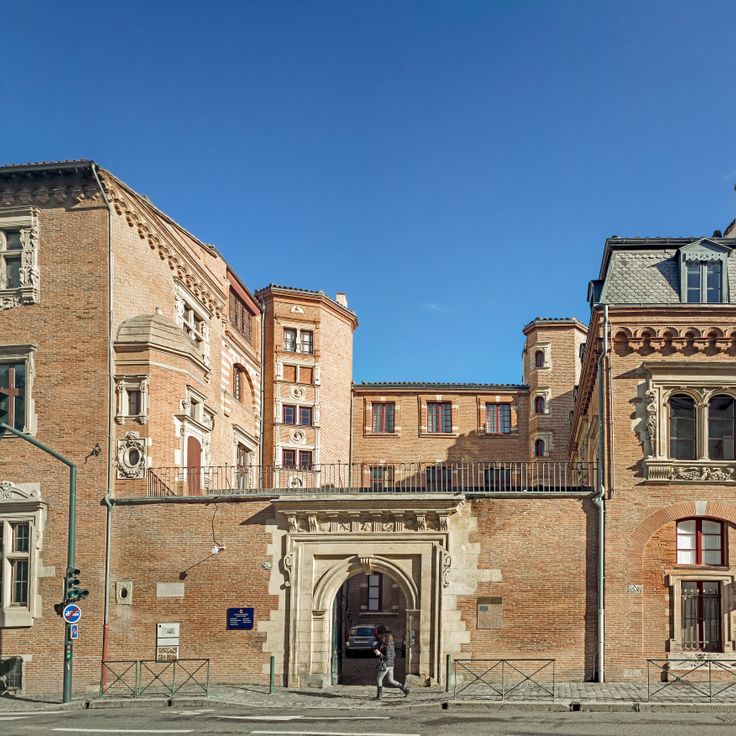
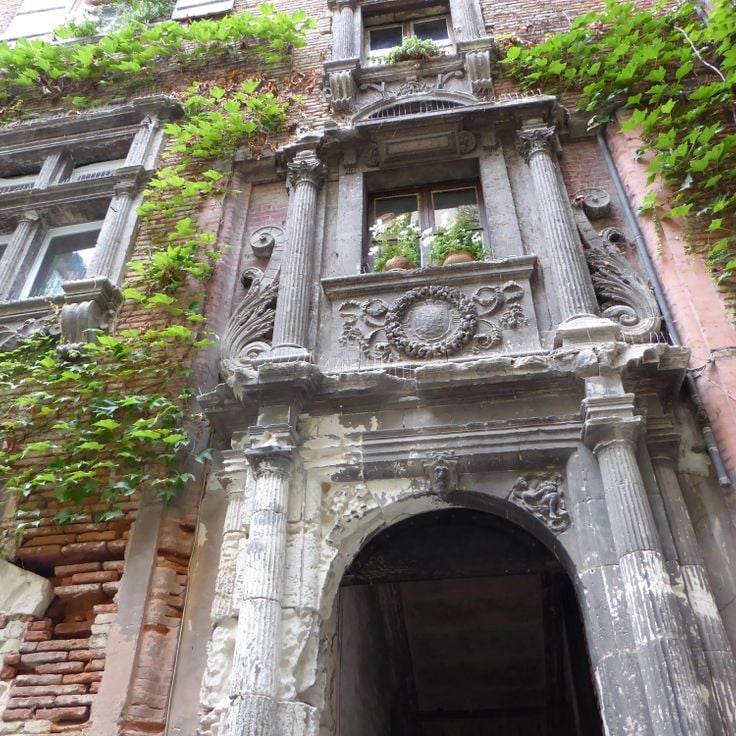
The Hôtel d'Assézat is a 16th century mansion that offers excellent photography opportunities for this collection of Instagram photo spots in Toulouse. Its stone courtyard features elaborate carved decorations and classical Renaissance architectural elements across the facade. The intricate details and proportions of this historic house provide varied subjects for photographic exploration.
The Jardin Raymond VI is a riverside garden in Toulouse that lines the Garonne and serves as one of the city's photography locations. The garden features terraced sections, stone pathways, and direct sightlines to the historic Pont Neuf bridge. This spot lets photographers capture water, architecture, and greenery together, presenting a different view of Toulouse beyond the main attractions.
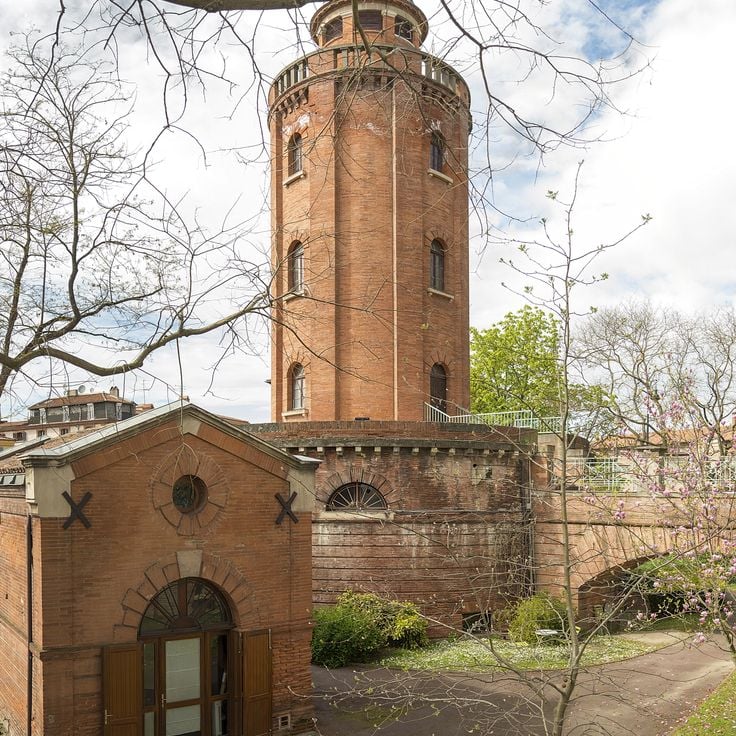
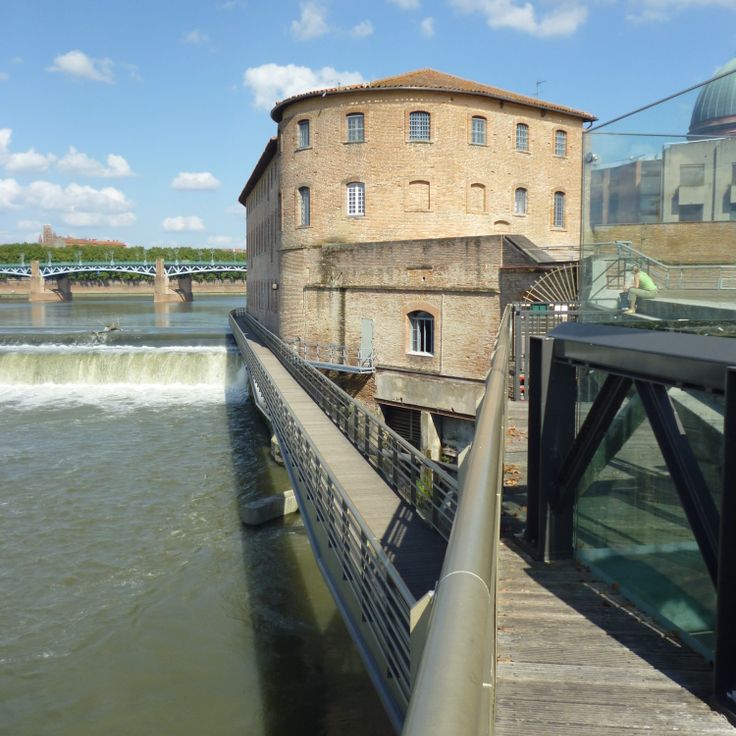
Le Château d'Eau in Toulouse is a circular brick structure from 1822 that now serves as a photography gallery. The former water tower has been renovated to host regular exhibitions in its interior spaces. As a photography subject, this building demonstrates how a historic structure was transformed into a contemporary exhibition venue and represents the architectural diversity of Toulouse beyond its main attractions.
This riverfront promenade in Toulouse offers photographers natural water reflections and classic architecture. Stone steps descending to the water create interesting foreground elements, while the opposite banks and historic buildings frame the background. The location works well for photographs at different times of day as light and shadow play across the water.
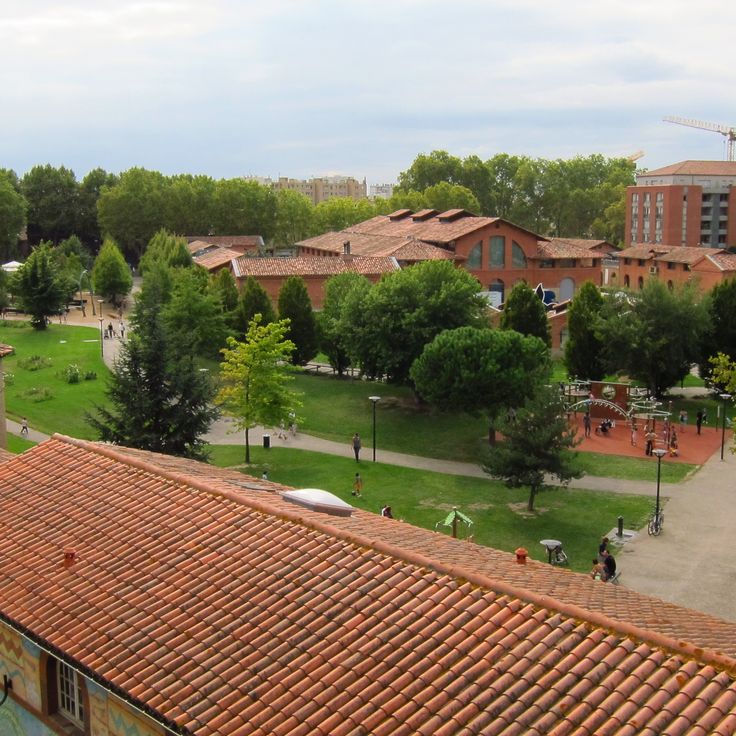
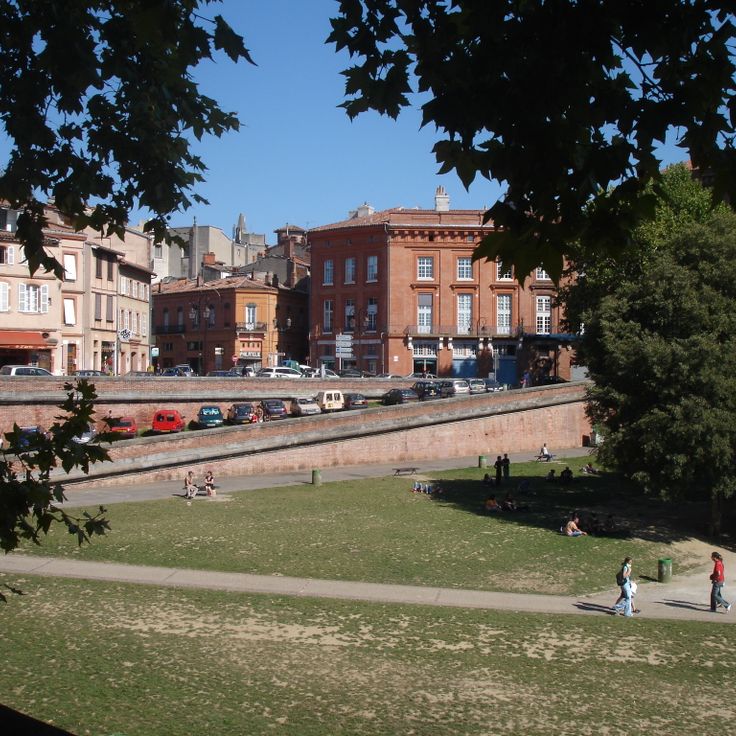
Prairie des Filtres is a public garden along the Garonne riverbanks in Toulouse, offering photographers opportunities to capture both natural and urban scenes. The space features open grass areas and mature trees that provide shade during warm days. The greenery creates a contrast with the surrounding city buildings, giving photographers chances to blend nature and architecture in their images. Visitors can walk through and appreciate the riverside setting while composing shots that reflect the character of the neighborhood.
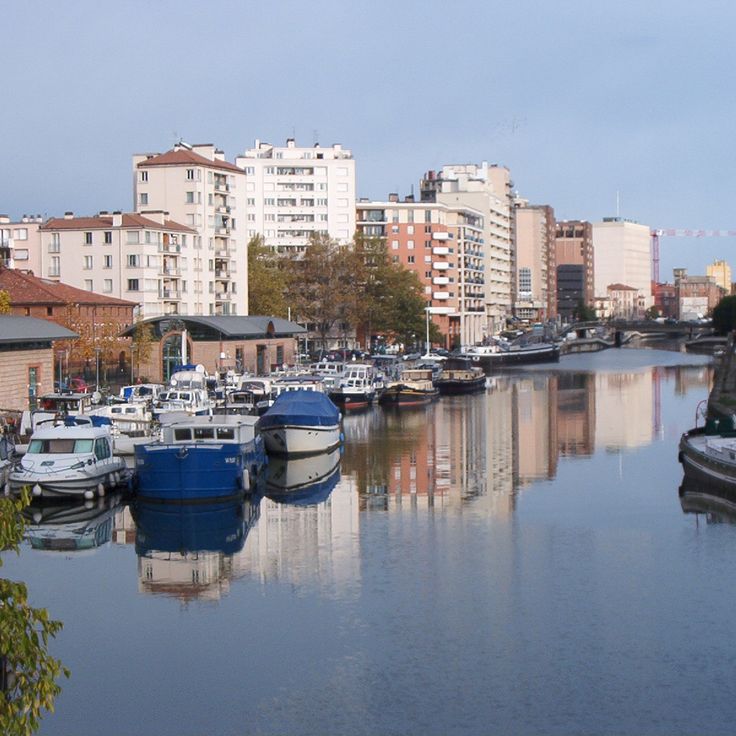
This small port on the Canal du Midi in Toulouse is a location worth exploring for photography. Moored boats line the water, and a walking path runs along the banks past residential barges. The water reflects the surrounding buildings and creates appealing subjects for photographers looking beyond the city's main attractions.
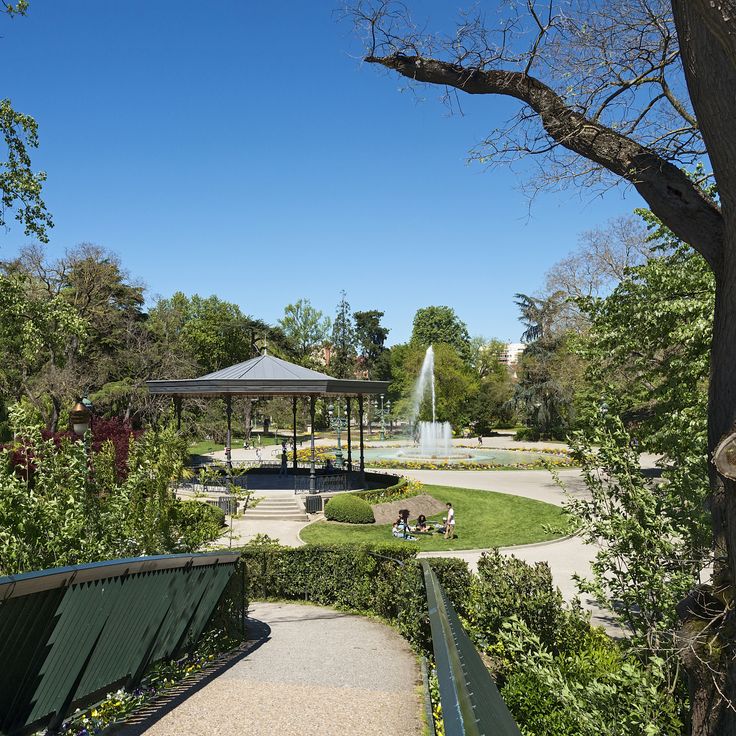
The Grand Rond is a circular garden in Toulouse featuring geometric paths, flower beds and mature trees surrounded by 19th-century buildings. It offers photographic opportunities that combine natural elements with urban architecture, showing one of the green spaces that shape the city's character.
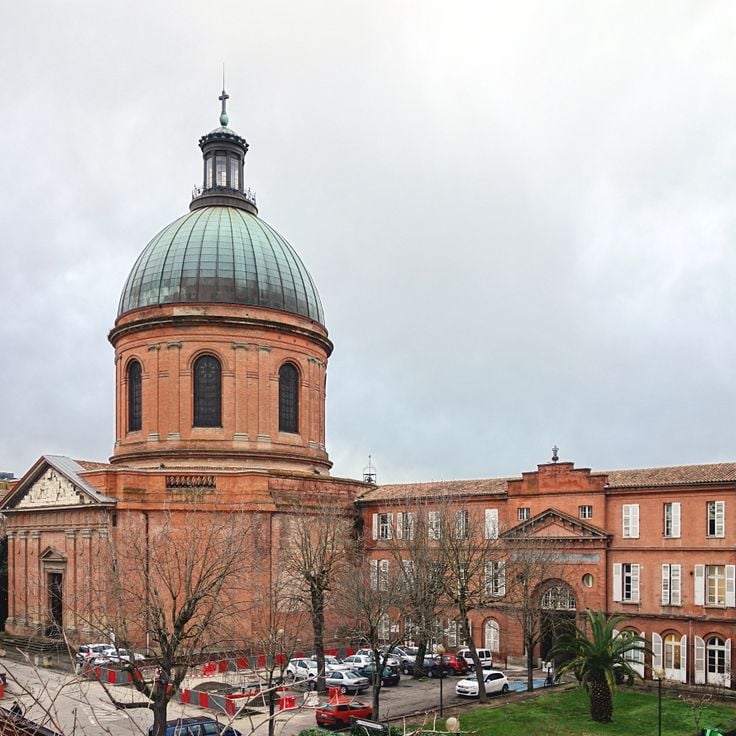
The Hôtel Dieu Saint-Jacques presents an important chapter in Toulouse's architectural history and serves as a strong photography subject with its stone facades, inner courtyards, and chapel. This former hospital complex now houses medical administration offices and exhibitions, showing how the city has adapted its historic buildings for modern use.
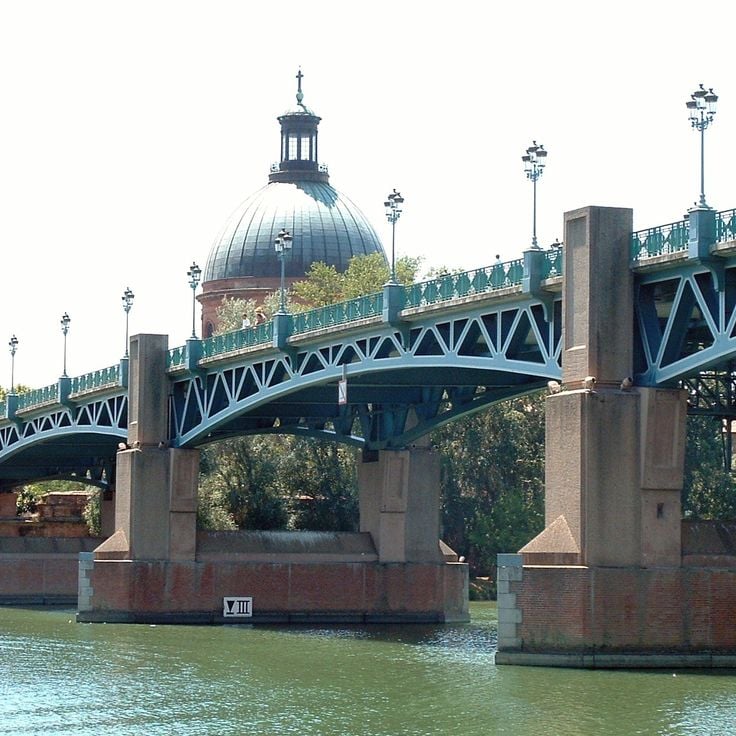
This metal bridge in Toulouse crosses the Garonne River and provides clear views of the city's riverside buildings and monuments. It is a good location for photographers looking to capture the architecture and water together.
La Grave Quarter in Toulouse is an excellent location for photography. This medieval district preserves its character through stone buildings arranged along narrow streets. The Saint Joseph de La Grave hospital dominates the area with its distinctive copper dome built in 1845. The historic architecture of this quarter complements any photography project exploring Toulouse's built heritage and offers multiple subjects for those interested in capturing the city's older neighborhoods.
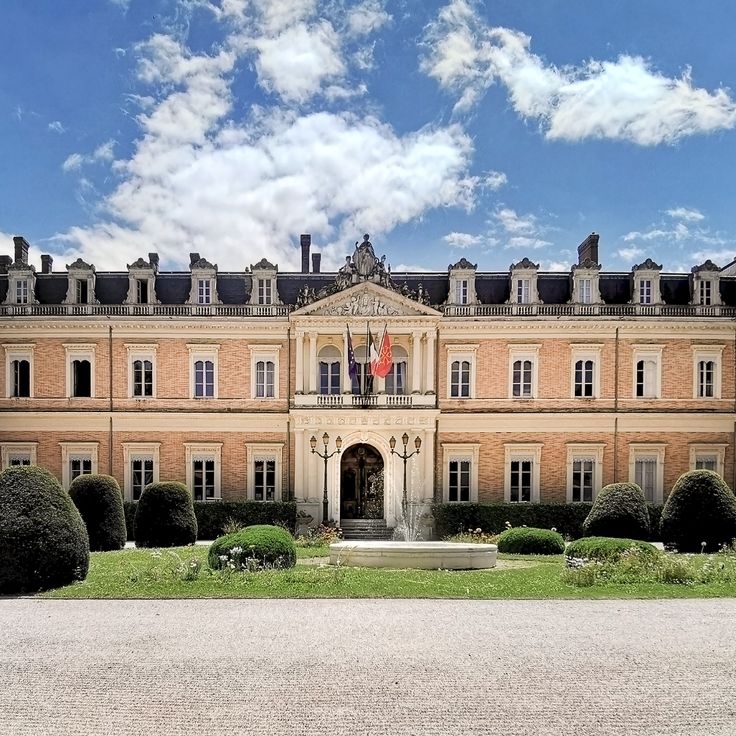
Niel Palace in Toulouse is a location for photography that showcases the city's military and architectural history. Built in 1863, this structure displays neoclassical architecture with decorated iron gates and carved stone elements. Its facade and details offer subjects for photographers documenting the historic buildings of Toulouse.
The Bernuy Mansion is a 16th century Renaissance palace in Toulouse offering photographers rich visual details for their images. This private residence displays the city's architectural heritage with its distinctive hexagonal tower and interior spiral staircase. The stone galleries surrounding the interior courtyard create compelling compositions with light and shadow, making it a worthwhile subject for photographs.
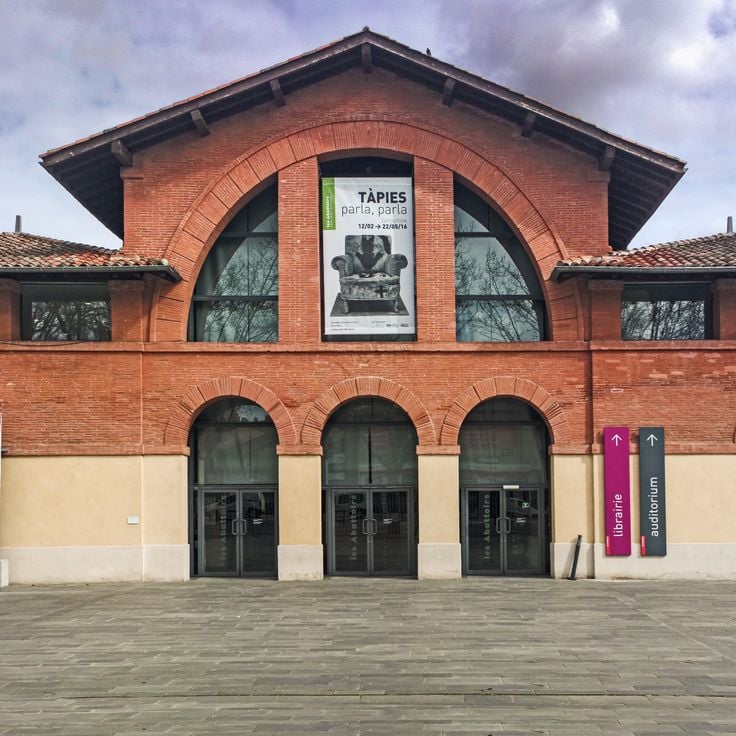
This former slaughterhouse in Toulouse has become a contemporary art museum called Les Abattoirs. The building keeps its industrial character with brick walls and large windows, now hosting modern art exhibitions. Walking through it, you see the contrast between the raw, heavy architecture and the artworks displayed inside. The space offers good lighting and interesting angles for photographs, with its warehouse-like feel and sturdy construction.
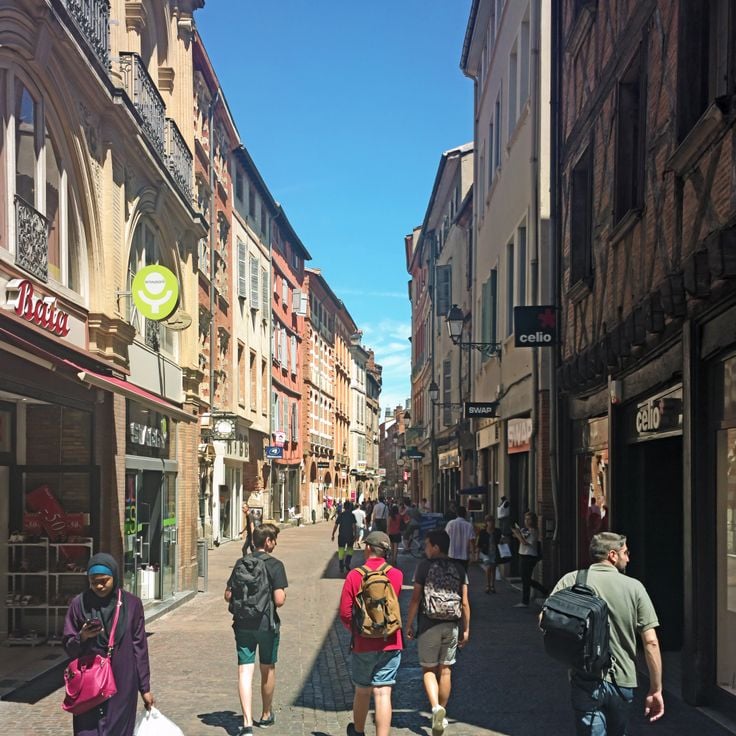
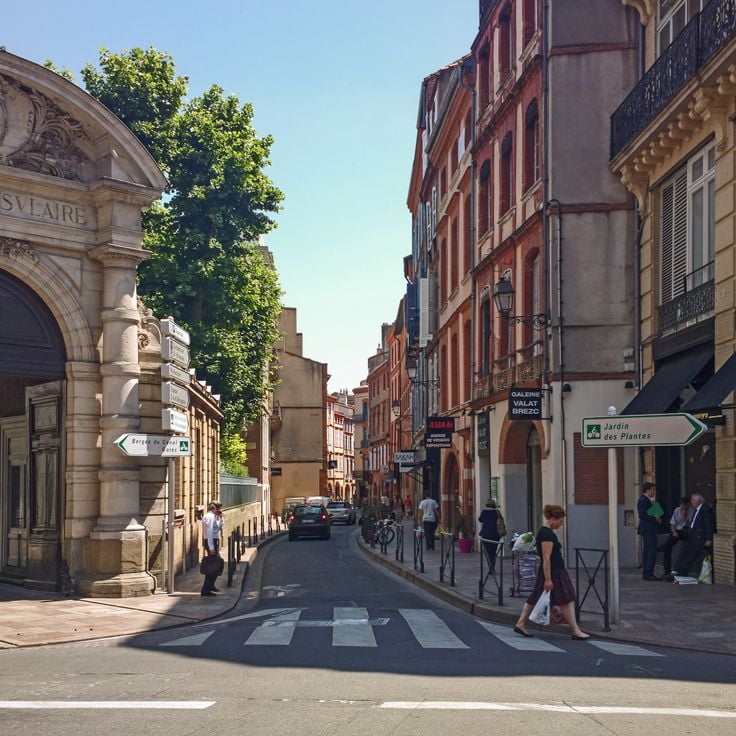
Rue Saint Rome is a medieval street in central Toulouse that offers many opportunities for photography. This street features small independent stores, craft workshops and buildings from the 15th to 18th centuries. The narrow lanes and historic facades provide numerous angles to capture the character and history of the city.
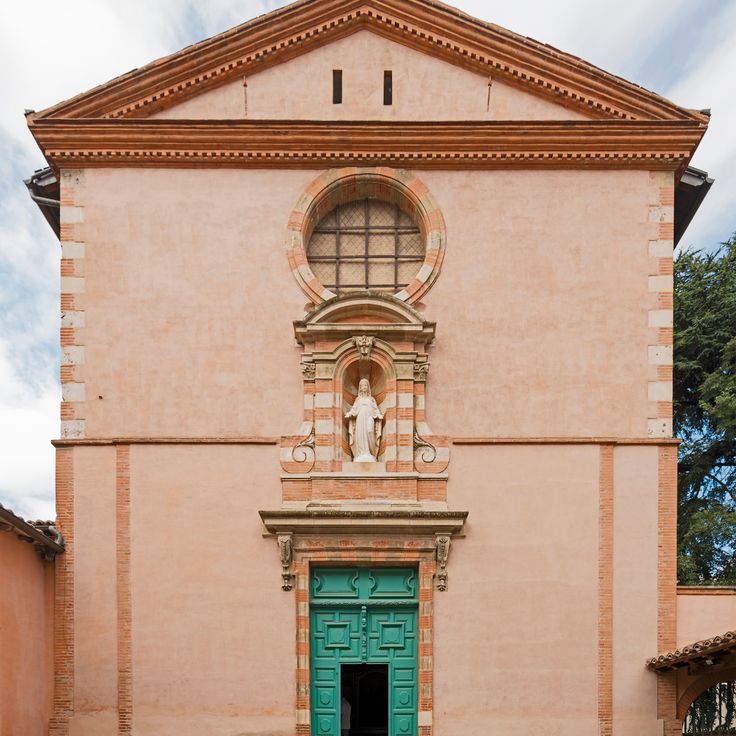
The Chapelle des Carmélites in Toulouse is a 17th century religious building. Inside, the ceiling displays extensive frescoes painted by Jean-Pierre Rivalz that show religious scenes in baroque style. For photographers exploring Toulouse's locations, this chapel presents interesting details and artistic elements that reflect the city's religious heritage.
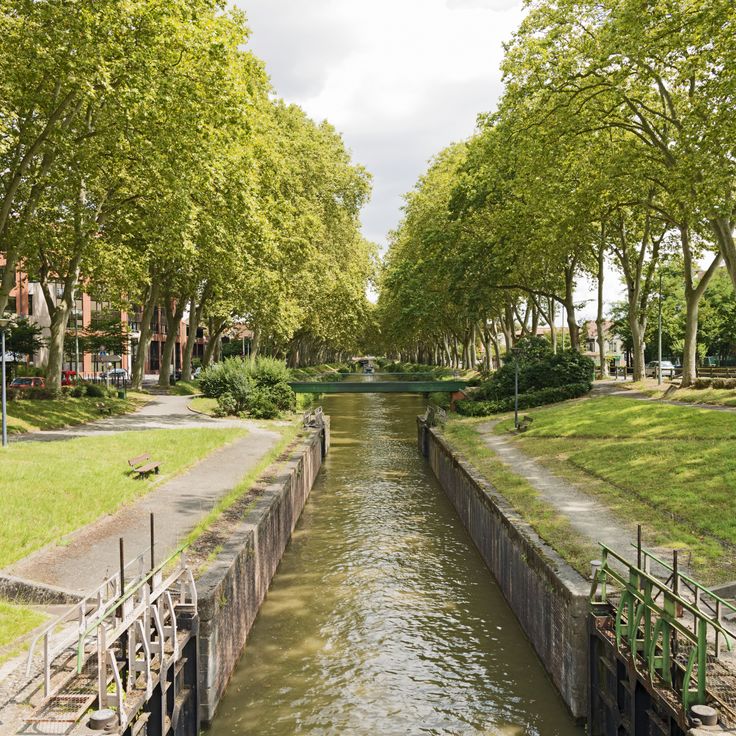
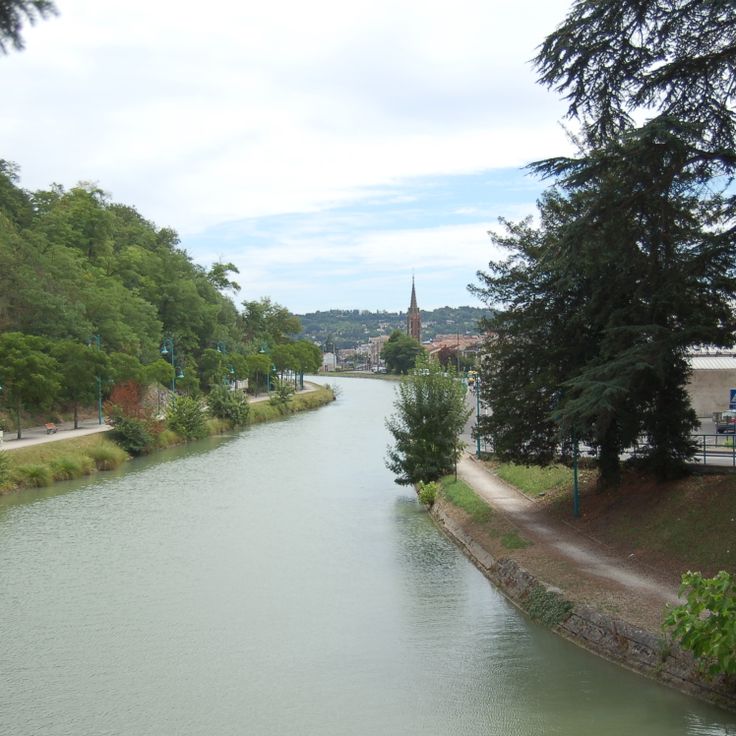
The Canal de Brienne is a natural location for photography in Toulouse, connecting the Garonne River to the Canal du Midi. The rows of plane trees create lines and shadows that work well for photographs, while the waterway itself provides reflections and depth. Walking along its banks reveals different perspectives of the trees, water, and light throughout the day.
La Daurade sits along the Garonne riverbank and offers a peaceful spot for photography with moored houseboats against old stone buildings. The river and historic architecture create a scenic backdrop that shows the city's character and relationship with water. This location fits well in a collection of photo spots in Toulouse beyond the main attractions.
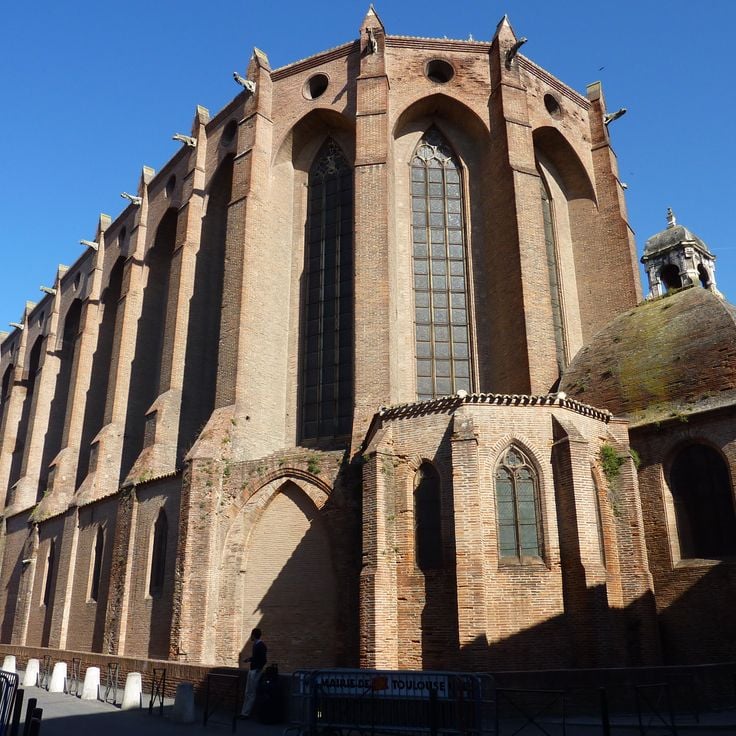
The Couvent des Jacobins offers photographers in Toulouse an impressive Gothic interior. This Dominican monastery from the 13th century features a striking architectural element: a central column from which 22 ribs extend like branches into the vault. This space works well for photographs of architecture and light play.
The Hôtel du Vieux-Raisin is a Renaissance residence in Toulouse featuring carved stone details on its facade and an interior courtyard with medallions of Roman emperors. These architectural elements provide compelling subjects for photography within the city's historic building context.
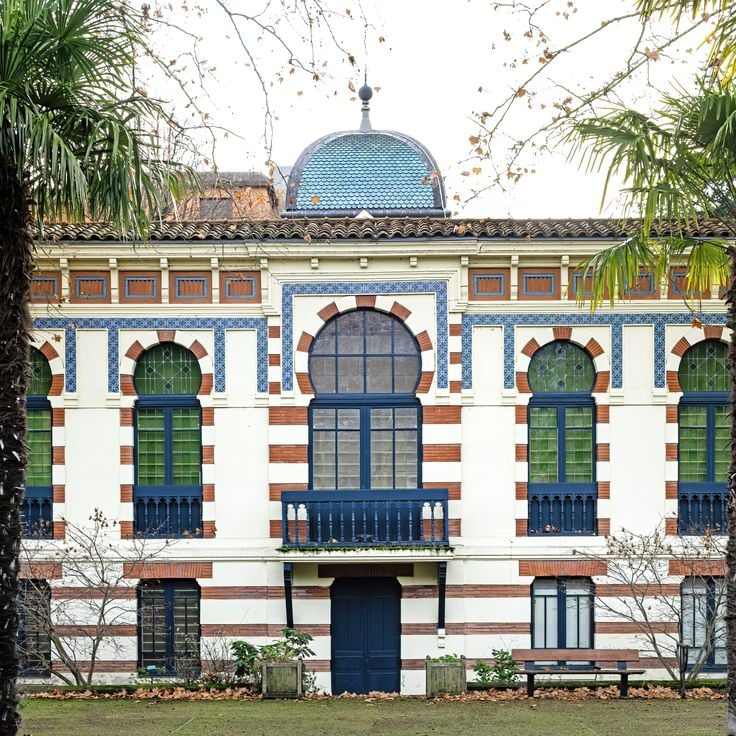
The Musée Georges Labit in Toulouse is housed in an orientalist-style building surrounded by Mediterranean gardens with palm trees. The museum contains Egyptian artifacts and Asian art collections. This location offers photographers an interesting combination of architectural details and botanical elements, making it a worthwhile stop for those exploring photography spots beyond Toulouse's main attractions.
This botanical garden in Toulouse features collections of medicinal plants, ornamental flowers, and shaded pathways surrounded by century-old trees. Local birds inhabit the space, making it an excellent location for photography of natural elements within the urban landscape.
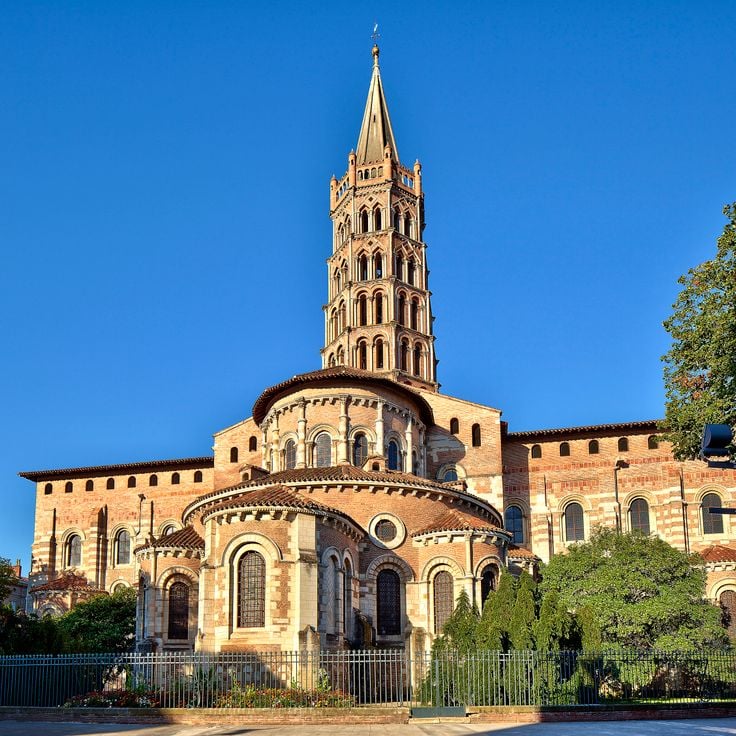
The narrow streets around this Romanesque church offer many photo opportunities with small shops and residential buildings featuring traditional pink brick architecture that defines Toulouse. The Basilique Saint-Sernin sits within a historic setting that gives photographers a genuine view of the old city structure and daily life, making it a rewarding location for capturing authentic urban architecture and local character.
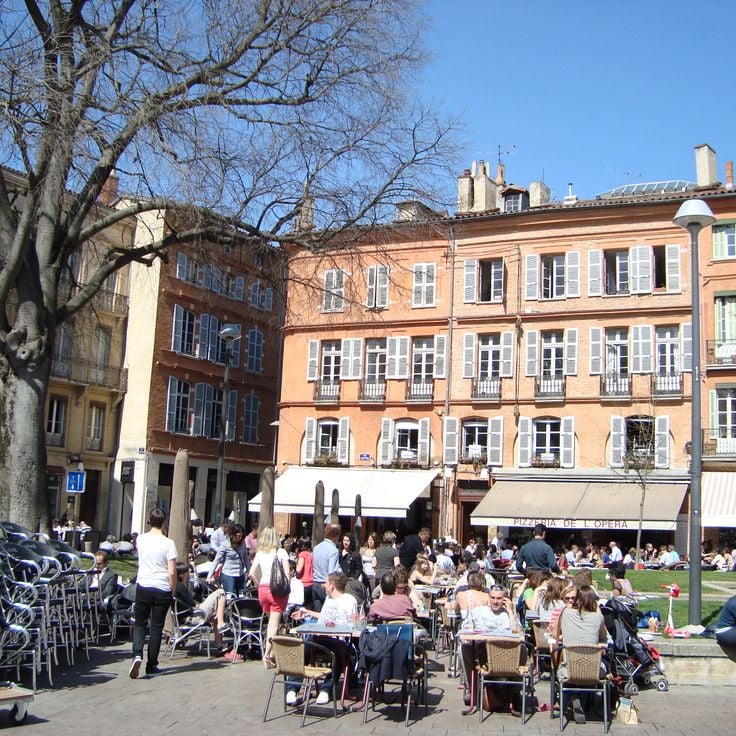
This central square contains a fountain and is bordered by restaurants with outdoor tables. The surrounding buildings display traditional French architecture. Place Saint-Georges offers a location to photograph daily life in the city, especially when visitors dine outdoors and the facades of the surrounding buildings frame the scene.
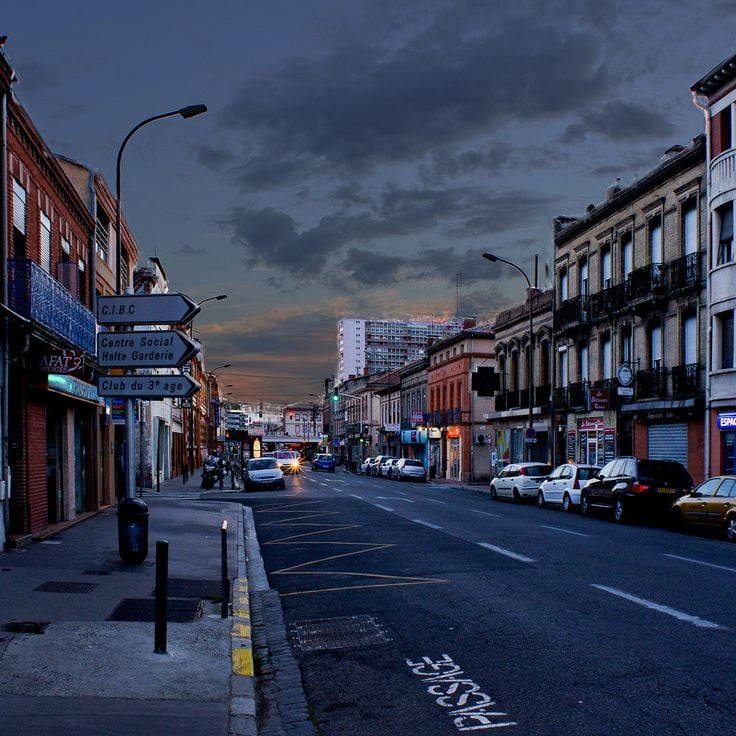
Le Faubourg Bonnefoy is a residential district in Toulouse with colorful murals painted on building walls. Independent shops and bakeries line the streets, while small restaurants serve regional dishes. This neighborhood captures the everyday life of a working district, offering photographers a view of local habits and authentic French street culture away from main tourist areas.
The Hôtel de Guillaume de Bernuy is one of the striking Renaissance residences in Toulouse that offers rich photographic possibilities. This private mansion dates from the 16th century and displays the city's architectural heritage from that era. The decorated stone facade, the octagonal tower, and the interior courtyard with carved details provide numerous subjects for compelling images. This building stands among other notable structures like the Hôtel d'Assézat and the church of Hôtel Dieu Saint-Jacques, making Toulouse a location with diverse photography opportunities.
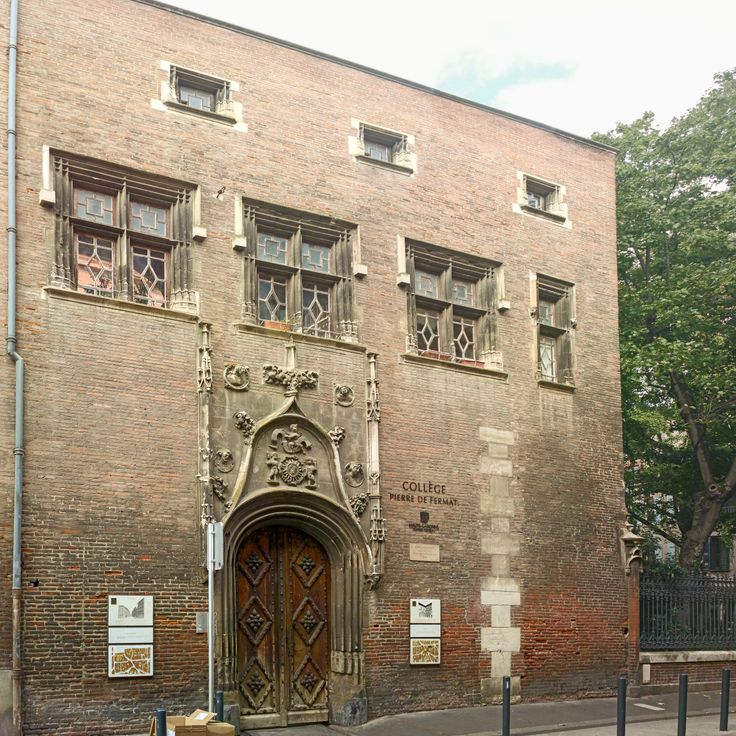
Rue Croix Baragnon is a medieval street in central Toulouse that offers numerous photo opportunities for visitors looking beyond the main attractions. The street features independent fashion stores, art galleries, and historic buildings with carved wooden doors from the 15th century. This location captures the architectural heritage of the city and adds historical character to urban photographs.
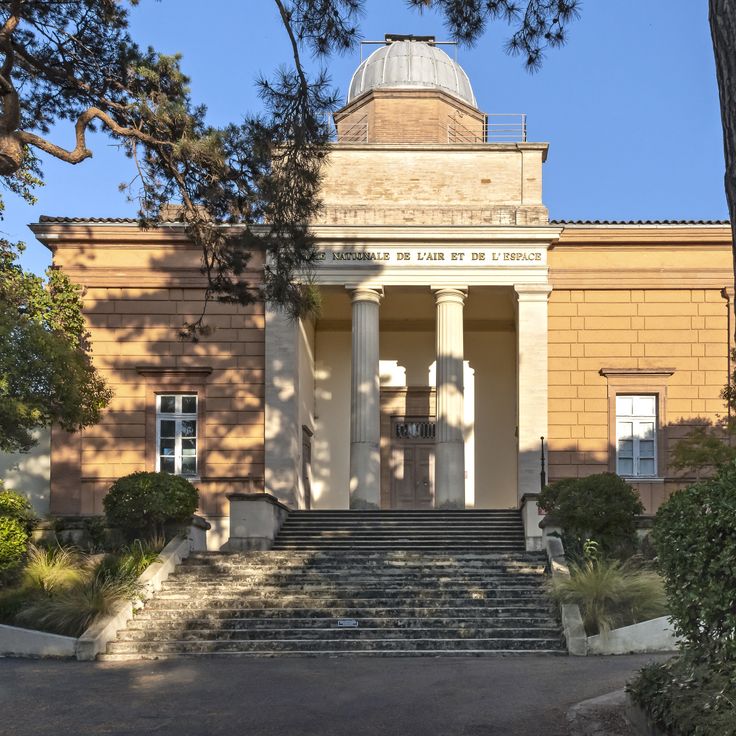
This Observatoire de Jolimont is a 19th century astronomy center in Toulouse that offers photographers a subject combining scientific heritage with distinctive architecture. The building features a central dome and houses historical telescopes and instruments that draw visitors. Photographers find interest in the dome's geometric forms, the changing light at different times of day, and how the structure sits within the city landscape. This observatory adds to Toulouse's photography locations beyond the main attractions, joining Renaissance courtyards, riverbanks, and other buildings that reveal the city's layered architectural history.
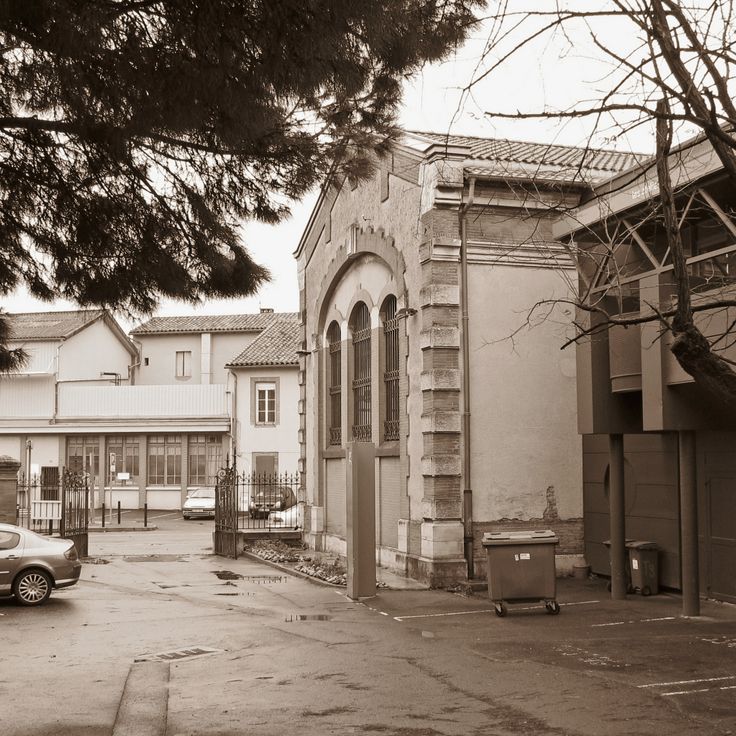
This former water pumping station now houses experimental theater productions. The industrial brick building sits near the Garonne river and contains two performance spaces. As a photography location in Toulouse, this theater shows how the city transforms industrial structures for cultural use, fitting among the varied architectural subjects that draw photographers to explore beyond the main attractions.
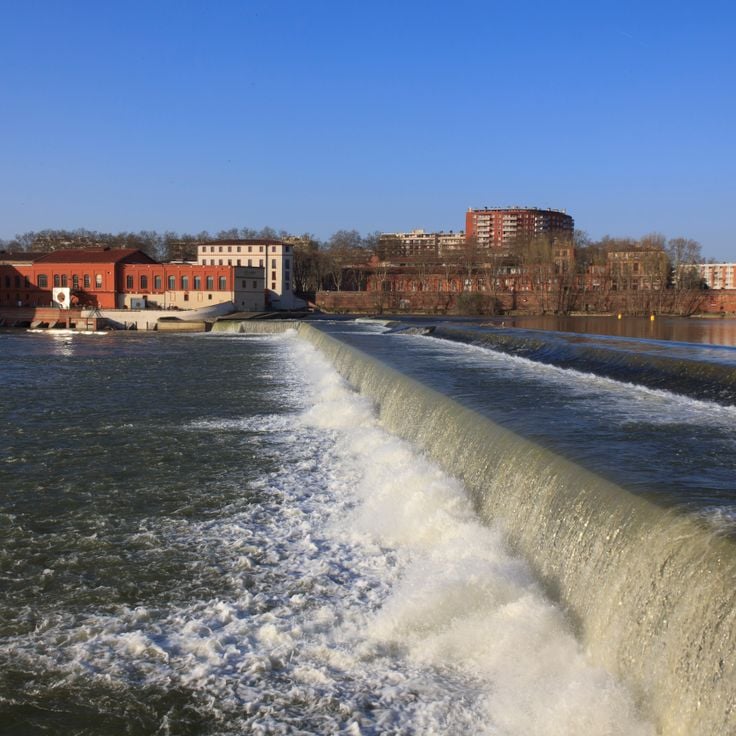
Le Bazacle is an active industrial heritage site on the Garonne River in Toulouse that generates electricity from the water. Visitors can view the turbine hall and fish ladder through glass panels. This location offers compelling photography opportunities for those documenting the city's industrial past and how historical structures continue to function today.
The Passerelle Viguerie is a metal footbridge that crosses the Garonne River, connecting the historic La Grave hospital complex with the Raymond VI gardens. This bridge offers photography opportunities with its views of the river and the surrounding architectural elements of the city.
The Canal Latéral à la Garonne is a 193-kilometer waterway that connects Toulouse to Castets-en-Dorthe. This canal offers several locations of interest for visitors interested in architecture and landscape. The riverbanks show daily life along the water, while the locks and small villages along the route provide interesting scenes for photographers. The canal is part of Toulouse's photographic heritage and allows you to discover the city and its surroundings from a different angle.
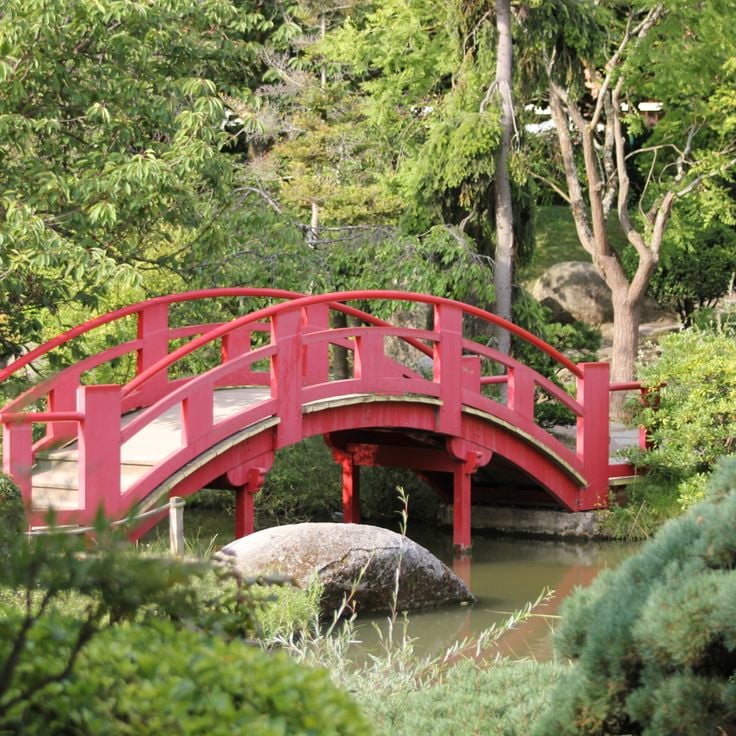
This wooden bridge stands in the Compans Caffarelli garden in Toulouse. The structure crosses a small pond with koi fish near stone lanterns and maple trees. It offers a photographic location that blends Eastern aesthetics with French garden design.
The Hôtel d'Assézat is a 16th century mansion that offers excellent photography opportunities for this collection of Instagram photo spots in Toulouse. Its stone courtyard features elaborate carved decorations and classical Renaissance architectural elements across the facade. The intricate details and proportions of this historic house provide varied subjects for photographic exploration.
The Jardin Raymond VI is a riverside garden in Toulouse that lines the Garonne and serves as one of the city's photography locations. The garden features terraced sections, stone pathways, and direct sightlines to the historic Pont Neuf bridge. This spot lets photographers capture water, architecture, and greenery together, presenting a different view of Toulouse beyond the main attractions.
Le Château d'Eau in Toulouse is a circular brick structure from 1822 that now serves as a photography gallery. The former water tower has been renovated to host regular exhibitions in its interior spaces. As a photography subject, this building demonstrates how a historic structure was transformed into a contemporary exhibition venue and represents the architectural diversity of Toulouse beyond its main attractions.
This riverfront promenade in Toulouse offers photographers natural water reflections and classic architecture. Stone steps descending to the water create interesting foreground elements, while the opposite banks and historic buildings frame the background. The location works well for photographs at different times of day as light and shadow play across the water.
Prairie des Filtres is a public garden along the Garonne riverbanks in Toulouse, offering photographers opportunities to capture both natural and urban scenes. The space features open grass areas and mature trees that provide shade during warm days. The greenery creates a contrast with the surrounding city buildings, giving photographers chances to blend nature and architecture in their images. Visitors can walk through and appreciate the riverside setting while composing shots that reflect the character of the neighborhood.
This small port on the Canal du Midi in Toulouse is a location worth exploring for photography. Moored boats line the water, and a walking path runs along the banks past residential barges. The water reflects the surrounding buildings and creates appealing subjects for photographers looking beyond the city's main attractions.
The Grand Rond is a circular garden in Toulouse featuring geometric paths, flower beds and mature trees surrounded by 19th-century buildings. It offers photographic opportunities that combine natural elements with urban architecture, showing one of the green spaces that shape the city's character.
The Hôtel Dieu Saint-Jacques presents an important chapter in Toulouse's architectural history and serves as a strong photography subject with its stone facades, inner courtyards, and chapel. This former hospital complex now houses medical administration offices and exhibitions, showing how the city has adapted its historic buildings for modern use.
This metal bridge in Toulouse crosses the Garonne River and provides clear views of the city's riverside buildings and monuments. It is a good location for photographers looking to capture the architecture and water together.
La Grave Quarter in Toulouse is an excellent location for photography. This medieval district preserves its character through stone buildings arranged along narrow streets. The Saint Joseph de La Grave hospital dominates the area with its distinctive copper dome built in 1845. The historic architecture of this quarter complements any photography project exploring Toulouse's built heritage and offers multiple subjects for those interested in capturing the city's older neighborhoods.
Niel Palace in Toulouse is a location for photography that showcases the city's military and architectural history. Built in 1863, this structure displays neoclassical architecture with decorated iron gates and carved stone elements. Its facade and details offer subjects for photographers documenting the historic buildings of Toulouse.
The Bernuy Mansion is a 16th century Renaissance palace in Toulouse offering photographers rich visual details for their images. This private residence displays the city's architectural heritage with its distinctive hexagonal tower and interior spiral staircase. The stone galleries surrounding the interior courtyard create compelling compositions with light and shadow, making it a worthwhile subject for photographs.
This former slaughterhouse in Toulouse has become a contemporary art museum called Les Abattoirs. The building keeps its industrial character with brick walls and large windows, now hosting modern art exhibitions. Walking through it, you see the contrast between the raw, heavy architecture and the artworks displayed inside. The space offers good lighting and interesting angles for photographs, with its warehouse-like feel and sturdy construction.
Rue Saint Rome is a medieval street in central Toulouse that offers many opportunities for photography. This street features small independent stores, craft workshops and buildings from the 15th to 18th centuries. The narrow lanes and historic facades provide numerous angles to capture the character and history of the city.
The Chapelle des Carmélites in Toulouse is a 17th century religious building. Inside, the ceiling displays extensive frescoes painted by Jean-Pierre Rivalz that show religious scenes in baroque style. For photographers exploring Toulouse's locations, this chapel presents interesting details and artistic elements that reflect the city's religious heritage.
The Canal de Brienne is a natural location for photography in Toulouse, connecting the Garonne River to the Canal du Midi. The rows of plane trees create lines and shadows that work well for photographs, while the waterway itself provides reflections and depth. Walking along its banks reveals different perspectives of the trees, water, and light throughout the day.
La Daurade sits along the Garonne riverbank and offers a peaceful spot for photography with moored houseboats against old stone buildings. The river and historic architecture create a scenic backdrop that shows the city's character and relationship with water. This location fits well in a collection of photo spots in Toulouse beyond the main attractions.
The Couvent des Jacobins offers photographers in Toulouse an impressive Gothic interior. This Dominican monastery from the 13th century features a striking architectural element: a central column from which 22 ribs extend like branches into the vault. This space works well for photographs of architecture and light play.
The Hôtel du Vieux-Raisin is a Renaissance residence in Toulouse featuring carved stone details on its facade and an interior courtyard with medallions of Roman emperors. These architectural elements provide compelling subjects for photography within the city's historic building context.
The Musée Georges Labit in Toulouse is housed in an orientalist-style building surrounded by Mediterranean gardens with palm trees. The museum contains Egyptian artifacts and Asian art collections. This location offers photographers an interesting combination of architectural details and botanical elements, making it a worthwhile stop for those exploring photography spots beyond Toulouse's main attractions.
This botanical garden in Toulouse features collections of medicinal plants, ornamental flowers, and shaded pathways surrounded by century-old trees. Local birds inhabit the space, making it an excellent location for photography of natural elements within the urban landscape.
The narrow streets around this Romanesque church offer many photo opportunities with small shops and residential buildings featuring traditional pink brick architecture that defines Toulouse. The Basilique Saint-Sernin sits within a historic setting that gives photographers a genuine view of the old city structure and daily life, making it a rewarding location for capturing authentic urban architecture and local character.
This central square contains a fountain and is bordered by restaurants with outdoor tables. The surrounding buildings display traditional French architecture. Place Saint-Georges offers a location to photograph daily life in the city, especially when visitors dine outdoors and the facades of the surrounding buildings frame the scene.
Le Faubourg Bonnefoy is a residential district in Toulouse with colorful murals painted on building walls. Independent shops and bakeries line the streets, while small restaurants serve regional dishes. This neighborhood captures the everyday life of a working district, offering photographers a view of local habits and authentic French street culture away from main tourist areas.
The Hôtel de Guillaume de Bernuy is one of the striking Renaissance residences in Toulouse that offers rich photographic possibilities. This private mansion dates from the 16th century and displays the city's architectural heritage from that era. The decorated stone facade, the octagonal tower, and the interior courtyard with carved details provide numerous subjects for compelling images. This building stands among other notable structures like the Hôtel d'Assézat and the church of Hôtel Dieu Saint-Jacques, making Toulouse a location with diverse photography opportunities.
Rue Croix Baragnon is a medieval street in central Toulouse that offers numerous photo opportunities for visitors looking beyond the main attractions. The street features independent fashion stores, art galleries, and historic buildings with carved wooden doors from the 15th century. This location captures the architectural heritage of the city and adds historical character to urban photographs.
This Observatoire de Jolimont is a 19th century astronomy center in Toulouse that offers photographers a subject combining scientific heritage with distinctive architecture. The building features a central dome and houses historical telescopes and instruments that draw visitors. Photographers find interest in the dome's geometric forms, the changing light at different times of day, and how the structure sits within the city landscape. This observatory adds to Toulouse's photography locations beyond the main attractions, joining Renaissance courtyards, riverbanks, and other buildings that reveal the city's layered architectural history.
This former water pumping station now houses experimental theater productions. The industrial brick building sits near the Garonne river and contains two performance spaces. As a photography location in Toulouse, this theater shows how the city transforms industrial structures for cultural use, fitting among the varied architectural subjects that draw photographers to explore beyond the main attractions.
Le Bazacle is an active industrial heritage site on the Garonne River in Toulouse that generates electricity from the water. Visitors can view the turbine hall and fish ladder through glass panels. This location offers compelling photography opportunities for those documenting the city's industrial past and how historical structures continue to function today.
The Passerelle Viguerie is a metal footbridge that crosses the Garonne River, connecting the historic La Grave hospital complex with the Raymond VI gardens. This bridge offers photography opportunities with its views of the river and the surrounding architectural elements of the city.
The Canal Latéral à la Garonne is a 193-kilometer waterway that connects Toulouse to Castets-en-Dorthe. This canal offers several locations of interest for visitors interested in architecture and landscape. The riverbanks show daily life along the water, while the locks and small villages along the route provide interesting scenes for photographers. The canal is part of Toulouse's photographic heritage and allows you to discover the city and its surroundings from a different angle.
This wooden bridge stands in the Compans Caffarelli garden in Toulouse. The structure crosses a small pond with koi fish near stone lanterns and maple trees. It offers a photographic location that blends Eastern aesthetics with French garden design.
The Hôtel d'Assézat is a 16th century mansion that offers excellent photography opportunities for this collection of Instagram photo spots in Toulouse. Its stone courtyard features elaborate carved decorations and classical Renaissance architectural elements across the facade. The intricate details and proportions of this historic house provide varied subjects for photographic exploration.
The Jardin Raymond VI is a riverside garden in Toulouse that lines the Garonne and serves as one of the city's photography locations. The garden features terraced sections, stone pathways, and direct sightlines to the historic Pont Neuf bridge. This spot lets photographers capture water, architecture, and greenery together, presenting a different view of Toulouse beyond the main attractions.
Le Château d'Eau in Toulouse is a circular brick structure from 1822 that now serves as a photography gallery. The former water tower has been renovated to host regular exhibitions in its interior spaces. As a photography subject, this building demonstrates how a historic structure was transformed into a contemporary exhibition venue and represents the architectural diversity of Toulouse beyond its main attractions.
This riverfront promenade in Toulouse offers photographers natural water reflections and classic architecture. Stone steps descending to the water create interesting foreground elements, while the opposite banks and historic buildings frame the background. The location works well for photographs at different times of day as light and shadow play across the water.
Prairie des Filtres is a public garden along the Garonne riverbanks in Toulouse, offering photographers opportunities to capture both natural and urban scenes. The space features open grass areas and mature trees that provide shade during warm days. The greenery creates a contrast with the surrounding city buildings, giving photographers chances to blend nature and architecture in their images. Visitors can walk through and appreciate the riverside setting while composing shots that reflect the character of the neighborhood.
This small port on the Canal du Midi in Toulouse is a location worth exploring for photography. Moored boats line the water, and a walking path runs along the banks past residential barges. The water reflects the surrounding buildings and creates appealing subjects for photographers looking beyond the city's main attractions.
The Grand Rond is a circular garden in Toulouse featuring geometric paths, flower beds and mature trees surrounded by 19th-century buildings. It offers photographic opportunities that combine natural elements with urban architecture, showing one of the green spaces that shape the city's character.
The Hôtel Dieu Saint-Jacques presents an important chapter in Toulouse's architectural history and serves as a strong photography subject with its stone facades, inner courtyards, and chapel. This former hospital complex now houses medical administration offices and exhibitions, showing how the city has adapted its historic buildings for modern use.
This metal bridge in Toulouse crosses the Garonne River and provides clear views of the city's riverside buildings and monuments. It is a good location for photographers looking to capture the architecture and water together.
La Grave Quarter in Toulouse is an excellent location for photography. This medieval district preserves its character through stone buildings arranged along narrow streets. The Saint Joseph de La Grave hospital dominates the area with its distinctive copper dome built in 1845. The historic architecture of this quarter complements any photography project exploring Toulouse's built heritage and offers multiple subjects for those interested in capturing the city's older neighborhoods.
Niel Palace in Toulouse is a location for photography that showcases the city's military and architectural history. Built in 1863, this structure displays neoclassical architecture with decorated iron gates and carved stone elements. Its facade and details offer subjects for photographers documenting the historic buildings of Toulouse.
The Bernuy Mansion is a 16th century Renaissance palace in Toulouse offering photographers rich visual details for their images. This private residence displays the city's architectural heritage with its distinctive hexagonal tower and interior spiral staircase. The stone galleries surrounding the interior courtyard create compelling compositions with light and shadow, making it a worthwhile subject for photographs.
This former slaughterhouse in Toulouse has become a contemporary art museum called Les Abattoirs. The building keeps its industrial character with brick walls and large windows, now hosting modern art exhibitions. Walking through it, you see the contrast between the raw, heavy architecture and the artworks displayed inside. The space offers good lighting and interesting angles for photographs, with its warehouse-like feel and sturdy construction.
Rue Saint Rome is a medieval street in central Toulouse that offers many opportunities for photography. This street features small independent stores, craft workshops and buildings from the 15th to 18th centuries. The narrow lanes and historic facades provide numerous angles to capture the character and history of the city.
The Chapelle des Carmélites in Toulouse is a 17th century religious building. Inside, the ceiling displays extensive frescoes painted by Jean-Pierre Rivalz that show religious scenes in baroque style. For photographers exploring Toulouse's locations, this chapel presents interesting details and artistic elements that reflect the city's religious heritage.
The Canal de Brienne is a natural location for photography in Toulouse, connecting the Garonne River to the Canal du Midi. The rows of plane trees create lines and shadows that work well for photographs, while the waterway itself provides reflections and depth. Walking along its banks reveals different perspectives of the trees, water, and light throughout the day.
La Daurade sits along the Garonne riverbank and offers a peaceful spot for photography with moored houseboats against old stone buildings. The river and historic architecture create a scenic backdrop that shows the city's character and relationship with water. This location fits well in a collection of photo spots in Toulouse beyond the main attractions.
The Couvent des Jacobins offers photographers in Toulouse an impressive Gothic interior. This Dominican monastery from the 13th century features a striking architectural element: a central column from which 22 ribs extend like branches into the vault. This space works well for photographs of architecture and light play.
The Hôtel du Vieux-Raisin is a Renaissance residence in Toulouse featuring carved stone details on its facade and an interior courtyard with medallions of Roman emperors. These architectural elements provide compelling subjects for photography within the city's historic building context.
The Musée Georges Labit in Toulouse is housed in an orientalist-style building surrounded by Mediterranean gardens with palm trees. The museum contains Egyptian artifacts and Asian art collections. This location offers photographers an interesting combination of architectural details and botanical elements, making it a worthwhile stop for those exploring photography spots beyond Toulouse's main attractions.
This botanical garden in Toulouse features collections of medicinal plants, ornamental flowers, and shaded pathways surrounded by century-old trees. Local birds inhabit the space, making it an excellent location for photography of natural elements within the urban landscape.
The narrow streets around this Romanesque church offer many photo opportunities with small shops and residential buildings featuring traditional pink brick architecture that defines Toulouse. The Basilique Saint-Sernin sits within a historic setting that gives photographers a genuine view of the old city structure and daily life, making it a rewarding location for capturing authentic urban architecture and local character.
This central square contains a fountain and is bordered by restaurants with outdoor tables. The surrounding buildings display traditional French architecture. Place Saint-Georges offers a location to photograph daily life in the city, especially when visitors dine outdoors and the facades of the surrounding buildings frame the scene.
Le Faubourg Bonnefoy is a residential district in Toulouse with colorful murals painted on building walls. Independent shops and bakeries line the streets, while small restaurants serve regional dishes. This neighborhood captures the everyday life of a working district, offering photographers a view of local habits and authentic French street culture away from main tourist areas.
The Hôtel de Guillaume de Bernuy is one of the striking Renaissance residences in Toulouse that offers rich photographic possibilities. This private mansion dates from the 16th century and displays the city's architectural heritage from that era. The decorated stone facade, the octagonal tower, and the interior courtyard with carved details provide numerous subjects for compelling images. This building stands among other notable structures like the Hôtel d'Assézat and the church of Hôtel Dieu Saint-Jacques, making Toulouse a location with diverse photography opportunities.
Rue Croix Baragnon is a medieval street in central Toulouse that offers numerous photo opportunities for visitors looking beyond the main attractions. The street features independent fashion stores, art galleries, and historic buildings with carved wooden doors from the 15th century. This location captures the architectural heritage of the city and adds historical character to urban photographs.
This Observatoire de Jolimont is a 19th century astronomy center in Toulouse that offers photographers a subject combining scientific heritage with distinctive architecture. The building features a central dome and houses historical telescopes and instruments that draw visitors. Photographers find interest in the dome's geometric forms, the changing light at different times of day, and how the structure sits within the city landscape. This observatory adds to Toulouse's photography locations beyond the main attractions, joining Renaissance courtyards, riverbanks, and other buildings that reveal the city's layered architectural history.
This former water pumping station now houses experimental theater productions. The industrial brick building sits near the Garonne river and contains two performance spaces. As a photography location in Toulouse, this theater shows how the city transforms industrial structures for cultural use, fitting among the varied architectural subjects that draw photographers to explore beyond the main attractions.
Le Bazacle is an active industrial heritage site on the Garonne River in Toulouse that generates electricity from the water. Visitors can view the turbine hall and fish ladder through glass panels. This location offers compelling photography opportunities for those documenting the city's industrial past and how historical structures continue to function today.
The Passerelle Viguerie is a metal footbridge that crosses the Garonne River, connecting the historic La Grave hospital complex with the Raymond VI gardens. This bridge offers photography opportunities with its views of the river and the surrounding architectural elements of the city.
The Canal Latéral à la Garonne is a 193-kilometer waterway that connects Toulouse to Castets-en-Dorthe. This canal offers several locations of interest for visitors interested in architecture and landscape. The riverbanks show daily life along the water, while the locks and small villages along the route provide interesting scenes for photographers. The canal is part of Toulouse's photographic heritage and allows you to discover the city and its surroundings from a different angle.
This wooden bridge stands in the Compans Caffarelli garden in Toulouse. The structure crosses a small pond with koi fish near stone lanterns and maple trees. It offers a photographic location that blends Eastern aesthetics with French garden design.