Paris has a collection of remarkable domed buildings that shaped the city's skyline and define how Parisians move through their urban spaces. These structures, built over several centuries, tell the story of how architects learned to cover large areas with glass and metal, creating spaces filled with natural light from above. From grand exhibition halls to religious monuments, from government buildings to shopping destinations, these domes showcase different approaches to the same architectural challenge: how to let light flood into a building while supporting a large roof. The Grand Palais stands as one of the most recognizable examples. Completed in 1900 for the Paris Exposition, this massive building features a glass dome made of metal and iron that rises above the Champs-Elysees. When you walk through it, light pours down from above, creating an open, soaring feeling inside. Today it hosts major art exhibitions and cultural events, drawing crowds who come to see both the shows and the building itself. The dome is so prominent that you can spot it from many points across the city. Other domes throughout Paris tell equally compelling stories. The Pantheon crowns a hilltop in the Latin Quarter with its neoclassical design. Napoleon's tomb sits beneath the Dôme des Invalides, a gold-tipped dome visible from across the Seine. The Sorbonne's dome anchors the university quarter, while the Bourse de commerce, Galeries Lafayette, and Le Printemps department stores brought these architectural forms into the commercial heart of the city. Each dome reflects the era in which it was built and the purpose it was meant to serve, yet together they create a visual thread connecting different neighborhoods and different aspects of Parisian life.
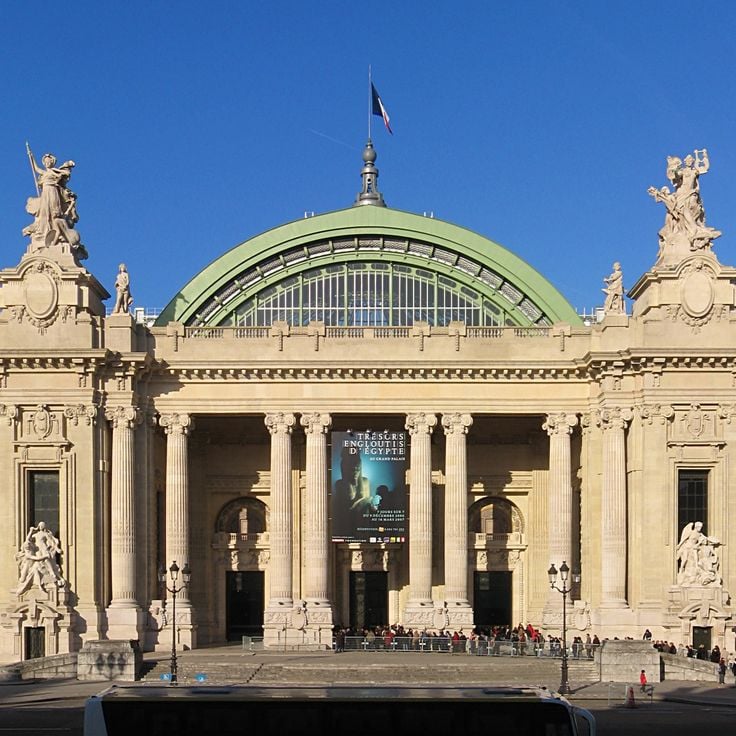
The Grand Palais is part of Paris's historical domes and showcases the city's architectural variety. Built in 1900, this structure combines glass and steel with a central dome. The glass cupola shapes the cityscape and demonstrates the innovative construction techniques of that era.
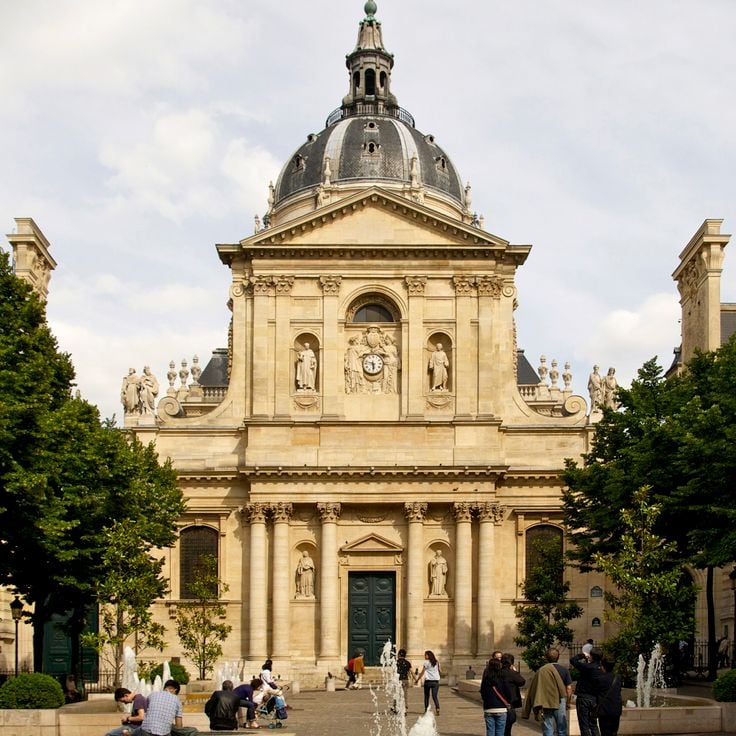
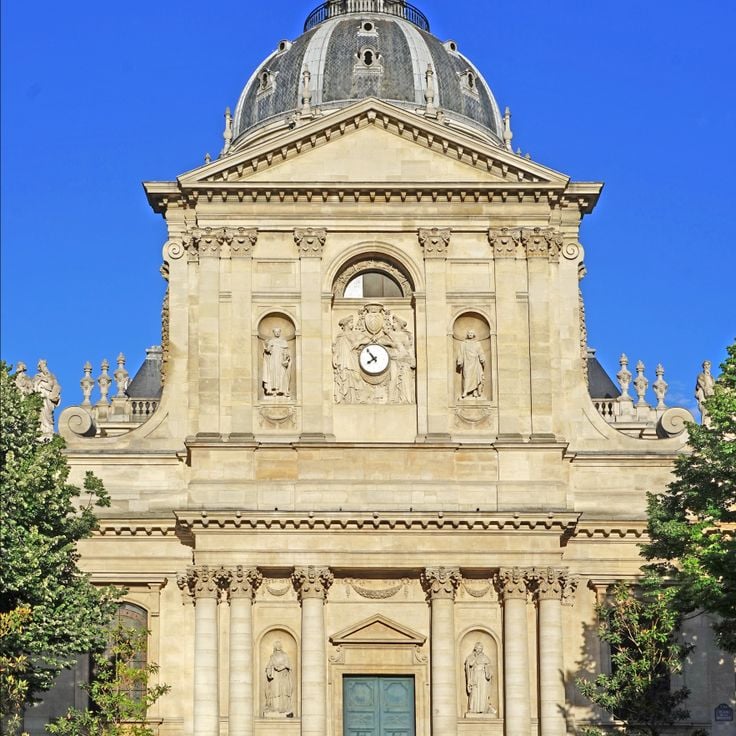
The dome of this university, founded in 1257, was built in the 17th century and decorated with gold leaf. It is one of the most distinctive elements of the Paris skyline and demonstrates, together with the golden dome of the Invalides, the neoclassical structure of the Pantheon, and the glass dome of the Grand Palais, the architectural variety of the city. This university contributes, like the department stores Galeries Lafayette and Le Printemps, to the characteristic appearance of Parisian buildings.
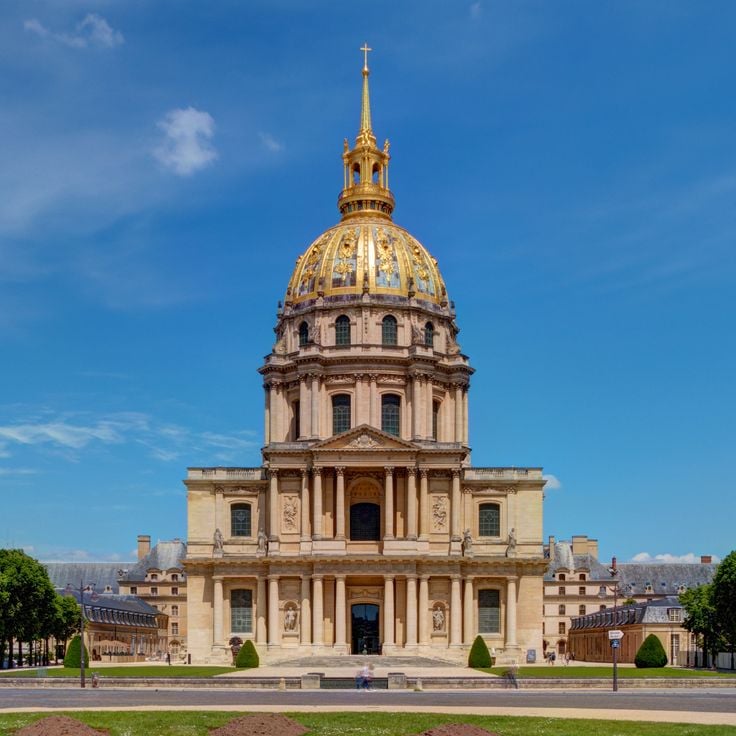
The dome of the Invalides is one of the most recognizable elements of the Paris skyline. Its gleaming roof covers the tomb of Napoleon I beneath an imposing, carefully crafted vault. This dome demonstrates how architecture shapes the history of a city and makes it a key piece in the collection of historical domes of Paris.
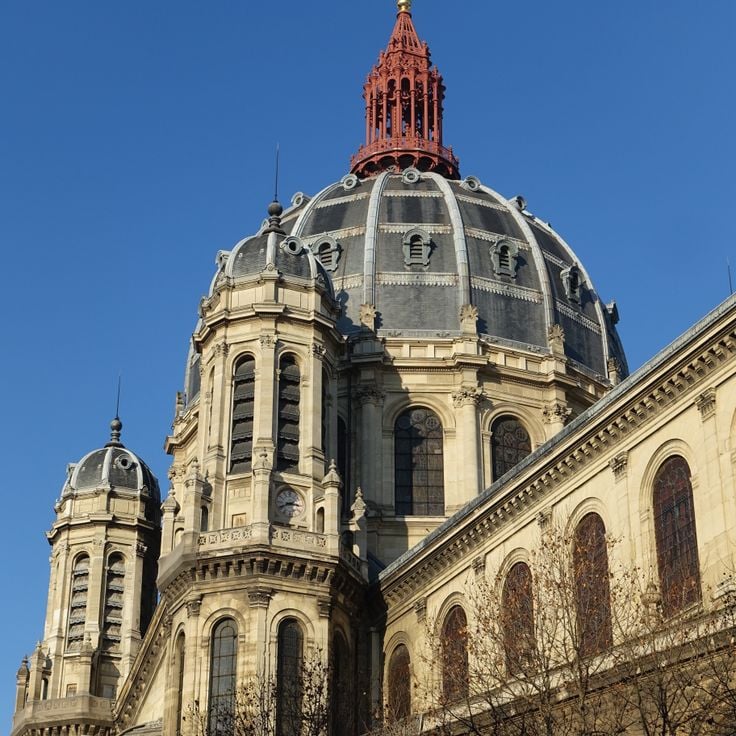
This church was completed in 1868 and demonstrates a noteworthy building technique. Its dome reaches 80 meters high and was constructed using an innovative metal structure. This was a new method at the time. The church is part of the domes of Paris that shape the city's profile. It shows how architects used new materials to create larger interior spaces.
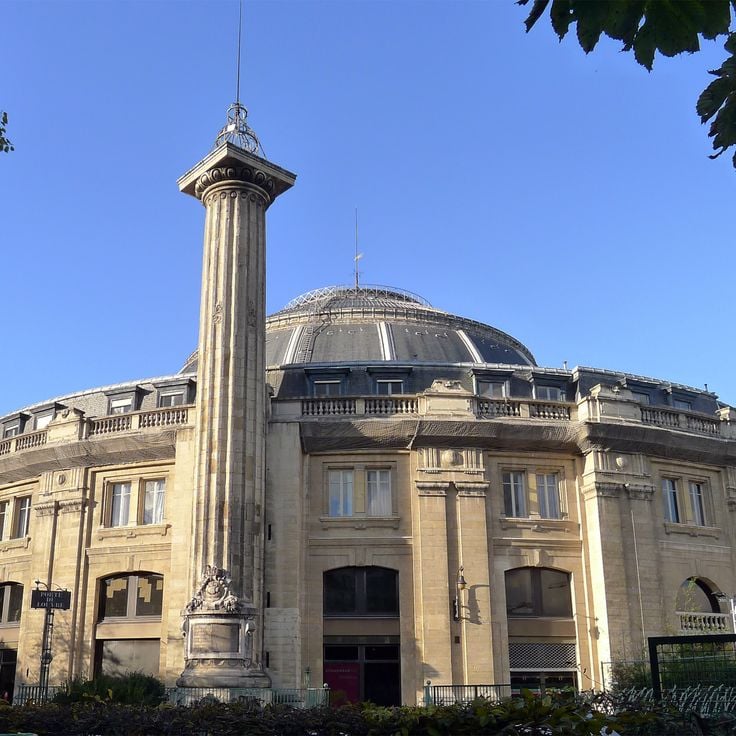
The Bourse de Commerce is a stock exchange building with a distinctive cupola that contributes to Paris's skyline. Like the golden dome of the Invalides or the glass cupola of the Grand Palais, this building shows how diverse the city's architecture is. The exchange was built to serve as a center for commerce and trade in the heart of Paris.
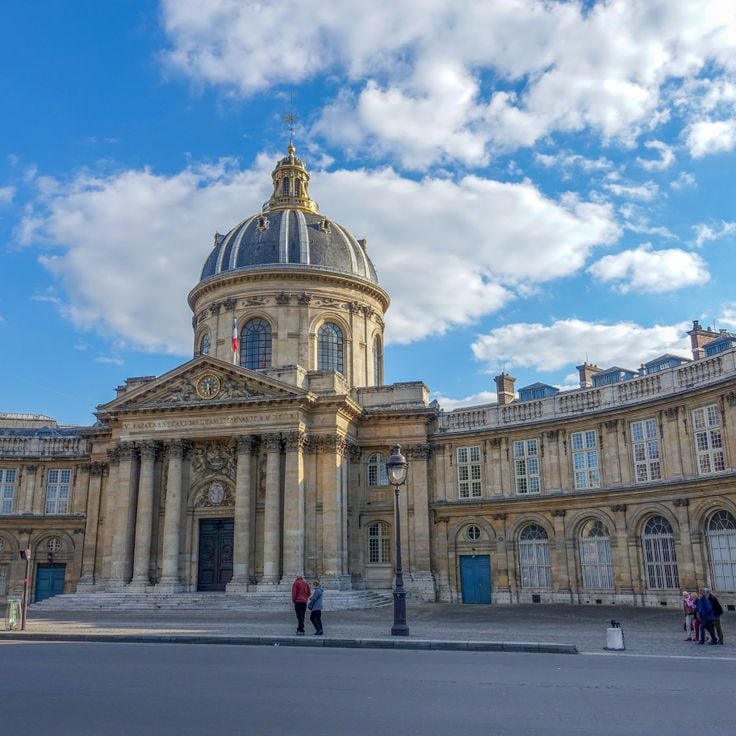
The French Institute showcases its distinctive cupola as part of the architectural domes that shape Paris. This historic building dedicated to sciences and arts contributes to the city's varied skyline, alongside structures like the golden dome of the Invalides, the neoclassical form of the Pantheon, and the glass dome of the Grand Palais.
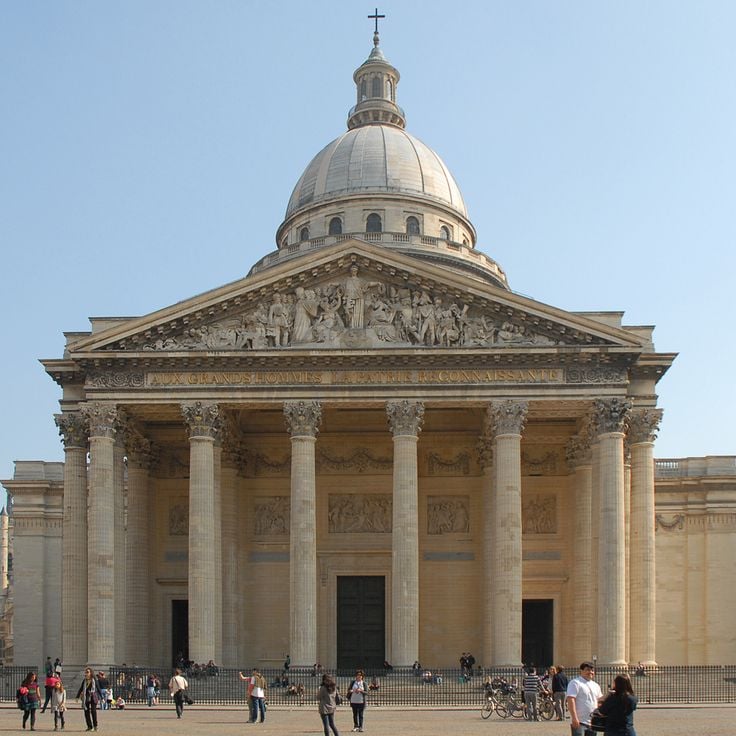
The Pantheon is a neoclassical structure that stands as a defining element of Paris' skyline with its prominent dome. Its design contributes to the architectural diversity of the city, which is marked by several domes - from the golden dome of the Invalides to the glass cupolas in the department stores. The Pantheon represents an important part of this dome-filled cityscape.
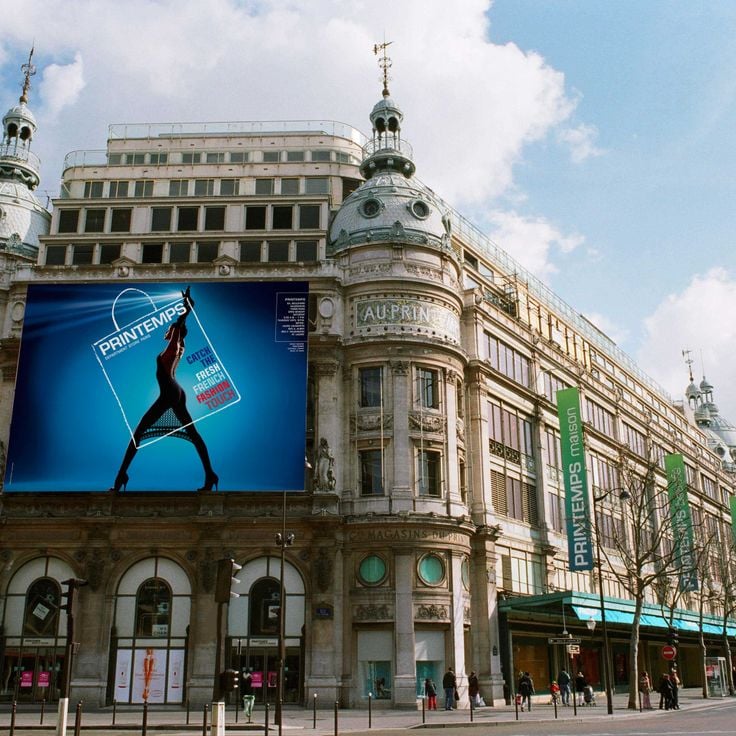
Le Printemps Department Store contributes to the distinctive domes that shape Paris's silhouette. Its large glass cupola in Art Nouveau style is an architectural feature that defines the city. The building demonstrates how the domes of Paris - from the golden dome of the Invalides to the neoclassical structure of the Pantheon - create the visual character of the city.
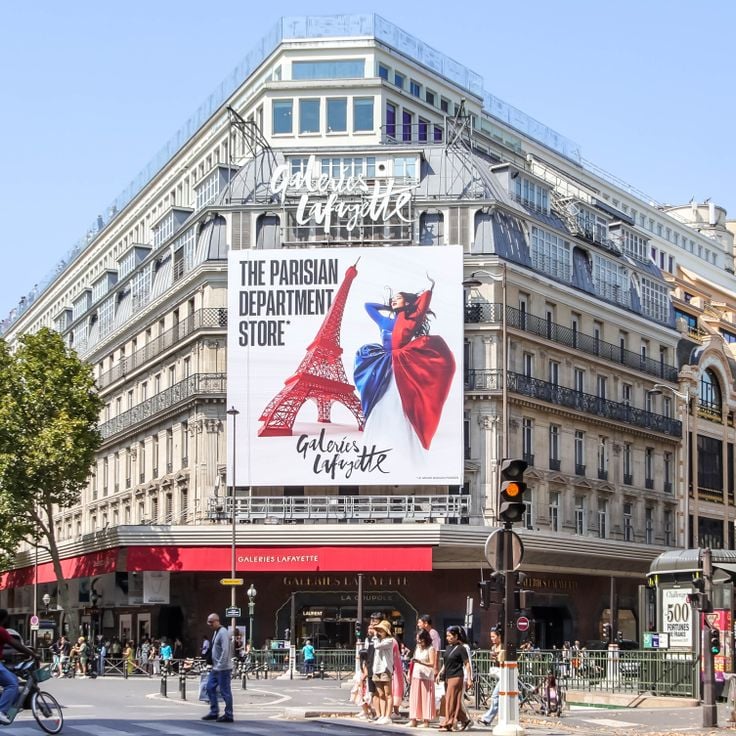
Galeries Lafayette is a department store built in 1912 that features a stained glass dome with geometric patterns in the neo-byzantine style. The glass cupola sits above the central staircase and is one of the distinctive domed structures that shape the roofline of Paris.
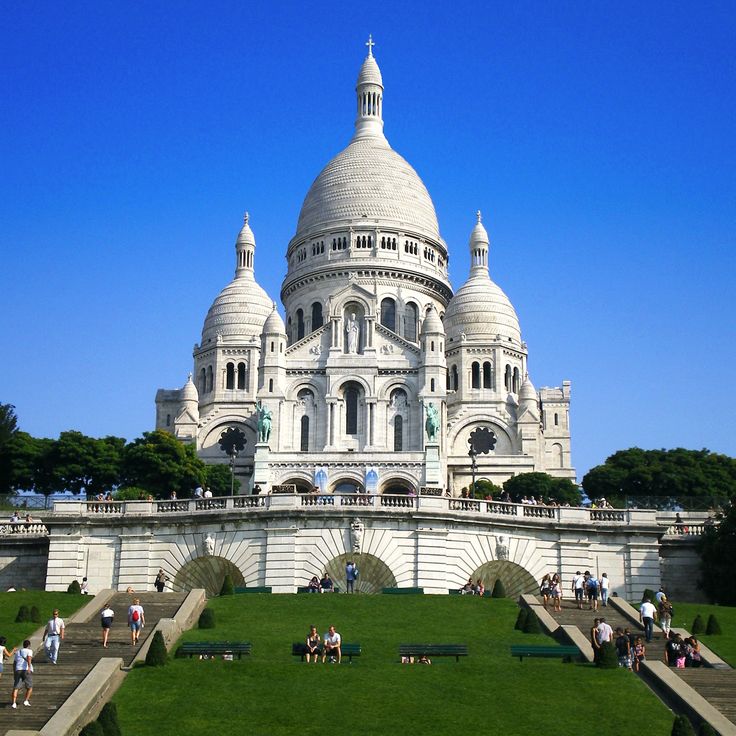
The Basilica of Sacré-Cœur sits on the Montmartre hill in Paris, France, and is a Catholic place of worship. Its white dome has shaped the Montmartre skyline since its completion in 1919. The basilica blends late 19th-century architecture with a distinctive profile visible from many parts of the city. It stands among Paris's recognizable domed and cupola structures.
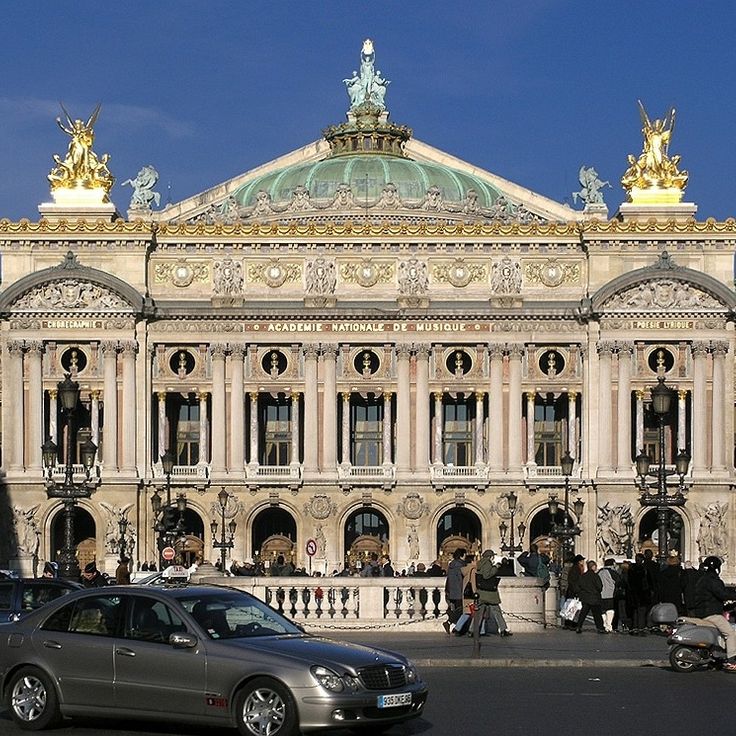
The Palais Garnier is an opera house in the 9th arrondissement of Paris and a landmark of 19th-century architecture. It features a notable dome that shapes Paris's urban landscape and belongs to the collection of historic domes in the city. The building combines elaborate decoration with innovative construction and remains one of the most recognizable architectural features of the city.
The Val-de-Grâce church is a baroque structure in the 5th arrondissement of Paris. Its dome rises above the surrounding buildings and demonstrates the blend of stone and light typical of Paris buildings from that era. This church is part of the historical domes that define the city's outline. It stands as a testament to 17th-century religious architecture.
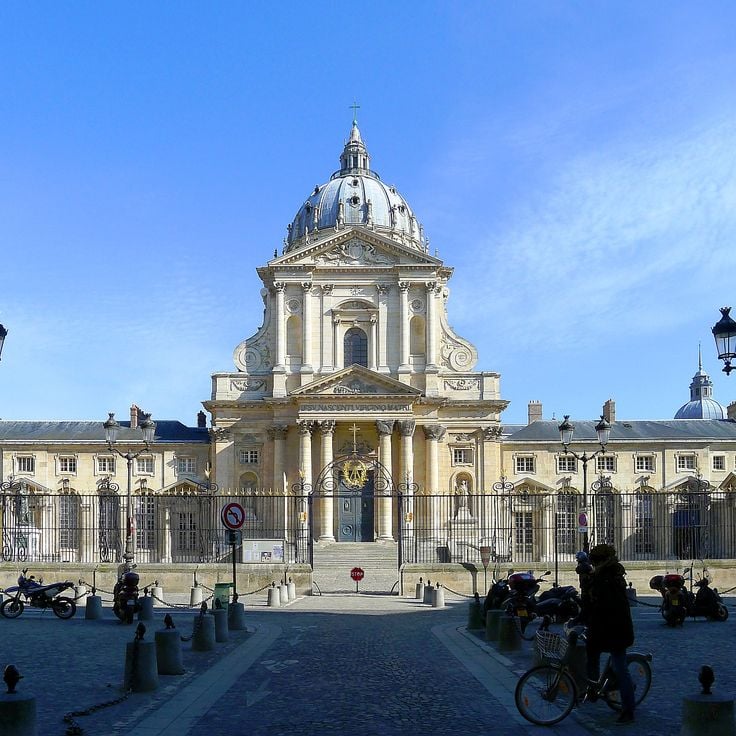
The Chapelle Sainte-Ursule de la Sorbonne belongs to a collection of domed buildings that shaped Paris. This chapel demonstrates how architects in the 17th century created large interior spaces filled with light from above. It has served the university since its founding and shows how religious buildings were woven into the academic life of the city. The chapel's design reflects the approaches to dome construction used during its era.
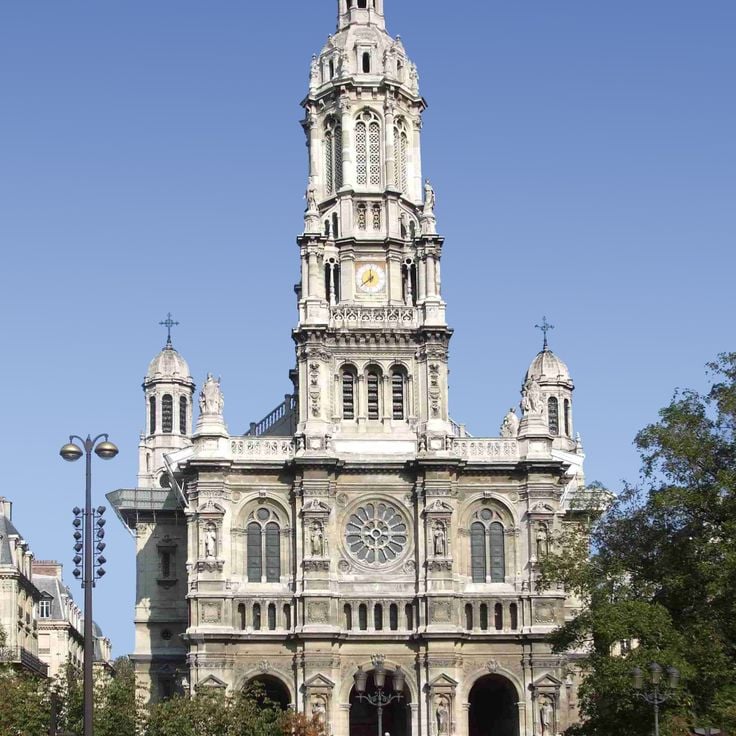
The Église de la Sainte-Trinité is a Renaissance Revival church in the 9th arrondissement that contributes to Paris's collection of domed buildings. Its dome demonstrates how 19th-century architects brought natural light into religious spaces from above. This church's dome creates a visual connection linking different neighborhoods and various aspects of Parisian urban life.
Similar collections
Paris monuments: historical facts, architecture, Roman ruins
Romantic locations in Paris
Opera around the world: lyrical architecture, musical heritage, major performance venues
Things to do in Paris with family: theme parks, educational museums, and children's activities