See the monuments around you in AROpen chests in the app
Around Us is built for your phone — point your camera at the streets and discover the monuments and places around you in augmented reality.Around Us is built for your phone — chests unlock when you walk, explore and capture nearby places.
These locations showcase the architectural diversity of Paris through buildings spanning from medieval times to the modern era. The city preserves structures from two millennia: Roman baths from the 3rd century, Gothic churches like Saint-Julien-le-Pauvre, Renaissance mansions, and Art Nouveau apartment buildings designed by Hector Guimard. Beyond the famous monuments, visitors find hidden lanes with medieval timber-framed houses and private villas from the 19th century.
The collection includes both public and private buildings. Visitors can explore the remains of the Arènes de Lutèce, where Romans once held gladiatorial contests, as well as the oldest residential houses in the city dating from the 15th century. The selection ranges from medieval church towers and classical arcades to modernist experiments of the early 20th century.
These locations showcase the architectural diversity of Paris through buildings spanning from medieval times to the modern era. The city preserves structures from two millennia: Roman baths from the 3rd century, Gothic churches like Saint-Julien-le-Pauvre, Renaissance mansions, and Art Nouveau apartment buildings designed by Hector Guimard. Beyond the famous monuments, visitors find hidden lanes with medieval timber-framed houses and private villas from the 19th century.
The collection includes both public and private buildings. Visitors can explore the remains of the Arènes de Lutèce, where Romans once held gladiatorial contests, as well as the oldest residential houses in the city dating from the 15th century. The selection ranges from medieval church towers and classical arcades to modernist experiments of the early 20th century.
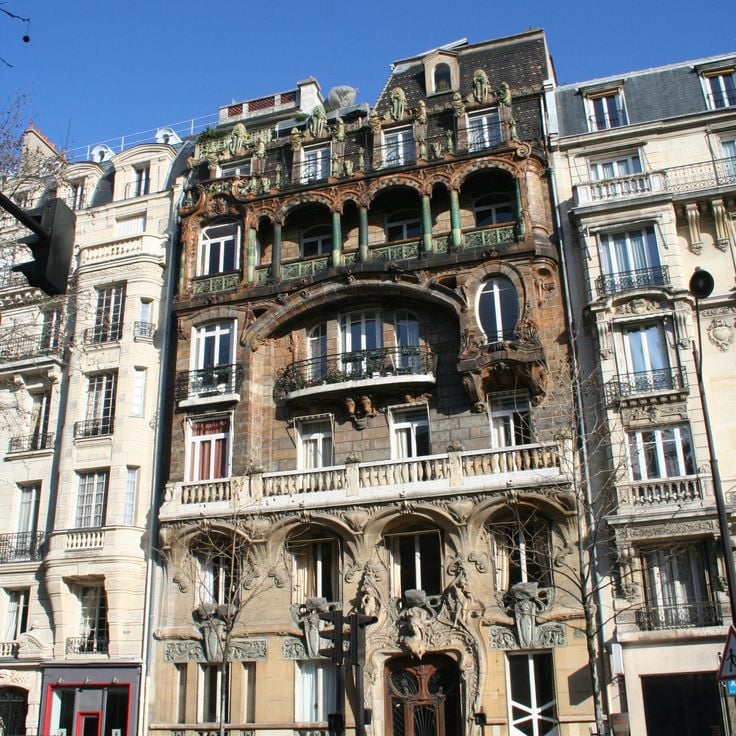
The Lavirotte Building was designed in 1901 by architect Jules Lavirotte and represents an outstanding example of French Art Nouveau architecture. The facade displays detailed stonework with floral motifs extending across multiple floors. Colored ceramic tiles in warm tones complement the organic forms. The entrance door features wrought iron with flowing lines. This residential building received the prize for the most beautiful facade in the city in 1901.
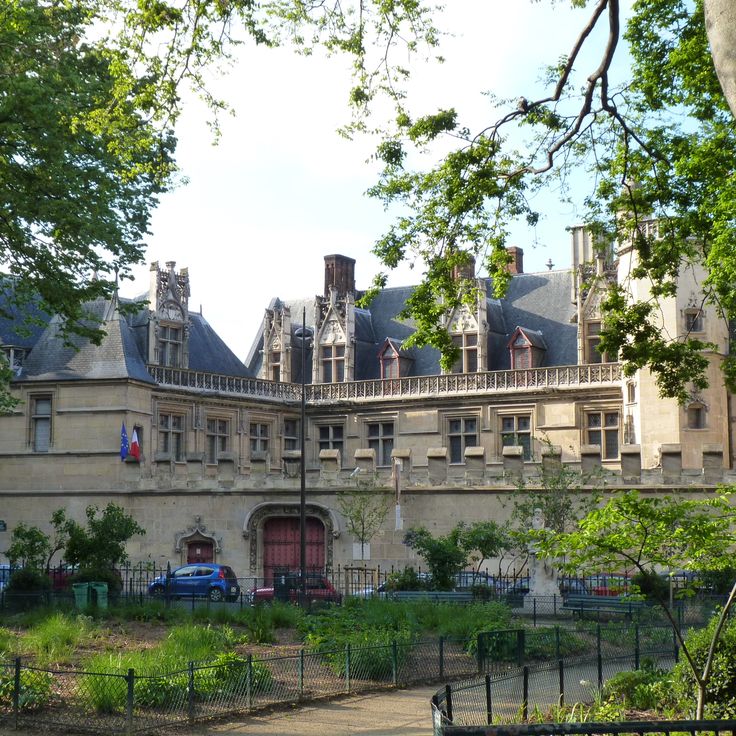
Cluny Abbey was founded in 910 and became the center of Benedictine reform across Europe. The monastery reached its peak in the 12th century when the abbey church Cluny III, measuring 187 meters in length, was the largest Christian building in the world. The complex included five naves, two transepts and several chapels. Today, only about ten percent of the original buildings remain, including parts of the southern transept and the bell tower.
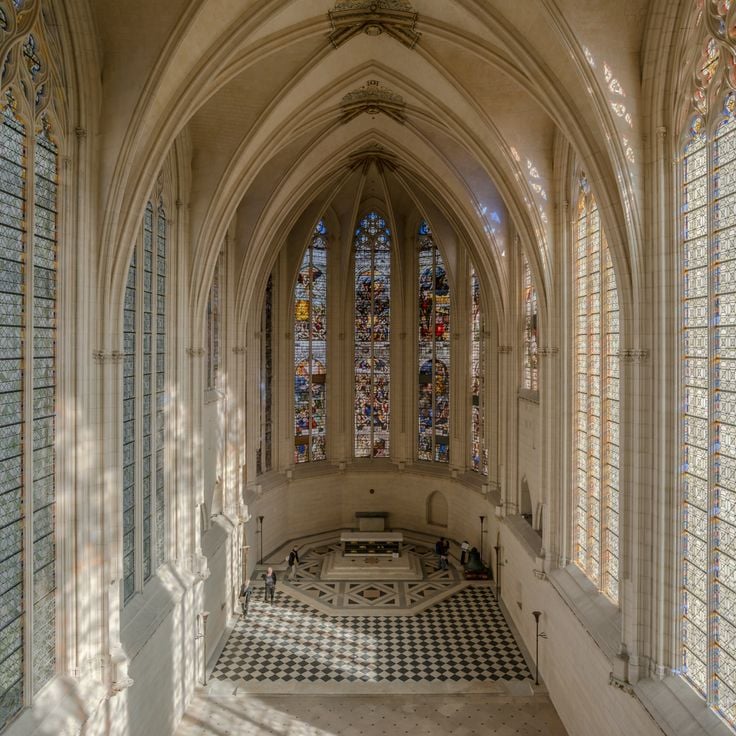
The Sainte-Chapelle de Vincennes was built between 1379 and 1552 as a royal chapel. This chapel stands within the Château de Vincennes and displays Gothic architectural style with tall windows. The 16th century stained glass windows illustrate biblical scenes and demonstrate the craftsmanship of that period. Charles V of France commissioned the construction to create a residence for the monarchy. The chapel served religious ceremonies for the royal court.
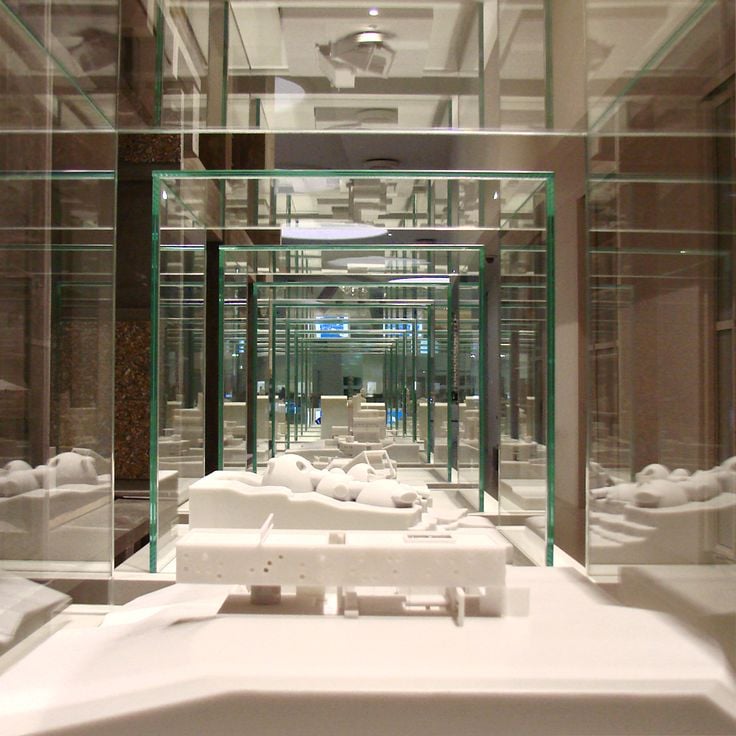
The Cité Architecture Museum occupies the east wing of Palais de Chaillot and presents French architectural heritage from medieval times to the present day. The collections include plaster casts of Romanesque and Gothic portals, wall paintings from churches and castles, and reconstructions of modern apartments. This museum exhibits scale models of major buildings, technical drawings, and architectural sculptures across 8000 square meters of exhibition galleries.
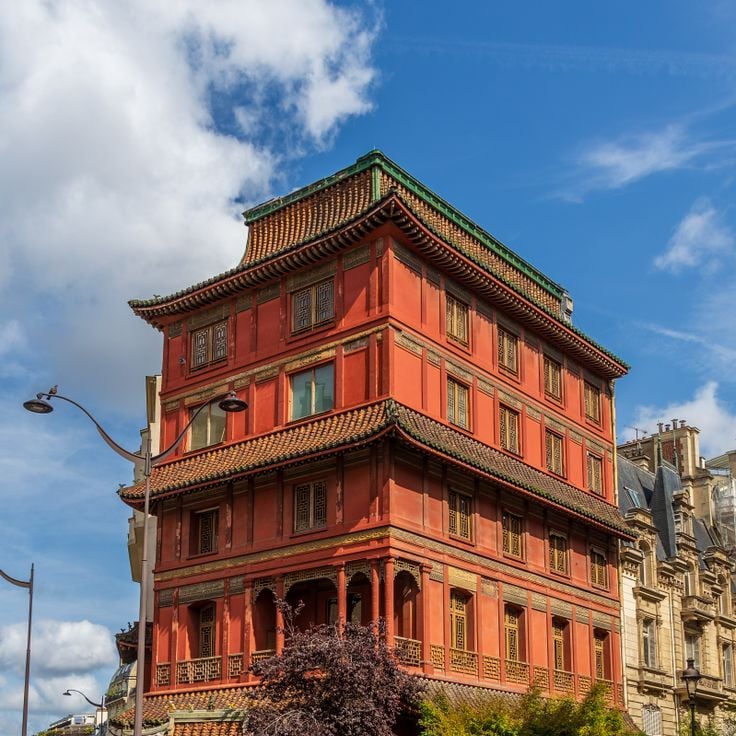
The Pagoda Paris was built in 1896 as a residential structure that merges French and Chinese architectural traditions. Located on Rue de Babylone, this eight-story building displays red lacquered walls and golden ornaments that distinguish it from surrounding Parisian architecture. The residence reflects the French fascination with Asian art and design during the late 19th century.
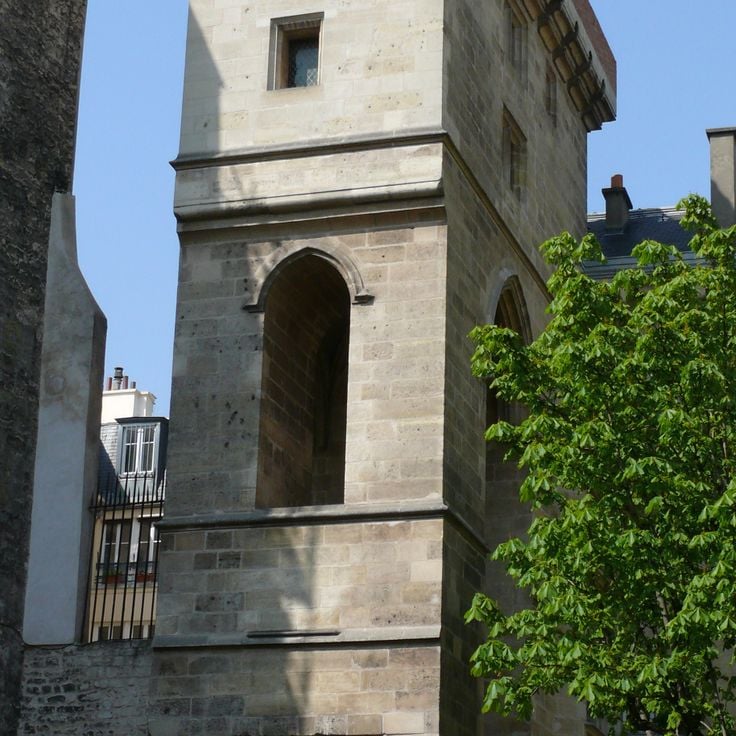
The Jean Sans Peur Tower rises 27 meters above the second arrondissement and forms the last remaining element of the medieval fortress of the Dukes of Burgundy. This defensive structure from 1411 presents a notable stone spiral staircase whose vault is decorated with carved oak and thistle leaves. The vegetal motifs illustrate the political symbols of the Burgundian court during the Hundred Years' War.
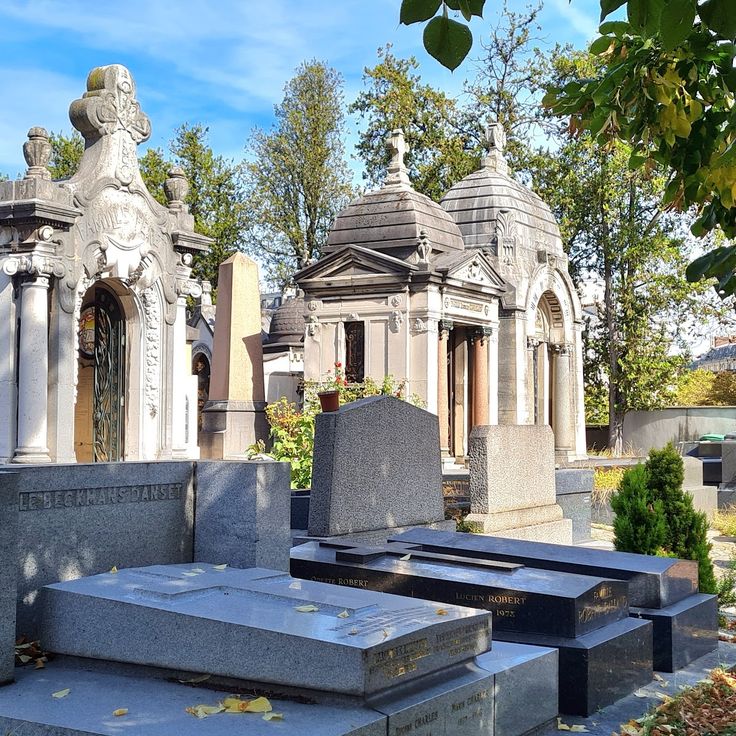
Passy Cemetery was established in 1820 in the 16th arrondissement of Paris and serves as the final resting place for numerous figures from the arts. The cemetery contains the graves of composer Claude Debussy, painter Édouard Manet, and actor and director Jean-Louis Barrault. Located on the slopes of Trocadéro, this burial ground features pathways lined with tombstones and monuments, with views overlooking parts of the city. The site combines green spaces with sculptural funerary art.
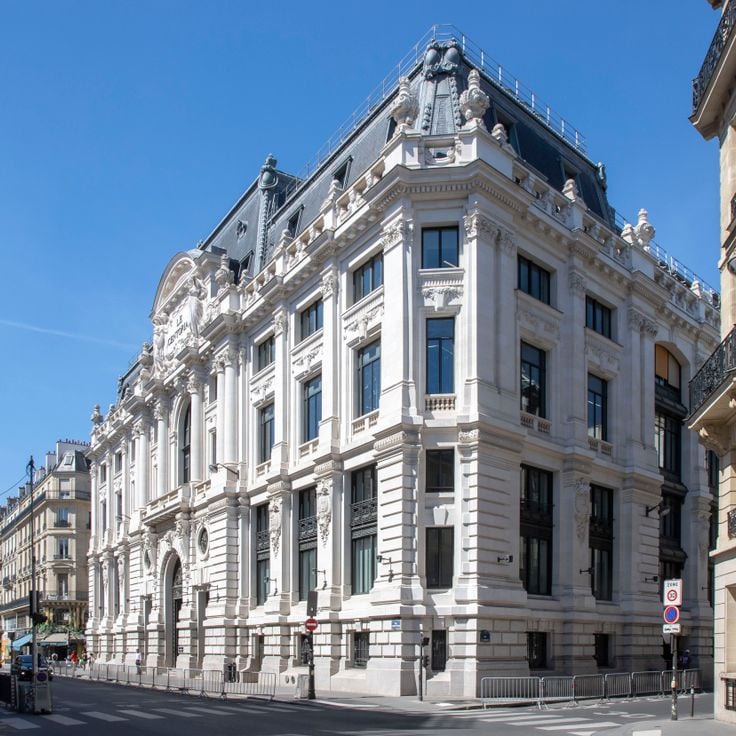
Le Centorial is a building from 1900 that originally housed the printing works of the Paris Stock Exchange. Architect Henri Blondel designed the structure with stone facades and a metal framework. The architecture combines traditional stone construction with modern metal engineering from the early 20th century. The building is located on Rue du Quatre Septembre in the 2nd arrondissement of Paris.
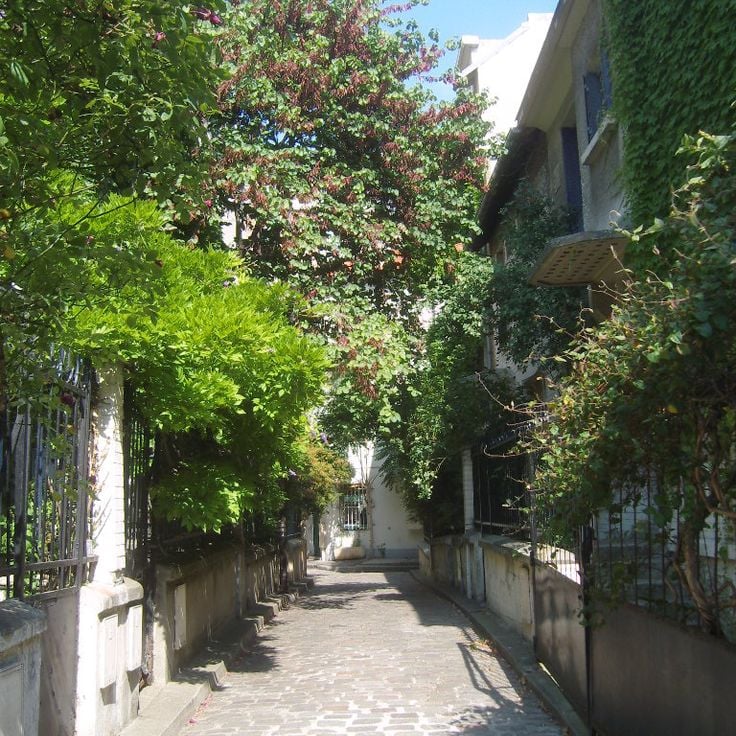
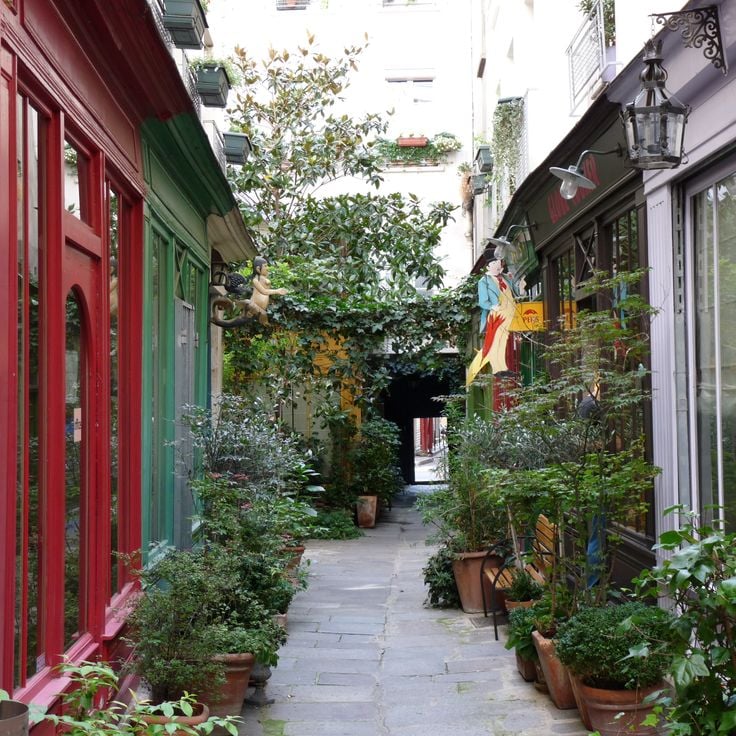
The Square des Peupliers is a private residential street in the 13th arrondissement, established in 1928. This street connects cobblestone pathways with small houses surrounded by individual gardens. Rose arches mark the entrances and create a village-like setting within the city. The architecture of the buildings follows various interwar period styles. Access is through locked gates that preserve the private character of this residential development.
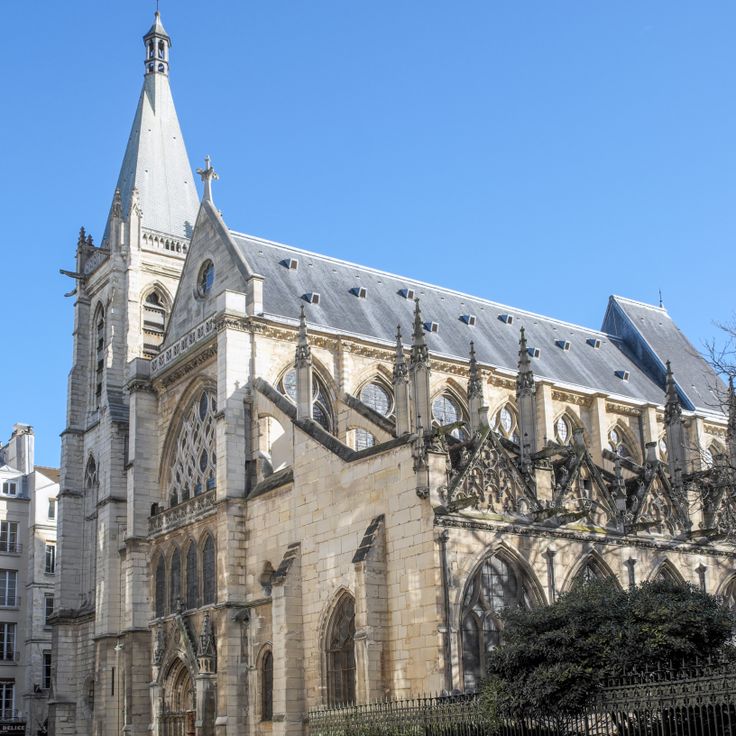
The Church of Saint-Séverin stands in the Latin Quarter and dates from the 13th to 15th centuries. The building displays Gothic elements with a nave distinguished by its twisted columns. These spiral pillars in the choir form an unusual architectural feature. The church preserves medieval stained glass windows alongside modern glass work by Jean Bazaine from the 1960s. The interior combines different construction phases of French Gothic architecture.
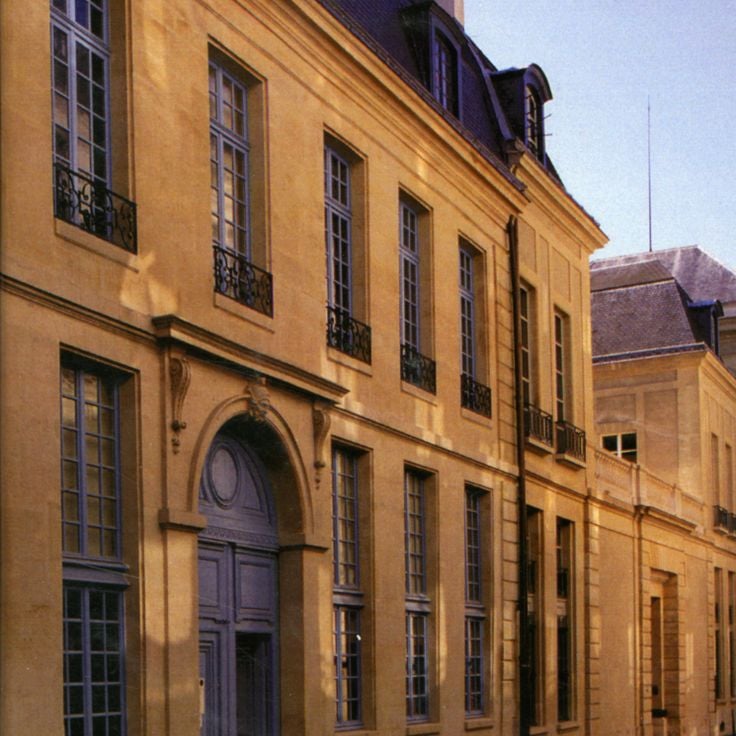
The Musée de la Chasse et de la Nature occupies two historic 17th century mansions in the Marais district. The collection presents hunting weapons from different periods, taxidermied animals in naturalized scenes, and paintings and sculptures exploring the relationship between humans and animals. The rooms retain their original architecture with wood paneling, fireplaces and stucco ceilings.
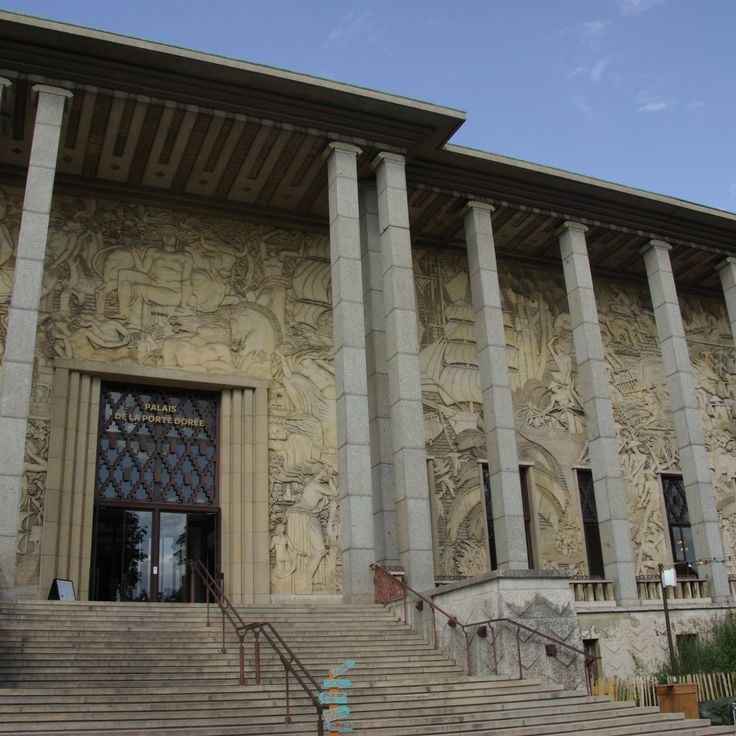
The Palais de la Porte Dorée was constructed in 1931 for the Colonial Exhibition and displays the characteristic aesthetic of Art Deco architecture. The facade features large-scale reliefs depicting scenes from French overseas territories. The building now houses the Musée national de l'histoire de l'immigration, which documents the history of immigration to France, as well as a tropical aquarium in the basement containing fish and crocodiles.
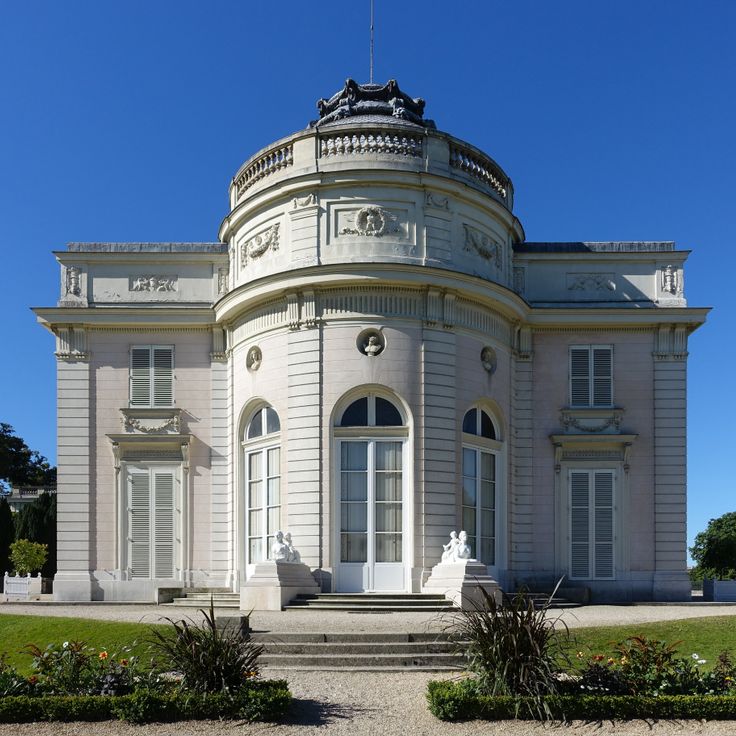
The Château de Bagatelle was built in 1777 in just 64 days as the result of a wager between the Comte d'Artois and Marie-Antoinette. This small palace in the neoclassical style is located in the Bois de Boulogne and displays harmonious proportions and refined interiors. The surrounding park covers 24 hectares and includes an English garden, a rose garden with over a thousand varieties, and several pavilions. The estate now serves as a museum and venue for cultural activities.
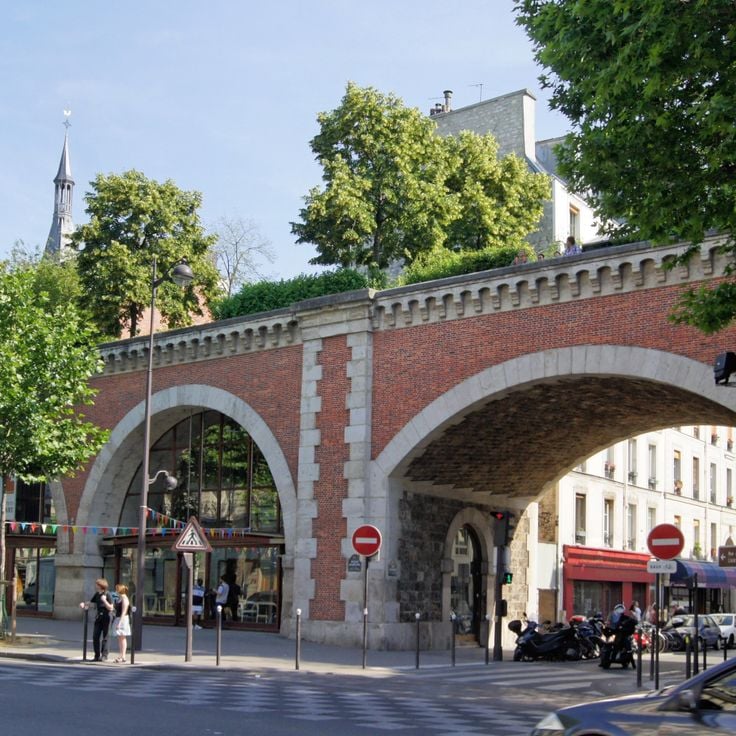
The Viaduc des Arts is a converted 19th-century railway viaduct that stretches along Avenue Daumesnil in the 12th arrondissement. The arches beneath the elevated railway line have been transformed into forty workshops and studios where French artisans practice their trades. Visitors can find craftspeople specializing in furniture restoration, violin making, bookbinding, ceramics, and jewelry design. The viaduct itself supports the Promenade plantée, an elevated green walkway above the street level.
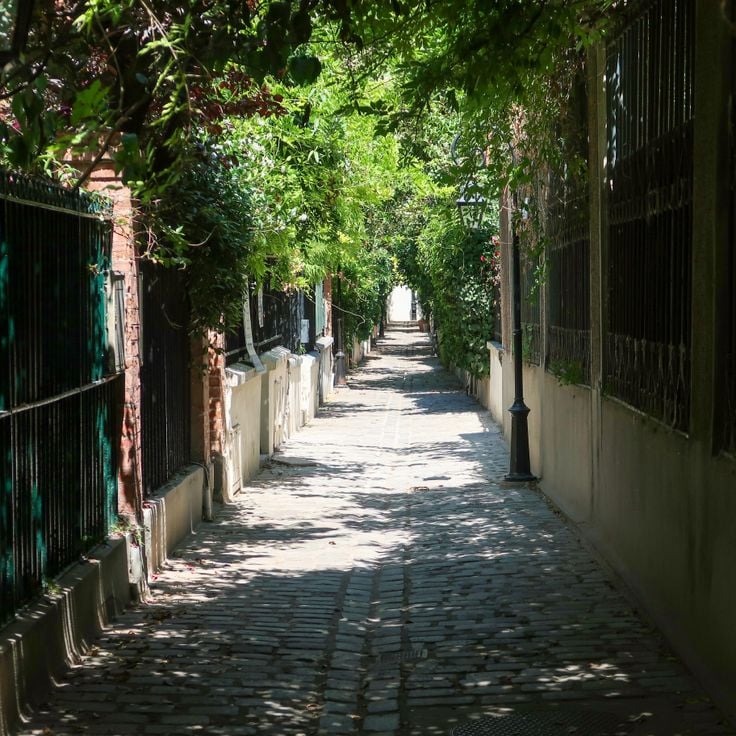
Cité Durmar is a narrow passageway in the 11th arrondissement, running between Rue de Charonne and Rue Basfroi. This private residential street preserves its authentic 19th century appearance with historical cobblestones and traditional Parisian residential buildings lining both sides. The low-rise houses with their typical facades and small gardens reflect the architectural style of working-class neighborhoods from that period. Access is through a gate that separates this quiet residential lane from the busy surrounding streets.
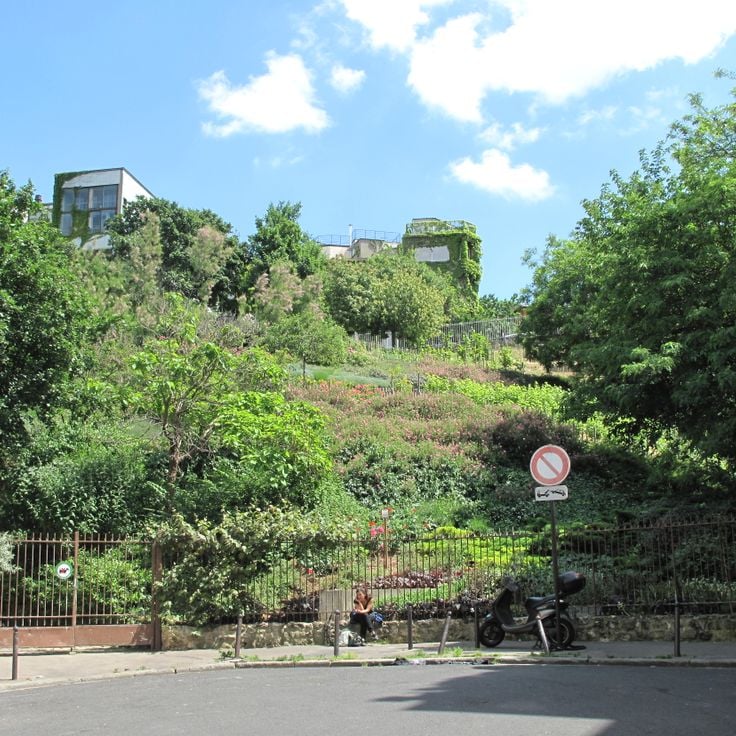
Butte Bergeyre is a residential neighborhood built on a 100-foot hill in the 19th arrondissement of Paris. This quiet district features cobblestone streets, single-family houses with gardens, and vineyards maintained by local residents. The community gardens provide insight into the daily life of inhabitants. From the hilltop, panoramic views extend across the city, particularly toward Montmartre and Sacré-Cœur.
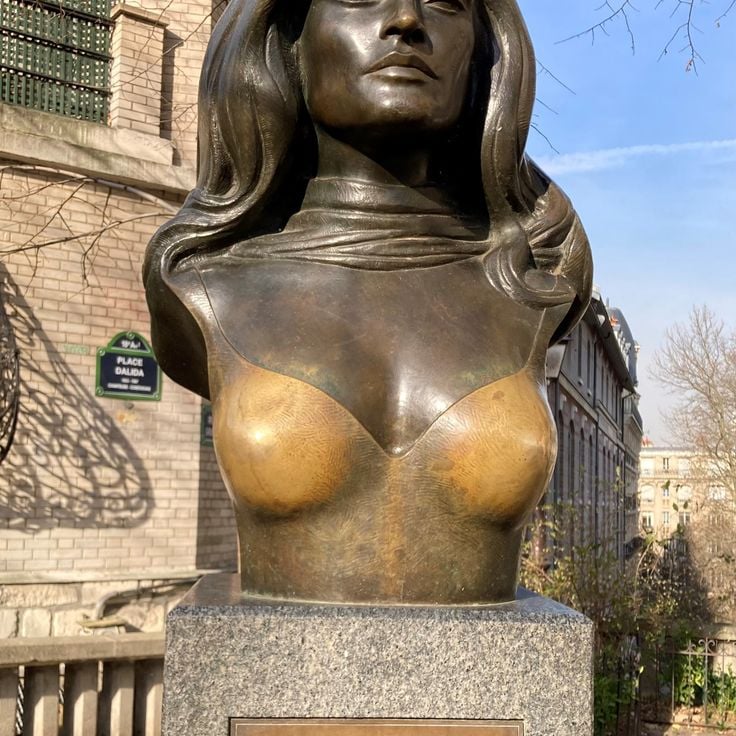
Place Dalida is a small square in the Montmartre district dedicated to the memory of French-Italian singer Dalida. Located near her former residence on Rue d'Orchampt, this plaza features a bronze bust of the artist and offers a viewpoint overlooking the city. The space serves as a gathering point for fans and visitors who come to pay tribute to the performer.
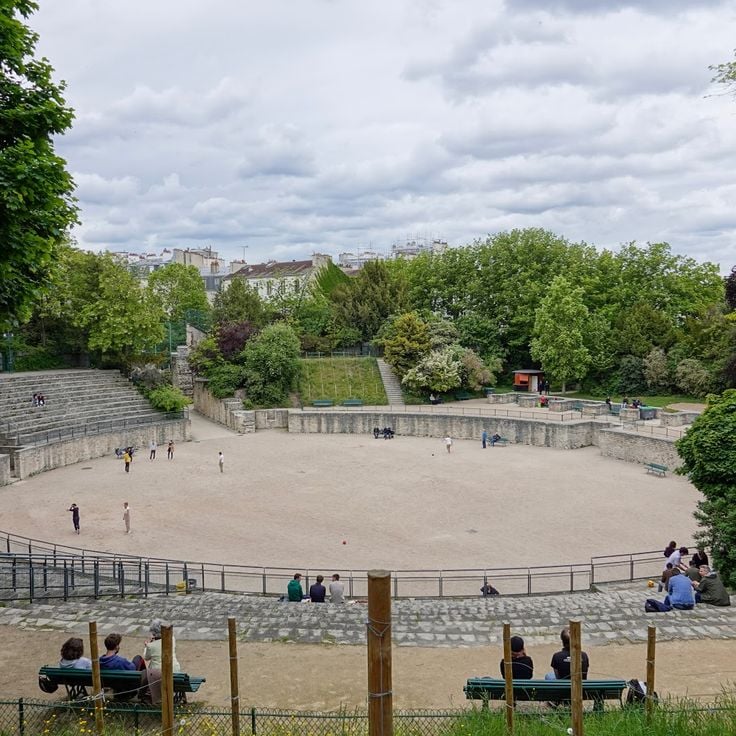
The Arènes de Lutèce is a Roman amphitheater from the second century located in the fifth arrondissement of Paris. This ancient site featured 15000 seats and served as a venue for gladiator fights and theatrical performances. The arena was constructed in the first century AD and remains one of the oldest preserved Roman structures in the French capital. The structure lay buried underground for centuries until its rediscovery in the 19th century.
Villa Dietz-Monnin was built in the 19th century and represents the architectural style of suburban residences from that period. The building features a spacious garden and retains numerous original decorative elements from its construction era. The facade displays typical design characteristics of bourgeois country houses, including ornamental details and traditional proportions.
This former residence of a Dutch art dealer in the 8th arrondissement now houses a private collection of Asian art. Built in 1926, the structure combines Western architecture with Far Eastern design elements. The facade displays geometric patterns and traditional Chinese motifs, while the interior spaces were specifically designed to showcase porcelain, sculptures and paintings from China, Japan and Southeast Asia. The museum opens by appointment for visitors interested in Asian art history.
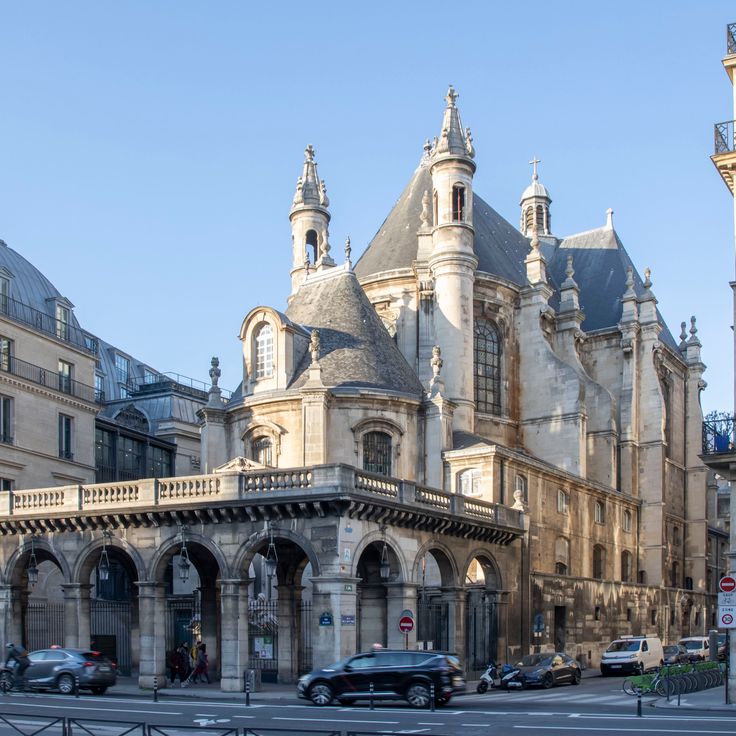
This Protestant temple in the first arrondissement has served the Reformed congregation since 1811. The building was constructed between 1621 and 1630 as a chapel for the Oratorian Congregation under Louis XIII. The classical facade facing Rue de Rivoli displays pilasters and a triangular pediment. Inside, a single-nave space extends beneath a wooden vault with two-story galleries. The 1963 organ replaced the instrument destroyed in World War II. The temple stands beside the Louvre Palace and borders the former royal gardens.
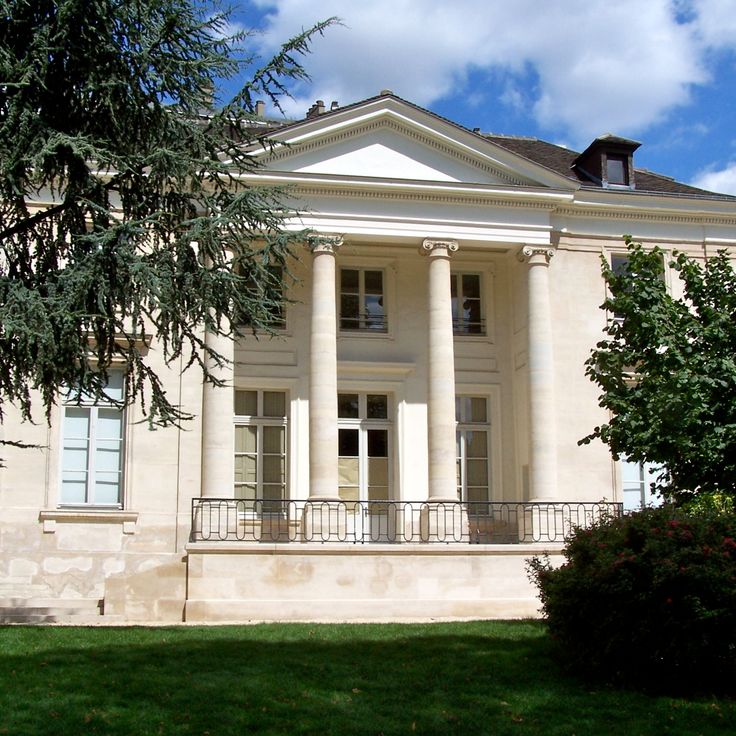
The Pavillon Carré de Baudouin is a cultural center in the twentieth arrondissement, housed in an eighteenth-century summer residence that illustrates the architectural evolution of Paris through its neoclassical facade and surrounding gardens, now used for exhibitions and events and offering insight into the transformation of bourgeois estates into public spaces.
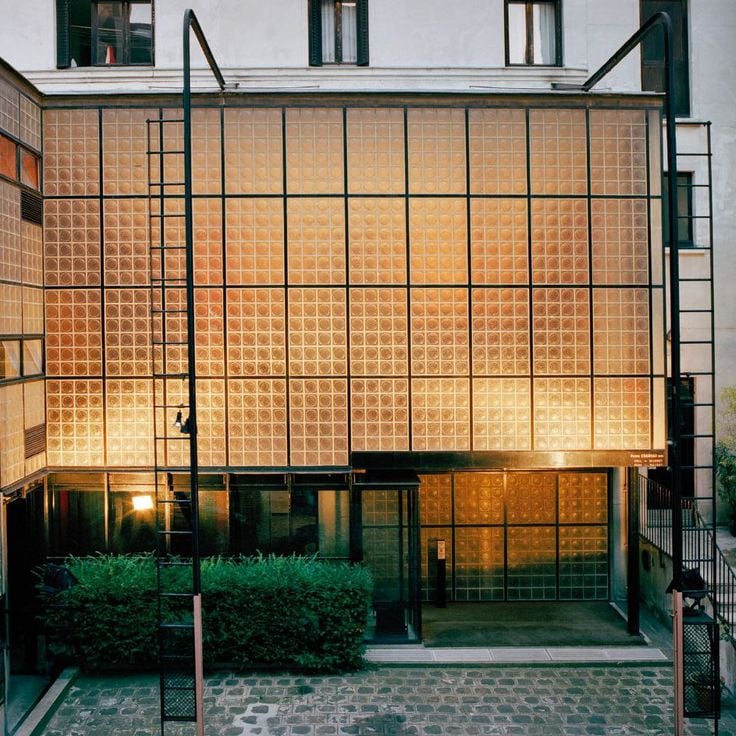
This residence from the early 1930s represents a major achievement in modern architecture in Paris. Pierre Chareau designed the building with a facade of glass blocks that channels natural light throughout the interior while maintaining privacy. The construction incorporates industrial materials such as steel and glass into a residential setting and demonstrates innovative solutions for flexible space use. The house stands in the seventh arrondissement and remains in private ownership, which limits viewing to advance arrangement only.
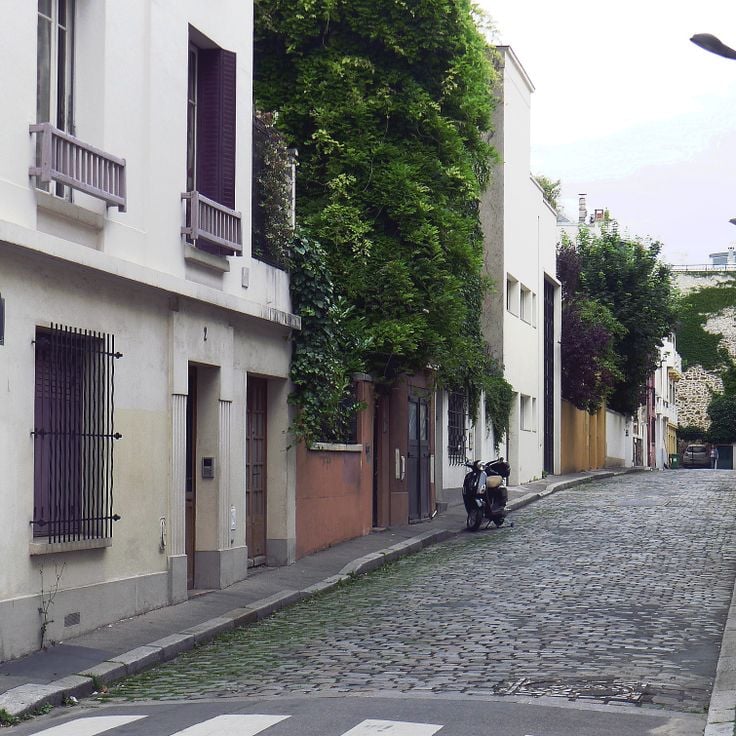
Villa Seurat is a private dead-end street in the Parc-de-Montsouris neighborhood of Paris, laid out in the 1920s and lined with artist studios and modernist residences built in the 1930s. This street illustrates the city's architectural diversity through its functionalist buildings featuring large windows designed to bring light into work spaces, and attracted painters like Soutine and writers such as Henry Miller. The villa demonstrates the experimental approaches of early 20th-century Paris.
This private passage in the 3rd arrondissement of Paris was built in the early 19th century and belongs to the numerous covered passages that appeared in the city at that time. The passage de l'Ancre connects rue Turbigo with rue Saint-Martin and preserves its original structure with a glass roof and cobblestones. The passage runs through a residential building and shows the typical design of Parisian passages that shaped the cityscape before the Haussmann era, offering pedestrians weather-protected routes through the densely built neighborhoods.
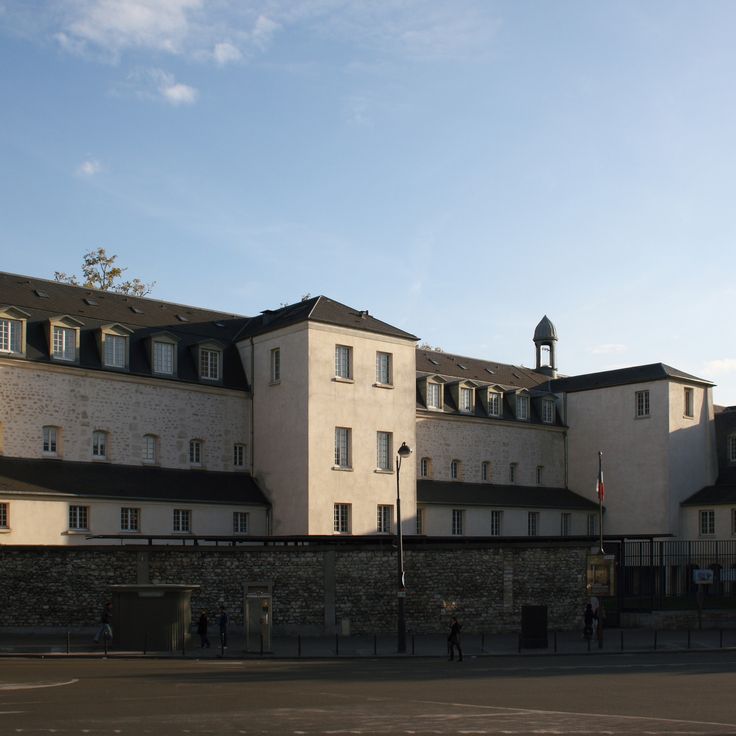
The Couvent des Récollets de Paris stands in the tenth arrondissement and demonstrates seventeenth-century monastic architecture. Franciscan friars founded this convent in 1603 and expanded it over the decades with a cloister and chapel. After the Revolution, the building served various purposes including as a military hospital and prison. Today the French government uses the complex for cultural events and research projects. The cloister with its arcades and the tree-lined inner courtyard form part of the quiet historical spaces within the Paris urban area.
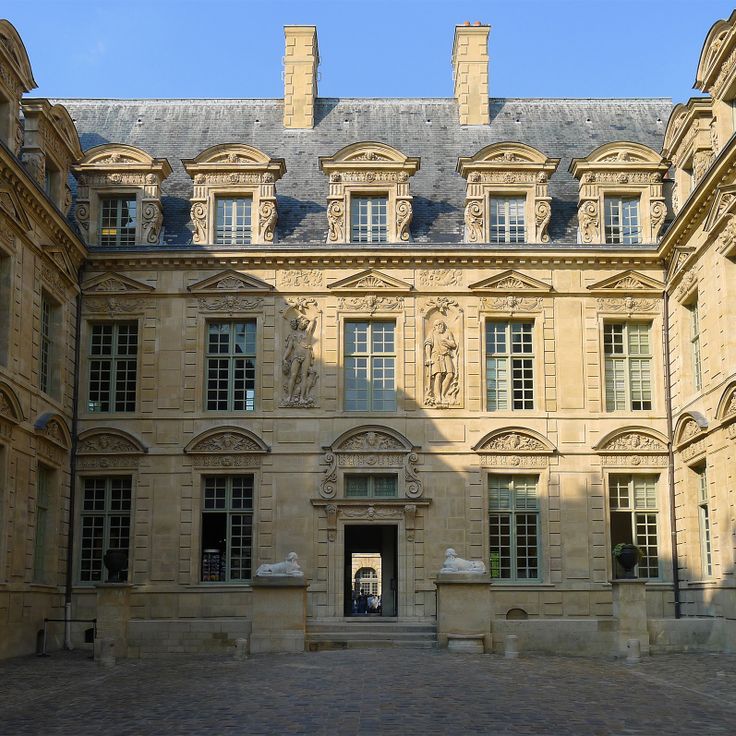
The Hotel de Sully, a 17th-century townhouse in the Marais, demonstrates French Renaissance architecture under Henry IV through its Androuet du Cerceau-designed courtyard, geometric gardens and sculpted facades depicting allegories of the four seasons and elements. Built between 1625 and 1630 for financier Mesme Gallet, the building was later acquired by Maximilien de Béthune, Duke of Sully and former minister to Henry IV. The two courtyards combine classical French architecture with practical urban planning and now house the Centre des Monuments Nationaux. Visitors can walk through the first courtyard with its arcades and decorated gables to reach the quieter second courtyard that connects to Place des Vosges.
The Lavirotte Building was designed in 1901 by architect Jules Lavirotte and represents an outstanding example of French Art Nouveau architecture. The facade displays detailed stonework with floral motifs extending across multiple floors. Colored ceramic tiles in warm tones complement the organic forms. The entrance door features wrought iron with flowing lines. This residential building received the prize for the most beautiful facade in the city in 1901.
Cluny Abbey was founded in 910 and became the center of Benedictine reform across Europe. The monastery reached its peak in the 12th century when the abbey church Cluny III, measuring 187 meters in length, was the largest Christian building in the world. The complex included five naves, two transepts and several chapels. Today, only about ten percent of the original buildings remain, including parts of the southern transept and the bell tower.
The Sainte-Chapelle de Vincennes was built between 1379 and 1552 as a royal chapel. This chapel stands within the Château de Vincennes and displays Gothic architectural style with tall windows. The 16th century stained glass windows illustrate biblical scenes and demonstrate the craftsmanship of that period. Charles V of France commissioned the construction to create a residence for the monarchy. The chapel served religious ceremonies for the royal court.
The Cité Architecture Museum occupies the east wing of Palais de Chaillot and presents French architectural heritage from medieval times to the present day. The collections include plaster casts of Romanesque and Gothic portals, wall paintings from churches and castles, and reconstructions of modern apartments. This museum exhibits scale models of major buildings, technical drawings, and architectural sculptures across 8000 square meters of exhibition galleries.
The Pagoda Paris was built in 1896 as a residential structure that merges French and Chinese architectural traditions. Located on Rue de Babylone, this eight-story building displays red lacquered walls and golden ornaments that distinguish it from surrounding Parisian architecture. The residence reflects the French fascination with Asian art and design during the late 19th century.
The Jean Sans Peur Tower rises 27 meters above the second arrondissement and forms the last remaining element of the medieval fortress of the Dukes of Burgundy. This defensive structure from 1411 presents a notable stone spiral staircase whose vault is decorated with carved oak and thistle leaves. The vegetal motifs illustrate the political symbols of the Burgundian court during the Hundred Years' War.
Passy Cemetery was established in 1820 in the 16th arrondissement of Paris and serves as the final resting place for numerous figures from the arts. The cemetery contains the graves of composer Claude Debussy, painter Édouard Manet, and actor and director Jean-Louis Barrault. Located on the slopes of Trocadéro, this burial ground features pathways lined with tombstones and monuments, with views overlooking parts of the city. The site combines green spaces with sculptural funerary art.
Le Centorial is a building from 1900 that originally housed the printing works of the Paris Stock Exchange. Architect Henri Blondel designed the structure with stone facades and a metal framework. The architecture combines traditional stone construction with modern metal engineering from the early 20th century. The building is located on Rue du Quatre Septembre in the 2nd arrondissement of Paris.
The Square des Peupliers is a private residential street in the 13th arrondissement, established in 1928. This street connects cobblestone pathways with small houses surrounded by individual gardens. Rose arches mark the entrances and create a village-like setting within the city. The architecture of the buildings follows various interwar period styles. Access is through locked gates that preserve the private character of this residential development.
The Church of Saint-Séverin stands in the Latin Quarter and dates from the 13th to 15th centuries. The building displays Gothic elements with a nave distinguished by its twisted columns. These spiral pillars in the choir form an unusual architectural feature. The church preserves medieval stained glass windows alongside modern glass work by Jean Bazaine from the 1960s. The interior combines different construction phases of French Gothic architecture.
The Musée de la Chasse et de la Nature occupies two historic 17th century mansions in the Marais district. The collection presents hunting weapons from different periods, taxidermied animals in naturalized scenes, and paintings and sculptures exploring the relationship between humans and animals. The rooms retain their original architecture with wood paneling, fireplaces and stucco ceilings.
The Palais de la Porte Dorée was constructed in 1931 for the Colonial Exhibition and displays the characteristic aesthetic of Art Deco architecture. The facade features large-scale reliefs depicting scenes from French overseas territories. The building now houses the Musée national de l'histoire de l'immigration, which documents the history of immigration to France, as well as a tropical aquarium in the basement containing fish and crocodiles.
The Château de Bagatelle was built in 1777 in just 64 days as the result of a wager between the Comte d'Artois and Marie-Antoinette. This small palace in the neoclassical style is located in the Bois de Boulogne and displays harmonious proportions and refined interiors. The surrounding park covers 24 hectares and includes an English garden, a rose garden with over a thousand varieties, and several pavilions. The estate now serves as a museum and venue for cultural activities.
The Viaduc des Arts is a converted 19th-century railway viaduct that stretches along Avenue Daumesnil in the 12th arrondissement. The arches beneath the elevated railway line have been transformed into forty workshops and studios where French artisans practice their trades. Visitors can find craftspeople specializing in furniture restoration, violin making, bookbinding, ceramics, and jewelry design. The viaduct itself supports the Promenade plantée, an elevated green walkway above the street level.
Cité Durmar is a narrow passageway in the 11th arrondissement, running between Rue de Charonne and Rue Basfroi. This private residential street preserves its authentic 19th century appearance with historical cobblestones and traditional Parisian residential buildings lining both sides. The low-rise houses with their typical facades and small gardens reflect the architectural style of working-class neighborhoods from that period. Access is through a gate that separates this quiet residential lane from the busy surrounding streets.
Butte Bergeyre is a residential neighborhood built on a 100-foot hill in the 19th arrondissement of Paris. This quiet district features cobblestone streets, single-family houses with gardens, and vineyards maintained by local residents. The community gardens provide insight into the daily life of inhabitants. From the hilltop, panoramic views extend across the city, particularly toward Montmartre and Sacré-Cœur.
Place Dalida is a small square in the Montmartre district dedicated to the memory of French-Italian singer Dalida. Located near her former residence on Rue d'Orchampt, this plaza features a bronze bust of the artist and offers a viewpoint overlooking the city. The space serves as a gathering point for fans and visitors who come to pay tribute to the performer.
The Arènes de Lutèce is a Roman amphitheater from the second century located in the fifth arrondissement of Paris. This ancient site featured 15000 seats and served as a venue for gladiator fights and theatrical performances. The arena was constructed in the first century AD and remains one of the oldest preserved Roman structures in the French capital. The structure lay buried underground for centuries until its rediscovery in the 19th century.
Villa Dietz-Monnin was built in the 19th century and represents the architectural style of suburban residences from that period. The building features a spacious garden and retains numerous original decorative elements from its construction era. The facade displays typical design characteristics of bourgeois country houses, including ornamental details and traditional proportions.
This former residence of a Dutch art dealer in the 8th arrondissement now houses a private collection of Asian art. Built in 1926, the structure combines Western architecture with Far Eastern design elements. The facade displays geometric patterns and traditional Chinese motifs, while the interior spaces were specifically designed to showcase porcelain, sculptures and paintings from China, Japan and Southeast Asia. The museum opens by appointment for visitors interested in Asian art history.
This Protestant temple in the first arrondissement has served the Reformed congregation since 1811. The building was constructed between 1621 and 1630 as a chapel for the Oratorian Congregation under Louis XIII. The classical facade facing Rue de Rivoli displays pilasters and a triangular pediment. Inside, a single-nave space extends beneath a wooden vault with two-story galleries. The 1963 organ replaced the instrument destroyed in World War II. The temple stands beside the Louvre Palace and borders the former royal gardens.
The Pavillon Carré de Baudouin is a cultural center in the twentieth arrondissement, housed in an eighteenth-century summer residence that illustrates the architectural evolution of Paris through its neoclassical facade and surrounding gardens, now used for exhibitions and events and offering insight into the transformation of bourgeois estates into public spaces.
This residence from the early 1930s represents a major achievement in modern architecture in Paris. Pierre Chareau designed the building with a facade of glass blocks that channels natural light throughout the interior while maintaining privacy. The construction incorporates industrial materials such as steel and glass into a residential setting and demonstrates innovative solutions for flexible space use. The house stands in the seventh arrondissement and remains in private ownership, which limits viewing to advance arrangement only.
Villa Seurat is a private dead-end street in the Parc-de-Montsouris neighborhood of Paris, laid out in the 1920s and lined with artist studios and modernist residences built in the 1930s. This street illustrates the city's architectural diversity through its functionalist buildings featuring large windows designed to bring light into work spaces, and attracted painters like Soutine and writers such as Henry Miller. The villa demonstrates the experimental approaches of early 20th-century Paris.
This private passage in the 3rd arrondissement of Paris was built in the early 19th century and belongs to the numerous covered passages that appeared in the city at that time. The passage de l'Ancre connects rue Turbigo with rue Saint-Martin and preserves its original structure with a glass roof and cobblestones. The passage runs through a residential building and shows the typical design of Parisian passages that shaped the cityscape before the Haussmann era, offering pedestrians weather-protected routes through the densely built neighborhoods.
The Couvent des Récollets de Paris stands in the tenth arrondissement and demonstrates seventeenth-century monastic architecture. Franciscan friars founded this convent in 1603 and expanded it over the decades with a cloister and chapel. After the Revolution, the building served various purposes including as a military hospital and prison. Today the French government uses the complex for cultural events and research projects. The cloister with its arcades and the tree-lined inner courtyard form part of the quiet historical spaces within the Paris urban area.
The Hotel de Sully, a 17th-century townhouse in the Marais, demonstrates French Renaissance architecture under Henry IV through its Androuet du Cerceau-designed courtyard, geometric gardens and sculpted facades depicting allegories of the four seasons and elements. Built between 1625 and 1630 for financier Mesme Gallet, the building was later acquired by Maximilien de Béthune, Duke of Sully and former minister to Henry IV. The two courtyards combine classical French architecture with practical urban planning and now house the Centre des Monuments Nationaux. Visitors can walk through the first courtyard with its arcades and decorated gables to reach the quieter second courtyard that connects to Place des Vosges.
The Lavirotte Building was designed in 1901 by architect Jules Lavirotte and represents an outstanding example of French Art Nouveau architecture. The facade displays detailed stonework with floral motifs extending across multiple floors. Colored ceramic tiles in warm tones complement the organic forms. The entrance door features wrought iron with flowing lines. This residential building received the prize for the most beautiful facade in the city in 1901.
Cluny Abbey was founded in 910 and became the center of Benedictine reform across Europe. The monastery reached its peak in the 12th century when the abbey church Cluny III, measuring 187 meters in length, was the largest Christian building in the world. The complex included five naves, two transepts and several chapels. Today, only about ten percent of the original buildings remain, including parts of the southern transept and the bell tower.
The Sainte-Chapelle de Vincennes was built between 1379 and 1552 as a royal chapel. This chapel stands within the Château de Vincennes and displays Gothic architectural style with tall windows. The 16th century stained glass windows illustrate biblical scenes and demonstrate the craftsmanship of that period. Charles V of France commissioned the construction to create a residence for the monarchy. The chapel served religious ceremonies for the royal court.
The Cité Architecture Museum occupies the east wing of Palais de Chaillot and presents French architectural heritage from medieval times to the present day. The collections include plaster casts of Romanesque and Gothic portals, wall paintings from churches and castles, and reconstructions of modern apartments. This museum exhibits scale models of major buildings, technical drawings, and architectural sculptures across 8000 square meters of exhibition galleries.
The Pagoda Paris was built in 1896 as a residential structure that merges French and Chinese architectural traditions. Located on Rue de Babylone, this eight-story building displays red lacquered walls and golden ornaments that distinguish it from surrounding Parisian architecture. The residence reflects the French fascination with Asian art and design during the late 19th century.
The Jean Sans Peur Tower rises 27 meters above the second arrondissement and forms the last remaining element of the medieval fortress of the Dukes of Burgundy. This defensive structure from 1411 presents a notable stone spiral staircase whose vault is decorated with carved oak and thistle leaves. The vegetal motifs illustrate the political symbols of the Burgundian court during the Hundred Years' War.
Passy Cemetery was established in 1820 in the 16th arrondissement of Paris and serves as the final resting place for numerous figures from the arts. The cemetery contains the graves of composer Claude Debussy, painter Édouard Manet, and actor and director Jean-Louis Barrault. Located on the slopes of Trocadéro, this burial ground features pathways lined with tombstones and monuments, with views overlooking parts of the city. The site combines green spaces with sculptural funerary art.
Le Centorial is a building from 1900 that originally housed the printing works of the Paris Stock Exchange. Architect Henri Blondel designed the structure with stone facades and a metal framework. The architecture combines traditional stone construction with modern metal engineering from the early 20th century. The building is located on Rue du Quatre Septembre in the 2nd arrondissement of Paris.
The Square des Peupliers is a private residential street in the 13th arrondissement, established in 1928. This street connects cobblestone pathways with small houses surrounded by individual gardens. Rose arches mark the entrances and create a village-like setting within the city. The architecture of the buildings follows various interwar period styles. Access is through locked gates that preserve the private character of this residential development.
The Church of Saint-Séverin stands in the Latin Quarter and dates from the 13th to 15th centuries. The building displays Gothic elements with a nave distinguished by its twisted columns. These spiral pillars in the choir form an unusual architectural feature. The church preserves medieval stained glass windows alongside modern glass work by Jean Bazaine from the 1960s. The interior combines different construction phases of French Gothic architecture.
The Musée de la Chasse et de la Nature occupies two historic 17th century mansions in the Marais district. The collection presents hunting weapons from different periods, taxidermied animals in naturalized scenes, and paintings and sculptures exploring the relationship between humans and animals. The rooms retain their original architecture with wood paneling, fireplaces and stucco ceilings.
The Palais de la Porte Dorée was constructed in 1931 for the Colonial Exhibition and displays the characteristic aesthetic of Art Deco architecture. The facade features large-scale reliefs depicting scenes from French overseas territories. The building now houses the Musée national de l'histoire de l'immigration, which documents the history of immigration to France, as well as a tropical aquarium in the basement containing fish and crocodiles.
The Château de Bagatelle was built in 1777 in just 64 days as the result of a wager between the Comte d'Artois and Marie-Antoinette. This small palace in the neoclassical style is located in the Bois de Boulogne and displays harmonious proportions and refined interiors. The surrounding park covers 24 hectares and includes an English garden, a rose garden with over a thousand varieties, and several pavilions. The estate now serves as a museum and venue for cultural activities.
The Viaduc des Arts is a converted 19th-century railway viaduct that stretches along Avenue Daumesnil in the 12th arrondissement. The arches beneath the elevated railway line have been transformed into forty workshops and studios where French artisans practice their trades. Visitors can find craftspeople specializing in furniture restoration, violin making, bookbinding, ceramics, and jewelry design. The viaduct itself supports the Promenade plantée, an elevated green walkway above the street level.
Cité Durmar is a narrow passageway in the 11th arrondissement, running between Rue de Charonne and Rue Basfroi. This private residential street preserves its authentic 19th century appearance with historical cobblestones and traditional Parisian residential buildings lining both sides. The low-rise houses with their typical facades and small gardens reflect the architectural style of working-class neighborhoods from that period. Access is through a gate that separates this quiet residential lane from the busy surrounding streets.
Butte Bergeyre is a residential neighborhood built on a 100-foot hill in the 19th arrondissement of Paris. This quiet district features cobblestone streets, single-family houses with gardens, and vineyards maintained by local residents. The community gardens provide insight into the daily life of inhabitants. From the hilltop, panoramic views extend across the city, particularly toward Montmartre and Sacré-Cœur.
Place Dalida is a small square in the Montmartre district dedicated to the memory of French-Italian singer Dalida. Located near her former residence on Rue d'Orchampt, this plaza features a bronze bust of the artist and offers a viewpoint overlooking the city. The space serves as a gathering point for fans and visitors who come to pay tribute to the performer.
The Arènes de Lutèce is a Roman amphitheater from the second century located in the fifth arrondissement of Paris. This ancient site featured 15000 seats and served as a venue for gladiator fights and theatrical performances. The arena was constructed in the first century AD and remains one of the oldest preserved Roman structures in the French capital. The structure lay buried underground for centuries until its rediscovery in the 19th century.
Villa Dietz-Monnin was built in the 19th century and represents the architectural style of suburban residences from that period. The building features a spacious garden and retains numerous original decorative elements from its construction era. The facade displays typical design characteristics of bourgeois country houses, including ornamental details and traditional proportions.
This former residence of a Dutch art dealer in the 8th arrondissement now houses a private collection of Asian art. Built in 1926, the structure combines Western architecture with Far Eastern design elements. The facade displays geometric patterns and traditional Chinese motifs, while the interior spaces were specifically designed to showcase porcelain, sculptures and paintings from China, Japan and Southeast Asia. The museum opens by appointment for visitors interested in Asian art history.
This Protestant temple in the first arrondissement has served the Reformed congregation since 1811. The building was constructed between 1621 and 1630 as a chapel for the Oratorian Congregation under Louis XIII. The classical facade facing Rue de Rivoli displays pilasters and a triangular pediment. Inside, a single-nave space extends beneath a wooden vault with two-story galleries. The 1963 organ replaced the instrument destroyed in World War II. The temple stands beside the Louvre Palace and borders the former royal gardens.
The Pavillon Carré de Baudouin is a cultural center in the twentieth arrondissement, housed in an eighteenth-century summer residence that illustrates the architectural evolution of Paris through its neoclassical facade and surrounding gardens, now used for exhibitions and events and offering insight into the transformation of bourgeois estates into public spaces.
This residence from the early 1930s represents a major achievement in modern architecture in Paris. Pierre Chareau designed the building with a facade of glass blocks that channels natural light throughout the interior while maintaining privacy. The construction incorporates industrial materials such as steel and glass into a residential setting and demonstrates innovative solutions for flexible space use. The house stands in the seventh arrondissement and remains in private ownership, which limits viewing to advance arrangement only.
Villa Seurat is a private dead-end street in the Parc-de-Montsouris neighborhood of Paris, laid out in the 1920s and lined with artist studios and modernist residences built in the 1930s. This street illustrates the city's architectural diversity through its functionalist buildings featuring large windows designed to bring light into work spaces, and attracted painters like Soutine and writers such as Henry Miller. The villa demonstrates the experimental approaches of early 20th-century Paris.
This private passage in the 3rd arrondissement of Paris was built in the early 19th century and belongs to the numerous covered passages that appeared in the city at that time. The passage de l'Ancre connects rue Turbigo with rue Saint-Martin and preserves its original structure with a glass roof and cobblestones. The passage runs through a residential building and shows the typical design of Parisian passages that shaped the cityscape before the Haussmann era, offering pedestrians weather-protected routes through the densely built neighborhoods.
The Couvent des Récollets de Paris stands in the tenth arrondissement and demonstrates seventeenth-century monastic architecture. Franciscan friars founded this convent in 1603 and expanded it over the decades with a cloister and chapel. After the Revolution, the building served various purposes including as a military hospital and prison. Today the French government uses the complex for cultural events and research projects. The cloister with its arcades and the tree-lined inner courtyard form part of the quiet historical spaces within the Paris urban area.
The Hotel de Sully, a 17th-century townhouse in the Marais, demonstrates French Renaissance architecture under Henry IV through its Androuet du Cerceau-designed courtyard, geometric gardens and sculpted facades depicting allegories of the four seasons and elements. Built between 1625 and 1630 for financier Mesme Gallet, the building was later acquired by Maximilien de Béthune, Duke of Sully and former minister to Henry IV. The two courtyards combine classical French architecture with practical urban planning and now house the Centre des Monuments Nationaux. Visitors can walk through the first courtyard with its arcades and decorated gables to reach the quieter second courtyard that connects to Place des Vosges.