Musée de Cluny, Medieval history museum in Latin Quarter, France
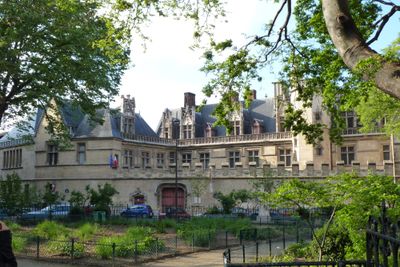
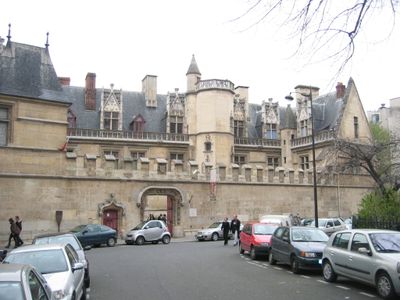
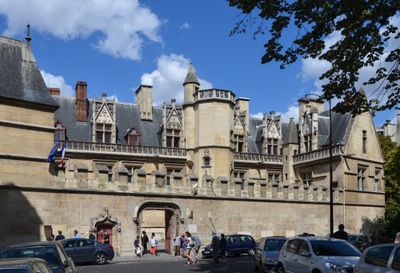
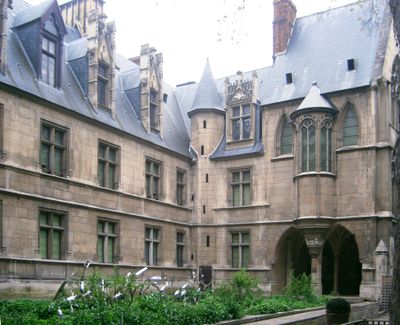
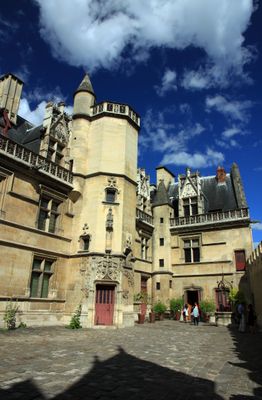
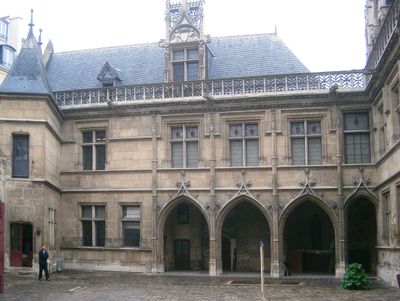
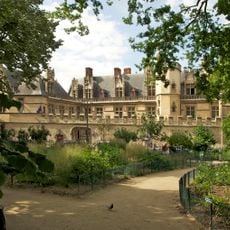
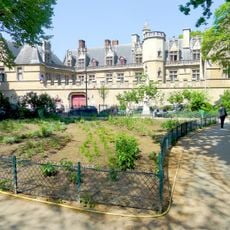
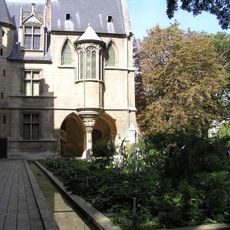
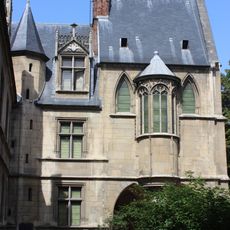
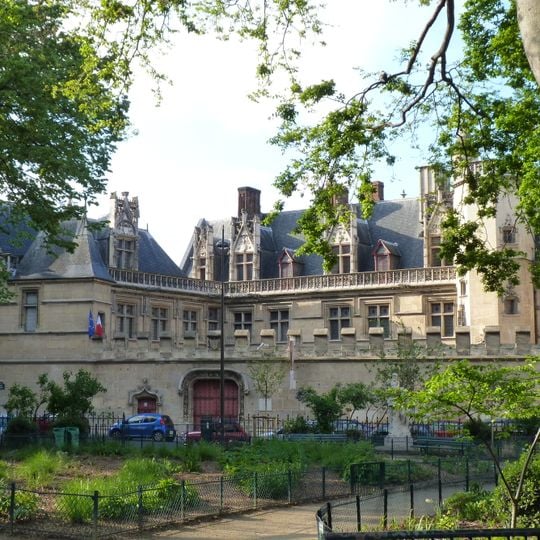
The Musée de Cluny is a museum of medieval art and history in the Latin Quarter of Paris, housed in a late Gothic townhouse from the fifteenth century and the remains of Roman thermal baths. The collections include sculptures, stained glass, metalwork and textiles from the Middle Ages, displayed in tall vaulted halls with stone walls and narrow passageways.
The French state purchased the building and collection from Alexandre Du Sommerard in 1843 and opened the house as a public museum. The Gothic residence had been owned by the abbots of Cluny since the late fifteenth century, while the Roman baths beneath date from the Gallo-Roman period.
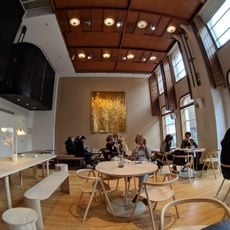
The name comes from the abbots of Cluny, who used the late medieval building as their Parisian residence. Visitors today can walk through rooms with stone vaulted ceilings and tall windows, while the tapestries and liturgical objects still speak to the religious craftsmanship of that era.
The museum is open daily except Tuesdays, with extended hours on the first Sunday of each month. The Roman baths on the lower level are accessible via stairs, while the medieval collections occupy the ground and first floors.
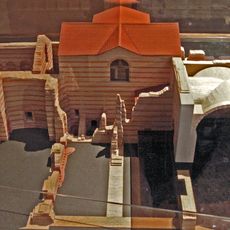
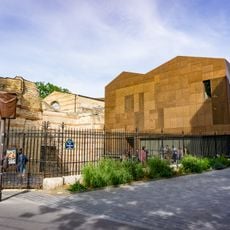
The Roman cold bath hall beneath the building is one of the best preserved ancient structures in Paris, with massive stone vaults that have survived nearly two thousand years. Visitors can see the original walls and floors of the thermal complex from the first to third centuries, integrated directly into the museum route.
Location: 5th arrondissement of Paris
Inception: March 17, 1844
Official opening: 1843
Accessibility: Wheelchair inaccessible
Opening Hours: Monday-Sunday 09:15-17:45; Tuesday off; January 01 off; May 01 off; December 25 off
Phone: +33153737800
Website: https://musee-moyenage.fr
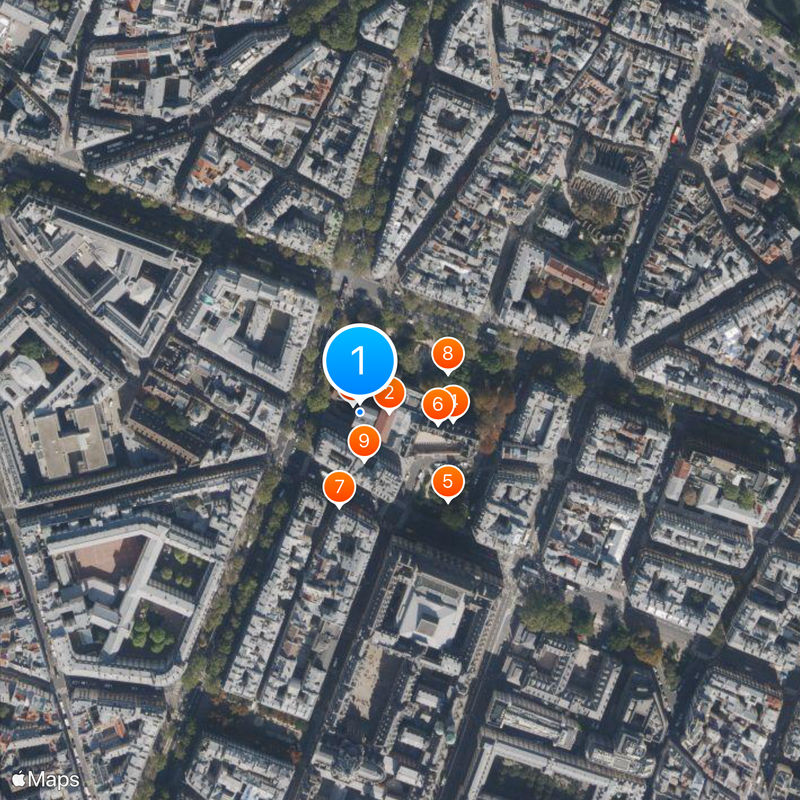
GPS coordinates: 48.85056,2.34333
Latest update: December 5, 2025 22:26
These locations showcase the architectural diversity of Paris through buildings spanning from medieval times to the modern era. The city preserves structures from two millennia: Roman baths from the 3rd century, Gothic churches like Saint-Julien-le-Pauvre, Renaissance mansions, and Art Nouveau apartment buildings designed by Hector Guimard. Beyond the famous monuments, visitors find hidden lanes with medieval timber-framed houses and private villas from the 19th century. The collection includes both public and private buildings. Visitors can explore the remains of the Arènes de Lutèce, where Romans once held gladiatorial contests, as well as the oldest residential houses in the city dating from the 15th century. The selection ranges from medieval church towers and classical arcades to modernist experiments of the early 20th century.
This route covers two millennia of Parisian construction history, showing the architectural layers of the city. It includes Roman remains such as the first-century Lutetia arenas, medieval structures, classical palaces, and modern constructions from the 19th and 20th centuries. Each location documents specific building phases and technical developments in the French capital. The selection ranges from well-known landmarks to less visited historical sites. The 1889 Eiffel Tower stands alongside Roman thermal bath fragments and medieval churches. This collection allows visitors to trace urban development from the ancient settlement of Lutetia to the modern metropolis and compare different architectural styles.
The Latin Quarter is one of the oldest parts of Paris and preserves traces from over two thousand years of history. Roman remains like the Arènes de Lutèce recall the ancient settlement of Lutetia, while medieval churches such as Saint-Étienne-du-Mont and Saint-Julien-le-Pauvre document the religious past. The Sorbonne and the Collège de France have made the district a center of learning since the Middle Ages, and institutions like the Bibliothèque Sainte-Geneviève continue this academic tradition. The Musée de l'Histoire de la Médecine traces the development of medicine, the Musée Curie honors the scientific discoveries of Marie and Pierre Curie, and the Musée des Arts du Moyen Âge displays medieval art within the ruins of Roman baths. Narrow streets lead to squares like Place de la Contrescarpe and Place de l'Estrapade, where locals gather in cafés and markets. The Marché de la Rue Mouffetard is one of the city's oldest street markets and offers fresh produce daily. Literary and artistic traces appear at the Maison de Serge Gainsbourg, the historic jazz cellar Le Caveau de la Huchette, and cafés like Le Procope, which has welcomed writers and thinkers since the 17th century. The Jardin des Plantes combines botanical collections with the Musée de Minéralogie, while the Square René-Viviani provides a quiet view of Notre-Dame with its ancient tree. The Grande Mosquée de Paris and the Institut du Monde Arabe add North African and Arab perspectives to the cultural offerings.
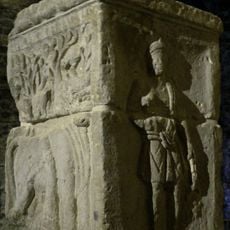
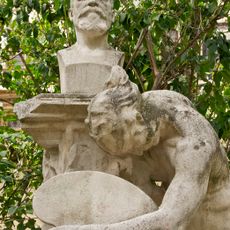
Pillar of the Boatmen
20 m
Thermes de Cluny
7 m
Musée Dupuytren
149 m
Cordeliers Convent
149 m
Hôtel de Cluny
65 m
Square Samuel-Paty
87 m
Cluny Museum
55 m
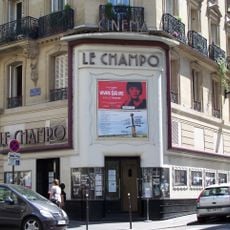
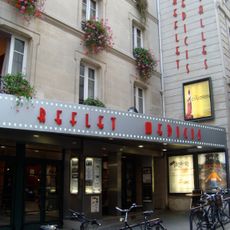
Le Champo - Espace Jacques-Tati
67 m
Jardin du musée de Cluny
67 m
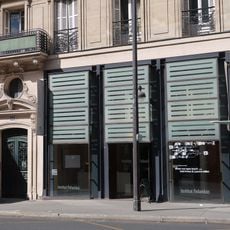
Finnish Institute
34 m
Sundial by Salvador Dalí, Paris
174 m
Square André-Lefèbvre
199 m
67 rue Saint-Jacques, Paris
155 m
Monument to Octave Gréard
89 m
Institut Finlandais
43 m
Ancienne académie royale de médecine
115 m
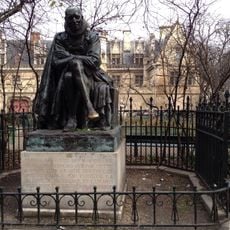
Michel de Montaigne
85 m
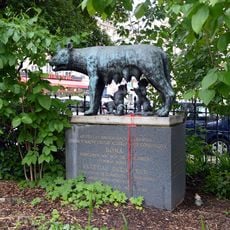
Capitoline Wolf
72 m
2 rue de l'École-de-Médecine, Paris
53 m
Hôtel de Foretz
136 m
Fontaine aux roseaux d'argent
69 m
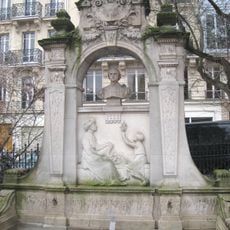
Monument to Pierre Puvis de Chavannes
75 m
45 rue de la Harpe
145 m
Chapelle de l'Hôtel de Cluny
51 m
29 rue de la Parcheminerie, Paris
159 m
37 rue de la Harpe, Paris
174 m
35 rue de la Harpe - 24 rue de la Parcheminerie, Paris
178 m
13 rue Champollion, Paris
142 mVisited this place? Tap the stars to rate it and share your experience / photos with the community! Try now! You can cancel it anytime.
Discover hidden gems everywhere you go!
From secret cafés to breathtaking viewpoints, skip the crowded tourist spots and find places that match your style. Our app makes it easy with voice search, smart filtering, route optimization, and insider tips from travelers worldwide. Download now for the complete mobile experience.
A unique approach to discovering new places❞
— Le Figaro
All the places worth exploring❞
— France Info
A tailor-made excursion in just a few clicks❞
— 20 Minutes