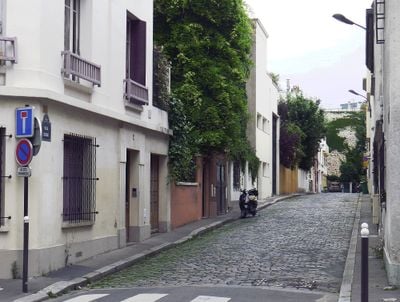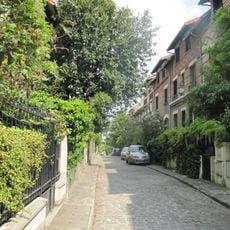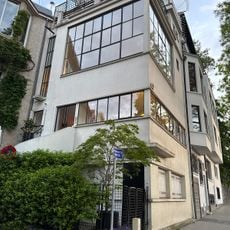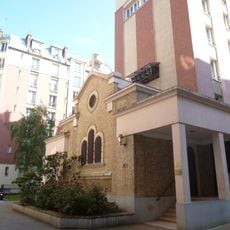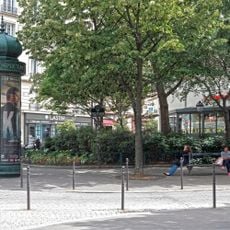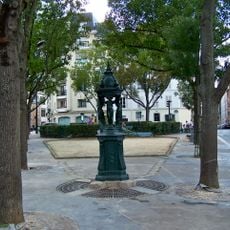
Villa Seurat, Historic dead-end street in Parc-de-Montsouris, Paris, France.
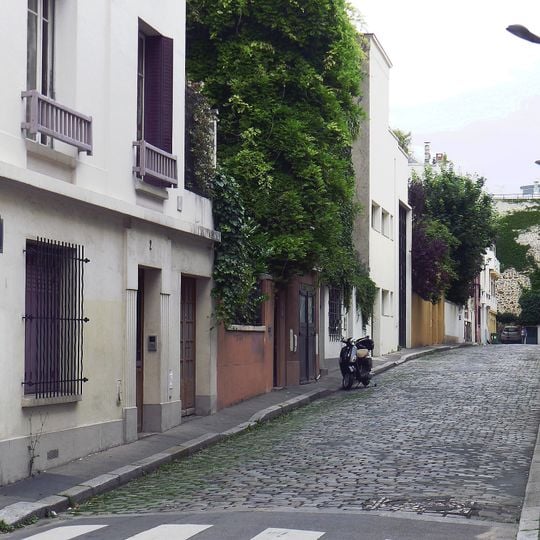
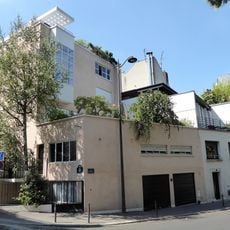
Villa Seurat is a narrow dead-end street that runs about 130 meters through the Parc-de-Montsouris neighborhood, lined with artist houses. The buildings display modernist architecture with clean lines, large windows, and functional design that merges the residents' workshops with their living spaces.
Architect André Lurçat designed the street in the 1920s as a housing project for international artists wanting to settle near the artistic center of Montparnasse. His buildings merged living and working spaces according to modern principles of the era.
The street became a gathering place for artists from around the world who established their studios and homes here together. Walking through today, you can still feel the presence of this creative community that shared both workspace and living quarters.
The street is easy to explore on foot, starting from Rue de la Tombe Issoire. Many artist houses are now private residences, so it is best to admire the architecture from outside and enjoy the quiet atmosphere of this place.
American writer Henry Miller wrote portions of his novel Tropique du Cancer in one of the houses on this street and hosted artists like Soutine and Artaud there. The place remains connected to the bohemian literary and art scene of that era.
Location: 14th arrondissement of Paris
Location: Parc-de-Montsouris
Length: 130 m
Width: 6 m
Part of: road network of Paris
Shares border with: Rue de la Tombe-Issoire
GPS coordinates: 48.82620,2.33283
Latest update: December 8, 2025 19:44
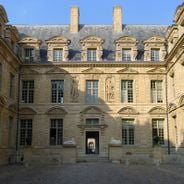
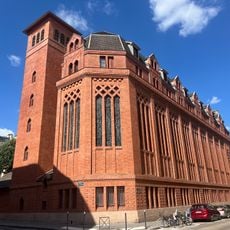
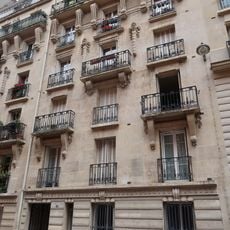
These locations showcase the architectural diversity of Paris through buildings spanning from medieval times to the modern era. The city preserves structures from two millennia: Roman baths from the 3rd century, Gothic churches like Saint-Julien-le-Pauvre, Renaissance mansions, and Art Nouveau apartment buildings designed by Hector Guimard. Beyond the famous monuments, visitors find hidden lanes with medieval timber-framed houses and private villas from the 19th century. The collection includes both public and private buildings. Visitors can explore the remains of the Arènes de Lutèce, where Romans once held gladiatorial contests, as well as the oldest residential houses in the city dating from the 15th century. The selection ranges from medieval church towers and classical arcades to modernist experiments of the early 20th century.
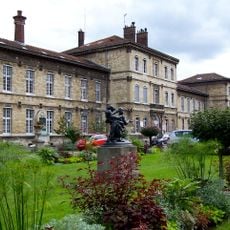
Sainte-Anne Hospital Center - GHU Paris
497 m
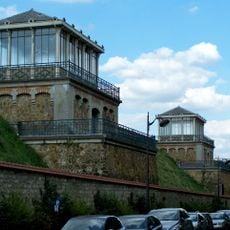
Réservoir de Montsouris
169 m
Square de Montsouris
315 m
Couvent Saint-François
201 m
Musée Lenine
167 m
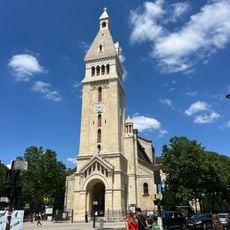
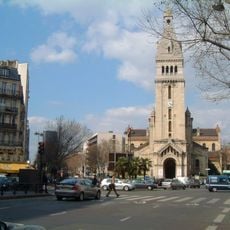
Saint-Pierre-de-Montrouge
504 m
Maison Ozenfant
282 m
Collège néerlandais
519 m
Chapelle Sainte-Jeanne-d'Arc
489 m
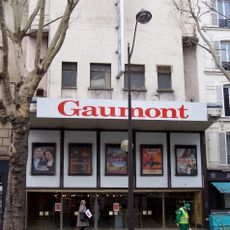
Gaumont Mistral
519 m
Carrière du chemin de Port-Mahon
590 m
Jardin Marie-Thérèse Auffray
363 m
Sainte-Anne hospital chapel
455 m
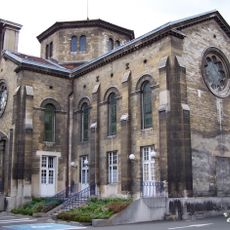
St Yves chapel
74 m
Jardin de la place Jules-Hénaffe
289 m
Square Louise-et-Tony
230 m
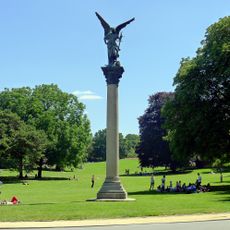
Column to Armed Peace
384 m
Tragedy in the Desert
554 m
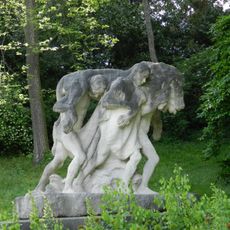
Gladiator on Horseback
591 m
The Lion's Death
472 m
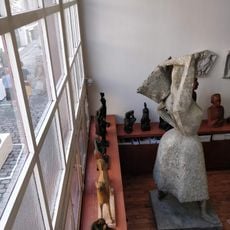
Maison Chana Orloff
17 m
Monument to the Flatters Mission
535 m
Daphnée changée en Laurier
520 m
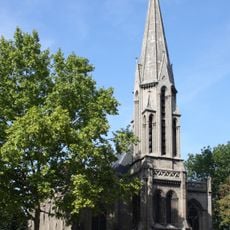
Église évangélique libre de Paris
419 m
Chèvre et Enfants
577 m
First Thrill
465 m
Cinéma Orléans
544 m
Maison Guggenbühl
390 mVisited this place? Tap the stars to rate it and share your experience / photos with the community! Try now! You can cancel it anytime.
Discover hidden gems everywhere you go!
From secret cafés to breathtaking viewpoints, skip the crowded tourist spots and find places that match your style. Our app makes it easy with voice search, smart filtering, route optimization, and insider tips from travelers worldwide. Download now for the complete mobile experience.
A unique approach to discovering new places❞
— Le Figaro
All the places worth exploring❞
— France Info
A tailor-made excursion in just a few clicks❞
— 20 Minutes