See the monuments around you in AROpen chests in the app
Around Us is built for your phone — point your camera at the streets and discover the monuments and places around you in augmented reality.Around Us is built for your phone — chests unlock when you walk, explore and capture nearby places.
Anciennes demeures de stars du cinéma et de la télévision en France
Actors who made a mark on French cinema often chose to settle away from the studios, in houses and estates where they could live out of sight. Some of these homes have become places of memory, others remain private retreats, but all show a time and a career.
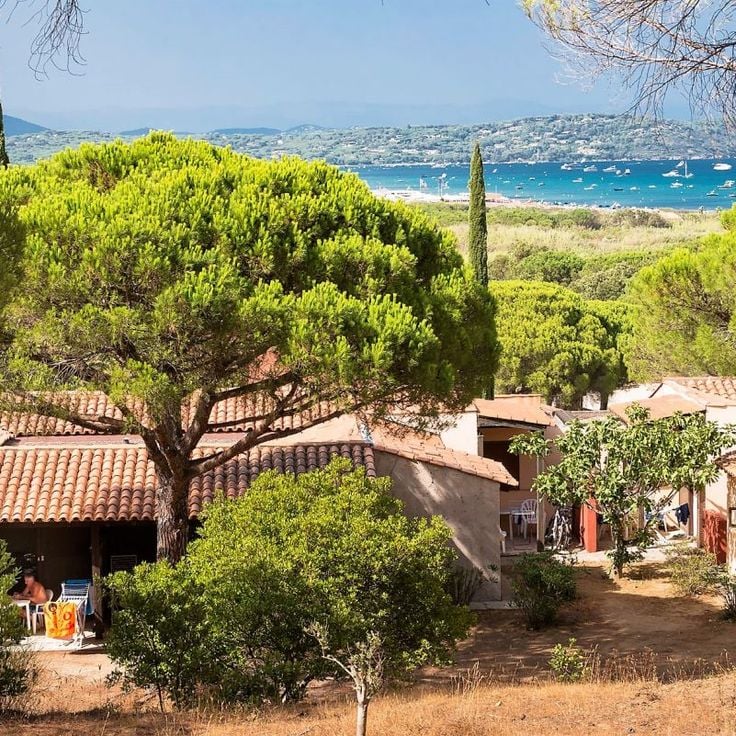
You can see Brigitte Bardot's house in Saint-Tropez, Louis de Funès's castle in Normandy where he liked to grow his roses, or the country estates Alain Delon lived on. Each place keeps something of the personality of the person who lived there: a well-kept garden, a special building style, a view chosen carefully.
Some of these homes are open to visitors like museums, others can only be seen from the street. These places remind us that behind the star image, there was a daily life, personal tastes, and a need for peace. Visiting these sites helps to see the familiar face of French cinema in a new way.
Anciennes demeures de stars du cinéma et de la télévision en France
Actors who made a mark on French cinema often chose to settle away from the studios, in houses and estates where they could live out of sight. Some of these homes have become places of memory, others remain private retreats, but all show a time and a career.
You can see Brigitte Bardot's house in Saint-Tropez, Louis de Funès's castle in Normandy where he liked to grow his roses, or the country estates Alain Delon lived on. Each place keeps something of the personality of the person who lived there: a well-kept garden, a special building style, a view chosen carefully.
Some of these homes are open to visitors like museums, others can only be seen from the street. These places remind us that behind the star image, there was a daily life, personal tastes, and a need for peace. Visiting these sites helps to see the familiar face of French cinema in a new way.
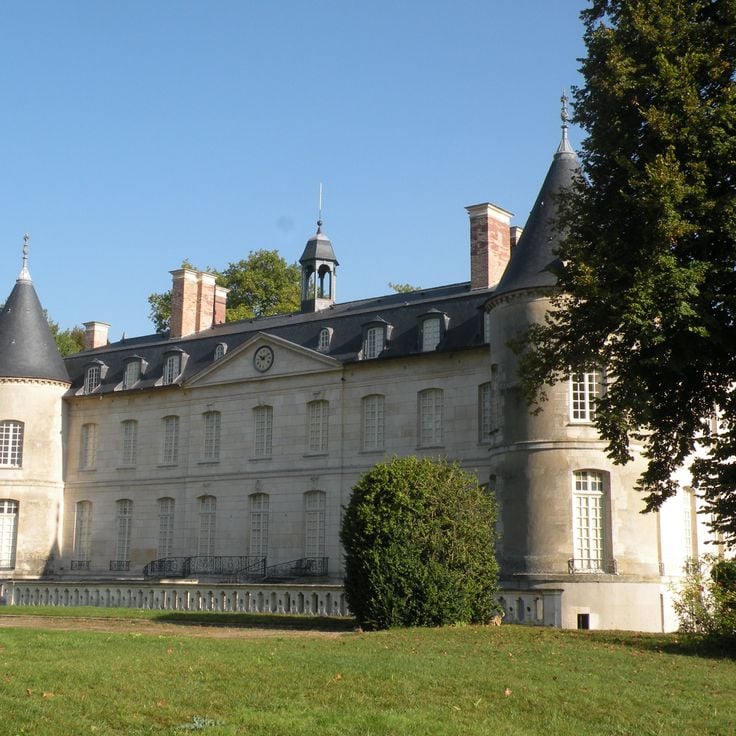
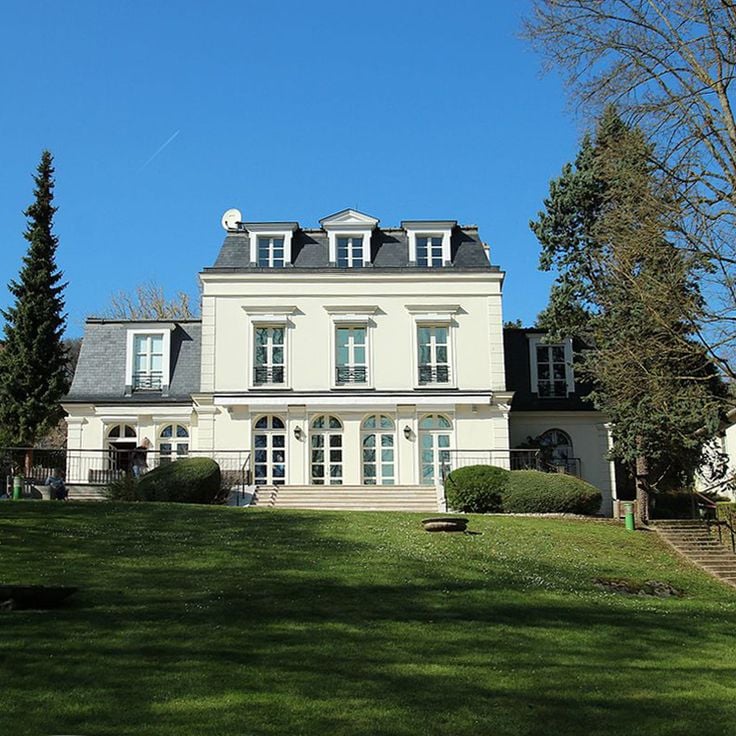
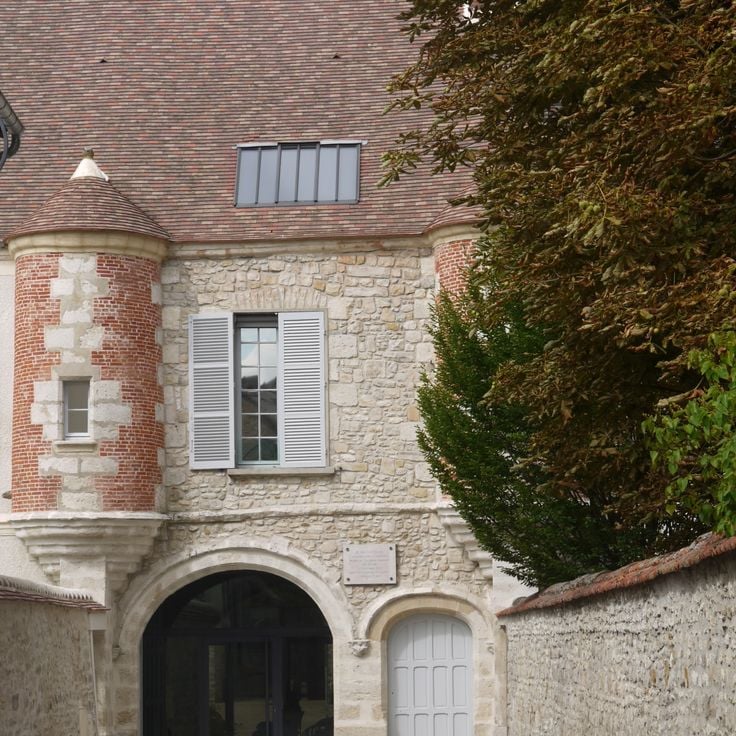
The house in Saint-Rémy-lès-Chevreuse was the home of Raymond Devos, the comedian and actor who shaped French cinema and theater. Today this house functions as a museum dedicated to his life and work. Visitors can see how Devos lived and worked, what objects mattered to him, and learn more about his career. The museum preserves memories of one of French cinema's great comedians.
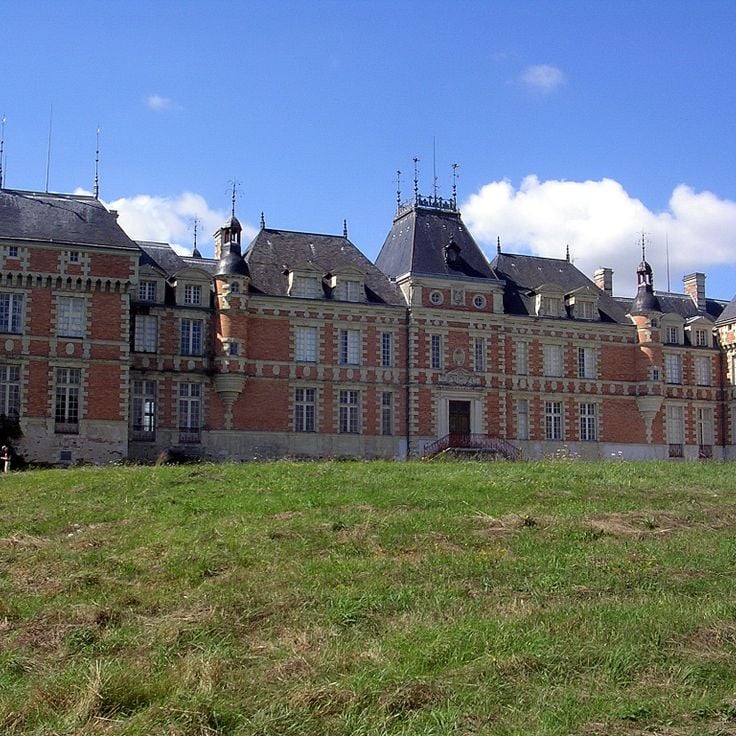
Château de Clermont was the retreat of actor and director Louis de Funès. In this Loire-Atlantique residence, he could escape the demands of cinema and live according to his own preferences. The château reflects the personality of a man who, away from the screen, sought quiet and the space to pursue his private interests.
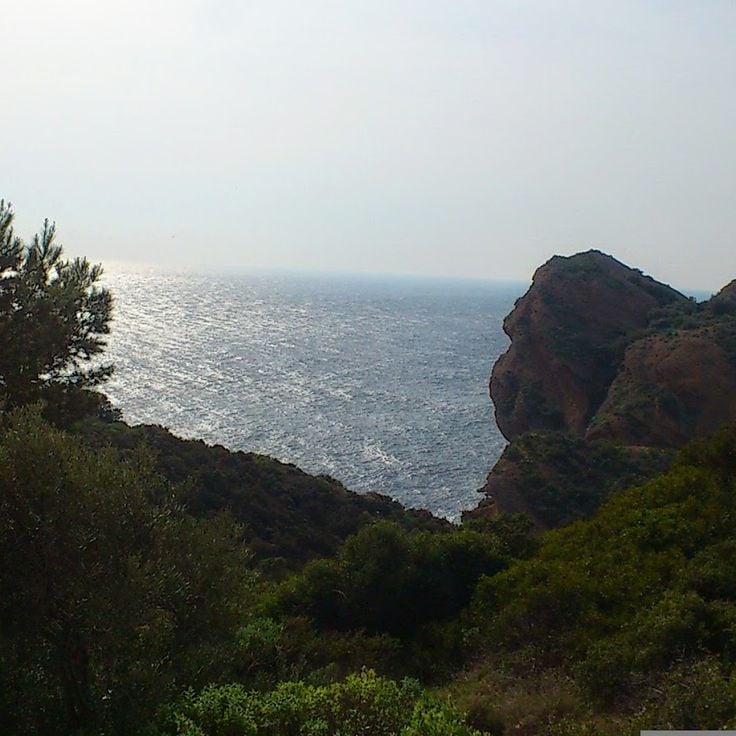
Villa Michel Simon in La Ciotat was the home of French actor Michel Simon. Like many of his contemporaries, this gifted performer withdrew from film sets to this private residence on the Mediterranean coast. The villa stands as a reminder of his life away from the camera and shows how this important figure in French cinema spent his time away from work. Visitors can view the architecture and setting of this house from outside, which preserves a piece of French film history.
The house at Tancrou was shared by actors Alain Delon and Romy Schneider during their time together. This residence in Normandy represents a chapter in their lives when both were major figures in French cinema. The property shows how these performers lived away from film sets and reveals the spaces they chose for retreat. It stands as a window into the private lives of celebrated actors.
La Madrague is the seaside villa in Saint-Tropez where actress Brigitte Bardot made her home for many years. The house sits directly on the water and reflects the lifestyle Bardot created for herself - a retreat from the demands of the film world. Through its design and location, the villa shows how the celebrated actress shaped her private space. Today, La Madrague stands as a memory of a period in French cinema and the personal choices Bardot made to live away from the public eye.
The estate of Anne and Gérard Philipe in Cergy was once a retreat for these important figures of French cinema. Today the property has become a park open to visitors. Walking through this space reveals how the actors lived away from the film sets, in a place they created with care. The gardens and pathways speak of a quieter life, a refuge where they could be themselves.
Château Bel Évêque in Gruissan was home to French actor Pierre Richard. Located in the Aude region, this castle reflects the personal style of the actor, who chose to retreat from the film world to live in this property. Like many homes of cinema stars, this château tells the story of daily life behind the camera and the private interests of a well-known artist.
The Jean Marais Space in Vallauris honors an actor and artist who built a second career as a sculptor and painter. This place documents his life away from film sets, where he devoted himself to visual arts. The rooms display personal items, artworks, and photographs that trace his creative path. Vallauris became more than just a place where he lived - it was a refuge where he could pursue his passion for ceramics and sculpture with dedication.
The Musée Jean Gabin is located in Mériel, the village where actor Jean Gabin grew up. This museum preserves memories of his life and career. The collection displays personal objects, photographs, and documents from different periods of his life. Visitors gain insight into French cinema through the story of one of its major actors. The place connects the private history of the actor with his public legacy.
The Jour de Fête house is linked to the life of filmmaker Jacques Tati. This home provided him with a private refuge away from the noise of film production. Here, Tati found space to think and rest between his work on set. The house reflects his need for a quiet place where he could spend time with his family and develop new ideas. It is a location that tells the personal story of a major filmmaker, beyond his celebrated films.
This vacation home in Ramatuelle belonged to Gérard Philipe's family and served as his retreat from the demands of filmmaking. The actor chose this location to spend time away from movie sets and with his loved ones in a quieter setting. The house sits in Provence, a region known for its natural beauty and Mediterranean character. It shows how prominent film actors of the time sought private places where they could escape public scrutiny and live ordinary family lives away from the spotlight.
The home of Jacques Prévert in Omonville-la-Petite was the retreat of one of France's most important 20th-century poets and filmmakers. Prévert spent his later years there and continued to create poems and sketches in this rural Norman setting. The house reveals how this artist lived, far from the bustle of Paris, in a simple and creative environment.
The Château de la Buzine in Marseille was home to writer and filmmaker Marcel Pagnol. Here he found refuge from the demands of film production and devoted himself to his literary and creative work. The castle reflects the character of a man who captured the essence of southern French life in his works. Today visitors can explore this place and understand how Pagnol lived and worked here.
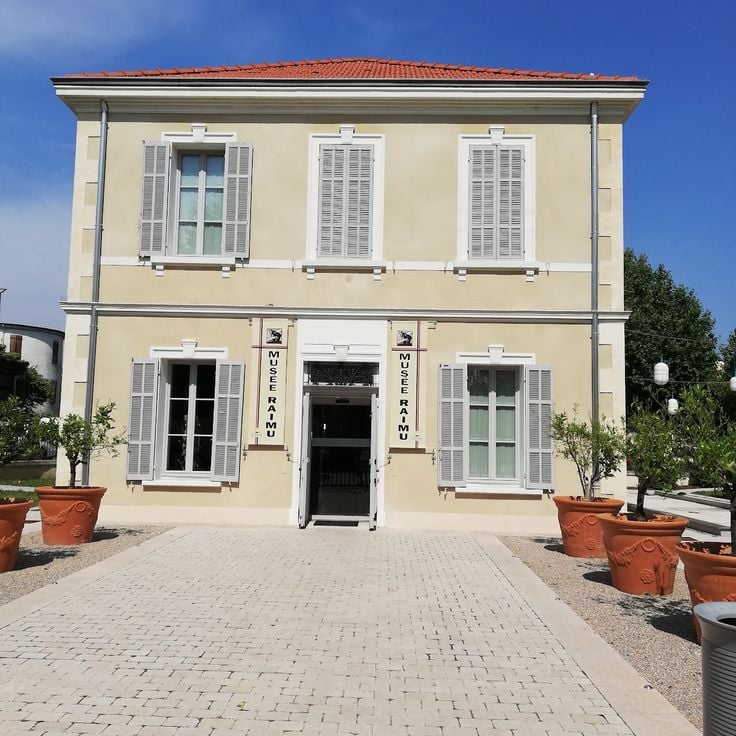
The Musée Raimu in Marignane was the private residence of the famous French actor Raimu. The Maison Monchablon has been transformed into a museum that preserves memories of his career and daily life. The museum displays personal objects, photographs, and documents from different periods of his life as an actor. Visitors can see the rooms where this artist lived and understand how he shaped his space. The house offers insight into the personal world behind the public figure.
The Domaine de Monthyon was the residence of French actor Jean-Claude Brialy. This property in Seine-et-Marne reflects the life of an artist who withdrew from the Parisian cultural scene. Like many of his contemporaries, Brialy sought a place of quiet away from film sets. The estate shows how major figures of French cinema designed their private spaces and what kinds of places offered them refuge.
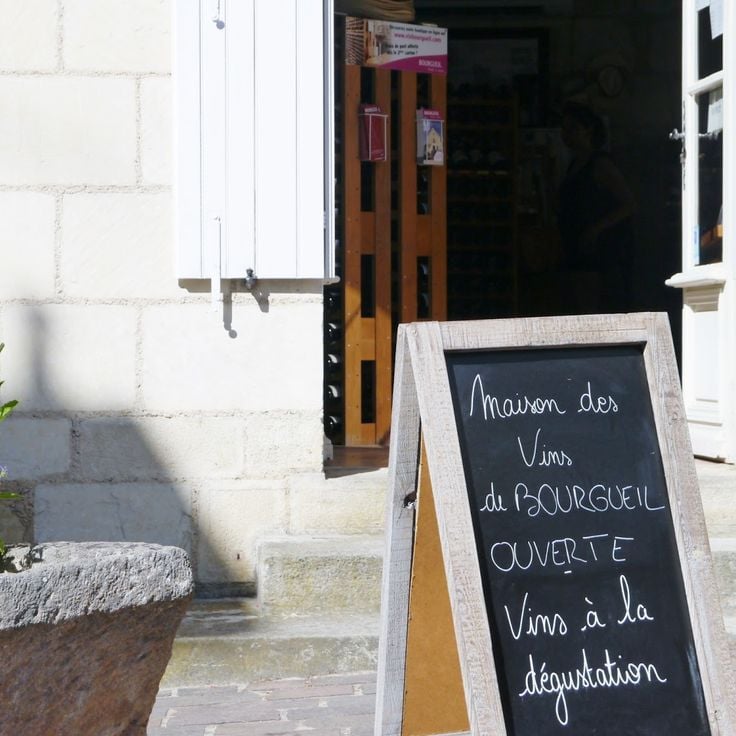
This house was the private residence of Jean Carmet, the French actor who settled in Bourgueil. Today this building recalls a man who stepped away from the spotlight to seek a quiet life. The Maison des Vins de Bourgueil shows how French artists balanced their careers with a home that offered them peace and continuity. Visitors can understand here how a familiar face of cinema shaped his daily life.
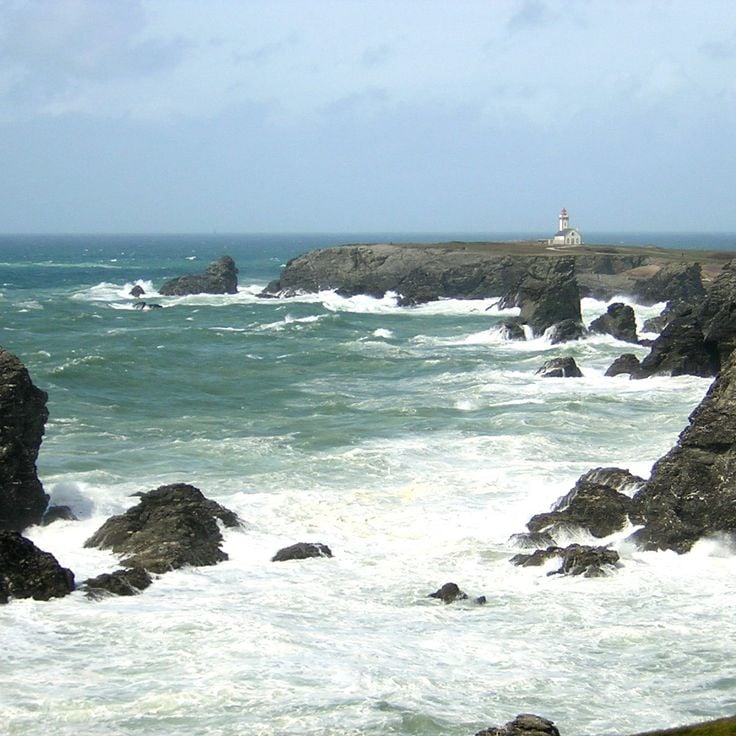
This place on the island of Belle-Île-en-Mer was the home of Sarah Bernhardt, the great French actress. She lived here in a refuge she created for herself, far from theater stages. The location preserves the memory of her life away from the public eye. You can explore the rooms where she spent her time and get a sense of how this legendary performer lived her days. The Pointe des Poulains shows that even the greatest stars needed a place to withdraw and find peace.
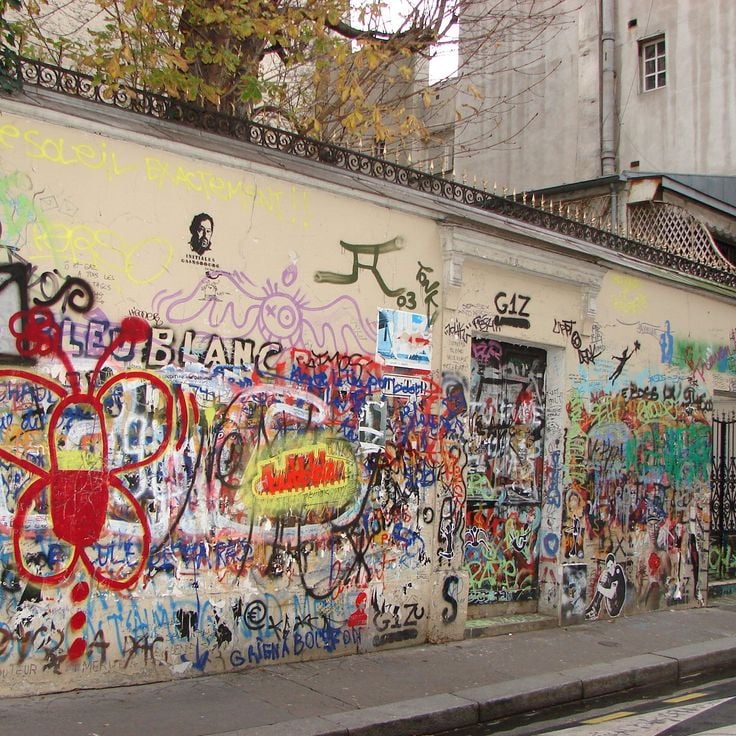
Maison Gainsbourg is the Parisian home of musician and composer Serge Gainsbourg. Located in the 7th arrondissement, this house preserves the traces of one of France's most influential creative artists. The rooms tell the story of his creative process, his personal collections, and his life between music and visual arts. The house is open to visitors today as a museum, allowing people to discover the artist beyond his public image and to explore the domestic life of a musical genius.
This house museum dedicated to Jean Cocteau stands in Milly-la-Forêt, where the multitalented creator lived away from the Parisian art scene. Cocteau worked as a poet, filmmaker, painter, and designer, and this residence reflects his creative life. The rooms contain personal belongings, artwork, and documents spanning his career. Visitors can see how the artist lived and worked, gaining insight into the daily life behind his public image.
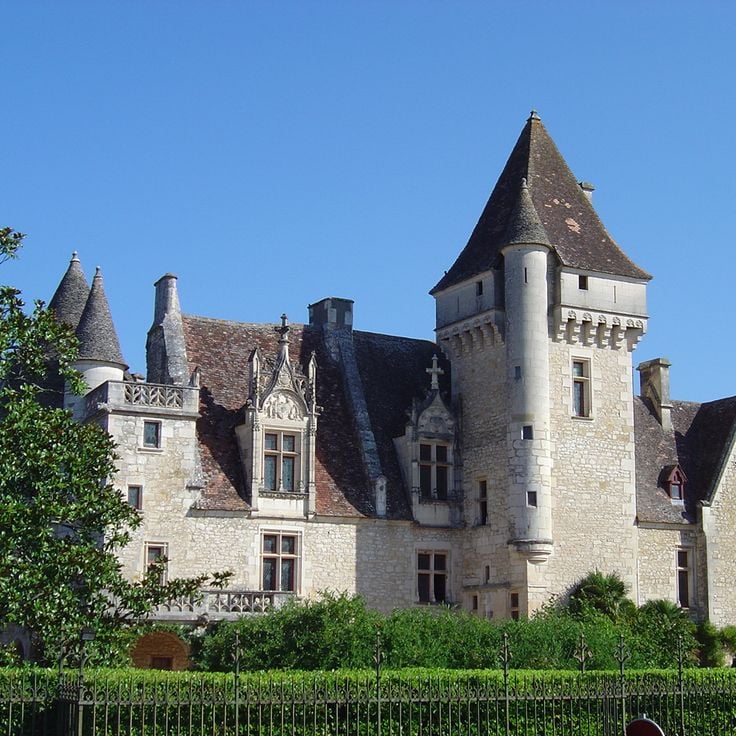
The Château des Milandes was the home of Joséphine Baker, the legendary dancer and singer. She purchased the estate in 1947 and transformed it into her residence and gathering place for artists. The castle reflects her passion for beauty and her creative vision. Today, visitors can explore the building and gardens while learning about Baker's life and her career in French entertainment.
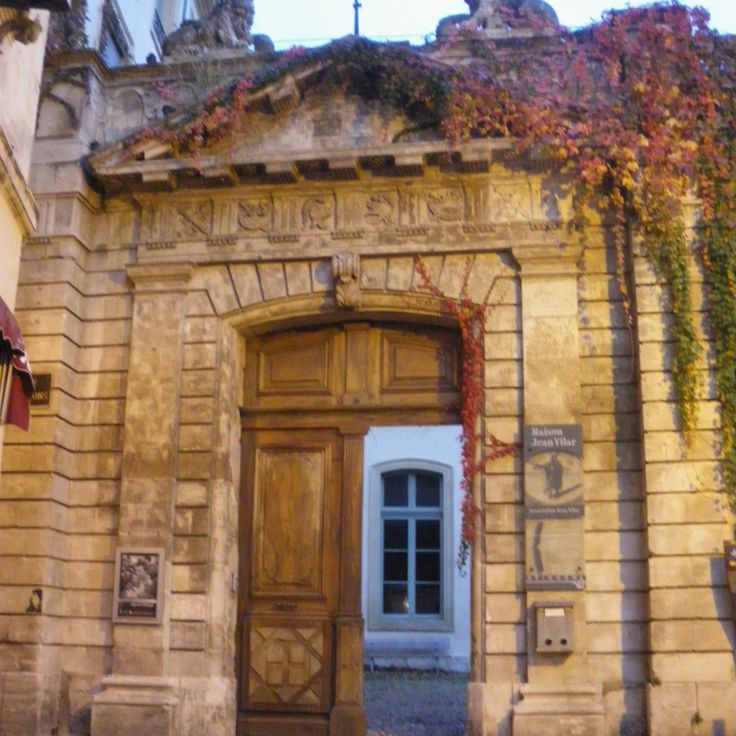
The Jean Vilar House was the residence of the founder of the Avignon Festival. Jean Vilar shaped French theater through his innovative work and his commitment to making theater accessible to everyone. In this home, he lived during his time leading the festival. The building reflects the life of a man who loved theater and brought it from grand stages into the streets and to ordinary people. The rooms tell of his passion for the arts and the daily work behind one of Europe's most important theater festivals.
This mill house in Dannemois was the residence of singer and musician Claude François. The building reflects the life of a star away from the spotlight, a retreat far from public attention. Here the artist could live privately, separate from his career in music and television. The mill shows how a well-known figure chose a personal space to call home.
The house of Bourvil in Montainville was the retreat of one of French cinema's most beloved actors and singers. Bourvil withdrew here to escape the intensity of film production and live away from the cameras. The residence reflects the personality of this artist, who shone in films like "La Traversée de Paris". It stands as a testament to an era when French stars sought private sanctuaries to nurture their families and personal interests.
The home of Juliette Gréco in Verderonne was where the singer and actress who shaped French cinema and 20th century music lived away from the spotlight. Like many of her contemporaries, Gréco retreated to this rural setting to escape public life. The house reflects her personality and shows how artists lived behind the scenes. It is a place that honors an artist whose voice and presence touched generations of viewers. This residence carries the legacy of a woman who remained true to herself throughout her life and career.
The house in Saint-Rémy-lès-Chevreuse was the home of Raymond Devos, the comedian and actor who shaped French cinema and theater. Today this house functions as a museum dedicated to his life and work. Visitors can see how Devos lived and worked, what objects mattered to him, and learn more about his career. The museum preserves memories of one of French cinema's great comedians.
Château de Clermont was the retreat of actor and director Louis de Funès. In this Loire-Atlantique residence, he could escape the demands of cinema and live according to his own preferences. The château reflects the personality of a man who, away from the screen, sought quiet and the space to pursue his private interests.
Villa Michel Simon in La Ciotat was the home of French actor Michel Simon. Like many of his contemporaries, this gifted performer withdrew from film sets to this private residence on the Mediterranean coast. The villa stands as a reminder of his life away from the camera and shows how this important figure in French cinema spent his time away from work. Visitors can view the architecture and setting of this house from outside, which preserves a piece of French film history.
The house at Tancrou was shared by actors Alain Delon and Romy Schneider during their time together. This residence in Normandy represents a chapter in their lives when both were major figures in French cinema. The property shows how these performers lived away from film sets and reveals the spaces they chose for retreat. It stands as a window into the private lives of celebrated actors.
La Madrague is the seaside villa in Saint-Tropez where actress Brigitte Bardot made her home for many years. The house sits directly on the water and reflects the lifestyle Bardot created for herself - a retreat from the demands of the film world. Through its design and location, the villa shows how the celebrated actress shaped her private space. Today, La Madrague stands as a memory of a period in French cinema and the personal choices Bardot made to live away from the public eye.
The estate of Anne and Gérard Philipe in Cergy was once a retreat for these important figures of French cinema. Today the property has become a park open to visitors. Walking through this space reveals how the actors lived away from the film sets, in a place they created with care. The gardens and pathways speak of a quieter life, a refuge where they could be themselves.
Château Bel Évêque in Gruissan was home to French actor Pierre Richard. Located in the Aude region, this castle reflects the personal style of the actor, who chose to retreat from the film world to live in this property. Like many homes of cinema stars, this château tells the story of daily life behind the camera and the private interests of a well-known artist.
The Jean Marais Space in Vallauris honors an actor and artist who built a second career as a sculptor and painter. This place documents his life away from film sets, where he devoted himself to visual arts. The rooms display personal items, artworks, and photographs that trace his creative path. Vallauris became more than just a place where he lived - it was a refuge where he could pursue his passion for ceramics and sculpture with dedication.
The Musée Jean Gabin is located in Mériel, the village where actor Jean Gabin grew up. This museum preserves memories of his life and career. The collection displays personal objects, photographs, and documents from different periods of his life. Visitors gain insight into French cinema through the story of one of its major actors. The place connects the private history of the actor with his public legacy.
The Jour de Fête house is linked to the life of filmmaker Jacques Tati. This home provided him with a private refuge away from the noise of film production. Here, Tati found space to think and rest between his work on set. The house reflects his need for a quiet place where he could spend time with his family and develop new ideas. It is a location that tells the personal story of a major filmmaker, beyond his celebrated films.
This vacation home in Ramatuelle belonged to Gérard Philipe's family and served as his retreat from the demands of filmmaking. The actor chose this location to spend time away from movie sets and with his loved ones in a quieter setting. The house sits in Provence, a region known for its natural beauty and Mediterranean character. It shows how prominent film actors of the time sought private places where they could escape public scrutiny and live ordinary family lives away from the spotlight.
The home of Jacques Prévert in Omonville-la-Petite was the retreat of one of France's most important 20th-century poets and filmmakers. Prévert spent his later years there and continued to create poems and sketches in this rural Norman setting. The house reveals how this artist lived, far from the bustle of Paris, in a simple and creative environment.
The Château de la Buzine in Marseille was home to writer and filmmaker Marcel Pagnol. Here he found refuge from the demands of film production and devoted himself to his literary and creative work. The castle reflects the character of a man who captured the essence of southern French life in his works. Today visitors can explore this place and understand how Pagnol lived and worked here.
The Musée Raimu in Marignane was the private residence of the famous French actor Raimu. The Maison Monchablon has been transformed into a museum that preserves memories of his career and daily life. The museum displays personal objects, photographs, and documents from different periods of his life as an actor. Visitors can see the rooms where this artist lived and understand how he shaped his space. The house offers insight into the personal world behind the public figure.
The Domaine de Monthyon was the residence of French actor Jean-Claude Brialy. This property in Seine-et-Marne reflects the life of an artist who withdrew from the Parisian cultural scene. Like many of his contemporaries, Brialy sought a place of quiet away from film sets. The estate shows how major figures of French cinema designed their private spaces and what kinds of places offered them refuge.
This house was the private residence of Jean Carmet, the French actor who settled in Bourgueil. Today this building recalls a man who stepped away from the spotlight to seek a quiet life. The Maison des Vins de Bourgueil shows how French artists balanced their careers with a home that offered them peace and continuity. Visitors can understand here how a familiar face of cinema shaped his daily life.
This place on the island of Belle-Île-en-Mer was the home of Sarah Bernhardt, the great French actress. She lived here in a refuge she created for herself, far from theater stages. The location preserves the memory of her life away from the public eye. You can explore the rooms where she spent her time and get a sense of how this legendary performer lived her days. The Pointe des Poulains shows that even the greatest stars needed a place to withdraw and find peace.
Maison Gainsbourg is the Parisian home of musician and composer Serge Gainsbourg. Located in the 7th arrondissement, this house preserves the traces of one of France's most influential creative artists. The rooms tell the story of his creative process, his personal collections, and his life between music and visual arts. The house is open to visitors today as a museum, allowing people to discover the artist beyond his public image and to explore the domestic life of a musical genius.
This house museum dedicated to Jean Cocteau stands in Milly-la-Forêt, where the multitalented creator lived away from the Parisian art scene. Cocteau worked as a poet, filmmaker, painter, and designer, and this residence reflects his creative life. The rooms contain personal belongings, artwork, and documents spanning his career. Visitors can see how the artist lived and worked, gaining insight into the daily life behind his public image.
The Château des Milandes was the home of Joséphine Baker, the legendary dancer and singer. She purchased the estate in 1947 and transformed it into her residence and gathering place for artists. The castle reflects her passion for beauty and her creative vision. Today, visitors can explore the building and gardens while learning about Baker's life and her career in French entertainment.
The Jean Vilar House was the residence of the founder of the Avignon Festival. Jean Vilar shaped French theater through his innovative work and his commitment to making theater accessible to everyone. In this home, he lived during his time leading the festival. The building reflects the life of a man who loved theater and brought it from grand stages into the streets and to ordinary people. The rooms tell of his passion for the arts and the daily work behind one of Europe's most important theater festivals.
This mill house in Dannemois was the residence of singer and musician Claude François. The building reflects the life of a star away from the spotlight, a retreat far from public attention. Here the artist could live privately, separate from his career in music and television. The mill shows how a well-known figure chose a personal space to call home.
The house of Bourvil in Montainville was the retreat of one of French cinema's most beloved actors and singers. Bourvil withdrew here to escape the intensity of film production and live away from the cameras. The residence reflects the personality of this artist, who shone in films like "La Traversée de Paris". It stands as a testament to an era when French stars sought private sanctuaries to nurture their families and personal interests.
The home of Juliette Gréco in Verderonne was where the singer and actress who shaped French cinema and 20th century music lived away from the spotlight. Like many of her contemporaries, Gréco retreated to this rural setting to escape public life. The house reflects her personality and shows how artists lived behind the scenes. It is a place that honors an artist whose voice and presence touched generations of viewers. This residence carries the legacy of a woman who remained true to herself throughout her life and career.
The house in Saint-Rémy-lès-Chevreuse was the home of Raymond Devos, the comedian and actor who shaped French cinema and theater. Today this house functions as a museum dedicated to his life and work. Visitors can see how Devos lived and worked, what objects mattered to him, and learn more about his career. The museum preserves memories of one of French cinema's great comedians.
Château de Clermont was the retreat of actor and director Louis de Funès. In this Loire-Atlantique residence, he could escape the demands of cinema and live according to his own preferences. The château reflects the personality of a man who, away from the screen, sought quiet and the space to pursue his private interests.
Villa Michel Simon in La Ciotat was the home of French actor Michel Simon. Like many of his contemporaries, this gifted performer withdrew from film sets to this private residence on the Mediterranean coast. The villa stands as a reminder of his life away from the camera and shows how this important figure in French cinema spent his time away from work. Visitors can view the architecture and setting of this house from outside, which preserves a piece of French film history.
The house at Tancrou was shared by actors Alain Delon and Romy Schneider during their time together. This residence in Normandy represents a chapter in their lives when both were major figures in French cinema. The property shows how these performers lived away from film sets and reveals the spaces they chose for retreat. It stands as a window into the private lives of celebrated actors.
La Madrague is the seaside villa in Saint-Tropez where actress Brigitte Bardot made her home for many years. The house sits directly on the water and reflects the lifestyle Bardot created for herself - a retreat from the demands of the film world. Through its design and location, the villa shows how the celebrated actress shaped her private space. Today, La Madrague stands as a memory of a period in French cinema and the personal choices Bardot made to live away from the public eye.
The estate of Anne and Gérard Philipe in Cergy was once a retreat for these important figures of French cinema. Today the property has become a park open to visitors. Walking through this space reveals how the actors lived away from the film sets, in a place they created with care. The gardens and pathways speak of a quieter life, a refuge where they could be themselves.
Château Bel Évêque in Gruissan was home to French actor Pierre Richard. Located in the Aude region, this castle reflects the personal style of the actor, who chose to retreat from the film world to live in this property. Like many homes of cinema stars, this château tells the story of daily life behind the camera and the private interests of a well-known artist.
The Jean Marais Space in Vallauris honors an actor and artist who built a second career as a sculptor and painter. This place documents his life away from film sets, where he devoted himself to visual arts. The rooms display personal items, artworks, and photographs that trace his creative path. Vallauris became more than just a place where he lived - it was a refuge where he could pursue his passion for ceramics and sculpture with dedication.
The Musée Jean Gabin is located in Mériel, the village where actor Jean Gabin grew up. This museum preserves memories of his life and career. The collection displays personal objects, photographs, and documents from different periods of his life. Visitors gain insight into French cinema through the story of one of its major actors. The place connects the private history of the actor with his public legacy.
The Jour de Fête house is linked to the life of filmmaker Jacques Tati. This home provided him with a private refuge away from the noise of film production. Here, Tati found space to think and rest between his work on set. The house reflects his need for a quiet place where he could spend time with his family and develop new ideas. It is a location that tells the personal story of a major filmmaker, beyond his celebrated films.
This vacation home in Ramatuelle belonged to Gérard Philipe's family and served as his retreat from the demands of filmmaking. The actor chose this location to spend time away from movie sets and with his loved ones in a quieter setting. The house sits in Provence, a region known for its natural beauty and Mediterranean character. It shows how prominent film actors of the time sought private places where they could escape public scrutiny and live ordinary family lives away from the spotlight.
The home of Jacques Prévert in Omonville-la-Petite was the retreat of one of France's most important 20th-century poets and filmmakers. Prévert spent his later years there and continued to create poems and sketches in this rural Norman setting. The house reveals how this artist lived, far from the bustle of Paris, in a simple and creative environment.
The Château de la Buzine in Marseille was home to writer and filmmaker Marcel Pagnol. Here he found refuge from the demands of film production and devoted himself to his literary and creative work. The castle reflects the character of a man who captured the essence of southern French life in his works. Today visitors can explore this place and understand how Pagnol lived and worked here.
The Musée Raimu in Marignane was the private residence of the famous French actor Raimu. The Maison Monchablon has been transformed into a museum that preserves memories of his career and daily life. The museum displays personal objects, photographs, and documents from different periods of his life as an actor. Visitors can see the rooms where this artist lived and understand how he shaped his space. The house offers insight into the personal world behind the public figure.
The Domaine de Monthyon was the residence of French actor Jean-Claude Brialy. This property in Seine-et-Marne reflects the life of an artist who withdrew from the Parisian cultural scene. Like many of his contemporaries, Brialy sought a place of quiet away from film sets. The estate shows how major figures of French cinema designed their private spaces and what kinds of places offered them refuge.
This house was the private residence of Jean Carmet, the French actor who settled in Bourgueil. Today this building recalls a man who stepped away from the spotlight to seek a quiet life. The Maison des Vins de Bourgueil shows how French artists balanced their careers with a home that offered them peace and continuity. Visitors can understand here how a familiar face of cinema shaped his daily life.
This place on the island of Belle-Île-en-Mer was the home of Sarah Bernhardt, the great French actress. She lived here in a refuge she created for herself, far from theater stages. The location preserves the memory of her life away from the public eye. You can explore the rooms where she spent her time and get a sense of how this legendary performer lived her days. The Pointe des Poulains shows that even the greatest stars needed a place to withdraw and find peace.
Maison Gainsbourg is the Parisian home of musician and composer Serge Gainsbourg. Located in the 7th arrondissement, this house preserves the traces of one of France's most influential creative artists. The rooms tell the story of his creative process, his personal collections, and his life between music and visual arts. The house is open to visitors today as a museum, allowing people to discover the artist beyond his public image and to explore the domestic life of a musical genius.
This house museum dedicated to Jean Cocteau stands in Milly-la-Forêt, where the multitalented creator lived away from the Parisian art scene. Cocteau worked as a poet, filmmaker, painter, and designer, and this residence reflects his creative life. The rooms contain personal belongings, artwork, and documents spanning his career. Visitors can see how the artist lived and worked, gaining insight into the daily life behind his public image.
The Château des Milandes was the home of Joséphine Baker, the legendary dancer and singer. She purchased the estate in 1947 and transformed it into her residence and gathering place for artists. The castle reflects her passion for beauty and her creative vision. Today, visitors can explore the building and gardens while learning about Baker's life and her career in French entertainment.
The Jean Vilar House was the residence of the founder of the Avignon Festival. Jean Vilar shaped French theater through his innovative work and his commitment to making theater accessible to everyone. In this home, he lived during his time leading the festival. The building reflects the life of a man who loved theater and brought it from grand stages into the streets and to ordinary people. The rooms tell of his passion for the arts and the daily work behind one of Europe's most important theater festivals.
This mill house in Dannemois was the residence of singer and musician Claude François. The building reflects the life of a star away from the spotlight, a retreat far from public attention. Here the artist could live privately, separate from his career in music and television. The mill shows how a well-known figure chose a personal space to call home.
The house of Bourvil in Montainville was the retreat of one of French cinema's most beloved actors and singers. Bourvil withdrew here to escape the intensity of film production and live away from the cameras. The residence reflects the personality of this artist, who shone in films like "La Traversée de Paris". It stands as a testament to an era when French stars sought private sanctuaries to nurture their families and personal interests.
The home of Juliette Gréco in Verderonne was where the singer and actress who shaped French cinema and 20th century music lived away from the spotlight. Like many of her contemporaries, Gréco retreated to this rural setting to escape public life. The house reflects her personality and shows how artists lived behind the scenes. It is a place that honors an artist whose voice and presence touched generations of viewers. This residence carries the legacy of a woman who remained true to herself throughout her life and career.