See the monuments around you in AROpen chests in the app
Around Us is built for your phone — point your camera at the streets and discover the monuments and places around you in augmented reality.Around Us is built for your phone — chests unlock when you walk, explore and capture nearby places.
The houses of important French creators show how those who shaped our culture lived and worked.
Some houses that belonged to French writers, artists, and creators are open to visitors. You can see the places where these people lived and worked. Others remain private but are still important parts of shared memory and worth mentioning.
For example, there is George Sand’s house in Nohant, where she spent much of her life and received many artists. The villa of Jean Cocteau in Milly-la-Forêt, which he decorated himself, or the property of Claude Monet in Giverny, with its gardens that inspired many paintings. Each house shows a moment, a path, and a way of living and creating. Some tell of quiet work, others of meetings and hosting visitors.
The houses of important French creators show how those who shaped our culture lived and worked.
Some houses that belonged to French writers, artists, and creators are open to visitors. You can see the places where these people lived and worked. Others remain private but are still important parts of shared memory and worth mentioning.
For example, there is George Sand’s house in Nohant, where she spent much of her life and received many artists. The villa of Jean Cocteau in Milly-la-Forêt, which he decorated himself, or the property of Claude Monet in Giverny, with its gardens that inspired many paintings. Each house shows a moment, a path, and a way of living and creating. Some tell of quiet work, others of meetings and hosting visitors.
The House of Victor Hugo is a historic mansion located on Place des Vosges in Paris. This is where the writer lived his daily life and worked on his creations. The house presents Victor Hugo as a person beyond what textbooks teach. The rooms show how he lived and thought. Visitors can see where he wrote, worked, and spent time with his family.
Claude Debussy's birthplace in Saint-Germain-en-Laye is a museum dedicated to the famous composer. The house itself is a historic building where Debussy spent his childhood. Visitors can learn about his life and music in this setting. The museum displays personal items, documents, and memorabilia connected to the composer. It is an important place for those interested in Debussy and the history of classical music.
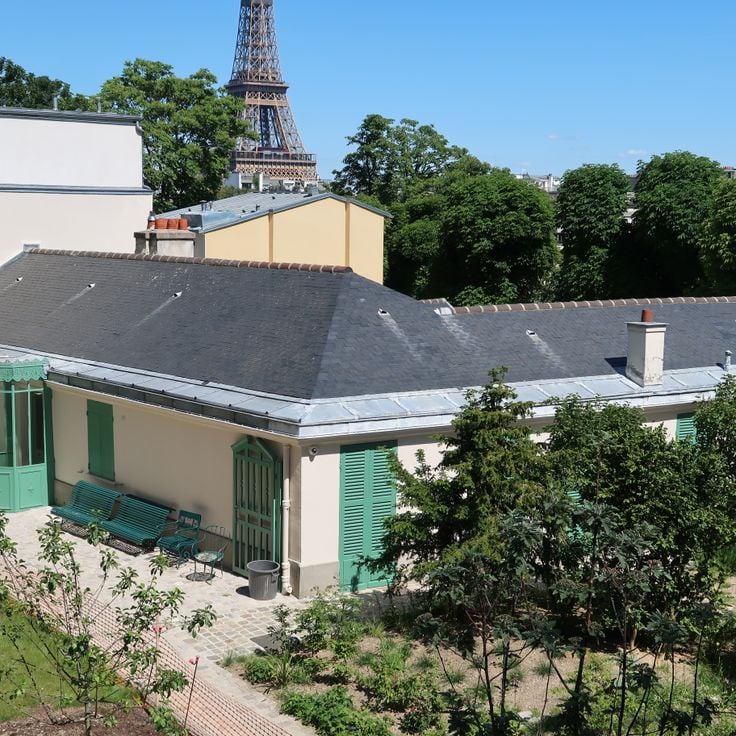
Balzac's house in Passy was the workspace of novelist Honoré de Balzac. It is a quiet room where you can feel the presence of the author as he corrected and refined his pages. The house shows how this important writer lived and worked, and it is part of a collection of French artists' homes that offer insight into the lives of these creative figures.
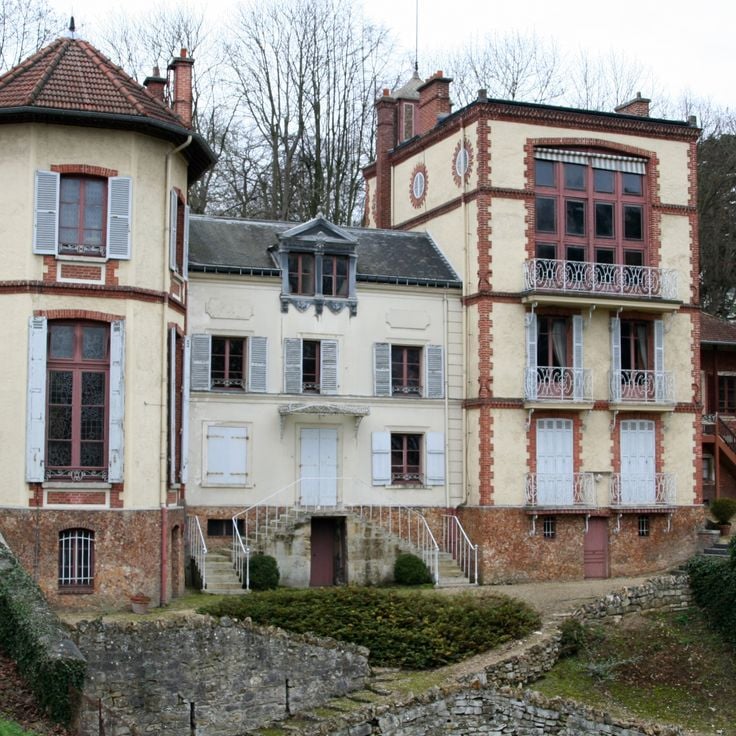
Émile Zola's house in Médan reflects the life of a writer who engaged deeply in political struggles. The rooms show his work as a novelist and his role in the Dreyfus Affair. Walking through these spaces reveals how an artist lived while fighting for his beliefs.
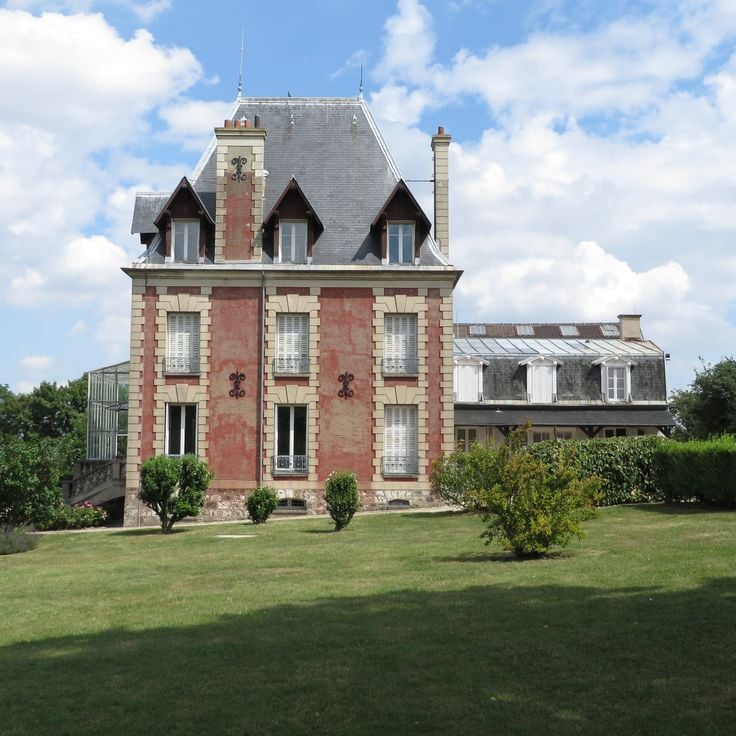
Villa des Brillants was the home and studio of sculptor Auguste Rodin in Meudon. The estate shows how the artist lived and worked, with his artistic world present throughout the spaces. You can see his workshops and understand how Rodin wove together his daily life with his creative practice. The house tells the story of a life devoted to sculpture.
The Musée Bourdelle preserves the studios and gardens of sculptor Antoine Bourdelle. These spaces show how the artist worked and lived day to day. The rooms still feel like an active workplace where sculptures took shape and where Bourdelle received visitors. The surrounding gardens provided quiet and space for reflection, much as they did for the artist himself.
Maurice Ravel's house in Montfort-l'Amaury was his private retreat where he could work without distraction. This small home shows how important quiet and order were to the composer. Ravel created many of his works here and arranged the space to keep the outside world at bay. The rooms reflect his life and his role as one of France's major composers.
This house was Pierre Corneille's country retreat along the Seine. The French classical playwright found here a quiet escape from city life, a place to write and think. The Maison des champs reveals how one of France's greatest authors of the 17th century lived outside Paris. Nature and space were his sanctuary.
Jean Cocteau's house in Milly-la-Forêt reveals how the artist shaped every corner of his home. His decorations cover the walls, and his presence extends through the gardens and chapel. The rooms show how he lived and worked in this place, blending his artistic practice with daily life.
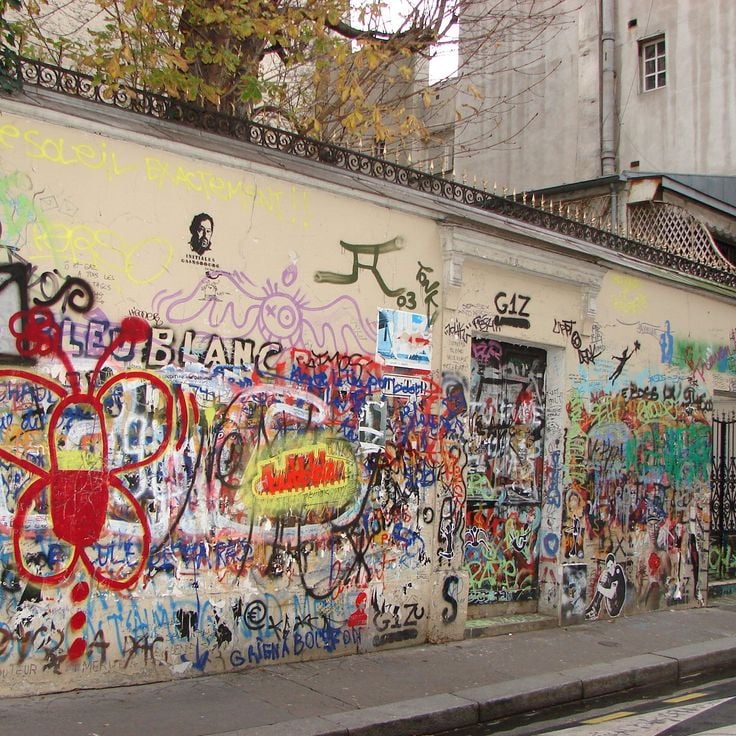
Serge Gainsbourg's house is located in Paris's 7th arrondissement and preserves the space where the musician and artist lived and worked. The rooms contain his belongings and personal collections, offering visitors a glimpse into how he spent his daily life. This residence reflects the creative environment in which Gainsbourg developed his work, surrounded by objects and furnishings that shaped his artistic journey.
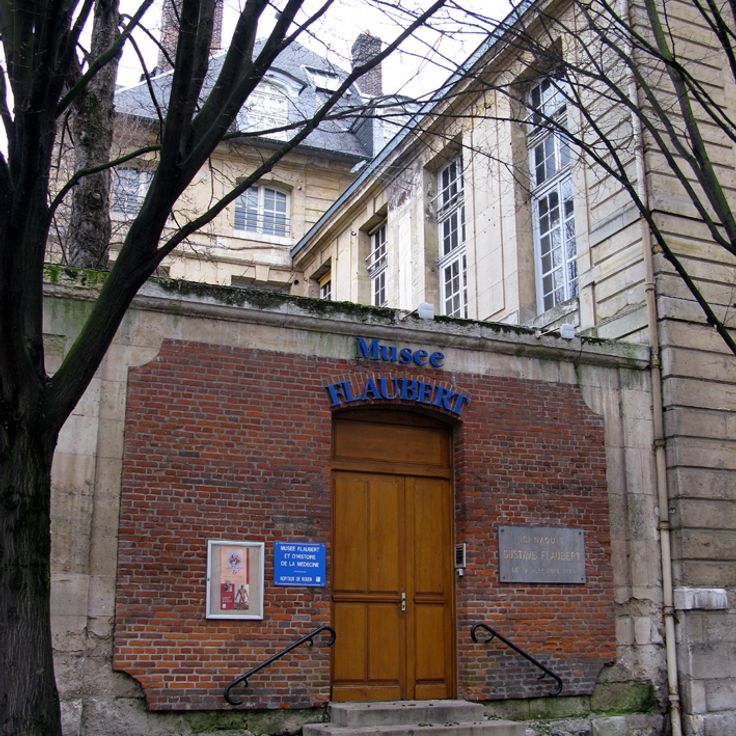
Gustave Flaubert's birthplace in Rouen holds two distinct worlds. The ground floor contains exhibits about the history of medicine and the former Hôtel-Dieu hospital, while the upper floors preserve the family's private rooms where the writer spent his childhood and early years. Personal objects, manuscripts, and period furniture fill the spaces. The presence of his father, a physician, shaped Flaubert's early life and curiosity. This house reveals how medical knowledge and literary talent coexisted within one family during the 19th century.
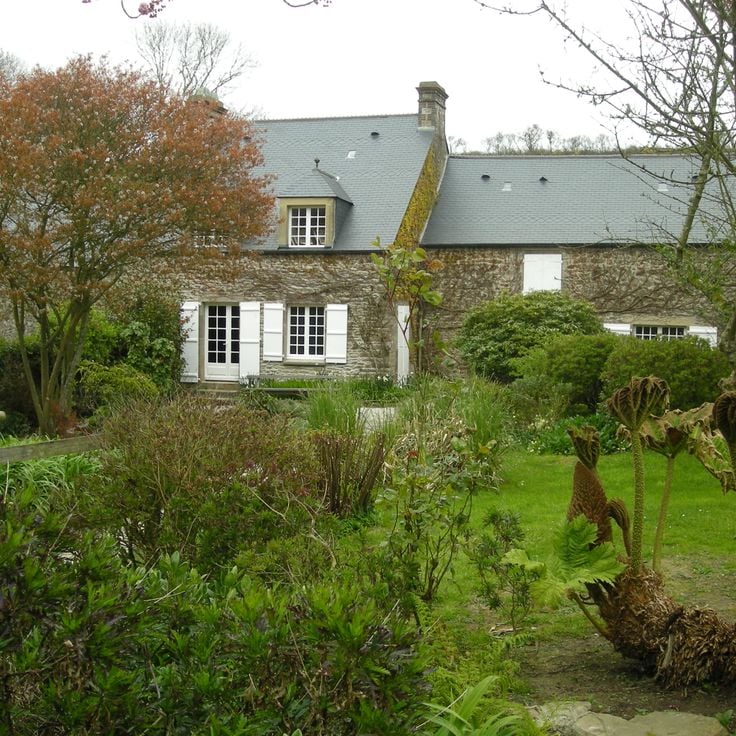
This house of Jacques Prévert in Omonville-la-Petite was the poet's last residence. Here, on the coast of Cotentin, Prévert lived during his final years and continued to create his works in this quiet setting. The property reflects the life of an artist who sought proximity to the sea and withdrew from the bustle of city life. The salty air and the landscape of this region shape the character of the place, where Prévert followed his own path and cultivated his poetic vision in peace.
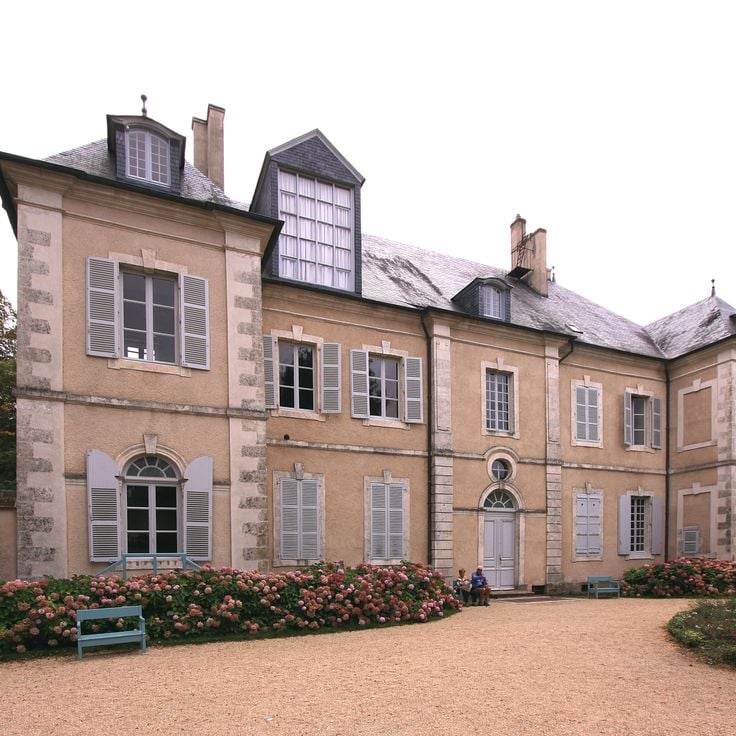
George Sand's house in Nohant was where the writer spent much of her life. The rooms show her daily life, her work, and the many artists who visited her there. You can see how she lived and wrote, away from the noise of the city. Each room tells the story of her time here.
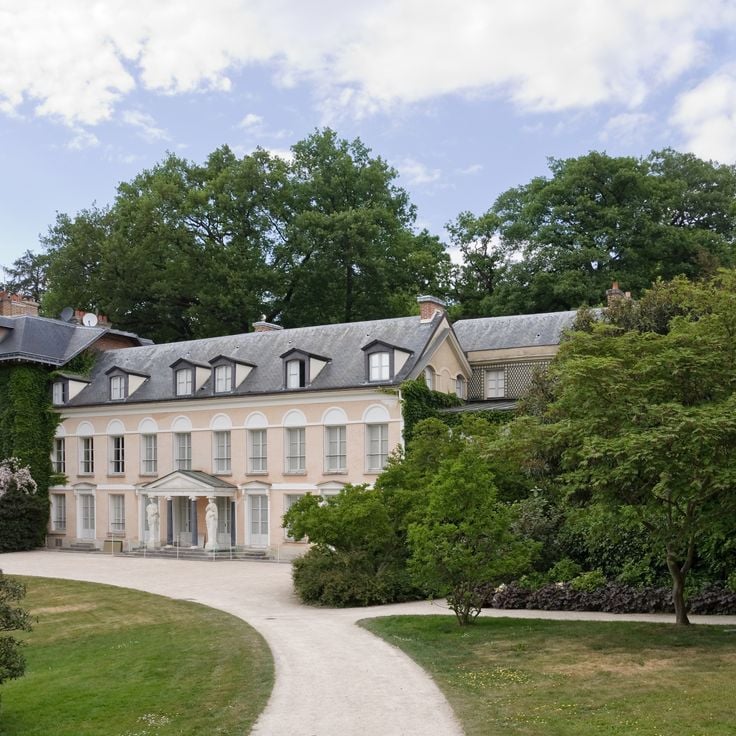
The house of Chateaubriand in Châtenay-Malabry was home to the famous writer and politician François-René de Chateaubriand. He created some of his most important works here and shaped the surroundings according to his vision. The estate shows how this major figure of Romanticism lived and worked. The park and interior spaces reveal his artistic practice and character. Visitors can walk through the rooms where the writer thought and wrote.
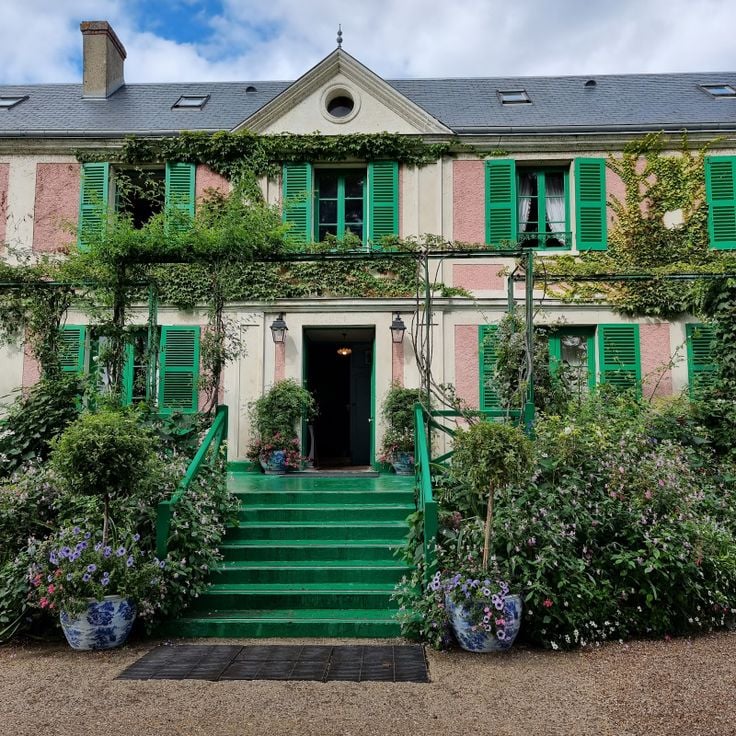
Claude Monet's house and gardens in Giverny show how the artist shaped his home as a complete work of art. The buildings, gardens, and ponds developed over decades according to Monet's own vision. Visitors see how water, plants, and light work together, just as they appear in his paintings. The place tells the story of Monet's working methods, his passions, and how he made no separation between living and creating.
The Domaine des Collettes is the villa where Auguste Renoir lived among olive trees in Cagnes-sur-Mer. Here the artist spent his final years and created some of his most important works. The rooms show how Renoir lived and worked, with southern light streaming through the windows. Visitors can see the spaces where the painter created his canvases and spent his days.
Louis Braille's birthhouse in Coupvray is a simple yet significant place. Here the inventor of the writing system bearing his name grew up, transforming how blind people communicate and learn worldwide. The house reveals how a child from modest circumstances became an innovator whose legacy continues today. Guided tours and educational programs tell the story of this place and its global impact on literacy and accessibility.
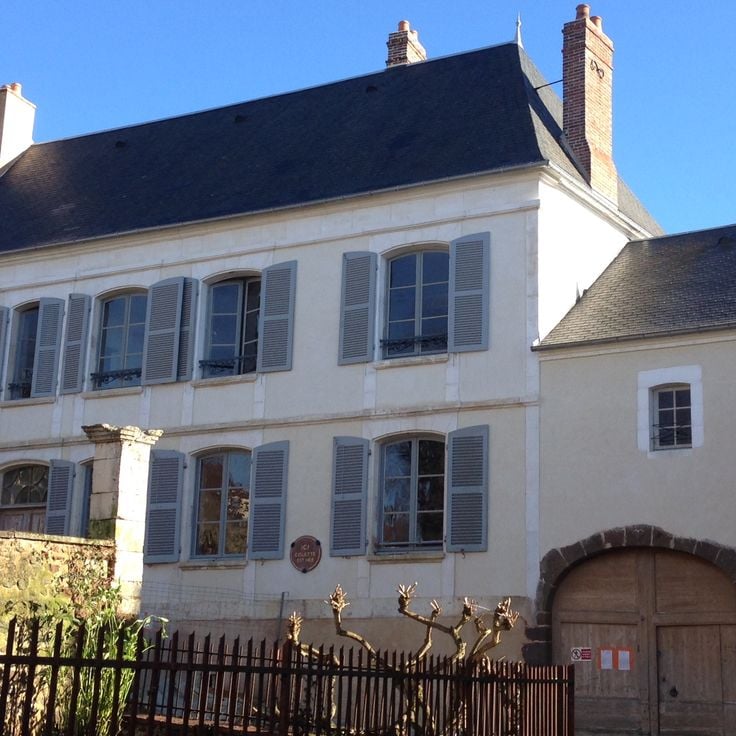
Colette's house in Saint-Sauveur-en-Puisaye shows where the writer lived and worked. It does not feel like a typical museum but rather like someone's actual home. You step into a place that holds her story and daily life.
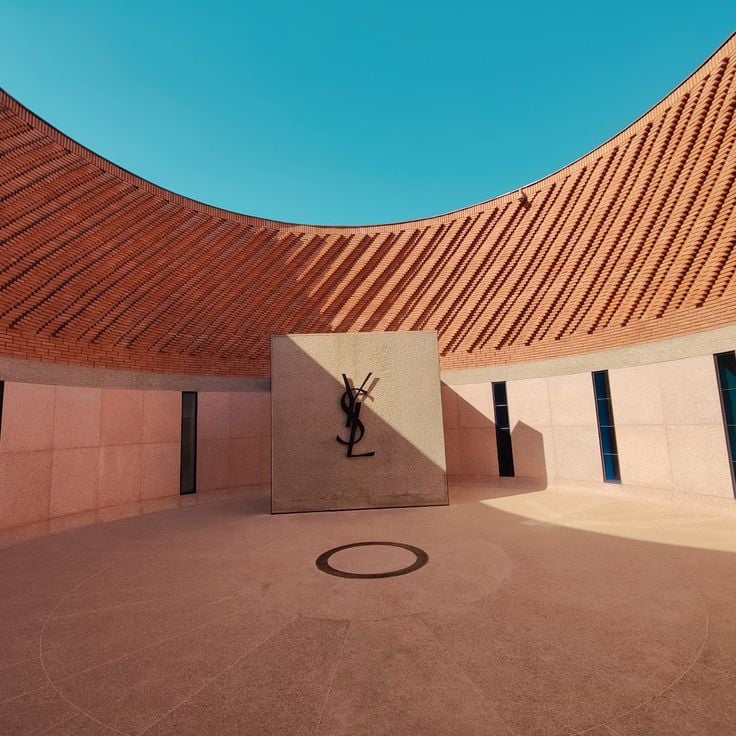
The Jardin Majorelle in Marrakech was Yves Saint Laurent's sanctuary and creative refuge. The French designer retreated here from the Paris fashion world to find peace and artistic inspiration. This estate shows how the artist surrounded himself with beauty and lived his most personal moments in this natural setting. The garden has grown into a cultural ecosystem that preserves Laurent's legacy and his devotion to aesthetics.
Villa Arnaga was the home of writer Edmond Rostand in Cambo-les-Bains. He designed this villa and its surrounding gardens according to his vision. The gardens shift their appearance like the acts of a theatrical play. Rostand received artists and friends here. The villa shows how a writer could shape his own house as a work of art. Visitors can see where Rostand lived and worked, and explore the rooms where his ideas took form.
The birthplace of Marcel Pagnol in Aubagne offers a window into the popular culture of Provence and the world of cinema. The house displays reconstructed spaces and historical photographs that bring to life the memories and imagination that Pagnol captured in his stories and films. You can see how the people and places of his childhood shaped his creative work.
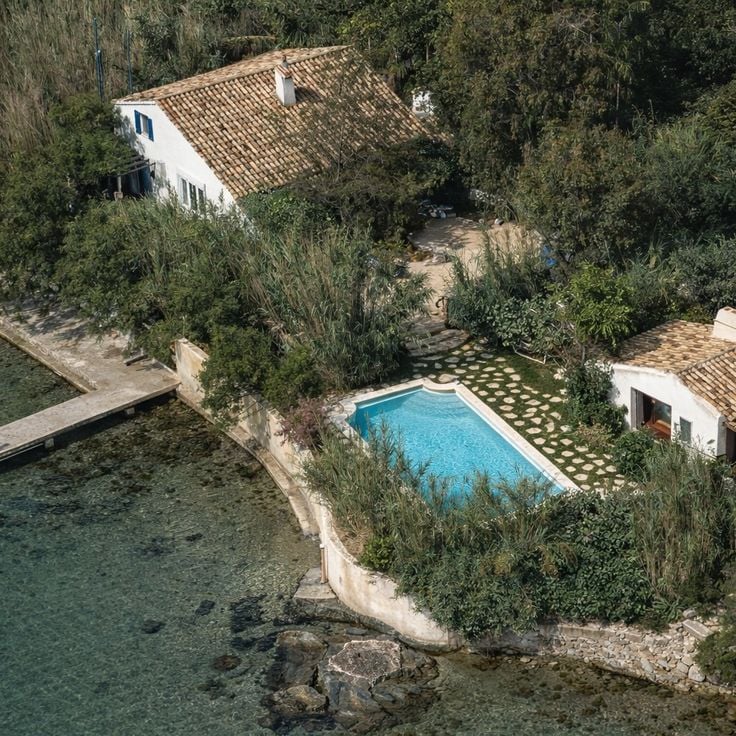
La Madrague has been Brigitte Bardot's home in Saint-Tropez since the end of the 1950s. The house represents a life lived on her own terms, simple and independent. Bardot chose this retreat to escape public attention and create in solitude. The residence tells the story of an artist who deliberately stepped away from the spotlight and dedicated herself to her work and personal interests.
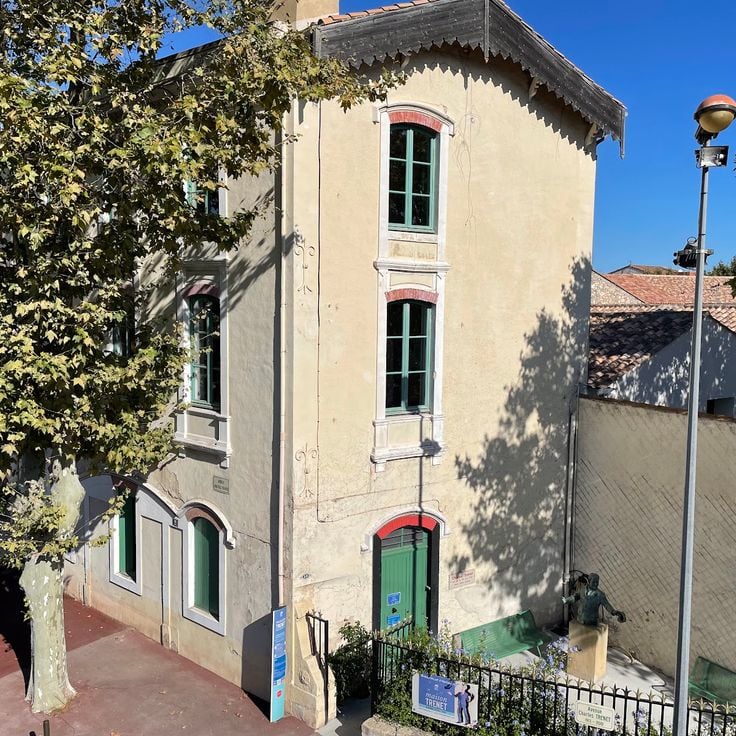
The birthhouse of Charles Trenet in Narbonne is a museum that showcases the life of this French singer and poet. Audiovisual displays and exhibitions tell the story of his artistic journey. The house presents the world of a performer known for his energetic compositions and distinctive stage presence. Visitors can walk through the rooms where this multifaceted artist spent his early years.
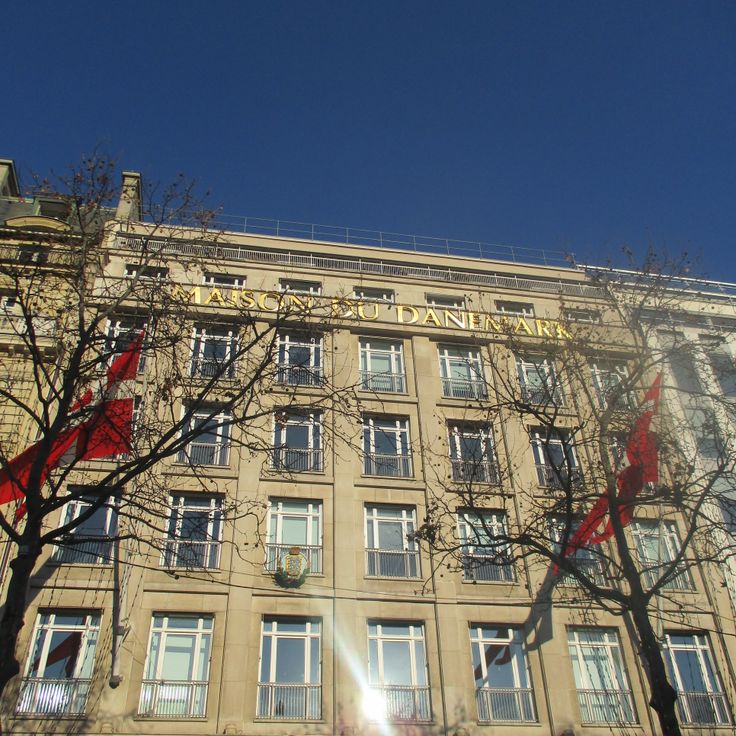
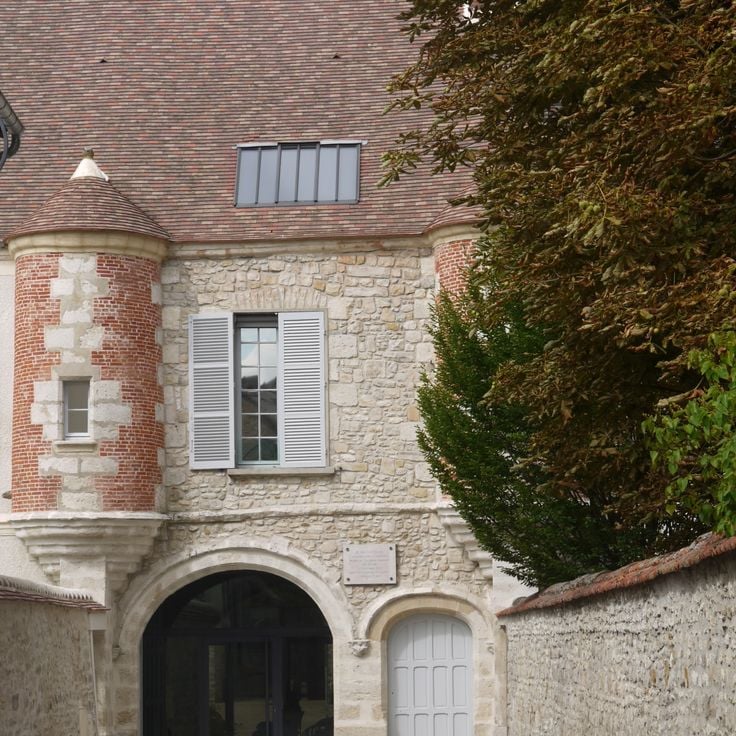
The Moulin de Dannemois was Claude François' retreat during the Ye-Ye years and is now open to visitors. The building preserves the atmosphere of the 1960s and shows how the artist lived and worked. Here you can discover the rooms where this French singer spent time and developed his career.
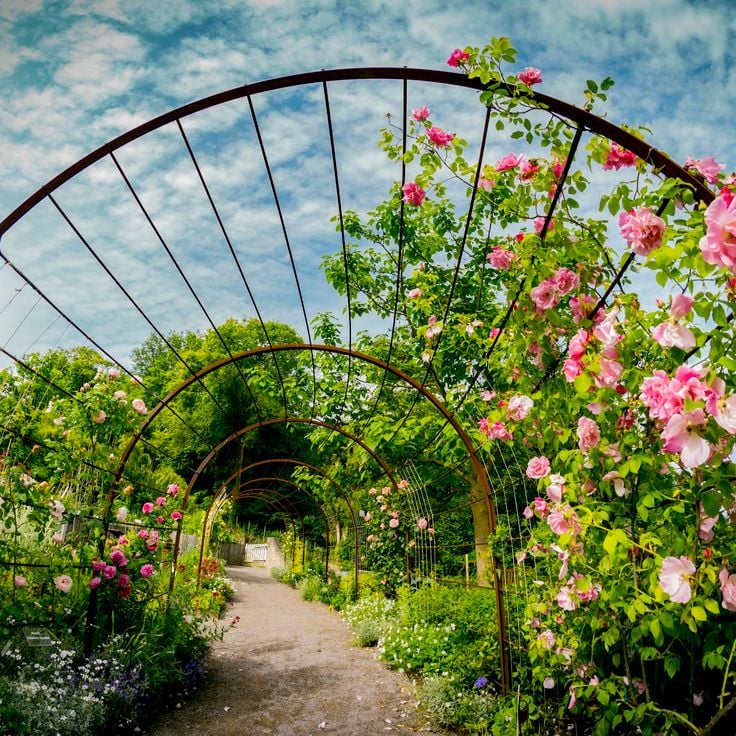
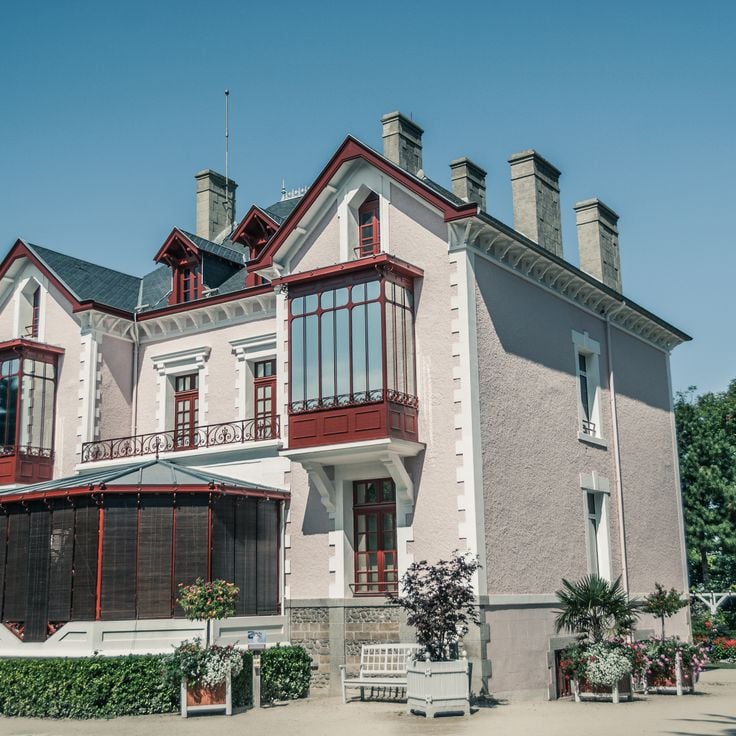
Villa Les Rhumbs is the childhood home of Christian Dior in Granville. The designer spent his formative years in this house and developed a passion for flowers that would define his entire career. The blooming gardens of the villa remain a living testament to Dior's botanical inspiration. Walking through the rooms and grounds, visitors can see how nature and beauty shaped the mind of one of fashion's greatest creators.
The Pierre Loti House in Rochefort is the former home of French writer and sailor Pierre Loti. The building functions as a walk-through cabinet of curiosities, filled with personal objects, furniture, and collections from his travels. The rooms reveal how the writer lived and which places inspired his work. After extensive restoration work, the house will reopen to visitors on June 10, 2025.
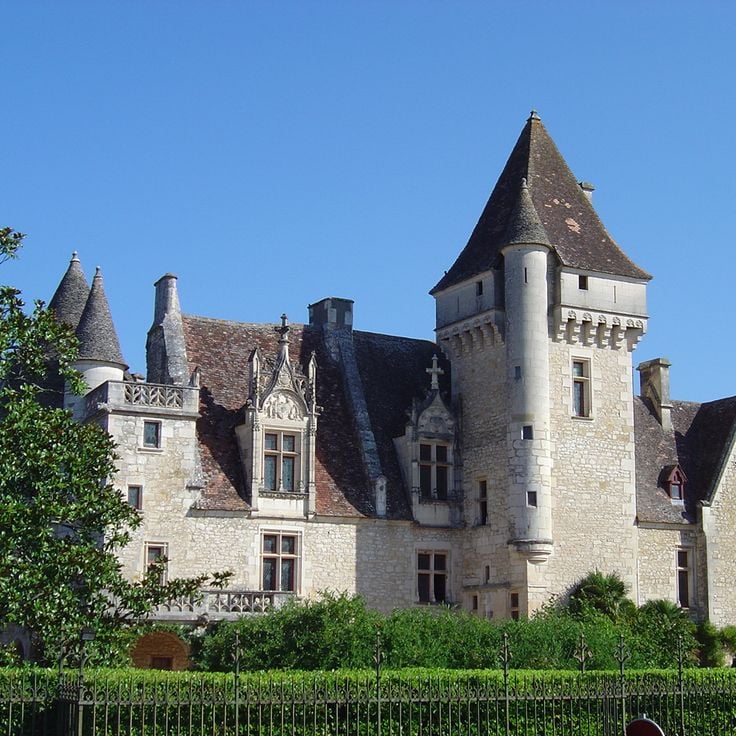
The Château des Milandes in the Dordogne was the home of Josephine Baker, the American-born artist who made France her own. Here she created a space shaped by her passion for art and living fully. The castle and its gardens tell the story of a woman who crossed boundaries. Visitors can walk through the rooms and discover how she lived and worked in a setting where beauty and personal history come together.
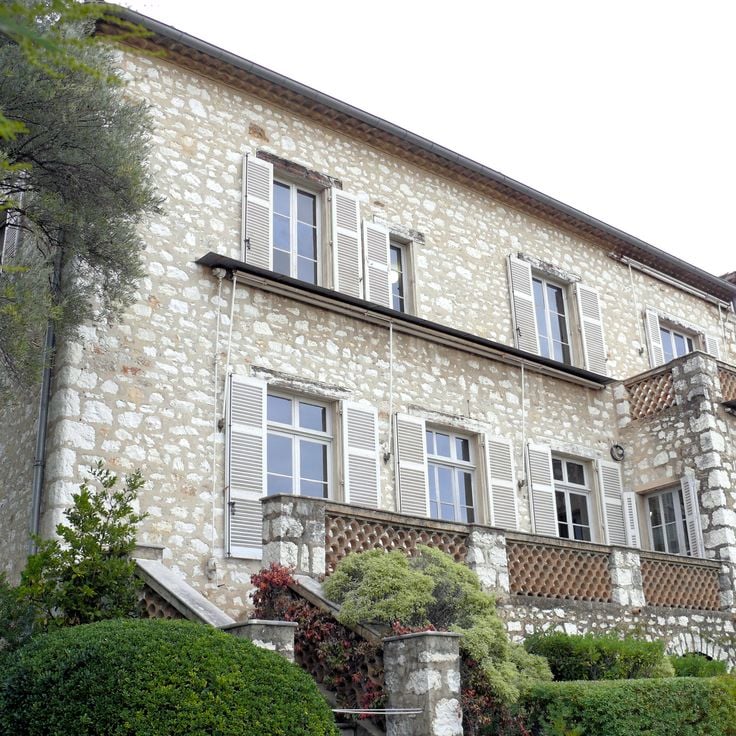
Villa La Pausa was Gabrielle Chanel's most personal home on the French Riviera. The designer created a private retreat in Roquebrune-Cap-Martin that reflected her own ideas about beauty and how to live. The house shows how Chanel surrounded herself in daily life and where her creativity took shape. Today the villa has been restored and occasionally hosts cultural events.
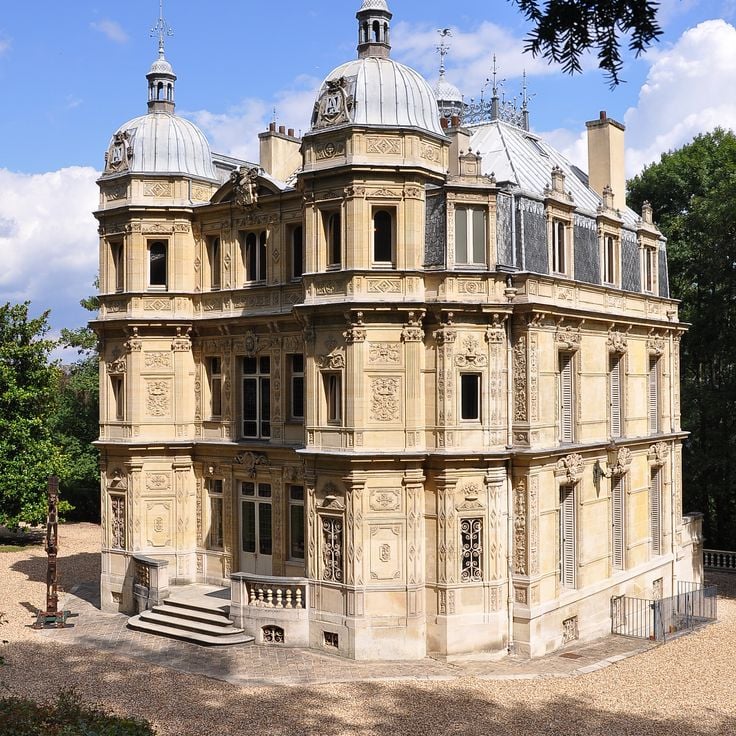
The Château de Monte-Cristo is the romantic mansion of Alexandre Dumas in Le Port-Marly, almost a stage set for his own life. The park invites you to journey as soon as you arrive. Dumas designed this residence as a reflection of his adventures and success. Today visitors can explore the rooms where he lived and worked, discovering how his surroundings fed his imagination. The house tells the story of a man who turned his dreams into stone and garden.
The House of Victor Hugo is a historic mansion located on Place des Vosges in Paris. This is where the writer lived his daily life and worked on his creations. The house presents Victor Hugo as a person beyond what textbooks teach. The rooms show how he lived and thought. Visitors can see where he wrote, worked, and spent time with his family.
Claude Debussy's birthplace in Saint-Germain-en-Laye is a museum dedicated to the famous composer. The house itself is a historic building where Debussy spent his childhood. Visitors can learn about his life and music in this setting. The museum displays personal items, documents, and memorabilia connected to the composer. It is an important place for those interested in Debussy and the history of classical music.
Balzac's house in Passy was the workspace of novelist Honoré de Balzac. It is a quiet room where you can feel the presence of the author as he corrected and refined his pages. The house shows how this important writer lived and worked, and it is part of a collection of French artists' homes that offer insight into the lives of these creative figures.
Émile Zola's house in Médan reflects the life of a writer who engaged deeply in political struggles. The rooms show his work as a novelist and his role in the Dreyfus Affair. Walking through these spaces reveals how an artist lived while fighting for his beliefs.
Villa des Brillants was the home and studio of sculptor Auguste Rodin in Meudon. The estate shows how the artist lived and worked, with his artistic world present throughout the spaces. You can see his workshops and understand how Rodin wove together his daily life with his creative practice. The house tells the story of a life devoted to sculpture.
The Musée Bourdelle preserves the studios and gardens of sculptor Antoine Bourdelle. These spaces show how the artist worked and lived day to day. The rooms still feel like an active workplace where sculptures took shape and where Bourdelle received visitors. The surrounding gardens provided quiet and space for reflection, much as they did for the artist himself.
Maurice Ravel's house in Montfort-l'Amaury was his private retreat where he could work without distraction. This small home shows how important quiet and order were to the composer. Ravel created many of his works here and arranged the space to keep the outside world at bay. The rooms reflect his life and his role as one of France's major composers.
This house was Pierre Corneille's country retreat along the Seine. The French classical playwright found here a quiet escape from city life, a place to write and think. The Maison des champs reveals how one of France's greatest authors of the 17th century lived outside Paris. Nature and space were his sanctuary.
Jean Cocteau's house in Milly-la-Forêt reveals how the artist shaped every corner of his home. His decorations cover the walls, and his presence extends through the gardens and chapel. The rooms show how he lived and worked in this place, blending his artistic practice with daily life.
Serge Gainsbourg's house is located in Paris's 7th arrondissement and preserves the space where the musician and artist lived and worked. The rooms contain his belongings and personal collections, offering visitors a glimpse into how he spent his daily life. This residence reflects the creative environment in which Gainsbourg developed his work, surrounded by objects and furnishings that shaped his artistic journey.
Gustave Flaubert's birthplace in Rouen holds two distinct worlds. The ground floor contains exhibits about the history of medicine and the former Hôtel-Dieu hospital, while the upper floors preserve the family's private rooms where the writer spent his childhood and early years. Personal objects, manuscripts, and period furniture fill the spaces. The presence of his father, a physician, shaped Flaubert's early life and curiosity. This house reveals how medical knowledge and literary talent coexisted within one family during the 19th century.
This house of Jacques Prévert in Omonville-la-Petite was the poet's last residence. Here, on the coast of Cotentin, Prévert lived during his final years and continued to create his works in this quiet setting. The property reflects the life of an artist who sought proximity to the sea and withdrew from the bustle of city life. The salty air and the landscape of this region shape the character of the place, where Prévert followed his own path and cultivated his poetic vision in peace.
George Sand's house in Nohant was where the writer spent much of her life. The rooms show her daily life, her work, and the many artists who visited her there. You can see how she lived and wrote, away from the noise of the city. Each room tells the story of her time here.
The house of Chateaubriand in Châtenay-Malabry was home to the famous writer and politician François-René de Chateaubriand. He created some of his most important works here and shaped the surroundings according to his vision. The estate shows how this major figure of Romanticism lived and worked. The park and interior spaces reveal his artistic practice and character. Visitors can walk through the rooms where the writer thought and wrote.
Claude Monet's house and gardens in Giverny show how the artist shaped his home as a complete work of art. The buildings, gardens, and ponds developed over decades according to Monet's own vision. Visitors see how water, plants, and light work together, just as they appear in his paintings. The place tells the story of Monet's working methods, his passions, and how he made no separation between living and creating.
The Domaine des Collettes is the villa where Auguste Renoir lived among olive trees in Cagnes-sur-Mer. Here the artist spent his final years and created some of his most important works. The rooms show how Renoir lived and worked, with southern light streaming through the windows. Visitors can see the spaces where the painter created his canvases and spent his days.
Louis Braille's birthhouse in Coupvray is a simple yet significant place. Here the inventor of the writing system bearing his name grew up, transforming how blind people communicate and learn worldwide. The house reveals how a child from modest circumstances became an innovator whose legacy continues today. Guided tours and educational programs tell the story of this place and its global impact on literacy and accessibility.
Colette's house in Saint-Sauveur-en-Puisaye shows where the writer lived and worked. It does not feel like a typical museum but rather like someone's actual home. You step into a place that holds her story and daily life.
The Jardin Majorelle in Marrakech was Yves Saint Laurent's sanctuary and creative refuge. The French designer retreated here from the Paris fashion world to find peace and artistic inspiration. This estate shows how the artist surrounded himself with beauty and lived his most personal moments in this natural setting. The garden has grown into a cultural ecosystem that preserves Laurent's legacy and his devotion to aesthetics.
Villa Arnaga was the home of writer Edmond Rostand in Cambo-les-Bains. He designed this villa and its surrounding gardens according to his vision. The gardens shift their appearance like the acts of a theatrical play. Rostand received artists and friends here. The villa shows how a writer could shape his own house as a work of art. Visitors can see where Rostand lived and worked, and explore the rooms where his ideas took form.
The birthplace of Marcel Pagnol in Aubagne offers a window into the popular culture of Provence and the world of cinema. The house displays reconstructed spaces and historical photographs that bring to life the memories and imagination that Pagnol captured in his stories and films. You can see how the people and places of his childhood shaped his creative work.
La Madrague has been Brigitte Bardot's home in Saint-Tropez since the end of the 1950s. The house represents a life lived on her own terms, simple and independent. Bardot chose this retreat to escape public attention and create in solitude. The residence tells the story of an artist who deliberately stepped away from the spotlight and dedicated herself to her work and personal interests.
The birthhouse of Charles Trenet in Narbonne is a museum that showcases the life of this French singer and poet. Audiovisual displays and exhibitions tell the story of his artistic journey. The house presents the world of a performer known for his energetic compositions and distinctive stage presence. Visitors can walk through the rooms where this multifaceted artist spent his early years.
The Moulin de Dannemois was Claude François' retreat during the Ye-Ye years and is now open to visitors. The building preserves the atmosphere of the 1960s and shows how the artist lived and worked. Here you can discover the rooms where this French singer spent time and developed his career.
Villa Les Rhumbs is the childhood home of Christian Dior in Granville. The designer spent his formative years in this house and developed a passion for flowers that would define his entire career. The blooming gardens of the villa remain a living testament to Dior's botanical inspiration. Walking through the rooms and grounds, visitors can see how nature and beauty shaped the mind of one of fashion's greatest creators.
The Pierre Loti House in Rochefort is the former home of French writer and sailor Pierre Loti. The building functions as a walk-through cabinet of curiosities, filled with personal objects, furniture, and collections from his travels. The rooms reveal how the writer lived and which places inspired his work. After extensive restoration work, the house will reopen to visitors on June 10, 2025.
The Château des Milandes in the Dordogne was the home of Josephine Baker, the American-born artist who made France her own. Here she created a space shaped by her passion for art and living fully. The castle and its gardens tell the story of a woman who crossed boundaries. Visitors can walk through the rooms and discover how she lived and worked in a setting where beauty and personal history come together.
Villa La Pausa was Gabrielle Chanel's most personal home on the French Riviera. The designer created a private retreat in Roquebrune-Cap-Martin that reflected her own ideas about beauty and how to live. The house shows how Chanel surrounded herself in daily life and where her creativity took shape. Today the villa has been restored and occasionally hosts cultural events.
The Château de Monte-Cristo is the romantic mansion of Alexandre Dumas in Le Port-Marly, almost a stage set for his own life. The park invites you to journey as soon as you arrive. Dumas designed this residence as a reflection of his adventures and success. Today visitors can explore the rooms where he lived and worked, discovering how his surroundings fed his imagination. The house tells the story of a man who turned his dreams into stone and garden.
The House of Victor Hugo is a historic mansion located on Place des Vosges in Paris. This is where the writer lived his daily life and worked on his creations. The house presents Victor Hugo as a person beyond what textbooks teach. The rooms show how he lived and thought. Visitors can see where he wrote, worked, and spent time with his family.
Claude Debussy's birthplace in Saint-Germain-en-Laye is a museum dedicated to the famous composer. The house itself is a historic building where Debussy spent his childhood. Visitors can learn about his life and music in this setting. The museum displays personal items, documents, and memorabilia connected to the composer. It is an important place for those interested in Debussy and the history of classical music.
Balzac's house in Passy was the workspace of novelist Honoré de Balzac. It is a quiet room where you can feel the presence of the author as he corrected and refined his pages. The house shows how this important writer lived and worked, and it is part of a collection of French artists' homes that offer insight into the lives of these creative figures.
Émile Zola's house in Médan reflects the life of a writer who engaged deeply in political struggles. The rooms show his work as a novelist and his role in the Dreyfus Affair. Walking through these spaces reveals how an artist lived while fighting for his beliefs.
Villa des Brillants was the home and studio of sculptor Auguste Rodin in Meudon. The estate shows how the artist lived and worked, with his artistic world present throughout the spaces. You can see his workshops and understand how Rodin wove together his daily life with his creative practice. The house tells the story of a life devoted to sculpture.
The Musée Bourdelle preserves the studios and gardens of sculptor Antoine Bourdelle. These spaces show how the artist worked and lived day to day. The rooms still feel like an active workplace where sculptures took shape and where Bourdelle received visitors. The surrounding gardens provided quiet and space for reflection, much as they did for the artist himself.
Maurice Ravel's house in Montfort-l'Amaury was his private retreat where he could work without distraction. This small home shows how important quiet and order were to the composer. Ravel created many of his works here and arranged the space to keep the outside world at bay. The rooms reflect his life and his role as one of France's major composers.
This house was Pierre Corneille's country retreat along the Seine. The French classical playwright found here a quiet escape from city life, a place to write and think. The Maison des champs reveals how one of France's greatest authors of the 17th century lived outside Paris. Nature and space were his sanctuary.
Jean Cocteau's house in Milly-la-Forêt reveals how the artist shaped every corner of his home. His decorations cover the walls, and his presence extends through the gardens and chapel. The rooms show how he lived and worked in this place, blending his artistic practice with daily life.
Serge Gainsbourg's house is located in Paris's 7th arrondissement and preserves the space where the musician and artist lived and worked. The rooms contain his belongings and personal collections, offering visitors a glimpse into how he spent his daily life. This residence reflects the creative environment in which Gainsbourg developed his work, surrounded by objects and furnishings that shaped his artistic journey.
Gustave Flaubert's birthplace in Rouen holds two distinct worlds. The ground floor contains exhibits about the history of medicine and the former Hôtel-Dieu hospital, while the upper floors preserve the family's private rooms where the writer spent his childhood and early years. Personal objects, manuscripts, and period furniture fill the spaces. The presence of his father, a physician, shaped Flaubert's early life and curiosity. This house reveals how medical knowledge and literary talent coexisted within one family during the 19th century.
This house of Jacques Prévert in Omonville-la-Petite was the poet's last residence. Here, on the coast of Cotentin, Prévert lived during his final years and continued to create his works in this quiet setting. The property reflects the life of an artist who sought proximity to the sea and withdrew from the bustle of city life. The salty air and the landscape of this region shape the character of the place, where Prévert followed his own path and cultivated his poetic vision in peace.
George Sand's house in Nohant was where the writer spent much of her life. The rooms show her daily life, her work, and the many artists who visited her there. You can see how she lived and wrote, away from the noise of the city. Each room tells the story of her time here.
The house of Chateaubriand in Châtenay-Malabry was home to the famous writer and politician François-René de Chateaubriand. He created some of his most important works here and shaped the surroundings according to his vision. The estate shows how this major figure of Romanticism lived and worked. The park and interior spaces reveal his artistic practice and character. Visitors can walk through the rooms where the writer thought and wrote.
Claude Monet's house and gardens in Giverny show how the artist shaped his home as a complete work of art. The buildings, gardens, and ponds developed over decades according to Monet's own vision. Visitors see how water, plants, and light work together, just as they appear in his paintings. The place tells the story of Monet's working methods, his passions, and how he made no separation between living and creating.
The Domaine des Collettes is the villa where Auguste Renoir lived among olive trees in Cagnes-sur-Mer. Here the artist spent his final years and created some of his most important works. The rooms show how Renoir lived and worked, with southern light streaming through the windows. Visitors can see the spaces where the painter created his canvases and spent his days.
Louis Braille's birthhouse in Coupvray is a simple yet significant place. Here the inventor of the writing system bearing his name grew up, transforming how blind people communicate and learn worldwide. The house reveals how a child from modest circumstances became an innovator whose legacy continues today. Guided tours and educational programs tell the story of this place and its global impact on literacy and accessibility.
Colette's house in Saint-Sauveur-en-Puisaye shows where the writer lived and worked. It does not feel like a typical museum but rather like someone's actual home. You step into a place that holds her story and daily life.
The Jardin Majorelle in Marrakech was Yves Saint Laurent's sanctuary and creative refuge. The French designer retreated here from the Paris fashion world to find peace and artistic inspiration. This estate shows how the artist surrounded himself with beauty and lived his most personal moments in this natural setting. The garden has grown into a cultural ecosystem that preserves Laurent's legacy and his devotion to aesthetics.
Villa Arnaga was the home of writer Edmond Rostand in Cambo-les-Bains. He designed this villa and its surrounding gardens according to his vision. The gardens shift their appearance like the acts of a theatrical play. Rostand received artists and friends here. The villa shows how a writer could shape his own house as a work of art. Visitors can see where Rostand lived and worked, and explore the rooms where his ideas took form.
The birthplace of Marcel Pagnol in Aubagne offers a window into the popular culture of Provence and the world of cinema. The house displays reconstructed spaces and historical photographs that bring to life the memories and imagination that Pagnol captured in his stories and films. You can see how the people and places of his childhood shaped his creative work.
La Madrague has been Brigitte Bardot's home in Saint-Tropez since the end of the 1950s. The house represents a life lived on her own terms, simple and independent. Bardot chose this retreat to escape public attention and create in solitude. The residence tells the story of an artist who deliberately stepped away from the spotlight and dedicated herself to her work and personal interests.
The birthhouse of Charles Trenet in Narbonne is a museum that showcases the life of this French singer and poet. Audiovisual displays and exhibitions tell the story of his artistic journey. The house presents the world of a performer known for his energetic compositions and distinctive stage presence. Visitors can walk through the rooms where this multifaceted artist spent his early years.
The Moulin de Dannemois was Claude François' retreat during the Ye-Ye years and is now open to visitors. The building preserves the atmosphere of the 1960s and shows how the artist lived and worked. Here you can discover the rooms where this French singer spent time and developed his career.
Villa Les Rhumbs is the childhood home of Christian Dior in Granville. The designer spent his formative years in this house and developed a passion for flowers that would define his entire career. The blooming gardens of the villa remain a living testament to Dior's botanical inspiration. Walking through the rooms and grounds, visitors can see how nature and beauty shaped the mind of one of fashion's greatest creators.
The Pierre Loti House in Rochefort is the former home of French writer and sailor Pierre Loti. The building functions as a walk-through cabinet of curiosities, filled with personal objects, furniture, and collections from his travels. The rooms reveal how the writer lived and which places inspired his work. After extensive restoration work, the house will reopen to visitors on June 10, 2025.
The Château des Milandes in the Dordogne was the home of Josephine Baker, the American-born artist who made France her own. Here she created a space shaped by her passion for art and living fully. The castle and its gardens tell the story of a woman who crossed boundaries. Visitors can walk through the rooms and discover how she lived and worked in a setting where beauty and personal history come together.
Villa La Pausa was Gabrielle Chanel's most personal home on the French Riviera. The designer created a private retreat in Roquebrune-Cap-Martin that reflected her own ideas about beauty and how to live. The house shows how Chanel surrounded herself in daily life and where her creativity took shape. Today the villa has been restored and occasionally hosts cultural events.
The Château de Monte-Cristo is the romantic mansion of Alexandre Dumas in Le Port-Marly, almost a stage set for his own life. The park invites you to journey as soon as you arrive. Dumas designed this residence as a reflection of his adventures and success. Today visitors can explore the rooms where he lived and worked, discovering how his surroundings fed his imagination. The house tells the story of a man who turned his dreams into stone and garden.
Visiting these places is like entering the private creative world of those who lived there. You start to see how their surroundings shaped their art and thoughts. Whether you like books, paintings, or are simply curious about everyday life, these houses offer different ways to learn about the French past. Step inside and let these places share their stories with you.