See the monuments around you in AROpen chests in the app
Around Us is built for your phone — point your camera at the streets and discover the monuments and places around you in augmented reality.Around Us is built for your phone — chests unlock when you walk, explore and capture nearby places.
Houses of Famous People in Ile-de-France: Homes and Workshops of Notable Figures
This collection invites you to see inside the lives of writers, artists, and thinkers who shaped French culture. In Ile-de-France, many houses and workshops have been kept in their original state or carefully restored. You can visit Victor Hugo's house in Paris, where he lived for sixteen years, Rodin's workshop in Meudon, or Jean-Jacques Rousseau's home in Montmorency. These places show how they worked, with personal items and chosen decorations.
Each visit helps you understand how these creators managed their daily life and their work time. Some houses still have their original furniture, libraries, and tools. Others show collections of handwritten pages, sketches, or letters. These homes tell personal stories that give new meaning to their work. They also tell about a time, a neighborhood, and a way of life that no longer exists.
Houses of Famous People in Ile-de-France: Homes and Workshops of Notable Figures
This collection invites you to see inside the lives of writers, artists, and thinkers who shaped French culture. In Ile-de-France, many houses and workshops have been kept in their original state or carefully restored. You can visit Victor Hugo's house in Paris, where he lived for sixteen years, Rodin's workshop in Meudon, or Jean-Jacques Rousseau's home in Montmorency. These places show how they worked, with personal items and chosen decorations.
Each visit helps you understand how these creators managed their daily life and their work time. Some houses still have their original furniture, libraries, and tools. Others show collections of handwritten pages, sketches, or letters. These homes tell personal stories that give new meaning to their work. They also tell about a time, a neighborhood, and a way of life that no longer exists.
The Hotel Rohan-Guéménée is the house in Paris where Victor Hugo lived for sixteen years. Today, visitors can explore the rooms where the famous writer worked and received his family. The house preserves original furnishings, personal objects, and furniture from Hugo's time. You will find manuscripts, handwritten documents, and artworks that show how the poet organized his daily life and creative work. The house tells not only about Hugo's life but also offers insight into the 19th century and the Parisian home life of an era that has long since disappeared.
The apartment of philosopher Auguste Comte in Paris is where this thinker developed his most important works. Visitors can see how Comte lived and worked within these rooms. The apartment preserves furniture, books, and personal objects that reveal how this philosopher organized his daily life. You can visit the library where he studied and wrote, as well as the rooms where he received his family. These spaces offer insight into the life of a man whose ideas shaped French thought.
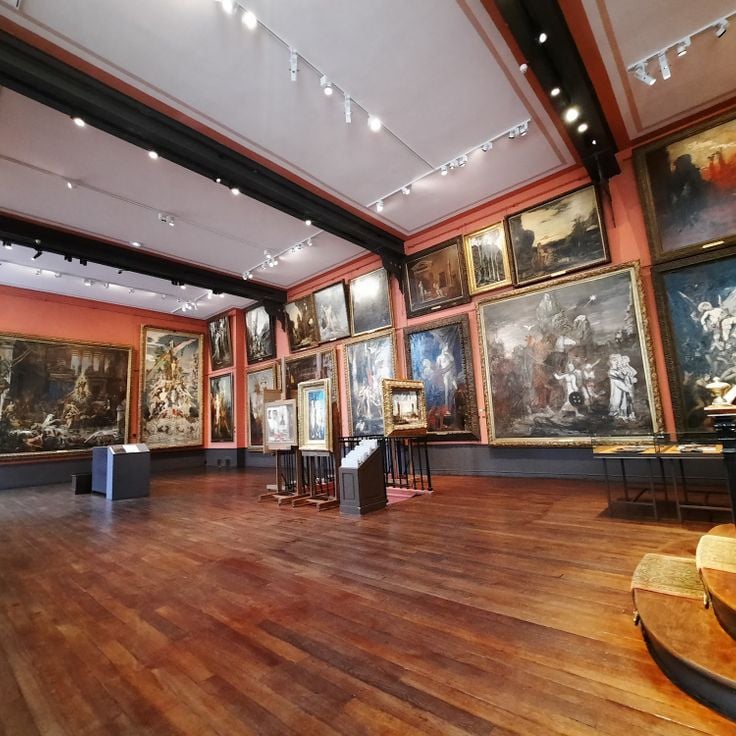
The Gustave Moreau National Museum occupies the house where the painter Gustave Moreau lived and worked in Paris. Visitors can explore the rooms where the artist spent his creative life, surrounded by his belongings and furnishings. The museum displays a large collection of paintings, drawings, and sketches that reveal his artistic process. The original studio atmosphere is preserved, with furniture and tools the painter used daily. Through these spaces, you can understand how a 19th-century Symbolist painter organized his work and creative practice.
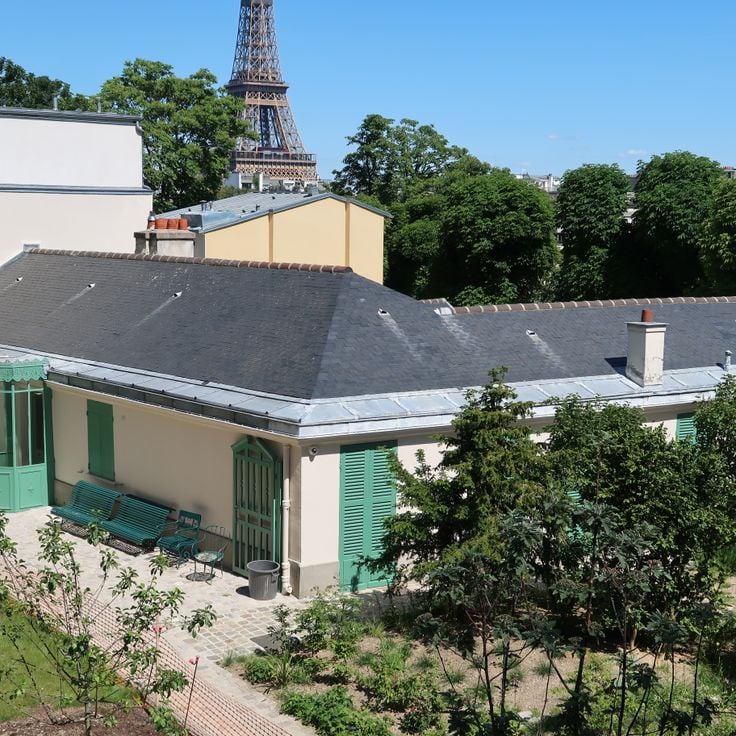
The house of Balzac in Paris was the residence of writer Honoré de Balzac. Here the author worked on his major works and left traces of his daily life. The rooms hold furniture, books, and personal objects that show how Balzac spent his days and developed his stories. Visitors can understand how this writer created his works within his home.
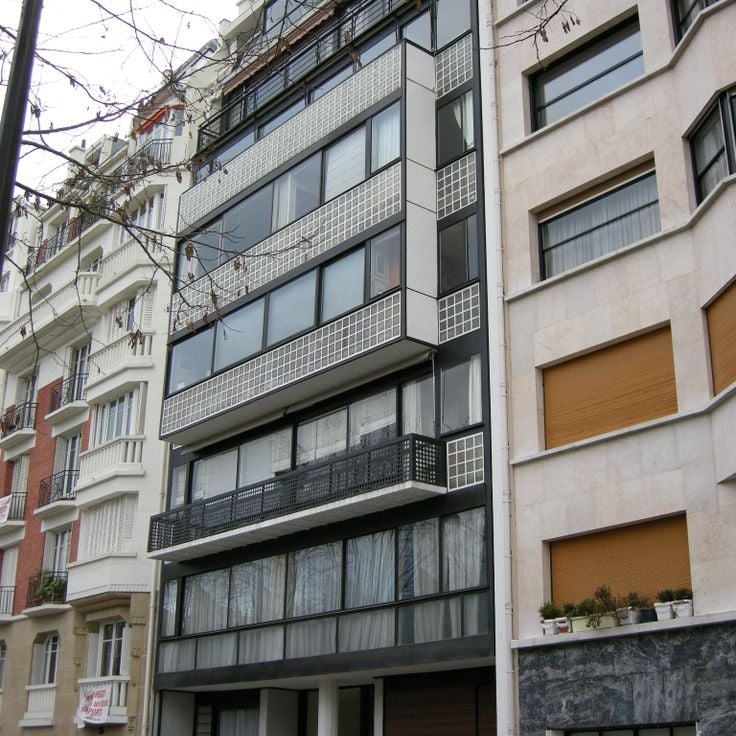
The Le Corbusier apartment in Paris is located within the Molitor building and served as the home of the renowned architect. This space shows how Le Corbusier himself lived and worked. Visitors can see his personal belongings, furniture, and the design choices he made. The apartment offers insight into the daily life of a man who shaped modern architecture. The rooms preserve his working methods and how he used his living space. Here, you discover how this creative mind designed his own home.
The house of Louis Braille in Coupvray reveals the life of the inventor of the Braille alphabet. Inside, you can see how Braille worked and lived in these rooms. His personal objects and tools remain preserved here. The house tells the story of a man whose invention changed the lives of blind people. By visiting, you understand how he developed his alphabet and what ideas guided him. This home is a record of the daily work of an important inventor and shows a significant period in French history.
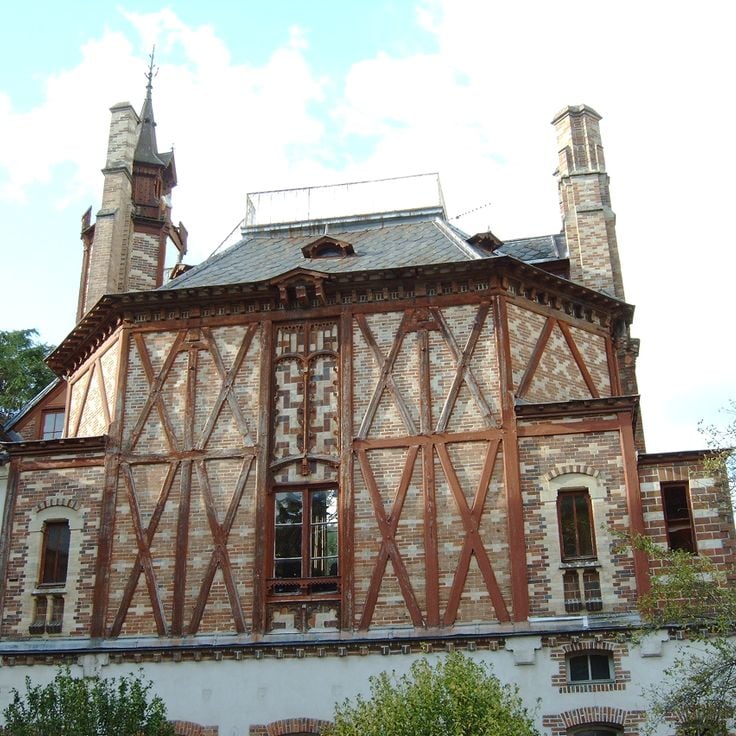
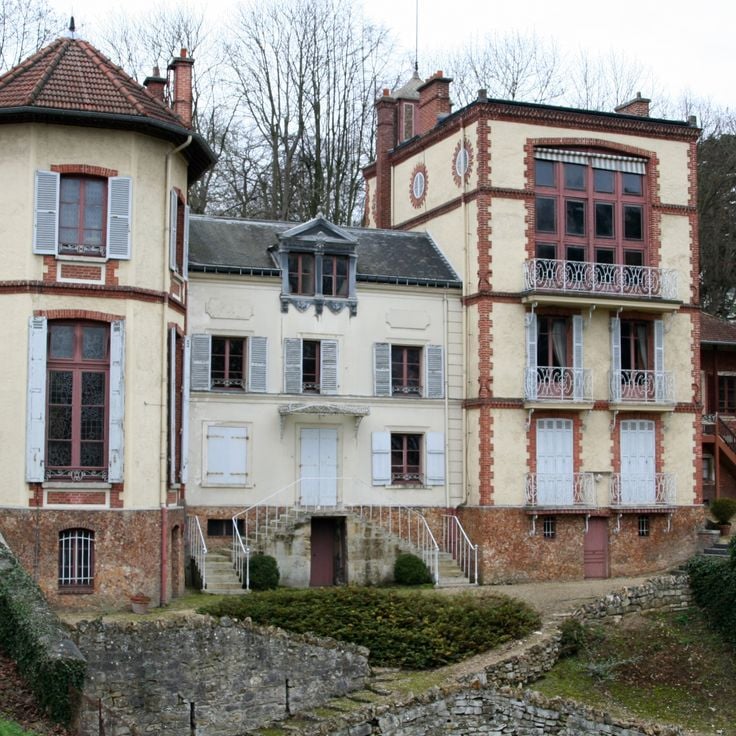
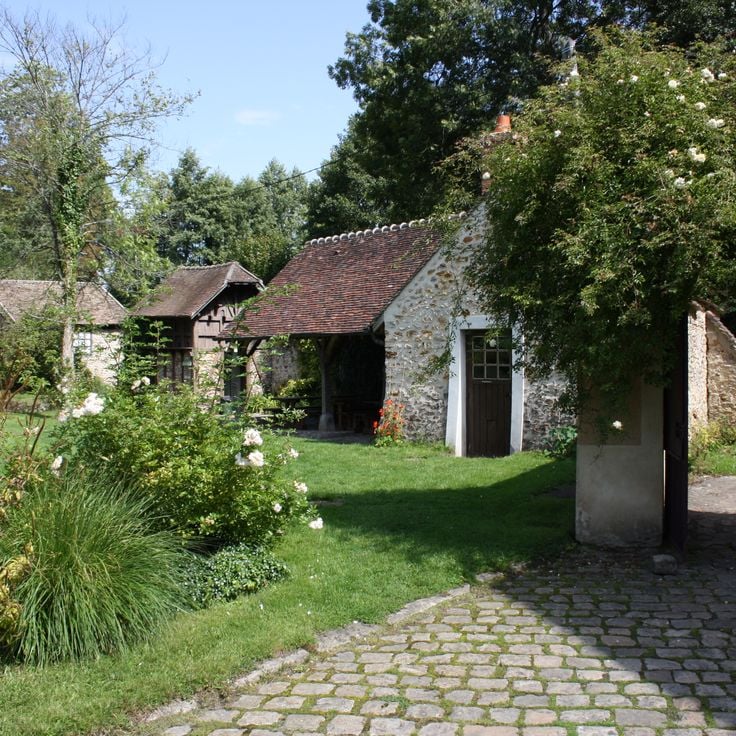
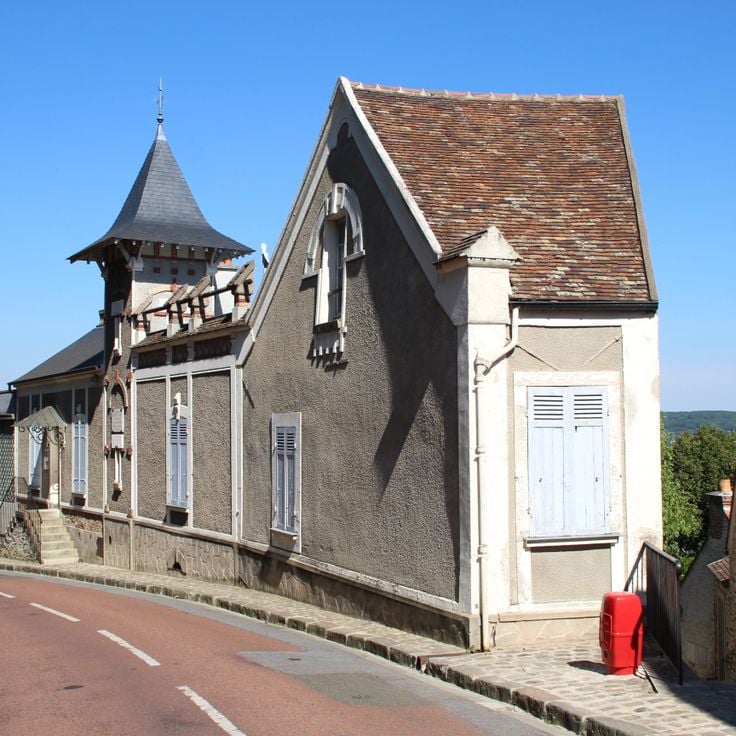
The Musée Stéphane Mallarmé is the former home of poet Stéphane Mallarmé on the banks of the Seine. This house preserves the personal objects, manuscripts, and workspace of the writer, who composed his poems here. The rooms show how Mallarmé organized his daily life and creative work. Visitors can see the library, furniture, and documents that reflect his era and artistic practice.
The Rosa Bonheur Studio-Museum in Thomery was the working space and home of painter Rosa Bonheur. Here she created her paintings in rooms she arranged herself. Visitors can see the workshop where she painted, along with her personal belongings and furniture. The property shows how Bonheur lived and worked, from her brushes to her books. The rooms still hold traces of her daily life and artistic practice.
The home of writer Emile Zola in Médan shows how this influential thinker organized his daily life and creative work. The house preserves the memory of an important moment in French literary history. Zola's workspace, his personal objects, and the furnishings offer insight into how he worked. This place tells the story of a man who shaped French culture and the era in which he lived.
This mill was home to poet Louis Aragon and his wife, writer Elsa Triolet. The couple lived here and created literary works that shaped French culture. The building preserves traces of their daily life and artistic work. Visitors can see the rooms where these two artists spent their time, read books, and exchanged ideas. The mill tells the story of a cultural life in the 20th century.
The home of composer Maurice Ravel in Montfort-l'Amaury offers visitors a chance to see how this French master organized his daily life and creative work. In this house, you can explore the personal objects, furnishings, and workspace that surrounded Ravel as he composed. The residence preserves traces of his habits and artistic process, giving insight into the life and times of an important composer of the 20th century.
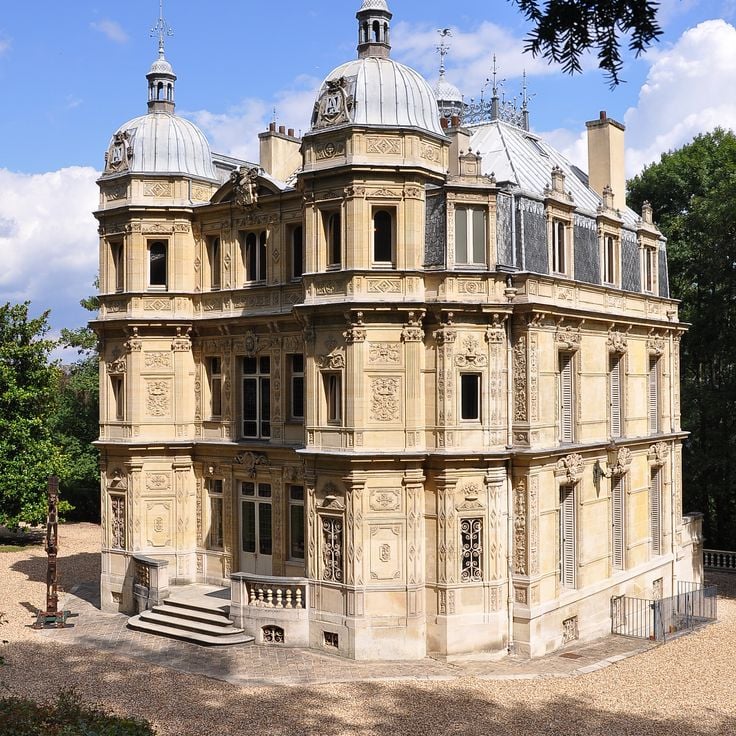
This castle was the home of writer Alexandre Dumas and shows how the author shaped his life. The Château de Monte-Cristo reveals the personal spaces that Dumas used for work and daily life. The rooms preserve furniture and objects from his time, showing how this celebrated writer spent his days. Visitors can see where Dumas wrote his novels and how he arranged his collections. The castle tells of an era and a way of life that no longer exists.
This house and studio of Léonard Foujita in Villiers-le-Bâcle reveals how this Japanese-French painter lived and worked. The artist inhabited this place for many years and created his paintings here. The rooms preserve the traces of his creative practice today. You can see how he arranged his workspace, what objects surrounded him, and how his daily routine moved between home and studio. The house tells the story of an artist who lived between two cultures and developed his own artistic language.
Jean Cocteau's house in Milly-la-Forêt was the home and workplace of the poet, painter, and filmmaker. Cocteau lived here during his later years and used the rooms for his artistic work. The house preserves his personal belongings, furniture, and artistic creations. The rooms show how this versatile artist shaped his daily life and expressed himself through everything from the walls to the furnishings. A visit lets you understand how this important 20th century artist worked and lived.
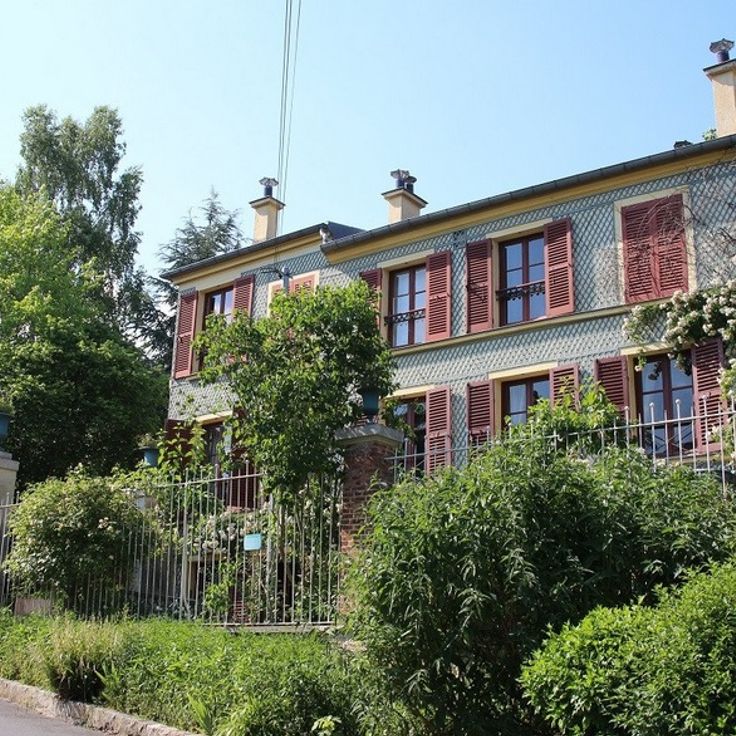
The Vallée-aux-Loups house was the residence of François-René de Chateaubriand, one of the most important French writers of the 19th century. The author lived here and created some of his major works. The house preserves traces of his life and creative process. The rooms show how Chateaubriand organized his daily life, which objects mattered to him, and how he arranged his workspace. Walking through the rooms helps you understand the everyday habits of this creative mind. The gardens surrounding the house are also part of the experience and shape the character of this place.
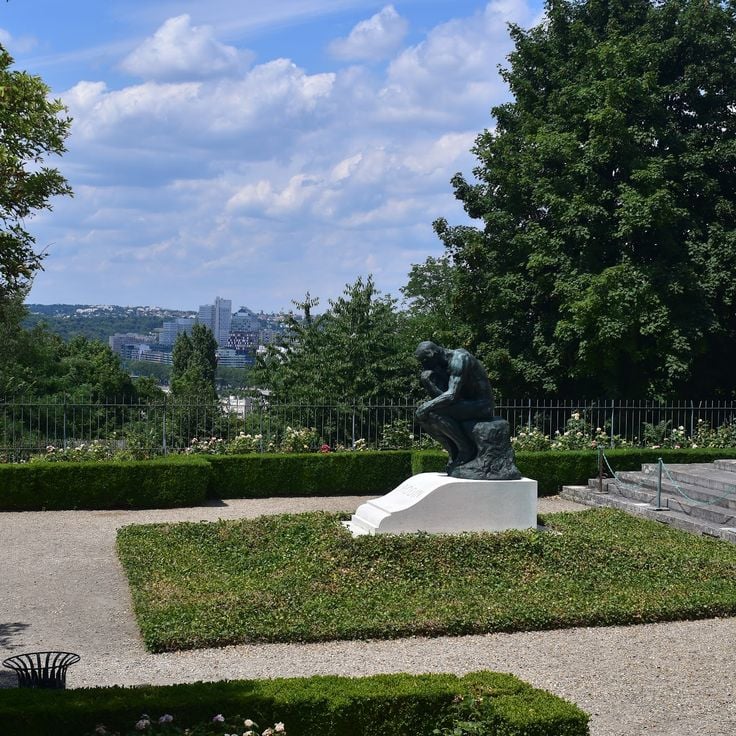
Villa des Brillants was the home of sculptor Auguste Rodin in Meudon. The house preserves traces of Rodin's work habits and personal life. Visitors can explore the rooms where the artist lived and created, as well as his collection of sculptures and personal objects. The house shows how Rodin organized his daily routine and where his artistic works came to life. The villa gives insight into his life and the working methods of a major sculptor of the late 19th century.
The Maison des Jardies was the home of Léon Gambetta, an influential French politician of the 19th century. This house shows how a leading statesman divided his time between political duties and private life. The rooms preserve traces of his work and his personal choices in decoration. Visitors can understand how Gambetta organized his daily routine and which objects mattered to him. The house tells the story of a man who shaped French history and offers insight into the way a political leader lived in the 19th century.
The home of philosopher Jean-Jacques Rousseau in Montmorency offered him shelter during his years in France. Here Rousseau lived modestly and worked on his writings. The house shows how the thinker organized his daily life, what books he read, and which personal objects surrounded him. The rooms preserve traces of his time there and allow visitors to understand the daily reality of this influential writer.
The Hotel Rohan-Guéménée is the house in Paris where Victor Hugo lived for sixteen years. Today, visitors can explore the rooms where the famous writer worked and received his family. The house preserves original furnishings, personal objects, and furniture from Hugo's time. You will find manuscripts, handwritten documents, and artworks that show how the poet organized his daily life and creative work. The house tells not only about Hugo's life but also offers insight into the 19th century and the Parisian home life of an era that has long since disappeared.
The apartment of philosopher Auguste Comte in Paris is where this thinker developed his most important works. Visitors can see how Comte lived and worked within these rooms. The apartment preserves furniture, books, and personal objects that reveal how this philosopher organized his daily life. You can visit the library where he studied and wrote, as well as the rooms where he received his family. These spaces offer insight into the life of a man whose ideas shaped French thought.
The Gustave Moreau National Museum occupies the house where the painter Gustave Moreau lived and worked in Paris. Visitors can explore the rooms where the artist spent his creative life, surrounded by his belongings and furnishings. The museum displays a large collection of paintings, drawings, and sketches that reveal his artistic process. The original studio atmosphere is preserved, with furniture and tools the painter used daily. Through these spaces, you can understand how a 19th-century Symbolist painter organized his work and creative practice.
The house of Balzac in Paris was the residence of writer Honoré de Balzac. Here the author worked on his major works and left traces of his daily life. The rooms hold furniture, books, and personal objects that show how Balzac spent his days and developed his stories. Visitors can understand how this writer created his works within his home.
The Le Corbusier apartment in Paris is located within the Molitor building and served as the home of the renowned architect. This space shows how Le Corbusier himself lived and worked. Visitors can see his personal belongings, furniture, and the design choices he made. The apartment offers insight into the daily life of a man who shaped modern architecture. The rooms preserve his working methods and how he used his living space. Here, you discover how this creative mind designed his own home.
The house of Louis Braille in Coupvray reveals the life of the inventor of the Braille alphabet. Inside, you can see how Braille worked and lived in these rooms. His personal objects and tools remain preserved here. The house tells the story of a man whose invention changed the lives of blind people. By visiting, you understand how he developed his alphabet and what ideas guided him. This home is a record of the daily work of an important inventor and shows a significant period in French history.
The Musée Stéphane Mallarmé is the former home of poet Stéphane Mallarmé on the banks of the Seine. This house preserves the personal objects, manuscripts, and workspace of the writer, who composed his poems here. The rooms show how Mallarmé organized his daily life and creative work. Visitors can see the library, furniture, and documents that reflect his era and artistic practice.
The Rosa Bonheur Studio-Museum in Thomery was the working space and home of painter Rosa Bonheur. Here she created her paintings in rooms she arranged herself. Visitors can see the workshop where she painted, along with her personal belongings and furniture. The property shows how Bonheur lived and worked, from her brushes to her books. The rooms still hold traces of her daily life and artistic practice.
The home of writer Emile Zola in Médan shows how this influential thinker organized his daily life and creative work. The house preserves the memory of an important moment in French literary history. Zola's workspace, his personal objects, and the furnishings offer insight into how he worked. This place tells the story of a man who shaped French culture and the era in which he lived.
This mill was home to poet Louis Aragon and his wife, writer Elsa Triolet. The couple lived here and created literary works that shaped French culture. The building preserves traces of their daily life and artistic work. Visitors can see the rooms where these two artists spent their time, read books, and exchanged ideas. The mill tells the story of a cultural life in the 20th century.
The home of composer Maurice Ravel in Montfort-l'Amaury offers visitors a chance to see how this French master organized his daily life and creative work. In this house, you can explore the personal objects, furnishings, and workspace that surrounded Ravel as he composed. The residence preserves traces of his habits and artistic process, giving insight into the life and times of an important composer of the 20th century.
This castle was the home of writer Alexandre Dumas and shows how the author shaped his life. The Château de Monte-Cristo reveals the personal spaces that Dumas used for work and daily life. The rooms preserve furniture and objects from his time, showing how this celebrated writer spent his days. Visitors can see where Dumas wrote his novels and how he arranged his collections. The castle tells of an era and a way of life that no longer exists.
This house and studio of Léonard Foujita in Villiers-le-Bâcle reveals how this Japanese-French painter lived and worked. The artist inhabited this place for many years and created his paintings here. The rooms preserve the traces of his creative practice today. You can see how he arranged his workspace, what objects surrounded him, and how his daily routine moved between home and studio. The house tells the story of an artist who lived between two cultures and developed his own artistic language.
Jean Cocteau's house in Milly-la-Forêt was the home and workplace of the poet, painter, and filmmaker. Cocteau lived here during his later years and used the rooms for his artistic work. The house preserves his personal belongings, furniture, and artistic creations. The rooms show how this versatile artist shaped his daily life and expressed himself through everything from the walls to the furnishings. A visit lets you understand how this important 20th century artist worked and lived.
The Vallée-aux-Loups house was the residence of François-René de Chateaubriand, one of the most important French writers of the 19th century. The author lived here and created some of his major works. The house preserves traces of his life and creative process. The rooms show how Chateaubriand organized his daily life, which objects mattered to him, and how he arranged his workspace. Walking through the rooms helps you understand the everyday habits of this creative mind. The gardens surrounding the house are also part of the experience and shape the character of this place.
Villa des Brillants was the home of sculptor Auguste Rodin in Meudon. The house preserves traces of Rodin's work habits and personal life. Visitors can explore the rooms where the artist lived and created, as well as his collection of sculptures and personal objects. The house shows how Rodin organized his daily routine and where his artistic works came to life. The villa gives insight into his life and the working methods of a major sculptor of the late 19th century.
The Maison des Jardies was the home of Léon Gambetta, an influential French politician of the 19th century. This house shows how a leading statesman divided his time between political duties and private life. The rooms preserve traces of his work and his personal choices in decoration. Visitors can understand how Gambetta organized his daily routine and which objects mattered to him. The house tells the story of a man who shaped French history and offers insight into the way a political leader lived in the 19th century.
The home of philosopher Jean-Jacques Rousseau in Montmorency offered him shelter during his years in France. Here Rousseau lived modestly and worked on his writings. The house shows how the thinker organized his daily life, what books he read, and which personal objects surrounded him. The rooms preserve traces of his time there and allow visitors to understand the daily reality of this influential writer.
The Hotel Rohan-Guéménée is the house in Paris where Victor Hugo lived for sixteen years. Today, visitors can explore the rooms where the famous writer worked and received his family. The house preserves original furnishings, personal objects, and furniture from Hugo's time. You will find manuscripts, handwritten documents, and artworks that show how the poet organized his daily life and creative work. The house tells not only about Hugo's life but also offers insight into the 19th century and the Parisian home life of an era that has long since disappeared.
The apartment of philosopher Auguste Comte in Paris is where this thinker developed his most important works. Visitors can see how Comte lived and worked within these rooms. The apartment preserves furniture, books, and personal objects that reveal how this philosopher organized his daily life. You can visit the library where he studied and wrote, as well as the rooms where he received his family. These spaces offer insight into the life of a man whose ideas shaped French thought.
The Gustave Moreau National Museum occupies the house where the painter Gustave Moreau lived and worked in Paris. Visitors can explore the rooms where the artist spent his creative life, surrounded by his belongings and furnishings. The museum displays a large collection of paintings, drawings, and sketches that reveal his artistic process. The original studio atmosphere is preserved, with furniture and tools the painter used daily. Through these spaces, you can understand how a 19th-century Symbolist painter organized his work and creative practice.
The house of Balzac in Paris was the residence of writer Honoré de Balzac. Here the author worked on his major works and left traces of his daily life. The rooms hold furniture, books, and personal objects that show how Balzac spent his days and developed his stories. Visitors can understand how this writer created his works within his home.
The Le Corbusier apartment in Paris is located within the Molitor building and served as the home of the renowned architect. This space shows how Le Corbusier himself lived and worked. Visitors can see his personal belongings, furniture, and the design choices he made. The apartment offers insight into the daily life of a man who shaped modern architecture. The rooms preserve his working methods and how he used his living space. Here, you discover how this creative mind designed his own home.
The house of Louis Braille in Coupvray reveals the life of the inventor of the Braille alphabet. Inside, you can see how Braille worked and lived in these rooms. His personal objects and tools remain preserved here. The house tells the story of a man whose invention changed the lives of blind people. By visiting, you understand how he developed his alphabet and what ideas guided him. This home is a record of the daily work of an important inventor and shows a significant period in French history.
The Musée Stéphane Mallarmé is the former home of poet Stéphane Mallarmé on the banks of the Seine. This house preserves the personal objects, manuscripts, and workspace of the writer, who composed his poems here. The rooms show how Mallarmé organized his daily life and creative work. Visitors can see the library, furniture, and documents that reflect his era and artistic practice.
The Rosa Bonheur Studio-Museum in Thomery was the working space and home of painter Rosa Bonheur. Here she created her paintings in rooms she arranged herself. Visitors can see the workshop where she painted, along with her personal belongings and furniture. The property shows how Bonheur lived and worked, from her brushes to her books. The rooms still hold traces of her daily life and artistic practice.
The home of writer Emile Zola in Médan shows how this influential thinker organized his daily life and creative work. The house preserves the memory of an important moment in French literary history. Zola's workspace, his personal objects, and the furnishings offer insight into how he worked. This place tells the story of a man who shaped French culture and the era in which he lived.
This mill was home to poet Louis Aragon and his wife, writer Elsa Triolet. The couple lived here and created literary works that shaped French culture. The building preserves traces of their daily life and artistic work. Visitors can see the rooms where these two artists spent their time, read books, and exchanged ideas. The mill tells the story of a cultural life in the 20th century.
The home of composer Maurice Ravel in Montfort-l'Amaury offers visitors a chance to see how this French master organized his daily life and creative work. In this house, you can explore the personal objects, furnishings, and workspace that surrounded Ravel as he composed. The residence preserves traces of his habits and artistic process, giving insight into the life and times of an important composer of the 20th century.
This castle was the home of writer Alexandre Dumas and shows how the author shaped his life. The Château de Monte-Cristo reveals the personal spaces that Dumas used for work and daily life. The rooms preserve furniture and objects from his time, showing how this celebrated writer spent his days. Visitors can see where Dumas wrote his novels and how he arranged his collections. The castle tells of an era and a way of life that no longer exists.
This house and studio of Léonard Foujita in Villiers-le-Bâcle reveals how this Japanese-French painter lived and worked. The artist inhabited this place for many years and created his paintings here. The rooms preserve the traces of his creative practice today. You can see how he arranged his workspace, what objects surrounded him, and how his daily routine moved between home and studio. The house tells the story of an artist who lived between two cultures and developed his own artistic language.
Jean Cocteau's house in Milly-la-Forêt was the home and workplace of the poet, painter, and filmmaker. Cocteau lived here during his later years and used the rooms for his artistic work. The house preserves his personal belongings, furniture, and artistic creations. The rooms show how this versatile artist shaped his daily life and expressed himself through everything from the walls to the furnishings. A visit lets you understand how this important 20th century artist worked and lived.
The Vallée-aux-Loups house was the residence of François-René de Chateaubriand, one of the most important French writers of the 19th century. The author lived here and created some of his major works. The house preserves traces of his life and creative process. The rooms show how Chateaubriand organized his daily life, which objects mattered to him, and how he arranged his workspace. Walking through the rooms helps you understand the everyday habits of this creative mind. The gardens surrounding the house are also part of the experience and shape the character of this place.
Villa des Brillants was the home of sculptor Auguste Rodin in Meudon. The house preserves traces of Rodin's work habits and personal life. Visitors can explore the rooms where the artist lived and created, as well as his collection of sculptures and personal objects. The house shows how Rodin organized his daily routine and where his artistic works came to life. The villa gives insight into his life and the working methods of a major sculptor of the late 19th century.
The Maison des Jardies was the home of Léon Gambetta, an influential French politician of the 19th century. This house shows how a leading statesman divided his time between political duties and private life. The rooms preserve traces of his work and his personal choices in decoration. Visitors can understand how Gambetta organized his daily routine and which objects mattered to him. The house tells the story of a man who shaped French history and offers insight into the way a political leader lived in the 19th century.
The home of philosopher Jean-Jacques Rousseau in Montmorency offered him shelter during his years in France. Here Rousseau lived modestly and worked on his writings. The house shows how the thinker organized his daily life, what books he read, and which personal objects surrounded him. The rooms preserve traces of his time there and allow visitors to understand the daily reality of this influential writer.