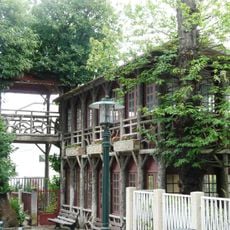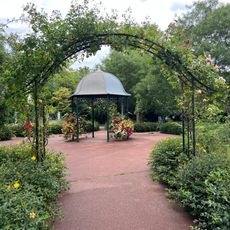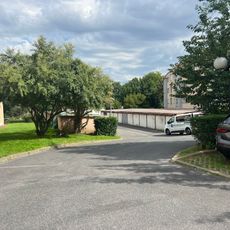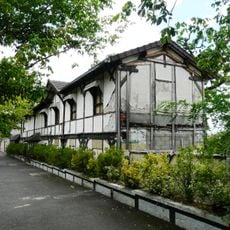
Parc de la Vallée aux Loups, Historical park in Châtenay-Malabry, France.
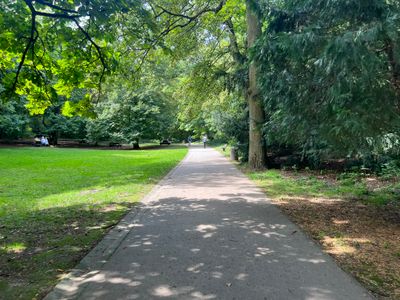
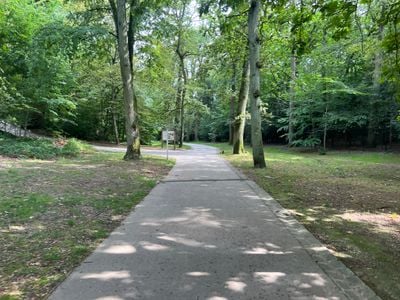
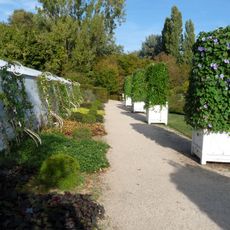
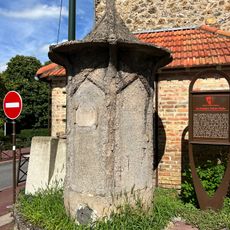
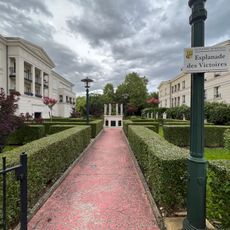
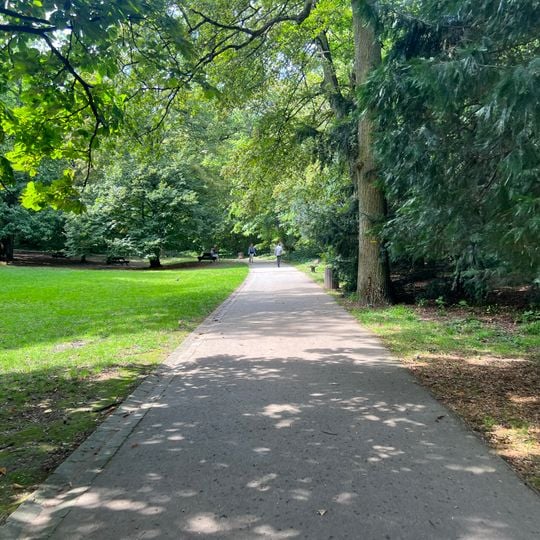
The 36-hectare grounds encompass extensive woodlands with chestnut and oak trees, crossed by the Aulnay stream and linked by walking paths. The property divides into several distinct areas including the Arboretum with botanical collections, the historic residence, and the Green Island section. Open meadows alternate with dense tree cover, while formal gardens display deliberate landscaping. Water features and natural topography create varied terrain throughout the grounds.
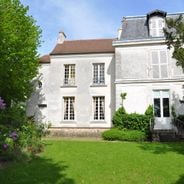
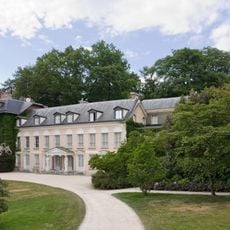
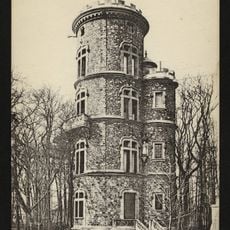
François-René de Chateaubriand acquired the property in 1807 after being exiled from Paris for criticizing Napoleon Bonaparte. He resided there until 1818, writing major works during this period. The estate changed hands several times during the 19th century before transformation into public grounds in the 20th century. The municipality gradually acquired different sections, developing them into a cohesive heritage site open to visitors.
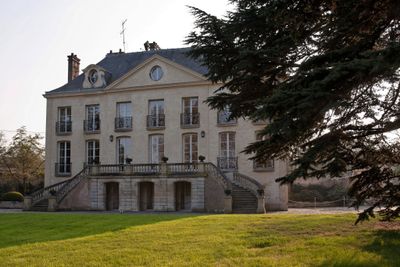
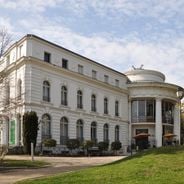
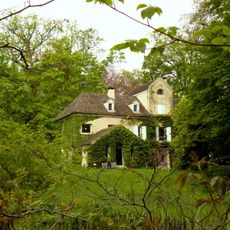
The former residence serves as a museum displaying period furnishings and wallpapers from the writer's lifetime, offering visitors insight into early 19th-century French literary life. The surrounding grounds function as a public green space for local residents, providing opportunities for recreation and education. The site bridges literary heritage with botanical interest, attracting both history enthusiasts and nature lovers throughout the year.
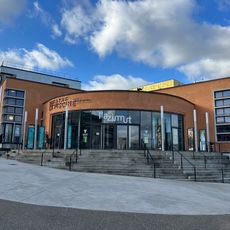
The property divides into multiple sections with varying schedules: the Arboretum, residence museum, and Green Island each maintain different opening hours and admission policies. Accessible via public transportation from Paris with a subsequent walk from Châtenay-Malabry station. Some paths accommodate wheelchairs while others present challenges due to natural terrain. Parking facilities and visitor amenities are available nearby, with restrooms located at the main entrance.
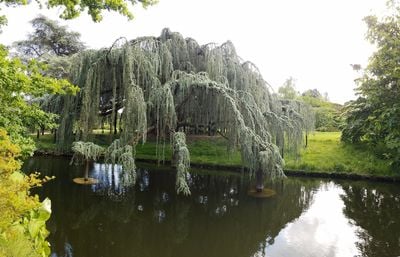
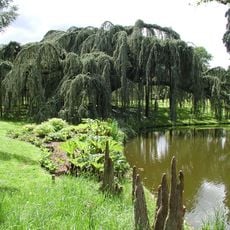
The Arboretum houses a weeping blue Atlas cedar planted in 1895, covering 700 square meters with its sprawling branches. This specimen represents the only example of its kind in the region, attracting botanists and nature enthusiasts. Its distinctive drooping limbs touch the ground, creating a natural canopy structure. The unusual growth pattern resulted from genetic characteristics and careful cultivation over more than a century.
The community of curious travelers
AroundUs brings together thousands of curated places, local tips, and hidden gems, enriched daily by 90,918 contributors worldwide.